
Anthracnose is a deceptive pathogen. It blackens leaf veins, blights tender shoots, and can collapse an entire planting bed before most gardeners notice the subtle initial spotting. The window for effective treatment is narrow, and using the wrong chemistry wastes time while the infection deepens into the vascular tissue.
I’m Rikta — the co-founder and writer behind Lawn Gear Lab. I’ve spent many hours comparing the disease-control spectra, active ingredient concentrations, and residual protection windows of commercial fungicides to separate products that actually stop anthracnose from those that merely suppress surface symptoms.
After analyzing seven products with proven efficacy against Colletotrichum species, I assembled this guide to the best fungicide for anthracnose so you can invest in a treatment that matches the severity and location of your outbreak.
How To Choose The Best Fungicide For Anthracnose
Selecting the right product depends on the host plant, the stage of the infection, and whether you are treating a lawn, a greenhouse, or a mixed ornamental bed. The active ingredient determines curative power, residual length, and safety window for edible crops.
Systemic vs. Contact Activity
Systemic fungicides such as myclobutanil, propiconazole, and azoxystrobin penetrate leaf tissue and move within the plant to protect unsprayed growth. Contact fungicides like captan and biologicals such as Bacillus subtilis remain on the surface and require thorough coverage. For anthracnose, which can infect stems, petioles, and crown tissue, a systemic or locally systemic product often provides superior control.
Active Ingredient and Resistance Management
Anthracnose is a high-risk disease for fungicide resistance, particularly to QoI (strobilurin) chemistries. Products containing azoxystrobin or pyraclostrobin should be tank-mixed or rotated with a DMI (demethylation inhibitor) such as propiconazole or myclobutanil. Biological options that rely on multiple modes of action, such as Bacillus subtilis, offer a lower resistance risk for organic operations.
Application Type and Coverage
Foliar sprays require a spreader-sticker in some formulations to improve adherence on waxy leaves. Soil drenches of biological fungicides colonize the root zone and protect against root-infecting isolates. For turf applications, select a product that penetches the thatch layer and reaches the crown, where anthracnose basal rot develops.
Quick Comparison
On smaller screens, swipe sideways to see the full table.
| Model | Category | Best For | Key Spec | Amazon |
|---|---|---|---|---|
| Atticus Gravex 20EW | Mid-Range Systemic | Cure + prevention on ornamentals and turf | 19.7% myclobutanil | Amazon |
| Quali-Pro Propiconazole 14.4 | Premium Turf | Large lawn anthracnose suppression | 14.3% propiconazole | Amazon |
| Atticus Artavia 2 SC | Premium Broad-Spectrum | Root-to-leaf anthracnose defense | 22.9% azoxystrobin | Amazon |
| Southern Ag Captan Fungicide | Premium Contact | Stone fruit and berry anthracnose | 8 oz wettable powder | Amazon |
| Bonide Captain Jack’s Orchard Spray | Mid-Range Multi-Purpose | Citrus and fruit tree anthracnose control | 32 oz concentrate | Amazon |
| Southern Ag Biological Fungicide | Budget Biological | Organic soil drench prevention | Bacillus subtilis 16 oz | Amazon |
| Bonide Revitalize Biofungicide | Budget Biological | Indoor and edible crop protection | Bacillus amyloliquefaciens 16 oz | Amazon |
In‑Depth Reviews
1. Atticus Gravex 20EW Fungicide
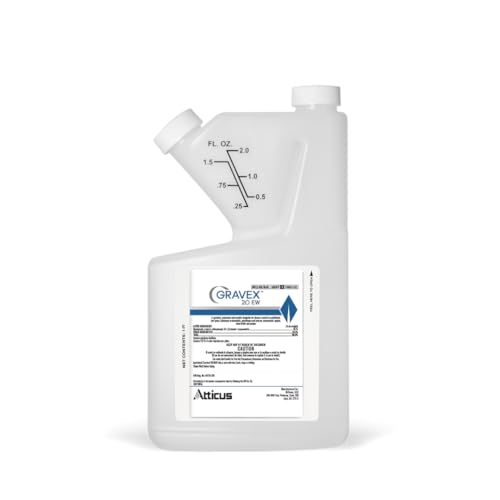
Gravex 20EW delivers a high-concentration myclobutanil formulation that provides both curative and preventive activity against anthracnose and 38 other listed diseases. The systemic mobility moves the active ingredient upward into new growth, offering protection for up to 28 days per application—critical for catching the repeated infection cycles common in warm, wet weather.
Users on ornamentals like zinnias and plumeria, as well as fruit trees battling brown rot, reported visible improvement within 24 hours on potted specimens and complete clearing within several days on ground plants. The built-in measuring spout simplifies mixing for backpack or hose-end sprayers, and the concentrate stretches across large turf areas or multiple ornamental beds.
The product is not available for sale in Alaska, District of Columbia, New York, Puerto Rico, or Vermont, so verify regional registration before purchasing. A strong odor is noted during mixing, though it dissipates after application, and the curative effect on already-infected leaf tissue is modest—Gravex works best when applied at the first signs of infection.
What works
- High myclobutanil concentration (19.7%) for reliable systemic control of anthracnose
- Up to 28 days of residual protection between applications
- Built-in measuring spout reduces mixing errors
What doesn’t
- State-level restrictions in several regions
- Strong chemical odor during mixing
- Limited curative action on severely infected mature leaves
2. Quali-Pro Propiconazole 14.4 Fungicide

Propiconazole 14.3 is a well-established DMI fungicide widely used on golf courses and commercial turf for anthracnose basal rot suppression. The microemulsion formulation produces less odor than older emulsifiable concentrates and provides excellent tank stability, making it a reliable partner in rotation programs with strobilurin fungicides.
Reviews from homeowners treating brown patch on tall fescue and St. Augustine grass confirm that a two-ounce-per-thousand-square-foot rate halts spread within one week, with full recovery after a second application 14 days later. Users even reported success eliminating orange rust on wild blackberry bushes after three sprays, though the product requires full PPE including respirator and goggles during mixing.
The 32-ounce bottle treats a substantial area, and several users noted that a single bottle lasts multiple seasons with spot treatments. Performance on warm-season turf anthracnose is strong, but the product can cause phytotoxicity in extreme heat, so follow label timing guidelines. It does not provide the same curative speed as azoxystrobin on advanced foliar lesions.
What works
- Excellent suppression of turf anthracnose and brown patch at labeled rates
- Low-odor microemulsion formulation mixes easily
- Economical coverage; one bottle can last years for spot treatment
What doesn’t
- Full PPE required during mixing—not a casual homeowner product
- Risk of turf damage if applied during extreme heat
- Slower curative action compared to QoI fungicides on advanced infections
3. Atticus Artavia 2 SC Azoxystrobin Fungicide
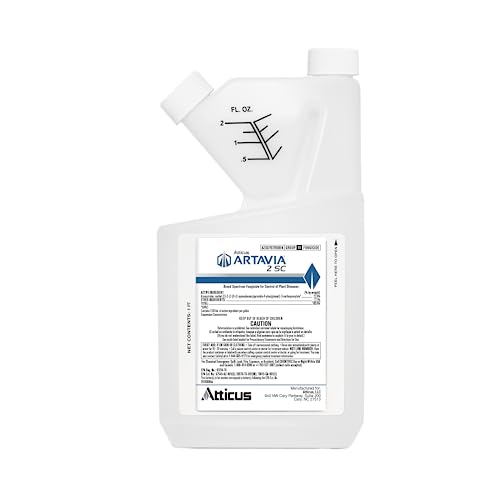
Artavia 2 SC matches the active ingredient concentration of leading brand-name azoxystrobin formulations at a significantly lower per-ounce cost. Azoxystrobin moves acropetally within the plant, meaning it is absorbed by both leaves and roots and distributed to new growth—ideal for anthracnose, which attacks both foliage and crown tissue in turf.
Users applying Artavia on tall fescue lawns reported effective control of foliar fungal diseases and noted rapid recovery of new sod showing root rot symptoms. The low-odor formulation is a meaningful advantage over DMI fungicides for homeowners who are sensitive to chemical smells during application.
The bottle’s built-in measuring tip can over-dispense, so using a separate measuring cup is recommended for accurate dosing. Azoxystrobin is a single-site QoI chemistry, so rotating with a DMI like propiconazole or myclobutanil is essential to prevent resistance development in anthracnose populations.
What works
- Low-odor, easy-to-mix liquid formulation
- Systemic movement from root to leaf for comprehensive protection
- Excellent value compared to branded azoxystrobin products
What doesn’t
- Built-in dispenser is inaccurate—plan to use a measuring cup
- QoI chemistry requires rotation to manage resistance risk
- Not registered for sale in Alaska, Hawaii, or Vermont
4. Southern Ag Captan Fungicide 8 oz

Southern Ag Captan is a multi-site contact fungicide with excellent activity against anthracnose on stone fruits, berries, and ornamentals. Because captan acts on multiple biochemical pathways in the fungus, it poses a very low resistance risk, making it a valuable rotation partner in any disease management program. The wettable powder formulation suspends readily in water and provides good coverage on fruit surfaces.
Users treating montmorency tart cherry trees reported effective control of yellow leaf mold and brown rot when captan was applied according to the seasonal phenology schedule. Peach growers noted a dramatic reduction in mummy fruit rot compared to previous untreated years.
The 8-ounce container is relatively small, and the product is a powder rather than a liquid concentrate, which can be messier during mixing. Captan must be reapplied after rain because it does not penetrate plant tissue, so frequent applications may be necessary during wet weather. Some users have noted availability concerns as the product becomes harder to source.
What works
- Multi-site mode of action—no resistance concerns with anthracnose
- Excellent brown rot and leaf spot control on stone fruit
- Wettable powder suspends well and offers good fruit coverage
What doesn’t
- Powder form can be messy during mixing
- Requires reapplication after rain; no systemic movement
- Small container size may not cover large orchards
5. Bonide Captain Jack’s Citrus, Fruit & Nut Orchard Spray

Captain Jack’s Orchard Spray combines fungicidal, insecticidal, and miticidal activity in a single sulfur-based concentrate, simplifying spray schedules for home fruit growers. The sulfur component provides contact activity against anthracnose and powdery mildew, while the insecticidal properties target beetles, caterpillars, and leafhoppers that can vector fungal spores.
Reviews from apple and cherry growers in New Hampshire reported effective control of leaf spot diseases and a visible greening of foliage within days of the first application. Users also noted rapid knockdown of Japanese beetles and cucumber beetles, reducing the need for separate insecticide sprays. The concentrate mixes at a rate of 2.5 ounces per gallon, and one pint yields up to 6.4 gallons of finished spray.
The sulfur residue can leave a powdery white film on leaves and fruit, which some users find cosmetically unappealing. Because sulfur is a contact material, thorough coverage of both upper and lower leaf surfaces is critical for anthracnose control, and reapplication after heavy rain is necessary.
What works
- Triple-action formula controls fungus, insects, and mites in one application
- Economical concentrate; one pint makes over six gallons of spray
- Visible improvement in leaf color and reduced spotting within days
What doesn’t
- Sulfur residue leaves a white film on leaves and fruit
- Contact-only activity requires thorough coverage and reapplication after rain
- Not suitable for use on sulfur-sensitive plants like cucurbits
6. Southern Ag Garden Friendly Biological Fungicide

Southern Ag Biological Fungicide is a concentrated liquid formulation of Bacillus subtilis, a beneficial bacterium that colonizes the root zone and outcompetes soilborne pathogens, including the anthracnose pathogen when it overwinters in plant debris or infects roots. Applied as a soil drench at transplanting, the bacteria establish a protective rhizosphere barrier that persists through the growing season.
Users reported that a single soil drench revived drooping tomato plants within 24 hours, and multiple applications over several weeks stopped leaf miner damage on cucumbers and revived a peach tree suffering from spider mites. The product also doubles as a mild bio-fertilizer, with several users noting darker green foliage without additional synthetic nitrogen.
The bottle opening tends to dribble during measurement, making it messy to pour small doses. Because biological products are living organisms, the concentrate must be stored in a cool, dark place and used before the expiration date. Results are slower than synthetic chemistries, and prevention is much more effective than attempting a cure after heavy infection.
What works
- Safe for edible crops; can be used up to day of harvest
- Acts as a root-zone bio-fertilizer in addition to disease suppression
- Revived stressed plants rapidly in multiple user reports
What doesn’t
- Bottle opening design causes product to dribble during pouring
- Slower acting than synthetic fungicides; best used preventively
- Requires cool storage and has a limited shelf life as a living product
7. Bonide Revitalize Biofungicide Concentrate

Bonide Revitalize leverages Bacillus amyloliquefaciens strain D747, which triggers a systemic immune response in the plant (induced systemic resistance) while also producing metabolites that directly inhibit fungal spore germination. This dual mechanism makes it effective against anthracnose as both a preventive foliar spray and a soil drench for root protection.
Users applying Revitalize as a foliar spray on houseplants and tomatoes reported noticeable reduction in leaf spotting and blight symptoms, with the organic formulation being gentle enough for use on sensitive indoor plants. The concentrate mixes easily with water and can be applied up to the day of harvest, making it a practical choice for edible gardens.
The product has a strong, unpleasant odor during mixing that some users find off-putting, though the smell dissipates after the spray dries. Because it is a biological trigger rather than a direct contact killer, it works best when applied before disease becomes severe—it is not a rescue treatment for advanced anthracnose infections with extensive leaf necrosis.
What works
- OMRI-listed for organic gardening; safe for edibles up to harvest day
- Works as both foliar spray and soil drench for complete protection
- Gentle on sensitive indoor plants and seedlings
What doesn’t
- Strong, unpleasant odor during mixing and application
- Preventive use only—limited curative power on established infections
- Requires frequent reapplication for sustained protection
Hardware & Specs Guide
Active Ingredient Concentration
Higher percentage active ingredients (e.g., 19.7% myclobutanil in Gravex, 22.9% azoxystrobin in Artavia) allow smaller dose rates per gallon of water, reducing the total product used per treatment. Lower-concentration formulations (e.g., 14.3% propiconazole) require slightly higher volumes to deliver the same active amount but often come in larger containers that lower the cost per treatment area.
Systemic Mobility
Locally systemic fungicides like propiconazole and myclobutanil move within the leaf tissue but do not translocate to new growth from roots. Acropetal penetrants like azoxystrobin move upward through the xylem, protecting unsprayed foliage. Contact fungicides like captan and biologicals do not penetrate the cuticle and require complete coverage of all susceptible plant surfaces.
FAQ
Can I use a biological fungicide like Bonide Revitalize to cure an active anthracnose infection on my tomatoes?
How do I rotate fungicides to prevent anthracnose resistance in my lawn?
Will Bonide Captain Jack’s Orchard Spray harm my beneficial insects when applied for anthracnose on fruit trees?
Final Thoughts: The Verdict
For most gardeners, the fungicide for anthracnose winner is the Atticus Gravex 20EW because its 19.7% myclobutanil concentration delivers a 28-day residual window and systemic protection on both ornamentals and turf. If you need a low-odor option for root-to-leaf defense on large lawns, grab the Atticus Artavia 2 SC. And for organic soil-drench prevention in edible gardens, nothing beats the Southern Ag Biological Fungicide.