
Container vegetables face a unique challenge: the finite soil volume in a pot means nutrients deplete fast, and standard garden fertilizers can easily burn tender roots or fail to provide the balanced mineral profile needed for a strong harvest. The right formula for potted plants must deliver a steady, complete nutrient supply without overwhelming the confined root zone.
I’m Rikta — the co-founder and writer behind Lawn Gear Lab. I’ve spent countless hours comparing NPK ratios, organic certifications, and slow-release mechanisms across dozens of vegetable-fertilizer formulations, cross-referencing manufacturer specs with aggregated owner feedback to determine which products actually sustain productive container gardens.
The products that made this list were chosen based on their specific suitability for pot culture — drainage, root safety, and balanced feeding. This guide breaks down the essential details to help you choose the best fertilizer for vegetables in pots for your setup.
How To Choose The Best Fertilizer For Vegetables In Pots
Container gardening places your vegetables in an artificial environment where nutrients wash out faster and root space is limited. Choosing the right fertilizer means understanding a few key factors specific to pot culture.
NPK Ratio: What Potted Veggies Actually Need
A standard all-purpose 10-10-10 fertilizer is often too intense for containers. Vegetables in pots benefit from a balanced or slightly lower first number (nitrogen) to avoid excessive leafy growth at the expense of fruit. A ratio like 5-10-10 or 6-4-5 is more appropriate, providing ample phosphorus and potassium for flowering and fruiting.
Release Speed: Slow vs. Fast Feeding
Potted soil drains quickly, washing away soluble nutrients. Slow-release granular formulas feed gradually over several weeks, reducing the risk of root burn and leaching. Liquid concentrates offer precise control and immediate absorption but require more frequent application. For most container gardeners, a granular product with a monthly reapplication schedule provides the best balance of consistency and convenience.
Organic vs. Synthetic: The Container Consideration
Organic fertilizers improve soil biology and structure, which is especially valuable in the limited volume of a pot. They are less likely to cause salt buildup that can harm roots. Synthetic options deliver nutrients fast but can accumulate salts over time, requiring periodic flushing. For small containers used for edibles, an OMRI-listed organic product is the safer, more sustainable choice.
Quick Comparison
On smaller screens, swipe sideways to see the full table.
| Model | Category | Best For | Key Spec | Amazon |
|---|---|---|---|---|
| FoxFarm Happy Frog Tomato & Vegetable | Premium Granular | Fruiting Container Veggies | 5-7-3 NPK + Calcium | Amazon |
| FoxFarm Happy Frog All Purpose | Premium OMRI | All-Round Container Feeding | 6-4-5 NPK + Microbes | Amazon |
| Growth Technology GT Vegetable Focus | Liquid Concentrate | Precise Liquid Feeding | Balanced 12 Minerals | Amazon |
| Espoma Organic Garden-tone | Mid-Range Organic | Monthly Granular Routine | 3-4-4 NPK + Bio-tone | Amazon |
| Dr. Earth Premium Gold | Paste/Powder | Quick Revival in Pots | Probiotic Blend | Amazon |
| Lilly Miller Morcrop | Entry-Level Granular | Budget-Friendly Pot Feeding | 5-10-10 NPK | Amazon |
| Jobe’s Organics All Purpose | Basic Organic | Low-Cost Starter Fertilizer | 4-4-4 NPK + Archaea | Amazon |
In‑Depth Reviews
1. FoxFarm Happy Frog Tomato & Vegetable Fertilizer

The standout feature of this granular fertilizer is its targeted 5-7-3 NPK ratio, which provides higher phosphorus and potassium than nitrogen — exactly what tomatoes, peppers, and other fruiting vegetables in containers need to set abundant fruit without excessive foliage. The inclusion of calcium directly addresses blossom end rot, a frequent frustration for potted tomato growers. Mycorrhizal fungi in the blend improve root efficiency in the restricted soil volume of a container, helping plants access moisture and nutrients more effectively.
User reports consistently highlight rapid results: one container gardener noted that bag-grown tomatoes began fruiting quickly after application, and that calcium prevented the common rot issue that can ruin a harvest. The granular form is easy to measure and apply without mixing, and it releases nutrients steadily rather than all at once, reducing the risk of burning sensitive pot roots. Multiple verified reviews mention the absence of a strong fishy odor, making it more pleasant to use in small spaces or on balconies.
For container gardeners focused on fruiting crops, this fertilizer delivers a precise mineral profile that matches the physiological demands of heavy feeders in limited soil. The combination of organic ingredients, targeted NPK, and calcium sets a high standard for pot-specific vegetable nutrition.
What works
- Calcium prevents blossom end rot in pots
- 5-7-3 ratio favors fruit development over leaves
- Mycorrhizal fungi enhance root function
- Low odor compared to other organics
What doesn’t
- Premium price point per pound
- Not ideal for leafy greens needing higher nitrogen
2. FoxFarm Happy Frog All Purpose Fertilizer

FoxFarm’s all-purpose version shifts to a 6-4-5 NPK, providing a slightly higher nitrogen content than the Tomato & Vegetable formula, making it a more versatile choice for container gardens that include both leafy greens and fruiting crops. The OMRI listing assures clean, organic inputs that are safe for edible plants, an important consideration when growing food in confined containers where synthetic salt buildup can quickly become a problem.
Owner feedback emphasizes the dramatic visual turnaround this product can produce: one user reported that yellowing tomato and zucchini plants returned to deep green within a week of application, and that consistent monthly use produced the healthiest garden they had ever grown. The granular format is straightforward to sprinkle around the drip line of each container plant, and the Bio-tone-enriched blend supports beneficial soil microbes that are especially valuable in the sterile environment of fresh potting mix.
The primary drawback reported across reviews is the strong smell that lingers after application, particularly when used indoors or in enclosed porch areas. Several users noted the need to apply with windows open and a thin layer to prevent surface mold. Despite this, the product’s ability to deliver fast, visible results while maintaining OMRI organic standards makes it a top-tier choice for the pot gardener who values versatility.
What works
- OMRI listed for organic container gardening
- 6-4-5 ratio suits mixed pot plantings
- Fast visible greening within a week
What doesn’t
- Strong pungent odor on application
- Can develop surface mold if over-applied
3. Growth Technology GT Vegetable Focus
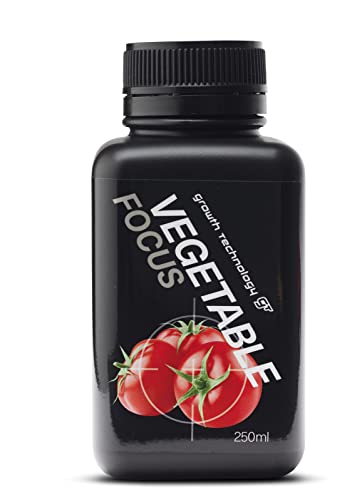
This liquid concentrate from Growth Technology is a completely different approach to container feeding — deliver a precise dose of all 12 essential minerals, including calcium, in a form that is immediately available to roots. For container gardeners using soilless mixes or hydroponic setups, this product shines because it eliminates the guesswork of granular breakdown and provides consistent nutrition with each watering. The recommended dilution of 3-5 ml per liter for soil mixes allows fine-tuning based on plant maturity.
Verified users consistently report that this formula produces noticeably larger leaves and more vigorous growth in plants like Alocasia, Monstera, and tomatoes. The liquid form absorbs quickly in the fast-draining environment of a pot, reducing the risk of nutrient lockout that can occur when granular fertilizers fail to dissolve evenly in shallow container soil. One reviewer noted that despite the bottle seeming expensive, the small dose required makes it last a long time, even for a large collection of container plants.
The trade-off is the need for consistent application — unlike a slow-release granule that sits in the soil for weeks, this liquid requires mixing with every watering or every other watering to maintain nutrient levels. The bottle’s seal was also flagged by a reviewer as prone to leaking during shipping. For the gardener who prefers precise, hands-on control over their container plant nutrition, this is a potent tool.
What works
- Immediate nutrient availability for pot roots
- Includes all 12 essential minerals plus calcium
- Highly concentrated — small doses go far
- Ideal for soilless and hydroponic containers
What doesn’t
- Requires frequent mixing and application
- Bottle cap can leak during transit
4. Espoma Organic Garden-tone 3-4-4

Espoma’s Garden-tone is formulated specifically for both cool and warm-season vegetables, with a 3-4-4 NPK that is intentionally mild for safe use around the sensitive root systems of container plants. The lower nitrogen number reduces the risk of burning, and the inclusion of 5% calcium supports fruit development and structure. The Bio-tone formula provides beneficial microbes that help break down organic matter in the pot, maintaining soil health through the growing season.
Verified reviews highlight this as a go-to for consistent results over multiple seasons — one gardener reported that it never burns plants, even when applied generously, and that it reliably produces strong growth in tomatoes, peppers, and herbs. The monthly application schedule is easy to maintain, and the ready-to-use granular form requires no mixing. The pack of two 4-pound bags provides a solid season’s worth of feeding for a moderate-sized container garden.
The mild NPK means it may not produce the dramatic explosion of growth that a higher-nitrogen synthetic can deliver, but for the container gardener prioritizing root safety and steady organic nutrition, that restraint is a feature, not a flaw. The smell, while less intense than some manure-based organics, is still present and noted in reviews.
What works
- Very safe — won’t burn pot roots
- 3-4-4 is ideal for container vegetables
- Pack of two bags for good seasonal value
- Approved for organic gardening
What doesn’t
- Lower NPK means slower visible results
- Noticeable odor after application
5. Dr. Earth Premium Gold All Purpose Fertilizer

Dr. Earth Premium Gold is a handcrafted organic blend that uses fish bone meal, kelp meal, feather meal, and alfalfa meal as its primary nutrient sources — a diverse microbial food base that improves soil biology in the sterile environment of a new pot. The powder form dissolves quickly and can be mixed into potting soil before planting or sprinkled as a top dressing. Its probiotic approach focuses on building soil health to create a self-sustaining nutrient cycle within the container.
Container gardeners report that a single tablespoon of this product can revive weak or sickly potted plants, with one long-term user stating that it never burns, even in small pots, and works beautifully on everything from tomatoes to succulents. The powder format allows for precise dosing, which is essential in small containers where a little goes a long way. Users have successfully used it to doctor herbs, roses, and even ferns in pots.
The 16-ounce bag is small, and for a large container garden it will require frequent repurchase. Some users also note that the fine powder can be dusty during application. Nevertheless, for gardeners dealing with nutrient-deficient potted vegetables who need a fast-acting, safe organic solution, this product performs reliably.
What works
- Diverse organic meal base builds soil biology
- Powder format allows precise container dosing
- Safe — does not burn roots in pots
- Fast revival of weak or yellowing plants
What doesn’t
- Small bag size for the price
- Powder can be dusty during handling
6. Lilly Miller Morcrop Tomato & Vegetable Food 5-10-10

Lilly Miller’s Morcrop offers a 5-10-10 NPK that is sharply focused on fruit production, providing twice the phosphorus and potassium relative to nitrogen. This makes it an excellent low-cost option for container gardeners growing tomatoes, peppers, or other fruiting vegetables where you want to channel energy into blossoms and fruit rather than leaves. The granule form feeds steadily over 4 to 6 weeks, matching a typical monthly feeding schedule for pots.
Owners praise the results: one review describes it as “the best fertilizer” and another says “everything grows fantastic.” Despite being a granular product, it’s noted that the formula is low-odor relative to other fish-based options, which is appreciated by those keeping containers close to doors or windows. The 4-pound bag provides ample coverage for a season of container feeding without a large upfront investment.
Some users note that the formula is similar to other specialty fertilizers at a lower price point, and that the smell, while reduced, is still present and can attract pets if not worked into the soil. For the container gardener on a budget who wants a proven, fruit-focused NPK ratio, this delivers dependable performance.
What works
- 5-10-10 NPK focuses energy on fruiting
- Low odor compared to similar products
- Granules release steadily over 4-6 weeks
- Good value for budget-conscious growers
What doesn’t
- Can attract pets if left on soil surface
- Strong smell still present for some users
7. Jobe’s Organics Granular All Purpose Fertilizer

Jobe’s Organics offers a balanced 4-4-4 NPK in a fast-acting organic granular form. The standout feature here is the inclusion of billions of archaea — beneficial microorganisms that aggressively break down organic matter, making nutrients available quickly even in the limited soil volume of a container. The 4-pound resealable bag is practical for small-space storage, and the formula is designed to avoid wasteful runoff, which is particularly relevant for pots where every nutrient counts.
User reviews are consistently positive: one gardener with a small container setup of basil, peppers, and beans reported that this fertilizer revived nitrogen-depleted soil within a week, leading to greener leaves and more flower buds. Another user noted that it was affordable yet delivered results comparable to more expensive brands, making it a solid entry point for new container gardeners. The smell, however, is noted in multiple reviews as being quite strong, with dogs attracted to the aroma.
For the grower looking for a low-cost, organic granular option that can correct deficiencies fast in a container setting, Jobe’s works well. The general-purpose 4-4-4 is less targeted for fruiting than some competitors, but for mixed container gardens with both greens and fruiting plants, it provides a reliable baseline.
What works
- Archaea microorganisms speed nutrient breakdown
- Affordable entry-level organic option
- Resealable bag for small container storage
- Corrects container deficiencies quickly
What doesn’t
- Strong smell attracts dogs and pets
- General 4-4-4 not optimized for fruiting
Hardware & Specs Guide
NPK Ratio Decoded
For container vegetables, the NPK numbers indicate the percentage of nitrogen (N), phosphorus (P), and potassium (K) in the bag. Nitrogen drives leafy growth; phosphorus fuels root and flower development; potassium supports overall plant health and disease resistance. Pots benefit from an NPK where the first number is similar to or lower than the second and third numbers, such as 5-10-10 for fruiting crops or 4-4-4 for mixed greens.
Organic Matter & Microbes
Fertilizers labeled OMRI are certified for organic use and contain no synthetic chemicals, GMOs, or sewage sludge. Beneficial microbes like mycorrhizal fungi, archaea, and probiotics in these formulas help container plants access nutrients more efficiently, reducing the need for frequent reapplication in the limited root space of a pot.
FAQ
How often should I fertilize vegetables in pots?
What NPK ratio is best for growing tomatoes in containers?
Can I use slow-release fertilizer in small pots?
Final Thoughts: The Verdict
For most container vegetable gardeners, the fertilizer for vegetables in pots winner is the FoxFarm Happy Frog Tomato & Vegetable Fertilizer because its 5-7-3 ratio with calcium directly supports fruiting and prevents blossom end rot in the confined root zone. If you want the flexibility of a liquid formula for precise feeding schedules, grab the Growth Technology GT Vegetable Focus. And for budget-conscious growers wanting a balanced, root-safe organic granular for mixed container plantings, nothing beats the Espoma Organic Garden-tone.