
Specs are compiled from manufacturer listings and verified buyer reviews and can change over time — please confirm the key details on the product page before buying.
Getting a pepper plant to flower is one thing. Getting it to hold those flowers and turn them into a heavy harvest of crunchy, spicy fruit is where most gardeners hit a wall. The difference between a plant that just survives and one that produces through late summer often depends on the specific balance of nutrients you provide at the right growth stage.
I’m Rikta — the founder and writer behind Lawn Gear Lab. This guide is built by comparing the manufacturers’ published specifications and the patterns across verified customer reviews, so you get each pick’s real strengths and trade-offs instead of marketing spin.
Whether you grow bell peppers in containers or super-hots in raised beds, the right formula can mean the difference between a handful of fruit and a basketful. That is why this guide focuses entirely on finding the very best fertilizer for growing peppers that matches your specific style of gardening.
Our Picks at a Glance


How To Choose The Best Fertilizer For Growing Peppers
Peppers are moderate feeders — they need a steady diet, not a heavy dump of nitrogen all at once. Too much early nitrogen pushes big green leaves but few flowers. The smart approach is to feed a balanced ratio during the early growth phase, then switch to a bloom formula with higher potassium once the first flowers appear. Here are the three factors that matter most.
NPK Ratio — What Your Peppers Actually Need
The three numbers on a fertilizer bag (nitrogen, phosphorus, potassium) tell the story. Nitrogen fuels leaf and stem growth — you want just enough early on, not a surplus. Phosphorus supports root development and flower set, while potassium is the star player for fruit size, flavor, and capsaicin production in hot peppers. A bloom formula like a 5-10-10 or an 11-11-40 puts the emphasis where it belongs once your plants are established.
Liquid Concentrate vs. Granular — Which Fits Your Routine
Liquid fertilizers deliver nutrients instantly to the roots and are easy to adjust strength from week to week. They work great in containers and for growers who want fast results. Granular options like the FoxFarm Happy Frog release nutrients slowly over weeks and need fewer applications. If you are forgetful or garden in the ground, a granular is often the simpler path.
Calcium and Micronutrients — The Blossom End Rot Insurance
A calcium deficiency is the most common reason pepper fruits rot on the bottom just as they start to size up. A fertilizer that lists calcium (like the FoxFarm Happy Frog or the Espoma Garden-tone) gives you a serious edge. Chelated micronutrients — iron, zinc, manganese — also help prevent leaf yellowing and keep nutrient uptake efficient across different soil pH levels.
Quick Comparison
| Model | Best For | NPK Ratio | Form | Size | Amazon |
|---|---|---|---|---|---|
| FoxFarm Happy Frog★ Best Overall | All-around granular power | 5-7-3 | Granules | 4 lb | Amazon |
| Greenway BiotechHot Pepper Specialist | Hot pepper capsaicin boost | 11-11-40 | Powder | 1 lb (makes 200 gal) | Amazon |
| Espoma Garden-toneGarden Workhorse | Monthly organic feeding | 3-4-4 | Granules | 4 lb (pack of 2) | Amazon |
| Leaves and Soul Liquid | Pepper-specific quick fix | 5-1-5 | Liquid | 8 oz (concentrate) | Amazon |
| Dr. Earth Liquid | Sustainable start for seedlings | 3-2-2 | Liquid | 24 oz (concentrate) | Amazon |
| Cz Garden 5-10-10 | Budget bloom booster | 5-10-10 | Granules | 4 lb | Amazon |
| Down To Earth Mix | All-natural soil builder | 4-6-2 | Granules | 5 lb | Amazon |
| TPS Nutrients Liquid | Quick rescue for struggling plants | — | Liquid | 32 oz | Amazon |
| Cz Garden 4-18-38 | Hydroponic & bulk production | 4-18-38 | Powder | 5 lb (makes 1000 gal) | Amazon |
In‑Depth Reviews
1. FoxFarm Happy Frog Tomato & Vegetable Fertilizer
Our pick — over 4.5★ from 600+ verified ratings; the strongest balance of quality and price.
A crowd-pleasing granular that builds strong plants and prevents the most common pepper failure.
The plant health improvements are what everyone notices first — this 5-7-3 blend with added calcium targets the two things that derail a pepper harvest: weak root systems and blossom end rot. The mycorrhizal fungi in the mix (tiny beneficial fungi that attach to roots) help the plant pull more water and nutrients from the soil, which matters a lot when your peppers are putting energy into fruiting.
Buyers report that “after one application, my plant is much happier and has more blooms.” It works across peppers, tomatoes, berries, and leafy greens, so a single bag covers your whole garden. The scent is mild — no strong fish or chemical smell — which makes it pleasant to work with. At 4 lb, one bag goes a surprisingly long way for a home garden.
What wins people over
- Calcium content prevents blossom end rot right as fruits size up
- Mycorrhizal fungi boost root efficiency for better nutrient uptake
- Versatile formula works for peppers, tomatoes, and berries in containers or rows
The honest trade-off
- Granular form means slower response than a liquid if your plants need an immediate boost
- 4 lb bag may be more than a small container garden needs in one season
Reach for it if: you want a proven, widely-loved granular that prevents fruit rot and builds long-term soil health with one easy application.
Look elsewhere if: you need a fast-acting liquid to rescue a plant that has already stalled out — the granules take a week or two to fully break down.
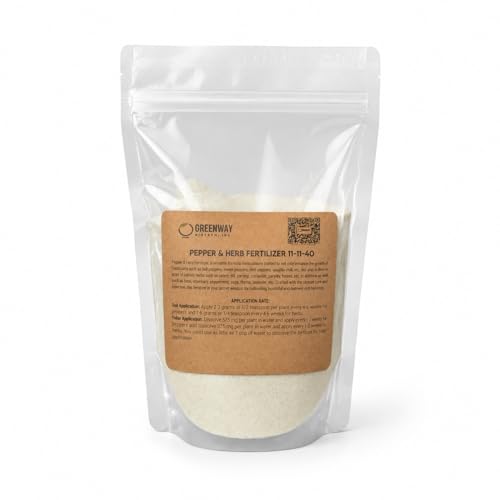
2. Greenway Biotech Pepper & Herb Fertilizer 11-11-40
The ultra-high potassium formula designed to push capsaicin and flower production in hot peppers.
This is the one you reach for when your jalapeños or habaneros are green and leafy but refusing to set fruit. The 11-11-40 ratio delivers a massive dose of potassium compared to any other pick here — the number 40 is the percentage of potassium, and it is the specific nutrient that drives capsaicin (the compound that makes hot peppers hot) and essential oil concentration in herbs. The powder dissolves completely in water and works for soil drenching, foliar sprays, or hydroponic systems without clogging.
Owners mention seeing results “within the first couple days of application” and note that pepper plants that were growing slowly “took right off” after feeding with this. The 1 lb bag makes up to 200 gallons of solution, so even at a premium price point, the cost per feeding is low. It includes chelated micronutrients like iron, zinc, and copper that stay available to the plant across a wide pH range (4 to 9).
The capsaicin edge: No other formula on this list targets the specific potassium hunger of super-hot varieties as directly as this 11-11-40 powder. Owners of container-grown reapers and scorpions call it a yearly staple.
The catch: It is a concentrated powder that requires measuring and mixing — not as grab-and-go as a granular or pre-diluted liquid.
Best for: hot pepper enthusiasts who want maximum flower set and fruit heat, or anyone running a hydroponic pepper system.
skip it if: you prefer a simple shake-and-pour granular and grow mostly sweet bell peppers — the ultra-high potassium is overkill there.
3. Espoma Organic Garden-tone 3-4-4 (Pack of 2)
A steady, mild organic feed that keeps peppers productive all season without the risk of burning.
If you have ever over-fed a pepper plant with a high-nitrogen synthetic and watched it drop all its flowers, you will appreciate the gentleness of this 3-4-4 formula. The lower nitrogen and moderate potassium make it safe to apply monthly throughout the growing season. It is approved for organic production and includes 5% calcium along with Espoma’s proprietary Bio-tone microbes that help break down nutrients in the soil. The pack of two 4 lb bags gives you a full season’s supply for a medium-sized garden.
Buyers consistently say plants “love it” and report thriving pepper and tomato harvests. One gardener in zone 10b noted that switching to Espoma kept annuals and vegetables productive from late July through early September, which is no small feat in intense heat. The granular form is ready to use — just sprinkle around the drip line of the plant and water it in.
Monthly rhythm: Apply once every four weeks and you get steady food without having to mix or measure. That simplicity is the main reason gardeners with large plots keep coming back.
The honest note: The formula does have a mild organic smell, which some owners find a bit earthy.
Reach for it if: you want an organic granular that you can apply monthly without worrying about burning your plants — especially good for raised beds and in-ground gardens.
Look elsewhere if: you need a fast rescue for a struggling plant; liquids work faster when a plant is already in trouble.
4. Down To Earth All Natural Tomato & Vegetable Mix 4-6-2

An OMRI-listed granular that feeds the soil microbes as much as it feeds the pepper plants.
The ingredient list reads like a soil amendment dream — fish bone meal, blood meal, feather meal, rock phosphate, langbeinite, greensand, humates, and kelp meal. That is a lot of diversity packed into a 5 lb box. The 4-6-2 ratio is slightly higher in phosphorus than the Espoma pick, which can help with early flower set. Down To Earth is OMRI listed, meaning it meets organic production standards, and the gentle formula makes it safe for transplants and container plants without burning.
Customers note that this mix revived “pale, flimsy tomato plants within two weeks of application.” Owners also note that the fishy smell from the bone and blood meal dissipates within a few days, though it may attract raccoons if not worked into the soil. The 5 lb box is a practical size — enough to feed a pepper patch through the season without leftover bags cluttering the shed.
Why gardeners choose it
- Diverse organic ingredients improve long-term soil fertility and microbial activity
- OMRI listed for organic production
- Gentle, non-burning formula safe for young transplants and containers
What to know
- Fish-based scent can be strong for the first couple of days after application
- If left on top of the soil, the smell may attract local wildlife
Best for: organic gardeners who want to build long-term soil health with a diverse ingredient mix that feeds the microbiome as well as the plants.
pass on it if: you are sensitive to earthy organic smells or garden in a spot where raccoons or dogs dig in the beds.
5. Dr. Earth Home Grown Tomato, Vegetable & Herb Liquid Fertilizer

A low-strength organic liquid made from recycled grocery produce that is perfect for seedlings.
Dr. Earth takes a genuinely different approach — this 3-2-2 concentrate is made from recycled grocery produce, fish, and meat, and is OMRI listed for organic use. The low NPK numbers mean it is very gentle, which makes it ideal for pepper seedlings and young transplants that cannot handle a strong dose yet. You mix it at a 1:200 ratio with water, so the 24 oz bottle goes a long way. The comparison data shows this 24 oz bottle weighs 16 ounces, making it a 3.0x larger volume than the 8 oz Leaves and Soul liquid.
Reviewers point out that this stuff “worked great for my seedlings and kept my garden looking great all season long.” The main caution from owners is that it can be too strong for flower pots, so stick to garden vegetables and in-ground beds. It is safe around children and pets, which matters if your garden is part of the family yard.
Why lead with this: At just 3-2-2, it is the most seedling-friendly liquid on the list. If you start peppers from seed indoors, this is the one to feed them during their first four weeks.
The honest limit: The low NPK means you will need a stronger bloom booster later in the season once flowers appear. Think of it as the starter feed, not the finisher.
Reach for it if: you start peppers from seed or transplant young plants that need a gentle, organic liquid feed without the risk of burning.
Look elsewhere if: you are in the fruiting stage and need a high-potassium push — this formula is too mild to drive heavy fruit production.
6. TPS Nutrients Pepper Fertilizer Liquid

A 32 oz liquid specifically formulated to snap pepper plants out of a growth stall.
If your pepper plants have yellowing leaves, are dropping flowers, or just refuse to grow, this is the liquid to try. The TPS formula is designed to support strong root development, healthy foliage, and fruit production all at once. It works for both hot and sweet pepper varieties in garden beds and containers. At 32 oz, it is the largest ready-to-use liquid on this list, giving you plenty of feedings for a full season.
Shoppers say “an amazing increase in growth” and note that even “stunted pepper plants with yellowing leaves” bounced back quickly. One owner compared it side by side with a common synthetic and found that bell peppers treated with this liquid grew faster, greener, and produced blooms sooner — even in small cups. The main feedback is that it costs a bit more per bottle than generic plant foods, but owners feel the results justify the price.
The stand-out story: One gardener reported that sweet and hot peppers that were yellowing, dropping flowers, and looked like they were dying turned green and flowered heavily after switching to this. Owners call it a “go-to product” now.
The trade-off: A few owners find it pricey compared to multi-purpose liquids, though the pepper-specific formula is clearly working.
Best for: gardeners who notice their pepper plants struggling and want a fast-acting liquid that has a proven track record of reviving stalled growth.
it’s not for you if: you prefer a one-feed-solves-all granular and your plants are already healthy and blooming.
7. Cz Garden 5-10-10 Tomato & Vegetable Fertilizer

A straightforward bloom booster with 2% iron that helps peppers size up while staying affordable.
The 5-10-10 ratio makes this a classic bloom-phase fertilizer — low nitrogen to stop leafy overgrowth, high phosphorus and potassium to push flowers and fruit. The 2% iron addition helps keep leaves dark green and prevents yellowing during the heavy fruiting stage. It comes in a 4 lb resealable pouch that is easy to pour from and store. The mixing ratio is simple: one to two tablespoons per plant, applied around the dripline after the soil is wet.
Buyers report that this fertilizer “has never burned my plants” and that it produces “huge tomatoes” and healthy peppers when used every two weeks during fruiting. Some owners feel the price per pound is a bit on the high side, but the value for money aspect is mixed in the reviews — many say it goes a long way because you use so little per plant. The colored beads in the mix make it easy to see where you have applied it.
Who it works for
- High phosphorus (10) and potassium (10) drive strong flower set and fruit development
- 2% iron prevents leaf yellowing during peak production
- Resealable pouch keeps the granules fresh between uses
The honest note
- Value perception is split — some owners wish it cost less for a 4 lb bag, while others find it lasts all season
- Not certified organic, if that matters for your garden
Reach for it if: you want an affordable, no-fuss granular bloom booster with iron to keep your pepper plants healthy and producing through the summer.
Look elsewhere if: you need an organic-certified formula or prefer a liquid for faster uptake.
8. Leaves and Soul Professional Pepper Fertilizer Liquid 5-1-5
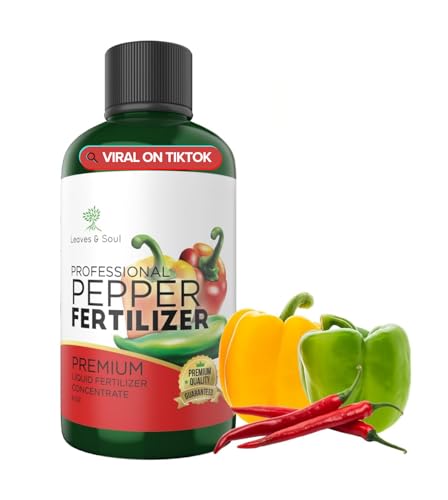
A concentrated liquid built from the ground up for pepper plants, not just tomatoes with a pepper sticker.
Most “pepper fertilizers” are just tomato formulas in a different bag. This one from Leaves and Soul is genuinely different — the 5-1-5 ratio keeps nitrogen moderate and potassium high right from the start, which mirrors what pepper plants actually need across all growth stages. The low phosphorus (1) means you will need to rely on soil biology or a separate phosphorus source if your soil is deficient, but the formula is designed for fast absorption through liquid feeding. It mixes easily with water and delivers nutrients immediately to the roots.
Owners mention that this fertilizer “perked up our non-flowering pepper plants — finally fruiting!” One owner who over-winters pepper plants each year says the fertilizer keeps “them healthy and ready to be replanted outside.” The 8 oz bottle is concentrated, so a little goes a long way — it comes in at 8 fluid ounces compared to the 24 oz Dr. Earth bottle.
What makes it different: A 5-1-5 ratio with the nitrogen and potassium nearly equal and phosphorus very low is unusual. It works well in soil that already has decent phosphorus from compost or a previous amendment.
The honest trade-off: At just 1% phosphorus, this is not the best choice for sandy or heavily depleted soils where flower set needs a phosphorus push.
Best for: gardeners who want a liquid that is specifically formulated for peppers and works fast, especially if your soil already has good phosphorus levels.
look elsewhere if: your soil is sandy or low in organic matter — you may need a higher-phosphorus formula to get good flower set.
9. Cz Garden 4-18-38 Water Soluble Fertilizer

The heavy-hitting bloom formula for hydroponic growers who want massive yields from a single pouch.
This is the most specialized pick on the list — a 4-18-38 water-soluble powder designed to be used in a 3-part feeding system (typically with calcium nitrate and magnesium sulfate) for hydroponics, drip irrigation, and soil gardens. The numbers tell the story: very low nitrogen to stop leafy growth, very high phosphorus for root and flower development, and extremely high potassium for fruit size and density. The 5 lb pouch makes 1,000 gallons of solution, which is enough to run a serious grow operation or share with multiple gardening friends.
Customers note that “when it’s bloom time I fill up my fertilizer injector with this fertilizer and it dissolves quickly and flows right through my soaker hoses.” One owner credits it with “a record tomato harvest last year.” The powder dissolves completely in room-temperature water without leaving an oily film, which is a common complaint with agricultural-grade alternatives. It includes chelated micronutrients (boron, copper, iron, manganese, zinc) that stay available in hydroponic solutions.
Why experienced growers buy it
- Extremely high potassium (38) drives maximum fruit production in the bloom phase
- 5 lb pouch makes an enormous 1,000 gallons of solution
- 100% water soluble — dissolves cleanly without clogging drip lines or sprayers
What to know beforehand
- Requires a 3-part feeding system (must be mixed with calcium nitrate and magnesium sulfate separately)
- Not a standalone feed — beginners may find the mixing schedule complex
Reach for it if: you run a hydroponic pepper system, use a 3-part fertilizer schedule, and want a professional-grade bloom formula that outperforms consumer brands in yield.
Look elsewhere if: you are a soil gardener looking for a simple sprinkle-and-water fertilizer — this requires measuring, mixing, and a complete feeding system.
Understanding the Specs
NPK Ratio
The three numbers on a fertilizer label (for example, 5-7-3) stand for nitrogen, phosphorus, and potassium — each expressed as a percentage by weight. Nitrogen drives leaf and stem growth; phosphorus supports root systems and flower development; potassium is the main driver for fruit size, flavor, and heat in peppers. A bloom-phase fertilizer often has the third number highest because that is what pushes fruit production.
Granular vs. Liquid vs. Powder
A granular fertilizer is sprinkled on the soil and breaks down gradually over several weeks — low effort, slow release. A liquid concentrate is mixed with water and absorbed by roots immediately — fast results, but you have to apply it more often. A water-soluble powder is a professional-grade option that dissolves fully and works for both soil drenching and hydroponic systems. Your choice depends on how often you want to feed and how quickly your plants need the nutrients.
Calcium and Blossom End Rot
Blossom end rot (a dark, sunken spot on the bottom of the pepper fruit) is caused by a calcium deficiency, often made worse by irregular watering. A fertilizer that lists calcium as an ingredient — like the FoxFarm Happy Frog or Espoma Garden-tone — can help prevent this frustrating problem. Keeping soil moisture consistent is just as important as the calcium itself.
Chelated Micronutrients
Micronutrients like iron, zinc, and manganese are needed in tiny amounts, but a deficiency can stunt growth and yellow leaves. “Chelated” means these nutrients are bonded to a molecule that keeps them from locking up in high-pH soil or hydroponic solutions. If you grow in coco coir or a hydroponic system, a fertilizer with chelated micronutrients (like the Greenway Biotech or Cz Garden powders) is practically essential.
FAQ
When should I start fertilizing pepper seedlings?
How often should I fertilize pepper plants during the growing season?
What is the best NPK ratio for pepper plants?
Can I use tomato fertilizer on pepper plants?
What is the difference between liquid and granular fertilizer for peppers?
Should I use a high-phosphorus fertilizer for pepper blooms?
How do I prevent blossom end rot on my pepper plants?
Can I use hydroponic pepper fertilizer in soil?
What is the best fertilizer for super-hot peppers like Carolina Reaper or Ghost Pepper?
Should I fertilize pepper plants after transplanting?
Final Thoughts: The Verdict
For most pepper growers, the fertilizer for growing peppers that delivers the best all-around results is the FoxFarm Happy Frog because it combines calcium for rot prevention, mycorrhizal fungi for root health, and a balanced 5-7-3 ratio that works from transplant through early fruit set. If you want a liquid that targets pepper plants specifically and works fast on stalled growth, grab the TPS Nutrients Liquid. And for hot pepper enthusiasts who want to push capsaicin to its maximum, the Greenway Biotech 11-11-40 is the one to reach for. Pick the form that matches your routine, and your pepper plants will reward you all season.
How We Picked
We do not accept paid placement. Every pick is matched to a real buyer and a real use-case; we do not hands-on test units.
Sources & Methodology
Specifications: manufacturer listings and product documentation. Review insights: verified customer reviews, as of July 2026. Pricing: not shown on this page (it changes often); check the current price via the retailer link.
As an Amazon Associate, Lawn Gear Lab earns from qualifying purchases. This does not affect which products we feature.