
An elevated garden bed turns a sore-back chore into a waist-high pleasure. You reach for the soil, not stoop to it. Your knees thank you, your lower back thanks you, and your vegetables grow just as well — often better — because the soil warms faster and drainage stays under control. For patio gardeners, balcony growers, and anyone who wants vegetables within arm’s reach, the right elevated bed is the single best investment in your harvest.
I’m Rikta — the co-founder and writer behind Lawn Gear Lab. I spend my days comparing load capacities, panel thickness, HDPE density ratings, cedar grain quality, and drainage configurations across dozens of elevated beds to find the ones that actually hold up after a full season of rain and sun.
This guide breaks down the seven best models on the market right now, from compact herb boxes to full-size planting stations, so you can pick the best elevated garden beds for your deck, patio, or backyard without guessing.
How To Choose The Best Elevated Garden Beds
Elevated garden beds look simple, but the difference between a bed that rots by August and one that lasts a decade comes down to three factors: the material of the planter box, the load rating of the legs and frame, and the drainage design at the bottom.
Material: Wood vs. HDPE vs. Galvanized Steel
Cedar is the gold standard for wooden elevated beds — it contains natural oils that repel insects and resist rot. Fir is cheaper but needs a sealer coat if you expect more than two seasons. HDPE (high-density polyethylene) is a modern alternative: it never rots, never rusts, and requires zero maintenance beyond a quick soap rinse. Galvanized steel with a zinc-aluminum coating offers extreme rust resistance and a sleek, clean look but conducts heat, so you may need to monitor soil temperature in full sun.
Height and Planting Depth
An elevated bed should bring the soil surface to roughly waist height — around 30 inches is ideal for most adults, while 20 inches works for shorter users or children. Equally important is internal planting depth: shallow-rooted herbs need only 6 inches of soil, but tomatoes and peppers require 10 to 12 inches. Check the height of the planter box itself, not just the total elevation from the ground to the top edge.
Weight Capacity and Leg Thickness
A 48×24-inch bed filled with moist soil can weigh well over 200 pounds. Look for legs at least 2 inches thick (for wood) or reinforced steel frames (for metal beds). Crossbars or support brackets underneath the planting box prevent sagging and bowing over time. If you plan to move the bed after filling, choose a model with casters or one light enough to empty first.
Quick Comparison
On smaller screens, swipe sideways to see the full table.
| Model | Category | Best For | Key Spec | Amazon |
|---|---|---|---|---|
| Maple99 48x24x30 | Cedar Wood | Full-size veggie gardens | 30 in height, 200 lb capacity | Amazon |
| Wood-Natrl 48x24x30 | Cedar Wood | Long-lasting outdoor planters | 2.4 in leg thickness, built-in liner | Amazon |
| Patiobay 48x24x32 | Galvanized Metal | Rust-proof heavy use | 1.2 mm steel, zinc-aluminum coat | Amazon |
| SoliWood 48x24x30 | Cedar Wood | Eco-conscious gardeners | 300 lb capacity, water-based paint | Amazon |
| KETOYARK HDPE | HDPE Plastic | Zero-maintenance patios | 19.7 in height, 15-year lifespan | Amazon |
| BIVODA HDPE | HDPE Plastic | Compact herb gardens | 10 gal capacity, 5-min assembly | Amazon |
| Yaheetech 34x18x30 | Fir Wood | Small-space budget builds | 2-tier design with storage shelf | Amazon |
In‑Depth Reviews
1. Maple99 Raised Garden Bed with Legs 48x24x30

The Maple99 delivers a near-perfect balance of size, material quality, and price. Its cedar construction naturally repels insects and resists moisture damage, and the 30-inch height puts the growing surface right at waist level. The included bed liner helps contain soil while still allowing drainage, and the 200-pound rating covers a full load of damp potting mix without sagging.
Assembly requires a drill or screwdriver — the pre-drilled holes align well, though several buyers recommend pre-drilling pilot holes to prevent the cedar from splitting. The natural finish is paintable if you want to match your deck or fence. Some users note that the bottom slats could benefit from an extra support bar if you push the soil depth past 10 inches with heavy vegetables.
Overall, this is the elevated bed I recommend for anyone who wants a full 48×24-inch planting area, natural cedar aesthetics, and a height that truly protects your back. It fits patios, balconies, and small backyards with equal ease.
What works
- Genuine cedar resists rot and bugs naturally
- Waist-high 30-inch design eliminates bending
- Includes a fabric liner for soil containment
What doesn’t
- Cedar can split if screws are overdriven
- Bottom could use extra reinforcement for very heavy loads
- Hardware works best with a power drill included
2. Wood-Natrl 48×24×30 Inch Raised Garden Bed
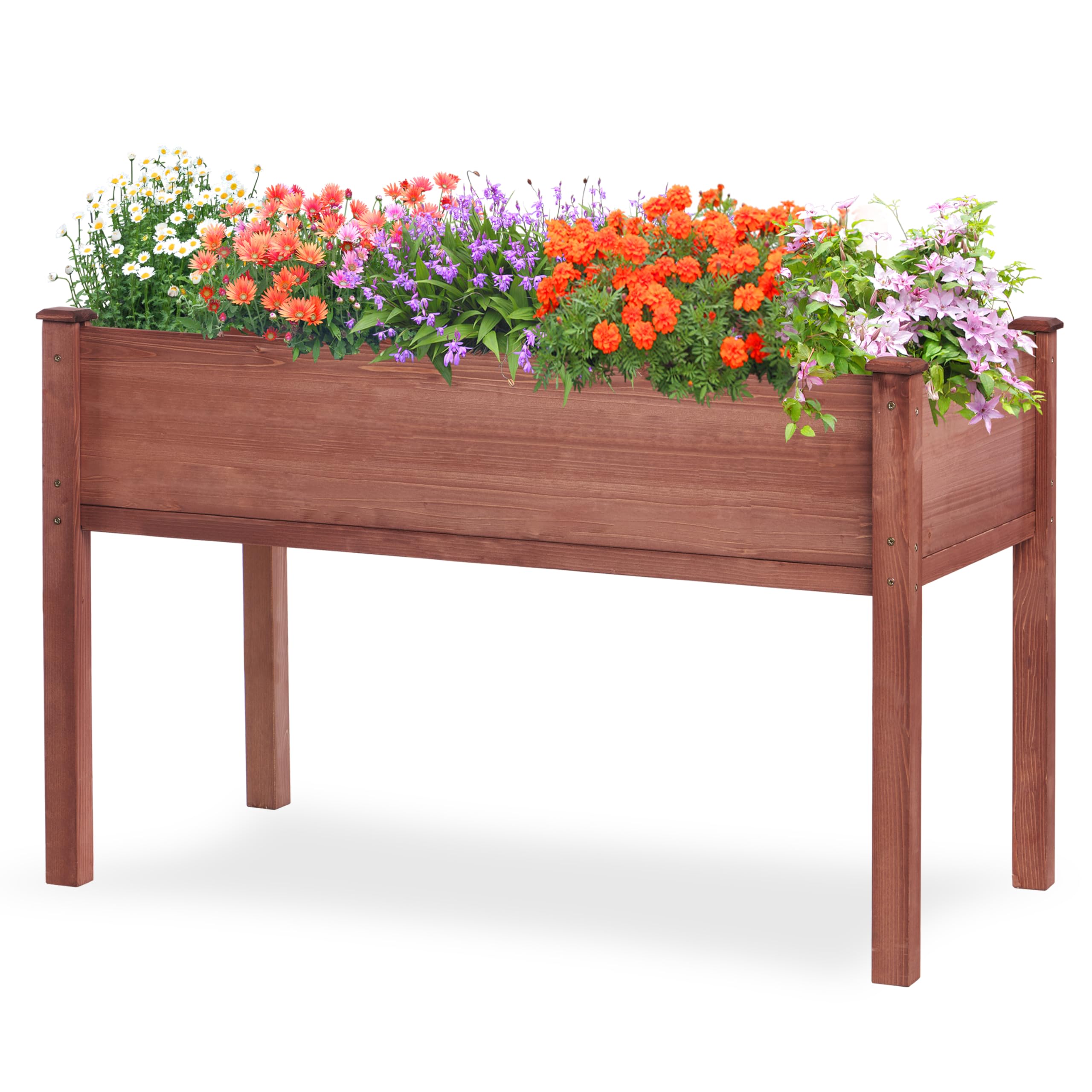
The Wood-Natrl bed stands out for its 2.4-inch thick legs — significantly beefier than the average 1.5-inch legs found on most competitors at this size. This added thickness translates directly into stability, especially when the bed is fully loaded with soil and water. The cedar body is treated with a water-based paint that keeps the natural wood grain visible while adding a layer of weather resistance.
A tailored liner is included and fits snugly inside the box, preventing soil from seeping through the slatted bottom while still allowing excess water to drain. Early reviewers report that the pre-drilled holes line up perfectly, making assembly straightforward with a battery-powered screwdriver. The internal depth of about 9.5 inches is enough for shallow-root crops like lettuce, spinach, and herbs, but tomato growers may need to mound soil slightly above the rim.
Some buyers note that the wood arrived with a lighter finish than expected and recommend applying a coat of exterior sealant if the bed will face heavy rain or snow. For its price, this is one of the most solidly built wooden elevated beds available.
What works
- Thick 2.4-inch legs provide excellent stability
- Tailored liner keeps soil contained and drains well
- Water-based paint is eco-friendly and looks good
What doesn’t
- Internal depth is shallow for deep-root vegetables
- May need an extra sealant coat for wet climates
- Some holes can be slightly misaligned on early units
3. Patiobay Raised Garden Bed with Legs 48×24×32in
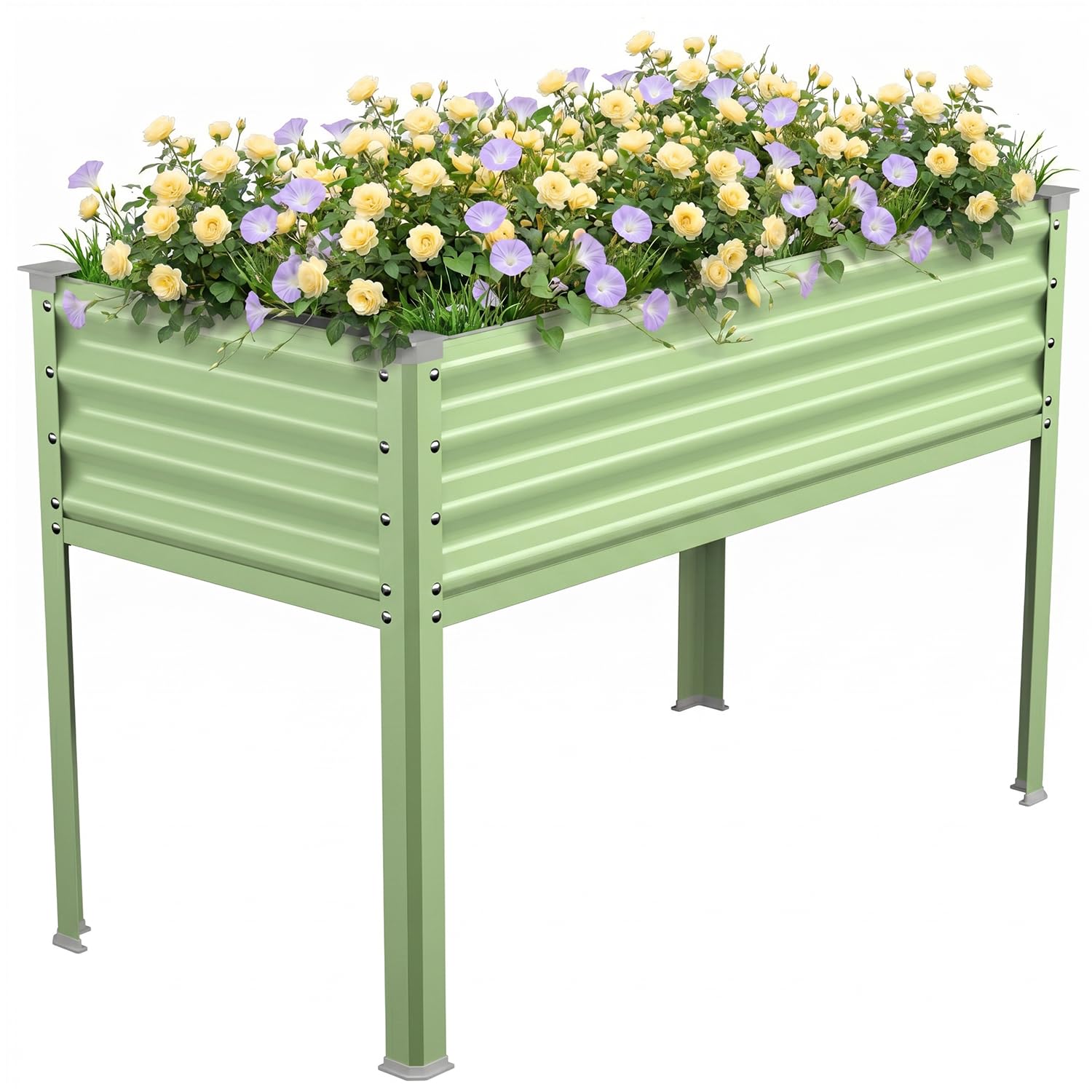
The Patiobay elevated bed uses 1.2 mm solid steel with a zinc-aluminum coating, making it one of the most rust-resistant options on this list. The green powder-coated finish blends into garden surroundings, and the 32-inch total height is among the tallest we reviewed — ideal for taller gardeners who need extra clearance. Corner cushions prevent sharp edges from scratching deck surfaces or snagging clothing.
Assembly is straightforward, with all tools included in the package. The drainage slits at the four corners keep the soil from becoming waterlogged. The narrow profile of the metal frame means you get a full 48×24-inch growing area without thick wooden panels eating into interior space. The plastic protective film on each panel needs to be peeled off before assembly — a detail that takes a few extra minutes but yields a pristine finish.
Metal beds can heat up faster than wood or plastic in direct sunlight, so consider placing this one where it gets morning sun and afternoon shade if you grow heat-sensitive greens. For coastal areas with salt spray, this is the best choice because it will never rot or corrode.
What works
- 1.2 mm steel with zinc-aluminum coat resists rust
- Corner cushions protect floors and prevent injuries
- Tall 32-inch height suits taller users perfectly
What doesn’t
- Peeling the protective film takes extra time
- Metal can get hot in full afternoon sun
- No included liner for the bottom
4. SoliWood Raised Garden Bed with Legs 48x24x30
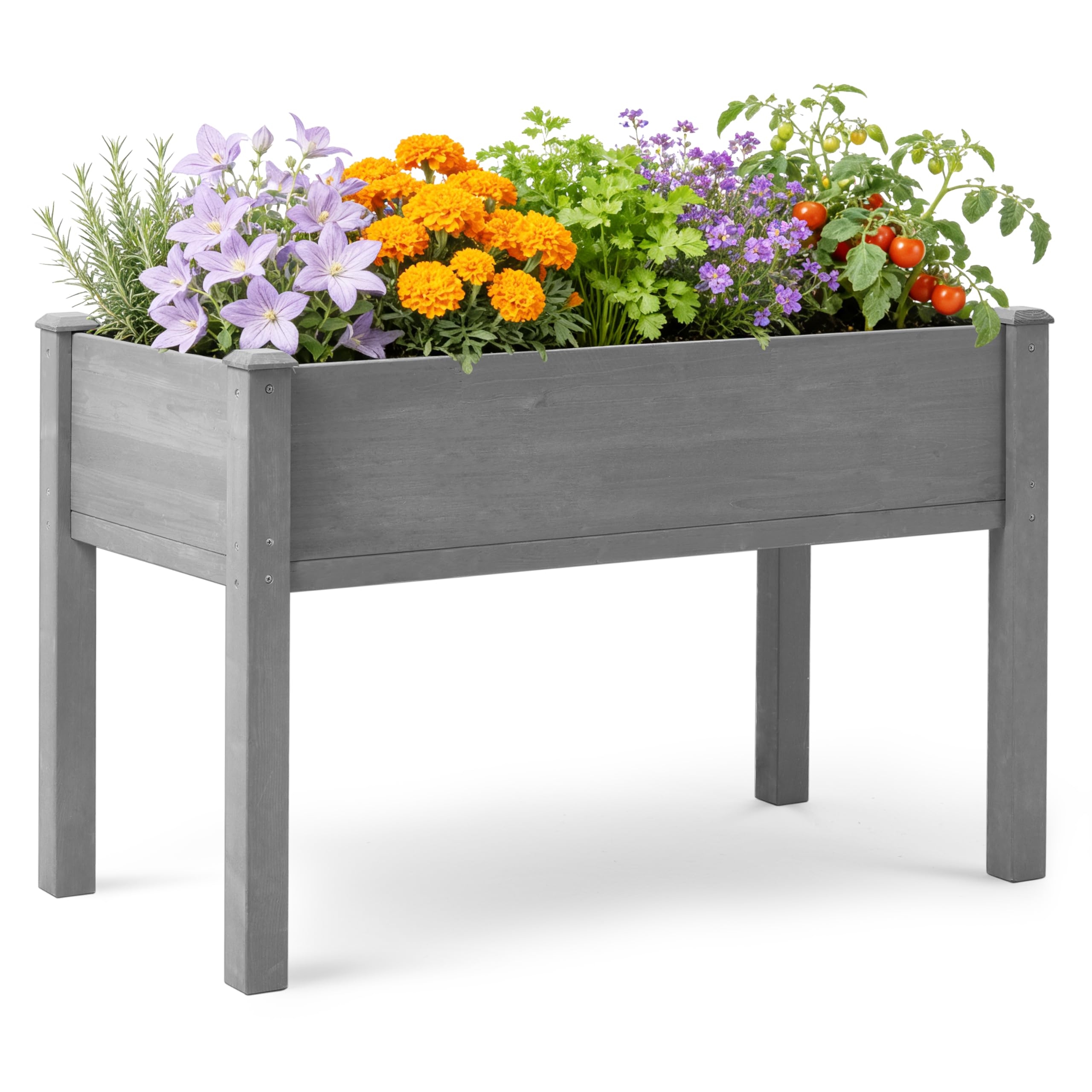
The SoliWood elevated bed is the heaviest-duty wooden option in this group, with a 300-pound weight capacity that comfortably handles even the wettest soil loads. The cedar panels are coated with a water-based paint that contains no harmful VOCs, making it safe for edible gardens right out of the box. The grey finish gives it a modern, weather-worn look that blends into contemporary patio designs.
Leg thickness is 2.4 inches, same as the Wood-Natrl, and the frame panels are 0.7 inches thick. A liner is included to keep soil off the wood and aid drainage. Assembly takes about 30 minutes with two people — the panels are large and can be awkward for a single builder. The pre-drilled holes line up consistently, but users should hand-tighten screws first before locking everything down to avoid cross-threading.
A few buyers mention that the cedar can split slightly at the screw points if over-tightened, though this is a common trait of natural wood and doesn’t affect structural integrity. For the price, you get one of the tallest weight ratings in the wood category, which gives real peace of mind for heavy growers.
What works
- 300 lb capacity handles heavy, wet soil easily
- Water-based paint is safe for vegetables and herbs
- Grey color looks modern and matches many spaces
What doesn’t
- Large panels require two people to assemble
- Cedar can split if screws are overtightened
- Slightly heavier to move than other wooden beds
5. KETOYARK Small HDPE Raised Garden Bed
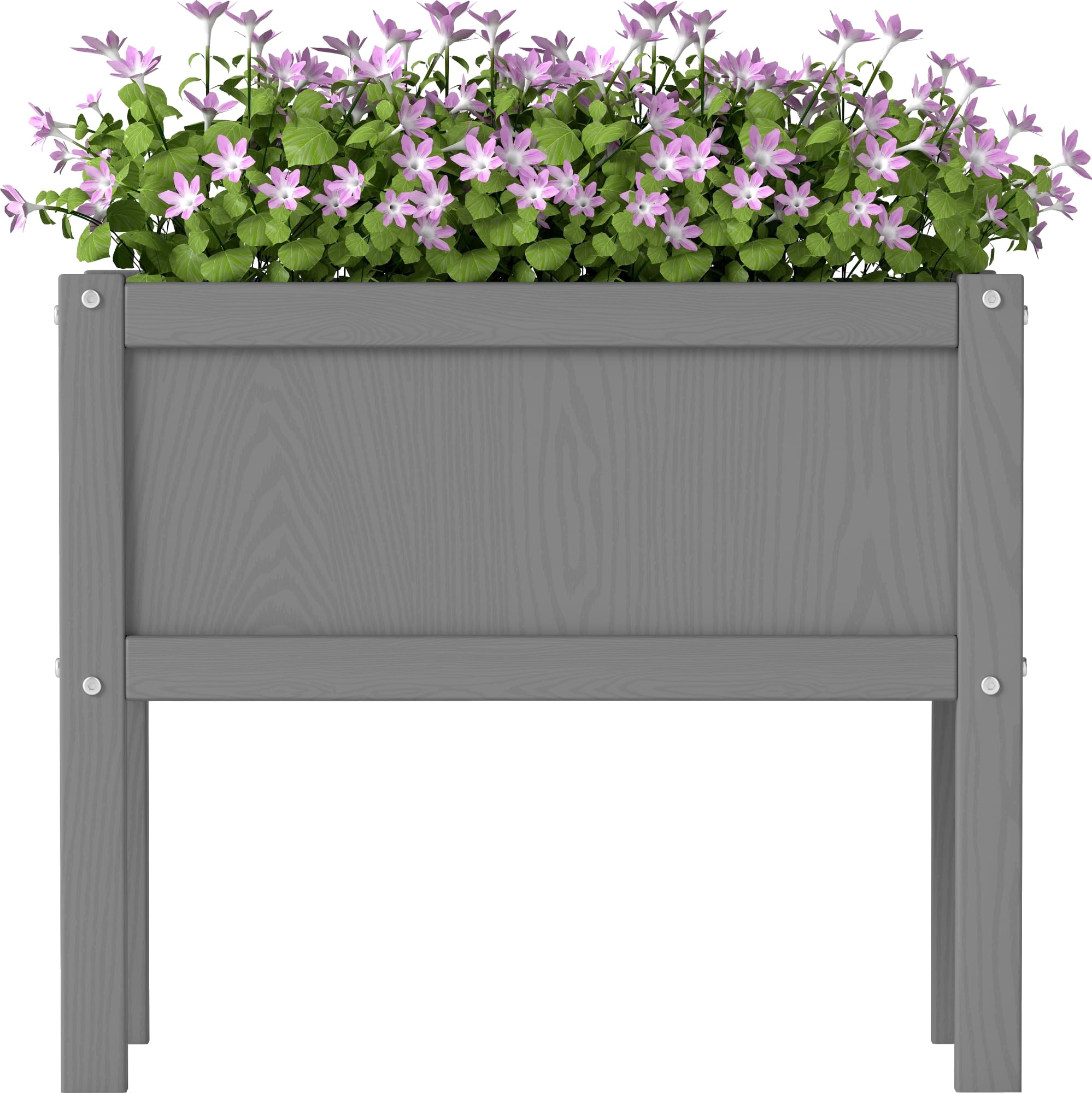
The KETOYARK elevated bed is made from HDPE — the same material used for marine-grade outdoor furniture — and it shows in the build quality. It won’t crack, rot, rust, or fade in the sun. The grey plastic has a consistent matte finish that hides dirt well, and the 19.7-inch height is perfect for children or for use as a low herb planter on a deck railing.
Assembly is impressively fast. Pre-inserted nuts and 304-grade stainless steel screws let you complete the build in under 15 minutes with just the included hex key. The bottom has multiple drainage holes to prevent waterlogging, and the sidewalls are thick enough to support 16 quarts of soil without bowing. The 5-year warranty against cracking or rotting adds confidence for long-term use.
The main trade-off is size: this is a compact bed, not a full vegetable plot. It holds about 16 quarts of soil, which is perfect for basil, parsley, strawberries, or a single tomato plant in a cage. If you want a worry-free, maintenance-free entry into elevated gardening, this is the easiest path.
What works
- HDPE material will never rot, rust, or crack
- Very fast assembly with included hardware
- 5-year warranty against material defects
What doesn’t
- Small size limits planting to herbs and small flowers
- 19.7-inch height may be too low for tall gardeners
- Large drain holes can let soil escape if no liner is used
6. BIVODA Small HDPE Raised Garden Bed
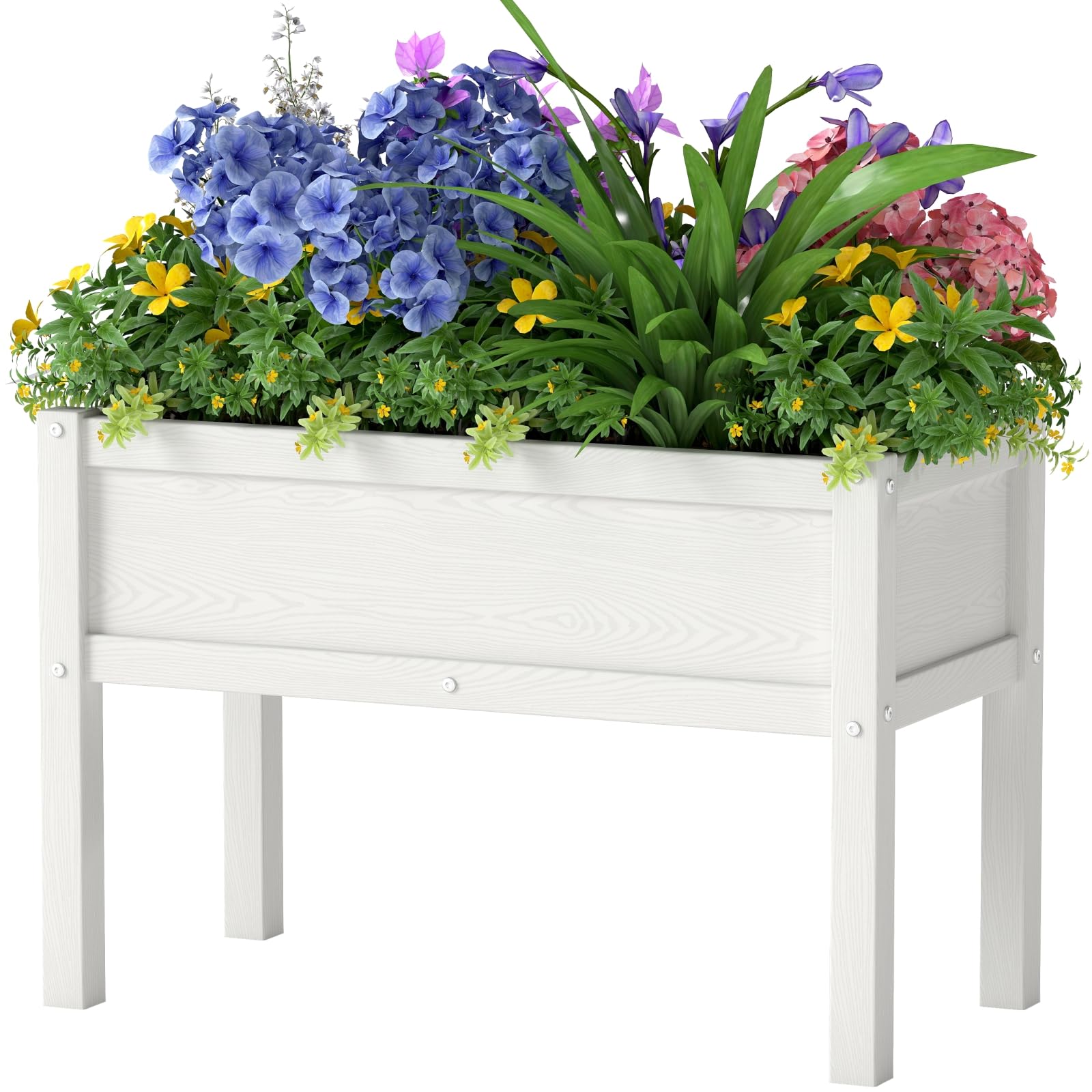
The BIVODA elevated bed is the smallest and lightest in this review, with a 10-gallon capacity that fits neatly on a balcony corner or small patio. The HDPE construction is identical in quality to the KETOYARK — no rot, no rust, no maintenance. The white finish is clean and bright, reflecting heat away from the soil to keep roots cooler in summer.
Assembly is advertised at five minutes, and that’s realistic: pre-inserted nuts, stainless steel screws, and a simple interlocking design make it the fastest build of any bed here. The reinforced bottom has small drainage holes that prevent water from pooling. At 19.7 inches tall, it’s a comfortable height for seated gardening or for children learning to plant.
This bed won’t support large vegetables — think chives, lettuce, mint, and marigolds. The 250-pound weight capacity is more than enough for its size, and the 15-year expected lifespan means you’ll be using it for many seasons. If you need a tiny, attractive, no-fuss planter for a deck or doorstep, this is the one.
What works
- Ultra-fast 5-minute assembly time
- White finish stays cool in direct sunlight
- No maintenance required, ever
What doesn’t
- 10-gallon size is too small for vegetables
- White color shows dirt quickly
- Not movable when filled with soil (no wheels)
7. Yaheetech 34x18x30in Wooden Raised Garden Bed
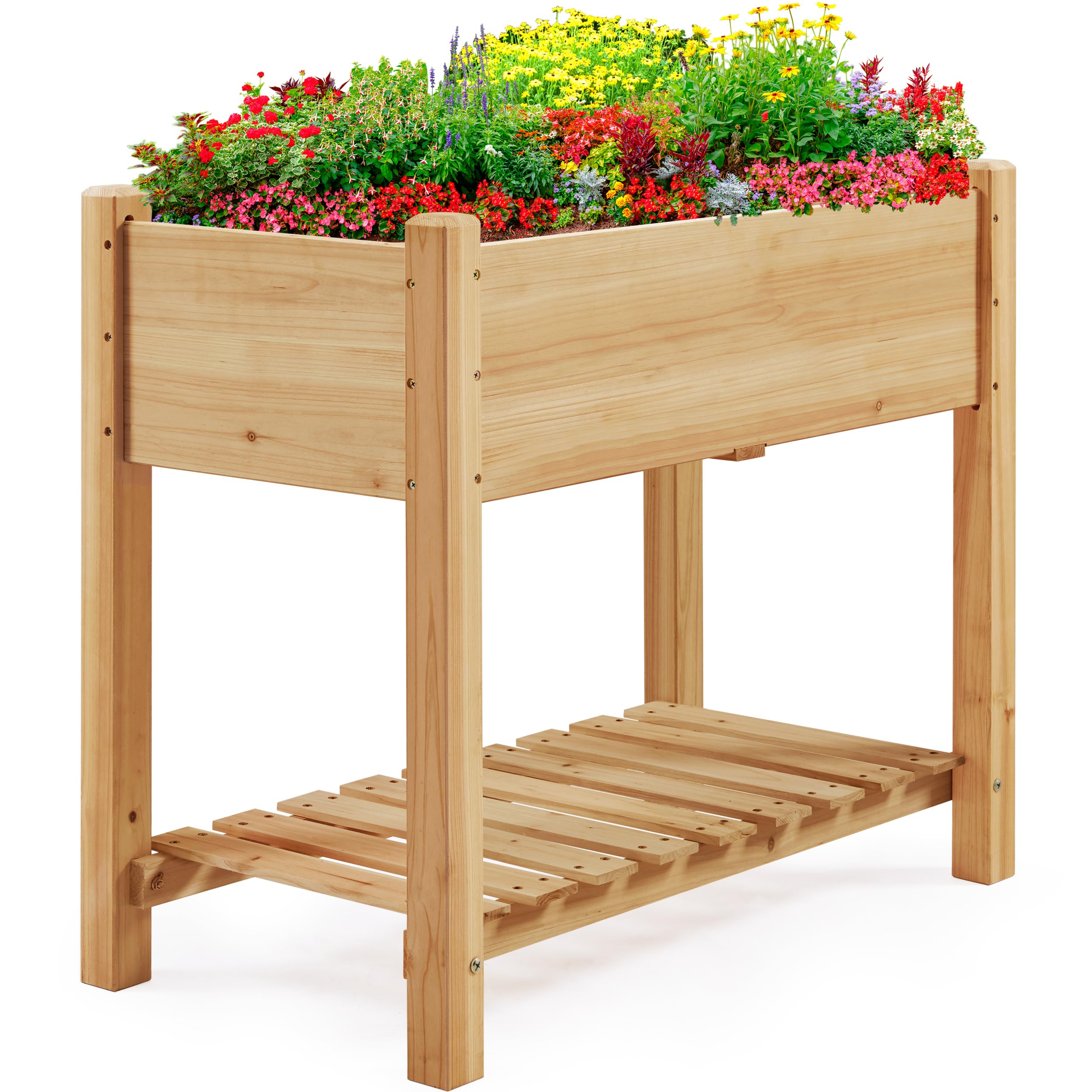
The Yaheetech elevated bed is the most affordable full-size option in this list, and it brings a unique 2-tier design that no other model here offers. The main planting box sits at 29.5 inches high, and the lower shelf provides dedicated storage for pots, trowels, gloves, and watering cans. It’s a smart space-saving solution for balconies and small patios where every square inch counts.
The bed is made from fir wood — not as rot-resistant as cedar, but noticeably denser and more stable if you apply a sealer. The boards come pre-sanded with smooth edges and no splinters. Assembly requires about 45 minutes and is straightforward, though the instructions are entirely picture-based. The reinforced wooden bars at the bottom prevent wobbling and help distribute the soil load evenly.
Many buyers note that the unfinished fir needs a coat of waterproof sealant before exposure to rain. Several owners have added casters to make the bed mobile. For the money, you get a functional, attractive raised bed with a storage shelf that keeps your tools organized — a genuinely useful feature for small-space gardeners.
What works
- Built-in storage shelf keeps tools organized
- Fir wood is dense and sturdy when sealed
- Very affordable for a full-size elevated bed
What doesn’t
- Fir needs a waterproof coating for longevity
- Assembly takes about 45 minutes
- Instructions are picture-only, no text
Hardware & Specs Guide
Drainage Design
The most critical spec in any elevated garden bed is how quickly excess water leaves the root zone. Wooden beds with slatted bottoms drain naturally but may lose soil through the gaps unless a liner is used. HDPE and metal beds rely on drilled holes or corner slits. Look for at least four drainage points in a 48-inch bed — the Patiobay uses corner drainage slits, while the BIVODA and KETOYARK HDPE models have multiple small holes spread across the bottom panel to prevent water pooling. Always pair your bed with a fabric or mesh liner to keep soil in while letting water out freely.
Wood Thickness and Grade
For wooden elevated beds, panel thickness directly correlates with longevity. Panels thinner than 0.5 inches tend to warp after one wet season. The SoliWood and Wood-Natrl beds use panels 0.7 inches thick, which resist bowing even under 300 pounds of wet soil. Cedar is the preferred wood because its natural oils repel moisture and insects. Fir is cheaper and structurally strong, but it absorbs water readily — the Yaheetech fir bed should be sealed with an exterior-grade waterproof coating before exposure. Pine beds are available at lower prices but rarely last more than two seasons outdoors without significant maintenance.
FAQ
How much soil do I need to fill a 48x24x30 elevated garden bed?
Do elevated garden beds need a liner inside the planter box?
Can I grow tomatoes in a 9-inch deep elevated garden bed?
Final Thoughts: The Verdict
For most gardeners, the best elevated garden beds winner is the Maple99 48x24x30 because it combines genuine cedar construction, a spacious planting area, a 30-inch ergonomic height, and a 200-pound load capacity at a competitive price. If you want rust-proof construction that will outlast your deck, grab the Patiobay galvanized steel bed. And for a zero-maintenance, compact herb planter that assembles in five minutes, nothing beats the BIVODA HDPE bed.