
Specs are compiled from manufacturer listings and verified buyer reviews and can change over time — please confirm the key details on the product page before buying.
You want to smother overwintering pests and fungal spores before they wake up — but picking the wrong dormant oil spray can burn your buds or leave scale alive through the season. The Bonide All Seasons wins for most people because it is ready-to-spray right from the hose and works from winter through summer. If you need concentrated power to fight stubborn scale, the Southern Ag Parafine 32oz (98% parafinic oil) is a smarter buy. For certified organic protection on a large orchard, the Monterey Horticultural Oil gallon is the one to reach for.
I’m Rikta — the founder and writer behind Lawn Gear Lab. This guide is built by comparing the manufacturers’ published specifications and the patterns across verified customer reviews, so you get each pick’s real strengths and trade-offs instead of marketing spin.
Here is how each formula works on scale versus powdery mildew, how concentrated it is, and what owners actually see in their gardens.
Our Picks at a Glance


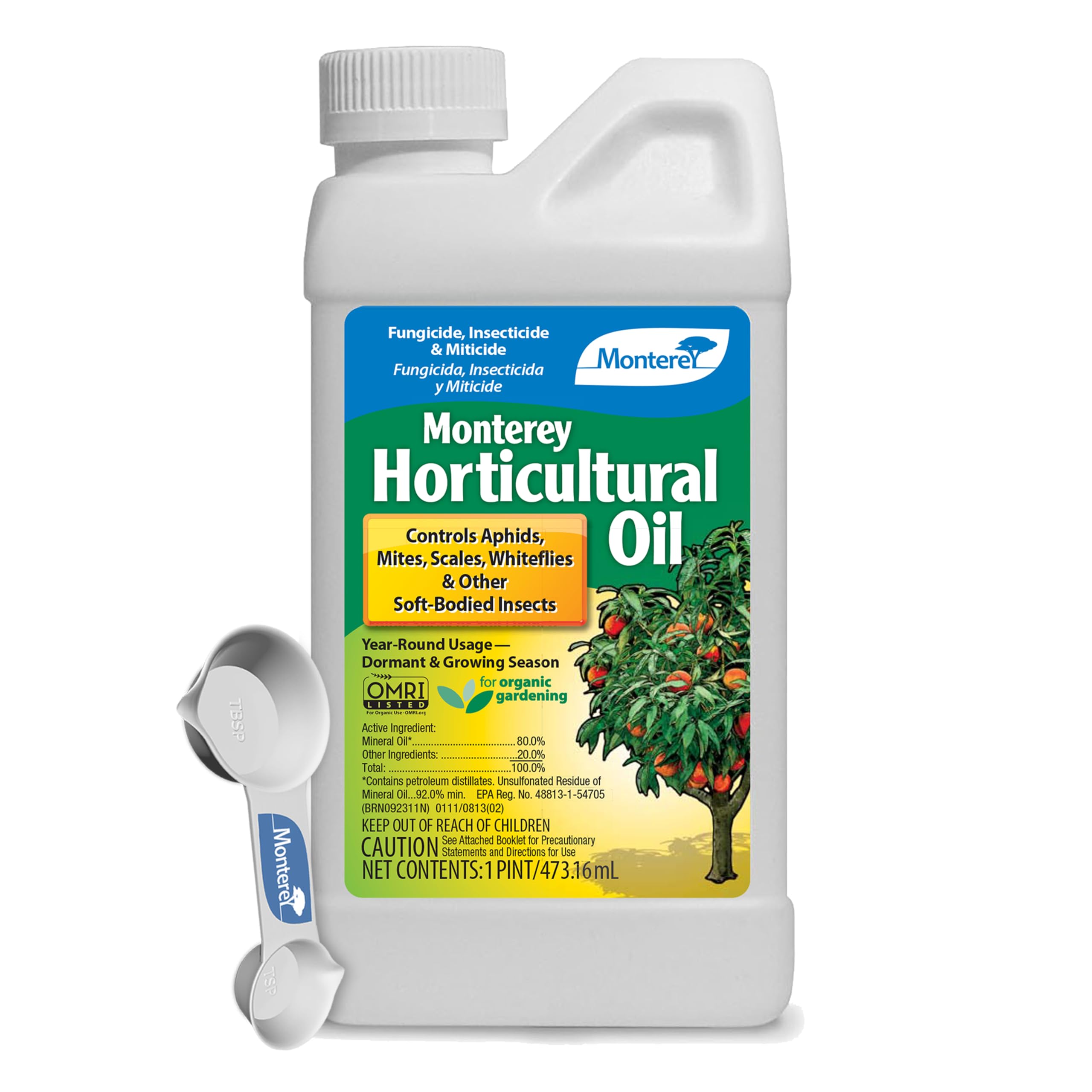
How To Choose The Best Dormant Oil Spray
Spraying dormant oil is all about timing and composition. Apply the wrong oil at the wrong temperature and you risk damaging tender new growth. Here is what to look for on the label.
Concentration: Concentrate vs. Ready-to-Spray
A concentrate you mix yourself stretches further and lets you dial in the strength, but it demands a separate sprayer. A ready-to-spray formula, like the Bonide that attaches to your hose, is faster for spot treatments but costs more per application. Look for the dilution ratio on the label — most concentrates call for 2 to 5 tablespoons per gallon of water.
Oil Type: Parafinic vs. Mineral vs. Neem
Parafinic oils (a highly refined petroleum oil, like the Southern Ag) are designed for dormant and growing season use — they smother insects by coating their bodies. Mineral oils (like the Bonide All Seasons) work the same way but are often labeled for organic gardening. Neem oil is plant-derived and also acts as a fungicide, but some owners find it less effective against stubborn armored scale. The right pick depends on your pest: scale and mites respond best to a high-quality parafinic or mineral oil.
Seasonal Flexibility: Dormant Only vs. Year-Round
Some oils are labeled strictly for the dormant season (applied when trees are bare, before buds swell) while others, like the Bonide All Seasons, can be used through the growing season. A year-round spray gives you more flexibility, but you must follow the temperature guidelines closely — never apply when temps are below 40°F or above 85°F to avoid leaf burn.
Quick Comparison
| Model | Best For | Active Ingredient | Volume | Form | Amazon |
|---|---|---|---|---|---|
| Bonide All Seasons★ Best Overall | Year-Round Versatility | Mineral Oil | 32 oz | Ready-to-Spray | Amazon |
| Southern Ag Parafine 16ozTop Performer | Small-Scale Orcharding | 98% Parafinic Oil | 16 fl oz | Concentrate | Amazon |
| Monterey Hort Oil 16ozPremium Pick | Organic Peach & Citrus | Mineral Oil | 16 oz | Concentrate | Amazon |
| Southern Ag Parafine 32oz | Repeat Applications | 98% Parafinic Oil | 32 fl oz | Concentrate | Amazon |
| Summit Year-Round Spray | Large Ornamental Gardens | Mineral Oil | 32 fl oz | Concentrate | Amazon |
| Bonide Neem Oil | Natural Fungicide Plus | Neem Oil | 1 qt | Concentrate | Amazon |
| Hi-Yield Dormant Spray | Budget Friend Tree Care | Parafinic Oil | 1 gal | Concentrate | Amazon |
| Monterey Hort Oil 1 Gal | Generous Orchards | Mineral Oil | 1 gal | Concentrate | Amazon |
In‑Depth Reviews
1. Bonide All Seasons Horticultural & Dormant Spray Oil
Our pick — 4.5★ from 800+ verified ratings; the strongest balance of quality and price.
The hose-end sprayer that makes year-round pest control easy for the casual gardener.
You get easy coverage from the dormant season straight through the growing season. Bonide’s formula uses mineral oil as its active ingredient, smothering adelgids (a sap-sucking insect), aphids, scale insects, mites, and mealybugs — plus it helps control powdery mildew and rust. You simply attach the 32-ounce bottle to your garden hose and spray.
Buyers report it tackles black cherry aphids overnight and clears up bark scale on azaleas within days. Reviewers specifically note: “I saw results within a few days.” That kind of speed is tough to top for a product you do not have to mix yourself. The slight trade-off is the hose-end sprayer: several owners find its calibration wasteful and messy, recommending you pour the concentrate into a pump sprayer for more precise coverage.
If you have a handful of rose bushes, a small citrus tree, or a single ornamental shrub, the convenience of a no-mix formula outweighs the sprayer quirk. This is the crowd-pleaser that balances effectiveness and ease above everything else.
Why Owners Reach for It
- Ready-to-spray hose attachment — no mixing, no measuring
- Year-round use: dormant to growing season
- Fights both insects (aphids, scale, mites) and diseases (powdery mildew, rust)
- Approved for organic gardening, safe around people and pets
The Quirk to Know
- Hose-end sprayer can be imprecise and wasteful — a pump sprayer works better
Reach for this if: you want one product that handles both dormant and growing-season needs with zero mixing hassle.
Look elsewhere if: you own a large orchard and need a highly concentrated, cost-efficient formula.
2. Southern Ag Parafine Horticultural Oil, 16 oz
The pint-sized powerhouse that devoted fans call their go-to for scale and mealybugs.
This 16-ounce bottle is packed with 98% parafinic oil (a highly refined petroleum oil) — a concentrated formula that punches above its size. Owners love it for tackling the toughest sap-sucking pests: scale, whitefly, mealybugs, and spider mites. One buyer used it on their king sago palms: “I used this on my king sagol palms that had scale insects that appeared to be a white coating on stems and fronds, also had mealy bugs on fronds. Killed them all.”
The concentrate goes a long way when mixed properly. The back label provides detailed mixing ratios for different plants and trees. Users highlight that it cleans sticky, dirty foliage and works more effectively on scale than neem oil alternatives. You will need your own sprayer since it is a concentrate — but loyalists consider that a small price for the control it gives.
Best for small-scale orchardists: the concentrated parafinic formula delivers a potent, targeted strike against scale and mealybugs without taking up much storage space.
A perfect match for: ficus owners and citrus growers who need a reliable, concentrated scalecide that mixes easily.
Consider alternatives if: you prioritize a ready-to-spray hose attachment over mixing your own solution.
3. Monterey Horticultural Oil, 16 oz
An OMRI-listed organic concentrate that peach growers trust for a spotless harvest.
You can use this Monterey formula for both dormant and growing season, and it is certified organic by the Organic Materials Review Institute (OMRI). It controls aphids, leaf miners, thrips, spider mites, scales, and whiteflies — and the label notes it also kills insect eggs. One buyer reports: “This was recommended by the nursery I trust and used it last year and had no disease and a good peach crop this year.”
The 16-ounce bottle is a concentrate, so you mix it yourself using a pump-up or trigger sprayer. At just 1.08 pounds, it is the lightest concentrate in this guide, making it easy to store and handle. The one honest caveat: it gives poor control for caterpillar and worms. If those are your primary pests, you will need a supplemental treatment. For everything else — especially scale and mites on fruit trees — this oil delivers clean, repeatable results.
A master gardener choice: the organic formulation earned a recommendation from professional nursery staff for its effectiveness on peaches and tropical plants.
Right for you if: organic certification matters and you grow peaches, almonds, or citrus where a clean, disease-free harvest is the goal.
Not ideal for: heavy caterpillar or worm infestations, where this oil falls short.
4. Southern Ag Parafine Horticultural Oil, 32oz

The quart-sized version of the same 98% parafinic formula that loyalists have used for years.
You get the same concentrated power as the 16-ounce version but in a 32-ounce (0.94 liter) bottle — and at 2 pounds, it is considerably heavier. That extra weight reflects the 32-ounce bottle versus the 16-ounce bottle, making this the smarter buy if you have multiple trees or plan to spray more than once a season. One long-time user says: “I have been using Parafine for years. Bought another brand and it was just not doing the job and when I bought this product the aphids were dealt with.”
Owners also praise its value, noting that Southern Ag’s formulation is the same quality as pricier competitors but always at a better price. It controls scale, whitefly, mealybugs, and spider mites and is safe for ornamentals, apples, citrus, and avocados. The trade-off is the same as any concentrate: you must mix it yourself and own a sprayer.
Economical repeat spritz: the bigger bottle offers the best per-ounce cost in the Southern Ag lineup, and the effectiveness is proven year after year by devoted fans.
Choose this for: recurring annual treatments on a small orchard or a collection of citrus trees where cost per spray matters.
Pass if: you only need a single spot treatment — the 16 oz bottle wastes less product.
5. Summit Year-Round Spray Oil for Garden Insects

The OMRI-listed oil that owners say works “better than anything else” for powdery mildew and whitefly.
Summit’s 32-ounce concentrate is the most-discussed oil among owners with ornamental gardens. It controls aphids, spider mites, fungus gnats, scale, and whitefly while also preventing powdery mildew — all without synthetic toxins. Users are emphatic: “This stuff works great and you only need a tiny bit. It has worked better than anything else I have tried and next to no scent.”
The 57 owners who praise its effectiveness make it the most consistently praised product in this guide for pure bug-killing power. It is highly concentrated, so a little goes a long way, and it adds a shiny luster to leaves. The only recurring frustration is packaging — several bottles arrived leaking during shipping because the plastic cap is not sealed tightly enough. If you buy this, check the bottle immediately upon arrival.
Powerful and potent: owners consistently call this their most effective solution for whitefly, powdery mildew, and armored scale, often solving problems after other products failed.
Buy this for: a large ornamental garden with roses, hydrangeas, and irises where mildew and whitefly are annual problems.
Watch out for: packaging that can leak during transit — inspect the bottle as soon as it arrives.
6. Bonide Neem Oil Fungicide Miticide Insecticide
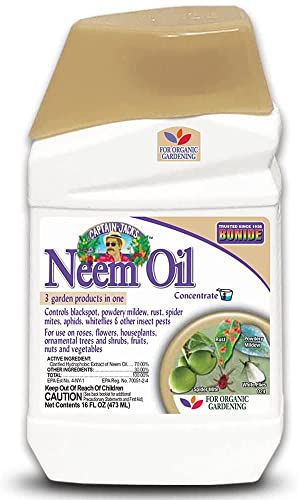
Derived from the neem seed, this Bonide concentrate is a different beast from the parafinic oils above. It kills all stages of insects — egg, larvae, and adult — while preventing fungi from attacking plant tissue. It doubles as a dormant spray for year-round protection on roses, vegetables, herbs, indoor houseplants, and trees. One apple tree owner saw real improvement: “After the second application the apples looked better and less fruit on the ground.”
At 14 pounds for the bottle, this is the heaviest product in the guide — a sign that you are getting a lot of concentrated product. Owners call it their go-to pesticide, but a notable minority find it ineffective against fungus gnats indoors and say the smell is very strong. The neem oil scent is a genuine trade-off, especially if you plan to use it on houseplants.
Ideal for: gardeners who want one product for both indoor and outdoor plants, with a strong focus on fungal prevention.
Skip if: you are sensitive to strong smells or need a targeted scale-specific oil.
7. Hi-Yield VPG DPD Dormant Spray Oil
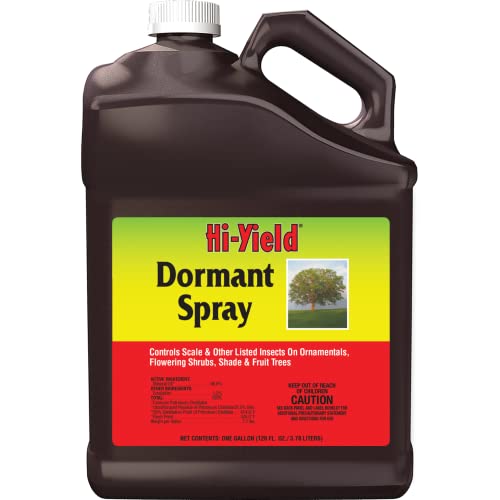
The budget-friendly gallon that fruit tree growers lean on for a clean spring start.
This is the entry-level gallon from Hi-Yield, designed specifically for dormant season application on shrubs, ornamentals, fruit trees, and shade trees. It controls scale, mites, fruit tree leaf rollers, pear psylla (a sap-sucking insect), fall armyworms, and whiteflies. The gallon size (128 fluid ounces) is the largest value in this guide — ideal if you have a full orchard or a large fig collection. One owner describes their method: “I spray all of my fruit trees in late February to get ahead of the spring season. I never have issues with my fig collection so long as I use this in the off season.”
The application window is specific — it works best on a warmer day above 60°F in February, after pruning is complete. Owners appreciate that it can be mixed with other insecticides or fungicides. Some buyers have found it ineffective against the black sooty mold on crape myrtles. If that is your primary target, you may need a different approach.
A value-driven dormant-only oil: the gallon jug is the most economical way to cover a large number of fruit trees, and the 128-ounce supply lasts multiple seasons.
Best for: owners of multiple fruit trees (figs, peaches, apples) who want a simple, affordable dormant-season spray that can be mixed with fungicides.
Not for: year-round use — this is strictly a dormant-season product, and it may not tackle sooty mold on crape myrtles.
8. Monterey Horticultural Oil, 1 Gallon
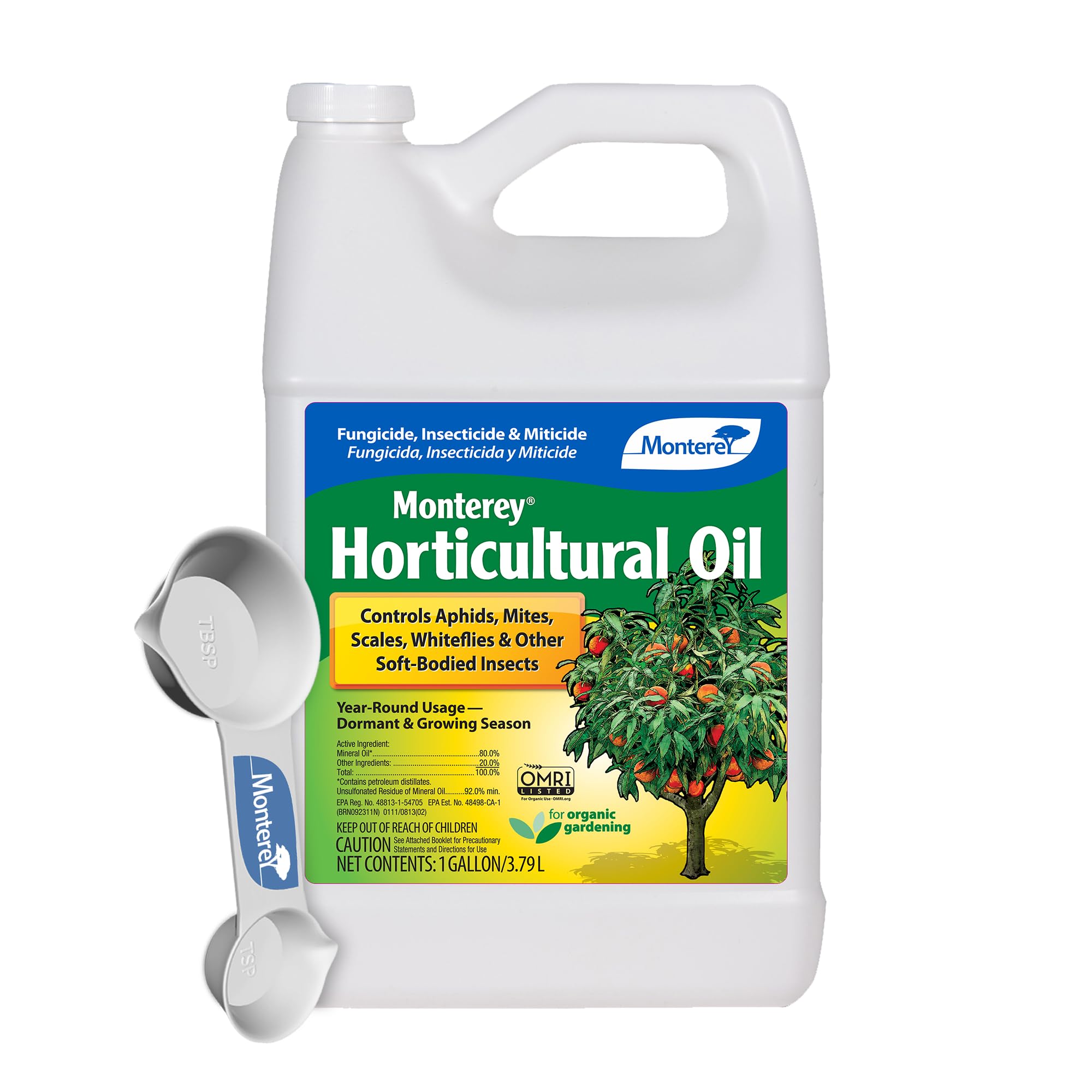
The one-gallon organic oil that saved banana magnolia trees when neem oil failed.
This is the largest Monterey Horticultural Oil concentrate, a full gallon (7.41 pounds) that comes with a measuring spoon for easy mixing. It is OMRI Listed for organic gardening and designed for both dormant and growing season. The target pests are the same as the 16-ounce version — aphids, leaf miners, thrips, spider mites, scales, and whiteflies — but the gallon jug gives you enough supply for multiple seasons of heavy use. One owner’s experience stands out: a “faux scale parasite on banana magnolia tree cleared after two doses” where neem oil had been ineffective.
Owners who purchased multiple times praise it for saving trees from leaf miners, aphids, and scales. The same limitation applies: it gives poor control for caterpillars and worms, so you will need a separate product for those pests. The gallon size ensures you will not run out mid-spray, but the 7.41-pound weight means it is a commitment to handle and store.
Serious organic protection: the gallon size with a measuring spoon makes this the most complete package for dedicated organic orchardists who spray multiple times per season.
Get this if: you have a large organic orchard or multiple banana magnolia shrubs that need persistent, heavy-duty scale treatment.
Think twice if: you only have a few plants — the smaller 16-oz Monterey will waste less concentrate.
Understanding the Specs
Parafinic Oil vs. Mineral Oil
Parafinic oil is a highly refined petroleum-based oil, typically 98% pure, that smothers insects by coating their breathing pores. Mineral oil is a broader term for the same mechanism, often approved for organic gardening. Both do the same job — the difference is purity and certification. If OMRI organic certification matters to you, look for mineral oil products labeled for organic use.
Dormant vs. Growing Season Application
A true dormant oil is meant for application when trees are leafless and temperatures are above 40°F but below 65-70°F. Apply too late and the oil can burn tender new buds. Year-round or “all seasons” oils are formulated with a lighter viscosity that is safer on foliage, but you still need to avoid hot, sunny days. Always read the label for your specific temperature window.
FAQ
What is the difference between dormant oil and horticultural oil?
Can I use dormant oil spray on my citrus trees?
How often should I apply dormant oil spray?
Will dormant oil spray kill beneficial insects like ladybugs?
Is dormant oil spray safe for organic gardening?
What temperature is too cold for dormant oil spray?
Can I mix dormant oil with other fungicides or insecticides?
How long does a bottle of concentrate last?
What pests does dormant oil NOT kill?
Why does my plant have black sooty mold even after using dormant oil?
Final Thoughts: The Verdict
Across the board, the dormant oil spray winner is the Bonide All Seasons because it combines year-round flexibility with a ready-to-spray hose attachment that makes pest control simple for anyone. If you want the concentrated power of a 98% parafinic oil for stubborn scale and mealybugs, grab the Southern Ag Parafine 32oz. And for certified organic protection on a large orchard, the Monterey Horticultural Oil gallon is the one to reach for.
How We Picked
We do not accept paid placement. Every pick is matched to a real buyer and a real use-case; we do not hands-on test units.
Sources & Methodology
Specifications: manufacturer listings and product documentation. Review insights: verified customer reviews, as of July 2026. Pricing: not shown on this page (it changes often); check the current price via the retailer link.
As an Amazon Associate, Lawn Gear Lab earns from qualifying purchases. This does not affect which products we feature.