
Specs are compiled from manufacturer listings and verified buyer reviews and can change over time — please confirm the key details on the product page before buying.
The whole point of a compostable plant pot is that it disappears into the ground, letting your seedling’s roots grow straight through without the transplant shock that plastic pots cause. But not all peat pots break down at the same speed or hold together long enough for your seedlings to get a real start. The wrong ones can crumble before you even get them in the soil, leaving you with a messy transplant instead of a smooth one.
I’m Rikta — the founder and writer behind Lawn Gear Lab. This guide is built by comparing the manufacturers’ published specifications and the patterns across verified customer reviews, so you get each pick’s real strengths and trade-offs instead of marketing spin.
I have looked at the material makeup and dimensions of seven different pot sets to find the ones that actually degrade as promised and hold up during the growing season. This is your straight-to-the-point guide for the best compostable plant pots.
How To Choose The Best Compostable Plant Pots
Compostable pots are not all made the same way. Some are pressed from peat moss, others from recycled paper pulp, and a few from plant fibers. Each material changes how fast the pot breaks down in the soil and how long it stays sturdy on your shelf before planting. You also need to match the pot size to what you are sprouting — a 4-inch pot works for tomatoes, while a 3-inch pot is plenty for herbs.
Material Type: Peat, Pulp, or Plant Fiber
Peat pots are the classic choice. They are molded from sphagnum peat moss and binders, which makes them feel like a stiff brown felt. They breathe well and roots push through them easily. Recycled pulp pots are made from repurposed paper and fibers, so they are a little denser and can hold their shape longer during heavy watering. Plant fiber pots feel lightweight and tend to absorb water faster, which helps keep the soil moist but can make the pot softer sooner. Pick your material based on how long you need the pot to stay intact before transplanting.
Pot Size and Count for Your Garden Plan
The diameter of the pot determines how long a seedling can live in it before the roots need more space. A 2.36-inch pot works for small succulents, while a 4-inch pot gives a tomato plant enough room to develop a strong root system before moving it outside. The pack count matters too. If you plan to start fifty pepper plants, a 50-pack will force you to buy again soon, while a 200-pack covers the whole season in one order.
Drainage and Breathability
Even though the pot will eventually decompose, it needs to drain water while the seedling is still inside. Look for pots with bottom drainage holes or a porous material that lets excess water escape. Without drainage, the soil stays wet too long and the seedling may rot before it ever gets into the ground. Breathable walls also help roots get oxygen, which is why pulp and peat pots outperform solid plastic liners every time.
Quick Comparison
| Model | Best For | Material | Pot Size | Pack Count | Amazon |
|---|---|---|---|---|---|
| KOAMLY Square Peat Pots | Labeling seedlings | Paper | 3 x 3 x 2.7 in | 150 | Amazon |
| JERIA Peat Pots | Compact versatility | Peat | 3.15 x 3.15 x 3.15 in | 100 | Amazon |
| YESIACE Square Peat Pots | High-volume sowing | Peat & Plant Fibers | 3.15 x 3.15 x 3.15 in | 126 | Amazon |
| Huvai Biodegradable Pots | Large batch starting | Plant Fibre | 3.15 x 3.15 x 1.57 in | 200 | Amazon |
| CLEANGOR Peat Pots | Reducing transplant shock | 100% Recycled Pulp | 4 x 4 in (est.) | 70 | Amazon |
| vwpvdeeg Peat Pots | Plants needing more root room | Natural recycled pulp | 4 x 4 x 3 in | 50 | Amazon |
| FDGARDEN Peat Pots | Small succulents and herbs | Moss, Recycled Pulp | 9 x 9 x 2.5 in (pkg) | 100 | Amazon |
In‑Depth Reviews
1. KOAMLY Square Peat Nursery Pots 150 Pcs

A 150-pot bundle that drops straight into the ground and feeds the soil as it goes.
The KOAMLY set gives you 150 square peat pots and 150 white plant labels, so you can start a large garden and still keep every seedling named and organized. Each pot measures 3 x 3 x 2.7 inches — noticeably smaller than the 3.15-inch cube of the JERIA pack above. That makes it a better fit for starting herbs, lettuce, or flowers rather than deep-rooted vegetables. The material is paper-based pulp and plant fibers, which the maker says breaks down into organic fertilizer that enriches the soil around the roots.
Buyers report that the pots hold together well during watering but soften quickly once planted, which is exactly how a compostable pot should behave. The drainage holes at the bottom help prevent waterlogging, a common problem with denser pots. If you want a high-pot-count solution that includes labels without a separate purchase, this is the most balanced package in the lineup.
Why it wins
- 150 pots plus 150 labels — everything in one box
- Drainage holes reduce the risk of root rot
- Square shape fits more pots per tray than round ones
The trade-off
- Paper material softens faster than peat under heavy watering
- 3-inch depth limits use for tall seedlings like tomatoes
Reach for this if: you are starting a large number of herbs or flowers and want a labeled, organized tray from day one.
Look elsewhere if: you need a deeper pot for vegetables with long taproots, or you prefer a denser peat material.
2. JERIA 100-Pack 3.15 Inch Peat Pots

Classic peat construction that breathes like clay and biodegrades fast in the ground.
JERIA’s pots are molded from recycled pulp and binding agents, giving them that familiar felt-like texture that gardeners have trusted for decades. Each pot is 3.15 inches in diameter and depth — a true cube shape that works for everything from basil to bell peppers. The material is porous, so air reaches the root ball and excess moisture evaporates instead of sitting stagnant. And because the peat breaks down quickly, you can plant the whole pot directly into the soil without pulling the seedling out.
Buyers like that the pack includes 100 plant labels, saving you a second shopping trip. One reviewer noted that the pots hold up well through several weeks of indoor watering without falling apart prematurely, which gives your seedlings more time to develop before transplanting.
What stands out
- Breathable peat walls prevent overwatering issues
- 100 labels included, no extra purchase needed
- Biodegrades into organic nutrients for the soil
What to consider
- Not reusable — one-time use only
- 3.15-inch size may be too small for vining plants
Solid all-rounder: the JERIA pack suits the home gardener who wants a reliable peat pot in a moderate count with labels thrown in.
One caveat: if you are starting large crops like squash or cucumbers, you will want a deeper pot before transplant day.
3. YESIACE 126 Packs Square Peat Pots
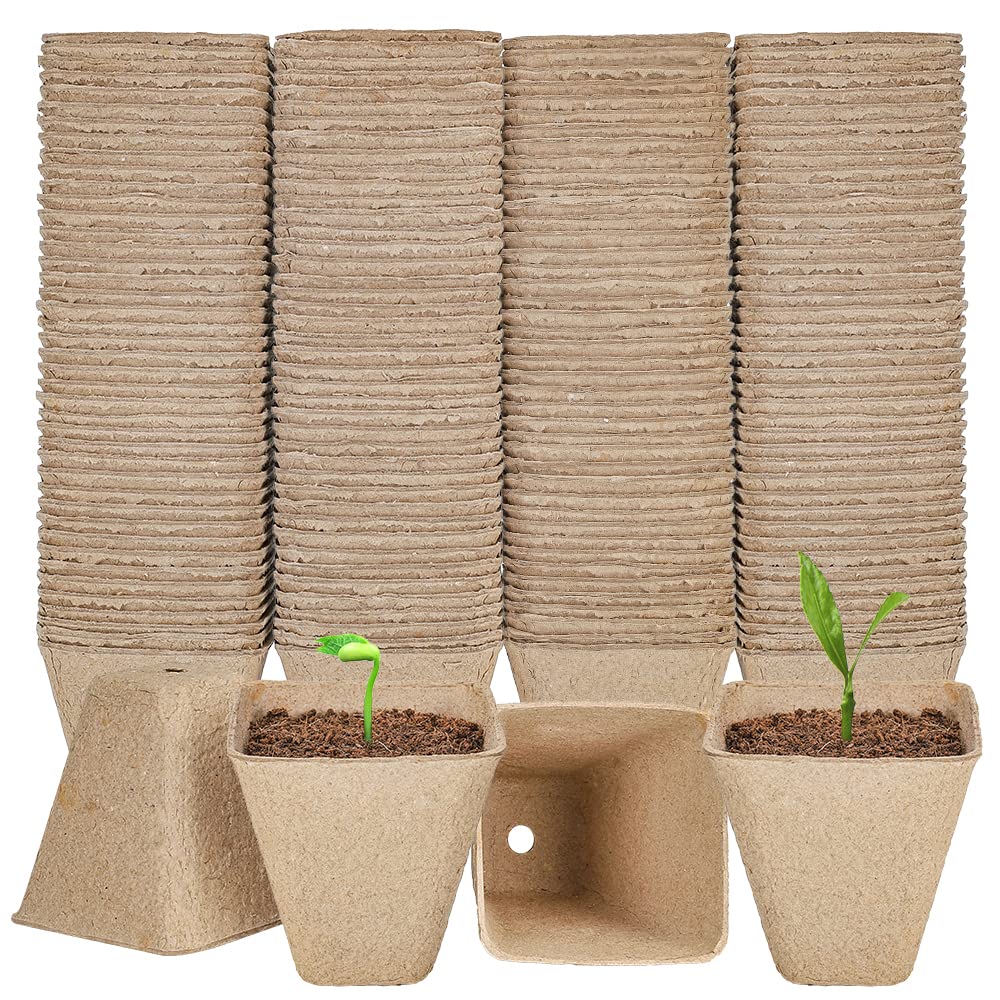
A 126-piece square-format set that self-waters through its absorbent peat walls.
The YESIACE pots blend peat and plant fibers into a square 3.15-inch pot that works especially well for starting vegetables like watermelon, tomatoes, and cucumbers — the maker specifically calls those out. The peat material pulls water in automatically, which means the pot itself helps keep the soil evenly moist while you focus on other seedlings. Drainage holes at the bottom give excess water a way out, so the roots are not sitting in a puddle.
Owners mention that the pots hold their shape well during the indoor germination phase and soften predictably once transplanted. At 126 pots per pack, this set lands between the 100-count JERIA and the 200-count Huvai below, making it a middle-ground option for a gardener who wants a solid supply without storing two hundred pots. The square design also packs tighter on a tray than round pots, so you can fit more starts under a single grow light.
Built for vegetables
- Peat absorbs water automatically, reducing watering frequency
- Drainage holes prevent waterlogged soil
- Square shape boost tray space
One weakness
- No labels included, unlike the KOAMLY or JERIA packs
- Outdoor use only per the specs, though indoor sprouting works
Smart buy for vegetable starters: grab this pack if you are sowing tomatoes, cucumbers, or melons in volume and want a self-moistening pot.
skip it if: you need labels in the box, or you prefer a round pot for easier handling.
4. Huvai 200 Pack Square Biodegradable Peat Pots
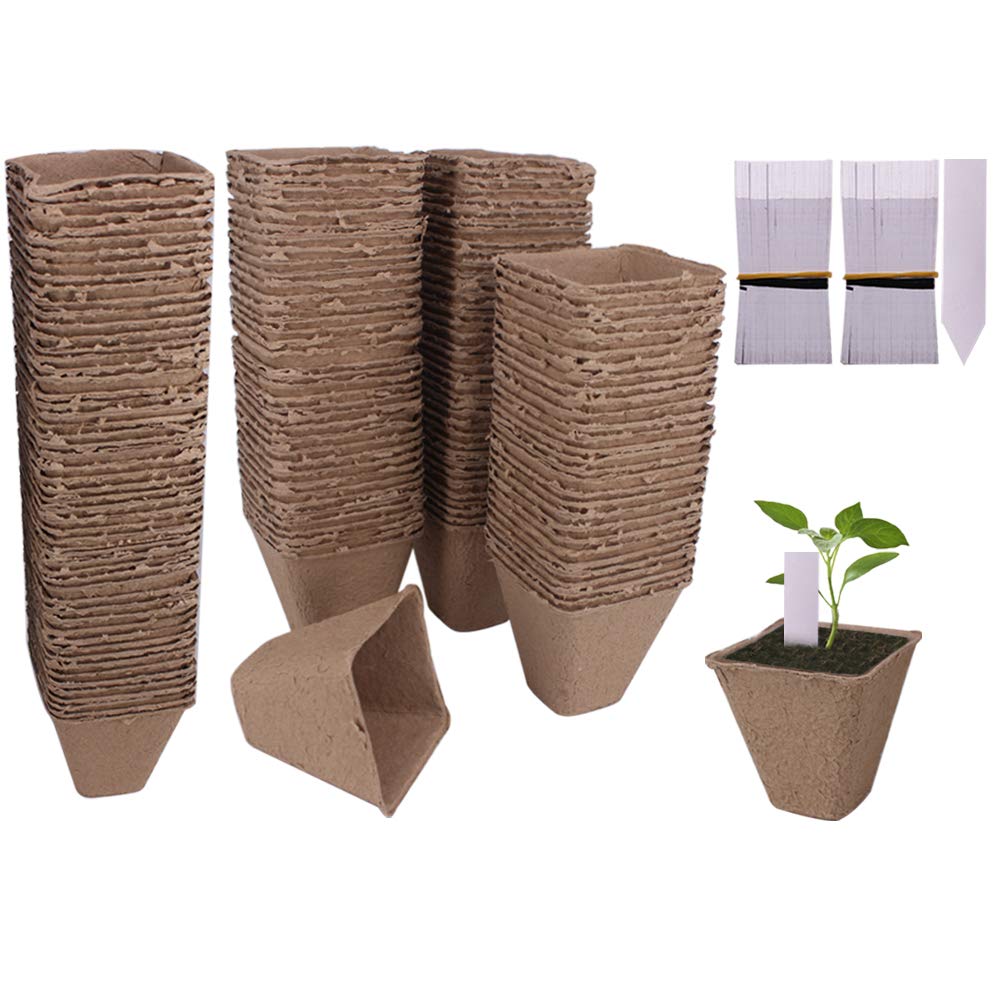
A 200-pot fiber bundle that gives you 200 pots versus a small 50-pack for the same effort.
The Huvai set is the largest by pot count in this lineup at 200 square pots, plus 200 white plastic plant labels. Each pot measures 3.15 inches wide by 1.57 inches tall at the bottom, making them shallower than the cube-shaped JERIA and YESIACE pots. That shallower profile works well for seedlings that do not need deep root room before transplanting — think lettuce, basil, or flower starts. The material is plant fiber, which the maker says absorbs and holds water faster than denser peat blends and breaks down right in the ground.
Compared to the YESIACE 126-pack, the Huvai gives you 74 more pots and labels in the box, which is a clear advantage if you are running a community garden or teaching a class. One buyer mentioned that the thin walls dry out faster than peat, so you need to water more often during hot indoor months. Keep that in mind if you are a weekend-only waterer.
Why buy in bulk
- 200 pots plus 200 labels — the biggest bundle here
- Plant fiber absorbs water quickly for fast germination
- Shallow base suits low-root seedlings perfectly
The dry-out risk
- 1.57-inch depth limits use for deep-rooted plants
- Thinner walls may need more frequent watering
Best for large projects: choose the Huvai if you need 200 starts in one order and you are growing shallow-root greens or flowers.
Not ideal if: your garden plan includes deep-root vegetables like tomatoes, or you prefer a slower-drying peat material.
5. CLEANGOR 70Pcs Biodegradable 4” Peat Pots
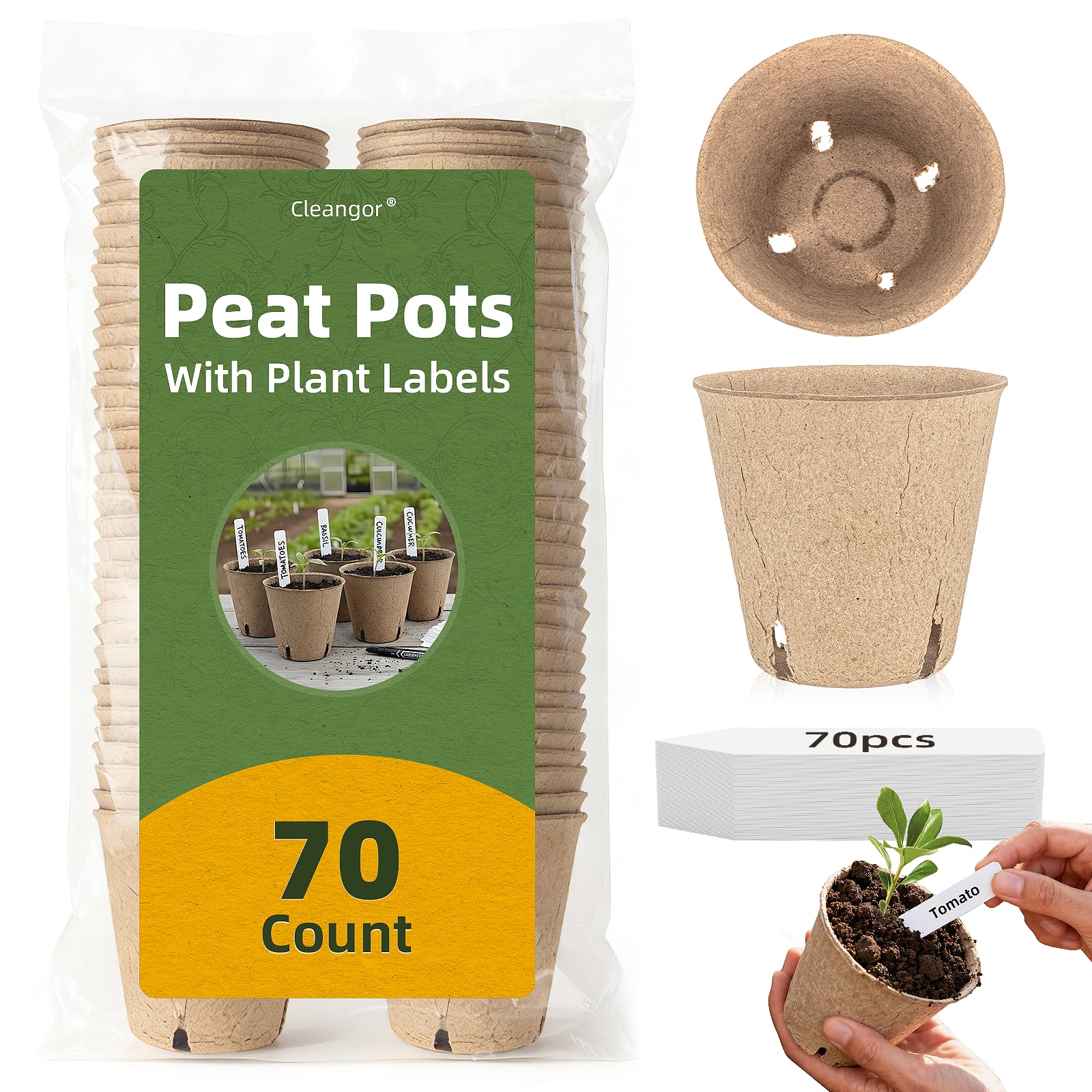
A 4-inch recycled-pulp pot that holds up to wet handling without falling apart.
CLEANGOR’s pots are made from 100% recycled pulp, giving them a sturdy, papery feel that resists breaking when you fill them with damp soil. At 4 inches across, they are the widest pots in this review alongside the vwpvdeeg set below, which makes them a good match for starting peppers, tomatoes, or any vegetable that needs more root space before moving outside. The pack includes 70 pots and 70 plant labels, so you can keep every variety tagged from day one.
Customers note that the drainage holes and breathable walls work well together — water drains freely while the porous pulp holds just enough moisture for steady growth. The CLEANGOR pots are a solid middle option between the budget-friendly smaller pots and the premium 50-pack from vwpvdeeg. If you want a moderate number of 4-inch pots with labels included, this set hits a practical balance.
What works
- 4-inch diameter gives roots more room than standard 3.15-inch pots
- Drainage holes plus breathable walls prevent rot
- Labels included for organizing multiple varieties
The catch
- 70 pots may not be enough for a large garden
- Recycled pulp can feel softer than pressed peat
Solid eco pick: reach for the CLEANGOR if you are starting a medium vegetable patch and want a 4-inch pot that lets you label everything.
Consider another option if: you need more than 70 pots, or you prefer the denser feel of a peat-based pot.
6. vwpvdeeg 50 Pack 4 Inch Peat Pots
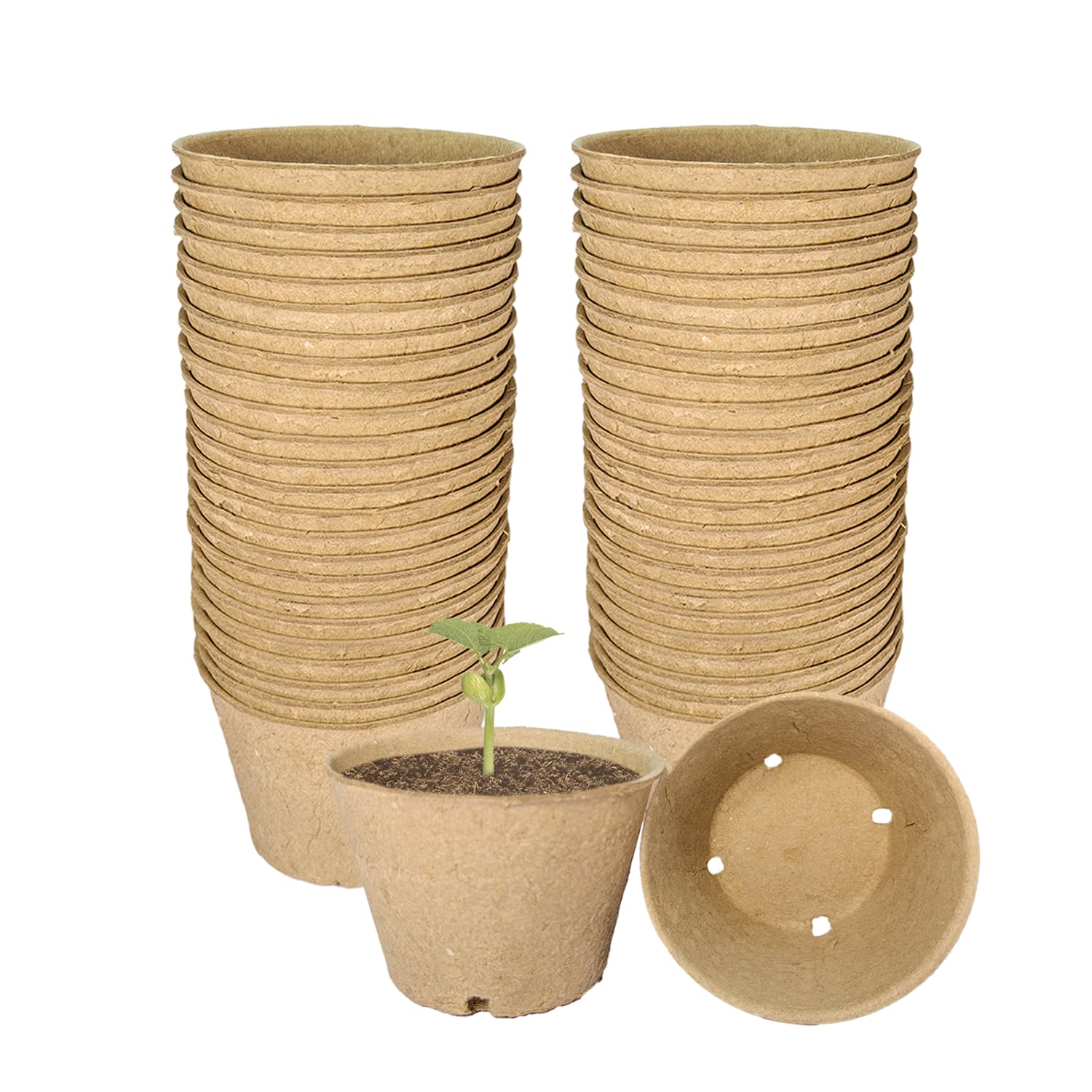
A taller 4-inch pot built for vigorous root systems and easy transplanting.
The vwpvdeeg pots measure 4 x 4 x 3 inches, which gives them a full inch more depth than the CLEANGOR 4-inch pots. That extra depth matters when you are starting melons, squash, or tomatoes — the roots can grow deeper before they hit the bottom and start circling. The material is natural recycled pulp with a porous structure that promotes air circulation, and the textured surface makes it easy to separate the pots without tearing them.
You get 50 pots per pack — fewer than most others here — but each pot is larger and more rugged, so it can handle a longer indoor grow period before you need to transplant. The stackable design saves shelf space when the pots are not in use, and the bottom drainage holes let excess water escape freely. Compared to the 200-pack Huvai above, you trade 150 fewer pots for a taller, more sturdy container that reviewers point out holds up better for extended indoor use.
Best for big plants
- 4 x 4 x 3 inches — the deepest pot in this comparison
- Breathable pulp walls and drainage holes work together
- Stackable design saves storage space
What you give up
- Only 50 pots in the pack — not enough for large plantings
- No labels included in the box
Choose this for deep-root starts: if you are growing tomatoes, melons, or any plant that needs extra soil depth before going outside, the vwpvdeeg pot is your best bet.
Pass on this if: you need a high pot count for a big garden, or you want labels bundled in.
7. FDGARDEN Biodegradable Peat Pots for Seedlings, 100 Pack

An affordable 100-pack made from moss and recycled pulp for small-scale starting.
FDGARDEN uses a blend of moss and recycled pulp to create a 2.36-inch pot that is noticeably smaller than the 3.15-inch standard found on most of the other packs here. That compact size is perfect for succulents, small herbs, or anyone who wants to test a few varieties without committing to a full tray of large pots. The 150 milliliter capacity means each pot holds enough soil for a single seedling to develop for a few weeks before it needs a bigger home.
You get 100 pots and 10 plant markers in the box. That is far fewer markers than the KOAMLY (150) or JERIA (100) packs, so you will need to label selectively or buy extra tags. The pots weigh 1.1 pounds total, making them 10% heavier than the JERIA 100-pack at 1 pound, which suggests a denser material blend. Shoppers say that the pots soften quickly after watering, so handle them gently during the first few days.
Good for small gardens
- 100 pots are enough for a modest herb or succulent collection
- Moss blend breathes well and biodegrades in soil
- Compact size stores easily on a windowsill
Where it falls short
- Only 10 markers included — not enough for 100 pots
- 2.36-inch size is too small for most vegetables
Ideal for small starts: grab the FDGARDEN pack if you are sprouting succulents or a handful of herb varieties on a tight budget.
Not the right pick if: you are starting a vegetable garden or need a label for every single pot.
Understanding the Specs
Pot Material (Peat vs. Pulp vs. Plant Fiber)
The material controls how fast the pot breaks down and how much water it holds. Peat is pressed moss that feels like stiff felt — it breathes well and roots push through it easily. Recycled pulp is denser and resists tearing during handling, but it softens slower in the soil. Plant fiber is the lightest of the three and absorbs water fastest, which helps germination but can make the pot fall apart sooner. Pick peat for a classic balance, pulp for durability during handling, and plant fiber for quick absorption.
Pot Dimensions and Depth
The diameter determines how wide the root ball can spread, and the depth decides how long the seedling can stay in the pot before its roots hit the bottom. A 3-inch pot is fine for herbs and flowers that transplant early. A 4-inch pot gives tomatoes and peppers room to grow a stronger root system before moving outside. The shallowest pots here are the Huvai at 1.57 inches bottom height — good for shallow-root greens. The deepest is the vwpvdeeg at 3 inches, which handles longer indoor grow periods.
Drainage Holes
Drainage holes let excess water escape so the soil does not stay soggy. Without them, the roots of a seedling sitting in wet soil can rot before the pot is ever planted. Most compostable pots in this list include bottom drainage holes (the YESIACE, CLEANGOR, and vwpvdeeg packs all have them). Even with holes, the porous walls of peat and pulp pots help wick away moisture, giving you a double safety net against overwatering.
Pack Count and Labels
The number of pots in a single purchase decides how many starts you can manage at once. A 50-pack works for a focused kitchen-garden project. A 150- or 200-pack covers a full season without reordering. Some packs include plant labels (KOAMLY includes 150, JERIA includes 100, Huvai includes 200). Others sell the pots alone. If you keep track of multiple varieties, a pack with labels saves you from buying them separately.
FAQ
Can I plant the whole peat pot in the ground?
How long does it take for a peat pot to decompose?
Do compostable pots need drainage holes?
What size pot is best for starting tomato seedlings?
Can I reuse a compostable pot after it dries out?
Are square pots better than round pots for seed starting?
What is the difference between peat pots and recycled pulp pots?
How do I prevent a peat pot from drying out too fast?
Do I need to remove the pot before planting in the ground?
Will compostable pots work in a greenhouse?
Final Thoughts: The Verdict
If you want one dependable pick, the best compostable plant pots winner is the JERIA 100-Pack because it combines a classic peat material with a practical pot count and included labels at a reliable price. If you want the highest pot count in a single box, grab the Huvai 200 Pack for 200 plant fiber pots and 200 labels. And for deep-root vegetables that need extra soil depth before transplanting, the vwpvdeeg 50 Pack gives you the tallest 4-inch pot in this lineup.
How We Picked
We do not accept paid placement. Every pick is matched to a real buyer and a real use-case; we do not hands-on test units.
Sources & Methodology
Specifications: manufacturer listings and product documentation. Review insights: verified customer reviews, as of July 2026. Pricing: not shown on this page (it changes often); check the current price via the retailer link.
As an Amazon Associate, Lawn Gear Lab earns from qualifying purchases. This does not affect which products we feature.