
Walk into any garden center and you will face a wall of bags promising the world, but the difference between a so-so harvest and a truly abundant vegetable patch comes down to one thing: the quality of the organic matter you put into the ground. The wrong compost can lock up nutrients or introduce weed seeds, while the right blend feeds your plants, improves soil structure, and boosts microbial life for the entire season.
I’m Rikta — the co-founder and writer behind Lawn Gear Lab. I spend my time comparing bagged compost formulations, analyzing NPK ratios and organic certifications, and cross-referencing thousands of owner experiences to find the amendments that actually deliver measurable results in a home vegetable garden.
Whether you are planting tomatoes in raised beds or filling containers on a patio, the right compost for vegetable garden will give your crops the steady nutrition they need without synthetic chemicals or expensive liquid feeds.
How To Choose The Best Compost For Vegetable Garden
Not every bag labeled “compost” is suitable for edible crops. Some are too hot with nitrogen and burn tender roots, while others are mostly peat moss with minimal nutritional value. Focus on the source ingredients, the NPK numbers, and the certification to make sure you are buying something that will feed your vegetables, not just fill space in the bed.
Read the NPK Ratio and the Source
A balanced ratio like 4-6-2 or 3-4-4 is ideal for most leafy greens, fruiting vegetables, and root crops. Composts built from fish bone meal, blood meal, and feather meal release nitrogen steadily. Blends with lobster or crab meal add calcium and chitin, which help prevent blossom-end rot in tomatoes and peppers.
Look for OMRI or Organic Certification
The Organic Materials Review Institute (OMRI) listing means the product has been verified for use in certified organic production. This matters even if you don’t garden organically — OMRI-listed composts are free from synthetic additives, sewage sludge, and chemical fillers that can accumulate in your soil over time.
Match the Texture to Your Soil Type
If your garden has heavy clay, choose a compost with perlite or sand added for drainage. Sandy soils benefit from composts high in sphagnum peat moss or coco coir to retain moisture. For raised beds and containers, a dark, crumbly texture with visible organic particles is a sign that the compost is fully cured and ready to use.
Quick Comparison
On smaller screens, swipe sideways to see the full table.
| Model | Category | Best For | Key Spec | Amazon |
|---|---|---|---|---|
| Coast of Maine Bar Harbor Blend | Potting Soil | Container & raised bed veggies | Lobster & crab shell meal, kelp | Amazon |
| Coast of Maine Tomato & Vegetable | Planting Soil | In-ground tomato & pepper beds | Composted manure, peat moss | Amazon |
| Espoma Land & Sea Gourmet Compost | Compost | Soil amendment & transplanting | Lobster & crab meal, myco-tone | Amazon |
| Wiggle Worm Pure Worm Castings | Castings | Living soil & seed starts | Worm eggs, 40 lb bag | Amazon |
| Old Potters Organic Compost | Compost | Break up heavy clay soil | Plant-based, 24 quarts | Amazon |
| Down To Earth All Purpose Mix | Fertilizer | Feeding established transplants | 4-6-2, fish bone & blood meal | Amazon |
| Espoma Garden-tone 3-4-4 | Fertilizer | Monthly feeding of leaf & fruit crops | Bio-tone formula, 2 pack | Amazon |
In‑Depth Reviews
1. Coast of Maine Bar Harbor Blend Potting Soil
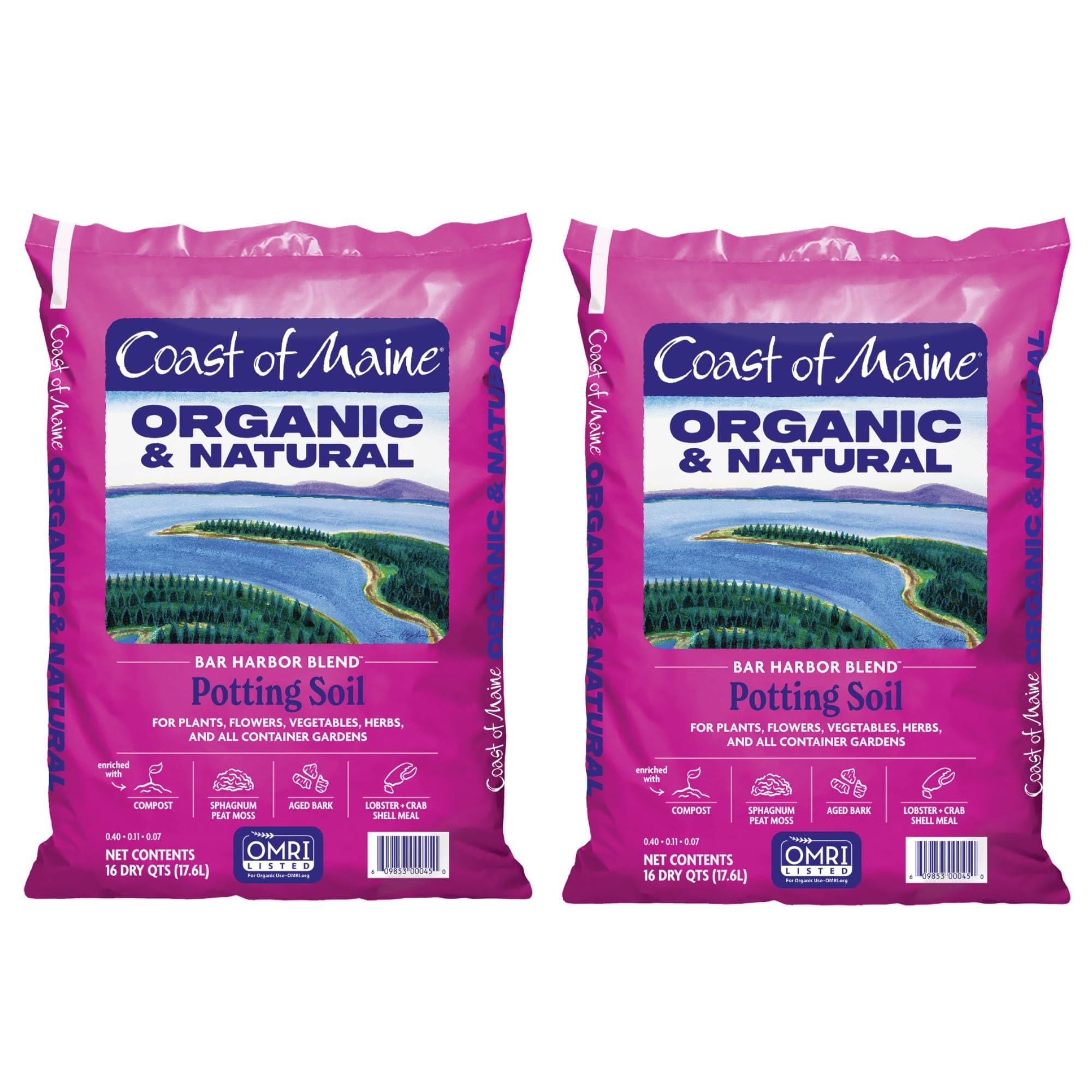
The Bar Harbor Blend stands out because it works as a complete potting soil rather than just an amendment. Formulated with sphagnum peat moss, compost, perlite, lobster and crab shell meal, and kelp meal, it provides a balanced slow-release nutrient profile that supports vegetables from transplant through harvest. The natural nitrogen from the shellfish meal feeds leafy growth without the harsh spike that synthetic fertilizers cause.
Gardeners using this in containers and raised beds report that the texture is dark, crumbly, and free from large sticks or debris. The perlite content ensures good drainage while the compost retains enough moisture to reduce watering frequency. Multiple reviewers noted that their tomato plants looked healthier than when they used generic bagged topsoil, and the lack of weed seeds was a frequently mentioned benefit.
For container vegetable gardening where you need both nutrition and structure in one bag, this blend eliminates the guesswork of mixing separate components. The OMRI listing confirms it meets organic production standards, and the feedback from over a thousand buyers shows consistent results across different climates and vegetable types.
What works
- Complete potting soil with slow-release nutrients built in
- Excellent drainage from perlite without drying out too fast
- No visible weed seeds or synthetic fillers
What doesn’t
- Heavier than pure peat-based mixes
- Premium price per quart compared to basic topsoil
2. Coast of Maine Tomato & Vegetable Planting Soil
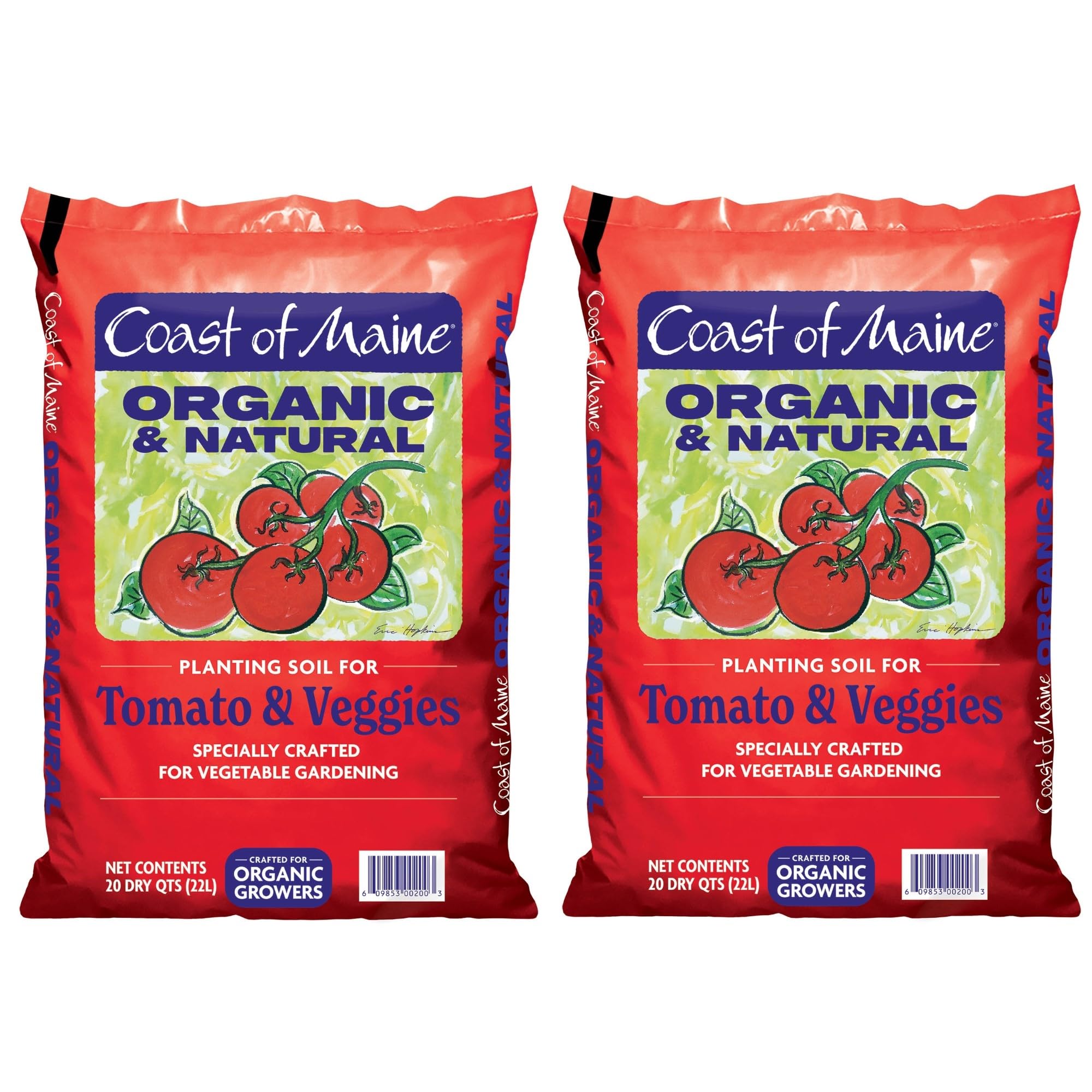
This blend is specifically formulated for heavy-feeding crops like tomatoes and peppers, with composted manure as the primary nutrient source. The manure adds organic matter that improves soil structure while providing a balanced release of nitrogen, phosphorus, and potassium. The sphagnum peat moss in the mix helps with moisture retention, which is critical during the fruiting stage when tomatoes need consistent watering.
Reviewers consistently mention that this soil performs well in both in-ground beds and large containers. The texture is lightweight and easy to dig into, and it drains effectively while holding enough moisture to reduce daily watering in hot weather. One detailed review from a grower of heirloom tomatoes praised the drainage characteristics that prevented root rot during a rainy season.
Some users reported the presence of fungus gnats in the bag, which is not uncommon with composted manure products. Treating the soil with neem oil or allowing it to dry slightly before planting can mitigate this. The OMRI listing and the strong results for fruiting vegetables make this a reliable choice for gardeners focused on high yields.
What works
- Composted manure provides rich, balanced nutrition for heavy feeders
- Retains moisture well without becoming waterlogged
- Lightweight texture is easy to work with in beds and pots
What doesn’t
- Can harbor fungus gnats if stored damp
- Premium price makes it expensive for large in-ground areas
3. Espoma Land & Sea Gourmet Compost

Espoma’s Land & Sea Compost uses lobster and crab meal as its signature ingredient, providing a natural source of chitin that studies have shown can suppress certain soil-borne pests while feeding the plants. The addition of Myco-tone, a proprietary blend of endo and ecto mycorrhizae, gives this product an edge for transplanting — the fungi colonize the root zone and improve nutrient and water uptake immediately after planting.
Gardeners who use this as a soil amendment when planting or transplanting report faster establishment and more vigorous early growth compared to using plain garden soil. The 1-cubic-foot bag covers roughly 12 square feet at a 1-inch depth, making it practical for amending multiple raised beds. The earthy, non-offensive smell disappears quickly after application.
This is not a complete potting soil — it is designed to be mixed into existing soil or added to planter mixes. For gardeners who already have a base topsoil or potting mix and want to boost biological activity and calcium levels, this is one of the most effective blends available.
What works
- Mycorrhizae improve root development and nutrient absorption
- Lobster and crab meal add calcium and chitin for disease resistance
- Fine, easy-to-mix texture blends well into existing soil
What doesn’t
- Not a standalone potting soil — must be mixed with base medium
- Moderate NPK requires supplemental feeding for heavy-fruiting crops
4. Wiggle Worm Pure Worm Castings
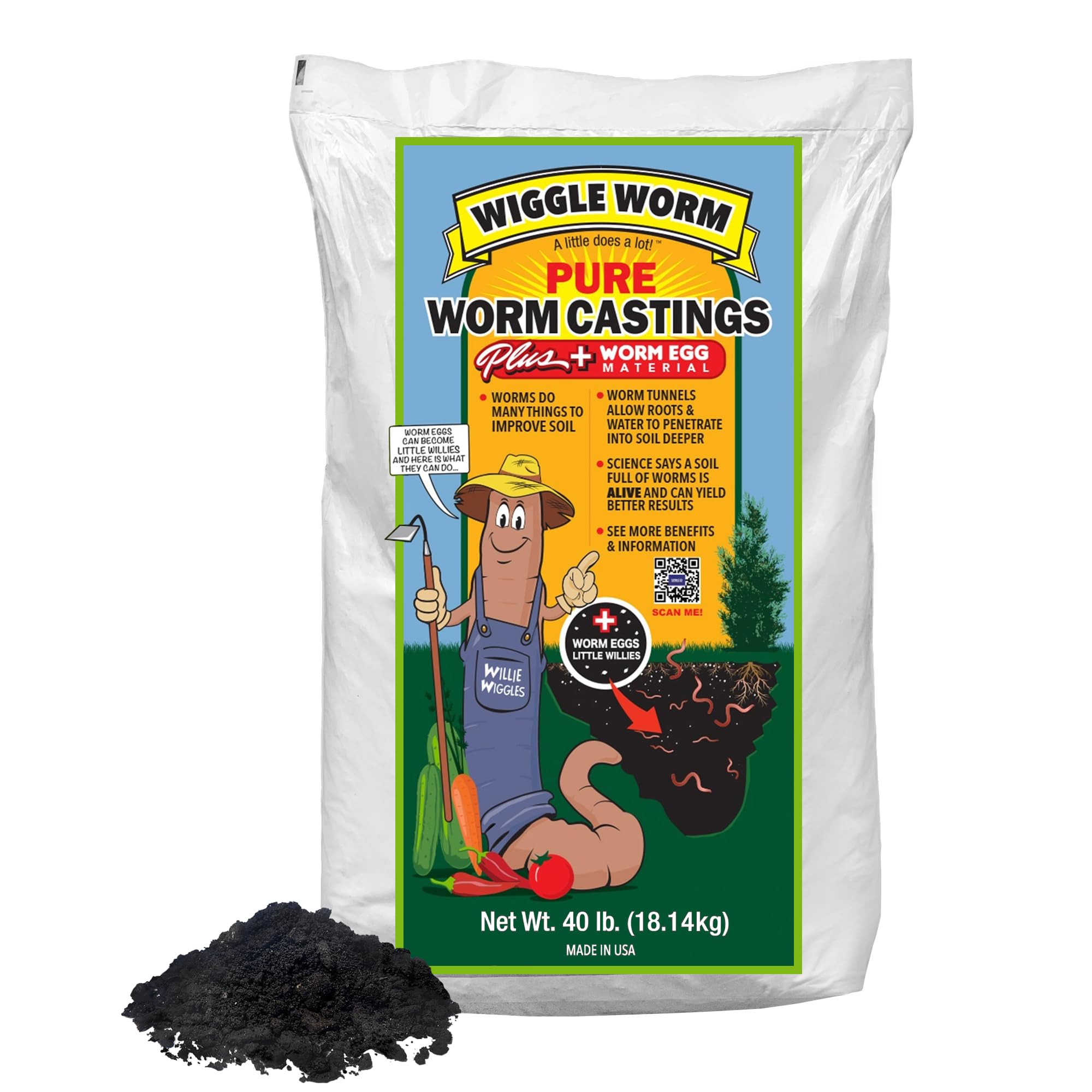
Worm castings are the gold standard for building living soil, and this 40-pound bag from Wiggle Worm delivers pure castings mixed with worm egg material that can hatch and continue the soil-building cycle. Castings improve soil aeration, water retention, and microbial diversity without any risk of burning plants — the nutrient release is entirely driven by soil biology, making it impossible to over-apply.
Users in harsh climates, including the Mohave desert and zone 7a, report that amending their native soil with these castings allowed them to grow sensitive vegetables like gardenias, strawberries, and heirloom tomatoes that previously failed. The castings are finely textured, odor-free, and mix easily into seed-starting mixes or top-dressed around established plants. The worm egg material adds a regenerative component that most bagged composts lack.
For gardeners committed to no-till or regenerative methods, this product supports a true soil food web. The 40-pound bag covers roughly 80 to 120 square feet at a 1/2-inch application rate, making it a cost-effective long-term investment in soil health rather than a one-season nutrient spike.
What works
- Completely non-burning — safe for seedlings and sensitive plants
- Worm egg material regenerates the casting cycle in your soil
- Odor-free and clean enough for indoor use
What doesn’t
- Lower immediate NPK requires patience for nutrient release
- Small rocks or debris may pass through the sifting process
5. Old Potters Organic Compost
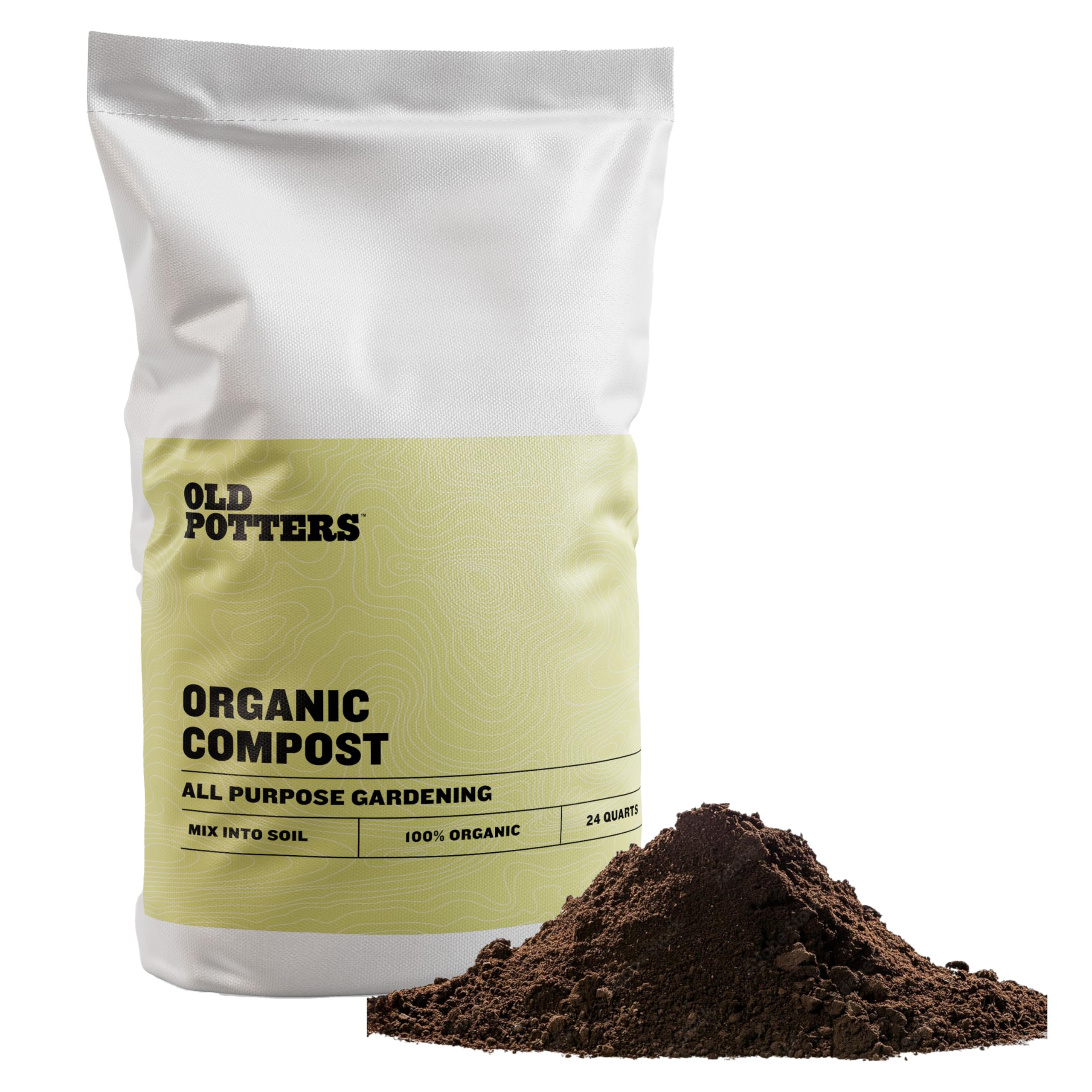
Old Potters takes a 100% plant-based approach, recycling organic waste into a compost that is free from animal manures and synthetic additives. This makes it a clean option for gardeners who want to avoid the potential pathogen or salt load that sometimes comes with manure-based products. The compost improves aeration and water retention while adding a modest nutrient boost that works well as a general soil conditioner.
One reviewer in zone 7a reported mixing this compost with worm castings and mycorrhizae to create a planting hole blend that allowed bare-root roses to thrive through extreme temperature swings. The compost itself has a dark, rich appearance and a pleasant earthy smell. Some users noted that the texture can be slightly clumpy and required manual crumbling before mixing, but this is a common characteristic of plant-based composts that haven’t been heavily processed.
For gardeners dealing with heavy clay soil that needs organic matter to improve drainage and structure, this plant-based compost provides a reliable amendment that won’t introduce excess phosphorus or nitrogen that could throw off soil test results.
What works
- 100% plant-based with no animal manure or byproducts
- Improves soil structure in heavy clay and sandy soils
- Mild nutrient profile reduces risk of over-fertilization
What doesn’t
- Texture can be clumpy and requires manual breaking
- Lower nutrient density than manure or shellfish-based blends
6. Down To Earth All Purpose Organic Mix

Down To Earth’s 4-6-2 granular mix is a dry fertilizer that you apply to the soil rather than a finished compost, but it earns a spot here because it functions as a targeted nutrient amendment for vegetable gardens. The ingredient list includes fish bone meal, blood meal, feather meal, rock phosphate, langbeinite, greensand, humates, and kelp meal — a comprehensive blend that covers both macronutrients and trace minerals.
Multiple reviewers noted that this mix revived pale and floppy tomato plants within two weeks of application. The formula is gentle enough not to burn roots when used according to the directions, yet potent enough to correct visible nutrient deficiencies quickly. A 5-pound box lasts a small vegetable garden for an entire season when used as a side-dressing every three to four weeks.
The main downside is the smell — fish bone and blood meal produce a noticeable odor that lasts a few days after application. This dissipates naturally and does not affect the vegetables, but gardeners with sensitive noses should plan to apply it on a breezy day or before a light rain.
What works
- Comprehensive blend of 8 organic ingredients covers all nutrient bases
- Fast visible results on pale or struggling plants
- Non-burning formula safe for vegetable transplants
What doesn’t
- Strong fishy odor for several days after application
- Granular form requires incorporation into soil for best results
7. Espoma Garden-tone 3-4-4

Espoma’s Garden-tone is a granular 3-4-4 fertilizer designed for both cool-season leafy greens and warm-season fruiting crops like tomatoes, peppers, squash, and melons. The inclusion of 5% calcium is a standout feature — calcium is critical for preventing blossom-end rot in tomatoes and peppers, a common frustration that often sends gardeners scrambling for emergency sprays when it is already too late.
This is a monthly feed that you apply around the drip line of plants and water in. The Bio-tone formula contains beneficial microbes that help break down the organic matter into plant-available nutrients. One reviewer in zone 10b reported harvesting over 400 pounds of tomatoes and 100 pounds of carrots in a single season using Espoma products, crediting the consistent monthly feeding schedule.
The two-pack provides enough material for a medium-sized garden throughout the growing season. Gardeners appreciate that the formula is gentle enough that even heavy applications do not burn roots, making it beginner-friendly. The smell is present but milder than blood-meal-heavy blends and dissipates quickly after watering.
What works
- 5% calcium actively prevents blossom-end rot in fruiting crops
- Safe for repeated monthly applications without burning
- Effective on both leafy greens and warm-season vegetables
What doesn’t
- Requires monthly reapplication throughout the growing season
- Mild smell that some users find unpleasant initially
Hardware & Specs Guide
NPK Ratio
The three numbers on the bag represent the percentage of nitrogen (N), phosphorus (P), and potassium (K) by weight. Leafy greens benefit from higher nitrogen ratios around 4-1-2, while fruiting vegetables like tomatoes need balanced phosphorus around 4-6-2 or 3-4-4. Composts with ratios above 5-5-5 can burn tender roots and should be mixed into the soil at least two weeks before planting.
OMRI Listing
Organic Materials Review Institute verification means the product has been audited by a third party and found to comply with organic production standards. This is your best guarantee that the compost contains no sewage sludge, synthetic pesticides, or prohibited fillers. Composts without this listing may contain unlisted ingredients that could introduce heavy metals or persistent herbicides into your vegetable beds.
FAQ
Can I use compost labeled for flowers on my vegetable garden?
How much compost should I add to a raised bed before planting?
What does the OMRI label guarantee for vegetable compost?
Final Thoughts: The Verdict
For most gardeners, the compost for vegetable garden winner is the Coast of Maine Bar Harbor Blend because it combines shellfish meal nutrients with perlite drainage in a ready-to-use potting soil that works for containers and raised beds alike. If you want a targeted monthly feed with calcium to prevent blossom-end rot, grab the Espoma Garden-tone 3-4-4. And for building long-term living soil with zero burning risk, nothing beats the Wiggle Worm Pure Worm Castings.