
Specs are compiled from manufacturer listings and verified buyer reviews and can change over time — please confirm the key details on the product page before buying.
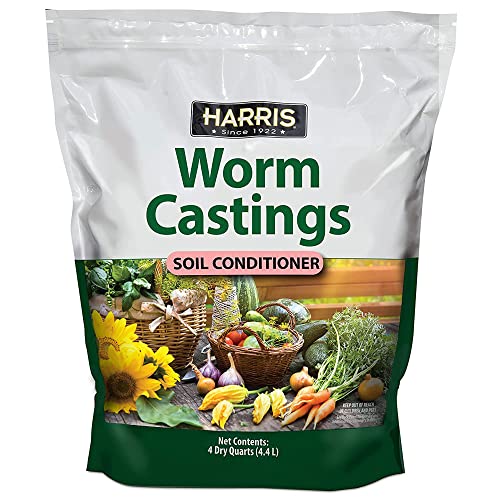
Feeding lily bulbs without burning their tender roots is the whole game, and the worm castings bag that owners credit for making their herbs and flowers “grew big” takes the top spot here, backed by a 4.8-star average across more than 500 ratings. You need a compost that holds moisture, drains well, and releases nutrients slowly — this guide shows you which bags deliver that balance for your lily beds.
I’m Rikta — the founder and writer behind Lawn Gear Lab. This guide is built by comparing the manufacturers’ published specifications and the patterns across verified customer reviews, so you get each pick’s real strengths and trade-offs instead of marketing spin.
From 5-pound worm castings bags to a flowering-stage top dress kit, these are the compost for lilies options that actually earn their place in a garden bed.
Our Picks at a Glance


How To Choose The Best Compost For Lilies
Lilies are heavy feeders, but their bulbs sit close to the surface and their roots are sensitive to strong, concentrated fertilizers. The goal is a compost that feeds gradually, holds moisture through summer heat, and keeps the soil loose so the bulb can breathe and multiply.
Worm Castings vs. Manure vs. Blended Compost
Worm castings are the safest starting point for lilies because they are gentle and cannot burn tender roots, even when mixed right into the planting hole. Composted cow manure adds more bulk and helps break up heavy clay, but it can carry a strong smell that some owners call out. Blended composts with added meals, like lobster and crab, give a broader nutrient profile for established beds.
Read the Mixing Ratio Before You Buy
Every bag tells you how much to use, and that number protects your lilies. A 1:7 ratio means you mix one part castings with seven parts soil — a light touch that feeds without overwhelming. A 1:1 ratio, like the cow manure blend, means you can use it more liberally as a soil conditioner. Always match the bag’s ratio to your planting plan.
Check for Moisture Retention and Drainage
Lily bulbs rot in soggy soil, but they also suffer when the ground dries out during blooming. The best composts balance both: worm castings retain water extremely well while promoting drainage, and composted manure adds aeration to hard, clay-type soils. Look for language about improving soil structure, not just adding nutrients.
Quick Comparison
| Model | Best For | Weight | Form | Mixing Ratio | Amazon |
|---|---|---|---|---|---|
| Harris Worm Castings★ Best Overall | Safe all-around bulb feeding | 5 pounds | Powder | 1:7 | Amazon |
| Back to the Roots Worm CastingsPremium Pick | No-burn granules for any plant | 5 pounds | Granules | — | Amazon |
| Black Kow Cow ManureSoil Builder | Breaking up clay soils | 6 pounds | Granules | 1:1 | Amazon |
| Coast of Maine Planting Soil | Ready-to-use container mix | 21 pounds | Soil | — | Amazon |
| Uncle Jim’s Black Gold | Compost tea and seedlings | 4 pounds | Castings | — | Amazon |
| R&M Organics Compost | Reviving struggling plants | 10 pounds | Solid | 5:1 | Amazon |
| Espoma Land and Sea | Established beds and borders | 24 pounds | Granules | — | Amazon |
| Ribbon Organics Compost | Large raised beds | 32-35 pounds | Compost | — | Amazon |
| BuildASoil Build-A-Flower | Top dressing during bloom | — | Granules | — | Amazon |
In‑Depth Reviews
1. Harris Worm Castings Organic Fertilizer
Our pick — over 4.5★ from 550+ verified ratings; the strongest balance of quality and price.
The gentle all-rounder that makes lily bulbs and leafy towers alike grow big without risk of burn.
The defining strength here is its versatility: this 5-pound powder works indoors and outdoors for trees, shrubs, lawns, flower beds, and vegetable gardens, so one bag covers your lilies and everything else you grow. It is dark, rich, and high in organic matter, which gives your soil long-term nourishment that increases plant yield and size while introducing beneficial trace minerals like nitrates, potassium, magnesium, calcium, and phosphorus.
For lily beds, moisture is the make-or-break factor — these castings hold water well while still draining, so bulbs avoid both rot and drought stress. Mix them at a light 1:7 ratio (one part castings to seven parts soil), making it nearly impossible to overdo it near sensitive roots. One tower gardener reported that adding these castings made everything “grew big,” and reordering yearly beats replacing all the dirt — a real cost saver since this bag holds 148.92 ounces.
The effectiveness is the thing everyone raves about — it is the most-discussed trait by far, followed by clear plant benefits and visible new growth. The powder is odorless and easy to work with, and it doubles as an earthworm tea when you mix 3/4 cup per gallon of water for a liquid feed. Compared with the Back to the Roots granules below, this bag offers 86% more material, making it the stronger value for a whole bed of lilies.
Why it wins for lilies
- Odorless, no-burn powder that is safe to mix into a planting hole
- Holds moisture while improving drainage — ideal for bulbs
- 148.92 ounces of material makes it the value leader of the castings group
- Doubles as a liquid fertilizer tea for a quick mid-season boost
Who should think twice
- 5-pound bag is modest for mulching a very large lily border
- Powder form can be dusty compared to granule options
Reach for this bag if: you want one gentle, odorless amendment that feeds bulbs, herbs, and flowers alike without any burn risk.
Look elsewhere if: you need to cover a huge swath of garden bed — the 5-pound size disappears fast on big borders.
2. Back to the Roots Organic Worm Castings
Pure USA vermicompost in clean granules that protect seedlings and revive struggling plants.
The headline spec is “pure USA vermicompost” — worm castings processed so they won’t burn roots and have no odor, a real plus when you’re placing them around shallow lily bulbs. The granules stay dry and clean, and the resealable bag preserves that between uses, which helps when you top-dress established plants in spring.
For lilies, the beneficial microbes are the quiet hero: they enhance your soil and protect seedlings from harmful pathogens, which gives young bulbs a healthier start. Buyers report their garden responds strongly, noting it is a great fertilizer for milkweed and safe for monarchs — a sign of how gentle the formula is for even the most delicate plants. The quality is what wins people over here, with plant health the second most-discussed trait, and several owners call it better than what they usually get at big-box stores.
This 80-ounce bag matches the Harris pick’s 5-pound weight, but the Harris bag holds 86% more material at that weight, so this one earns its premium label on purity and convenience, not volume. The trade-off: odor gets mixed reviews — most owners call it a mild soil smell, a few expected less. For a showy lily border, it’s a clean, reliable feed.
Clean and reliable: the no-burn, no-odor granules with a resealable bag are the easiest daily-driver for potting lilies and sprinkling around established clumps.
The honest trade-off: you pay for purity and the 80-ounce bag runs out faster than the 148.92-ounce Harris option at a similar weight.
3. Black Kow Composted Cow Manure
The heavy-duty soil conditioner that breaks up clay and feeds flowers for seasons.
Where the worm castings above are a gentle sprinkle, this 6-pound composted cow manure is a true soil builder — its 1:1 mixing ratio tells you it is meant to be worked in liberally, not rationed. For lily beds sitting in hard, clay-type soils, the aeration benefit is the standout: it helps break up that dense ground so water and nutrients actually reach the roots when the plant needs them.
The manure holds water and nutrients in the soil around the roots, which is a real advantage for sandy soils that drain too fast and let fertilizer leach away. It contains millions of beneficial bacteria that convert nitrogen and other nutrients into an easily available form, and those nutrients release slowly without burning tender roots — exactly the cautious feeding lily bulbs prefer. Owners see it as a plant-wide win, with flowers described as “so pretty” when it goes into everything planted, and roses and bare lawn spots both responding well.
The quality is the most-discussed trait here, and it comes in at 6 pounds — 20% heavier than the 5-pound Harris castings bag, so you get a bit more bulk for your money. The catch is honest: some owners find the smell genuinely strong, and the size and value-for-money notes are mixed, with a few calling it overpriced for the bag. It also may introduce weed seeds in rare cases, so treat it as a planting-hole conditioner rather than a sterile mulch.
What it fixes
- Breaks up hard clay so lily roots can spread and breathe
- Holds water and nutrients near the roots in sandy soil
- 1:1 ratio means you can use it generously as a base
- Slow-release feeding that will not burn tender bulbs
What to know
- Smell is real and some owners find it off-putting
- Rare batches may bring weed seeds into the bed
- Value debate — some owners say the size does not match the cost
Best for improving heavy ground: if your lily soil is hard clay and needs aeration, this 1:1 manure blend conditions the bed like nothing else here.
Think twice if: you garden near a window or patio where a strong manure smell will follow you — the castings picks stay odor-free.
4. Coast of Maine Planting Soil

A ready-to-plant mix that balances moisture and drainage for potted lilies and raised beds.
This is not a fertilizer to sprinkle — it is a full 21-pound, 20-quart planting soil you dig right into, formulated with composted manure and sphagnum peat moss. For lilies grown in containers or raised beds, that balanced blend of moisture retention and drainage is the whole game, since pots dry out fast but bulbs still rot if water pools. The OMRI listing for organic use is the proof point for gardeners who want a certified-clean base.
It is built around vigorous growth: the lightweight mix supports abundant flowering and is meant for seeding, transplanting, or topping off an in-ground garden. Owners see fast, visible results, with tomatoes fruiting within a month in a short northern season and a house full of heirloom tomatoes thriving indoors. The soil quality is the most-discussed trait, and the color gets its own praise — described as rich, black-as-coal earth that is easy to use straight from the bag.
Unlike the Harris castings, this is a heavier, all-in-one starting point rather than a supplement: at 21 pounds it adds far more physical soil to a bed, but there’s no mixing ratio because it is the growing medium itself. Watch for infestation — a few owners mention gnats in the soil, though most report none, and indoor growers often treat with neem oil as a precaution. It’s also called pricey for covering a large garden, so treat it as a premium base for prized pots.
Grab-and-plant convenience: the 20-quart bag is a complete growing medium, not a topper, so container lilies go from bag to pot with zero mixing.
Watch this trade-off: occasional gnat reports mean indoor growers should open and air the bag before use, and the cost adds up fast over a big border.
5. Uncle Jim’s Worm Farm Black Gold

Decades-old worm beds deliver a nitrogen-rich castings mix that makes seedlings sprout in days.
The story here is the source: worms raised in beds that are decades old, working all layers of the compost rather than just the top few inches, which creates a wholly better compost. The result is a 4-pound bag of castings that owners say are 7 times richer in phosphates, 5 times richer in nitrogen, and 11 times richer in potash than average lawn soil — real numbers that explain why seeds sprout in as little as 2 days and sunflowers hold their color without leaf yellowing.
For lilies, this is a strong choice if you brew compost tea, since the fine castings steep cleanly into a liquid feed you can apply around bulbs without disturbing them. It is also called perfect for delicate plants and flowers, which is exactly the profile of a lily root system. The quality is the dominant praise, with functionality a distant second, and owners repeatedly call it the best on the market and worth the longer shipping wait.
The hygiene conversation is the honest complication: some customers note tiny white bugs in the bag — harmless creatures that control pests and balance soil bacteria — while others mention infestations that put them off. It is a smaller 4-pound bag than the Harris or Back to the Roots 5-pounders, so it is best aimed at containers and tea brewing rather than whole borders. The smell is earthy and worm-like, which owners expect but newcomers should brace for.
What stands out
- Worm castings rich in phosphates, nitrogen, and potash for strong growth
- Seeds sprout in about 2 days — visible speed
- Fine texture brews into a clean compost tea
- Decades-old worm beds mean deep-processed castings
What to expect
- Tiny white bugs can appear in the bag — harmless but startling
- 4-pound size runs out fast on a large lily border
- Strong earthy odor that some owners find off-putting
Choose this for hobby growers: if you brew compost tea or nurture delicate container lilies, the fast-sprouting nutrient density is tough to top.
Pass if you want zero surprises: the occasional harmless bugs and earthy smell make the cleaner castings bags a safer gift or indoor choice.
6. R&M Organics Compost Soil Amendment
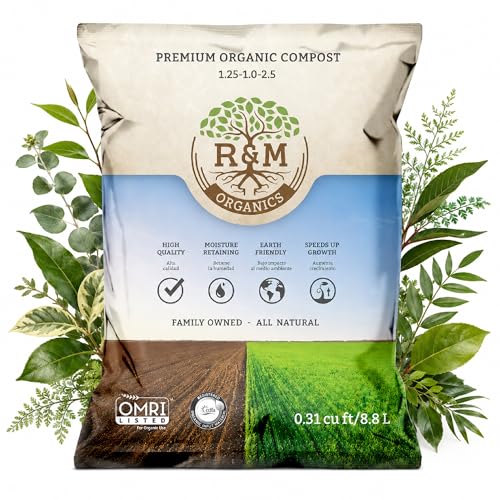
A 10-pound dairy manure compost that revives ailing plants with a clean, soil-like scent.
The defining trait here is its rescue power: this 10-pound compost, made from dairy cow manure, pulled azaleas back from heavy die-off and turned a suffering tomato plant into a flourishing one — the kind of turnaround stories that dominate the review pages. It is fully composted with continuous aeration, which reduces unwanted odors to a clean, earthy soil-like scent that suits both indoor and outdoor work, a real upgrade over the Black Kow bag’s stronger smell.
For lilies, the moisture retention is the selling point: it helps soil retain moisture for longer periods, supporting consistent hydration and reducing how often you water during peak bloom. The mixing ratio is 5:1, meaning five parts soil to one part compost, and the guidance is to apply a thin quarter-inch layer around plants or mix it in for new projects. Owners with a 27-gallon planter saw yellow, spindly tomato stems respond within a week of mixing in most of the bag.
The quality and plant performance are the two most-discussed traits, and both skew strongly positive. It covers an all-purpose range — tomatoes, herbs, zucchini, citrus trees, roses, orchids, and lawns — so it plays well in a mixed garden with lilies as the centerpiece. The honest note is cost: owners openly say it is expensive, but those same owners call it worth every dime for the quality, and the 10-pound bag is generous enough for small to medium beds.
The revival specialist: if a plant is struggling, this fine-grained, low-odor compost delivers visible recovery within about a week of mixing.
Understand the cost: it carries a premium price tag, but owners consistently justify it on results rather than value-per-pound.
7. Espoma Organic Land and Sea

A 24-pound gourmet blend of lobster and crab meal that gives hostas and lilies a visible boost.
This is the heavyweight of the list at 24 pounds and a full 1 cubic foot, and its defining twist is the enriched blend of lobster and crab meal on top of natural organic ingredients. That seafood meal delivers slow-release nutrients that owners say make plants grow extremely well, with hostas singled out as thriving since switching. For a lily border, the generous bag size means you can work it through the whole bed rather than rationing it for a single planting hole.
It is built for planting and transplanting: use it to improve native soil when you put new bulbs in, or add it to planters and window boxes to invigorate container mixes. It also carries a proprietary blend of endo and ecto mycorrhizae — beneficial fungi that help roots take up water and nutrients more efficiently, which is a genuine edge for shallow-rooted lilies. A long-time indoor gardener amends potting soil with this alongside coco coir and perlite for better water retention and drainage.
The quality and plant health are the two most-praised traits by a wide margin, and owners call it a steady performer they have used happily for years. The value conversation is mixed — some say it is well worth the cost, others find it pricey — but the sheer 24-pound volume spreads that cost across a much larger area than any castings bag here. If you want one bag that conditions a whole border, this is the volume play.
The volume advantage
- 24 pounds covers a whole lily border, not just one hole
- Lobster and crab meal add a unique nutrient profile
- Mycorrhizae help roots absorb water and nutrients
- Useful for planting, transplanting, and container refresh
The cost reality
- Value for money splits owners — some call it pricey
- Seafood meal scent may linger compared to plain castings
Reach for this if: you want to condition an entire established lily border with one 24-pound bag that also feeds the soil biology.
Look elsewhere if: you are on a strict budget — the per-pound cost draws mixed reviews from owners watching their spend.
8. Ribbon Organics OMRI Certified Compost

Deep black, debris-free compost that owners call the best they have ever used for raised beds.
The headline here is the OMRI certification for organic use, which is the strictest third-party verification on this list — and the “safe for use at any concentration” line means you literally cannot over-apply it around lily bulbs. This 7.9-gallon, 32-35 pound bag is a serious commitment of material, and it improves soil structure and aeration while promoting water retention, the exact combination bulb roots crave.
Owners reach for a few bags of this to augment raised beds every year, describing it as rich, dark, earthy-smelling compost with no debris — no sticks, plastic, metal, or glass, which is rarer than you would expect in bagged compost. It is hands-down the best compost some experienced gardeners have ever used, with basil growing “like mad” and plants blooming year-round when it is in the mix. The deep black color gets its own love, with one owner calling it genuinely notable to open the bag.
It pairs wonderfully with worm castings and other soil builders, so you can layer it as a base with the Harris castings on top for a two-stage feeding strategy. The clear trade-off is cost: this is a premium bag, and owners openly note it gets pricey for a growing garden, with bulk from a local yard working out cheaper for very large plots. The presence of worms and bugs in the bag is seen as a positive sign of life, not a defect. For a prized lily bed, the certification and cleanliness justify the premium.
Why it is worth the top shelf
- OMRI certified — verified organic with no application ceiling
- Debris-free, deep black compost that owners call the best they have used
- 32-35 pound bag is the biggest physical volume here
- Pairs with worm castings for a layered feeding plan
The practical hurdle
- Premium price per bag adds up on large plots
- Worms and bugs in the bag, while a good sign, surprise some owners
Best for certified-organic growers: if you want a verified-clean, debris-free compost for a prized lily bed, this is the most trusted bag here.
skip it if: your lily patch is huge — buying bulk locally works out far cheaper than stacking premium bags.
9. BuildASoil Build-A-Flower Top Dress Kit
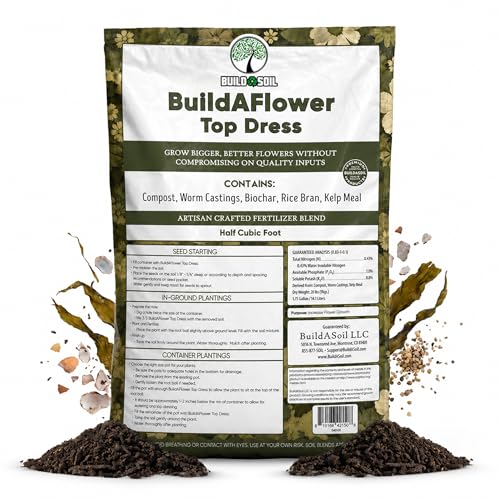
A flowering-stage top dress that pushes phosphorus and potassium to blooms without touching the soil web.
This is the specialist of the group: a half-cubic-foot top dress kit formulated specifically for flowering plants, delivering the phosphorus and potassium your lily blooms need most during the flowering stage. The application could not be simpler for lilies — just top dress a few handfuls across the soil surface before or during flowering and water in, with no mixing or measuring required. It combines two types of premium organic compost into a full macro and micronutrient profile including calcium and essential trace minerals.
Where the other picks feed the soil, this one is engineered to tune flower development, strengthen plant structure, and boost yields without disrupting the soil’s natural balance. It activates beneficial microbial activity that breaks down nutrients into plant-available forms, improving nutrient uptake and root health for more vibrant blooms. Owners who follow the BuildASoil method specifically love using it to feed the microbes that make healthy soil, and report plants that “produced very nicely.”
The quality and effectiveness are the two praised traits here, both skewing strongly positive. It is priced as a premium finishing product rather than a soil base, and the honest note is texture: one owner found it drier and chunkier than expected, needing a bit of breaking up before spreading. Compared with the Ribbon bag above, this is far smaller in volume — a half cubic foot versus 7.9 gallons — but it is targeted precisely at the moment lilies need the most bloom support, making it the strategic finisher for serious growers.
The strategic finisher: this is the one bag you reach for when lily buds are forming, delivering targeted phosphorus and potassium right when blooms need them.
Know the limits: it is not a soil base — and the drier, chunkier texture means you will break it up by hand before spreading.
Understanding the Specs
Mixing Ratio
This number tells you exactly how much compost to add to your soil, and it is the single best protection against burning lily roots. A 1:7 ratio means one part compost to seven parts soil — a light, safe touch for worm castings. A 1:1 ratio, like the Black Kow manure, means you can use it as a generous soil conditioner. Always match the bag’s ratio to your planting plan and never exceed it around bulbs.
Moisture Retention vs. Drainage
Lily bulbs rot in soggy ground but suffer when summer heat dries the soil during bloom. The best composts do both jobs at once: worm castings retain water extremely well while also promoting drainage, and composted manure adds aeration to hard clay-type soils. Look for language about improving soil structure, not just adding nutrients — structure is what keeps bulbs alive through the season.
FAQ
Can I mix worm castings directly into the lily planting hole?
What is the difference between worm castings and composted cow manure for lilies?
How often should I apply compost to my lily beds?
Will worm castings burn my lily bulbs if I use too much?
Which compost is best for lilies grown in containers and pots?
Is composted cow manure safe for lily bulbs?
What does the mixing ratio on the bag actually mean?
What is the difference between OMRI listed and OMRI certified?
Can I use compost meant for vegetables on my flowers and lilies?
Why is soil moisture retention so important for lily compost?
Final Thoughts: The Verdict
For most gardeners, the compost for lilies winner is the Harris Worm Castings because the 5-pound bag of odorless, no-burn powder feeds bulbs, herbs, and flowers alike with the highest owner satisfaction on this list. If you are building a new bed or breaking up heavy clay, the Black Kow brings the 1:1 bulk conditioning your soil structure needs. And for the bloom-boosting final push right as lily buds form, the BuildASoil Build-A-Flower delivers targeted phosphorus and potassium straight to the flowers.
How We Picked
We do not accept paid placement. Every pick is matched to a real buyer and a real use-case; we do not hands-on test units.
Sources & Methodology
Specifications: manufacturer listings and product documentation. Review insights: verified customer reviews, as of August 2026. Pricing: not shown on this page (it changes often); check the current price via the retailer link.
As an Amazon Associate, Lawn Gear Lab earns from qualifying purchases. This does not affect which products we feature.