
Lilacs are notoriously picky about their soil chemistry. They demand a near-neutral pH zone, consistent moisture without waterlogging, and a steady supply of nutrients to produce those heavy, fragrant flower clusters. Many gardeners reach for any bagged soil or manure, only to watch their lilacs yellow or refuse to bloom — the wrong pH or nutrient profile is almost always the culprit.
I’m Rikta — the co-founder and writer behind Lawn Gear Lab. I’ve spent hundreds of hours cross-referencing soil amendment specifications, decoding NPK ratios, analyzing pH buffers, and parsing thousands of verified owner reports to pinpoint exactly which composts deliver the conditions lilacs actually need to thrive.
This guide cuts through the marketing noise to recommend the most effective and reliable products on the market, based on real-world performance data and rigorous spec-level comparison. These are my picks for the best compost for lilacs you can buy right now.
How To Choose The Best Compost For Lilacs
Lilacs are not heavy feeders in the way roses or vegetables are. They evolved in lean, mineral-rich soils. Choosing the wrong compost can stunt blooming, acidify the root zone, or introduce weed seeds. Here are the three specs that matter most.
pH Profile
Lilacs perform best in soil with a pH between 6.5 and 7.5. Avoid composts specifically formulated for acid-loving plants like azaleas or blueberries, as these can lower the pH too much. Look for neutral or slightly alkaline composts, ideally with a pH listed around 6.8 to 7.2. Worm castings naturally sit at a neutral 7.0, making them a safe general-purpose choice.
NPK Ratio and Nitrogen Content
A balanced NPK like 4-3-4 or similar is ideal. High-nitrogen mixes (anything with a first number over 8) push leafy growth and reduce flower bud formation. Lilacs need moderate phosphorus and potassium for root development and bloom strength. Avoid fertilizers with high first numbers like 10-10-10 or lawn foods near the root zone.
Texture and Drainage
Lilacs hate wet feet. The compost should be crumbly and well-aerated, not dense or clay-like. A mix containing perlite, aged bark, or sphagnum peat moss improves drainage in heavy soils. Compost that is too fine can compact around the roots, leading to rot. Look for a loose, dark, earthy texture.
Quick Comparison
On smaller screens, swipe sideways to see the full table.
| Model | Category | Best For | Key Spec | Amazon |
|---|---|---|---|---|
| Ribbon Organics OMRI Certified | Premium Compost | Overall best quality | 7.9 gallons, 32-35 lbs | Amazon |
| Espoma Organic Holly-Tone | Acid-Loving Feed | Established lilacs needing a boost | 4-3-4 NPK, 36 lbs | Amazon |
| Brut Cow Compost | Manure Based | Pure organic matter | 1 Cubic Foot, 100% pure | Amazon |
| Espoma Land and Sea | Specialty Blend | Soil structure & mycorrhizae | Lobster & crab meal, 1 cu ft | Amazon |
| Coast of Maine Acid-Loving | Low pH Mix | Amending alkaline soil | pH optimized for acid plants | Amazon |
| Earth Worm Castings | Worm Castings | Neutral pH, microbial boost | 1 Gallon, neutral pH 7.0 | Amazon |
| R&M Organics Premium | Manure Based | Budget-friendly moisture retention | 10 lbs, low odor | Amazon |
In‑Depth Reviews
1. Ribbon Organics OMRI Certified Organic Compost

This is the gold standard of bagged compost. Blue Ribbon Organics delivers a 7.9-gallon bag of material that users consistently describe as “black gold.” It is OMRI Certified for organic use, meaning no synthetic additives or contaminants. The texture is perfectly crumbly — not too fine, not too chunky — which allows for excellent root aeration around lilacs. Reviewers note that it rehydrates easily, unlike some bagged soils that turn into water-repellent bricks.
For lilacs specifically, the neutral pH profile makes it a safe bet. You can mix it into native soil at a 1:3 ratio without worrying about shifting the pH too far in either direction. The compost promotes water retention without waterlogging, which is exactly what lilacs need during dry summer stretches. Many users report using it successfully on everything from houseplants to vegetable beds, but the feedback from rose and lilac growers is particularly strong.
The big downside is the cost per bag, which is significantly higher than standard garden center blends. But if you are amending a small lilac bed or a few specimen shrubs, the quality justifies the investment. One bag goes a long way when used as a top-dressing or mixed into planting holes.
What works
- Dark, rich, weed-free compost with a perfect earthy smell
- OMRI Certified for organic gardening
- Helps soil retain moisture without becoming compacted
What doesn’t
- Premium price point per cubic foot
- Bag size is relatively small for large garden areas
2. Espoma Organic Holly-Tone 4-3-4

Espoma Holly-Tone is the most famous name in acid-loving plant food, but it works exceptionally well for lilacs in the right context. The 4-3-4 NPK ratio is low enough not to burn roots, and the slow-release organic granules feed over several months. While marketed for hollies and azaleas, the nutrient profile is close to what lilacs need — moderate nitrogen, balanced phosphorus and potassium. The key is to not over-apply, as the formulation is designed to lower pH slightly.
For established lilacs growing in neutral or slightly alkaline soil, a spring application of Holly-Tone can dramatically improve flower quantity and color. The included Bio-tone mycorrhizae help roots access nutrients more efficiently. Reviewers consistently report “never had so many blooms” on their azaleas and hydrangeas. Lilac owners will see similar results, provided the base soil pH is not already below 6.0.
Do not use this as a primary soil amendment for new lilac plantings in acidic soil. If your native soil is already pH 6.0 or lower, Holly-Tone could push the root zone too far into acidic territory. Use it as a supplemental spring feed for established shrubs, not as a planting mix.
What works
- Balanced 4-3-4 NPK ideal for bloom production
- Slow-release granules feed for months
- Large 36 lb bag offers great value for multiple shrubs
What doesn’t
- Acidifying effect may be too strong for already acidic soils
- Granules need to be watered in thoroughly
3. Brut Cow Compost – 1 Cubic Foot
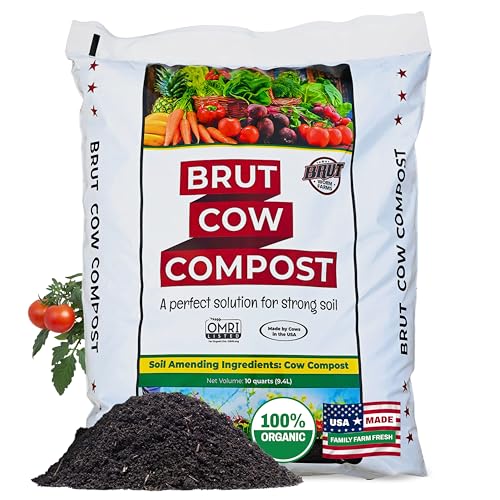
Brut Cow Compost is a straightforward, no-filler product that focuses on one thing: fully composted cow manure. There are no bark chips, no peat moss, no synthetic additives — just pure organic matter. This is important for lilacs because it gives you full control over your soil mix. You can blend it 1:2 with your native soil to improve structure without worrying about pH swings or chemical burn.
The compost is aerated during processing, which reduces the risk of root burn common with fresh manure. Users report it works excellently when mixed with standard potting soil for container-grown vegetables and flowers. For lilacs, it works best as a top-dressing in early spring, applied in a 1-inch layer around the drip line. The gradual breakdown releases nutrients evenly through the growing season.
The main trade-off is that this is a pure compost, not a complete fertilizer. Lilacs growing in very poor soil may still need a supplemental balanced fertilizer later in the season. Also, the bag size of 1 cubic foot is generous, but it can be heavy and awkward to handle when wet.
What works
- 100% pure compost with zero filler ingredients
- Safe for direct root contact — no burn risk
- Designed for mixing with native soil
What doesn’t
- Lacks added mycorrhizae or specialized nutrients
- Bag can be difficult to handle when moist
4. Espoma Organic Land and Sea Gourmet Compost

Espoma’s Land and Sea Compost combines lobster and crab meal with a rich organic base. The seafood meal provides a slow-release source of calcium and chitin, which some gardeners believe helps plants resist fungal diseases. It also includes Espoma’s proprietary Myco-tone blend of endo and ecto mycorrhizae, which form symbiotic relationships with root systems to improve nutrient uptake.
For lilacs, this compost is excellent when used as a planting hole amendment. The mycorrhizae help young lilac roots establish faster, and the calcium from the shellfish supports cell wall strength and bloom development. The texture is slightly finer than the Brut compost, making it easier to mix into existing beds. Users report dramatic improvements in hostas and flowering shrubs after switching to this blend.
The main drawback is the cost — it is one of the pricier options per cubic foot. Also, while the lobster meal is a great natural source of nutrients, it can attract animals if left on the soil surface. Lightly rake it into the top inch of soil to avoid drawing scavengers.
What works
- Mycorrhizae improve root health and nutrient access
- Slow-release calcium from shellfish meal
- Fine, easy-to-mix texture
What doesn’t
- High cost per cubic foot
- Seafood meal can attract animals if not covered
5. Coast of Maine Organic Acid-Loving Planting Soil

Coast of Maine formulates this mix specifically for acid-loving plants like rhododendrons, azaleas, and blueberries. The blend includes composted manure, sphagnum peat moss, and aged bark to create a low pH environment. Use this product sparingly for lilacs. It is best applied only if your native soil is too alkaline (pH above 7.5) and you need to bring it down closer to the neutral range.
The texture is lightweight and fluffy, with excellent drainage — a major plus for lilac roots. The composted manure provides slow-release nutrients, and the peat moss retains moisture without becoming soggy. User reviews consistently highlight how well this soil works for berries and shade plants, with no smelly odor and easy handling straight out of the bag.
Do not use this as your primary lilac planting mix unless your soil test confirms alkaline conditions. Overuse can push the pH below 6.0, which leads to yellowing leaves and poor blooming. Use it as a targeted amendment, not a complete soil replacement.
What works
- Excellent drainage and lightweight texture
- Low pH formulation for correcting alkaline soil
- No synthetic chemicals — OMRI listed
What doesn’t
- Too acidic for lilacs in neutral to acidic soil
- Bag size is moderate; may need multiple bags for large beds
6. Earth Worm Castings – Organic Red Worm Compost

Worm castings are one of the safest and most versatile soil amendments for lilacs. This product from Mountain Valley Seed Company contains pure red worm castings with a neutral pH of 7.0, which perfectly aligns with lilac preferences. The castings are nearly odorless, unlike manure-based composts, and they deliver a slow-release dose of NPK along with beneficial microbes that suppress soilborne diseases.
The .13 cubic foot bag (about 6 lbs) is compact but highly concentrated. A little goes a long way — you can top-dress a mature lilac with just a quart of castings in spring. Users report using it to combat fungus gnats in houseplants and to revive struggling perennials. For lilacs in poor soil, mixing castings into the planting hole provides an immediate biological boost without risking nutrient burn.
The biggest issue is the price per volume. Compared to bulk compost, worm castings are expensive. This is best used as a supplement rather than a primary soil amendment. For a large lilac hedge, you would need multiple bags, which gets costly quickly.
What works
- Neutral 7.0 pH eliminates pH concerns
- Odorless and clean — suitable for indoor use
- Rich in beneficial microbes for root health
What doesn’t
- Small bag size and high cost per cubic foot
- Low bulk density — not ideal for large-scale amending
7. R&M Organics Premium Organic Compost
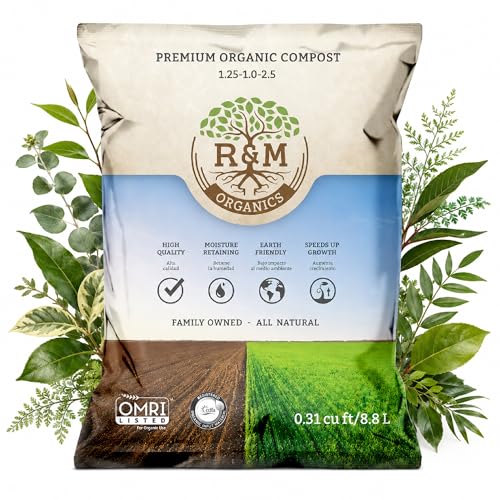
R&M Organics offers a dairy cow manure compost that is fully processed with continuous aeration to reduce odors. The result is a clean, earthy-smelling product that can be used indoors or out. For lilacs, this compost works well as a general soil conditioner. The NPK values are moderate and slow-release, which supports steady growth without forcing excessive foliage.
The texture is fine and topsoil-like, making it easy to spread around the base of shrubs. Users have reported using it to revive distressed azaleas after chemical exposure, as well as to boost ailing tomato plants. The moisture retention properties are notable — incorporating this compost into sandy soil helps lilacs stay hydrated through dry spells without needing constant irrigation.
The main drawback is the small bag size for the price. At 10 lbs, it is suitable for a few container plants or a couple of small shrubs, but you will need multiple bags for a full garden bed. Also, while the odor is low, it is not completely odorless like worm castings.
What works
- Low odor, fully composted manure
- Fine texture mixes easily into soil
- Helps sandy soil retain moisture
What doesn’t
- Small bag size relative to price
- Not as nutrient-dense as premium blends
Hardware & Specs Guide
pH Range
Lilacs thrive in soil with a pH between 6.5 and 7.5. Composts with a listed pH near 7.0, like worm castings, are the safest choice. Avoid composts formulated for acid-loving plants (pH below 6.0) unless your soil test shows high alkalinity. Always test your native soil pH before amending.
NPK Ratio
Look for composts with a balanced NPK ratio where the nitrogen number is not dramatically higher than phosphorus and potassium. Ratios like 4-3-4 or 5-4-5 are ideal. High nitrogen (first number over 8) encourages leafy growth at the expense of flower buds. Slow-release organic sources are always preferable to synthetic fast-release options.
FAQ
Can I use mushroom compost on lilacs?
How often should I apply compost to my lilacs?
Is bagged cow manure safe for lilacs?
Final Thoughts: The Verdict
For most gardeners, the compost for lilacs winner is the Ribbon Organics OMRI Certified Compost because it delivers a perfect neutral pH, rich organic matter, and a texture that promotes drainage without drying out. If you want a targeted bloom-boosting feed, grab the Espoma Holly-Tone. And for a pure, no-filler compost that gives you total control over your soil chemistry, nothing beats the Brut Cow Compost.