
Buying coco chips isn’t complicated until you realize how much dust, salt, and inconsistent chunk size can sabotage your aroid mix. The wrong brick leaves you with a mud-like slurry instead of the airy, chunky structure your Monstera or orchid roots need to breathe. Finding the right balance of cleanliness, expansion ratio, and chip size separates a thriving root zone from a compacted mess.
I’m Rikta — the co-founder and writer behind Lawn Gear Lab. I dig into Amazon listings, compare technical specs from brick weight to EC values, and cross-reference hundreds of owner reviews to isolate the coco chips that deliver on their promise of aeration and moisture control.
This guide breaks down the top options based on real-world performance metrics. Read on to find the right best coco chips for plants for your specific setup, whether you’re mixing a chunky aroid blend or topping a raised bed with long-lasting mulch.
How To Choose The Best Coco Chips For Plants
Coco chips are compressed husk pieces, unlike the fibrous dust of coco coir. The right choice depends on your plant type, your tolerance for prep work, and whether you need a standalone substrate or an amendment for potting soil.
Chunk Size and Consistency
Smaller chips (roughly 1/4 to 1/2 inch) integrate smoothly into aroid and hoya mixes, creating air pockets without leaving bare gaps. Larger, irregular chunks work better as a decorative top mulch or for reptile enclosures where structure is secondary to moisture retention. Always check if a brand screens out fines — too much dust defeats the purpose of using chips over coir.
Pre-Washed vs. Raw Bricks
Pre-washed (buffered) bricks are soaked and rinsed to reduce soluble salt levels. A low EC rating prevents root burn, especially critical for sensitive plants like ferns or calatheas. Raw bricks save a few dollars but require you to soak, drain, and often rinse them yourself before use — an extra day of prep many forget to budget for.
Expansion Yield
A 1.1 lb brick typically yields 6 to 8 quarts of loose chips after full hydration. Brands that package compressed bricks with more husk per square inch give you better value across multiple pots. Check whether the stated volume is dry or hydrated — the difference can be as much as five times the original mass, literally.
Quick Comparison
On smaller screens, swipe sideways to see the full table.
| Model | Category | Best For | Key Spec | Amazon |
|---|---|---|---|---|
| Hydrofarm GROW!T JSCC2 | Premium Block | Hydroponic & Tropical Substrate | OMRI Listed organic block | Amazon |
| Plantonix 10 lbs | Bulk Premium | Large Raised Beds & Mulch | Expands to 15 gallons | Amazon |
| Plantonix 5-Pack | Multi-Brick | Consistent Batch Mixing | 5 x 650gm bricks | Amazon |
| Noot Indoor Coconut Chips | Houseplant Blend | Monstera & Aroid Mix | Pre-mixed husk & fiber blend | Amazon |
| Legigo 4 Pack | Value Pack | Seed Starting & Potting | pH 5.5–6.5 buffered chips | Amazon |
| MODELLOR Premium 2 Bricks | Clean Brick | Orchid & Reptile Substrate | Triple-washed, low salt | Amazon |
| Avalution 3-Pack | Budget Brick | General Soil Amendment | 3 bricks = 18 quarts expanded | Amazon |
In‑Depth Reviews
1. Hydrofarm GROW!T JSCC2 Organic Coco Coir Planting Chips

The GROW!T block from Hydrofarm is the gold standard for growers who want a single large block that expands into a massive volume of clean, chunky chips. At 9 lbs compressed, it yields a surprising amount of loose substrate — enough to fill several large patio containers or the base of a raised bed. The chips are uniformly sized with minimal dust, and the OMRI Listed organic certification gives peace of mind for edible crops.
Owners consistently report zero mold smell upon opening, a problem some cheaper bricks carry when stored in humid warehouses. The thick husk pieces resist fungus even in high-humidity reptile enclosures, and the block rehydrates evenly without hard dry pockets. For hydroponic or greenhouse applications, this block breaks down into a consistent texture that holds its structure for months.
The only real consideration is physical handling — at 5.2 lbs after compression, the block requires a bucket and warm water to break apart. It is also not sold in Oregon, so check regional availability before ordering. For sheer volume per dollar and trusted organic credentials, this block outperforms smaller multi-brick kits.
What works
- Minimal dust and no mold odor after opening
- Expands to a large volume from a single, dense block
- OMRI Listed for organic gardening compliance
What doesn’t
- Heavy block requires a large container for rehydration
- Not available for shipment to Oregon
2. Plantonix Organic Coco Chips for Plants (10 lbs)

Plantonix offers this 10 lb compressed brick as a bulk solution for gardeners with large-scale projects. The brick swells to an estimated 15 gallons of loose chips, making it ideal for filling deep raised beds or layering as mulch across a substantial garden area. The chips break apart with good consistency, leaning toward larger, chunky pieces that create excellent air pockets.
Multiple reviews highlight how the chips integrate well with finer coco coir to create a balanced yet airy soil structure. The neutral pH and high CEC (cation exchange capacity) mean it holds onto fertilizer without binding it away from roots. Buyers using it as a soil amendment report significantly improved drainage in heavy clay beds after just one season.
The main caveat is that this brick is raw and may require buffering before use with sensitive seedlings or orchids. A few users noted it needs soaking and testing if you are strict about low EC values. For straightforward mulching or bulk aeration, the volume to cost ratio is hard to beat.
What works
- Massive expansion of 15 gallons from a single brick
- Chunky pieces improve drainage in heavy clay soils
- Neutral pH avoids nutrient lock-up
What doesn’t
- Not pre-buffered; may need rinsing for sensitive plants
- Large brick is cumbersome to handle and rehydrate
3. Plantonix Coco Chips for Plants (650gm 5-Pack)
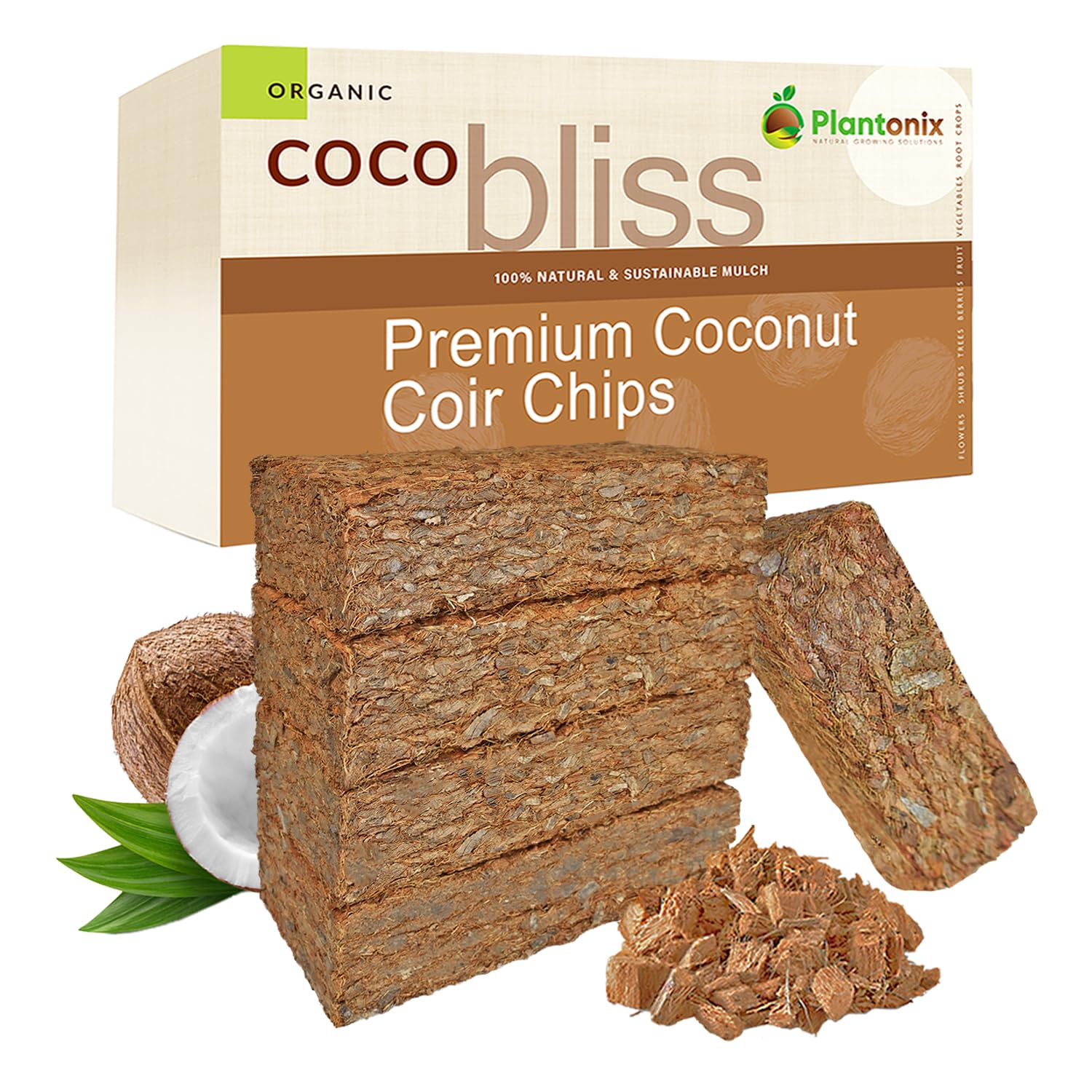
This 5-brick pack from Plantonix delivers the same high-quality husk chips as the bulk 10 lb version, but in manageable 650 gm bricks. The smaller format is less intimidating for a mid-week re-potting session and easier to fit into a standard bucket for hydration. Each brick expands into a generous volume of chips that are noticeably cleaner than many budget alternatives.
Buyers who mix their own aroid and tropical soils praise the consistent chip size — no giant woody slabs and no piles of dust. The chips absorb water without becoming sludgy, and the increased aeration has led to visible root growth improvements in Monstera and philodendron mixes. The bricks are also practical for reptile owners who want to rehydrate only what they need per enclosure cleaning.
The main downside is that the bricks still require full hydration in water, which means a waiting period of several hours. Some users wished the chips came loose rather than compressed. For value, cleanliness, and the convenience of portioned bricks, this multi-pack offers good flexibility without committing to a giant block.
What works
- Individual bricks are easier to handle and store
- Chips are consistently sized with minimal dust
- Improves root aeration in aroid and tropical mixes
What doesn’t
- Still requires active hydration before use
- Not pre-buffered; may need extra rinsing
4. Noot Indoor Coconut Chips Husk Bark Potting Mix
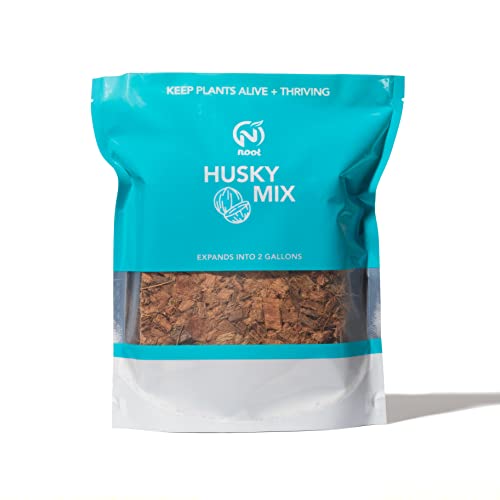
Noot positions this product as a ready-to-use potting amendment specifically formulated for indoor houseplants like Monstera, fiddle leaf figs, and aroids. The blend combines coconut husk chips, finer husk pieces, and some fiber to create a balanced medium that drains fast while retaining enough moisture between waterings. It comes in a resealable 2-gallon bag, eliminating the need to break down a brick.
Developed by a rare plant seller, the mix avoids the compaction issues of standard potting soil and is aggressively marketed for root rot prevention. Reviewers confirm that switching to this chip blend eliminated fungus gnat problems and led to rapid new leaf growth. The bag includes enough material for a few 6-inch pots or a single large replanting of a floor plant.
The flip side is the cost — this is the most premium per-volume option. Some users noted that the chips are an amendment, not a standalone potting soil, so you will need to mix in perlite and coco peat unless you are using it as a topdressing. For owners of high-value houseplants who hate dealing with brick hydration, this convenience is worth the premium.
What works
- No brick rehydration required; use straight from the bag
- Effective fungus gnat control via better drainage
- Designed specifically for aroid and tropical houseplants
What doesn’t
- Higher cost per cubic foot than compressed bricks
- Must be mixed with other substrates for a complete potting solution
5. Legigo 4 Pack Coco Coir Chips
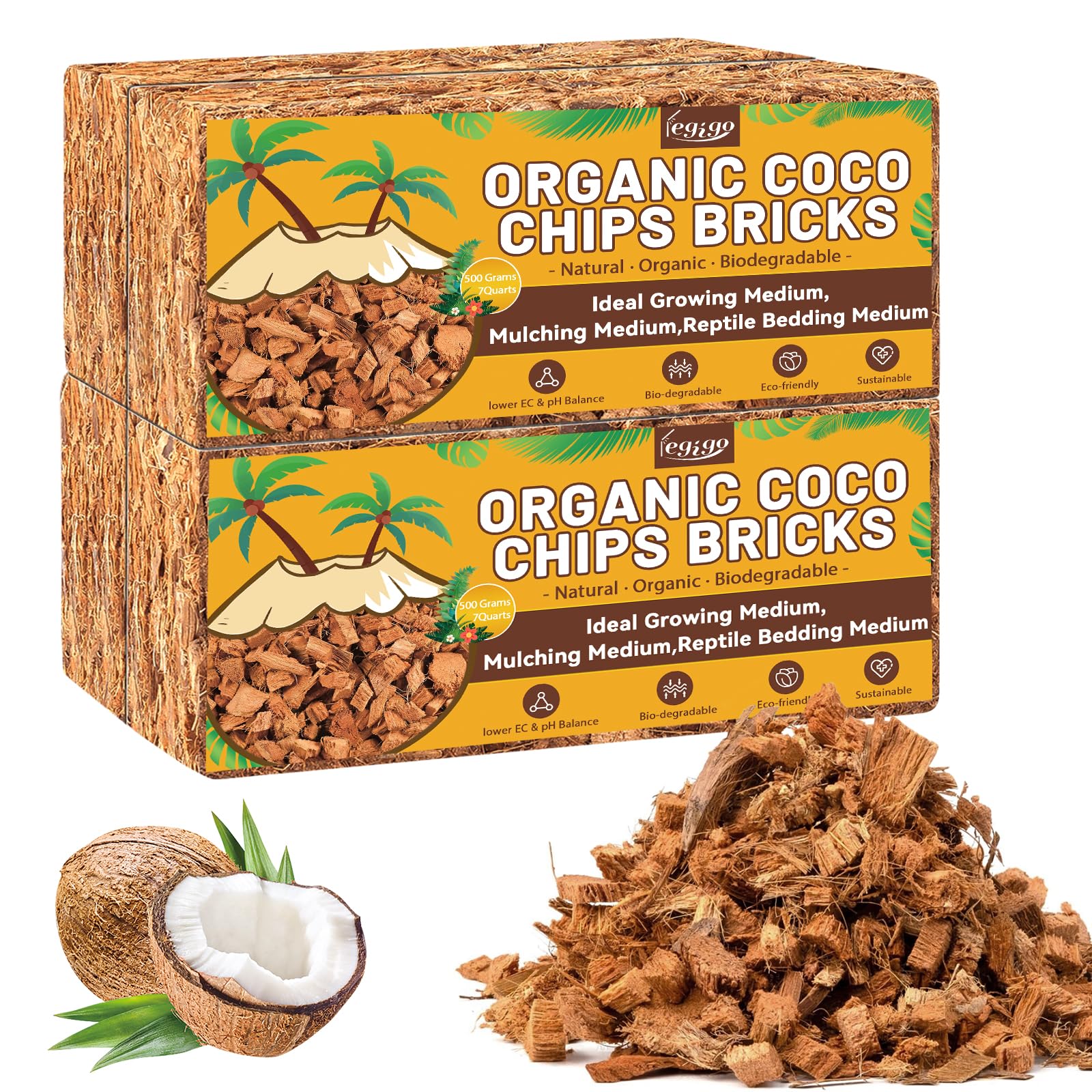
Legigo’s 4-pack brick set offers a solid middle ground between raw bricks and ready-mixed blends. Each brick is described as carefully screened, desalted, and rinsed, resulting in a low-EC product that won’t burn tender roots. The pH range of 5.5 to 6.5 aligns well with the needs of most houseplants and tropicals.
Reviewers love that the chips are actually chips — small, consistent chunks without excessive fiber or fines. The bricks absorb 4-6 times their weight in water and expand quickly. Hoya growers in particular appreciated the consistent small pieces that prevent water retention and rot in dense pots. The 4-brick format allows for multiple small projects without opening one giant block.
A few users felt the chip size leaned toward the smaller side, which might not be chunky enough for those who want large air gaps in an aroid mix. Overall, for a pre-buffered brick that balances cleanliness and value, this pack is a safe and effective buy.
What works
- Pre-buffered with low EC to prevent root burn
- Small, consistent chips ideal for Hoyas and aroids
- Quick hydration with no bugs or unpleasant smell
What doesn’t
- Chips are on the smaller side for large air gaps
- 4-pack volume may be insufficient for large raised beds
6. MODELLOR Premium Super Washed Coco Chips, 2 Bricks
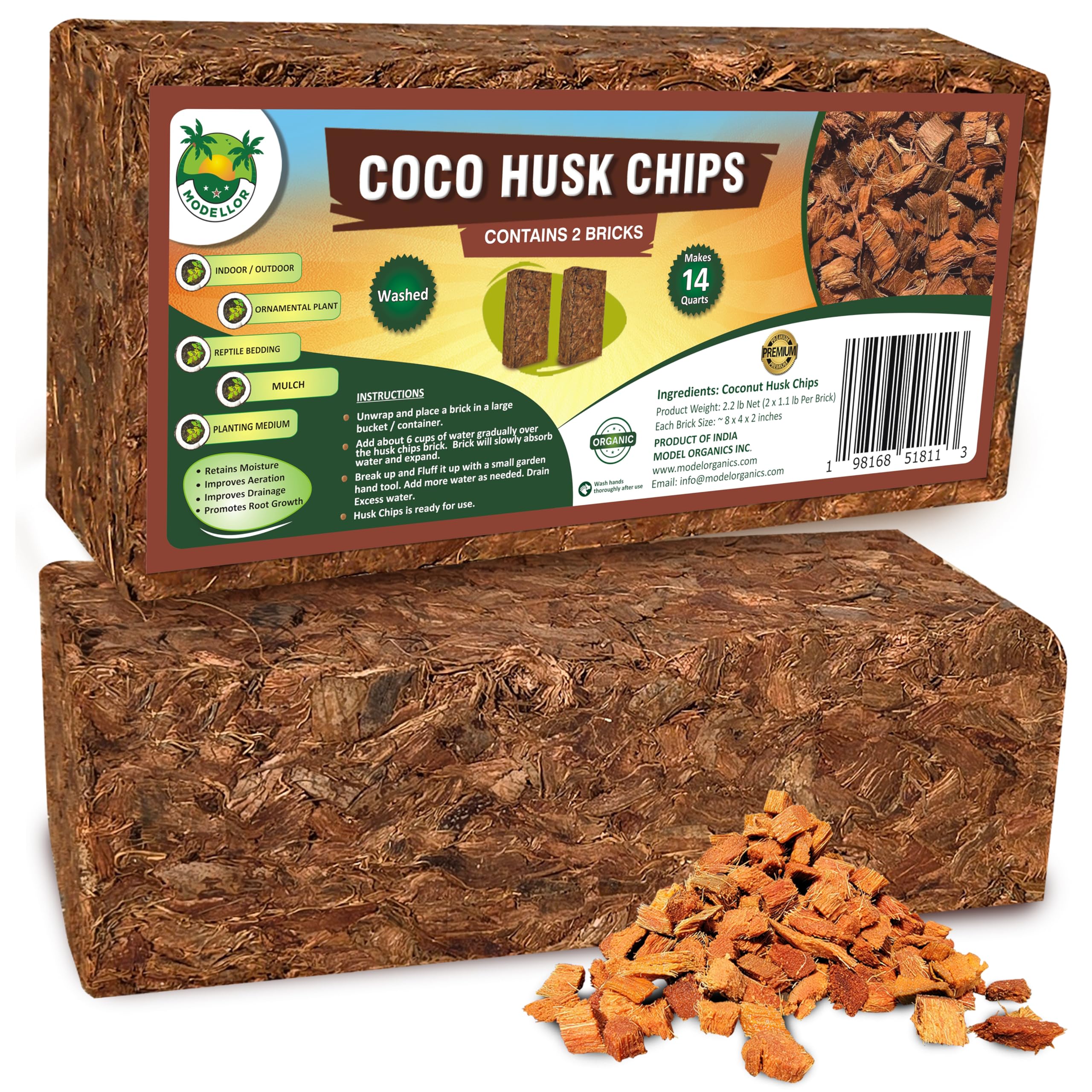
MODELLOR markets these bricks with a triple-washed claim, and the customer feedback backs it up. Multiple buyers noted that this brand produces the cleanest coco chips they have tried — no dirt, sand, or excessive dust mixed in with the husk pieces. The 2-brick set expands to about 14 quarts of loose material, a good starting point for several pots of orchids or a single reptile enclosure refresh.
Because the chips are pre-washed, the hydration time is shorter than raw bricks. The chips themselves have a pleasant, natural texture and resist compaction for weeks. Monstera and orchid owners reported the chips stay fresh and do not sour or mold inside the pot. The compact bricks are individually wrapped, making it easy to open one and save the other for later.
For the volume, the price falls into the mid-range territory. The main limitation is that two bricks may not go far for larger garden projects. For focused indoor use, especially with moisture-sensitive plants, the cleanliness saves significant prep time.
What works
- Triple-washed process yields exceptionally clean chips
- Individual brick wrapping preserves freshness
- Quick hydration and resists compaction
What doesn’t
- Total volume may not suit large container projects
- Mid-range cost for the amount of material
7. Avalution 3-Pack Coco Coir Bricks

Avalution’s 3-pack is a true entry-level offering for those testing coco chips for the first time or needing a low-commitment soil amendment. The 3 bricks expand to around 18 quarts, which is enough to mix into several 10-inch pots or to blend into a bag of standard potting soil for aeration. While the chips tend to include more fine material than premium counterparts, they still function well for seed starting and general garden use.
Buyers appreciated the compact packaging and the price. For mixing with topsoil to aid in lawn reseeding or adding bulk to raised beds, this pack provides a functional solution without a large upfront investment. The material is natural and free of synthetic additives. The bricks rehydrate best if soaked overnight, confirming the need for patience with non-buffered products.
The main trade-off for the lower cost is less consistency. Some users reported a wider range of particle sizes, from fine dust to larger chunks. If your primary need is creating a chunky aroid mix with uniform air pockets, you may want to invest in a screened product. For general-purpose soil improvement on a budget, this pack will get the job done.
What works
- Very affordable entry point for new coco chip users
- Expands to a useful volume for seed starting and mixing
- Compact and easy to store in limited spaces
What doesn’t
- Higher proportion of fines and variable chip sizes
- Requires overnight soaking for best hydration results
Hardware & Specs Guide
Expansion Ratio
The expansion ratio describes how many quarts of loose chips a compressed brick yields after full hydration. A 1.1 lb brick typically yields 6-8 quarts, while a large 10 lb block can produce 15 gallons. Buying compressed bricks cuts shipping costs and storage space, but always factor in the rehydration volume when planning your container or bed volume.
EC and pH Buffering
Electrical conductivity (EC) measures soluble salt levels. Low-EC chips (below 0.5 mS/cm) prevent root burn in sensitive species. Buffered bricks have been pre-rinsed and calcium/magnesium-treated so they do not steal calcium from your fertilizer. Raw bricks require you to soak, drain, rinse, and often treat them yourself — a step that adds a day to prep.
Chip Size Distribution
The ratio of large husk pieces to fine dust determines whether your mix drains freely or compacts. Premium chips screen out dust so you get consistent 1/4 to 1/2 inch pieces. Budget bricks often include more variable sizing. A quick shake test in a clear bag can reveal the dust content before you commit to a full rehydration.
Cation Exchange Capacity (CEC)
Coco chips boast a high CEC, meaning they can hold positively charged fertilizer ions (ammonium, potassium, calcium, magnesium) on their surface and release them to roots as needed. This property reduces fertilizer leaching and extends the time between feedings. A CEC of 60-100 meq/100g is typical for high-quality coco chips, versus 10-30 meq/100g for peat moss.
FAQ
What is the difference between coco chips and coco coir?
Do I need to wash coco chips before using them?
How long do coco chips last in a potting mix?
Can I use coco chips as a standalone soil for orchids?
Final Thoughts: The Verdict
For most gardeners, the best coco chips for plants winner is the Hydrofarm GROW!T JSCC2 because its OMRI Listed block delivers exceptional volume, minimal dust, and a clean organic standard that works across hydroponic, tropical, and mulch applications. If you want a pre-mixed houseplant solution ready to use immediately, grab the Noot Indoor Coconut Chips. And for a budget-friendly start with minimal commitment, the Avalution 3-Pack gets the job done for seed starting and soil amendment.