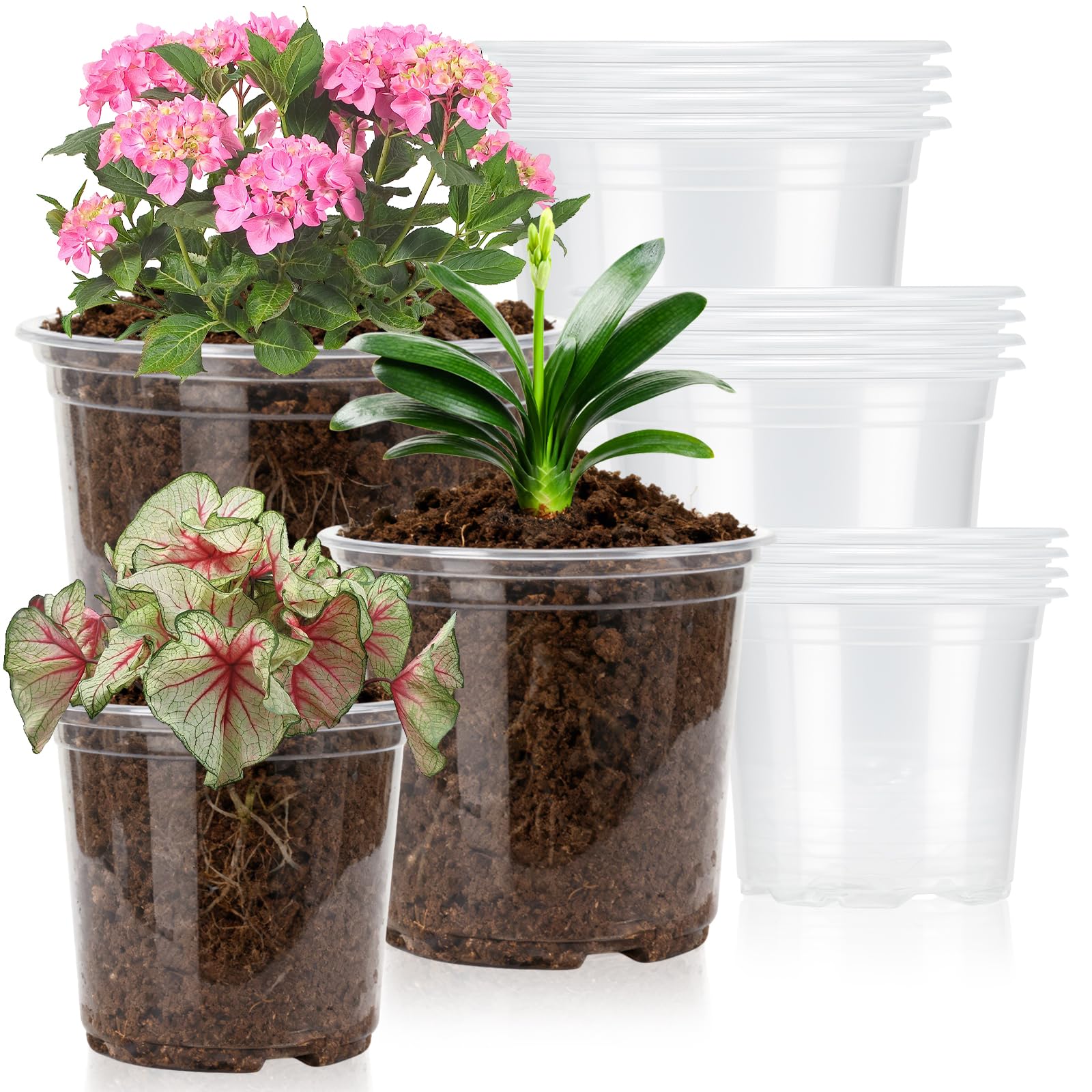
6 Best Clear Plant Pot | Skip the Foggy Plastic

Specs are compiled from manufacturer listings and verified buyer reviews and can change over time — please confirm the key details on the product page before buying.

You want to see exactly what is happening underground — when to water, when roots are circling, when a cutting has taken hold — but a foggy or cracked pot blocks that view entirely. The right clear pot makes you a better plant parent just by letting you see the soil and roots clearly.

I’m Rikta — the founder and writer behind Lawn Gear Lab. This guide is built by comparing the manufacturers’ published specifications and the patterns across verified customer reviews, so you get each pick’s real strengths and trade-offs instead of marketing spin.

After sorting through the most popular transparent planters, the clear winner for a clear plant pot is the one that balances durability, root visibility, and proper drainage without fogging or cracking on you.
Quick Picks

How To Choose The Best Clear Plant Pot

Every clear pot looks similar on a shelf, but a few key differences decide whether it helps your plant thrive or becomes a headache inside three months. Here is what to check before you click buy.

Material: acrylic vs standard plastic

Standard polypropylene (PP) plastic (a common, flexible, lightweight material) stays clear for a while but can turn foggy over time. Acrylic (a denser, shatter-resistant plastic) stays crisp much longer and resists cracking better, though it costs more. If you are propagating cuttings or monitoring a fussy plant, acrylic is worth the extra few dollars.

Drainage and saucers

A clear pot without drainage holes is a root-rot waiting to happen. Look for multiple holes at the bottom, and ideally a matching saucer (a shallow tray that catches runoff water). Some pots also add side slits for extra airflow, which helps orchids and other plants that need roots to breathe.

Size and pack count

A single 6.5-inch pot costs more per pot than a 24-pack of mixed sizes, but you pay for thicker material and a better finish. Decide if you need one beautiful display pot for your shelf or a stack of nursery pots for a propagation station before you choose your pack.

Quick Comparison

Model Best For Material Drainage Sizes Amazon
Phoenix Vine 6.5″ Acrylic Premium display pot Acrylic Holes + deep saucer 6.5″ Amazon
Sunnychicc 6″ Acrylic Chic everyday planter Acrylic Holes + tray 6″ Amazon
DUNPUTE 40-Pack Bulk nursery value Plastic Holes + matching trays 4/5/6/7″ Amazon
RAOOKIF 24-Pack Mixed-size variety Plastic (PP) Holes 3.5/5/6″ Amazon
Plgardpo 15-Pack Sturdy nursery pots Plastic (PP) Holes 5/6/7″ Amazon
IWNTWY 7″ Set of 3 Shallow-root specialists Plastic Holes + saucers + side slots 7″ Amazon

In‑Depth Reviews

crisp

1. Phoenix Vine 6.5 Inch Clear Acrylic Planter Pot with Tray

AcrylicDeep Saucer

The one clear pot that stays crisp without fogging and looks beautiful on your shelf.

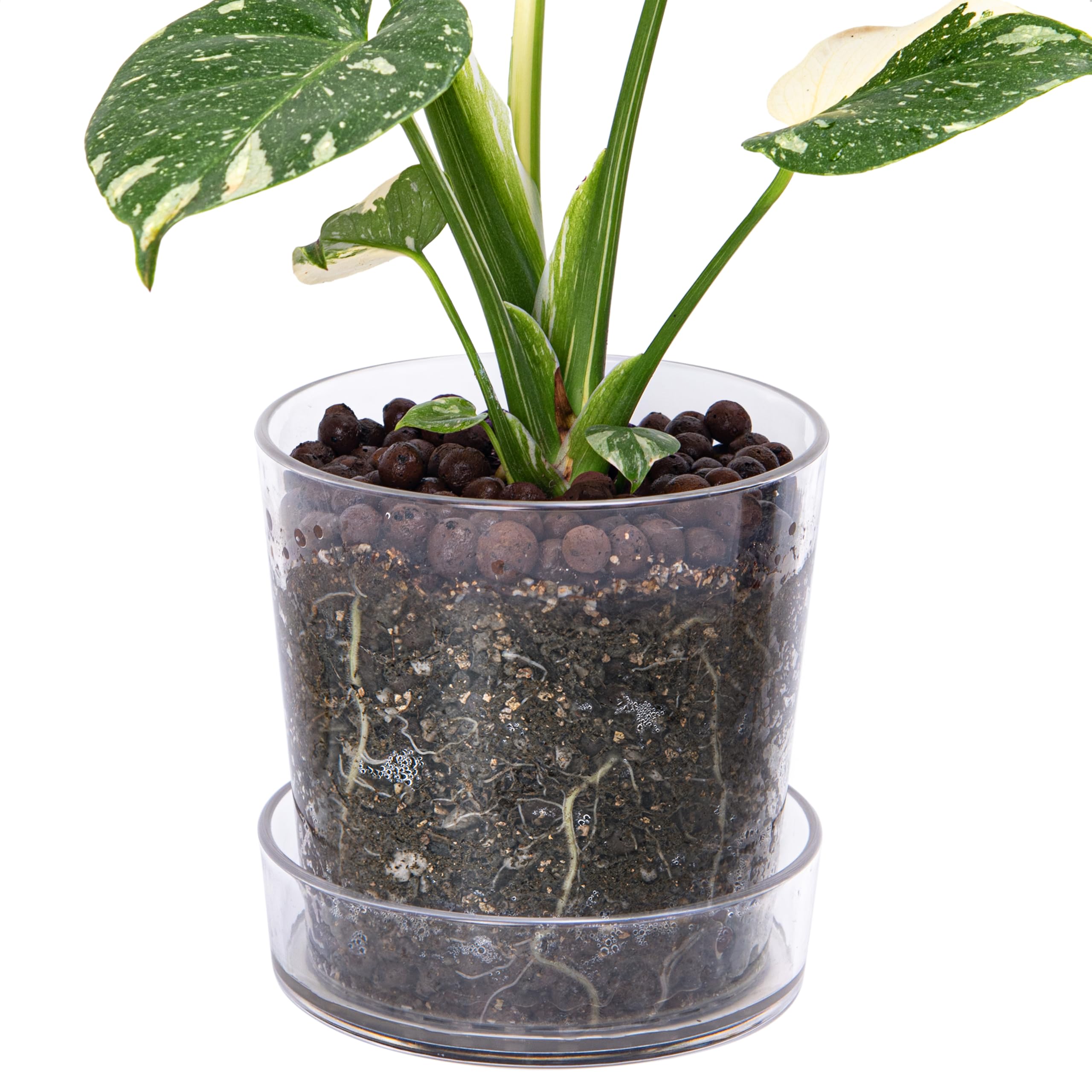
You get a polished, break-resistant acrylic pot at 6.5 inches, not standard plastic, so the transparency stays glass-like for years. Buyers report it is “crisp and surprisingly thick and sturdy.” The deep saucer holds enough excess water for true bottom-watering — you set the pot in the saucer and let the roots pull water upward through the drainage holes. That design helps discourage algae buildup, something buyers specifically liked about this pot over cheaper self-watering containers.

Unlike the DUNPUTE 40-pack below, which gives you nursery pots in bulk, Phoenix Vine is a single display-ready pot individually wrapped in tissue to prevent scratches. At 6.5 x 6.5 x 6.5 inches, it includes a mesh disk in the bottom to keep soil from leaking through the drainage holes. The catch is that you get one pot for a premium price — not the right pick if you need a stack of pots for a whole propagation station.

The Strong Points

  • Break-resistant acrylic stays clear and resists cracking
  • Deeper saucer allows true bottom watering
  • Mesh disk prevents soil from leaking through holes
  • Polished finish looks like glass on a shelf

The Trade-Off

  • Single pot only — expensive per pot compared to nursery packs
  • Indoor use only, not suitable for outdoor rain

Reach for this if: You want one beautiful, heirloom-quality pot for a prized houseplant and prefer acrylic that stays transparent for years.

Look elsewhere if: You need a dozen pots for seedlings or cuttings — the bulk packs below are better value for sheer volume.

Chic Acrylic

2. Sunnychicc Clear Plant Nursery Pots Acrylic Orchid Pots with Drainage Holes and Tray (6 Inches)

Acrylic1.06 lbs

A sturdy acrylic pot that lets you see soil moisture at a glance without looking cheap.

At roughly 6.77 x 6.77 x 5.2 inches, this pot runs slightly wider and shorter than the Phoenix Vine above. Buyers call it “chic looking but functional” and say the clear acrylic lets you see soil moisture levels without lifting the pot. The water storage tray (measuring 6.7 x 1.2 inches) keeps tabletops tidy, and the smooth sides are easy to clean.

One reviewer noted the price increased by over 35% since January 2025, so you pay a premium for the acrylic build — but the material is strong and durable, and multiple reviewers mentioned it still feels worth it for a decorative display pot. Compared to the RAOOKIF 24-pack below, this is about visibility and style over quantity. It is indoor-only, so keep it on a shelf or desk, not on a rainy balcony.

What Stands Out

  • Sturdy acrylic that resists wear and stays clear
  • Water storage tray keeps surfaces clean
  • Clear sides show moisture level and root-bound status

What to Know

  • Price has risen noticeably since early 2025
  • Acrylic is heavier than standard plastic pots

Best for: The indoor plant owner who wants a modern, chic look and easy root monitoring without spending on a whole kit.

Skip if: You are propagating dozens of cuttings — go with a bulk pack of standard plastic pots instead.

Bulk Champion

3. DUNPUTE 40 Pack 4/5/6/7 Inch Clear Nursery Pots with Drainage and Saucer

40 Pots0.85 gal

A 40-pot variety pack with matching saucers for anyone building a serious propagation setup.

The DUNPUTE pack gives you 10 pots each in 4, 5, 6, and 7-inch sizes, plus a matching drainage tray for every single pot. That is 40 trays included, which is rare — most bulk clear nursery pots skip the saucers and expect you to buy them separately. The plastic is thick enough that buyers call it “not flimsy like some other brands” and report it resists cracking during repotting.

At 0.85 gallons (about 3.2 liters) capacity for the largest size, these pots work well for semi-hydro setups using LECA (lightweight expanded clay aggregate) or PON (a type of mineral growing medium). One reviewer specifically mentioned that the drainage holes are compatible with wicks for self-watering. The clear sides let you spot root-bound plants before they start suffering. Compared to the RAOOKIF 24-pack below, the DUNPUTE pots are slightly thicker plastic, and you also get more sizes in the mix.

The Highlights

  • 40 pots with 40 matching trays — no extra purchases
  • Thick plastic that resists flexing and cracking
  • Wick-compatible drainage holes for self-watering setups

The Catch

  • Plastic can be slightly stiff for pushing out root-bound plants
  • Heavier than thinner nursery pots (1.13 kg total)

Ideal for: The dedicated indoor gardener with many plants across different sizes who wants trays included for every single pot.

Pass on it if: You only need one or two display pots — the acrylic picks above look better on a shelf.

Best Overall

4. RAOOKIF 6/5/3.5 Inch Clear Nursery Pots with Drainage, 24 Pack

24 PotsPP Plastic

The 24-pack that actually comes in three usable sizes with genuinely transparent plastic, not foggy.

This kit gives you 8 pots each in 3.5, 5, and 6-inch sizes, covering seedlings, medium houseplants, and everything in between. The plastic is flexible PP (polypropylene) that “will definitely bend if you put pressure on them,” as one buyer mentioned, but the same reviewer confirmed they have never had one break. Crucially, owners mention these are “truly transparent — a lot of ‘clear’ nursery pots are actually kind of foggy, but these you can see the plant roots clear as day.”

The circular drainage holes in the bottom help roots breathe, and each pot is smooth enough to clean and reuse multiple times. The main trade-off versus the DUNPUTE 40-pack above: you get a lower per-pot cost here, but DUNPUTE includes matching saucers and uses slightly thicker plastic. RAOOKIF’s thinner sides mean they can crack if you pry nested pots apart roughly — treat them gently when separating the stack.

Why It Works

  • Three sizes (3.5, 5, 6 inches) suit different growth stages
  • Truly transparent — roots are clearly visible
  • Flexible plastic bends rather than shatters on impact

Watch Out For

  • Thin sides can crack if pots are pulled apart too aggressively
  • No saucers included — you will need to catch drip water yourself

Perfect for: The propagation enthusiast or beginner who needs many clear pots in graduated sizes and values root visibility above all.

Not for: Anyone who needs a decorative pot with a tray for a living room shelf — the acrylic options are much better looking.

Sturdy Nursery

5. Plgardpo Clear Nursery Pots with Drainage, 5/6/7 Inch, 15 Packs

15 Pots1.5 lb Capacity

Thick-walled clear pots that reviewers call “fairly thick and sturdy — good for the price.”

The Plgardpo pack gives you 5 pots each at 5, 6, and 7 inches, all in highly transparent PP material. Customers note these are “sturdy, spacious pots with ample drainage holes for bottom watering” and that the clear visibility helps check root health at every growth stage. The 7-inch size is the same diameter as the IWNTWY pot below but without the side hollow design — simpler but still effective.

At 1.5 pounds (about 0.68 kg) capacity, these pots handle medium to large houseplants without buckling. The plastic is durable enough for reuse season after season, and the bright transparency means you will not miss the early signs of root rot or a root-bound plant. One thing to note: the pack comes as 15 pots with no included saucers, so you will need to budget for drip trays separately if you place them on indoor furniture.

What Works

  • Thick PP plastic resists cracking during repotting
  • Ample drainage holes support bottom watering
  • Clear visibility for checking root growth

What Is Missing

  • No saucers or trays included
  • Limited to 15 pots — fewer than the RAOOKIF or DUNPUTE packs

Go for it if: You want a solid mid-sized nursery pot set with thicker plastic and do not mind buying saucers separately.

Pick something else if: You need smaller sizes like 3.5 or 4 inches — this pack starts at 5 inches only.

Shallow Root

6. IWNTWY Plant Pots 7 inch Set of 3, Clear Plastic Nursery Pots with Drainage Holes and Saucers

3 Pots0.6 gal

Shallow 7-inch pots with side slits for plants that need extra airflow around their roots.

Each of the three pots measures 7 x 7 x 7 inches and comes with its own saucer, so you are ready to place them on a shelf the moment they arrive. The standout feature is the side hollow — slits on the sides that let air circulate through the root zone. That extra ventilation is especially helpful for orchids, African violets, and spider plants, which buyers confirm this pot handles well.

One owner reported the plastic is “sturdy, shallow clear pots ideal for shallow-rooted plants, moss poles, and multiple cuttings,” though the same reviewer mentioned the plastic has a slightly frosted finish that can make it “hard to see fine roots” compared to the truly transparent RAOOKIF or acrylic pots. The saucers are under 1 inch deep, so they hold less runoff water than the Phoenix Vine’s deeper saucer. At 11.2 ounces (about 0.32 kg) per pot, these are light enough for a shelf but thick enough to feel substantial.

The Edge

  • Side slits improve air circulation for root health
  • Three saucers included — no extra cost
  • Thick plastic resists bending

The Limits

  • Plastic is slightly frosted, not fully transparent
  • Shallow saucers hold less than 1 inch of water
  • Only 7-inch size available — no smaller option

Grab these if: You grow orchids, African violets, or any shallow-rooted plant that benefits from side ventilation and comes with a matching saucer.

Avoid if: crisp root visibility is your top priority — the RAOOKIF or acrylic pots give you a clearer view.

Understanding the Specs

Material: Polypropylene (PP) vs Acrylic

PP plastic is the standard nursery pot material — it is flexible, cheap, and lightweight. Acrylic is denser, stays optically clear for years, and resists cracking, but it costs 2-3 times more per pot. If you are monitoring roots long-term, acrylic is better. If you just need a temporary seedling pot, PP works fine.

Drainage Holes and Saucers

Multiple holes at the bottom let excess water escape so roots do not sit in water. A saucer (a shallow tray) catches the runoff and protects your furniture. Pots without saucers require you to buy them separately or move the plant to a sink each time you water. Side slits, found on the IWNTWY pot, add extra airflow for plants like orchids that need breathing room around their roots.

FAQ

Can clear plastic pots cause algae growth?
Yes, because light passes through the clear walls and reaches the soil, algae can grow on the inner surface. The Phoenix Vine acrylic pot’s deep saucer helps reduce standing water that fuels algae, and regular cleaning keeps it under control. Some growers prefer clear pots specifically so they can spot algae early and wipe it off.
Do clear pots damage plant roots compared to opaque pots?
Exposure to light can slow root growth in some species, but for most common houseplants like pothos, philodendrons, and orchids, the benefit of monitoring root health outweighs the minor light exposure. Many growers use clear pots as a cache pot system — placing the clear pot inside a decorative opaque outer pot to block light when needed.
Will a 6.5 inch acrylic pot fit inside a standard decorative cache pot?
It depends on the cache pot. The Phoenix Vine measures 6.5 inches in outside diameter, so you need an outer pot with an inside diameter of at least 6.5 inches, ideally a half-inch larger for easy removal. Measure your existing cache pot before buying a clear inner pot.
How many drainage holes do I actually need in a clear plant pot?
More is better but not strictly necessary. The RAOOKIF and Plgardpo pots use multiple small circular holes, which allow water to drain evenly without soil washing out. A single large hole can drain too fast and let soil escape. For bottom watering, you want enough holes that water can wick upward into the soil — the Phoenix Vine and DUNPUTE pots are designed for that.
Can I use clear nursery pots outdoors in the rain?
The RAOOKIF and Plgardpo pots list both indoor and outdoor usage, but UV exposure may cause clear plastic to become brittle or yellow over months of direct sunlight. Acrylic pots like the Phoenix Vine and Sunnychicc are indoor-only in their specs. If you need outdoor clear pots, standard PP plastic is the better choice, but expect them to look less clear after a season outside.
What is the difference between a nursery pot and a decorative planter?
A nursery pot is a functional container designed for drainage, root visibility, and easy repotting — it usually has a thin, flexible wall and multiple drainage holes. A decorative planter is thicker, with a polished finish, meant to be displayed on its own. The RAOOKIF and DUNPUTE are nursery pots. The Phoenix Vine and Sunnychicc are decorative planters with nursery functionality.
How do I clean algae off a clear plastic pot?
Wash the pot with warm water and a soft sponge using a mild dish soap or a 1:4 vinegar-water solution. Avoid abrasive scrubbers that scratch the plastic — scratches create tiny grooves where algae regrows faster. For acrylic pots like the Phoenix Vine, use a microfiber cloth to keep the surface polished and clear.
Can I start seeds directly in a clear pot, or do I need a seed-starting tray?
You can start seeds directly in a clear nursery pot, but the drainage holes at the bottom mean soil can fall out if you carry the pot around. Many growers use a 3.5 or 4-inch clear pot as a seed starter because they can watch the first roots appear through the transparent wall. The RAOOKIF 3.5-inch size is popular for this.
Is acrylic better than glass for a clear planter?
Acrylic is lighter, shatter-resistant, and easier to drill additional drainage holes if needed. Glass can chip or break if bumped, and it is much heavier. Both are transparent, but acrylic is the safer practical choice for a plant pot that you move around for watering.
How do I know if my plant is root-bound using a clear pot?
Look through the transparent wall — if you see a dense network of roots circling along the inner edge of the pot with very little soil visible, the plant is root-bound. Clear pots make this diagnosis instant. Both the DUNPUTE and RAOOKIF reviewers mention this as a top reason they switched to clear pots.

Final Thoughts: The Verdict

For most people, the best clear plant pot is the RAOOKIF 24-Pack because it gives you three usable sizes, genuinely transparent plastic, and a low per-pot cost that makes it the best starting point for any indoor gardener. If you want a beautiful display pot that stays crisp for years, grab the Phoenix Vine Acrylic. And for building out a large propagation setup with matching trays included, the DUNPUTE 40-Pack gives you the best per-pot value with trays for every single pot.

How We Picked

We do not accept paid placement. Every pick is matched to a real buyer and a real use-case; we do not hands-on test units.

Sources & Methodology

Specifications: manufacturer listings and product documentation. Review insights: verified customer reviews, as of July 2026. Pricing: not shown on this page (it changes often); check the current price via the retailer link.

As an Amazon Associate, Lawn Gear Lab earns from qualifying purchases. This does not affect which products we feature.

Related Guides

Please use a real email you check. If it's fake or mistyped, your message won't reach us and we can't reply — wrong addresses are rejected automatically.

Leave a Comment

Your email address will not be published. Required fields are marked *