
A single deer can clear a raised bed of tomatoes, beans, and lettuce in one night, leaving behind hoofprints and heartbreak. The wrong fence—something too flimsy or full of gaps—gives them an open invitation, turning your hard work into their buffet. A properly selected barrier stops them cold without draining your wallet on installation labor or overpriced materials.
I’m Rikta — the co-founder and writer behind Lawn Gear Lab. I research garden protection products by comparing extrusion weights, mesh densities, UV stabilizer ratings, and hundreds of verified owner reports to find the barrier that actually holds up against browsing pressure.
Whether you’re protecting blueberries or a vegetable patch, the right choice saves repeat purchases and replanting headaches. This guide cuts through the options to deliver the definitive best cheap deer fence for durable, season-after-season performance.
How To Choose The Best Cheap Deer Fence
Not every black roll of netting offers the same stopping power. Deer test fences with their noses and bodies, so a barrier that snags easily or sags under light pressure becomes a failure point. Focus on three specs to avoid replacing your fence midway through the growing season.
Material Density and GSM Weight
The weight of the HDPE weave, measured in grams per square meter (gsm), separates bird netting from genuine deer fencing. Lightweight rolls around 10 gsm tear when a deer leans in. A 55 gsm weave resists that pressure without ripping, and it shrugs off UV rays longer. Thicker netting also maintains tension along fence lines, preventing sagging pockets that deer exploit.
Mesh Size and Reinforcement
A 5/8-inch square mesh stops young fawns and adult deer alike while keeping out rabbits, groundhogs, and squirrels. Smaller 1/2-inch holes add protection against birds but reduce airflow only minimally. Reinforced top and bottom edges—stitched or extruded with a rope channel—prevent the netting from tearing at stress points where zip ties or staples attach. Edges that fray when cut signal weak construction.
Installation Hardware Included
The budget for a fence includes not just the netting but the stakes and ties that hold it up. Rolls that ship with 50+ zip ties and a dozen U-shaped ground staples simplify a weekend install. Without these, you buy separate fasteners that may not grip properly, leading to flapping sections deer walk right through. Look for kits that mention “tangle-free” unrolling in customer feedback—that feature alone saves an hour of frustration.
Quick Comparison
On smaller screens, swipe sideways to see the full table.
| Model | Category | Best For | Key Spec | Amazon |
|---|---|---|---|---|
| Fencer Wire 7 ft x 100 ft | Premium | Large gardens, long-term use | 8 lb, 3/4″ mesh | Amazon |
| Tenax Deer Netting | Premium | Seasonal reusability | 8 lb, 0.63″ x 0.75″ mesh | Amazon |
| Jobe’s Deer Barrier | Premium | Harsh sun, high-pressure browsing | UV treated polypropylene | Amazon |
| ORIVOGAS 4x75ft | Mid-Range | Versatile temporary fencing | 55 gsm, 5/8″ square mesh | Amazon |
| ORIVOGAS 6.5x50ft | Mid-Range | Small plots, tight curves | 55 gsm, reinforced edges | Amazon |
| Vocray 7.5×100 ft | Mid-Range | Maximum coverage, bird exclusion | 1/2″ mesh, 25 gsm | Amazon |
| Fetanten 7.5×65 FT | Budget | Light-duty raised beds | 0.6 oz/ft², 5/8″ woven mesh | Amazon |
In‑Depth Reviews
1. Fencer Wire 7 ft x 100 ft Garden & Plant Protective Netting

This roll weighs 8 pounds, making it noticeably denser than budget alternatives. The 3/4-inch mesh blocks deer and rabbits without snagging on every branch during installation—a complaint common with cheaper netting that sticks to foliage and tears when you pull it free. Owners report using this in Ozarks weather (0 to 90°F, wind, snow, rain) for over five years with the same roll.
The polypropylene material resists UV degradation, and the netting folds and unfolds without tangling. Customers note that a single strand is nearly unbreakable by hand, giving it genuine strength against deer leaning into it. At 7 feet tall, it provides enough height to discourage jumping, though some users add zip ties to poles for extra tension.
Installation works best with T-posts and UV-resistant zip ties—the included hardware is minimal, so budget for stakes separately. The netting arrives folded in half for shipping, so you must fully unfold it before stretching. For large garden perimeters or long-term seasonal protection, this represents the most durable value in the category.
What works
- Extremely durable polypropylene handles multiple seasons of harsh weather
- Nearly invisible from a distance
- Doesn’t snag or tangle during setup
What doesn’t
- No stakes or zip ties included
- Heavy to maneuver for a solo installer
2. Tenax Deer Netting 7 ft x 100 ft
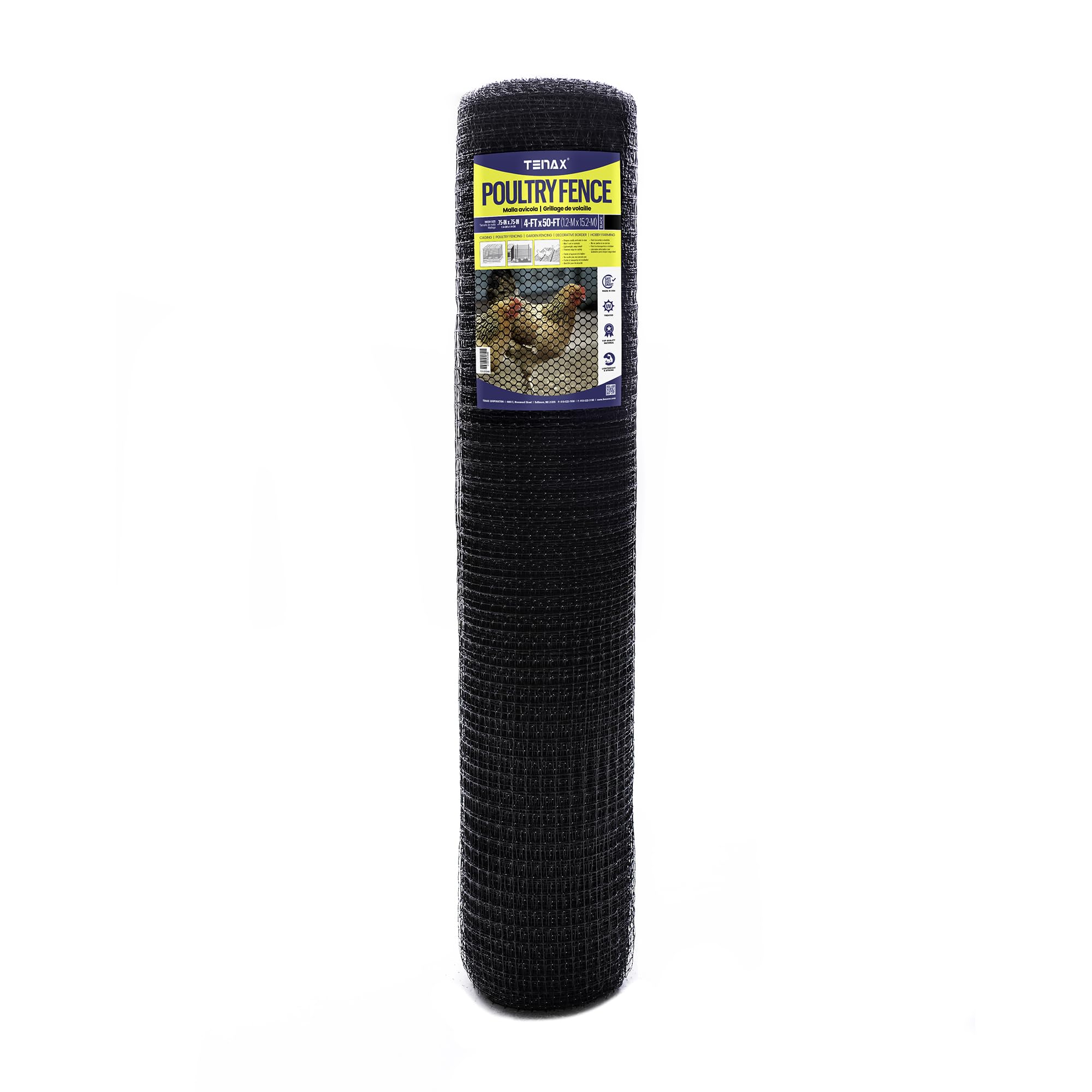
Tenax has been a go-to brand for deer netting among serious gardeners for years. This 7 x 100 ft roll uses a slightly larger mesh than the Fencer Wire—0.63 x 0.75 inches—which still blocks deer but allows better airflow and light penetration. The polypropylene material is thicker than what you find at big-box garden centers, and multiple customers confirm it lasts four-plus seasons when stored properly.
The netting rolls up easily at season end without tangling, a significant advantage over the cheap stuff that knots into a useless ball. Owners use it for blueberries, grapevines, and flower beds, zip-tying it to 8-foot metal stakes. Deer have not jumped the 7-foot height in four years of use according to one verified report.
Cut ends are poky and need trimming to avoid scratching you during handling. The netting is also a bit stiff when new, requiring two people to install a full 100-foot run. For a mid-to-premium investment that pays off through reusability, this is a strong contender.
What works
- Stiffer, thicker material than common garden center netting
- Easy to roll and store for next season
- Proven track record against deer, even with larger openings
What doesn’t
- Cut ends are sharp and require trimming
- Heavy and requires two people for full installation
3. Jobe’s Deer Barrier Fencing LG400171, 7 ft x 100 ft

Jobe’s Deer Barrier stands apart for its UV treatment, which owners in Arizona and other high-sun regions confirm holds up for years without brittleness. The 1-1/8 x 7/8-inch grid is larger than some competitors, but the material is noticeably thicker and stiffer than the same brand’s DeerBlock line, which thinner deer have pushed through. One customer reported elk and javelina testing this fence combined with electric wire at multiple heights without a breach.
The netting unfolds to its full 7-foot height easily and attaches to T-posts with 8-inch UV-resistant zip ties. It does not sag severely when properly tensioned, and the material resists tearing at connection points. For property lines or orchard enclosures where deer pressure is heavy and sun exposure is constant, this is the most reliable long-term option.
This netting is less pliable for draping directly over plants—it works best as a standalone perimeter fence. The price is higher than many alternatives, but the build quality justifies the investment for multi-year use. Groundhogs and squirrels do not chew through it, per owner reports.
What works
- Superior UV resistance for hot, sunny climates
- Thick material withstands heavy deer and elk pressure
- Easy to attach and maintain tension
What doesn’t
- Larger mesh may allow small rodents through
- Not flexible enough for draping over plants
4. ORIVOGAS Plastic Mesh Fence 4x75ft

This entry from ORIVOGAS brings a 55 gsm HDPE weave that rivals heavier options at a lower investment. The 5/8-inch square mesh blocks deer, dogs, and rabbits while the reinforced edges with a drawstring design allow you to tighten sections and prevent sagging. The package includes 50 zip ties and 8 ground stakes, so you can start installing immediately without extra purchases.
Customers report using this as a temporary barrier for young dogs and as a permanent garden fence for deer. The netting resists unraveling when cut, though some owners note it can fray slightly if you use dull scissors. The 4-foot height makes it best for low-pressure areas or as a supplemental barrier on top of an existing fence.
The material is stretchable but returns to shape, which helps it conform to uneven terrain. For homeowners who want a complete kit—netting plus fasteners—and a fence that works for multiple animal types, this provides the most complete package in the mid-range tier.
What works
- Includes zip ties and ground stakes
- 55 gsm weave resists tearing and UV damage
- Drawstring edge prevents sagging over time
What doesn’t
- Cut edges can fray if not trimmed cleanly
- 4-foot height insufficient for large deer in high-pressure areas
5. ORIVOGAS Deer Fence Netting 6.5x50ft
The 6.5 x 50 ft variant of ORIVOGAS’s deer fence offers the same 55 gsm heavy-duty HDPE construction in a shorter, more manageable length for small gardens. The 5/8-inch mesh and reinforced edges with drawstring ropes mirror the larger version, but the 50-foot roll is easier for a single person to handle and install. It includes 50 zip ties and 8 ground stakes.
This size fits well around raised beds measuring roughly 10 x 15 feet or as a wrap for individual fruit trees. Owners use it for keeping bunnies out of yards and as a protective barrier for flower beds. The netting is stretchable without losing shape, which helps when wrapping around curved borders or slatted existing fences.
The 6.5-foot height provides a good balance—tall enough to deter most deer from jumping but short enough to handle without scaffolding. For gardeners with limited space who need a quick, complete solution that doesn’t require cutting a long roll, this is the most convenient mid-range option.
What works
- Complete kit with stakes and ties included
- Manageable 50-foot length for solo installation
- Stretchable material fits curves and irregular shapes
What doesn’t
- Height may be marginal for very large adult deer
- Cut ends require trimming to prevent unraveling
6. Vocray 7.5×100 Ft Deer Netting

The Vocray netting covers 7.5 x 100 feet, giving you 750 square feet of protection for large vegetable patches or berry patches. The 1/2-inch mesh is smaller than most deer fences, which blocks birds, squirrels, and even small hummingbirds from getting tangled while still excluding deer. The HDPE material weighs 25 gsm, making it lighter than the ORIVOGAS variants but still denser than standard bird netting.
Customers report this netting lasting 7 months in brutal desert sun without signs of wear. It unfolds easily without tangling—a common frustration with cheaper netting rolls. The load-bearing capacity exceeds 100 pounds, so deer leaning against it don’t cause immediate failure. One owner covered a 40 x 35 ft area and found the material easy to stretch and blend into the landscape.
The trade-off is that the lighter weight means it can tear if snagged on sharp branch stubs or rough fence posts. Some units arrive with minor pre-shipment damage to the mesh. For coverage of large areas where bird exclusion is as important as deer prevention, this is the best value per square foot.
What works
- Massive 100-foot length covers large gardens in one roll
- 1/2-inch mesh prevents bird entanglement
- Easy to unfold and install without tangling
What doesn’t
- Lighter 25 gsm material can tear on sharp edges
- Some reports of minor pre-shipment damage
7. Fetanten Bird Netting 7.5 x 65 FT
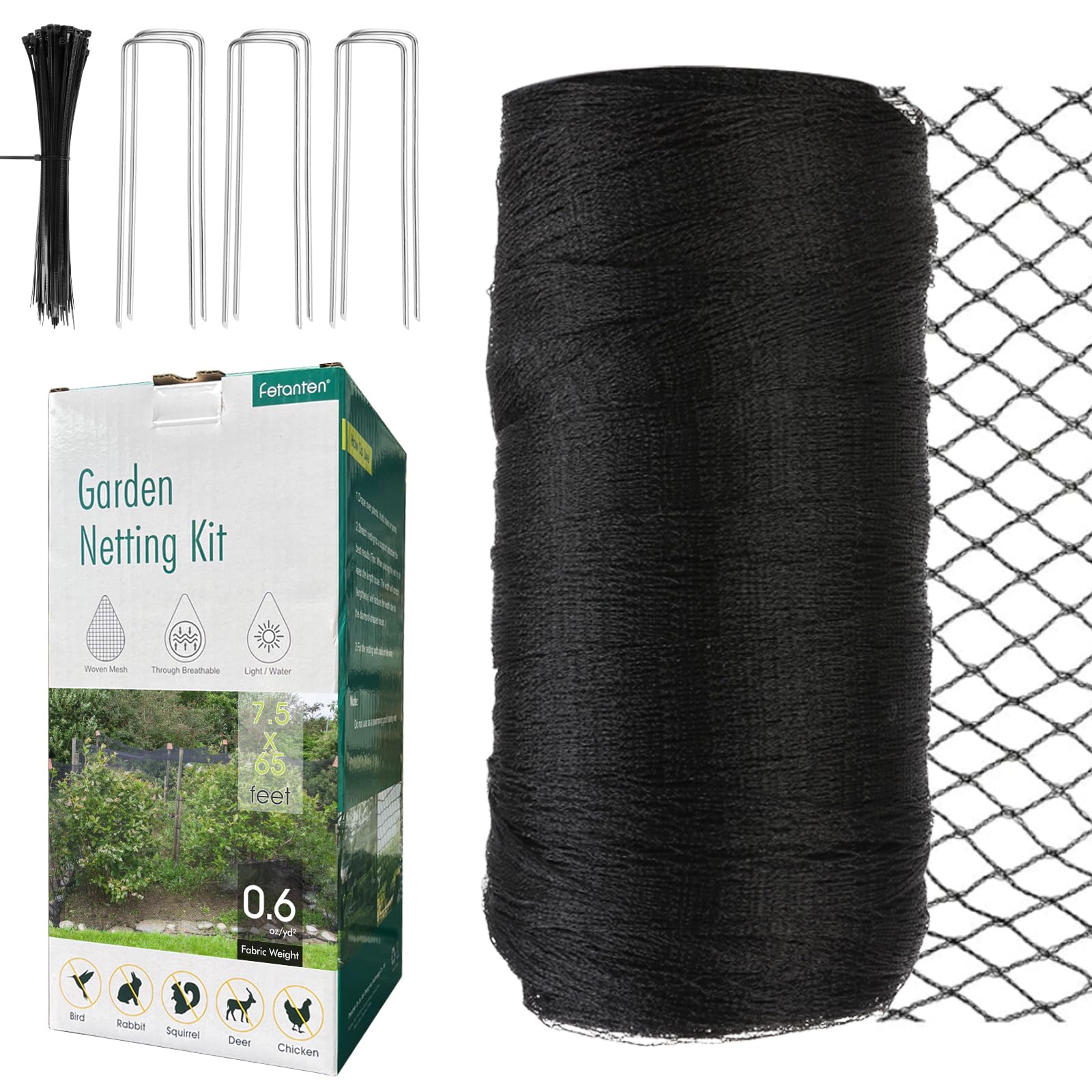
The Fetanten netting is marketed as bird netting but includes deer protection as a primary use case. The HDPE material weighs 0.6 oz/ft² (roughly 18 gsm) and uses a 5/8-inch woven mesh. It comes with steel landscape staples and twist ties, so you have everything needed for a basic install out of the box. At 7.5 x 65 feet, it covers a moderate garden area.
Owner reports confirm this netting kept deer out of tomatoes through an entire summer and held up for a second year of use. It also works as a hawk deterrent for chicken runs. The material resists UV damage and rot, though it is visibly thinner than the 55 gsm options. Strawberry and blackberry growers find it sturdy enough for low-growing fruit protection.
The mesh is woven rather than extruded, which gives it good tensile strength but can cause it to snag on rough surfaces during installation. For gardeners on a tight budget who need a functional barrier for one or two seasons, this provides adequate protection without the premium price tag.
What works
- Includes staples and twist ties for immediate use
- Effective deer barrier for a full growing season
- UV and rot resistant
What doesn’t
- Thinner material may tear under heavy deer pressure
- Woven texture can snag on branches and rough posts
Hardware & Specs Guide
GSM Weight and Tear Resistance
The weight of the HDPE or polypropylene weave measured in grams per square meter is the single most reliable predictor of a deer fence’s ability to withstand browsing pressure. Light netting (6-10 gsm, typical of bird netting) fails when a deer pushes its nose or body against it. The sweet spot for a cheap deer fence that actually works is 25 gsm for general protection and 55 gsm for high-pressure areas where deer habitually graze. Higher gsm also resists UV degradation longer because the thicker fibers take more sun exposure before becoming brittle.
Mesh Size and Animal Exclusion
Square or diamond-shaped mesh openings determine which animals are kept out. A 5/8-inch or 3/4-inch hole stops deer, rabbits, and groundhogs while allowing adequate light and water through. Smaller 1/2-inch openings also exclude squirrels and most birds, but they reduce airflow slightly and add material cost. Mesh that is too large—over 1 inch—allows fawns and smaller critters to squeeze through. Avoid netting that specifies “diamond mesh” without giving a mm or inch measurement, as the actual opening can vary with tension during installation.
Reinforced Edges and Installation Hardware
A fence is only as strong as its attachment points. Look for netting with reinforced top and bottom edges that include a rope drawstring or an extruded border. These prevent tearing where zip ties pull against the mesh during wind or animal contact. Kits that include 50+ UV-resistant zip ties and 8+ ground stakes save a separate trip to the hardware store. The stakes should be at least 6 inches long for adequate ground grip in soft soil. Without reinforced edges, even heavy netting will tear at the first stress point.
UV Stabilization and Climate Suitability
Deer netting lives outdoors year-round in many climates, so UV-stabilized material is non-negotiable for multi-season use. Manufacturers treat HDPE and polypropylene with carbon black or chemical stabilizers to slow photodegradation. In high-UV regions like the desert Southwest, look for products explicitly labeled “UV treated” or “UV resistant.” Products that lack this treatment will become brittle within one season, cracking at the mesh joints and failing when you most need them. For temperate climates with less intense sun, standard HDPE holds up for 2-3 seasons.
FAQ
How tall should a cheap deer fence be to prevent jumping?
Does a cheaper deer fence need to be buried to stop digging animals?
Can I reuse cheap deer netting for multiple growing seasons?
Final Thoughts: The Verdict
For most gardeners, the best cheap deer fence winner is the Fencer Wire 7 ft x 100 ft because its 8-pound polypropylene construction outlasts lighter alternatives through multiple seasons of sun, wind, and deer pressure. If you want a complete kit with stakes and ties that works out of the box, grab the ORIVOGAS 4x75ft. And for high-UV climates where material degradation is the primary failure mode, nothing beats the Jobe’s Deer Barrier for long-term performance.