
Specs are compiled from manufacturer listings and verified buyer reviews and can change over time — please confirm the key details on the product page before buying.
You do not need harsh chemicals to stop aphids and mealybugs on your plants. A simple soap-and-water spray suffocates these soft-bodied pests (insects with no hard shell), and you probably already have the best base in your bathroom cabinet. But regular dish soaps can strip your plant’s protective waxy coating or leave harsh residues. That is why pure castile soap — a plant-oil-based liquid soap free of synthetic detergents — has become the top ingredient for a homemade insecticide that works without hurting your greenery.
I’m Rikta — the founder and writer behind Lawn Gear Lab. This guide is built by comparing the manufacturers’ published specifications and the patterns across verified customer reviews, so you get each pick’s real strengths and trade-offs instead of marketing spin.
What matters here is the right concentration of pure, plant-based oils — gentle on leaves but tough on soft-bodied garden pests. That is exactly what you find when you look for the castile soap insecticide that actually works without collateral damage to your plants.
Quick Picks
- Dr. Woods Peppermint Liquid Castile Soap — Best Overall
- YARELI Pure Castile Soap Liquid, Peppermint 64oz — Premium Pick
- HARRIS Multi-Purpose Pure Castile Soap — Best Value
- HARRIS Multi-Purpose Pure Liquid Castile Soap — Value Size
- BAMBOO AND BIRCH Pure Castile Soap Liquid — Clean Choice
- WEBE Naturals Pure Unscented Castile Soap Refill — Sensitive Pick
- FLOWHYET EWG Verified 1 Gallon Pure Castile — Budget Refill
How To Choose The Best Castile Soap Insecticide
Not every bottle of soap on the shelf is safe for your plants. Choosing the right castile soap for garden use depends on four things: the purity of the ingredients, the concentration, how you dilute it, and whether the scent or additives might do more harm than good.
Pure ingredients matter
Look for a soap made from real plant oils — olive, coconut, hemp, or jojoba — with no synthetic detergents, dyes, or added degreasers. Synthetic detergents can strip the protective wax layer on your plants’ leaves, causing them to dry out or scorch in the sun. A true castile soap skips those chemicals entirely.
Fragrance and oils — a hidden trade-off
Peppermint-scented soaps are popular because the essential oil adds a natural pest-repelling layer. But very high concentrations of essential oils can burn some delicate leaves. Unscented or fragrance-free options are a safer bet if you are spraying young seedlings, succulents, or edible vegetables.
How you dilute is the real skill
The industry standard for a gentle insecticidal spray is roughly a tablespoon (about 15 mL) of castile soap per quart (about 950 mL) of water. A soap that is thicker and more concentrated needs less of it per batch — meaning one bottle makes more spray bottles over time. Multi-purpose formulations that double as laundry and dish soap are fine as long as they stick to pure plant-based oils.
Glass half full — packaging and pour
A large 64-ounce or gallon jug looks like better value, but if you have limited hand strength or intend to use small batches, a 32-ounce bottle with a pump is far easier to handle. Buyers with shoulder issues often report that a big, heavy container is difficult to pour into a spray bottle one-handed.
Quick Comparison
| Model | Best For | Volume | Weight | Key Oil Base | Amazon |
|---|---|---|---|---|---|
| Dr. Woods Peppermint 32 oz | Best Overall — thick lather + pump top | 32 Fl Oz | 2 Pounds | Olive & Coconut | Amazon |
| YARELI Peppermint 64 oz | Premium, EWG Verified organic oils | 64 oz | 4.85 Pounds | Organic Olive (first ingredient) | Amazon |
| HARRIS Multi-Purpose 32 oz | Mid-range peppermint on a budget | 32 Fl Oz | 2.33 Pounds | Olive, Coconut, Pine Tree | Amazon |
| HARRIS Multi-Purpose 64 oz | Value-sized for heavy spraying | 64 Oz | 4.5 Pounds | Olive, Coconut, Pine Tree | Amazon |
| BAMBOO AND BIRCH 32 oz | Palm-oil-free peppermint pick | 32 oz | 2 Pounds | Natural plant oils (palm-free) | Amazon |
| WEBE Naturals 64 oz | Unscented for sensitive plants | 64 Oz | 5.11 Pounds | Organic Olive Oil | Amazon |
| FLOWHYET 1 Gallon | Best budget-friendly bulk refill | 1 Gallon | 9.11 Pounds | Coconut, Olive, Sunflower | Amazon |
In‑Depth Reviews
1. Dr. Woods Peppermint Liquid Castile Soap with Pump (32 Fl Oz)
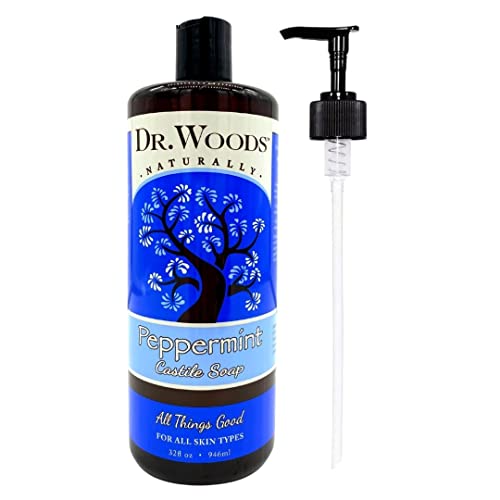
This Dr. Woods soap is thicker than the YARELI and HARRIS options, which means you use less per batch and the lather clings better to pests to suffocate them.
Buyers report that this soap worked for their “DIY organic pesticide” without harming the plants themselves. The thickness is noticeable right away — it is a rich, concentrated lather that needs just a small splash per spray bottle. That density means one 32-ounce bottle stretches further than thinner alternatives, a real advantage when you are mixing batch after batch during aphid season.
The built-in pump top makes pouring into a sprayer much easier than fumbling with a screw cap like on the HARRIS jug. One annoyance: some buyers received a pump with a detached straw or stuck locking position. It is not universal, but worth checking the minute the bottle arrives. The peppermint scent is strong and refreshing — great for repelling pests, though very sensitive leaves might prefer a weaker dilution on the first spray test.
Garden standouts
- Thicker consistency means each batch uses less soap
- Pump top built into the bottle for easy dispensing
- Buyers confirm it works as a pest spray without plant damage
A couple of hiccups
- Pump mechanism can arrive broken or detached
- Peppermint oil may require careful dilution on delicate leaves
Best all-around pick: This Dr. Woods bottle hits the balance — thick enough to stretch far, proven safe on plants by buyers, and easier to handle thanks to the pump. It’s the one to grab if you want a single bottle that earns its place in both your bathroom and your garden shed.
Not if you hate peppermint scent: The minty tingle is pretty forward; stick with an unscented option like the WEBE Naturals if you are spraying edible greens or are sensitive to strong smells.
2. YARELI Pure Castile Soap Liquid, Peppermint 64oz
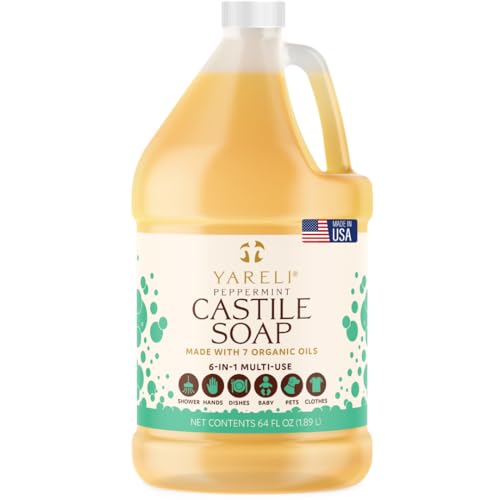
EWG-Verified (verified by the Environmental Working Group to meet strict health standards) organic oils and a traditional olive-oil-first recipe make this the purest base for edible gardens.
This is the most thoughtfully formulated soap on the list. YARELI lists organic olive oil as the very first ingredient — staying true to traditional castile soap recipes that many cheaper brands have abandoned for cheaper coconut bases. The six organic oil blend (olive, coconut, jojoba, castor, argan, almond) means it is gentle enough for babies and, by extension, for your most temperamental houseplants. At 64 ounces versus the BAMBOO AND BIRCH 32 oz bottle, owners mention the soap is not watered down like some competitors.
One reviewer noted that in cold weather the soap can separate and harden — the manufacturer is responsive about sending replacements, but it is something to keep in mind if you order during winter months.
What makes it premium
- First ingredient is organic olive oil — traditional formula
- EWG Verified for purity and safety
A couple of trade-offs
- Can separate or thicken if left in cold shipping conditions
- More expensive per ounce than basic multi-purpose options like the HARRIS 64 oz
Top-shelf choice for purity: If you want the most natural, organic base for your homemade insecticide and you are willing to pay a little more for EWG certification and a traditional olive-oil formula, this is your pick. It is also the safest option for edible plants and sensitive seedlings.
3. HARRIS Multi-Purpose Pure Castile Soap, Peppermint (32 Fl Oz)
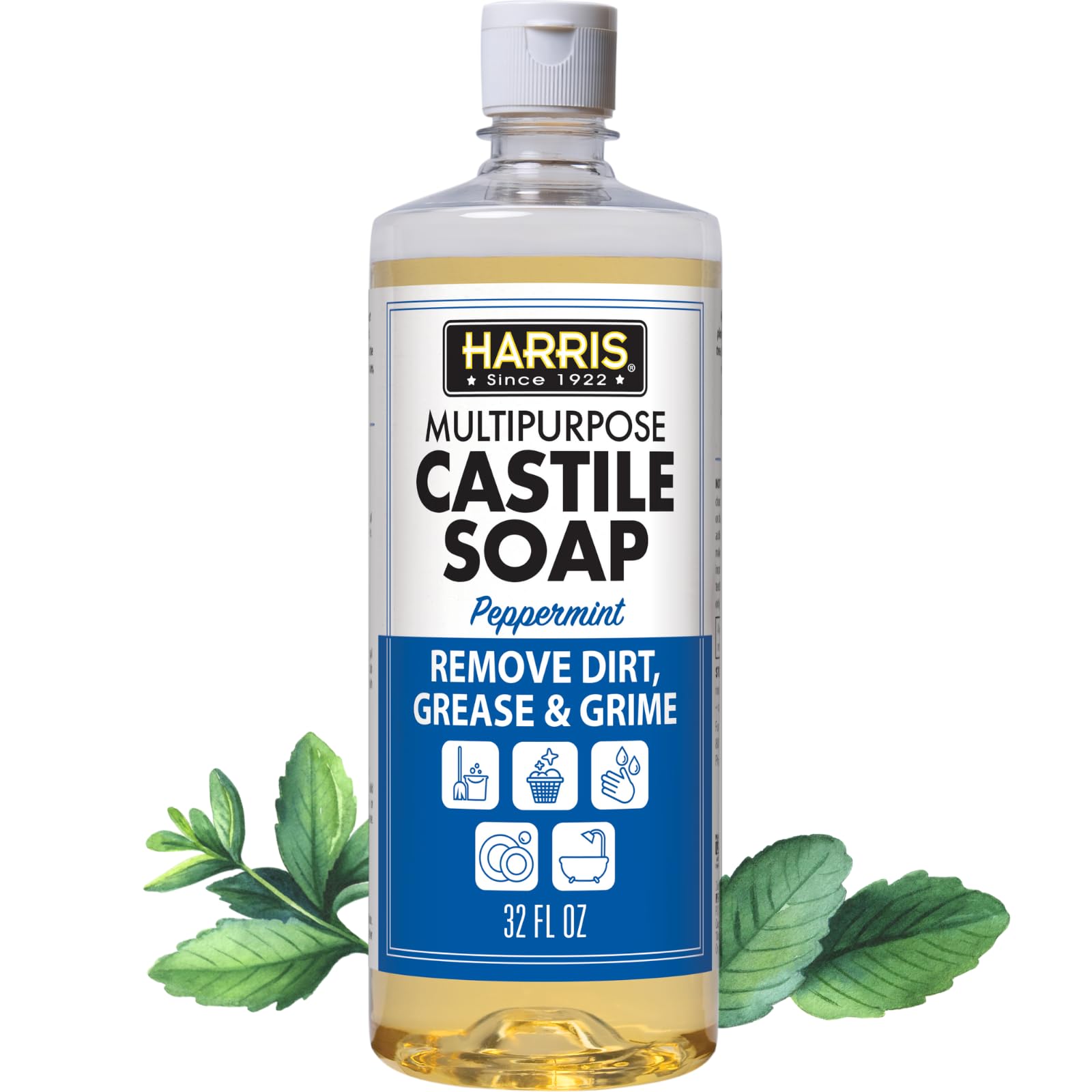
A peppermint-scented, plant-based soap with a third oil — pine tree oil — that adds natural antifungal power, making it a better value than basic two-oil blends at the same price.
This HARRIS 32-ounce bottle is a straightforward entry point. The twist here is the third oil in the blend besides olive and coconut: pine tree oil. That extra note adds natural cleaning power and a slightly woodsy scent that still leans heavily on the peppermint front. Buyers confirm it works: one buyer mentioned “using this in a diluted solution to try to kill mealybugs on my plants,” finding it less damaging than alcohol and better-smelling than neem oil.
At 2.33 pounds, the bottle is noticeably heavier than the BAMBOO AND BIRCH (2 pounds), though the volume is the same at 32 ounces. That extra weight suggests a thicker consistency, which means more spray batches per bottle. The downside? The container is a standard screw-top jug — no pump like the Dr. Woods, so you are tilting and pouring every time.
Why it works for gardeners
- Pine tree oil adds a natural antifungal element
- Customers note effective mealybug control with dilution
- Highly concentrated formula — a little goes a long way
Something to note
- No pump top or measuring feature on the cap
- Leaves a light film on some surfaces indoors
Smart mid-price entry: If you are new to mixing your own insecticide and want a peppermint oil soap that is proven on mealybugs while staying affordable, this 32-ounce HARRIS bottle is a reliable place to start.
Not the best for one-handed pouring: The larger 64-ounce version or a pump-top bottle like the Dr. Woods will be easier if you have limited hand or shoulder mobility.
4. HARRIS Multi-Purpose Pure Liquid Castile Soap (64 Oz)
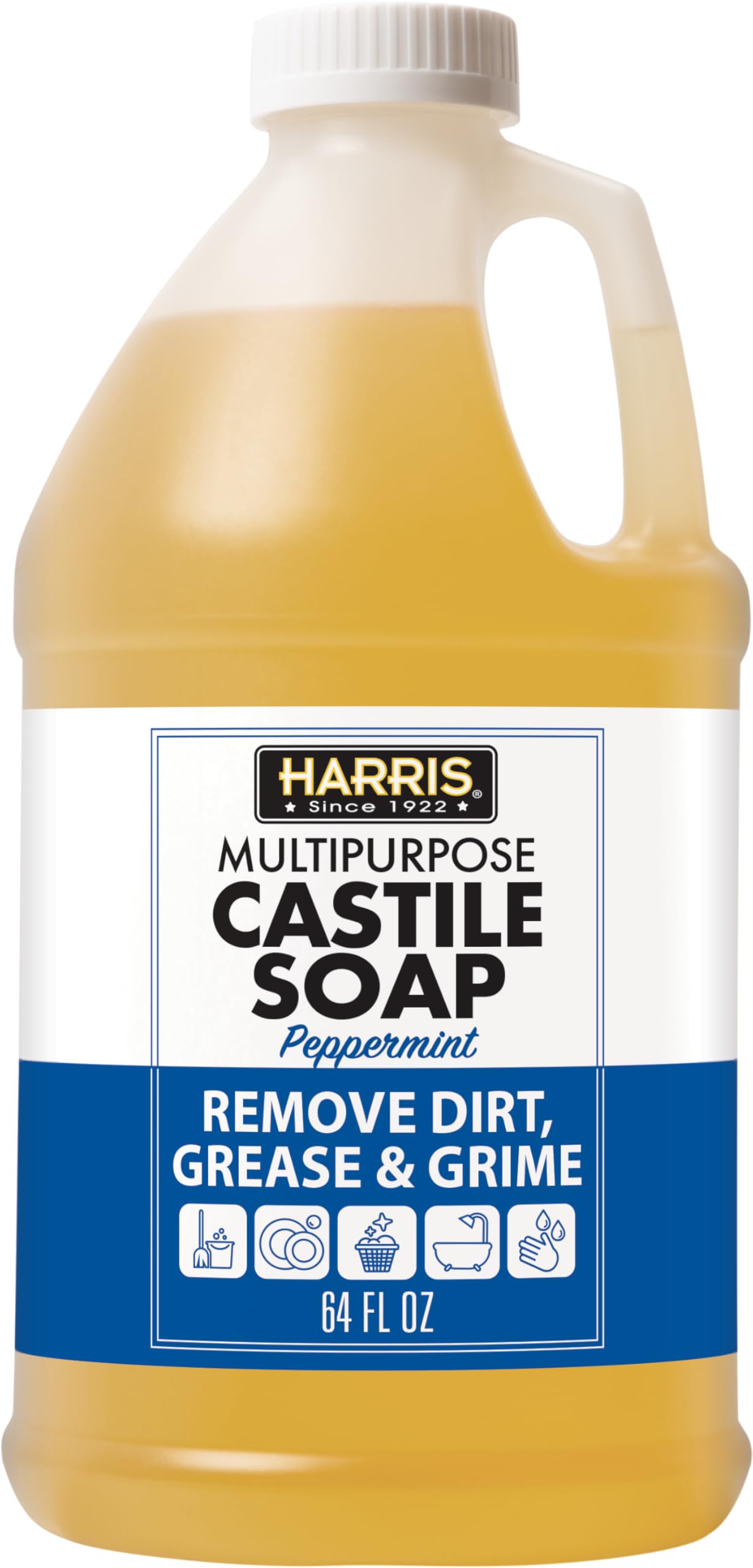
Double the volume of the 32-ounce HARRIS — the same plant-based formula, but you get more total concentrate for heavy-duty spraying without reordering.
This is essentially the same HARRIS formula as its smaller sibling — olive, coconut, and pine tree oils with a peppermint scent — but in a 64-ounce jug that weighs 4.5 pounds. At 4.5 pounds versus the BAMBOO AND BIRCH 32-ounce bottle at 2 pounds, the trade-off is obvious: fewer reorders and more mixture per batch. If you have a large garden with persistent aphid or mealybug colonies, this size saves you from running out mid-spray.
Buyers echo the same praise as the 32-ounce version, with one reporting effective mealybug control using a diluted solution. The major physical drawback: at 4.5 pounds, pouring this jug one-handed into a small spray bottle is genuinely awkward. A transfer pump or a smaller decanting bottle is recommended for everyday use.
Volume advantage
- 64 ounces — makes many gallons of diluted insecticide
- Same proven formula praised by buyers for pest control
- Plant-based and pet-safe formula for home and garden
The weight trade-off
- Heavy 4.5-pound jug is hard to pour with one hand
- No pump — requires unscrewing a large cap each time
Best for serious volumes: If you spray multiple rows of vegetables or a houseful of large indoor plants regularly, the 64-ounce HARRIS jug gives you the most pest-fighting solution per purchase.
Look elsewhere for easy handling: The weight and cap design make this a two-handed operation; consider a smaller bottle like the Dr. Woods or a pump-top model if dexterity is an issue.
5. BAMBOO AND BIRCH Pure Castile Soap Liquid, Peppermint (32 oz)
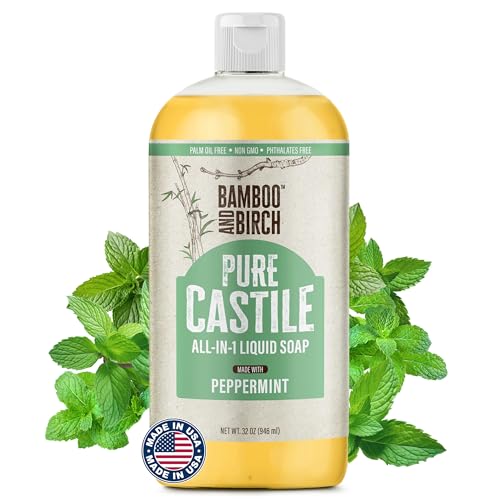
Certified palm-oil-free (no palm oil used in the soap) and intensely peppermint-scented — an ethical edge over the HARRIS and Dr. Woods options for eco-conscious gardeners.
The standout feature here is the certification: this soap is certified palm oil free, which matters if you want your garden products to be as sustainable as your pest control. The 32-ounce bottle weighs 2 pounds, matching the Dr. Woods on weight but coming in at 32 ounces versus the YARELI 64-ounce jug. The peppermint scent is strong and cooling, doubling as a mild pest-deterrent. One reviewer found it “Failed as shampoo even with ACV rinse” but praised it for body wash, mopping, cleaning surfaces, and laundry — a multi-purpose track record that transfers well to homemade insecticide.
One limitation: the peppermint scent is initially powerful but some buyers reported it fades and basically vanishes halfway through the bottle. For pest sprays the initial scent still works on contact, but the long-term smell might not carry through the entire jug.
Ethical highlights
- Certified palm oil free — hard to find in castile soaps
- Refreshing peppermint scent acts as a natural pest deterrent
- Buyers confirm it lasts months with daily use
Honest trade-offs
- Peppermint scent fades over time in the bottle
- Volume is only 32 oz — less value per pour than the HARRIS 64 oz
Choose this for palm-free confidence: If you actively avoid palm oil in your home and garden products, BAMBOO AND BIRCH delivers a concentrated, multi-purpose soap that fits your values — and it works great on pests.
Skip for a lasting scent: The peppermint fades; if you want a strong fragrance that stays strong through the whole bottle, go with the Dr. Woods or HARRIS.
6. WEBE Naturals Pure Unscented Castile Soap Refill (64 Oz)
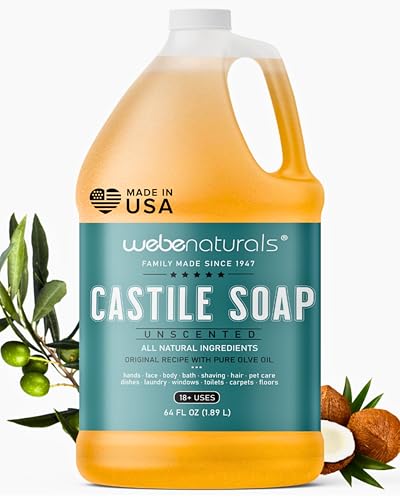
Truly unscented — no essential oils at all — so you get zero risk of leaf burn on tender seedlings, which the peppermint-heavy Dr. Woods and HARRIS can pose if over-diluted.
WEBE Naturals builds this refill around organic olive oil and nothing synthetic — no parabens (synthetic preservatives), sulfates (harsh detergents), artificial fragrances, or detergents. That makes it an ideal blank canvas for building your own insecticide recipe. You can add peppermint oil, neem oil, or garlic to target specific pests without fighting a pre-existing strong scent. Buyers confirm it “cleans well, no dry skin/irritation” and praise the large 64-ounce refill format, which comes in at 5.11 pounds.
The slightly runnier texture compared to the Dr. Woods or HARRIS options means you might need a little more soap per quart to get the same insect-suffocating lather. But the trade-off is a truly pure formulation that is non-GMO, vegan, and gluten-free — details that matter if you are spraying on vegetables you will eat. The unscented nature also means zero risk of essential oil burn on tender new leaves.
Pure formulation
- Unscented and free of synthetic additives — plant-safe
- Organic olive oil base for gentle cleansing
- Large 64 oz refill with cost-effective per-use value
Texture note
- Slightly thinner than other brands — may need more per batch
- No pump or pour spout on the refill jug
Top pick for vegetable gardens: If you are spraying edible plants and want a base with no hidden scents or additives that could alter the taste of your harvest, WEBE Naturals gives you a clean slate to work from.
Not the most concentrated: The thinner formula means you will go through this 64-ounce bottle slightly faster than a brand like Dr. Woods.
7. FLOWHYET EWG Verified 1 Gallon Pure Castile Soap Liquid (Unscented)
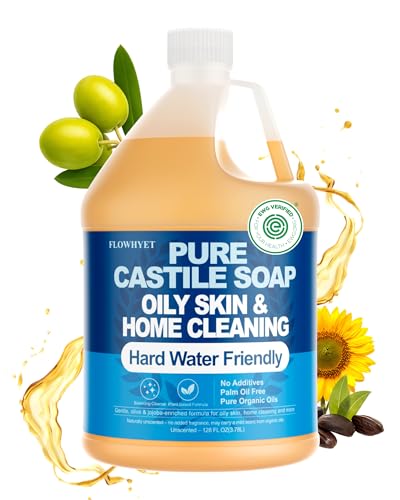
A full gallon (128 ounces) versus 32-ounce bottles — for the lowest cost per ounce, but you need to plan for the 9.11-pound pour.
Volume is the headline here: a full gallon jug weighing 9.11 pounds. That is a huge amount of soap for mixing insecticide, and the maker claims it is 2–3x more concentrated than regular liquid soaps. If you are maintaining a large edible garden or a greenhouse with hundreds of plants, this one jug will produce dozens of spray bottles before it runs out. Buyers appreciate that it is “hard water friendly” and won’t leave a film or residue on plants or leaves.
At this size, pouring into a smaller spray bottle or even a quart jar is genuinely a two-person job unless you have a pump or siphon. It is EWG Verified and plant-based (coconut, olive, and sunflower oils), so the quality holds up for plant-safe spraying. If you are working alone or have limited storage space, a smaller bottle is much more practical.
Bulk advantage
- Full gallon — the most volume for mixing insecticide
- EWG Verified with clean plant-based ingredients
Practical challenge
- 9.11 pounds — very heavy and cumbersome to pour alone
- No dispensing features on the gallon jug
Unbeatable for heavy-duty users: If you are mixing several gallons of insecticidal spray every season and want the lowest cost per ounce, the FLOWHYET gallon is your most economical bet. It also works well in hard water areas, meaning less residue on your leaves.
Overkill for casual spraying: The weight and awkwardness of an 9.11-pound jug are real obstacles if you only need a bottle or two per season — a 32-ouncer like the Dr. Woods is far easier to handle.
Understanding the Specs
Volume vs. weight — why both matter
The fluid ounces printed on the bottle tell you how much soap you are buying, but the weight in pounds tells you how thick it is (and how hard it is to pour). A soap that weighs 4.5 pounds at 64 ounces is denser than one that weighs 2 pounds at 32 ounces. That density often means the soap is more concentrated and you use less per spray batch. For a castile soap insecticide, thicker soaps also cling better to leaves and insects, improving the suffocation effect.
Organic oil base — not all bottles are the same
The first oil on the ingredient list is the primary oil. Traditional castile soap starts with organic olive oil (like the YARELI pick), which is moisturizing and gentle. Cheaper bottles often lead with coconut oil or sunflower oil to cut cost, which can still work but might be slightly less gentle on delicate seedlings. For insecticide use, any pure plant oil base works — just avoid any bottle that lists synthetic detergents or sodium lauryl sulfate as a main ingredient.
FAQ
How do I mix castile soap insecticide for my plants?
Will castile soap insecticide hurt my plants?
Does peppermint castile soap work better than unscented for pest control?
Can I use Dr. Woods or HARRIS castile soap directly on my vegetable garden?
How long does a bottle of castile soap last when used as insecticide?
Is castile soap safe for pets and beneficial insects?
Does hard water affect how castile soap works for pest control?
Can I store diluted castile soap insecticide for later use?
What is the biggest mistake people make with castile soap insecticide?
Final Thoughts: The Verdict
For most gardeners, the castile soap insecticide winner is the Dr. Woods Peppermint 32 oz because it combines a thick, concentrated lather with a built-in pump top and has real buyer confirmation of safe pest control on plants. If you want the purest organic base for edible gardens, grab the YARELI 64 oz. And if you need massive volume at the lowest cost, the standout is the bulk value of the FLOWHYET 1 Gallon.
How We Picked
We do not accept paid placement. Every pick is matched to a real buyer and a real use-case; we do not hands-on test units.
Sources & Methodology
Specifications: manufacturer listings and product documentation. Review insights: verified customer reviews, as of July 2026. Pricing: not shown on this page (it changes often); check the current price via the retailer link.
As an Amazon Associate, Lawn Gear Lab earns from qualifying purchases. This does not affect which products we feature.