
The difference between a so-so canna harvest and a truly dense, resinous yield often comes down to what happens below the surface. A proper potting mix for this crop must balance rapid drainage with consistent moisture retention, all while keeping pH stable and salts low—a combination most general-purpose soils simply can’t deliver.
I’m Rikta — the co-founder and writer behind Lawn Gear Lab. For this guide, I’ve sifted through dozens of bagged blends, comparing aeration profiles, buffering capacity, nutrient charge levels, and hundreds of verified owner experiences to isolate the mixes that consistently perform under real growing conditions.
The single most common mistake is grabbing a moisture-control garden soil that compacts within weeks. This guide breaks down the best canna potting mix options by drainage speed, nutrient load, and whether you want a ready-to-use formula or a blank slate for custom feeding.
How To Choose The Best Canna Potting Mix
The right mix does not just hold your plant upright—it manages oxygen exchange, nutrient buffering, and microbial life. Three factors separate a great canna medium from a mediocre one.
Drainage vs. Water Retention
Roots need both air and water, but saturation kills fast. A mix with at least 30–40 percent aeration material—perlite, pumice, or coarse coco chunks—prevents root rot while keeping the root zone hydrated between feedings. Heavy peat-based soils hold too much water for the aggressive root systems canna plants develop.
Nutrient Baseline: Blank Slate vs. Pre-Charged
If you plan to manage your own nutrient schedule with synthetic or bottled inputs, choose a low-EC, low-N base like triple-washed coco coir. If you’d rather feed through the soil itself, a pre-charged living mix with worm castings, kelp, and bone meal delivers slow-release nutrition for the first three to four weeks, after which you will need to supplement.
pH Stability and Salt Content
Canna plants prefer a pH range of 5.8 to 6.5. Many coco products arrive with high residual sodium from insufficient washing, which locks out calcium and magnesium. Look for brands that specify triple-washing or buffering—this one step prevents the most common early-stage deficiency headaches.
Quick Comparison
On smaller screens, swipe sideways to see the full table.
| Model | Category | Best For | Key Spec | Amazon |
|---|---|---|---|---|
| FoxFarm Coco Loco | Premium Coco Blend | Balanced pH & water schedule | 2 cu ft, triple-washed | Amazon |
| Espoma Organic Potting Mix | Peat-Based All-Rounder | Versatile containers & herbs | 2 cu ft, Myco-Tone | Amazon |
| Mother Earth Coco + Perlite | Pre-Mixed Coco/Perlite | Indoor container drain | 70/30 coco-perlite ratio | Amazon |
| Coast of Maine Tomato & Veg | Compost-Based Living | Container tomatoes & veg | 20 Qt, OMRI listed | Amazon |
| Black Gold Organic | Organic All-Purpose | Custom nutrient scheduling | 16 Qt, OMRI listed | Amazon |
| Canna Coco Brick | Pure Coco Brick | Build-your-own base | 40L expanded, 8L dry | Amazon |
| Gaia Green Living Soil | Super-Premium Organic | No-mix living soil grow | 1.5 cu ft, pre-charged | Amazon |
In‑Depth Reviews
1. FoxFarm Bush Doctor Coco Loco Potting Mix

FoxFarm’s Coco Loco strikes the hardest-to-find balance: it is a coco-dominant mix that has already been buffered and triple-washed, so you do not start with a sodium slug in the root zone. The 50-60 percent coconut coir base, combined with aged forest products, perlite, and earthworm castings, creates a structure that holds moisture between feedings without turning anaerobic. Owner tests report a steady 6.3 pH out of the bag with no drift, which removes one of the biggest variables during the first weeks of growth.
This blend is not a blank slate—it arrives with a light fertilizer charge (kelp meal, oyster shell, dolomite lime) that supports the early vegetative stage, but you will need to introduce your own nutrient line within about three weeks. The 2-cubic-foot bag weighs in at 44 pounds, so expect a heavy shipment, but the volume covers approximately four 5-gallon pots. Users consistently note better root mass and faster stretch compared to standard peat-based soils.
For growers who want a coco foundation that works immediately out of the bag without the hassle of hand-buffering bricks, Coco Loco removes the guesswork. The only real friction is the cost per cubic foot, but the consistency in pH and texture makes it a premium choice that saves troubleshooting time later.
What works
- Triple-washed, low-salt coco out of the bag
- Stable pH around 6.3 without amendments
- Excellent water retention without sogginess
What doesn’t
- Heavy bag may be awkward to move
- Light nutrient charge runs out by week three
2. Espoma Organic Potting Soil Mix

Espoma’s AP2 mix uses a loamy, chunky blend of sphagnum peat moss, humus, perlite, earthworm castings, alfalfa meal, kelp meal, and feather meal. The texture stays open and does not turn into a crusty surface layer, which is a common complaint with cheaper bagged soils. The inclusion of Myco-Tone—a proprietary blend of endo and ecto mycorrhizae—gives the root zone a biological head start that many mid-range mixes omit entirely.
This is a peat-based formula, so water retention runs higher than a pure coco medium. For growers in drier environments or those who prefer a longer window between waterings, that can be an advantage. Reviewers frequently mention the absence of large wood chunks and sticks that plague other potting soils, and the OMRI listing makes it safe for certified organic gardens without synthetic additives.
Where Espoma shows its limitation for dedicated canna cultivation is the NPK baseline. The organic charge is mild enough that you will need to supplement with bloom-phase nutrients, but it provides enough early nitrogen to carry seedlings through veg without concern. It works best as a container mix for smaller grows or as a base before adding extra perlite for drainage.
What works
- Loamy texture stays fluffy and resists crusting
- Mycorrhizae included for root zone biology
- Minimal debris or large sticks
What doesn’t
- Peat base holds more water than coco growers may want
- Needs extra drainage amendment for heavy feeders
3. Mother Earth Coco + Perlite Mix

Mother Earth pre-blends a calibrated 70 percent coconut coir with 30 percent perlite, creating a medium that resists compaction better than almost any peat-based alternative. The high perlite ratio ensures that even after several weeks of watering, the structure does not collapse into a dense sludge. Users transitioning from heavy soils consistently report faster root establishment because the roots can breathe between wet-dry cycles.
The 1.8-cubic-foot bag (50 liters expanded) provides generous volume for multiple pots, and the medium arrives cleaner than many unbuffered coco products. Several owner reviews specifically note no fungus gnat infestation from this seller’s batch, which is a meaningful advantage over compost-heavy soils that can harbor insect larvae. The mix is completely blank—no starter nutrients, no microbial inoculants—so it demands a full nutrient lineup from day one.
This is an ideal choice for growers who already have a precise feeding schedule and want nothing interfering with their nutrient ratios. If you prefer soil that comes pre-loaded, look elsewhere. But for dialed-in hydro-style feeding in containers, the combination of drainage and sterile starting point makes it a reliable workhorse.
What works
- Never compacts—stays airy after many waterings
- Clean, low pest risk out of bag
- Blank slate for precise nutrient control
What doesn’t
- No nutrient charge—must supplement immediately
- Drains very fast; may need more frequent watering
4. Coast of Maine Organic Tomato & Vegetable Soil
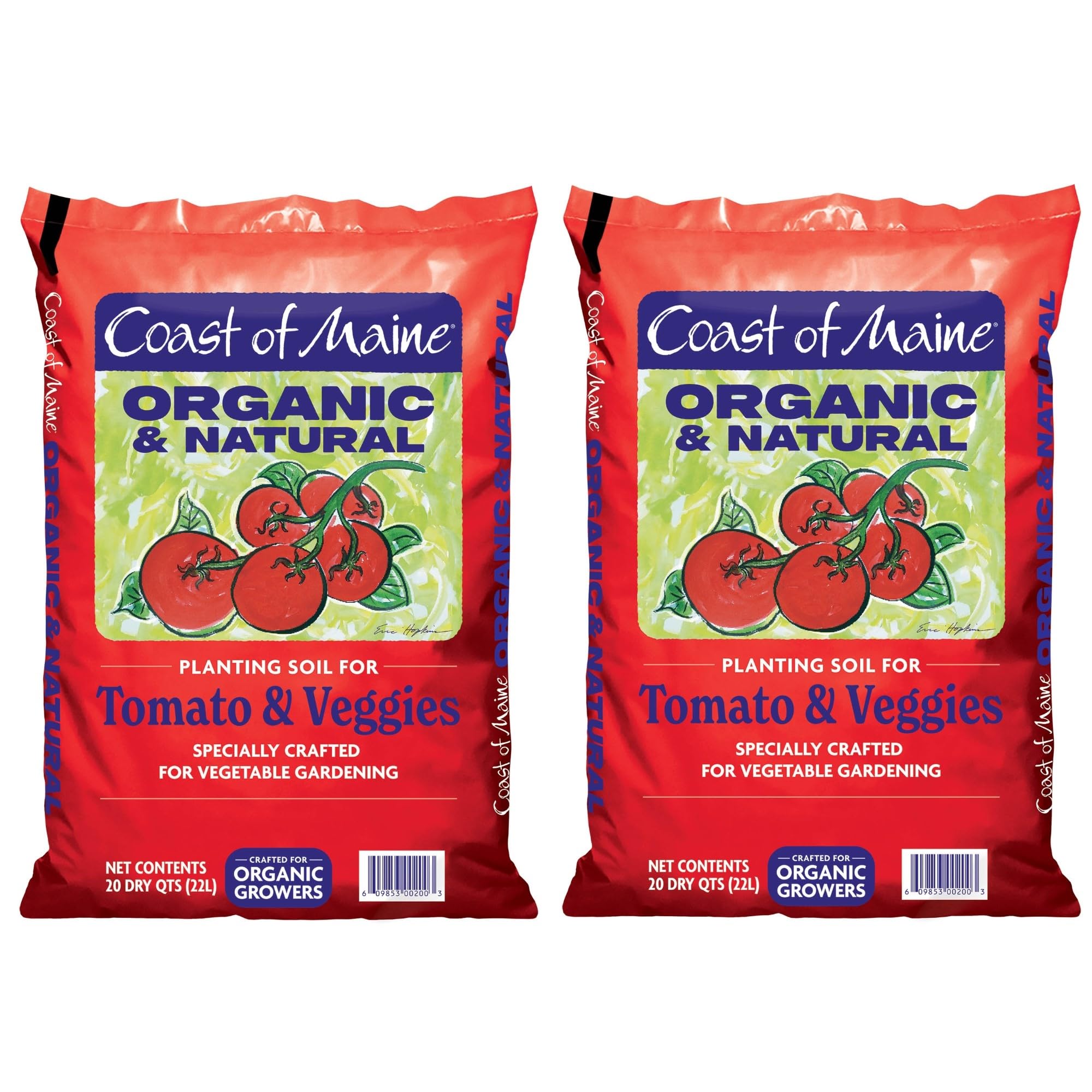
Coast of Maine formulates this mix around composted manure and sphagnum peat moss, producing a dark, nutrient-rich medium that supports heavy-feeding plants like tomatoes and peppers. For canna growers who want a living-soil approach with minimal bottled additives, this bag delivers a strong early nutrient base. The moisture retention is excellent—reviewers note that it holds water without becoming soggy, and the composted manure provides a steady release of organic nitrogen.
The OMRI listing confirms organic safety, but several buyers report discovering fungus gnats after opening the bag, which is a known risk with compost-heavy products. A simple soil drench or neem oil preventive treatment solves the issue, but it is worth factoring in when comparing to sterile coco mediums. The texture is lighter than pure garden soil but still heavier than coco blends, so raised bed growers may appreciate the substance more than potted indoor growers.
At 20 quarts, the package size is smaller than the 2-cubic-foot bags found elsewhere, making it better suited for a few select containers rather than a full room. The price per quart runs higher than generic mixes, but for growers prioritizing organic living soil biology, the quality justifies the premium.
What works
- Rich organic nutrient base reduces early supplementation
- Excellent moisture balance for larger containers
- Lightweight texture for root expansion
What doesn’t
- Fungus gnats reported in some batches
- Smaller volume per bag than standard options
5. Black Gold Organic Outdoor Potting Soil
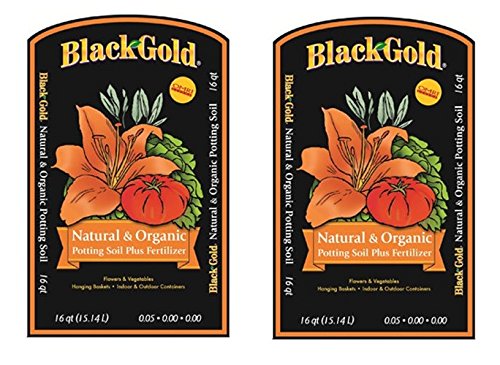
Black Gold’s 16-quart organic blend stands out for an unusual reason: its extremely low nitrogen baseline (around 0.05 N) means you can build your own nutrient schedule without the risk of burning young plants. That makes it a favorite among growers who want an organic base but also want full control over their NPK ratios. The inclusion of earthworm castings, pumice, and perlite creates a fluffy texture that drains well and stays aerated for weeks.
The OMRI certification adds organic integrity, and the 20-pound bag punches above its weight in value for the price. Users consistently report that the earthy smell is pleasant rather than sour, and the mix does not attract the pest issues that compost-heavy soils sometimes do. It works well for both indoor containers and raised beds, though the low nutrient charge means you must be disciplined about adding your own amendments from day one.
Some buyers note that the bag contains a higher proportion of sticks and wood bits than premium competitors—this is worth sifting out for seed starting but less critical for larger pots where roots navigate around debris easily. Overall, it is a smart choice for the grower who prefers to be the architect of their own fertilizer program.
What works
- Very low N base allows custom nutrient scheduling
- Fluffy, well-draining texture with pumice
- Affordable organic option
What doesn’t
- Some woody debris needs sifting for small containers
- Very low nutrient charge requires immediate feeding
6. Canna Coco Brick (40L Expanded)

When you want absolute control over every variable, starting with a pure coco coir brick gives you a blank canvas. Canna’s brick expands from 8 liters dry to 40 liters of usable medium—enough to fill roughly two 5-gallon pots. The brand’s reputation for low EC and minimal salt content holds up in owner reviews, with multiple users noting zero issues with root burn or nutrient lockout after hydration.
Hydration is straightforward: add water in the included bag and watch it expand. The resulting media has a uniform texture that retains moisture without becoming waterlogged, and because it is pure coco, you can reuse it after rinsing out old root matter. Users coming from soil-based grows report higher yields and faster growth cycles after switching to this brick, citing easier pH management and fewer pest problems.
The catch is that pure coco is nutritionally inert. You must buffer it with calcium and magnesium immediately and run a complete nutrient program from the first watering. It also lacks perlite or any aeration amendment, so growers in humid climates may want to mix in additional perlite. The brick format is compact and shelf-stable, but it requires more labor upfront than a bag of pre-mixed soil.
What works
- Ultra-clean, low salt content for sensitive starts
- Reusable after rinsing—good long-term value
- Compact dry storage before expansion
What doesn’t
- Requires buffering with Ca/Mg before use
- No perlite—need to mix for aeration
7. Gaia Green Organic Living Soil

Gaia Green’s 1.5-cubic-foot bag is the most complete ready-to-use organic living soil in this roundup. It arrives pre-charged with kelp meal, alfalfa meal, bone meal, glacial rock dust, oyster shell, worm castings, and insect frass—no mixing, no measuring, just fill and plant. The biological activity is genuine, driven by composted inputs that sustain a living microbial ecosystem in the root zone.
The texture masterfully blends peat, perlite, and coco coir to keep the medium light, while the slow-release nutrient profile supports plants through several weeks without synthetic fertilizers. CDFA registration and the absence of synthetic chemicals make it a safe choice for growers who want to keep their garden completely natural. The 35-pound bag is heavy but well-protected; reviewers note careful packaging with no punctures or tears.
The premium positioning comes at a higher cost per cubic foot compared to most competitors, which is the main hesitation. For a large room, the expense adds up quickly. But for a focused grow where you value the simplicity of planting directly into a living medium that feeds itself for the first month, the convenience and biological quality justify the investment.
What works
- Fully pre-charged—no amendments needed for weeks
- Biologically active with worm castings and insect frass
- Light, fluffy texture avoids compaction
What doesn’t
- Highest cost per cubic foot in the list
- Overkill for growers who prefer exact nutrient control
Hardware & Specs Guide
Coco Coir vs. Peat Moss Base
Coco coir is the dominant base for modern canna mixes because it resists compaction, drains faster than peat, and has a naturally stable pH in the 5.5–6.5 range. Peat moss holds more water and breaks down faster, often requiring extra perlite to achieve comparable aeration. Coir is also more sustainable as a byproduct of the coconut industry, whereas peat harvesting depletes wetland ecosystems.
Perlite and Pumice Aeration Ratios
The ratio of aeration material in a mix determines how often you can water without drowning roots. A mix with less than 20 percent perlite may hold too much moisture for canna’s aggressive root system; 30 percent or more is considered ideal for container grows. Pumice offers a heavier, longer-lasting alternative that does not float to the top over time like perlite does.
FAQ
Should I use a pre-charged potting mix or a blank coco base?
How often should I water canna plants in a coco-based mix?
What pH range should my potting mix maintain for canna?
Final Thoughts: The Verdict
For most gardeners, the canna potting mix winner is the FoxFarm Bush Doctor Coco Loco because it combines a triple-washed, pH-stable coco base with a light nutrient charge that buys you time before your first feed. If you want a full living soil that requires zero mixing, grab the Gaia Green Organic Living Soil. And for growers who need a blank, high-aeration base for precise hydro-style feeding, nothing beats the Mother Earth Coco + Perlite.