
Specs are compiled from manufacturer listings and verified buyer reviews and can change over time — please confirm the key details on the product page before buying.
Nothing is more frustrating than watching a perfect-looking tomato rot from the bottom up just days before you pick it. That black, sunken spot is blossom-end rot, caused by a calcium shortage your plant couldn’t fix on its own. This guide cuts through the soil science and review noise to tell you which calcium-rich fertilizer actually stops the rot, feeds the fruit, and fits your garden style—whether you grow in buckets, raised beds, or rows.
I’m Rikta — the founder and writer behind Lawn Gear Lab. This guide is built by comparing the manufacturers’ published specifications and the patterns across verified customer reviews, so you get each pick’s real strengths and trade-offs instead of marketing spin.
You will find everything you need to pick the right calcium rich fertilizer for tomatoes, from fast-acting liquids for an emergency rescue to slow-release granules that condition your soil for the whole season.
Quick Picks
- FoxFarm Happy Frog Tomato & Vegetable — Best All-Around Fix
- Southern Ag Stop Blossom-End Rot of Tomatoes — Fastest Rot Stopper
- Cz Garden Calcium Nitrate 15.5-0-0 — Greenhouse-Grade Performer
- ENVY Calcium Nitrate (15-0-0) — Hydroponic Specialist
- Cz Garden Gypsum Granules — Soil Conditioner
- Jack’s Nutrients 15-0-0 Calcium Nitrate — Bulk Hydroponic Power
How To Choose The Best Calcium Rich Fertilizer For Tomatoes
Tomatoes are heavy feeders, and calcium is the nutrient that keeps fruit cell walls strong so the bottom of the tomato does not collapse into that black, leathery rot. The right fertilizer delivers calcium at the moment the plant needs it most — during early fruit set.
Liquid vs. Granular — Speed vs. Longevity
A liquid fertilizer (like a foliar spray) is absorbed through the leaves in hours, making it your emergency fix when rot has already appeared. Granular fertilizers work slower — they release calcium as you water over weeks — but they address the soil’s long-term calcium shortage so the next fruits grow healthy from the start.
The Nitrogen Balance Trap
Many calcium-rich fertilizers also contain nitrogen (look for the first number in the NPK ratio, like 15.5-0-0). Nitrogen fuels leafy growth, but too much of it causes rapid leaf expansion that competes with fruit for calcium. A balanced ratio like 5-7-3 (more phosphorus for flowers, less nitrogen for leaves) often suits tomatoes better than a high-nitrogen blend.
Water Solubility for Hydroponics and Drip Systems
If you use a drip irrigation or hydroponic system, you need a 100% water-soluble calcium nitrate that dissolves fully without leaving an oily film on the water surface. Agricultural-grade calcium nitrate often leaves that skim, clogging emitters and pump equipment. Greenhouse-grade dissolves completely and keeps your system clean.
Quick Comparison
| Model | Best For | Calcium Content | Form | Unit Count | Amazon |
|---|---|---|---|---|---|
| Southern Ag Stop Blossom-End Rot | Immediate rot rescue | Liquid concentrate | Liquid | 32 Fl Oz | Amazon |
| FoxFarm Happy Frog Tomato & Vegetable | Overall soil health + fruit | Included in 5-7-3 blend | Granules | 128.0 Oz | Amazon |
| Cz Garden Calcium Nitrate 15.5-0-0 | Greenhouse-grade water-soluble | 19% Calcium | Granules | 80.0 Oz | Amazon |
| ENVY Calcium Nitrate | Hydroponic systems | 19% Calcium | Granules | 144.0 Oz | Amazon |
| Cz Garden Gypsum Granules | Soil conditioning + calcium | Calcium Sulfate | Granules | 80.0 Oz | Amazon |
| Jack’s Nutrients 15-0-0 Calcium Nitrate | High-volume hydroponics | Calcium Nitrate | Powder | 400.0 Oz | Amazon |
In‑Depth Reviews
1. FoxFarm Happy Frog Tomato & Vegetable Fertilizer
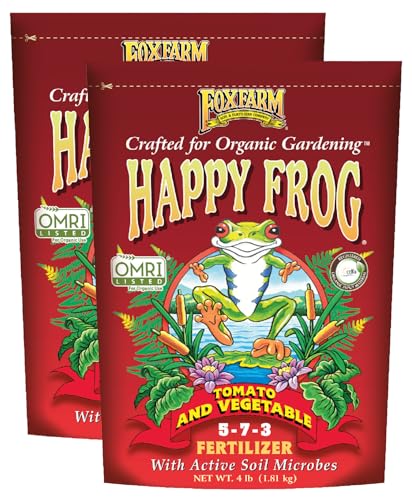
The granule blend that turns a tiny sprig into a tomato-producing tree.
This one is built for the whole season, not just a single rescue. The 5-7-3 NPK ratio (the three numbers: nitrogen, phosphorus, potassium) gives tomatoes more phosphorus for flowering and fruit set, plus a lower nitrogen level so you do not get giant leaves at the expense of fruit. It includes calcium to prevent blossom-end rot and mycorrhizal fungi (beneficial soil fungi that attach to roots) to help roots pull water and nutrients more efficiently. Buyers report that it “turned tiny cherry tomato sprig into a tomato-producing tree.”
You get 128 ounces — that is 60% more product than the 80-ounce Gypsum Granules or Calcium Nitrate options, making this the better value for a larger garden. It works for in-ground rows, raised beds, and containers. Unlike a liquid spray that fixes today’s fruit, this granular feed prevents next week’s rot by keeping calcium available in the root zone.
Season-long feeder: The only pick that pairs calcium with a balanced tomato NPK and root-boosting fungi, all in one bag.
One limit: It is not a fast fix — if rot has already appeared, you need a liquid spray to stop it while this works through the soil.
Reach for this if: You want a single granular feed that covers calcium, nutrition, and root health from planting through harvest.
Look elsewhere if: You have blossom-end rot showing on fruit right now — you need a liquid to stop it same-day.
2. Southern Ag Stop Blossom-End Rot of Tomatoes

The emergency spray that works through the leaf when the soil is too slow.
When you spot that first black bottom on a tomato, eggshells and soil amendments are too slow. This liquid is a foliar spray (sprayed directly onto the leaves and stems) so calcium enters the plant through the leaf cuticles within hours. Owners mention using it alongside soil-based products, noting it is “an easy and effective way to apply via the leaf/stems with little to no fuss.” One reviewer saw buds appear overnight on a pepper plant that had been dropping buds, and the rot did not return on the tomatoes.
Mix just ½ teaspoon per 11 ounces of water. The bottle is 32 fluid ounces, so one purchase makes many batches. It also reduces bloom drop (when flower buds fall off before setting fruit), giving you more tomatoes per plant. Unlike the longer-working FoxFarm or Gypsum granules, this treats the symptom immediately while you fix the soil calcium for the long term.
What you get fast
- Absorbed through leaves in hours — stops active rot
- Also reduces bloom drop, increasing fruit set
- Works on peppers and tomatoes equally well
Its limitation
- Does not build long-term soil calcium — you still need a soil amendment
- Requires reapplication every few weeks during fruiting
Your emergency kit: Keep this on hand for the moment rot appears — it stops the damage while other products fix the soil.
Not your only tool: Pair it with a granular calcium source or the FoxFarm blend above for season-long prevention.
3. Cz Garden Calcium Nitrate 15.5-0-0

High-purity calcium nitrate that dissolves fully without leaving an oily mess.
If you use drip irrigation or a hose-end sprayer, you need a water-soluble fertilizer that does not clog your equipment. This is greenhouse-grade calcium nitrate — 15.5% nitrogen and 19% calcium — with no agricultural additives that leave an oily skim on the water surface. One buyer who had blossom-end rot on zucchini and tomato plants two years running used this and reported: “It really works well! No more blossom end rot.” Another reviewer saved their bucket-grown tomatoes after 1.5 weeks of use, noting one bag goes a long way.
Because it is 100% water soluble, you can apply it as a soil drench (pour the dissolved mixture around the roots) or as a foliar spray. The resealable heavy-duty pouch makes it easy to pour what you need without spilling. It has a higher nitrogen content (15.5%) than the FoxFarm blend, so use it carefully during fruiting — too much nitrogen can push leaf growth. This is best applied early in the season when plants are building foliage and need that nitrogen alongside calcium.
Clean and concentrated: No oily residue, no clogged emitters — just 19% calcium that goes straight into the plant.
Watch the nitrogen: At 15.5% N, use it early or alternate with a lower-N feed once fruit sets to avoid oversized leaves.
Perfect for: Gardeners with drip systems or hydroponic setups who need a clean-dissolving calcium nitrate they can trust not to coat their equipment.
skip it if: You want a balanced, all-in-one tomato feed — this is a focused calcium+nitrogen supplement, not a complete fertilizer.
4. ENVY Calcium Nitrate (15-0-0)
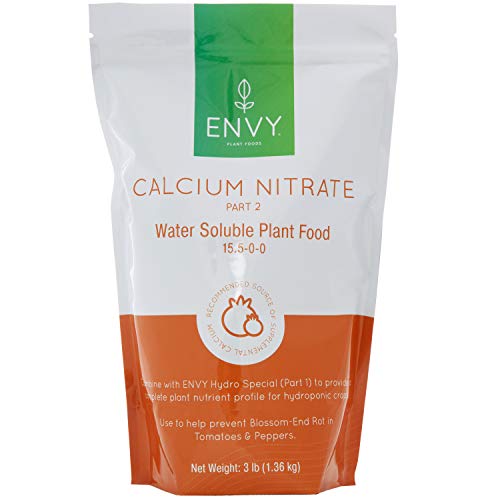
Three resealable pouches made for hydroponic systems that demand pure solubility.
This one comes as three 3-pound pouches (144 ounces total) and is specifically formulated for hydroponic and clean-water systems. Like the Cz Garden Calcium Nitrate, it is 19% calcium and 15.5% nitrogen, but ENVY markets it as “greenhouse grade” with no agricultural preservatives that leave an oily skim on the water surface. Customers note that a couple of scoops dissolved in warm water and added to nutrient solution fixed calcium deficiency symptoms (skinny stems, droopy leaves, yellow spots) and resulted in “strong leaves, better roots, no yellow spots, thicker stems.”
Each pouch includes a measuring scoop, which is convenient for precise mixing. One buyer grows tomatoes in 15-gallon pots and simply sprinkles ¾ of a scoop around each plant every few weeks. It is more expensive than the Cz Garden Calcium Nitrate, but the three-pouch set and included scoop justify the premium for hydroponic growers who need a dedicated calcium source to keep their nutrient solution balanced alongside a separate micronutrient blend.
Why it fits hydro systems
- No agricultural preservatives — pumps stay clean
- Includes a measuring scoop for easy dosing
- Three pouches let you open one at a time, keeping the rest sealed
The cost trade-off
- Higher price per ounce than single-pouch calcium nitrate
- Not a standalone feed — you need a separate micronutrient source
Hydroponic precision: If you grow in a recirculating system, this keeps your reservoir clean and your calcium levels exact.
Overkill for soil: If you are just amending garden soil, the lower-cost Cz Garden or Gypsum makes more sense.
5. Cz Garden Gypsum Granules (Calcium Sulfate Dihydrate)

The pH-neutral mineral that loosens clay soil while feeding calcium.
Gypsum is calcium sulfate dihydrate — a natural mineral that does two jobs at once: it supplies calcium to prevent blossom-end rot, and it improves soil structure by loosening compacted clay so water and roots penetrate deeper. This Cz Garden version is OMRI Listed (approved for use in certified organic production) and pH neutral, so it will not raise or lower your soil’s acidity. One reviewer noted adding it to potted patio tomatoes and noted they “haven’t had any issues with the blossom end rot them since.”
It is a slow-release granular product — you mix it into the soil at planting or sprinkle it on the surface and water it in. Unlike the liquid Southern Ag or the water-soluble calcium nitrate options, this will not give you a fast fix for existing rot. But it adds sulfur alongside calcium (sulfur helps plants form proteins and enzymes), and the resealable pouch stores easily. One buyer mentioned it “just conditions my dirt” and takes time to show results, but they were satisfied with the gradual improvement.
Two-in-one mineral: Feeds calcium and sulfur while physically improving heavy clay or compacted soil.
Patience required: Do not expect instant rot reversal — this is a soil prepper for next season or a long-term maintenance feed.
Best for: Gardeners with heavy clay soil who need both calcium for their tomatoes and a physical soil conditioner to fix drainage.
Not for: Anyone who has blossom-end rot right now — you need the liquid spray to stop active damage.
6. Jack’s Nutrients 15-0-0 Calcium Nitrate
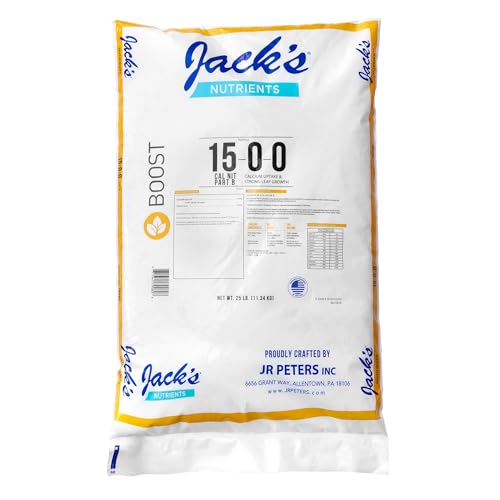
The 25-pound bag that feeds a serious hydroponic garden for months.
This is a water-soluble powder — not granules — designed for continuous liquid feed programs in hydroponic systems. It is part of the Jack’s 321 nutrient line and works in tandem with Jack’s 5-12-26 Part A to provide a complete nutrient profile. The mixing ratio is 8.6 ounces per 100 gallons of water to reach 100 PPM N (PPM means parts per million, a measure of nutrient concentration in the water), giving you precise control over calcium and nitrogen levels.
Buyers who use it for hydroponic vegetables say it is “hands down the best hydroponic fertilizer I have ever used” and that it makes plants “grow so quickly and produce more.” Another long-term user reported producing “amazing quality veggies and fruit.” It is a focused product for experienced growers who already know how to manage a multi-part nutrient system, not a grab-and-go bag for a backyard garden.
Bulk and precision
- 25 lbs goes far — best cost per ounce for large setups
- Water-soluble powder dissolves instantly with no residue
- Part of a proven complete nutrient system (Jack’s 321)
What it demands
- You need a separate micronutrient source and Part A — not a standalone feed
- Requires precise mixing knowledge; not for beginners
Grower-grade choice: If you run a large hydroponic setup and need bulk calcium nitrate at the best per-ounce value, this is the one.
Too much for casual soil: pass on it if you just want to sprinkle something on a few tomato plants — the smaller pouches or liquid are simpler.
Understanding the Specs
Calcium Content and Form
Calcium comes in different forms — calcium nitrate, calcium chloride, calcium sulfate (gypsum), or chelated calcium — and each delivers calcium to the plant at a different speed. Calcium nitrate (15.5-0-0 or 15-0-0 on the label) is water-soluble and absorbed fast, making it the top choice for hydroponics and foliar sprays. Calcium sulfate (gypsum) breaks down slowly in soil and is best as a pre-season amendment. Liquid concentrates like Southern Ag are absorbed through leaves in hours and are your rescue tool for active rot. Always check the calcium percentage: 19% calcium in a nitrate fertilizer is high and effective; calcium in a balanced granular feed like FoxFarm’s 5-7-3 is lower but lasts longer.
NPK Ratio and the Nitrogen Risk
The NPK ratio (nitrogen, phosphorus, potassium) matters because nitrogen fuels leaf growth, but too much of it triggers rapid new growth that sucks calcium away from developing fruit — making blossom-end rot worse. A high-nitrogen product like 15.5-0-0 is best used early in the season or as a periodic supplement, not as your only feed during fruiting. A balanced ratio like 5-7-3 gives tomatoes more phosphorus (the middle number) for flower and fruit formation and less nitrogen so the plant does not outgrow its calcium supply. If you use a calcium nitrate product, alternate it with a lower-nitrogen feed once you see fruit forming.
FAQ
What is blossom-end rot on tomatoes?
Can I use eggshells instead of a calcium fertilizer?
How often should I apply calcium fertilizer to my tomatoes?
Will a calcium fertilizer fix already-rotted tomatoes?
What is the difference between calcium nitrate and gypsum?
Can I use these calcium fertilizers in hydroponic systems?
What is the NPK ratio on a calcium fertilizer?
Is it safe to use calcium nitrate on all vegetables?
Can overwatering cause blossom-end rot even if I use calcium fertilizer?
How do I know if my tomato plant has a calcium deficiency?
Final Thoughts: The Verdict
For most gardeners, the best calcium rich fertilizer for tomatoes is the FoxFarm Happy Frog Tomato & Vegetable Fertilizer because it delivers a balanced 5-7-3 NPK, includes calcium to prevent rot, and adds mycorrhizal fungi for root health — all in one bag. If you need an immediate rescue for active blossom-end rot, grab the Southern Ag Stop Blossom-End Rot liquid spray. And for hydroponic growers running a clean system with precise nutrient control, the Cz Garden Calcium Nitrate 15.5-0-0 delivers the purest soluble calcium without clogging your equipment.
How We Picked
We do not accept paid placement. Every pick is matched to a real buyer and a real use-case; we do not hands-on test units.
Sources & Methodology
Specifications: manufacturer listings and product documentation. Review insights: verified customer reviews, as of July 2026. Pricing: not shown on this page (it changes often); check the current price via the retailer link.
As an Amazon Associate, Lawn Gear Lab earns from qualifying purchases. This does not affect which products we feature.