
Specs are compiled from manufacturer listings and verified buyer reviews and can change over time — please confirm the key details on the product page before buying.
Jade plants hate wet feet. More jade plants die from root rot caused by soil that holds too much water than from any other mistake. The right cactus soil for jade plant is the single purchase that decides whether your jade thrives for decades or collapses into mush within weeks.
I’m Rikta — the founder and writer behind Lawn Gear Lab. This guide is built by comparing the manufacturers’ published specifications and the patterns across verified customer reviews, so you get each pick’s real strengths and trade-offs instead of marketing spin.
Every mix on this list drains fast enough to prevent root rot, but they differ in ingredients, texture, and how long they stay effective. This guide breaks down each one so you can pick the best cactus soil for jade plant without guesswork.
Quick Picks
- Soil Sunrise Cactus and Succulent Potting Mix — Best Gritty Mix
- Soil Sunrise Jade Plant Potting Soil Mix — Jade-Specific Blend
- Java Cactus & Succulent Soil (6 Quarts) — Premium Volume
- Highland Garden Supply Cactus Soil — Mycorrhizal Boost
- Bonsai Jack Gritty Mix (2 Quarts) — Fastest Drainage
- Midwest Hearth Cactus & Succulent Potting — Best Value Ready Mix
- Hoffman Organic Cactus and Succulent Soil Mix — Fungus Gnat Solution
How To Choose The Best Cactus Soil For Jade Plant
Jade plants are succulents that store water in their thick leaves and stems, so they need soil that drains fast and dries out completely between waterings. Heavy potting soil that stays damp for days is a death sentence. When shopping for a mix, focus on three things: the ingredient list, the particle size, and the bag volume.
Drainage First, Nutrients Second
A good cactus mix for jade plants is built around coarse ingredients like perlite, pumice, calcined clay, coarse sand, or crushed granite. These create air pockets that let water drain within seconds rather than minutes. Organic materials like peat moss and coco coir hold some moisture, but in the right mix they balance it. Avoid soils with fine wood chips or heavy compost that clumps together when wet — that traps moisture around the roots.
Particle Size and Texture
Jade roots need oxygen. A gritty mix with visible chunks (1/8 to inch pieces) stays open and airy even after repeated waterings. Soils that look like fine dust or coffee grounds compact over time and suffocate roots. Many experienced growers prefer a “gritty mix” that looks more like small rocks than fluffy garden soil. The trade-off is that gritty mixes drain so fast you need to water more often, especially in dry indoor air.
Bag Size and Your Collection
Single jade plant in a 6-inch pot needs roughly 2 to 3 quarts of soil. A 4-quart bag covers one or two small repottings. If you have a collection of succulents, an 8-quart bag is more practical and usually gives you the best value per quart. Gritty mixes often come in smaller bags (2 quarts) because they are denser by weight, so check the volume, not just the weight, when comparing.
Quick Comparison
| Model | Best For | Volume | Key Ingredient | Weight | Amazon |
|---|---|---|---|---|---|
| Soil Sunrise Cactus & Succulent Mix | Grittiest texture | 8 Quarts | Calcined clay | — | Amazon |
| Soil Sunrise Jade Plant Mix | Targeted for jade | 8 Quarts | Horticultural charcoal | — | Amazon |
| Java Cactus & Succulent Soil | Heavy volume | 6 Quarts | Lava sand | 8.2 Pounds | Amazon |
| Cactus Soil with Mycorrhizae | Mycorrhizal boost | 2 Quarts | Mycorrhizal fungi | — | Amazon |
| Bonsai Jack Gritty Mix | Fastest drainage | 2 Quarts | Calcined clay | 2.41 Pounds | Amazon |
| Cactus & Succulent Potting Mix (Midwest Hearth) | Ready-to-use value | 4 Quarts | Vermiculite | — | Amazon |
| Hoffman Organic Cactus Mix | Fungus gnat fix | 4 Quarts | Peat moss | — | Amazon |
In‑Depth Reviews
1. Soil Sunrise Cactus and Succulent Potting Mix (8 Quarts)
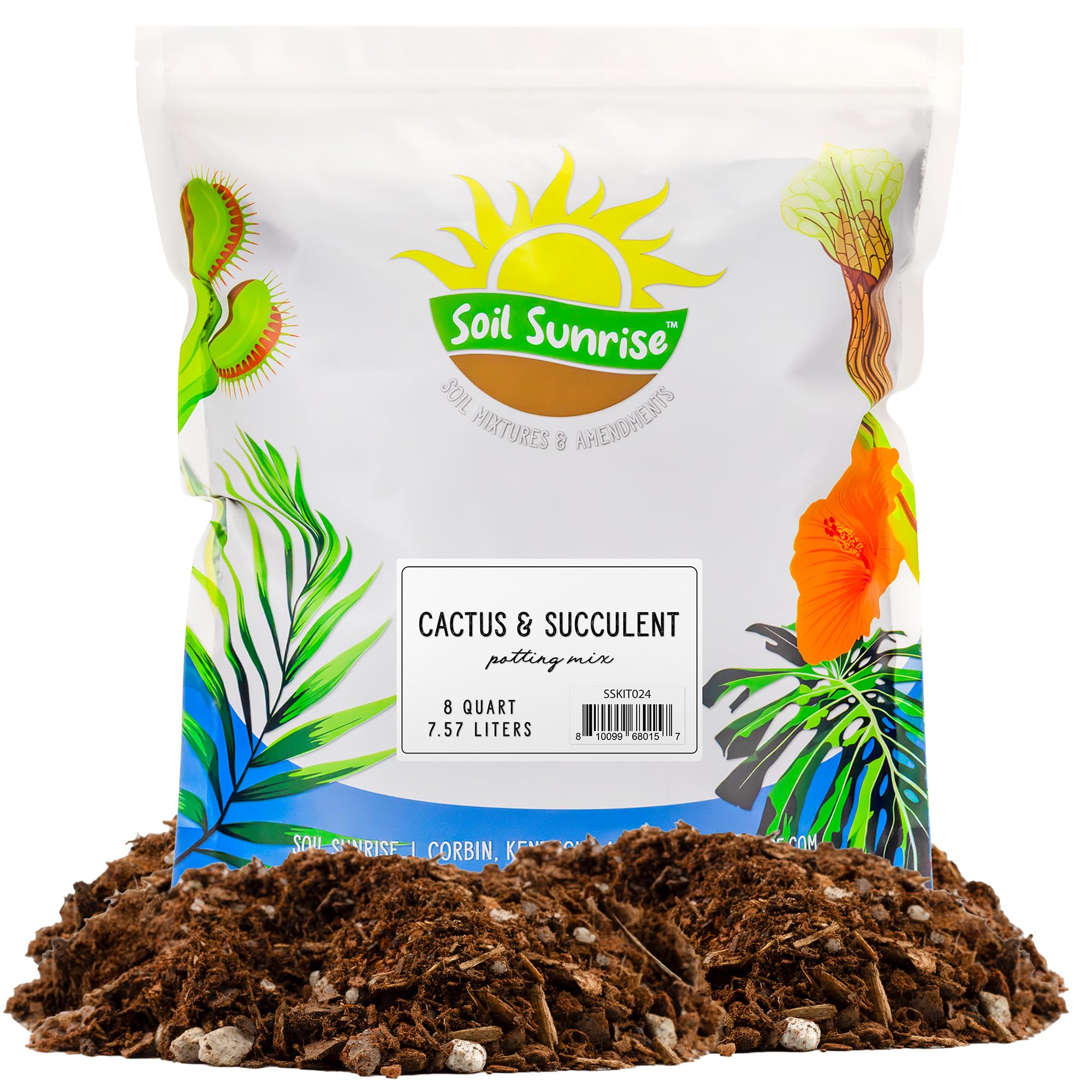
A gritty hand-blended mix that drains fast enough for desert plants and never compacts.
This 8-quart bag uses pine bark, silica sand, calcined clay, and pumice to create a coarse texture that mimics the rocky, dry soil jade plants evolved in. Unlike the fluffy peat-based mixes from big-box stores, this one has visible gravel and sand — one buyer called it the “best gritty mix” they have ever bought because the difference is visible and tactile. The ingredients are all natural, and buyers report no smell, bugs, or gnats in the bag.
One owner uses it as a base for a ponytail palm and reports the mix dried out in about 8 days after adding pumice and sand. That gives you a good benchmark: this mix on its own dries faster than standard cactus soil, so you will water maybe once a week in average indoor conditions — perfect for jade plants that like to dry out completely between waterings.
Unlike the Java Java mix that holds more moisture due to its coffee compost, this blend leans much drier. And unlike the Hoffman mix that buyers add extra perlite to, this one comes ready to use with no amendments needed, according to several reviewers.
What makes it stand out
- True gritty texture that stays airy after repeated waterings
- 8 quarts fills a 12-inch pot with plenty left over
- No bugs, odor, or fine dust in the bag
One thing to consider
- Drains very fast, so you need to water more often than with peat-based mixes
Reach for this if: You want a hand-blended gritty mix that drains on its own without extra amendments.
Look elsewhere if: You prefer a slower-drying mix that holds moisture for longer stretches.
2. Soil Sunrise Jade Plant Potting Soil Mix (8 Quarts)
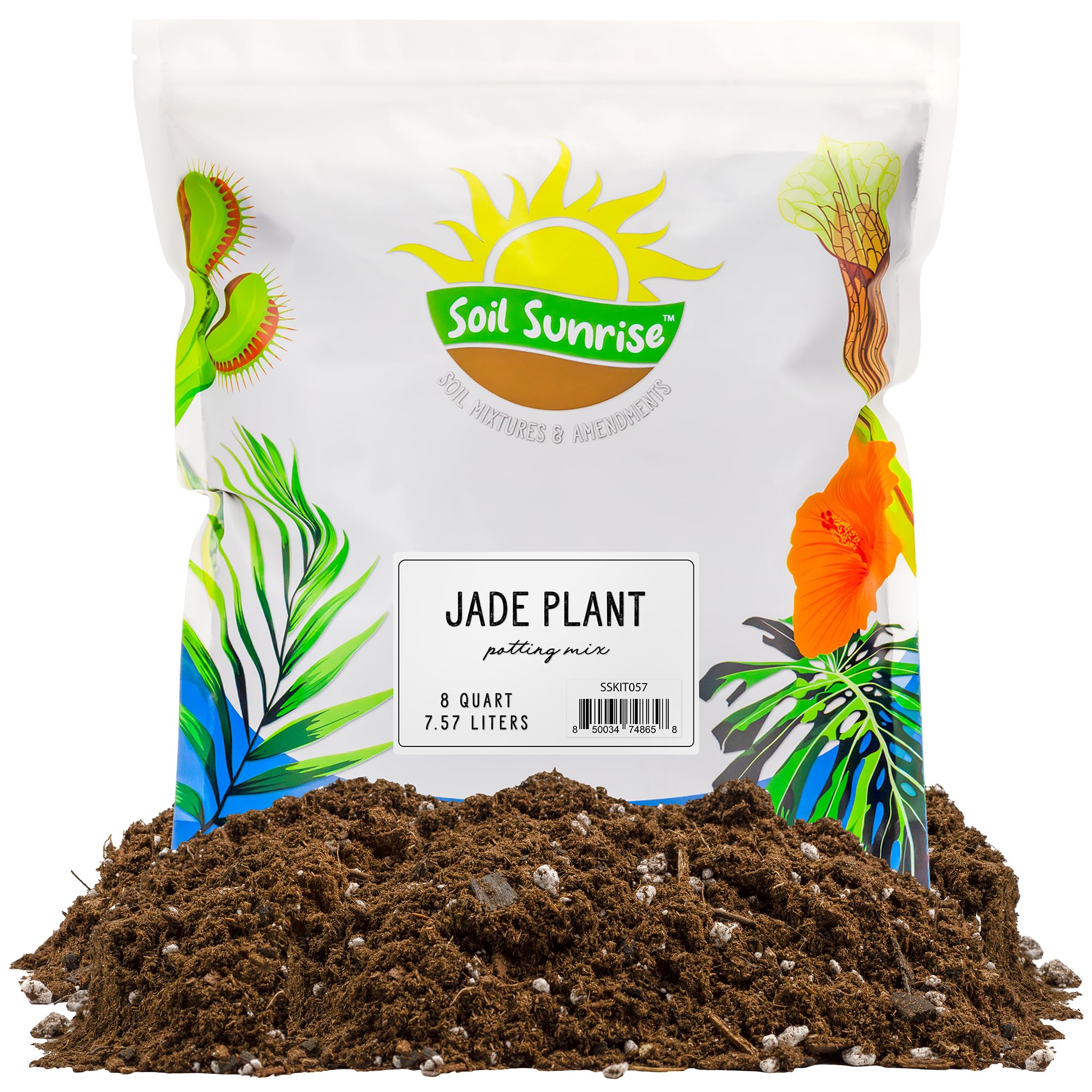
A soilless blend built specifically for jade plants, with charcoal and worm castings for slow feeding.
This is the only mix on this list formulated specifically for jade plants (also called friendship plant or money plant). It uses coconut coir, pine bark, worm castings, horticultural charcoal, and perlite. The charcoal acts as a filter and odor absorber while the worm castings provide gentle nutrition. The 8-quart bag is generous — one reviewer noted it barely dented the bag after using about 3 cups for a single dwarf jade bonsai, so you have plenty for future repottings.
Owners mention that it revived sad jade plants and prevented soggy roots. The texture feels nice and airy, which is exactly what jade roots need for oxygen. One owner described it as “the right blend to provide nutrients, hold moisture and good aeration.” Unlike the Bonsai Jack mix that requires weekly deep soaking because it drains so fast, this one holds enough moisture to give a jade plant a few days to drink while still preventing rot.
Compared to the lighter, peat-heavy Hoffman mix (which customers note needs added perlite for jade), this one is ready to go with no mixing. And unlike the Java mix that some reviewers point out holds too much moisture for indoor succulents, this blend strikes a middle ground that works well for jade plants living indoors on a windowsill.
Strengths
- Designed specifically for jade plants
- Horticultural charcoal prevents odors and filters impurities
- Large 8-quart bag fits multiple pots or one 12-inch pot
Trade-off
- The coco coir retains some moisture, so you need to monitor watering in humid conditions
Go-to for jade owners: If you have one or more jade plants, this is the most targeted mix available.
Not ideal for: Growers who want an extremely fast-draining gritty mix that dries in a day.
3. Java Cactus & Succulent Soil (6 Quarts)
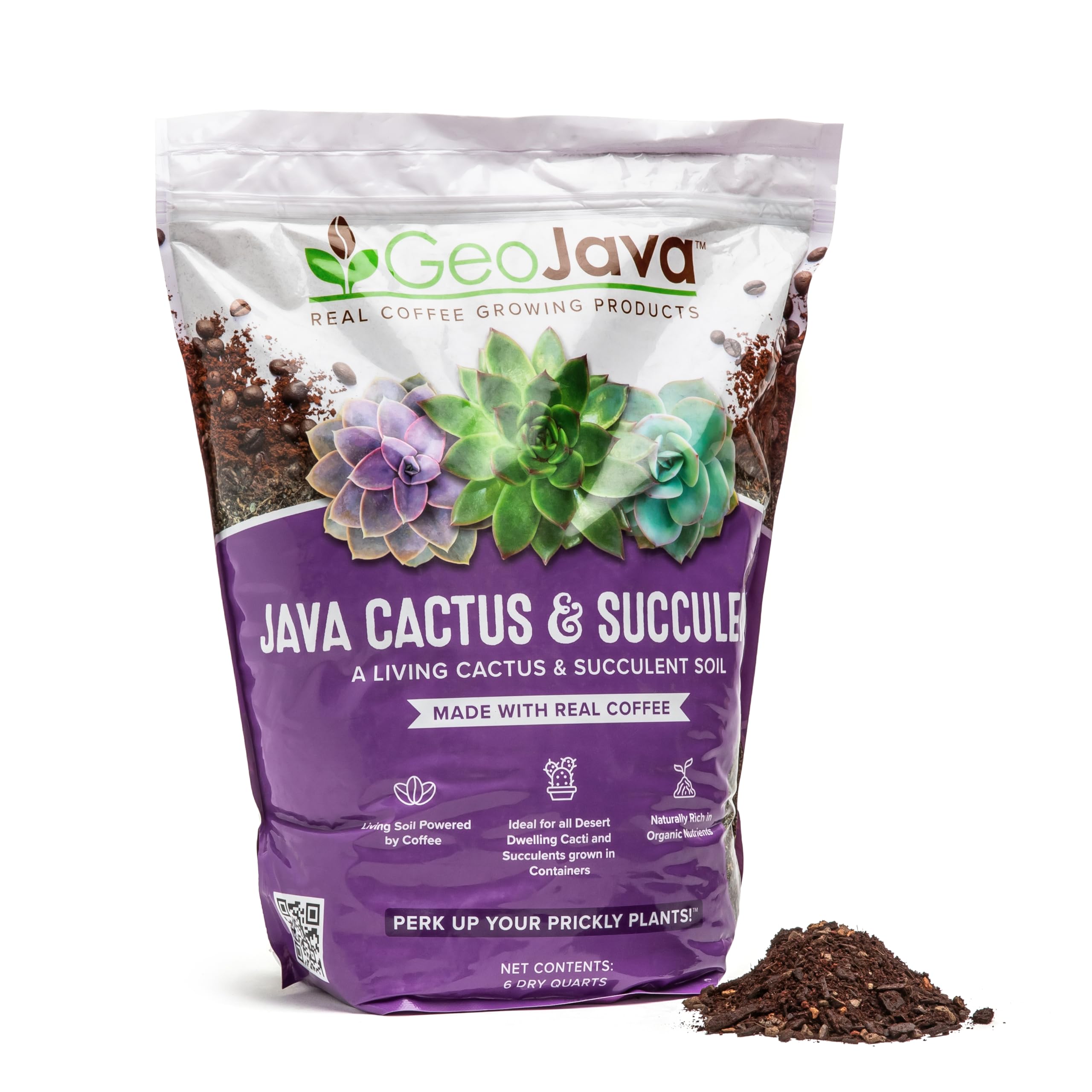
A peat-free gritty mix with recycled coffee compost that feeds plants slowly.
The Java mix is a “living soil” that combines buffered coco coir, coffee compost, lava sand, and expanded shale. It weighs 8.2 pounds — at 8.2 pounds, while the Bonsai Jack gritty mix weighs 2.41 pounds, so you get a lot of dense material in this 6-quart bag. The coffee compost provides slow-release nutrients that Texas A&M tested, according to the manufacturer. This makes it different from most cactus mixes that provide no nutrition at all.
Shoppers say that it revived dying Christmas cacti and other plants. But one reviewer notes it works better as a base mix than a standalone indoor succulent soil because it holds more moisture than a purely gritty mix. The coffee compost adds nitrogen, which may be higher than what jade plants prefer long-term. For outdoor succulents or as a base that you cut with extra grit, it is excellent. For a strict jade plant in a low-light indoor spot, the Soil Sunrise or Bonsai Jack mixes are drier options.
Also, this mix has 192 ounces, while the Hoffman mix has 128 ounces, giving you substantially more soil for those with a larger collection.
Highlights
- Peat-free and sustainably made with recycled coffee grounds
- Slow-release nutrients support growth without synthetic fertilizers
- Resealable bag keeps the mix fresh for months
Watch for
- Holds moisture longer than pure gritty mixes, especially indoors
Best for: Plant owners who want a sustainable, nutrient-rich base mix for outdoor or bright-light succulents.
skip it if: Your jade lives in a dim room and you need a mix that dries fast.
4. Highland Garden Supply Cactus Soil with Mycorrhizae (2 Quarts)

Adds mycorrhizal fungi to the soil, helping roots absorb more nutrients naturally.
This mix uses pumice rock for drainage, plus coir, composted material, worm castings, a natural biostimulant, and mycorrhizal fungi. Mycorrhizae are beneficial fungi that attach to roots and help them pull in water and nutrients more efficiently. This can be useful for a jade plant that has been in the same pot for years and may be root-bound. The pumice provides excellent drainage — different from perlite, which can float to the top of the pot, pumice stays put.
One buyer calls it “excellent succulent/cactus soil without tiny wood chips that previously strangled roots” — they lost about two dozen plants to wood chips in other soils, so this blend was a relief. The main catch is the bag size: 2 quarts is small. One buyer mentioned it only filled their container halfway. For a single jade in a 4-inch pot it is fine, but for larger pots you will need multiple bags.
In terms of value per quart, this is the smallest bag on the list, similar to the Bonsai Jack 2-quart size. But unlike the Bonsai Jack mix that costs more per quart, this one includes added organic matter and fungi that may give an edge for stressed plants.
Why it stands out
- Mycorrhizal fungi boost root health and nutrient uptake
- Pumice stays mixed in the soil rather than floating to the surface
- No wood chips that strangle roots
Limitation
- 2-quart bag is small for larger pots or multiple plants
Good for: A single small jade plant that could benefit from mycorrhizal support.
Not for: Repotting a large jade or several plants at once.
5. Bonsai Jack Gritty Mix (2 Quarts)

A trademarked gritty mix designed to fight root rot with particle sizes that never compact.
Bonsai Jack’s Gritty Mix uses Bonsai Block, Monto Clay, and Pine Coir (pine fines) with a pH tune to 5.5. The uniform particle size is the key feature — everything is roughly the same small-pebble size, so water flows through instead of pooling. Buyers report that “excellent drainage prevents root rot; calcined clay/pine bark mix stops compaction and fungus gnats.” One reviewer is on their second order and calls it the right setup after struggling with other mixes.
The trade-off is speed: because it drains so fast, one reviewer notes it requires “weekly deep soak due to fast drainage” and that “may cause lower leaf crisping” if you do not water frequently enough. For a jade plant owner who tends to overwater, this mix is a safety net. For someone who forgets to water for weeks, the jade may dry out too fast. The 2-quart bag (2.41 pounds) is also small — The Java mix weighs 8.2 pounds, while this bag is 2.41 pounds.
Uniform particle size means no fine particles settle at the bottom of the pot, which is a common cause of hidden soggy layers. The bag is 2 quarts, so for a single jade in a standard pot it works, but you will need multiple bags for a large plant.
Key strengths
- Uniform particle size prevents compaction and hidden wet spots
- tune pH at 5.5 suits acid-loving succulents
- Stops fungus gnats by drying out fast
Consider this
- You will need to water at least once a week, perhaps more often in dry air
Perfect for: The overwaterer who needs soil that forgives mistakes by draining instantly.
Not for: Anyone who wants a mix that stays damp for more than a couple of days.
6. Midwest Hearth Cactus & Succulent Potting Mix (4 Quarts)
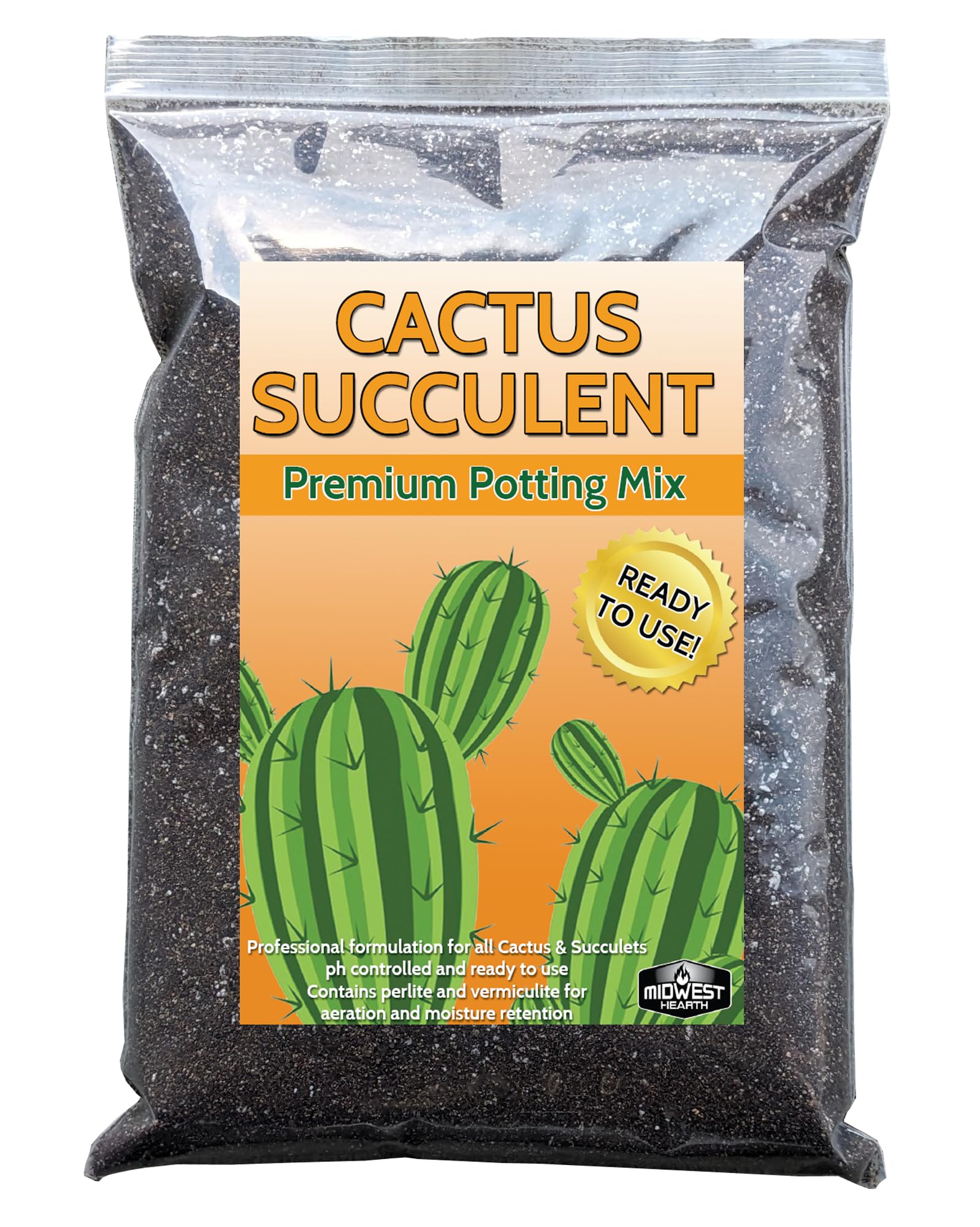
A ready-to-use blend with peat, perlite, and vermiculite made for jade and Christmas cactus.
Midwest Hearth formulates this mix with peat moss, perlite, and vermiculite, and says it is pH-balanced for cacti and succulents. It comes in a 4-quart resealable bag that fills two to three standard pots. The vermiculite is the distinguishing ingredient here — it helps retain some moisture while still draining fast, which makes this mix a good middle ground between the super-fast-draining Bonsai Jack and the moisture-holding Java mix.
Owners mention that “jade plant cuttings thriving after repotting” in this mix. One owner reported it is lightweight and almost dusty, and that it mixes well with other soils. Some owners noted that if you keep your pot near an open window, the top particles can blow around because the mix is light. For indoor pots away from drafts, that is not an issue. The 4-quart bag at this price point gives you decent volume for the money — 4 quarts, while the Bonsai Jack and Highland Garden Supply bags offer 2 quarts.
Compared to the Hoffman mix that customers note is “mostly compost and peat moss” and benefits from added perlite, this mix already contains perlite and vermiculite, so it is more ready-to-use out of the bag.
What works
- Resealable bag keeps the mix fresh between repottings
- Contains both perlite and vermiculite for drainage plus some moisture retention
- Made in the USA
Downside
- Light, dusty particles can blow out of pots in drafty areas
Grab this for: A simple, ready-to-go mix for indoor jade plants in stable conditions.
Nix it if: Your pots sit on a breezy patio or you need a grittier texture.
7. Hoffman Organic Cactus and Succulent Soil Mix (4 Quarts)

The mix that solved persistent fungus gnat infestations when other soils failed.
The Hoffman mix is a classic four-quart bag of organic cactus soil that has been around for years. It is ready-to-use and pH-balanced, formulated for both jungle and desert cacti. The key detail from buyers is that it contains low dead organic matter and no wood chips, which is why one customer observed this mix “solved persistent fungus gnat infestation and root rot in snake plants after other mixes failed.” If you have dealt with gnats buzzing out of your pots every time you water, this is worth trying.
The mix is primarily peat moss and compost, which makes it much lighter than standard cactus soils. One buyer called it “mostly compost and peat moss” and said they added perlite to improve drainage for ivy plants. For a jade plant, you may want to mix in some extra perlite or pumice to be safe, especially if you live in a humid climate. The 4-quart bag holds 128 ounces, while the Java mix holds 192 ounces, so for larger pots you will need multiple bags.
Unlike the Soil Sunrise mixes that use charcoal and coco coir, the Hoffman bag is simpler and cheaper. It works well as a base that you can customize with additives for your specific watering style.
Biggest plus
- Low organic matter and no wood chips stop fungus gnats at the source
- Light texture makes it easy to mix with amendments
- Proven track record for reviving struggling plants
Heads up
- Mostly compost and peat, so extra perlite helps drainage for jade
Ideal for: Anyone trying to break a fungus gnat cycle with a clean, low-organic mix.
Better to pass if: You want a complete out-of-the-bag solution with no amendments needed.
Understanding the Specs
Gritty versus Peat-Based Mix
A gritty mix uses chunky particles like calcined clay, pumice, and pine bark that stay separate and never form a solid mass when wet. Water runs through them in seconds. A peat-based mix uses peat moss and compost that hold water like a sponge. Gritty mixes are better for jade plants in humid climates or for overwaterers. Peat-based mixes work for jade plants in dry, hot rooms where the soil dries fast anyway. The choice depends on your home’s humidity and how often you water.
Volume vs. Weight
A bag’s volume tells you how many pots it fills, while weight tells you how dense the material is. Two quarts of gritty mix can weigh as much as six quarts of fluffy peat mix because the rock particles are heavy. When comparing value, look at the volume in quarts or fluid ounces, not the pounds. A heavy bag does not mean more soil — it means the soil is made of heavier particles. The Java mix at 8.2 pounds has 6 quarts, while the Bonsai Jack mix at 2.41 pounds has 2 quarts — similar density.
FAQ
Can I use regular potting soil for my jade plant?
How often should I water a jade plant in cactus soil?
Should I add perlite to cactus soil for jade plants?
How much soil do I need for a jade plant?
What ingredients should I avoid in jade plant soil?
Is cactus soil the same as succulent soil?
How do I know if my jade plant needs repotting with new soil?
What is the difference between a gritty mix and regular cactus soil?
Final Thoughts: The Verdict
For most people, the best cactus soil for jade plant winner is the Soil Sunrise Cactus and Succulent Potting Mix because its hand-blended gritty texture drains fast, stays airy, and comes in a generous 8-quart bag that fits a large jade pot with no amendments needed. If you want a mix designed specifically for jade plants, grab the Soil Sunrise Jade Plant Potting Soil Mix. And for overwaterers who need a safety net, the standout is the drainage of the Bonsai Jack Gritty Mix.
How We Picked
We do not accept paid placement. Every pick is matched to a real buyer and a real use-case; we do not hands-on test units.
Sources & Methodology
Specifications: manufacturer listings and product documentation. Review insights: verified customer reviews, as of July 2026. Pricing: not shown on this page (it changes often); check the current price via the retailer link.
As an Amazon Associate, Lawn Gear Lab earns from qualifying purchases. This does not affect which products we feature.