
A bag of bulk sphagnum peat moss that arrives bone-dry and resists re-wetting is a gardener’s worst frustration. You measure, mix, and water, only to watch the peat repel moisture instead of holding it for your plants. The difference between a successful soil amendment and a wasted effort comes down to the source, the compression, and the particle structure of the peat itself.
I’m Rikta — the co-founder and writer behind Lawn Gear Lab. I’ve spent hundreds of hours comparing the physical specs, moisture-retention data, and real-world feedback on bulk sphagnum peat moss to help you pick the right bag for your beds, lawn, or containers.
I sorted through pH levels, cubic-foot volumes, and long-term owner reports to bring you this guide to the best bulk sphagnum peat moss for improving soil structure and holding water where it counts.
How To Choose The Best Bulk Sphagnum Peat Moss
Bulk sphagnum peat moss is not a one-size-fits-all product. The particle size, compression ratio, and source material determine whether it aerates clay soil, retains moisture in sandy beds, or simply turns into a dusty mess. Focus on these three factors before you click buy.
Fiber Length and Structure
Long-fiber sphagnum peat moss holds its shape and creates air pockets in dense soil. Short-fiber or over-processed peat breaks down into fine dust that compacts easily and resists rewetting. Look for bags that describe the moss as “semi-compressed” or “long-fiber” if you are amending heavy clay or building a soilless mix for containers.
Moisture Retention vs. Rewettability
Peat moss naturally holds 10–20 times its weight in water, but some bales arrive so dry that the organic matter becomes hydrophobic. Premium bulk peat moss includes a wetting agent or arrives with enough residual moisture to accept water on the first soak. Check reviews for the phrase “wettable” or “absorbs quickly” — that is the practical difference between a bag that works and one that fights you.
Volume and Compression Ratio
A bag labeled 2.2 cubic feet will fluff to roughly 3.5 to 4 cubic feet once loosened. A 3.8-cubic-foot bale covers up to 80 square feet at a one-inch depth. Do not compare bag weight alone — a 40-pound bag of dense, wet peat is not the same value as a lighter 36-pound bale of dry, high-quality Canadian sphagnum that expands further.
Quick Comparison
On smaller screens, swipe sideways to see the full table.
| Model | Category | Best For | Key Spec | Amazon |
|---|---|---|---|---|
| Premier Horticulture 0082P | Premium Bulk | Large lawns & clay soil | 3.8 cu. ft. compressed | Amazon |
| Sun Gro Black Gold | Premium Bulk | Moisture-loving plants | 2.2 cu. ft., moisture-retaining | Amazon |
| Old Potters Organic Peat Moss | Premium Bulk | Seed starting & hydroponics | 3.8 cu. ft., semi-compressed | Amazon |
| Esbenshade’s Professional Mix | Mid-Range | Container & raised bed blends | 44 qt., soilless blend | Amazon |
| Michigan Peat Garden Magic | Mid-Range | General potting & beds | 40 lb., reed sedge peat blend | Amazon |
| Sun Gro Peat Moss 2.2 Cu Ft | Mid-Range | Lawn top-dressing & mixing | 2.2 cu. ft., Canadian source | Amazon |
| Coast of Maine Vegetable Soil | Premium Blend | Heirloom tomatoes & veggies | 20 qt., OMRI-listed blend | Amazon |
In‑Depth Reviews
1. Premier Horticulture 0082P 3.8 Cu Ft Sphag Peat Moss

The Premier Horticulture 0082P delivers 3.8 cubic feet of compressed sphagnum that fluffs to roughly 6 cubic feet of usable material. The fiber structure is uniform and free of large stems or bark chunks, which makes it ideal for amending heavy clay soil where aeration is the primary goal.
Seasoned gardeners point to the consistent rewetting behavior — the peat absorbs water readily after the first soak rather than forming dry pockets. Reviews confirm that three bags of this product covered an entire front and side lawn in a top-dressing application with visible greening results.
For the volume, it competes with in-store prices from landscape suppliers while providing the convenience of home delivery. The bag is heavy at roughly 60 pounds, so plan for a second pair of hands if you need to move it far from the delivery point.
What works
- Large 3.8 cu. ft. compressed volume expands significantly
- Clean, long-fiber peat with minimal debris
What doesn’t
- Very heavy bag — difficult to move alone
- Shipping bag can tear without a box
2. Sun Gro Black Gold Peat Moss 2.2 Cu Ft
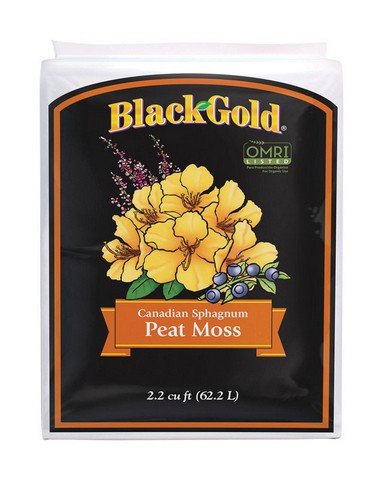
The Black Gold Peat Moss from Sun Gro is specifically formulated with a moisture-retaining blend that reduces watering frequency for container plants and raised beds. The 2.2-cubic-foot bale comes from Canadian sphagnum sources known for consistent acidity and fine particle distribution.
Users consistently describe it as the best option when local stores are out of stock, noting that the quality justifies the premium price. The peat holds nutrients well and prevents them from leaching out of the root zone during heavy rain or frequent watering cycles.
At 36.5 pounds, the bag is manageable for one person to carry. The smaller footprint compared to the 3.8-cubic-foot bales makes it a better fit for gardeners with limited storage space who still want bulk quality.
What works
- Excellent moisture retention reduces watering frequency
- Compact bag size fits smaller storage areas
What doesn’t
- Slightly higher cost per cubic foot than some alternatives
- No wetting agent added — first soak requires patience
3. Old Potters Organic Peat Moss 3.8 Cu Ft
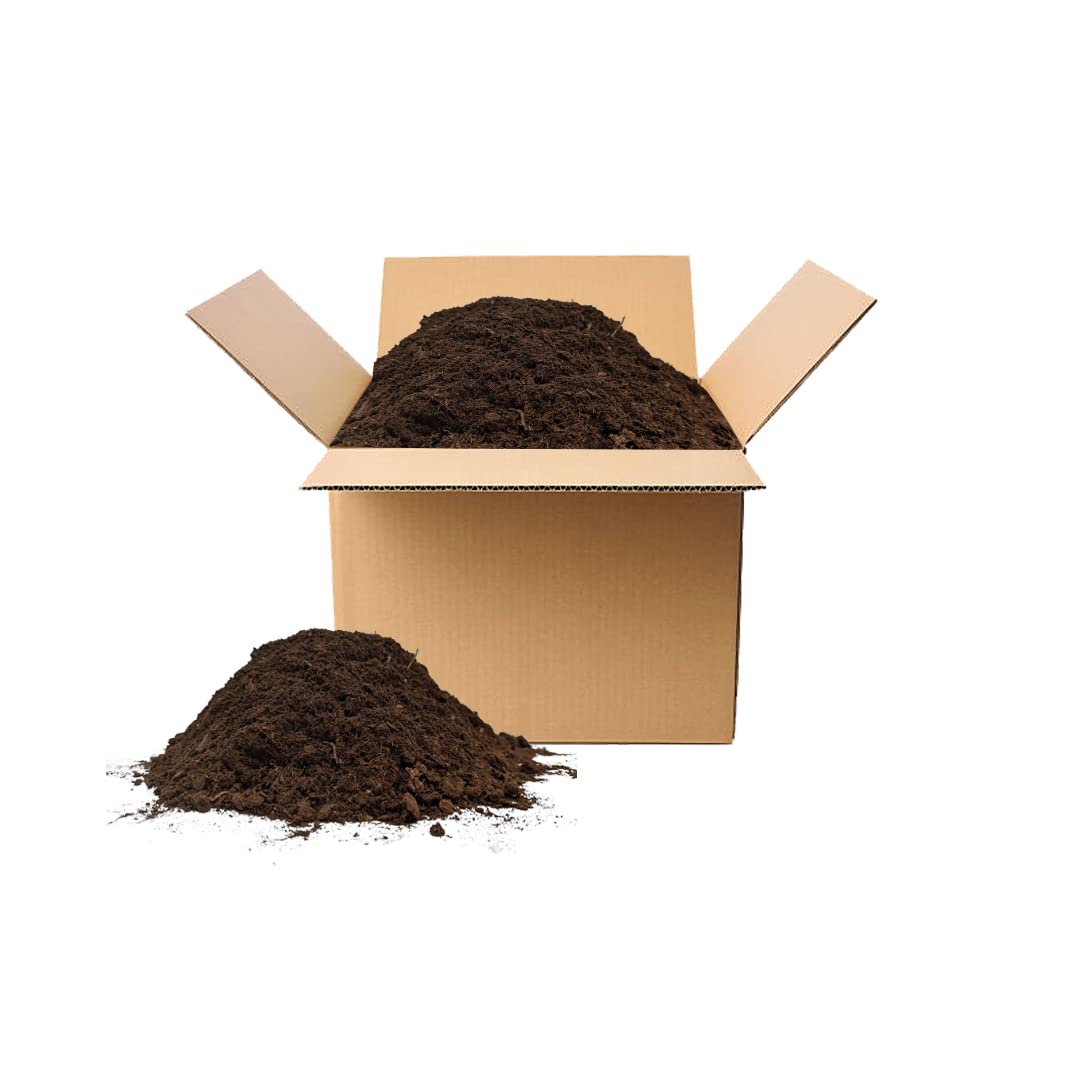
Old Potters offers a 100% sphagnum peat moss that is semi-compressed at 3.8 cubic feet, making it a strong choice for seed starting and hydroponic applications. The porous nature of this organic peat increases aeration in soilless mixes and prevents the waterlogging that kills vulnerable seedlings.
Reviewers note that the peat contains minimal extraneous plant matter — just occasional small sticks and pebbles that are common in any bulk organic product. It works well as the base for DIY isopod substrates, where consistent texture matters more than in general garden soil.
The semi-compressed form means it loosens quickly with hand fluffing, and the 3.8-cubic-foot volume covers roughly 80 square feet at a one-inch depth. If you are starting hundreds of seedlings indoors or running a small hydroponic setup, this bag delivers the consistent pH and texture you need.
What works
- Clean, organic sphagnum with consistent fiber texture
- Semi-compressed expands well for seed-starting mixes
What doesn’t
- Some small sticks and debris present in every bag
- Price is high relative to non-organic bulk options
4. Esbenshade’s Professional Lightweight Potting Mix 44 Quart
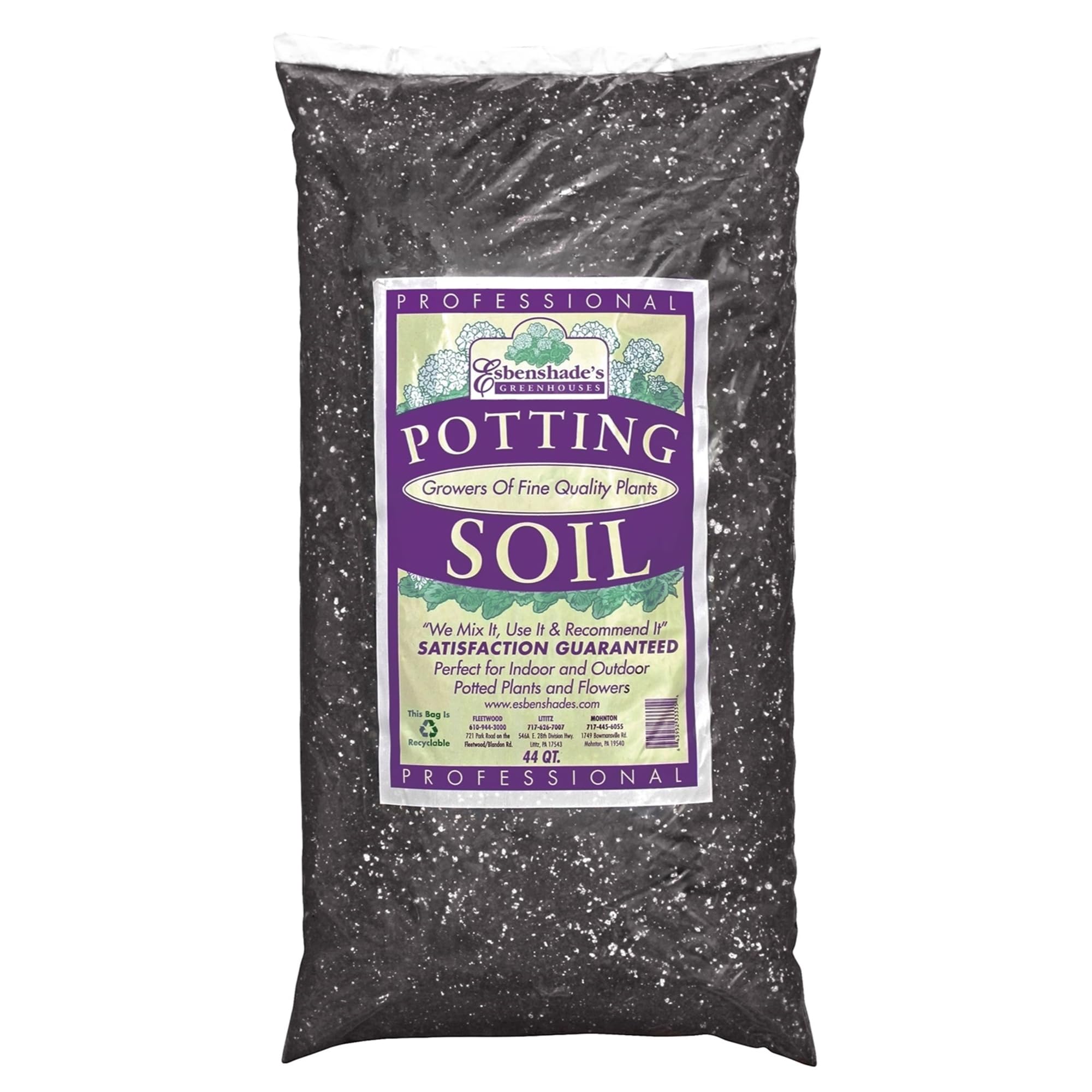
Esbenshade’s Professional Lightweight Potting Mix combines Canadian sphagnum peat moss with perlite, pine bark, and lime for a ready-to-use soilless blend. At 44 quarts, this bag is a practical choice for container growers who want a balanced mix without sourcing each component separately.
The peat base stays wettable after the initial watering, unlike some store-brand mixes that develop dry spots. Reviewers who paired this with standard potting soil and extra perlite reported significantly better growth in peppers, tomatoes, and eggplants compared to using topsoil alone.
This mix is mixed in Lancaster County, Pennsylvania — the “Garden Spot of America” — and carries the credibility of professional horticulturist formulation. If you are filling raised beds or large containers, this is the most convenient mid-range option that still feels premium in texture.
What works
- Balanced soilless formulation with perlite and lime included
- Lightweight and airy texture perfect for container roots
What doesn’t
- Contains more coconut coir than some users prefer
- Not pure peat — includes bark and perlite filler
5. Michigan Peat Garden Magic 40 Pound Bag
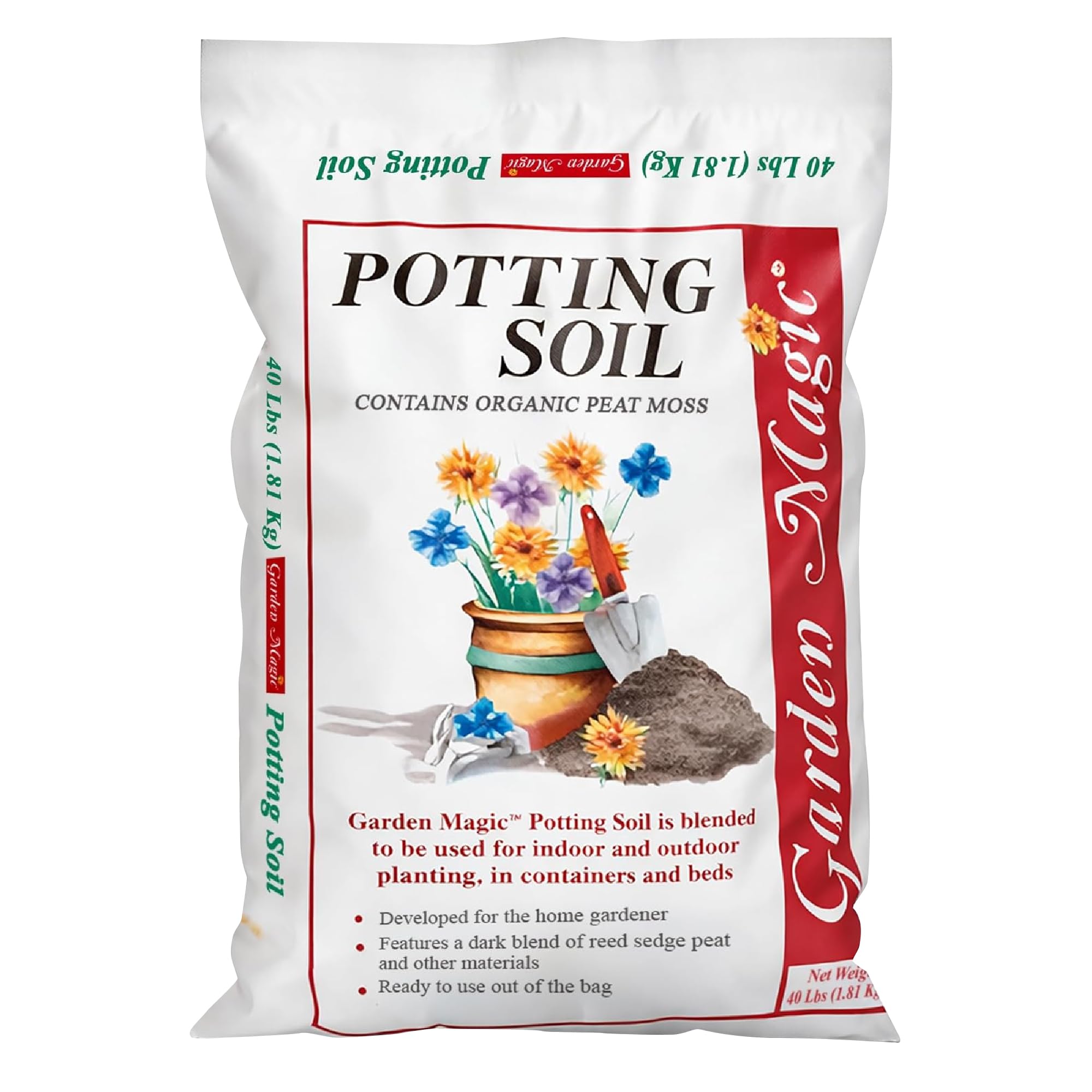
Michigan Peat’s Garden Magic is not pure sphagnum peat moss — it is a dark blend of reed sedge peat and organic peat moss designed for general-purpose potting. The 40-pound bag is ready to use straight out of the bag with zero mixing, which appeals to gardeners who want a quick soil base for flower pots and raised beds.
The moisture retention is excellent according to owners, with one reviewer describing it as “the best soil ever” for promoting new root growth. However, some bags have contained large wood sticks that take time to compost in container environments — an issue that appears occasionally but not consistently.
This is a heavier bag at 40 pounds and the texture is denser than pure sphagnum. It works best for in-ground garden beds or as a soil top-off for existing planters. If you need a pure sphagnum amendment for pH control or soilless mixes, this blend is not the right fit.
What works
- Ready-to-use consistency with no mixing required
- Excellent moisture retention for potted plants
What doesn’t
- Occasional large wood sticks in the blend
- Not pure sphagnum — reed sedge peat is less acidic
6. Sun Gro Peat Moss 2.2 Cu Ft
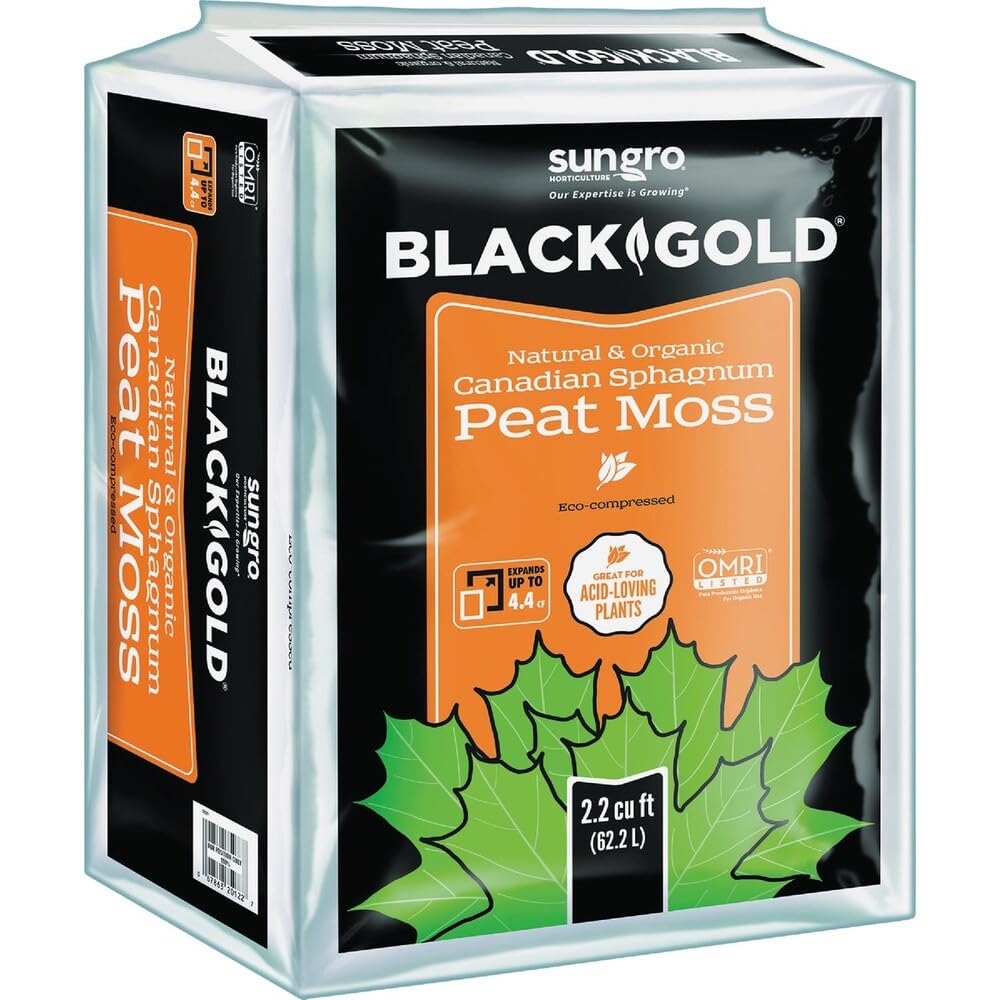
The standard Sun Gro Peat Moss in the 2.2-cubic-foot bale is the entry-level bulk option for gardeners who need pure Canadian sphagnum without added amendments. It works as a straightforward soil conditioner for lawns, herb gardens, and mixing with perlite for custom potting blends.
Buyers report that it covers bare lawn patches effectively and keeps grass moist during sunny periods. The main complaint involves the plastic bag — it rips open easily during shipping, and losing peat to a torn bag is frustrating. Requesting Amazon to ship it inside a box does not always resolve the issue.
At 36.5 pounds, this bale is best for small-to-mid-sized projects. The peat itself is high quality and matches the same source used in the Black Gold line, making it a solid value pick if you receive the bag intact.
What works
- High-quality Canadian sphagnum at a reasonable price point
- Versatile for lawn top-dressing and soil mixing
What doesn’t
- Plastic bag is prone to ripping during shipping
- No wetting agent — first soak is slow
7. Coast of Maine Organic Planting Soil for Vegetables & Tomatoes 20 Qt
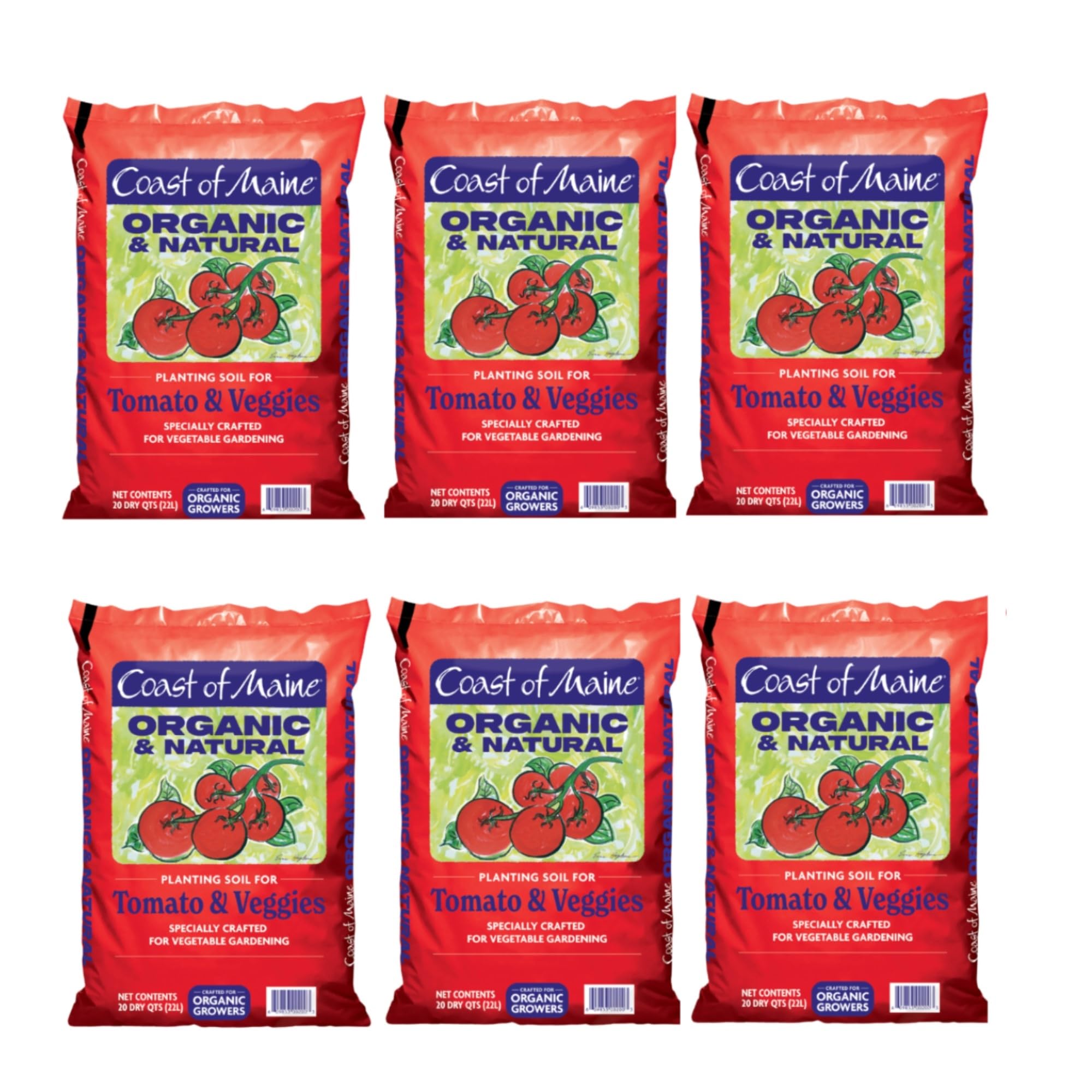
Coast of Maine delivers a premium organic planting soil that includes sphagnum peat moss, composted manure, and a lightweight texture designed specifically for tomatoes and vegetables. The 20-quart bag is OMRI-listed, meaning it meets organic standards for use in certified gardens.
The blend balances moisture retention with drainage — essential for heirloom tomatoes that develop root rot in standard garden soil. The composted manure adds nutrients that pure sphagnum lacks, so you do not need to mix in fertilizer immediately. A few buyers reported fungus gnats, which is common in any organic soil; a neem oil treatment resolved the issue.
This is the most expensive option per quart, and reviewers caution it is best for small-scale or specialty planting. For large vegetable gardens, it is more economical to start with a bulk peat base and add your own compost.
What works
- OMRI-listed organic with composted manure for nutrition
- Lightweight formula with excellent drainage for tomatoes
What doesn’t
- High cost per quart — not economical for large gardens
- Can contain fungus gnats; needs disinfection before use
Hardware & Specs Guide
Cubic Foot Volume vs. Actual Coverage
A 2.2-cubic-foot bale of compressed sphagnum peat moss expands to about 3.5–4 cubic feet once loosened. That covers roughly 45–50 square feet at a one-inch depth. A 3.8-cubic-foot bale covers approximately 80 square feet. Always multiply the bag volume by 1.6 to estimate the true spreadable volume.
Rewetting and Hydrophobic Behavior
When peat moss dries out completely, its waxy cuticles can repel water instead of absorbing it. This is called hydrophobicity. Premium bulk bags often arrive with residual moisture, which prevents this issue. If your bag arrives bone-dry, mix a few drops of liquid dish soap into the first watering to break the surface tension.
Fiber Size and Root Aeration
Long-fiber sphagnum (2–4 inch strands) creates large air pores that improve drainage in clay soil. Short-fiber or finely milled peat compacts into a dense mat that holds too much water. For raised beds and containers, choose a product described as “semi-compressed” or “horticultural grade” to ensure the fiber length is sufficient for aeration.
pH Level and Crop Suitability
Sphagnum peat moss typically has a pH between 3.5 and 4.5, making it naturally acidic. This is ideal for acid-loving plants like blueberries, azaleas, and rhododendrons. For neutral-pH vegetables, mix in agricultural lime at a rate of 1/4 cup per cubic foot of peat to balance the acidity before planting.
FAQ
How much bulk sphagnum peat moss do I need for a 4×8 raised bed?
Why does some bulk peat moss resist absorbing water?
Can I use bulk sphagnum peat moss for hydroponic growing?
Does bulk peat moss expire or lose effectiveness over time?
Is denser peat moss (40-pound bag) better than lighter expanded bales?
Final Thoughts: The Verdict
For most gardeners, the bulk sphagnum peat moss winner is the Premier Horticulture 0082P because it delivers the largest volume of clean, long-fiber peat at a competitive cost per cubic foot. If you want a moisture-retaining formula that reduces watering frequency, grab the Sun Gro Black Gold. And for organic, ready-to-use vegetable soil with composted manure, nothing beats the Coast of Maine.