
Nothing frustrates a gardener more than lush green foliage with zero flowers. You’ve watered, you’ve weeded, and you’ve waited, but the buds just won’t pop. That’s where a targeted nutritional boost changes the game — delivering the specific phosphorus and potassium load that triggers plants to channel energy into bloom formation rather than leaf production.
I’m Rikta — the co-founder and writer behind Lawn Gear Lab. I’ve spent hundreds of hours comparing NPK ratios, analyzing micronutrient profiles, and cross-referencing verified buyer results to find which formulas actually deliver on their bloom-boosting promises.
Whether you’re coaxing roses out of a stubborn bush or pushing annuals to peak performance, my goal is to help you pick the right bloom booster flower food that matches your garden’s specific needs without wasting money on marketing hype.
How To Choose The Best Bloom Booster Flower Food
Selecting the right bloom booster isn’t about the prettiest package — it’s about matching the nutrient profile to your plant’s life cycle. The wrong ratio can push leafy growth instead of flowers, or worse, burn sensitive roots.
Decoding the NPK Ratio — Focus on Phosphorus
The three numbers on every fertilizer label represent Nitrogen (N), Phosphorus (P), and Potassium (K). For bloom boosters, the middle number (P) is the star player. Look for a ratio where phosphorus is significantly higher than nitrogen — formulas like 10-54-10 or 5-45-19 are designed specifically to shift plant metabolism from vegetative growth to flower and fruit development. A balanced NPK like 10-10-10 is a general feed, not a bloom booster.
Water-Soluble vs. Granular vs. Liquid Concentrate
Water-soluble powders dissolve instantly and provide a rapid phosphorus hit during early bud set — ideal for container plants and weekly feeding schedules. Granular options release nutrients slowly over 4-6 weeks, making them better for established garden beds where you want sustained feeding. Liquid concentrates like fish-based emulsions offer fast root uptake with added micronutrients but often have a lower phosphorus concentration, requiring more frequent application.
Organic vs. Synthetic Formulas
Synthetic bloom boosters deliver phosphorus in highly soluble salt forms that plants absorb immediately — great for fixing a deficiency fast but risk salt buildup in containers. Organic options rely on bone meal, rock phosphate, seaweed, and microbial activity to break down nutrients naturally. They improve long-term soil health but work more slowly. For delicate plants or edible flowers, organic formulas with OMRI certification eliminate chemical residue concerns.
Quick Comparison
On smaller screens, swipe sideways to see the full table.
| Model | Category | Best For | Key Spec | Amazon |
|---|---|---|---|---|
| Schultz Bloom Plus 10-54-10 | Water-Soluble | Maximum bloom size | 10-54-10 NPK | Amazon |
| Miracle-Gro Performance Organics Blooms | Granules | Sustained organic feeding | 5-7-10 NPK | Amazon |
| FoxFarm Open Sesame 5-45-19 | Water-Soluble | Early bud development | 5-45-19 NPK | Amazon |
| Dr. Earth Flower Girl 4-10-7 | Granules/Organic | Pet-safe organic gardens | 4-10-7 NPK | Amazon |
| Great Big Roses Liquid Booster | Liquid/Organic | Reviving established roses | 70+ trace minerals | Amazon |
| Neptune’s Harvest 2-6-4 | Liquid/Organic | Foliar feeding & soil health | 2-6-4 NPK | Amazon |
| Miracle-Gro LiquaFeed Bloom | Liquid Concentrate | Quick, easy container feeding | 64 fl oz total | Amazon |
In‑Depth Reviews
1. Great Big Roses and Flowers Liquid Fertilizer Booster
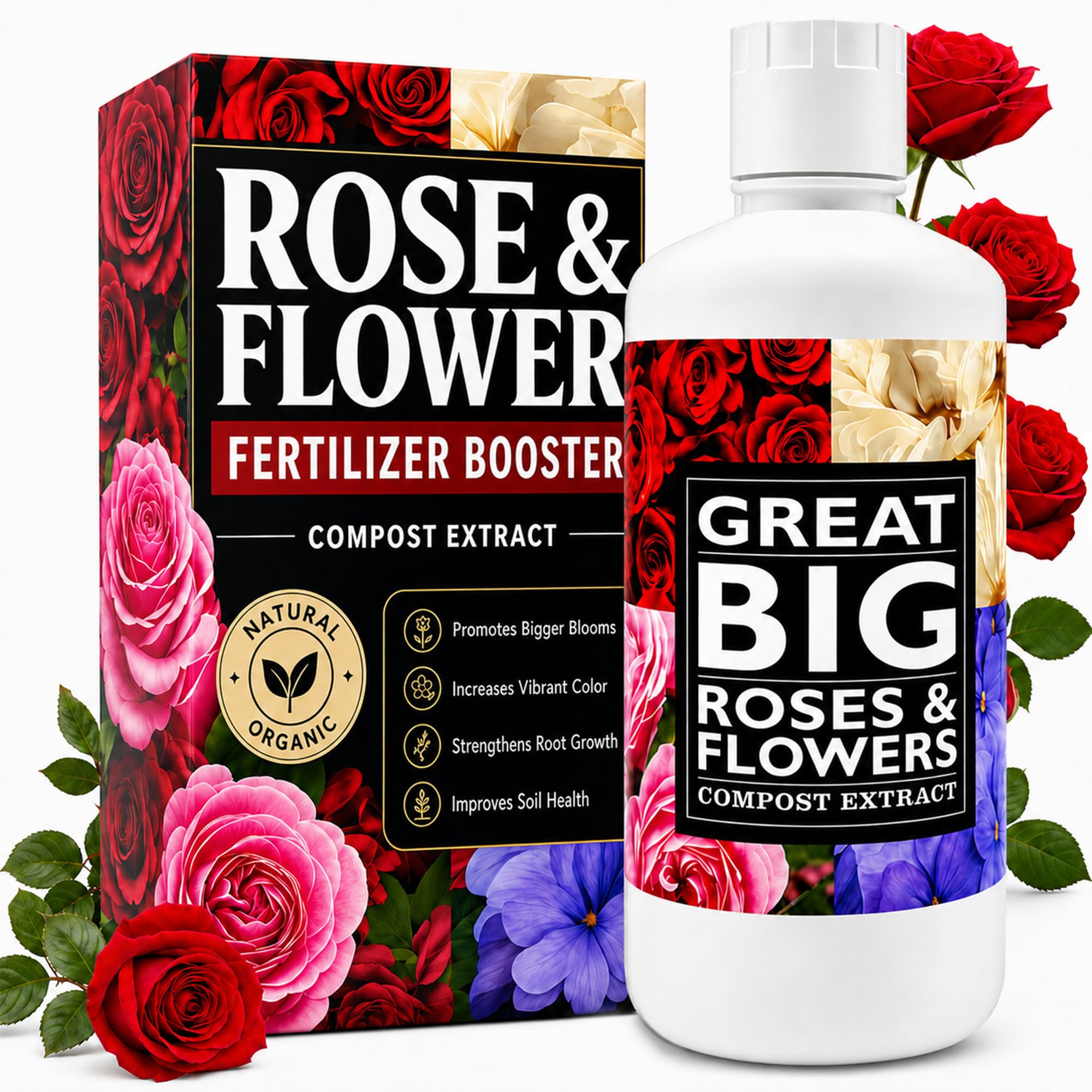
The formula works as both a soil activator and a direct bloom trigger — customers report roses that hadn’t flowered in years producing big blooms within weeks of the first application. The 32-ounce bottle mixes to make over 8 gallons of feed, covering an entire growing season for a typical garden.
Unlike synthetic salt-based boosters that can build up in soil over time, this product feeds the soil biology itself. The humic acid content helps unlock nutrients already present in the ground, amplifying the effect of any existing fertilizer program you’re already running. It’s particularly effective on established perennial beds where soil has become depleted or compacted.
The main drawback is the packaging — the wide-mouth jug makes measuring the 4-ounce concentrate dose messy, and the price per bottle is higher than basic bloom boosters. However, considering each bottle makes 30+ gallons of feed, the cost per gallon is very reasonable for the results delivered.
What works
- Revives even stubborn non-blooming plants with rapid visible results
- Broad mineral profile improves overall soil health long-term
- Concentrated formula goes a long way — up to 30+ gallons of feed
What doesn’t
- Wide-mouth bottle design makes spill-free measuring difficult
- Premium pricing per bottle compared to synthetic alternatives
2. Schultz Bloom Plus Water Soluble Plant Food 10-54-10

With a staggering 54% phosphorus content, this water-soluble powder is the heaviest bloom trigger in the lineup. The 10-54-10 ratio leaves no doubt about its purpose — every granule is designed to push plants into heavy flower production rather than leaf growth. The formula also includes chelated micronutrients that stay available in the soil even in less-than-ideal pH conditions.
Users have seen dramatic results on Christmas cactus, African violets, and container flowers that had stalled out. The powder dissolves cleanly without clumping, and a 1.5-pound bag will last hobby gardeners months of weekly feeding. The manufacturer notes it should not be used on trees, bushes, or cacti, which makes sense given the extreme phosphorus skew.
The only real caveat is that this is a synthetic salt-based fertilizer, so it requires careful dosing to avoid root burn — especially in containers where salts concentrate. Some users mentioned packaging issues during delivery where the bag arrived broken, but the product itself consistently earns five-star reviews from repeat buyers.
What works
- Extremely high phosphorus ratio delivers visible bloom results fast
- Water-soluble formula mixes easily and works with any watering can
- Affordable per-season cost relative to liquid alternatives
What doesn’t
- Salt-based formula requires precise measurement to avoid root damage
- Not recommended for use on trees, bushes, or cacti
3. FoxFarm Open Sesame Water Soluble Fertilizer 5-45-19
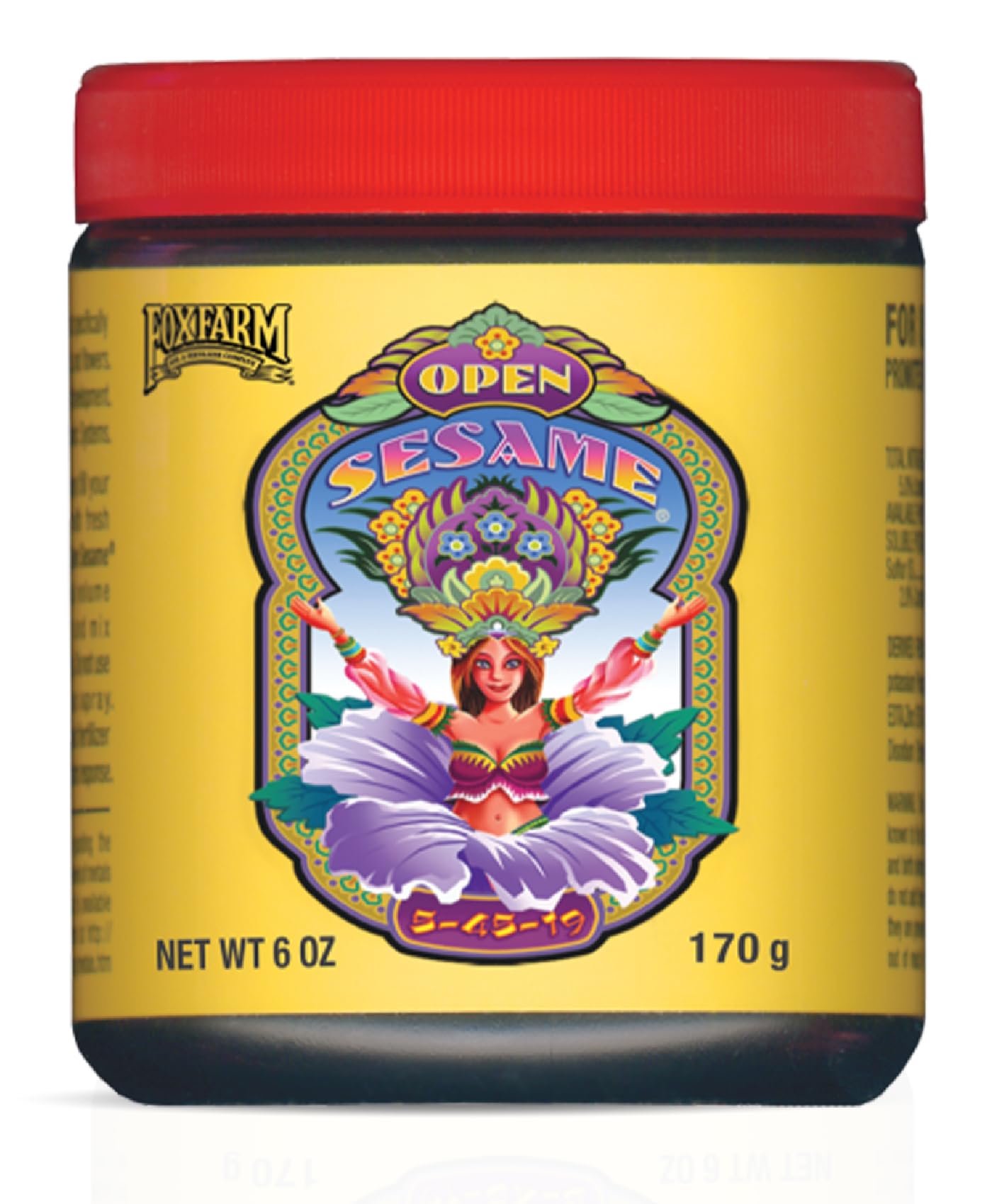
FoxFarm designed Open Sesame specifically for the early flowering transition, and the 5-45-19 ratio confirms that focus. The 45% phosphorus content targets bud initiation, while the 19% potassium supports flower density and overall plant vigor. The 6-ounce jar is small but highly concentrated — a little goes a long way in hydro, soil, or coco coir setups.
Experienced growers note that this product doesn’t force plants into flower but rather makes initial bud sites larger and more robust — a critical precursor to heavier final yields. The formula dissolves completely without residue, which is essential for hydroponic systems where clogs are a constant concern. It’s designed to be used from week 5 or 6 of growth, every other watering, alongside a base nutrient program.
The small jar size is the main complaint — at 6 ounces, heavy users with large gardens will burn through it quickly and need to reorder frequently. Some users also found the lack of clear instructions around compatible base nutrients frustrating, though experienced growers consider it a versatile additive.
What works
- Ultra-high phosphorus supports larger initial bud formation
- Dissolves cleanly with no residue for hydroponic applications
- Versatile across soil, container, and hydro growing methods
What doesn’t
- Small 6-ounce jar requires frequent repurchase for large gardens
- Instructions for combining with base nutrients could be clearer
4. Dr. Earth Flower Girl Bud & Bloom Booster 4-10-7

This 4-pound bag of organic granules is the go-to choice for gardeners who want certified organic bloom support without synthetic chemicals. The 4-10-7 NPK ratio provides a moderate phosphorus boost while keeping nitrogen low enough to avoid excess foliage. The formula is OMRI listed, non-GMO project verified, and free of chicken manure, sewage sludge, or any biosolids — important for edible flower growers.
Users have reported impressive results on dragon fruit, guava trees, and dahlia beds. One gardener saw dragon fruit blooms jump from 3 to 25 after switching to this formula. The slow-release granule format means one application feeds for several weeks, making it lower maintenance than liquid feeds. It’s safe for people and pets once worked into the soil, which is a major selling point for families with curious toddlers or dogs that dig.
A consistent issue is labeling confusion — the product description lists 4-10-7 but some shipped bags show 3-9-4 on the label. The actual NPK you receive may vary depending on the production batch, which is frustrating for precision growers who track exact ratios. Dr. Earth needs to correct this discrepancy between their marketing copy and physical product labeling.
What works
- Full organic certification with OMRI and non-GMO verification
- Safe around children and pets after soil incorporation
- Sustained slow-release feeding reduces application frequency
What doesn’t
- Label NPK sometimes differs from advertised 4-10-7 ratio
- Organic granular breakdown is slower than water-soluble alternatives
5. Miracle-Gro Performance Organics Blooms Plant Nutrition Granules 5-7-10

Miracle-Gro’s organic line delivers the trusted brand reliability with a 5-7-10 NPK that tilts toward bloom support without going extreme. The granules are OMRI listed and made from natural ingredients, yet still produce the fast results Miracle-Gro is known for — users report visible improvements in flower size within 1-2 weeks on plants like Mandevilla, butterfly bush, and Black Eyed Susans. The 2.5-pound bag covers up to 165 square feet.
The 5-7-10 ratio is more balanced than extreme bloom boosters, making it a safer choice for mixed beds where you don’t want to over-concentrate phosphorus. It works particularly well for container plants that need consistent but gentle feeding. The granule format is easy to sprinkle and water in, and the reapply-every-4-6-weeks schedule fits a low-maintenance routine.
Some users received bottles that didn’t appear completely full, though this may be a settling issue during shipping rather than short-filling. The organic formula also costs more per pound than standard Miracle-Gro all-purpose feeds, so budget-conscious gardeners might prefer the synthetic version for sheer economy.
What works
- OMRI organic certification with the reliable Miracle-Gro brand
- Balanced 5-7-10 ratio suits mixed garden beds safely
- Simple 4-6 week schedule requires minimal effort
What doesn’t
- Premium price per pound compared to non-organic alternatives
- Some containers arrive looking less than full from settling
6. Neptune’s Harvest Rose & Flowering Fertilizer 2-6-4
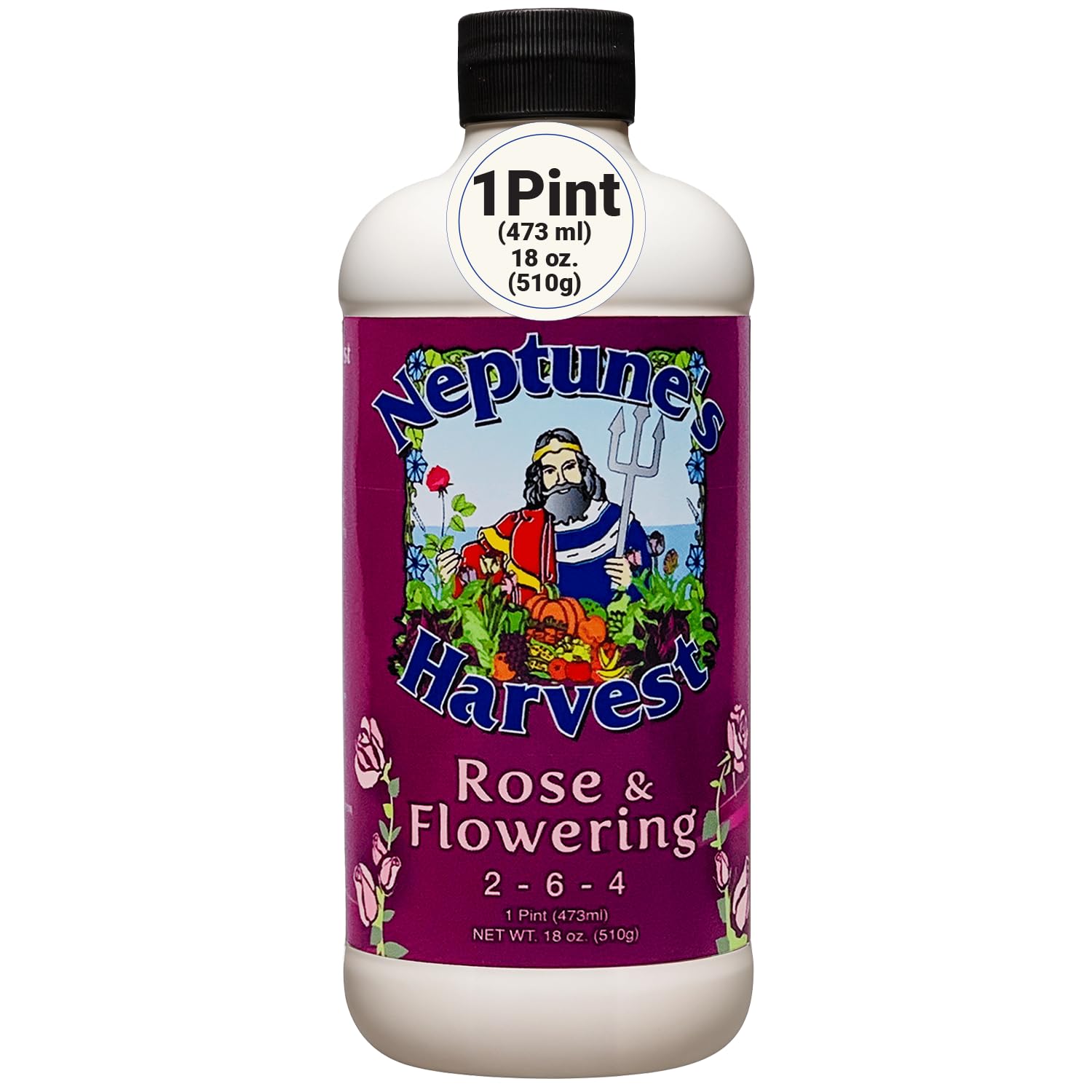
Neptune’s Harvest takes a fundamentally different approach — the 2-6-4 NPK is low across the board, relying on fish, seaweed, molasses, humic acids, and beneficial microbes to stimulate bloom production through improved soil biology rather than raw phosphorus numbers. The 18-ounce pint is a liquid concentrate that can be applied as both a soil drench and a foliar feed, giving you two delivery methods in one bottle.
The formula is particularly effective at raising Brix levels (plant sugars), which naturally deters pests while supporting denser flower development. Users have reported reviving dying Brandywine tomatoes overnight and seeing 102 bell peppers from nine two-year-old plants. The mild ocean-like smell fades quickly once dry and dissipates within hours outdoors, making it more pleasant than many fish-based fertilizers.
The low 2-6-4 ratio means you need to apply it more frequently than concentrated synthetics — typically every watering during flowering. The 18-ounce bottle also goes fast if you have a large garden, and the cost adds up over a full season compared to bulk powder options.
What works
- Builds soil biology long-term while providing immediate feeding
- Can be used as both soil drench and foliar spray for maximum uptake
- Raises Brix levels for natural pest resistance
What doesn’t
- Low NPK ratio requires frequent application during active bloom
- Small bottle size means higher per-season cost for large gardens
7. Miracle-Gro LiquaFeed Bloom Booster Flower Food

This 4-pack of liquid concentrate refills is designed specifically for the Miracle-Gro LiquaFeed system, making it the most convenient option for gardeners who hate measuring powders. Each 16-ounce bottle connects directly to a hose-end feeder for instant application — no mixing, no mess. The total 64 ounces of concentrate covers a substantial area over the season.
Users consistently report big, beautiful blooms within a short time of switching to this formulation. The ability to feed 2-3 times per week with low risk of burn makes it ideal for heavy feeders in containers where nutrient runoff is rapid. The formula is also safe for bees and other pollinators once dry, which addresses a growing concern among environmentally conscious gardeners.
The major limitation is lock-in: you need the proprietary LiquaFeed dispenser to use these refills, which adds upfront cost if you don’t already own one. The liquid concentrate also costs more per application than water-soluble powders, making it a convenience premium rather than a value buy.
What works
- Extremely easy to use with the LiquaFeed hose-end system
- Safe for pollinators once the foliage dries
- Frequent low-dose feeding supports continuous blooming
What doesn’t
- Requires proprietary LiquaFeed dispenser — not a standalone product
- Higher cost per application than equivalent powder-based boosters
Hardware & Specs Guide
NPK Ratio — The Bloom Number
The second number in the NPK sequence represents phosphorus (P), the primary driver of flower and fruit development. Bloom boosters typically range from 5-45-19 to 10-54-10 for synthetic water-soluble powders, while organic formulas sit lower at 2-6-4 to 4-10-7. A higher P number means faster visible results but also requires more careful dosing to avoid overfeeding. For container plants, 10-54-10 delivers a rapid punch; for garden beds and long-term soil health, 4-10-7 or 2-6-4 sustains blooms without salt buildup.
Water-Soluble vs. Granular Release
Water-soluble powders dissolve instantly and enter the plant within hours — ideal for correcting deficiencies mid-season or pushing heavy bloomers like roses and dahlias. Granular options release nutrients over 4-6 weeks as soil microbes break them down, making them better for pre-season soil prep or for gardeners who don’t want to mix fertilizer weekly. Liquid concentrates fall between both worlds: fast-acting like powders but with the convenience of pre-dissolved nutrients suitable for foliar feeding.
FAQ
Can bloom booster burn my plants if I use too much?
Should I use bloom booster on all my flowering plants at the same time?
How often should I apply liquid bloom booster versus granular?
Final Thoughts: The Verdict
For most gardeners, the bloom booster flower food winner is the Great Big Roses Liquid Booster because it combines soil-building humic acids with 70 trace minerals for results that outlast any single-season synthetic. If you want maximum phosphorus for container plants, grab the Schultz Bloom Plus 10-54-10. And for an organic, pet-safe option that feeds the soil while boosting blooms, nothing beats the Dr. Earth Flower Girl 4-10-7.