
A layer of bark chip mulch transforms a garden, suppressing weeds, retaining moisture, and giving beds a polished, finished look. But the market is crowded with bags of wood, pine, straw, and cocoa shells, each with a different price per cubic foot, a different lifespan, and a different set of trade-offs. Many bags look similar but perform wildly differently, and buying the wrong one means wasting money on a product that fades, washes away, or fails to feed the soil.
I’m Rikta — the co-founder and writer behind Lawn Gear Lab. I’ve spent countless hours comparing specifications, analyzing customer feedback, and measuring the real-world value of dozens of mulch products so you don’t have to guess which bag delivers lasting results.
This guide breaks down seven top-rated options to help you find the best bark chip mulch for your flower beds, vegetable gardens, and landscape projects — from premium cocoa hulls that smell like chocolate to clean wheat straw that breaks down into compost.
How To Choose The Best Bark Chip Mulch
The right mulch can dramatically reduce watering, prevent weed germination, and improve soil structure as it decomposes. But not all bark chips are created equal. Focus on these five factors to match the material to your specific planting environment.
Organic Content and Decomposition Rate
Mulches like pine bark nuggets and cedar chips are slow to break down, making them ideal for permanent landscape beds where you want a long-lasting cover. In contrast, cocoa hulls and wheat straw decompose within a single growing season, releasing nutrients into the soil — a better choice for vegetable gardens and annual flower beds that get turned over each year.
Moisture Retention and Drainage
Bark chips vary widely in how they handle water. Coarse pine bark nuggets create air pockets that improve drainage, perfect for succulents, citrus, and other plants that dislike wet feet. Finer shredded materials like cedar shavings or straw form a dense mat that locks in soil moisture, reducing evaporation by up to 50% in hot weather.
Weed Suppression and Thickness
A three-inch layer of most bark mulches will block sunlight and prevent most weed seeds from germinating. Thinner materials like straw need a thicker layer (four to six inches) to achieve the same effect, while cocoa hulls, which knit together after watering, provide excellent weed control with just two inches.
Pet Safety and Chemical Additives
Cocoa shell mulch contains theobromine and caffeine, which are toxic to dogs if ingested in large quantities. Cedar mulches are generally safe but their strong oils can irritate sensitive animals. Always check the label for added dyes, pesticides, or synthetic fertilizers — products labeled “natural” or “organic” are preferable for edible gardens.
Coverage per Bag
Bag sizes range from 1 cubic foot (covering about 12 square feet at a 2-inch depth) to 3 cubic feet (covering up to 100 square feet for garden use). Compare volume, not bag weight, when shopping — a 30-pound bag of cocoa hulls covers far more area than a 30-pound bag of wet cedar shavings.
Quick Comparison
On smaller screens, swipe sideways to see the full table.
| Model | Category | Best For | Key Spec | Amazon |
|---|---|---|---|---|
| Soil Sunrise Pine Bark Mulch | Pine Bark Nuggets | Container gardens & terrariums | 1/2-inch average nugget size | Amazon |
| Garden Elements Cocoa Mulch | Cocoa Shell | Aesthetic beds with chocolate scent | NPK 2.5-1-3, pH 5.8 | Amazon |
| Hull Farm Cocoa Mulch | Cocoa Shell | Squirrel-deterrent flower beds | Fertilizer value 2.5-1-3 | Amazon |
| Double Tree Cedar Wood Chips | Cedar Shavings | Odor control & pet bedding | 16-quart volume | Amazon |
| HealthiStraw GardenStraw | Wheat Straw | Vegetable gardens & lawn seeding | 3 cu ft, covers up to 100 sq ft | Amazon |
| Back to the Roots Organic Mulch | Wood Fines | Raised bed winter protection | 1.0 cubic foot | Amazon |
| Colored Pine Straw Roll | Pine Straw | Large landscape coverage | Covers up to 125 sq ft | Amazon |
In‑Depth Reviews
1. Soil Sunrise 100% Natural Pine Bark Mulch Nuggets
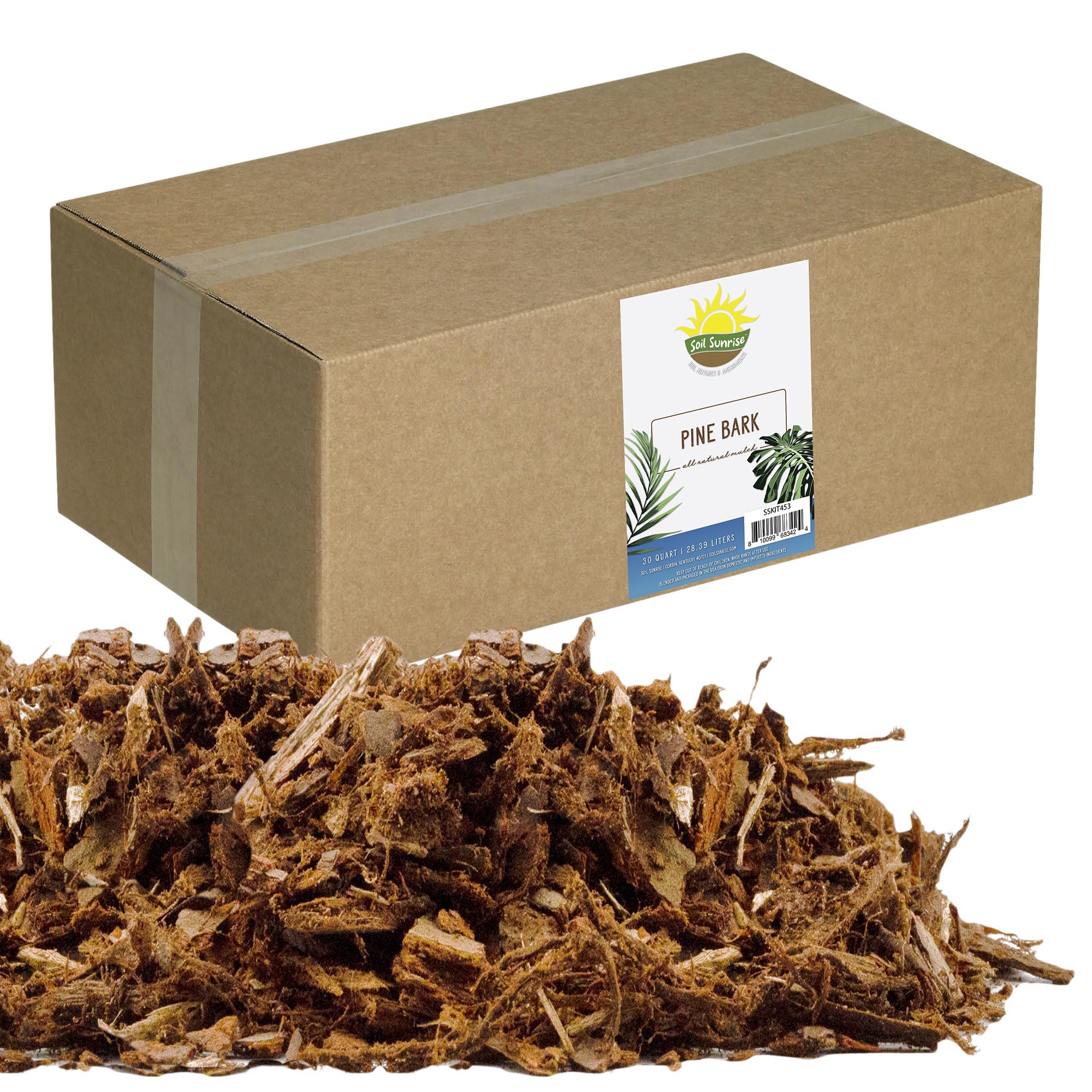
This pine bark nugget mulch from Soil Sunrise delivers a consistently sized 1/2-inch chip that is small enough to mix into potting soil yet substantial enough to form a long-lasting top dressing on flower beds. The nuggets are clean, dry, and free of mold or insects — reviewers regularly mention the uniform texture and the clear bag that lets you inspect the contents before opening.
Because pine bark is naturally acidic, it works exceptionally well around acid-loving plants like gardenias, blueberries, and citrus trees. The pieces create air pockets that improve drainage and prevent soil compaction, making this a top choice for container gardens, raised beds, and bonsai care. The 30-quart bag provides ample coverage for multiple small projects.
The main trade-off is the higher per-volume cost compared to bulk pine fines from a landscape supply yard. For large-scale in-ground beds covering hundreds of square feet, the premium for convenience adds up. But for targeted use around specimen plants, in pots, or in terrariums, the quality and consistency justify the investment.
What works
- Perfectly consistent 1/2-inch nuggets for even coverage
- Naturally acidic pH benefits gardenias, blueberries, and citrus
- Excellent drainage and aeration for container soil mixes
What doesn’t
- Premium pricing per cubic foot versus bulk supply yards
- Lightweight nuggets can float away in heavy rain on slopes
2. Garden Elements 100% Natural Cocoa Bean Shell Mulch

Garden Elements delivers a 2-cubic-foot bag of cocoa shells that releases a rich chocolate aroma for the first week after application. The NPK value of 2.5-1-3 and a mildly acidic pH of 5.8 mean this mulch feeds the soil as it breaks down over roughly one growing season, making it a dual-purpose product for flower beds and decorative paths.
The shells knit together after watering, creating a weed-resistant blanket that stays put even in moderate wind. Reviewers consistently praise the natural dark brown color that does not fade or wash out like dyed wood mulches. The material is lightweight and easy to spread by hand, even over large areas.
The primary concern is pet safety — cocoa shells contain theobromine and caffeine, which are toxic to dogs. Some buyers also report white mold forming on damp, shaded patches (cosmetic and usually harmless). This is a premium choice for dog-free gardens where visual appeal and soil benefits justify the higher cost.
What works
- Natural chocolate aroma and fade-resistant dark brown color
- Contains nutrients (NPK 2.5-1-3) that improve soil as it decomposes
- Forms a dense mat that suppresses weeds effectively
What doesn’t
- Toxic to dogs if ingested — not suitable for pet-friendly yards
- White mold can appear on damp, shady patches (cosmetic issue)
3. Hull Farm 50150 Cocoa Bean Shell Mulch

Hull Farm’s 2-cubic-foot bag of cocoa bean shells shares the same general properties as other cocoa mulches — a strong chocolate scent, a fertilizer value of 2.5-1-3, and excellent moisture retention — but this product earns a distinct reputation as a squirrel deterrent. Several reviewers report that switching from pecan or bark mulches to this cocoa shell product dramatically reduced digging and nesting activity in their flower planters.
The shells are lightweight and easy to spread, forming a solid blanket after watering that does not blow away easily. Buyers in hot, dry climates note that this mulch holds soil moisture significantly longer than wood chips, cutting watering frequency for container plants. The strong cocoa aroma lasts roughly a week, then fades to a mild earthy smell.
The obvious downsides are the same as any cocoa mulch — it is toxic to dogs, can develop harmless mold in humid conditions, and is expensive compared to bark or straw. Several long-time users mention the price has risen sharply over the years, making this more of a specialty purchase than an everyday landscape solution.
What works
- Reportedly deters squirrels and other digging critters from planters
- Excellent moisture retention for container plants in hot climates
- Strong chocolate scent adds olfactory appeal to garden spaces
What doesn’t
- Not safe for yards with dogs due to theobromine content
- Considerably more expensive per cubic foot than bark alternatives
4. Double Tree Incense Cedar Wood Chips

Double Tree’s cedar shavings are a finely shredded wood product that serves triple duty as garden mulch, pet bedding, and natural odor absorber. The incense cedar aroma is strong and persistent — multiple reviewers report using it in closets and drawers to repel moths and beetles, alongside its primary role as a protective top dressing for flower beds.
In the garden, the fine texture creates a dense layer that blocks weeds effectively while allowing water to percolate. The cedar oils naturally repel many insects, which is a bonus around vegetable beds and patios. Unlike bark nuggets, these shavings do not float away in rain — they mat together and stay put.
The biggest drawback is the price. At 16 quarts per bag, the cost per cubic foot is higher than straw or standard pine bark. For large-scale landscape projects, this becomes prohibitively expensive. Also, some gardeners find that the strong cedar scent can be overwhelming in enclosed spaces like greenhouses.
What works
- Natural cedar aroma repels moths, beetles, and other insects
- Fine texture forms a weed-suppressing mat that resists wind and rain
- Versatile enough for pet bedding and closet odor control
What doesn’t
- Small bag size makes it expensive for covering large areas
- Strong scent may be too intense for enclosed greenhouse use
5. HealthiStraw GardenStraw All-Natural Mulch
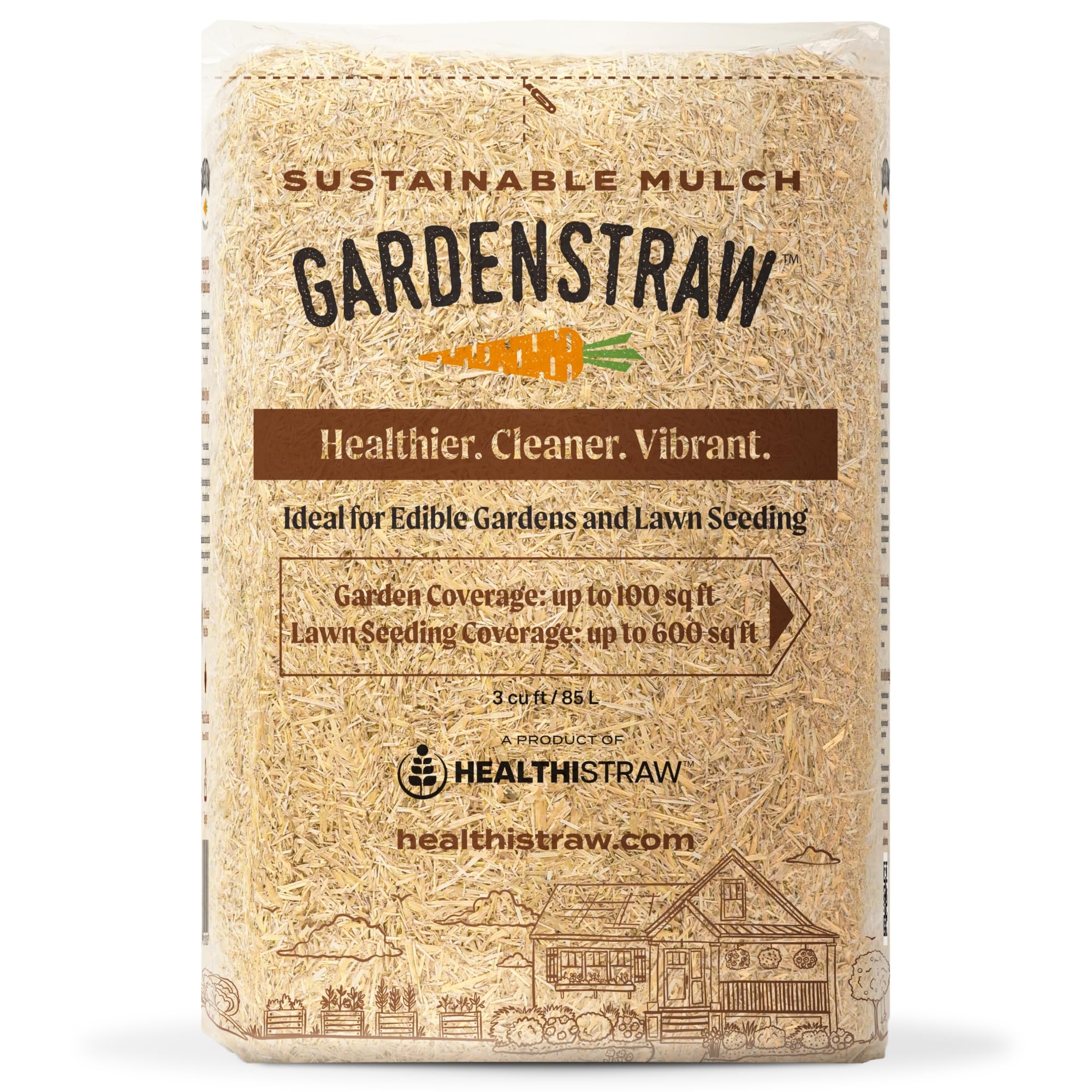
HealthiStraw’s GardenStraw is a 3-cubic-foot compressed bale of sustainably sourced, non-GMO wheat straw that covers up to 100 square feet at a 2-3 inch depth — more than triple the coverage of a standard 1-cubic-foot bag of bark. The straw fibers are rough-cut, allowing them to interlock when watered so the material stays in place and resists wind displacement.
This is a functional mulch for vegetable gardens, herb beds, and lawn seeding projects. It retains soil moisture, reduces evaporation by up to 50%, and breaks down over a year to add carbon to the compost pile. Reviewers consistently note the lack of weed seeds compared to cheaper straw bales, making it a cleaner option for edible gardens.
On the downside, straw is not visually as refined as bark or cocoa hulls — it has a more rustic, farm-like appearance. It also decomposes faster than wood mulches, requiring annual reapplication for permanent beds. For dedicated food growers and seed-starters, however, the coverage per bag and soil-building benefits are unmatched.
What works
- Massive 3-cubic-foot bale covers up to 100 sq ft at ideal depth
- All-natural wheat straw adds carbon to compost as it breaks down
- Interlocking fibers resist wind and rain once watered in
What doesn’t
- Decomposes in one season, requiring annual replacement
- Rustic appearance does not match formal landscape beds
6. Back to the Roots Organic Premium Mulch

Back to the Roots uses upcycled wood fines as the base for this organic, peat-free mulch. The dark brown color looks clean and attractive in raised beds, and the inclusion of yucca extract helps with moisture control while dolomitic limestone balances the pH. A 1-cubic-foot bag is lightweight and easy to carry, with a resealable top for partial use.
The mulch is intended primarily as a top dressing for raised beds and container plantings. Buyers report it works well for winterizing plants, providing a protective layer that insulates roots from frost. The company’s #GROWONEGIVEONE program donates a Kids Grow Kit to a classroom for every garden photo shared — a nice social bonus.
The volume is the biggest limitation. At 1 cubic foot, this bag covers roughly 12 square feet at a 2-inch depth, which is small compared to many competitors. A few reviewers note that local garden centers sell larger bags of similar organic wood fines for less money, making this a convenience purchase rather than a bulk value option.
What works
- 100% organic, peat-free composition with yucca extract for moisture control
- Dark color and fine texture give raised beds a polished look
- Company donates to classroom gardens as part of their program
What doesn’t
- Only 1 cubic foot per bag — limited coverage for the price
- Local garden centers often sell larger bags of similar product for less
7. Colored Pine Straw Roll for Landscaping

This pine straw roll from Colored Pine Straw delivers a large-format, non-dyed pine needle mulch that covers up to 125 square feet per roll. The needles are notably clean, with almost no sticks, thorns, or debris — reviewers consistently call it the cleanest pine straw they have ever used. It ships compressed and fluffs up significantly when opened.
Pine straw is a classic landscape mulch for erosion control on slopes, around trees, and in flower beds. The needles interlock naturally, creating a breathable mat that allows water to pass through while blocking weeds. Multiple buyers in the Midwest report that it withstood heavy wind and rain without shifting, which speaks to the stability of the material.
The main issue is coverage consistency. Some rolls contain noticeably more material than others, making it difficult to plan for large projects without ordering extra. The price per square foot, while reasonable, is still higher than buying bales of loose pine straw from a local landscape supplier. For gardeners who prioritize cleanliness and convenience, however, this is a premium option.
What works
- Exceptionally clean pine needles with minimal sticks or thorns
- Interlocking mat resists wind and heavy rain on slopes
- Large coverage per roll reduces the number of bags needed
What doesn’t
- Inconsistent roll size makes accurate coverage planning difficult
- Premium pricing versus bulk loose pine straw from local suppliers
Hardware & Specs Guide
Particle Size and Texture
Bark chip mulch particle size directly affects water infiltration and weed suppression. Coarse nuggets (1/2 inch or larger) create air pockets that improve drainage but may be too porous for weed control without a thicker layer. Fine shreds and powders form a dense mat that blocks sunlight effectively but can become hydrophobic if applied too thick. For most flower beds, a mix of medium (1/4 to 1/2 inch) particles provides the best balance of moisture retention and weed blocking.
NPK Value and pH Level
Unlike synthetic mulches, natural bark chips release nutrients as they decompose. Cocoa shells typically offer NPK values around 2.5-1-3 and a mildly acidic pH of 5.8, making them a mild fertilizer for acid-loving plants. Pine bark is naturally acidic and ideal for blueberries, azaleas, and gardenias. Cedar wood chips are pH-neutral but release essential oils that can slow microbial activity. Always match the mulch’s pH profile to your target plants to avoid soil imbalances.
Coverage Calculation per Bag
Bag volume is measured in cubic feet or quarts (1 cubic foot = 25.7 quarts). At a standard 2-inch application depth, 1 cubic foot covers approximately 6 square feet, 2 cubic feet covers 12 square feet, and 3 cubic feet covers 18 square feet. For vegetable gardens where a 3-4 inch layer is preferred, reduce coverage by half. Always measure your bed area before ordering to avoid shortfall or surplus.
Decomposition Timeline
Softwood mulches like cedar and pine bark take 2-3 years to fully break down in temperate climates, making them suitable for permanent landscape beds. Cocoa hulls and wheat straw decompose within 6-12 months, releasing nutrients quickly but requiring annual reapplication. Hardwood bark chips fall in the middle, lasting 1-2 years. The decomposition rate also depends on local rainfall, temperature, and soil microbial activity — wetter climates accelerate breakdown.
FAQ
How deep should I apply bark chip mulch for best weed control?
Is cocoa shell mulch safe for vegetable gardens?
Will cedar mulch repel insects in my garden beds?
Can I mix different types of bark chip mulch together?
Final Thoughts: The Verdict
For most gardeners, the best bark chip mulch winner is the Soil Sunrise Pine Bark Mulch Nuggets because its consistent 1/2-inch particle size works beautifully for both top dressing and soil mixing, while the natural acidity benefits a wide range of plants. If you want a fast-decomposing mulch that feeds your vegetable garden, grab the HealthiStraw GardenStraw for its massive coverage and compost-friendly wheat straw. And for decorative flower beds where appearance and aroma matter, nothing beats the Garden Elements Cocoa Bean Shell Mulch.