
Specs are compiled from manufacturer listings and verified buyer reviews and can change over time — please confirm the key details on the product page before buying.
You want bagged soil that helps seed sprout and roots dig in, not just sits there. The right blend holds moisture, feeds young grass, and gives roots loose material to push through. The wrong one—often cheap fill dirt—turns seeding into a frustrating wait-and-hope game.
I’m Rikta — the founder and writer behind Lawn Gear Lab. This guide is built by comparing the manufacturers’ published specifications and the patterns across verified customer reviews, so you get each pick’s real strengths and trade-offs instead of marketing spin.
Focus on the mix, not the bag size, and you will find the real winner among the top bagged soil for growing grass options, ranked by what owners actually see in their yards.
Our Picks at a Glance
How To Choose The Best Bagged Soil For Growing Grass
Pick the bag by what your lawn actually needs. Bare patches from heavy foot traffic need a soil that holds water and feeds the seed. A bumpy yard needs a leveling blend that won’t smother existing turf.
Match the soil type to the job
A lawn soil is formulated for grass — it holds moisture and often has added fertilizer to push seedlings along. A plain topsoil is lighter and better for leveling holes and low spots. A compost or manure blend is a soil amendment, meant to be mixed in to enrich poor dirt rather than used alone.
Watch the moisture retention
Grass seed dries out fast, and dry seed dies. Look for a mix with peat, compost, or other organic matter that holds water near the surface. The longer the top inch stays damp, the better your germination odds.
Check for debris before you spread
Some bags arrive with sticks, twigs, and wood chips mixed in. That stuff robs space from roots and looks rough on a lawn. If you are covering a visible area, you may need to pick through the soil or sift it first.
Quick Comparison
| Model | Best For | Volume | Weight | Key Ingredient | Amazon |
|---|---|---|---|---|---|
| Michigan Peat Baccto Wholly Cow★ Best Overall | Enriching poor soil | 40 quarts | 34 pounds | Peat & composted manure | Amazon |
| Scotts Organic Proom Top Soil | Filling erosion holes | 0.75 cu. ft. | — | Peat moss blend | Amazon |
| Scotts Turf Builder LawnSoil | Seeding & bare spots | 1 cu. ft. | 32.7 pounds | Fertilizer-enriched | Amazon |
| Michigan Peat Baccto Topsoil | Coverage on a budget | 50 liters | 50 pounds | Reed, sedge, peat & sand | Amazon |
In‑Depth Reviews
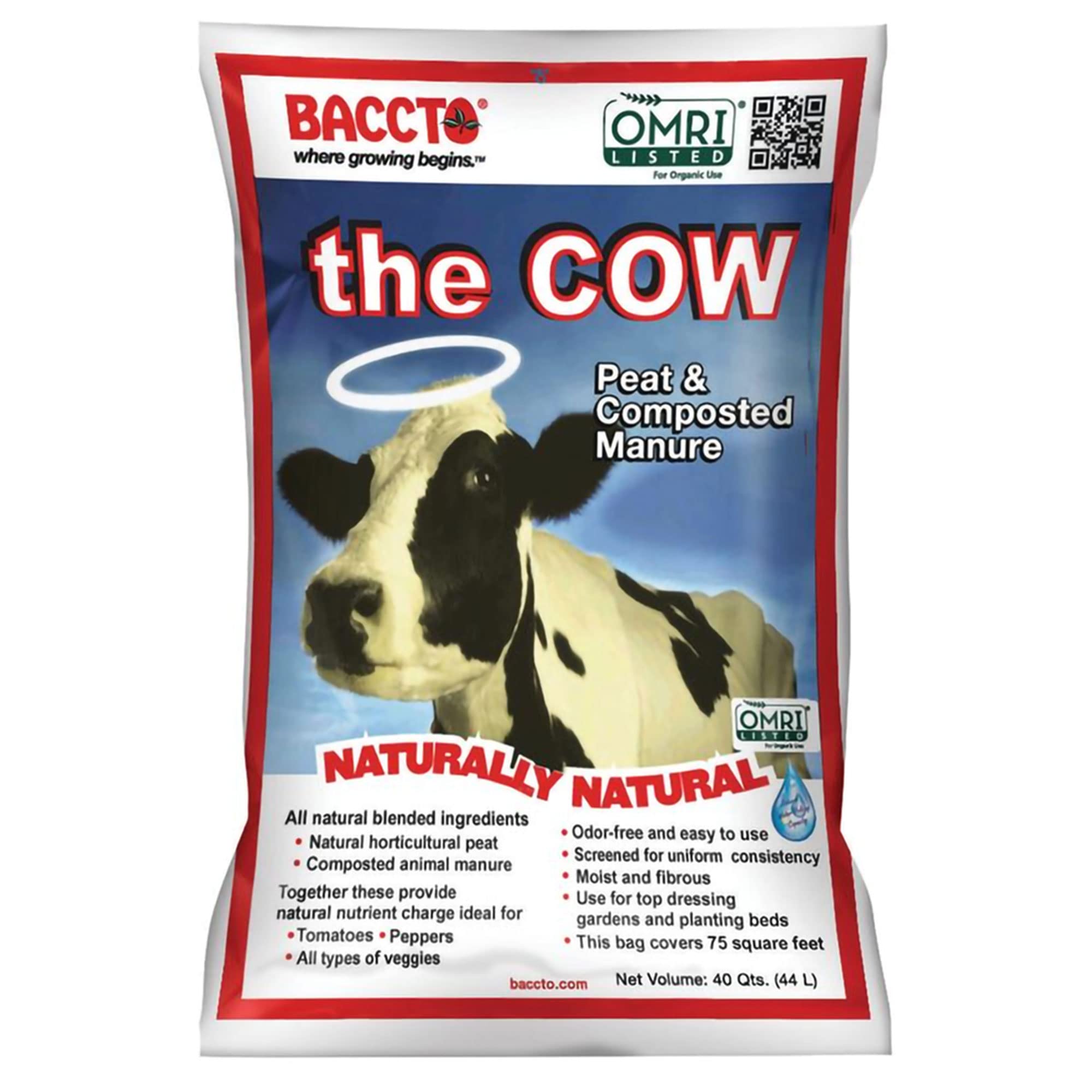
1. Michigan Peat Baccto Wholly Cow Compost & Manure
Our pick — over 4.5★ from 250+ verified ratings; the strongest balance of quality and price.
The 34-pound nutrient bomb that turns sandy, tired dirt into a bed roots love.
The biggest worry with manure is the smell, and this one dodges it. The 40-quart bag is made from natural peat and composted animal manure, yet the review pages are full of owners happy about the “little to no smell” — the most-discussed trait after overall quality. Expect a pleasant gardening session, not an odor you carry inside.
What wins people over is the richness. The soil shows up dark and nutrient-dense, and the manure concentration is strong enough that buyers report “bumper crops of mushrooms” in one bag. For grass, you mix it into poor soil rather than spread it alone — one 78-year-old owner on sandy river-bottom ground blends it with coir and perlite for raised beds and planting holes.
Its peat and composted manure hold water near the roots, so you water less often. At 34 pounds, it is heavier than the Scotts Turf Builder LawnSoil at 32.7 pounds, and the bag is screened to a uniform texture so it spreads evenly with little waste. A small handful of sticks can still appear, but far less than most compost blends.
What owners love
- Nearly no smell — the top praise after quality
- Dark, rich, nutrient-packed texture
- Holds water, so you water less often
The honest trade-offs
- An amendment — mix it in, don’t use it alone
- An occasional stick needs picking out
Reach for this if: your soil is sandy, poor, or just plain dead and needs organic matter to bring it back to life.
Think twice if: you only want a quick surface dressing — this is a work-into-the-dirt product, not a spread-and-go top layer.
2. Scotts Organic Proom Top Soil

A lighter topsoil that patches washouts and low spots without the back-breaking weight.
If heavy rainfall carved a gully across your lawn, this is the bag that takes care of it. Owners mention the size is “perfect for filling in erosion from heavy rainfall” — a 0.75 cu. ft. compact bag that is easy to haul and position exactly where the damage is. It is a lighter blend than ordinary heavy topsoil, so spreading it by hand is genuinely manageable.
The formula pairs peat moss with organic materials to improve results, and it contains no sewage sludge or bio-solids. Gardeners use it both as a leveling layer and a conditioner, with one owner noting a bag and a half per raised bed fixes and feeds at once. The peat helps retain moisture, which matters when you lay down seed on a patched area.
The catch shows up in the review pattern: quality gets strong praise, but the bag is small for the money and occasionally holds twigs and sticks. One owner found “some large sticks that need to be removed,” so give it a quick once-over before spreading. It is not meant for the initial fill of a bed — this is a repair-and-condition tool.
Where it shines
- Light and easy to haul around the yard
- Great for erosion damage and leveling
- No sludge or bio-solids in the mix
The trade-offs
- Small bag — you may need several
- Watch for sticks and clumps before use
Pick it up for: quick patch jobs, leveling dips, and conditioning tired beds without wrestling a huge bag.
Look elsewhere if: you need to fill a whole new bed — grab a bulk option for that job.
3. Scotts Turf Builder LawnSoil

The seed-starting specialist with fertilizer already mixed in for a faster, thicker lawn.
This bag gets grass moving fast. Spread it with seed on clay soil, and customers note “grass starts to grow within a week”—a top praise point on review pages. The built-in fertilizer pushes seedlings to sprout within a week, thickening turf without extra feeding.
The 1 cu. ft. bag nudges past the Scotts Organic Proom Top Soil at 0.75 cu. ft., giving you about a third more material per bag. The mixture is labeled a water smart product, meaning it improves moisture retention for better germination than native soil. It is also built for sod and grass plugs, so it earns its keep beyond just seeding.
Owners use it to fill low spots and revive nutrient-sapped dirt, and effectiveness gets the second-highest praise count after quality. The honest gripes: the volume mixes soil with wood chips, so sift it on visible areas, and the Amazon price can run well above local hardware stores—several reviewers point out the same bag sells for far less around the corner.
The strengths
- Fertilizer included — no extra feeding needed
- Best-in-group for seeding and plugs
- Holds moisture for better germination
The honest trade-offs
- Contains wood chips you may want to remove
- Often cheaper at local hardware stores
Choose it for: seeding bare patches, laying sod, or plugging grass where you want visible results within the week.
skip it if: you can grab the same bag at a store down the road for a better deal.
4. Michigan Peat Baccto Topsoil with Reed Sedge, Peat & Sand

A 50-pound workhorse that covers the most ground per bag for the money.
The math is simple: this bag weighs 50 pounds and holds 50 liters, so you cover more square footage per bag than any other pick here. The blend of reed, sedge, peat, and sand is screened and ready to use, and owners call out its beautiful black color and clean texture. For pure coverage of a patchy yard, it is the pound-for-pound value play.
Its reed, sedge, peat, and sand blend loosens heavy dirt and holds moisture, earning the most quality praise in this lineup. Shoppers say thriving grass and repeat purchases—one buyer’s third order of 18 bags proves the value. It works for top-dressing lawns, planting beds, and transplant mixtures for shrubs and trees.
The honest hitch is debris. While cleaner than many screened brands, it still shows up with large twigs that need manual sifting, and one owner found wood chips and stones cut into the usable amount. It also runs on the expensive side for some buyers. For grass specifically, it works best mixed into existing soil rather than used as a pure seed bed.
The strengths
- Most coverage per bag in this lineup
- Clean, dark, minimal-debris texture
- Great value — owners buy it by the dozen
The trade-offs
- Some bags arrive with twigs and stones
- Better mixed into soil than used alone for seed
Grab it if: you need serious square-footage coverage and want to amend heavy, compacted ground on a budget.
Hold off if: you want a clean, spread-and-seed top layer — the debris here demands sifting first.
Understanding the Specs
Volume vs. Weight
A bag’s volume (in cubic feet, quarts, or liters) tells you how much ground it will cover, while weight tells you how hard it is to haul. A 50-pound bag of dense topsoil covers less area than a lighter 1 cu. ft. lawn soil because the material is heavier per scoop. Match the bag size to the job — big repairs need volume, quick patches need portability.
Moisture Retention
Grass seed dies if the top inch of soil dries out. Ingredients like peat, compost, and manure act like a sponge, holding water near the seed so it can germinate steadily. A “water smart” label or a blend heavy on organic matter usually means fewer trips with the hose and better sprout rates.
FAQ
Can I grow grass directly in compost or manure?
What is the difference between lawn soil and topsoil?
How many bags do I need for a small bare patch?
Will wood chips in the soil hurt my grass?
Should I mix bagged soil into my existing dirt?
How long does it take for grass to appear after seeding?
Is a 50-pound bag of topsoil better value than a 1 cu. ft. lawn soil?
Can I use bagged soil to level a bumpy lawn?
Final Thoughts: The Verdict
For most buyers, the bagged soil for growing grass winner is the Michigan Peat Baccto Wholly Cow because it is the only pick here that genuinely rebuilds poor soil while holding moisture and feeding roots—and it does it with nearly no smell. If you want the fastest visible sprouting for bare patches, grab the Scotts Turf Builder LawnSoil with its built-in fertilizer. And for patching erosion damage on a budget, the Scotts Organic Proom Top Soil is the one to reach for.
How We Picked
We do not accept paid placement. Every pick is matched to a real buyer and a real use-case; we do not hands-on test units.
Sources & Methodology
Specifications: manufacturer listings and product documentation. Review insights: verified customer reviews, as of August 2026. Pricing: not shown on this page (it changes often); check the current price via the retailer link.
As an Amazon Associate, Lawn Gear Lab earns from qualifying purchases. This does not affect which products we feature.