
Azaleas demand a specific soil chemistry. Generic potting mix often lacks the acidity, drainage, and nutrient profile these ericaceous plants need. If you’ve ever planted an azalea only to watch it yellow and refuse to bloom, the culprit was almost certainly the wrong soil pH or a lack of key micronutrients.
I’m Rikta — the co-founder and writer behind Lawn Gear Lab. My approach to this guide involved cross-referencing NPK ratios, sulfur content, organic certifications, and hundreds of verified owner reports to separate the formulas that actually lower soil pH from those that merely claim to do so.
This guide ranks seven top-tier mixes and fertilizers to help you find the right azalea potting soil for your specific shrubs, whether you need a ready-to-use planting medium or a slow-release granular feed.
How To Choose The Best Azalea Potting Soil
Azaleas belong to the Ericaceae family, which means they require a soil pH between 4.5 and 6.0. A neutral or alkaline mix blocks iron uptake, leading to chlorosis (yellow leaves). Beyond pH, you need to consider nutrient ratio, organic matter content, and whether you’re planting in-ground or in a container.
pH Level and Sulfur Content
The single most critical spec is the product’s ability to lower or maintain acidic conditions. Many fertilizers and mixes include elemental sulfur, which soil bacteria convert into sulfuric acid. Products with at least 4–5% sulfur are more effective at sustaining a low pH through an entire growing season. Without sulfur, you may need to reapply acidifying amendments monthly.
NPK Ratio for Acid-Loving Shrubs
Azaleas are light feeders. A balanced ratio near 4-3-4 or 5-4-3 provides sufficient nitrogen for leaf health, phosphorus for root and bloom development, and potassium for overall vigor. Avoid high-nitrogen ratios (e.g., 30-0-0) because they promote soft, pest-susceptible growth. The phosphorus number (the middle value) should not exceed 15 unless the product targets bloom boosting on established plants.
Organic Certification vs. Synthetic Formulations
Organic mixes (OMRI-listed) rely on composted manures, seabird guano, worm castings, and bone meal to release nutrients slowly. They improve soil microbiology and water retention. Synthetic granular fertilizers dissolve faster but can build up salts over time. For potted azaleas, organic pre-mixed soils reduce the risk of root burn, while in-ground plants benefit from top-dressed organic granules that feed throughout the season.
Quick Comparison
On smaller screens, swipe sideways to see the full table.
| Model | Category | Best For | Key Spec | Amazon |
|---|---|---|---|---|
| Coast of Maine Azalea & Berry Mix | Pre-Mix | In-Ground Planting | Low pH, 20 Qt Bag | Amazon |
| True Organic Azalea Food 5-4-3 | Granules | Long-Term Feeding | 5% Sulfur, 12 lb | Amazon |
| Espoma Holly-Tone 4-3-4 | Granules | General Acid-Lovers | Bio-tone, 2-Pack | Amazon |
| Dr. Earth Acid Lovers 0.3-0.4-3 | Granules | Organic Purity | Non-GMO Verified | Amazon |
| Ferti-lome Azalea Food 9-15-13 | Granules | Bulk Bloom Boost | 9-15-13, 10 lb | Amazon |
| FoxFarm BushDoctor Coco Loco | Pre-Mix | Container Gardens | Triple-Washed Coir | Amazon |
| DUSPRO Citrus & Fruit Tree Mix | Pre-Mix | Indoor Potted Plants | 6 Qt, Pre-Mixed | Amazon |
In‑Depth Reviews
1. Coast of Maine Organic Planting Soil for Acid-Loving Plants

The Coast of Maine blend is a complete, ready-to-use soil for azaleas planted in-ground or in large containers. It combines sphagnum peat moss, compost, and aged bark to create a lightweight, well-draining medium with a naturally low pH. Owners consistently report that this mix eliminated leaf yellowing within a few weeks of transplanting.
This product is OMRI-listed for organic use, which means it contains no synthetic wetting agents or chemical fertilizers. The composted manure provides a slow-release nitrogen source that supports foliage growth without causing rapid, weak flushes. The 20-quart volume covers roughly two to three medium planting holes or five to six 10-inch pots.
Where this mix truly excels is its moisture retention without waterlogging. The combination of peat and compost holds moisture at the root zone while the aged bark pieces create air channels. For blueberry and azalea growers who struggle with heavy clay soil, amending with this mix improves both drainage and acidity simultaneously.
What works
- Already acidic — no need to mix in additional sulfur for most gardens
- Lightweight and easy to handle compared to bagged topsoil
What doesn’t
- Bag can settle during shipping, so volume may appear slightly less than expected
- Not suitable as a standalone container mix without added perlite for drainage
2. True Organic Azalea, Camellia & Rhododendron Food 5-4-3
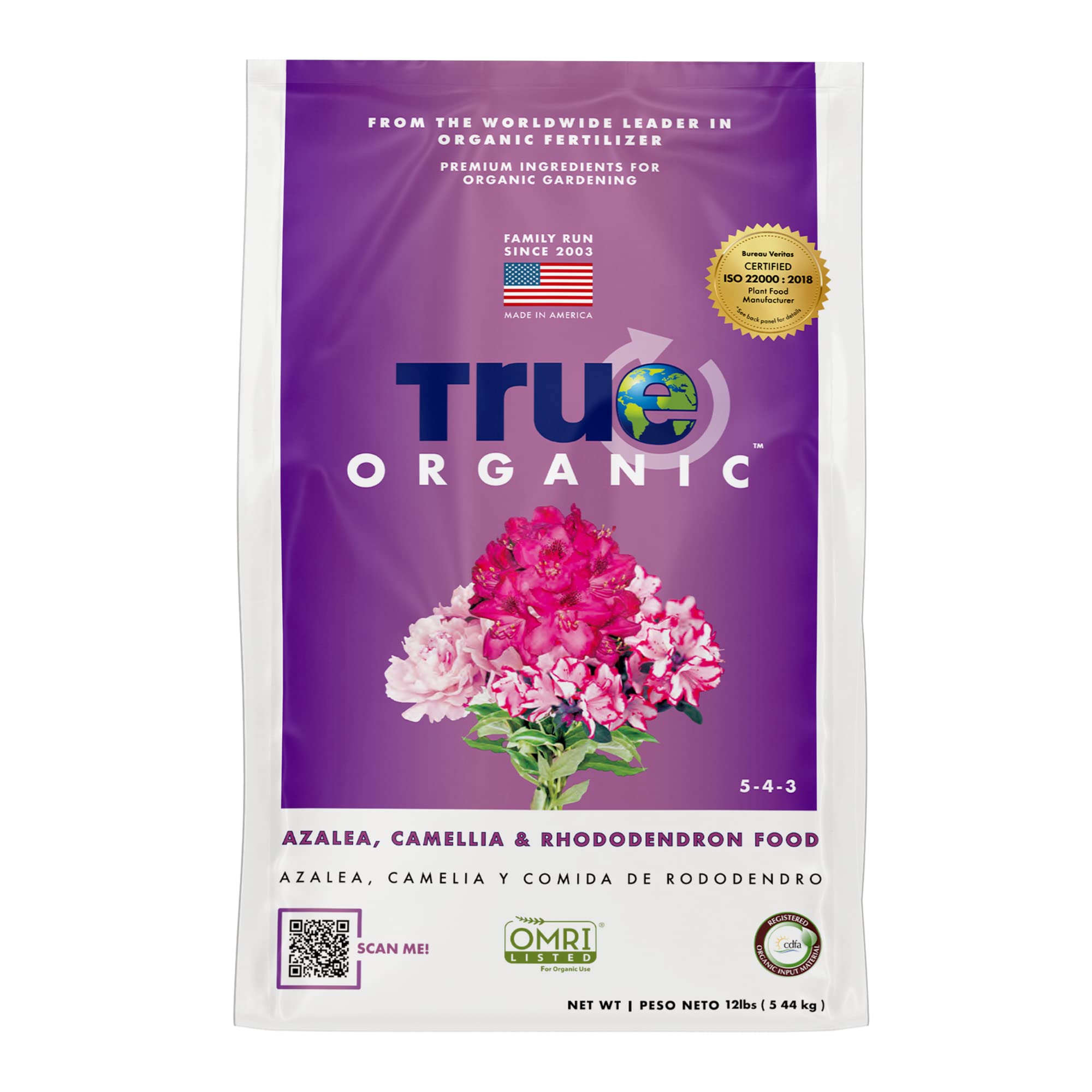
True Organic’s granular formula delivers a 5-4-3 NPK ratio specifically calibrated for acid-loving shrubs. The standout spec here is the 5% soil sulfur content, which steadily lowers pH over several weeks. Gardeners who applied this to rhododendrons that hadn’t flowered in years saw bud set within a single season.
The ingredients include seabird guano, shrimp and crab shell meal, and sulfate of potash. These components break down gradually, providing nutrients for roughly 8–10 weeks per application. The 12-pound bag covers up to 261 square feet, making it a cost-efficient choice for larger landscape beds with multiple azaleas and camellias.
Because it’s an organic granular feed, it works best when scratched into the top inch of soil around the drip line and then watered in. It does require two applications per year — spring and fall — to maintain consistent acidity through the growing and dormant seasons.
What works
- High sulfur percentage effectively lowers soil pH for full-season acidity
- Large bag size covers extensive shrub beds without needing to reapply monthly
What doesn’t
- Granules can be dusty if poured aggressively; a mask is recommended
- Not a complete potting mix — must be used with existing soil or planter medium
3. Espoma Organic Holly-Tone 4-3-4 (2-Pack)
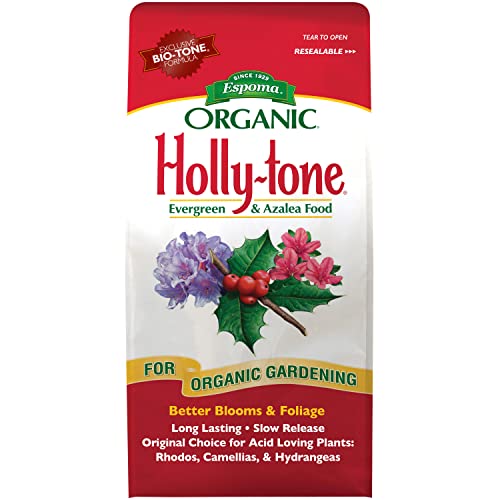
Espoma Holly-Tone is arguably the most recognized name in acid-loving plant nutrition, and the 4-3-4 analysis with 5% sulfur has been trusted since 1929. The exclusive Bio-tone formula adds beneficial microbes that help roots access nutrients locked in the soil. The 2-pack provides eight total pounds, which is enough to feed a dozen medium azaleas for an entire season.
This product is approved for organic production and registered as an Organic Input Material. It contains no sludges, biosolids, or synthetic chemicals. Gardeners report that a spring application greens up yellow azaleas within two to three weeks, and a fall application strengthens root systems through winter dormancy.
One of the key advantages is the “no mixing required” convenience — you sprinkle the granules dry around the plant’s drip line and water thoroughly. The 2-pack format is particularly useful for gardeners who have mixed ericaceous plantings of azaleas, hydrangeas, and blueberries and want consistent feeding across all of them.
What works
- Bio-tone microbes improve nutrient uptake without increasing salt levels
- Two-bag pack offers flexibility for staggered spring and fall applications
What doesn’t
- Strong natural odor (fish and bone meal) that some find unpleasant for a few days
- Granules can cake if stored in humid conditions after bag is opened
4. Dr. Earth Acid Lovers Azalea, Camellia, Rhododendron & Maple Fertilizer

Dr. Earth holds the distinction of being the only Non-GMO Project Verified fertilizer in the U.S.A. The 0.3-0.4-3 analysis is extremely low in nitrogen and phosphorus, making it a safe choice for sensitive plants or when you want to avoid pushing excessive foliage growth. The formula includes multi-minerals, proteins, carbohydrates, and humic acids.
Multiple owners of gardenias and rhododendrons report that this product revived plants that had not bloomed in years. The key is the combination of mycorrhizae and beneficial soil bacteria, which improve root efficiency rather than flooding the soil with soluble nutrients. It works well as a top-dress or brewed into a compost tea.
The 4-pound bag is compact, but it covers more ground than you might expect because of the low application rate — about one cup per five feet of shrub height. It’s handcrafted from human and feed-grade ingredients, and the packaging is made from sustainable materials.
What works
- Non-GMO and OMRI-listed with the highest transparency certifications
- Gentle enough to use on newly planted azaleas without risk of root burn
What doesn’t
- Very low phosphorus ratio may not satisfy azaleas in heavy bloom phase
- 4lb bag requires more frequent reapplication than larger granular alternatives
5. Ferti-lome Azalea, Camellia, Rhododendron Food 9-15-13
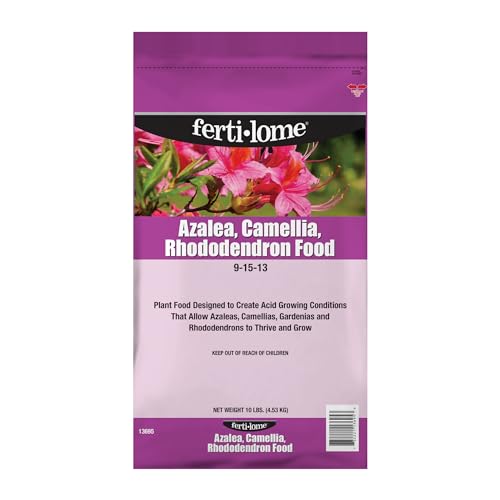
Ferti-lome takes a different approach with a 9-15-13 NPK ratio that is significantly higher in phosphorus and potassium. This formulation is designed specifically for mature azaleas that need a bloom boost rather than general maintenance. The 10-pound bag is the largest volume among the granular options in this guide.
The product creates an acidic growing condition through its nutrient profile rather than relying on high sulfur percentages. Application timing is critical: feed existing plants in very early spring, again after blooming, and once more in the fall. The application rate ranges from 1/4 cup for a 1-foot shrub to 1 1/4 cups for plants 6 to 12 feet tall.
Several reviewers noted that their rhododendrons bloomed for the first time in three years after switching to this formula from a balanced all-purpose fertilizer. The higher phosphorus does carry a caution — overapplication can lead to salt buildup in containers, so this product is better suited to in-ground plantings.
What works
- High phosphorus content reliably triggers heavy blooming on established plants
- Large 10lb bag provides exceptional value for gardens with many shrubs
What doesn’t
- Too potent for new transplants or young containers — risk of fertilizer burn
- Not organic; synthetic formulation may not appeal to natural gardeners
6. FoxFarm BushDoctor Coco Loco Potting Mix
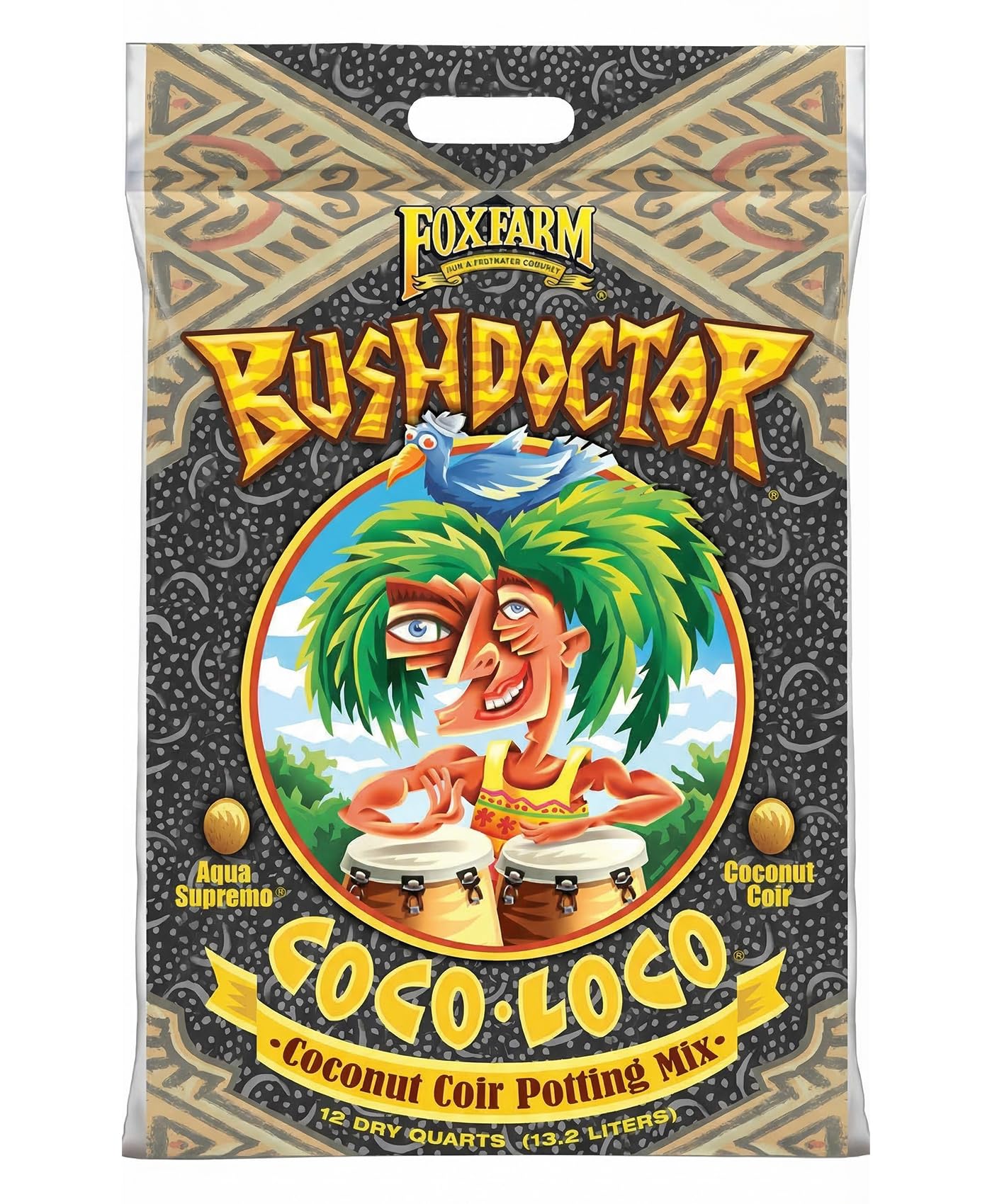
FoxFarm’s Coco Loco is a soilless potting mix built around triple-washed coconut coir (50–60% of the blend). The triple-wash process removes excess salts, which is critical for azaleas since they are salt-sensitive. The mix also includes bat guano, earthworm castings, and mycorrhizal fungi for a biological nutrient base.
For container-grown azaleas, this mix offers superior drainage compared to standard peat-based potting soils. The coir retains moisture at the root zone while allowing excess water to drain freely, which prevents the root rot that azaleas are prone to in poorly aerated media. Owners note that plants in Coco Loco need watering every two to three days in warm climates.
The 12-quart bag is relatively small, but because it’s lightweight and fluffy, a single bag fills two 10-inch pots. It’s a “blank slate” mix — it contains a mild nutrient charge from the worm castings and guano, but you should supplement with an acidic fertilizer like Holly-Tone after 30 days to maintain low pH.
What works
- Triple-washed coir minimizes salt damage to delicate azalea roots
- Excellent aeration structure prevents compaction in containers
What doesn’t
- Bag volume is small for the price compared to traditional potting mixes
- Needs added acidic amendment to reach the pH azaleas require
7. DUSPRO Citrus Tree Potting Soil Mix
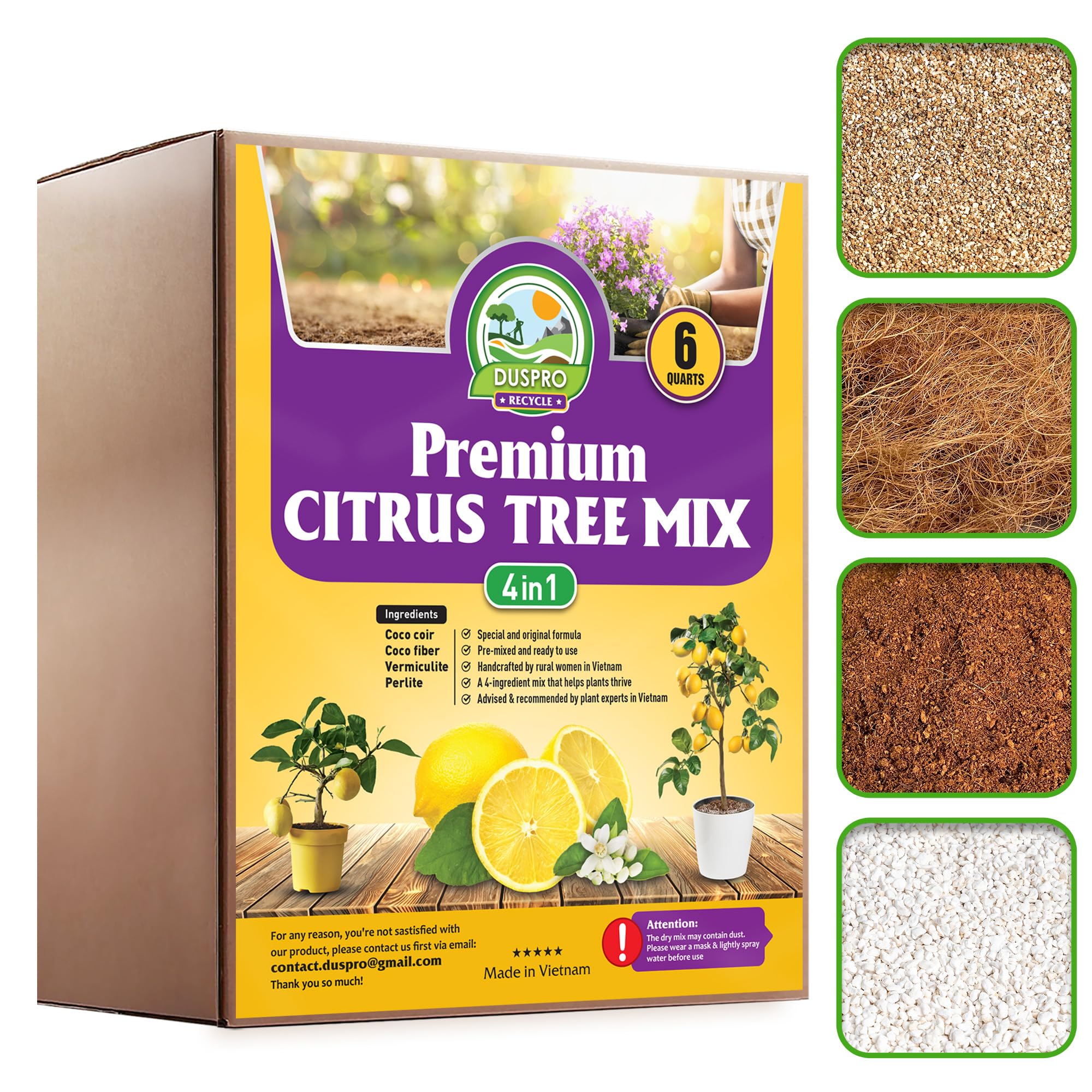
The DUSPRO Citrus Tree Potting Mix is an entry-level option that works for azaleas grown in pots with proper drainage. The formulation is designed for acid-loving citrus plants, which share a similar pH preference with azaleas. The mix includes double-screened natural ingredients with a emphasis on breathability and drainage.
At 6 quarts, this is the smallest volume in the guide, making it ideal for a single potted azalea or a small indoor shrub. It comes pre-mixed and ready to use — simply pour it into a container with drainage holes, place the plant, and fill. A free tree care ebook is included, which has basic soil management tips relevant to any container plant.
Users report that lemon trees, money trees, and indoor foliage all responded positively to this mix, with new leaf growth appearing within three to four weeks of repotting. For dedicated azalea growers, this is best viewed as a temporary growing medium or a base that you can amend with acidic fertilizer to dial in the pH more precisely.
What works
- Ready to use straight from the bag with no mixing required
- Fine texture and good drainage for small container applications
What doesn’t
- 6-quart bag is only enough for one medium-sized pot
- Not specifically formulated for azaleas — may not maintain a low enough pH alone
Hardware & Specs Guide
NPK Ratios for Acid-Loving Plants
Azaleas perform best with a nitrogen-to-potassium balance around 1:1 and phosphorus no higher than 15. The 4-3-4 ratio (Holly-Tone) provides steady foliage and bloom support without forcing rapid growth. Higher phosphorus formulas like 9-15-13 (Ferti-lome) are reserved for mature plants that need a bloom trigger — using them on young shrubs can cause leaf burn and root salt accumulation.
Soil pH Management
Maintaining a pH of 4.5–6.0 is non-negotiable for azaleas. Pre-mixed soils like Coast of Maine start acidic, while granular feeds like True Organic (5% sulfur) lower pH over time. Sulfur content in the 4–6% range is the most reliable metric for prolonged acidity. Products below 4% sulfur will require supplemental pH-lowering treatments every few months in alkaline soil regions.
FAQ
Can I use regular potting soil for azaleas?
How often should I fertilize potted azaleas?
What does 5% sulfur in fertilizer actually do?
Final Thoughts: The Verdict
For most gardeners, the azalea potting soil winner is the Coast of Maine Organic Planting Soil because it delivers a pre-acidified, OMRI-listed medium that works right out of the bag for both in-ground and container planting. If you want a slow-release granular feed that maintains acidity through the season, grab the True Organic Azalea Food 5-4-3. And for established shrubs that need a reliable bloom boost, nothing beats the Ferti-lome Azalea Food 9-15-13.