
Yellowing fronds, stunted growth, and browning tips are the most common signs that your areca palm is starving for specific nutrients rather than suffering from a lack of water. Unlike general-purpose plant foods, areca palms require a precise balance of nitrogen, potassium, and magnesium, along with manganese and iron, to maintain their vibrant, tropical canopy indoors or out. Choosing the wrong formula won’t just fail to help—it can lock up soil nutrients and worsen deficiencies over time.
I’m Rikta — the co-founder and writer behind Lawn Gear Lab. I’ve spent hundreds of hours dissecting fertilizer labels, comparing NPK ratios, studying manufacturer trials, and analyzing thousands of verified owner reviews to build this guide around what actually reverses chlorosis and supports healthy spear leaf development in areca palms.
This guide breaks down the specific formulas proven to correct nutrient deficiencies and sustain dense, green foliage so you can confidently select the right areca palm fertilizer for your specific growing conditions and budget.
How To Choose The Best Areca Palm Fertilizer
Areca palms are heavy feeders with a specific requirement for potassium and magnesium, yet they are sensitive to salt buildup from over-fertilization. The right choice depends on the application method, the form of nutrients, and the environment in which the palm grows.
NPK Ratio and Micronutrient Profile
An ideal areca palm fertilizer features an NPK ratio where potassium is the highest number, such as 12-4-12 or 16-5-25. Nitrogen supports leaf color, but excess nitrogen without sufficient potassium leads to weak, elongated growth and increased susceptibility to disease. Magnesium and manganese are non-negotiable secondary nutrients—without them, leaf tip burn and frizzle top appear even when the primary NPK numbers look correct. Always scan the guaranteed analysis panel for those two elements before buying.
Liquid, Powder, or Slow-Release Form
Liquid concentrates deliver fast results and are ideal for potted areca palms indoors, where you can control dosage precisely per watering. Water-soluble powders like Jack’s Classic offer a high-value way to mix multiple gallons at once, but require careful measuring. Slow-release granular formulas, such as Carl Pool Palm Food, work well for outdoor in-ground palms because they provide a steady 3–4 month nutrient release without the risk of salt spikes. Avoid solid spikes or compressed tablets for areca palms, as their root systems spread horizontally and benefit more from even soil distribution.
Frequency and Application Method
Most areca palms in containers benefit from a liquid feed every two weeks during spring and summer, followed by a monthly flush with plain water to wash out accumulated salts. For outdoor or large specimens, a slow-release granular applied at the start of the growing season and again in midsummer provides consistent nutrition without weekly effort. Foliar sprays such as Southern Ag Palm Nutritional Spray can correct acute micronutrient deficiencies faster than root feeding, but should supplement rather than replace a balanced soil program.
Quick Comparison
On smaller screens, swipe sideways to see the full table.
| Model | Category | Best For | Key Spec | Amazon |
|---|---|---|---|---|
| Dyna Gro Foliage Pro | Liquid | All-around indoor feeding | 9-3-6 NPK ratio | Amazon |
| Jack’s Classic Tropical Food | Powder | Root & foliar feeding | 16-5-25 NPK ratio | Amazon |
| Growth Technology GT Foliage Focus | Liquid | Precision hydroponic & soil | 3-5 ml per liter dosage | Amazon |
| Carl Pool Palm Food | Granular | Outdoor slow-release feeding | 12-4-12 NPK ratio | Amazon |
| TPS Nutrients Palm Tree Fertilizer | Liquid | Quick green-up for indoor/outdoor | 1:128 mixing ratio | Amazon |
| Espoma Organic Indoor Plant Food | Liquid | Organic potted palm care | 8 oz concentrate pack of 2 | Amazon |
| Southern Ag Palm Nutritional Spray | Foliar Spray | Spot-treating micronutrient deficiencies | 4 essential nutrients liquid | Amazon |
In‑Depth Reviews
1. Dyna Gro Foliage Pro 32oz
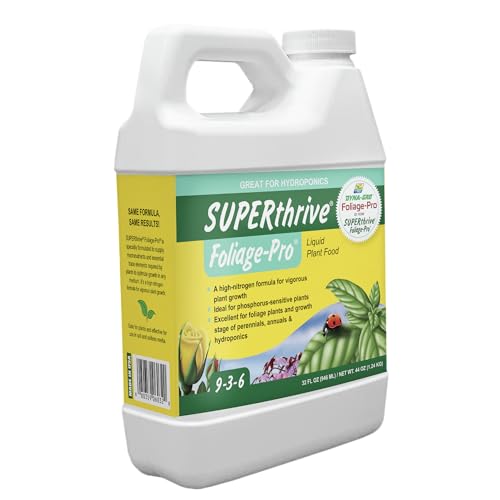
Dyna Gro’s Foliage Pro delivers a complete 3:1:2 NPK ratio that aligns perfectly with what areca palms require for steady leaf production and root development. The 9-3-6 formulation provides adequate nitrogen for rich green color without the potassium spike being too low, which is a common failing of generic 20-20-20 fertilizers that leave areca palms with weak stems and yellow lower fronds. The formula is fully chelated, meaning micronutrients like iron and manganese remain available even in alkaline water conditions typical of many tap sources.
Users consistently report seeing new frond emergence within days to a week after the first application, which speaks to the rapid uptake of the liquid form. The concentrate is extremely economical—only a small amount per gallon is needed—so a single quart bottle lasts months for a collection of indoor palms. It is also suitable for hydroponic systems, giving it flexibility if you ever switch growing media.
The only real caution is dosage sensitivity: if you over-concentrate the mix, the high nitrogen content can burn leaf tips. Owners who followed the label instructions had zero issues, but those who guessed at measurements sometimes needed to flush soil to correct salt damage. For anyone seeking a single, reliable liquid that covers both macronutrient and micronutrient needs, this is the most forgiving and complete choice for areca palms.
What works
- Balanced 9-3-6 ratio specifically supports healthy foliage without excessive nitrogen
- Highly concentrated, so a 32-ounce bottle goes a long way for multiple plants
- Works in both soil and hydroponic setups
What doesn’t
- Overdosing can cause leaf burn due to nitrogen sensitivity
- Liquid form requires mixing each time, not a set-and-forget option
2. Jack’s Classic 16-5-25 Tropical Food
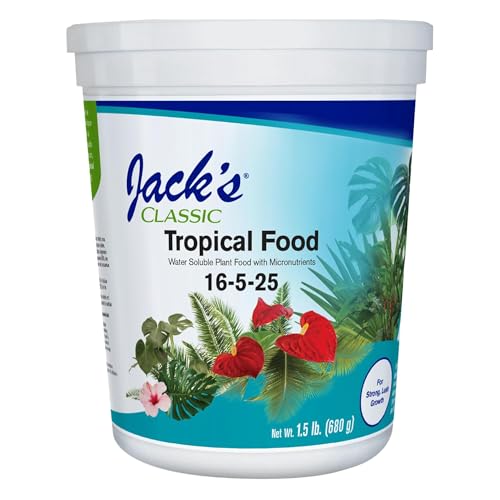
Jack’s Classic Tropical Food is formulated with a 16-5-25 NPK profile that puts potassium front and center—exactly what areca palms need to maintain robust cell structure, disease resistance, and that deep green coloration that signals good health. The high potassium number (25) helps counteract the potassium leaching that occurs in pots and sandy soils, which is the most common cause of yellowing lower fronds and brown leaf margins in this species. The formula includes magnesium, sulfur, and a full suite of micronutrients, so you don’t need to supplement with additional products.
This is a water-soluble powder, not a liquid concentrate, which offers a different set of advantages. It also works well as a foliar spray, meaning you can directly address deficiencies on leaf surfaces if the root zone is compromised or if you want faster results on a struggling palm. Owners using it on majesty and areca palms report dramatic reductions in leaf burn within two weeks of switching from generic fertilizers.
The powder form does require careful measuring; using the included spoon prevents guessing, but some users lost the spoon and had to estimate, which increased the risk of over-concentration. Additionally, the packaging has had occasional complaints about lids not sealing tightly during shipping, leading to minor powder spills inside the box. For growers willing to measure precisely, this is the most potassium-dense option on the list that also doubles as a foliar spray.
What works
- High potassium content (25) directly addresses the most common areca palm deficiency
- Can be applied as both a root drench and a foliar spray
- Excellent value, as 1.5 lbs yields many gallons of fertilizer
What doesn’t
- Powder can spill if the jar lid is not secured tightly during shipping
- Requires more mixing effort than pre-diluted liquids
3. Growth Technology GT Foliage Focus 1 Quart
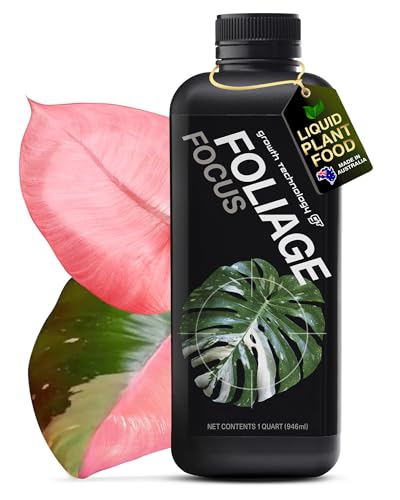
Growth Technology GT Foliage Focus is a premium liquid formula designed for serious indoor growers who want fine control over nutrient delivery. It contains nitrate-nitrogen, potassium, calcium, and magnesium in a pH-buffered solution that stays stable even in low-quality tap water, which is especially useful for areca palms that react negatively to pH swings. The recommended dosage of 3–5 ml per liter of water is straightforward, but the formula’s real strength lies in its compatibility with every growing medium: soil, potting mix, semi-hydro, hydroponics, and even as a foliar spray.
Users switching from generic fertilizers to GT Foliage Focus note visibly larger and darker new leaves within three weeks, plus a reduction in the typical yellowing that plagues areca palms during winter months when light levels drop. The presence of chelated trace elements ensures that iron and manganese stay bioavailable even if your soil pH is slightly off. The concentrated 946 ml bottle lasts a very long time given the small mixing ratio, so the upfront cost balances out over months of use.
The main drawback is the price point, which sits significantly above the other liquid options in this guide. Additionally, the manufacturer recommends a monthly flush with plain water to prevent salt accumulation, adding a step not required with some slow-release options. For hobbyists with rare or large areca palm specimens that demand consistent, high-quality feeding, this is the most thorough and adaptable liquid fertilizer available.
What works
- pH-buffered formula prevents nutrient lockup from poor water quality
- Works in soil, hydroponics, and as a foliar spray without adjustment
- Highly concentrated, so the quart bottle provides many feedings
What doesn’t
- Premium price point may be too high for casual plant owners
- Requires monthly flushing with plain water to prevent salt buildup
4. Carl Pool Palm Food 12-4-12 4 Lbs
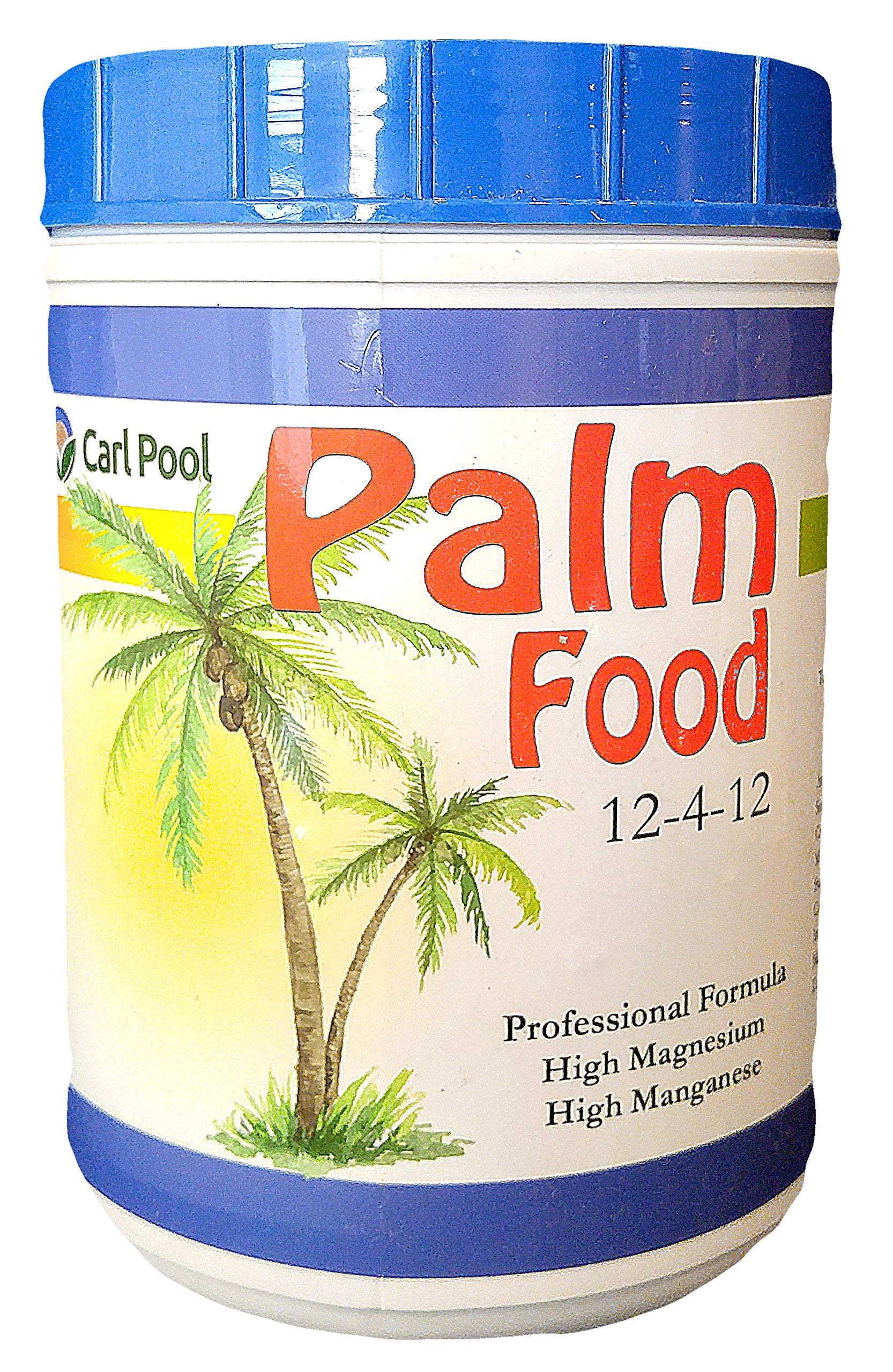
Carl Pool Palm Food is a granular slow-release fertilizer that matches the exact 12-4-12 NPK ratio recommended by horticultural extension programs for palm nutrition, including Clemson University’s guidelines. The nitrogen source is ureaform, which releases over 3–4 months, making this an excellent choice for outdoor areca palms planted in the ground or large containers that don’t get weekly liquid feedings. The added magnesium and manganese specifically target the frizzle tip and yellow banding symptoms that are common in areca palms grown in sandy or fast-draining soils.
Owners of sago and foxtail palms report that two applications per year—once in early spring and once in midsummer—completely reversed yellowing and produced explosive new growth after a single season. The granular form is easy to broadcast around the drip line, and because it breaks down gradually, there’s very little risk of burning the roots even if you apply slightly more than recommended. This product has a decades-long track record among professional palm growers, which speaks to its reliability in field conditions.
The main complaint is not about the formula but about packaging: the lid on the bucket has arrived cracked or loose in some shipments, leading to granular spillage inside the box. Also, because this is a slow-release product, you won’t see results as quickly as you would with a liquid drench—it takes about two weeks for the nutrients to begin working their way into the soil. For anyone with multiple outdoor palms who wants to fertilize twice a year and forget about it, this is the most practical and cost-effective granular option.
What works
- 12-4-12 ratio with extra magnesium and manganese matches palm-specific research
- Slow-release ureaform provides 3-4 months of steady feeding
- Trusted by professional growers for decades
What doesn’t
- Granular form works slower than liquid for fixing acute deficiencies
- Packaging lid may arrive loose, causing spillage during shipping
5. TPS Nutrients Palm Tree Fertilizer 32 oz
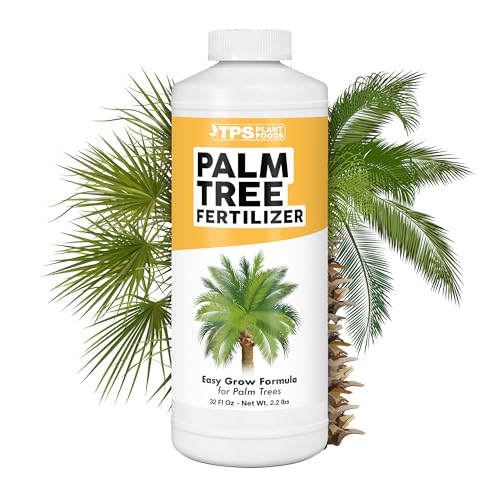
TPS Nutrients Palm Tree Fertilizer is a straightforward liquid concentrate formulated specifically for palm species, including areca palms, with a 1:128 mixing ratio that makes a single 32-ounce bottle stretch into 32 gallons of ready-to-use fertilizer. The formula targets frond color and root strength, which are the two areas where areca palms most commonly struggle after transplanting or after a pest infestation. Users who applied it to palms recovering from spider mite damage reported visible greening in as little as three days, with fronds becoming significantly less crispy within a week.
The liquid form absorbs quickly, making it suitable for both indoor potted areca palms and outdoor landscape specimens. The mixing ratio is easy to remember—about 10 ml per gallon—so there’s little guesswork. Some owners found that using it on non-palm houseplants also produced noticeable improvement, suggesting the nutrient profile is broad enough to be versatile without being generic. The bottle is manufactured in the USA and uses a clean, odor-free formulation that doesn’t leave residue on leaves when used as a soil drench.
The downside is that this product lacks the micronutrient complexity of premium options like Dyna Gro or GT Foliage Focus. It works well for general maintenance and quick recovery, but if your areca palm is showing severe chlorosis with interveinal yellowing, you may need a more comprehensive formula with higher manganese and iron levels. For routine feeding of healthy palms, however, this delivers fast, reliable results at a very reasonable per-gallon cost.
What works
- Very easy mixing ratio (1:128) simplifies application
- Produced rapid greening in palms recovering from pest damage
- 32 oz bottle yields up to 32 gallons of fertilizer
What doesn’t
- Micronutrient profile is less comprehensive than premium competitors
- Not ideal for correcting severe interveinal chlorosis alone
6. Espoma Organic Indoor Plant Food 8 oz Pack of 2

Espoma’s Indoor Plant Food offers an organic liquid option for areca palm owners who prefer to avoid synthetic salts and want a product safe to use around children and pets. The formula is derived from natural ingredients and provides the basic macronutrients needed for steady growth, though it does not match the palm-specific 12-4-12 or 16-5-25 ratios found in synthetic alternatives. The application is simple: half a cap per quart of water, applied every two to four weeks during the growing season.
Users consistently mention a strong manure-like odor during mixing, which dissipates quickly after application—this is typical of organic fertilizers and indicates active microbial ingredients rather than any problem. The results are slower than synthetic formulas, but owners report healthier root systems and deeper green color over the course of a few months. The two-pack provides good value for someone with several potted areca palms who wants an organic solution that won’t build up harsh salts in the soil.
The main limitation is the nutrient profile itself: while it works well for general indoor houseplants, areca palms have higher potassium and magnesium requirements than this generic organic blend can deliver. If you notice persistent yellowing or browning leaf tips after switching to Espoma, you may need to supplement with a palm-specific micronutrient spray. This product is best for maintenance feeding of healthy areca palms rather than correcting active deficiencies.
What works
- Organic formulation is safe for use around children and pets
- Gentle on roots, reducing the risk of fertilizer burn
- Two-pack offers good value for owning multiple houseplants
What doesn’t
- Not palm-specific; may lack the potassium and magnesium areca palms need
- Strong manure-like odor during mixing, though short-lived
7. Southern Ag Palm Nutritional Spray 1 Pint

Southern Ag Palm Nutritional Spray is a ready-to-use foliar liquid that delivers four essential micronutrients directly to the leaves of areca palms, bypassing root uptake issues that can be caused by compacted soil, overwatering, or pH imbalance. It is specifically formulated to correct and prevent deficiencies that cause yellowing, browning, curling, and permanent leaf injury—symptoms that often occur even when the soil has adequate NPK levels because the roots cannot absorb the nutrients. The spray format makes it a targeted tool rather than a general fertilizer.
Users have found it effective for reversing the bacterial and deficiency-related decline in palms where copper fungicides had failed. The treatment involves spraying directly into the central spear area and removing infected fronds, with new growth emerging clear and healthy. Many owners use it twice a year as a preventive measure and report noticeable differences in growth and leaf appearance within days of application. It is suitable for both indoor container areca palms and outdoor landscape palms.
This product is not a complete fertilizer—it does not provide the primary NPK macronutrients that areca palms need for overall growth. Relying solely on this spray without a balanced feeding program will eventually lead to nutrient imbalances. It works best as a supplemental treatment used alongside a quality granular or liquid base fertilizer. For anyone dealing with persistent yellowing that hasn’t responded to soil fertilizers, this spray offers a fast, direct way to get micronutrients into the leaf tissue.
What works
- Delivers micronutrients directly to leaves, bypassing problematic root uptake
- Visible greening reported within days on deficient palms
- Ready-to-use spray requires no mixing
What doesn’t
- Does not provide primary NPK macronutrients for growth
- Must be used as a supplement, not a standalone fertilizer
Hardware & Specs Guide
Understanding NPK Ratios for Areca Palms
Areca palms need a fertilizer where the potassium number (the third NPK digit) is equal to or higher than the nitrogen number (the first digit). Ratios such as 12-4-12 and 16-5-25 provide the potassium necessary for cell wall strength and disease resistance, while the lower phosphorus content prevents interference with micronutrient uptake. A 3:1:2 ratio (like Dyna Gro’s 9-3-6) works well for container palms because it balances leaf growth with root support without overloading salts.
Liquid vs. Granular Application
Liquid fertilizers act quickly—visible results appear within days—but require ongoing mixing and periodic soil flushing to prevent salt buildup. Granular slow-release formulas, such as Carl Pool’s ureaform-based 12-4-12, feed for 3–4 months with a single application, making them ideal for outdoor or low-maintenance setups. The tradeoff is that granules take two weeks to start releasing nutrients, so they are less effective for correcting acute deficiencies that need immediate intervention.
FAQ
How often should I fertilize my areca palm during the growing season?
Can I use a general-purpose 20-20-20 fertilizer on my areca palm?
Why are the lower fronds on my areca palm turning yellow despite fertilizing?
Final Thoughts: The Verdict
For most gardeners, the areca palm fertilizer winner is the Dyna Gro Foliage Pro 32oz because its balanced 9-3-6 ratio, built-in micronutrients, and high concentration make it the most versatile and reliable liquid option for both indoor and outdoor areca palms. If you want a potassium-heavy formula that doubles as a foliar spray, grab the Jack’s Classic 16-5-25 Tropical Food. And for low-maintenance outdoor specimens where slow-release feeding matters most, nothing beats the Carl Pool Palm Food 12-4-12 4 Lbs.