
Specs are compiled from manufacturer listings and verified buyer reviews and can change over time — please confirm the key details on the product page before buying.
You feed your garden to get strong growth, and alfalfa pellets feed the soil itself with a steady release of nitrogen (N) — the nutrient that fuels leafy green stems — without any synthetic chemicals. The hard part is choosing the right bag: do you need 10 pounds for a few raised beds or 40 pounds for rows of tomatoes? And is the bag labeled “pure alfalfa” actually free of fillers? This guide compares three proven options so you match the bag size and purity to your garden.
The winner for most gardeners is the Stampede Alfalfa Pellets, a 40-pound bag of 100% pure, Non-GMO alfalfa with no binders, at a lower per-pound cost than the other 40-pound option. You get the same purity and size as the premium Standlee bag but pay less per pound, which makes it the best value for large beds or bulk compost tea. If you want a printed N-P-K label (nitrogen, phosphorus, and potassium numbers) and only need a 10.7-pound bag for a small plot or compost pile, pick Walt’s Organic Alfalfa Pellets. And for maximum purity from a well-known brand, the Standlee Premium Alfalfa Pellets is the premium bag rose growers consistently recommend.
The three options below cover different scale and purity levels, from a premium 40-pound source of nitrogen for hungry roses to an entry-level 10-pound bag for small plots and compost piles. Here is a clear breakdown of the best alfalfa pellets for gardening.
Quick Picks
- Standlee Premium Alfalfa Pellets for Horses — Premium Pick
- Stampede Alfalfa Pellets, Non-GMO, 40 lb — Best Value
- Walt’s Organic Alfalfa Pellets (10 LB) — Entry-Level Pick
How To Choose The Best Alfalfa Pellets For Gardening
Alfalfa pellets work as a slow-release organic fertilizer, adding nitrogen and organic matter to your soil. The key differences among bags come down to purity, particle form (pellet versus granules), bag size, and the specific N-P-K numbers printed on the label. Here are the three factors that matter most.
Bag Weight and Your Garden Size
A 10-pound bag works well if you are amending a small raised bed, feeding a few potted roses, or mixing into a compost pile. A 40-pound bag suits larger vegetable gardens or if you plan to brew liquid fertilizer in bulk — you get more volume per bag, which means fewer trips to reorder.
Purity: Pellets vs. Fillers
Some alfalfa products use binders or fillers to hold the pellet shape. Look for phrases like “100% pure alfalfa” or “no pellet binders” on the label. Pure alfalfa pellets break down naturally in the soil and feed microbes without leaving synthetic residues.
N-P-K Analysis (What the Numbers Mean)
The three numbers on a fertilizer label stand for nitrogen (N), phosphorus (P), and potassium (K). An alfalfa pellet with a typical analysis of 2-0.25-2 means you get a modest but steady nitrogen boost for leafy growth, a small amount of phosphorus for roots, and some potassium for overall plant health. This is gentle enough for regular use without burning plants.
Quick Comparison
| Model | Best For | Bag Weight | N-P-K Analysis | Purity Claim | Amazon |
|---|---|---|---|---|---|
| Standlee Premium Alfalfa Pellets | Premium pick for purity | 40 lb | Not listed on bag | No fillers or binders | Amazon |
| Stampede Alfalfa Pellets | Best value for large gardens | 40 lb | Not listed on bag | Non-GMO, no pellet binders | Amazon |
| Walt’s Organic Alfalfa Pellets | Entry-level for small plots | 10.7 lb | 2-0.25-2 | Organic fertilizer | Amazon |
In‑Depth Reviews
1. Standlee Premium Alfalfa Pellets for Horses, 40 lbs
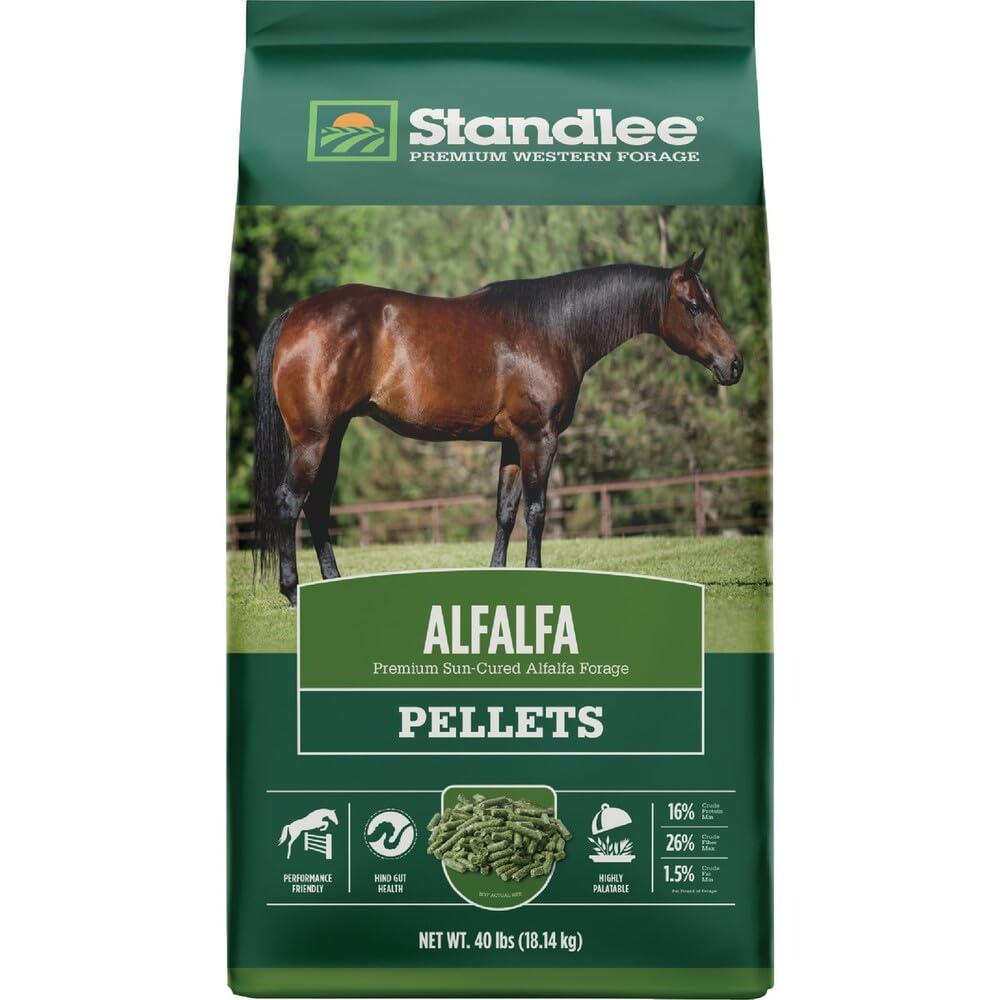
The 40-pound bag that shoppers turn to when purity matters most: buyers report it “appears to contain only the very best alfalfa with no fillers or binders.”
This is the bag to reach for if you want alfalfa pellets with absolutely no fillers or binders — owners mention that the Standlee Premium Alfalfa Pellets “appears to contain only the very best alfalfa with no fillers or binders.” That purity means the pellets break down cleanly in your soil, feeding microbes without any synthetic residue. One reviewer uses it for vegetable gardening and composting, brewing a liquid fertilizer by mixing a quart of pellets with compost, Epsom salts, and agricultural lime in 20 gallons of water.
At 40 pounds, this bag goes a long way for large raised beds, rose bushes, and compost piles. Customers note it works well for both dry application as a soil amendment and for making compost tea. Unlike the Stampede bag below, the Standlee bag does not have a printed N-P-K analysis on the label, so you are trusting the high-quality alfalfa itself rather than a guaranteed nutrient ratio.
What works well
- Buyers confirm no fillers or binders — just pure alfalfa
- 40-pound bag provides plenty of material for large gardens and compost piles
- Versatile: use it dry as a soil amendment or brew into a liquid fertilizer
What to note
- Does not have a printed N-P-K analysis on the bag
- Priced higher per pound than the Stampede option
Grab this for: gardeners who want maximum purity for soil amendment and liquid fertilizer brewing.
Consider the Stampede if: you prefer a bag with a clear Non-GMO and no-binder claim at a lower per-pound cost.
2. Stampede Alfalfa Pellets, Non-GMO, 40 lb

The bag that gives you 40 pounds of pure Non-GMO alfalfa — at a lower per-pound price than the Standlee option, which makes it the volume champion for large gardens.
Stampede’s 40-pound bag delivers exactly what a serious gardener wants: Non-GMO alfalfa, sun-cured naturally, with no pellet binders. The manufacturer states it is “100% pure alfalfa,” which aligns with what reviewers point out — one reviewer uses these pellets for daily nitrogen feeding on roses and other plants, noting “these pellets are priced better than the ones that I had been buying previously and apparently also contain nothing but Alfalfa — no fillers.” At 40 pounds, this bag matches the Standlee option in size but typically costs less per pound.
Like the Standlee bag, this one does not carry an N-P-K analysis on the bag, so the nutrient value comes from the natural alfalfa rather than a printed ratio. Buyers also use it for both garden feeding and animal feed (rabbits, goats, equine). One reviewer noted the pellets smell rich and fresh enough that they were “almost about to munch on it.” The trade-off is that the Stampede brand does not have the same widespread availability as Standlee in some regions.
Why it stands out
- 100% pure alfalfa with Non-GMO verification and no binders
- 40-pound bag at a lower per-pound price than the Standlee option
- Shoppers say excellent results for feeding roses and other nitrogen-hungry plants
One drawback
- No N-P-K analysis printed on the bag for guaranteed nutrient ratios
- Brand availability may vary regionally
Perfect for: budget-conscious gardeners who want a full 40 pounds of pure alfalfa without spending a premium.
Switch to Walt’s if: you want a printed N-P-K analysis and only need a small bag for a compost pile.
3. Walt’s Organic Alfalfa Pellets (10 LB)
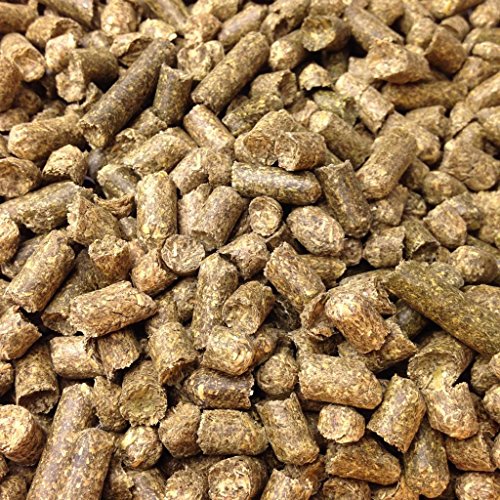
The only bag here with a printed N-P-K label: you know you are getting 2% nitrogen, 0.25% phosphorus, and 2% potassium — no guesswork.
This is the only option in this list that prints its nutrient analysis right on the bag: typical N-P-K is 2-0.25-2. That means you know exactly how much nitrogen, phosphorus, and potassium you are adding, which takes the guesswork out of soil amendment. At 10.7 pounds, the bag is lighter than the 40-pound competitors, making it handy for small raised beds, potted roses, or mixing into a compost pile. The manufacturer describes the form as “granules,” which cuts down on dust compared to finer powders.
The trade-off is cost per pound — buyers report “the price is a bit high for the amount you get,” which aligns with the smaller bag size relative to the price. For small gardens or first-time users wanting to test alfalfa pellets without committing to a large bag, this is the practical entry point. One buyer mentioned that the pellets smell good and work well for plants, though chipmunks might dig them out of the dirt. Another uses them as a supplement for grass-eating dogs who eat the pellets alongside their food.
What you get
- Printed N-P-K analysis of 2-0.25-2 for guaranteed nutrient ratios
- Granular form that produces less dust than powder
- Good for small gardens, compost piles, and potted plants
The catch
- Owners mention the per-pound cost is higher than larger bags
- Only 10.7 pounds limits use for large vegetable gardens or bulk brewing
Best for: small-space gardeners, compost tea brewers, and first-time users who want a printed N-P-K label.
Upgrade to Stampede if: you want a 40-pound bag of pure alfalfa at a better per-pound value for larger beds.
Understanding the Specs
N-P-K Analysis (2-0.25-2)
These three numbers stand for nitrogen (N), phosphorus (P), and potassium (K) — the primary nutrients plants need. A 2-0.25-2 analysis means you get a mild but steady nitrogen boost for leafy green growth, a trace of phosphorus for root development, and some potassium for overall plant health. This is a gentle ratio that is unlikely to burn plants and works well for general garden use.
Bag Size: 10.7 lb vs. 40 lb
The bag weight directly impacts how much garden area you can cover. A 10.7-pound bag suits small raised beds, a few pots, or a compost pile. A 40-pound bag covers large vegetable gardens, bulk compost tea brewing, or multiple feeding cycles. The price per pound typically drops with larger bags, making the 40-pound options more economical for serious gardeners.
FAQ
What is the N-P-K analysis of alfalfa pellets for gardening?
How do I use alfalfa pellets as a fertilizer?
Will alfalfa pellets attract pests to my garden?
Can I use alfalfa pellets for my vegetable garden?
What is the difference between a 10-pound and a 40-pound bag?
Are alfalfa pellets safe for pets?
What does “no pellet binders” mean?
Can I use alfalfa pellets for roses?
How long do alfalfa pellets last in storage?
Is Non-GMO important for alfalfa pellets in gardening?
Final Thoughts: The Verdict
For most gardeners, the alfalfa pellets for gardening winner is the Stampede Alfalfa Pellets because you get 40 pounds of 100% pure Non-GMO alfalfa with no binders at a sharp per-pound price. If you want a bag with a printed N-P-K label and only need a smaller amount for a compost pile or a few pots, grab the Walt’s Organic Alfalfa Pellets. And for maximum purity with verified no-filler quality from a well-known brand, the Standlee Premium Alfalfa Pellets is the premium choice that rose growers and compost tea brewers consistently recommend.
How We Picked
We do not accept paid placement. Every pick is matched to a real buyer and a real use-case; we do not hands-on test units.
Sources & Methodology
Specifications: manufacturer listings and product documentation. Review insights: verified customer reviews, as of July 2026. Pricing: not shown on this page (it changes often); check the current price via the retailer link.
As an Amazon Associate, Lawn Gear Lab earns from qualifying purchases. This does not affect which products we feature.