
Few sights in a garden are as disheartening as a gardenia shrub with yellowing leaves and buds that refuse to open. The culprit is almost always a soil pH that has drifted too alkaline, locking away the iron and manganese your acid-loving plants depend on. A targeted acidic fertilizer directly addresses this chemistry issue, delivering the sulfur, iron, and low-pH nutrient profile that gardenias and their relatives require to thrive.
I’m Rikta — the co-founder and writer behind Lawn Gear Lab. My approach to this guide involved cross-referencing NPK ratios, sulfur percentages, iron content, and organic certification data from seven top-rated products, then analyzing hundreds of owner experiences to determine which formulas consistently reverse chlorosis and boost bloom production.
After comparing granular, water-soluble, and slow-release formulations across multiple price tiers, one thing became clear: the best choice depends entirely on your soil’s starting pH and your preferred application style. This guide breaks down the top-performing options to help you select the ideal acidic fertilizer for gardenia plants and keep them blooming all season.
How To Choose The Best Acidic Fertilizer For Gardenia
Gardenias are notoriously pH-sensitive plants. They require soil in the 5.0 to 6.0 range to access essential micronutrients. Selecting the right fertilizer means looking beyond the product name to its actual acidifying mechanism, nutrient analysis, and release speed.
NPK Ratio and Its Role
A fertilizer’s three-number analysis tells you the percentage of nitrogen, phosphorus, and potassium. For gardenias, a balanced to slightly lower nitrogen ratio (like 4-3-4 or 8-4-8) encourages steady growth without forcing excessive foliage that attracts pests. Higher phosphorus formulations (like 9-13-11) can promote more abundant blooms, but should be matched with adequate soil acidification.
Acidifying Agents: Sulfur vs. Iron
Elemental sulfur is the most reliable long-term soil acidifier because soil bacteria convert it into sulfuric acid over several weeks. Iron, particularly chelated iron, provides a faster visual fix for chlorosis by greening leaves directly, though it does not permanently lower soil pH. The best formulas combine both approaches.
Release Method: Granular vs. Water-Soluble
Granular slow-release feeds offer convenience and safety for established shrubs, requiring application only two to three times per growing season. Water-soluble powders deliver nutrients instantly, making them ideal for correcting acute deficiencies or feeding container-grown gardenias. Your choice depends on whether you need a long-term soil amendment or a quick rescue.
Quick Comparison
On smaller screens, swipe sideways to see the full table.
| Model | Category | Best For | Key Spec | Amazon |
|---|---|---|---|---|
| Nelson NutriStar 9-13-11 | Premium Granular | Maximum bloom production | 3.2% iron, four acidifying sources | Amazon |
| Jack’s Classic 17-6-6 | Mid-Range Soluble | Precise pH control | 17-6-6 analysis with sulfur | Amazon |
| GARDENWISE 8-4-8 | Mid-Range Granular | All-in-one slow release | NPK 8-4-8 with live microbes | Amazon |
| Espoma Organic Holly-tone | Premium Organic | Large-area organic feeding | 4-3-4 with 5% sulfur, 36 lb | Amazon |
| Miracle-Gro Water Soluble | Mid-Range Soluble | Quick green-up for containers | Water-soluble, feeds instantly | Amazon |
| True Organic 5-4-3 | Premium Organic | Certified organic low-pH care | 5% sulfur, seabird guano base | Amazon |
| Dr. Earth Acid Lovers | Budget Organic | Entry-level organic feeding | Non-GMO verified, 4lb bag | Amazon |
In‑Depth Reviews
1. Nelson Plant Food NutriStar 9-13-11 (4 lb.)
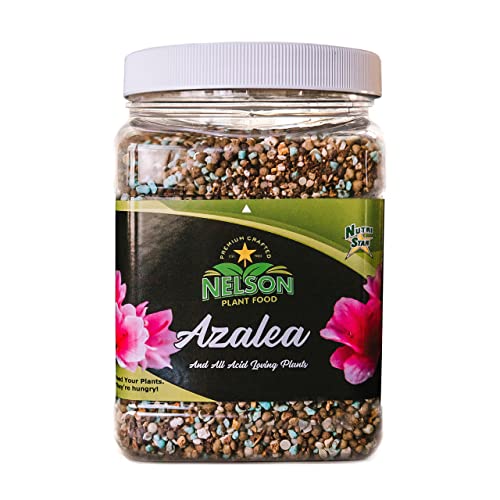
Nelson’s NutriStar formulation sets a high bar for gardenia performance by deploying four distinct acidifying sources alongside three different forms of chelated iron, totaling 3.2 percent iron content. This multi-pronged approach rapidly addresses interveinal chlorosis while simultaneously working to lower soil pH over repeated applications. The 9-13-11 NPK ratio leans slightly heavier on phosphorus, which supports bloom initiation and root establishment without pushing runaway leaf growth.
Landscapers and home gardeners alike report seeing results within a week of application, with deepened leaf color and new flower buds forming even on plants that had suffered cold damage. The product is designed for use on both in-ground specimens and container plants, covering everything from azaleas to gardenias to jasmines. The slow-release granular formula requires reapplication every other month during the growing season, which offers a middle ground between a one-time feed and a weekly soluble regimen.
For gardeners seeking a single product that aggressively fights chlorosis while pushing heavy blooms, NutriStar delivers reliable chemistry that has earned its place as a landscaper staple for over three decades. The granular texture is easy to broadcast around the drip line, and the three nitrogen sources help prevent the root burn sometimes associated with high-ammonium fertilizers.
What works
- Four acidifying sources effectively lower soil pH
- Three chelated iron sources correct yellow leaves rapidly
- Promotes heavy blooming even on stressed plants
What doesn’t
- Higher price point per pound compared to commodity fertilizers
- Requires bi-monthly reapplication during growing season
2. Jack’s Classic 17-6-6 Acid Special (1.5 lbs)

Jack’s Classic Acid Special uses a 17-6-6 water-soluble formula that brings elevated nitrogen for vegetative growth while incorporating sulfur to maintain low pH conditions. This is a precision tool — one teaspoon per gallon of water delivers a measured dose that can be adjusted up or down based on your gardenia’s response. The higher nitrogen content makes it especially effective for gardenias that need to rebuild foliage after a winter setback.
Blueberry growers have reported dramatic improvements in new whip growth after just three biweekly applications, and the same logic applies to gardenias. The included measuring spoon eliminates guesswork, and the powder concentrates into multiple gallons of liquid, making each small bag stretch surprisingly far. Because it is water-soluble, the nutrients are available immediately to the root zone, which is critical when you need to correct a pH-related deficiency fast.
Compared to more aggressive acid blends, Jack’s 17-6-6 carries a lower risk of over-fertilization thanks to its balanced secondary nutrients. The micronutrient package includes chelated iron and manganese, targeting the exact deficiencies that cause gardenia yellowing. For container-grown gardenias or gardeners who prefer precise weekly feeding, this is the most controllable option in the lineup.
What works
- Water-soluble formula allows precise dose control
- Lower NPK reduces risk of burn compared to 30-10-10 blends
- Sulfur content actively maintains acidic soil conditions
What doesn’t
- Small 1.5 lb bag requires more frequent purchases for large gardens
- Not a one-time application option; requires weekly or biweekly mixing
3. GARDENWISE 8-4-8 Acidic Fertilizer (1 Quart)
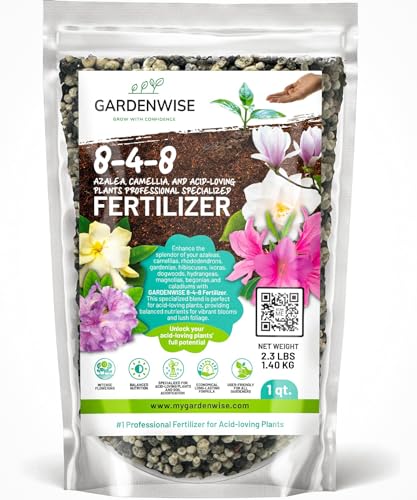
The GARDENWISE 8-4-8 formula is built around a slow-release granular system that requires only three applications per year, making it one of the most hands-off options for feeding gardenias and other acid-lovers. The 8-4-8 NPK ratio delivers balanced nutrition with emphasis on potassium for overall plant health and disease resistance. The inclusion of live bacterial microbes adds a biological component that supports long-term soil structure.
Owner reports indicate that magnolias and rhododendrons responded dramatically within a single week, doubling leaf count and producing blossoms on plants that appeared near death. The product is enriched with magnesium, iron, and manganese, directly targeting the three micronutrients most commonly deficient in alkaline soils. For gardeners managing large beds of acid-loving shrubs, the three-feeds-per-year schedule eliminates the need to mix weekly liquid solutions.
One practical trade-off is that the 32-ounce bag covers a moderate area, so large landscaping projects may require multiple bags. The bio-solid production process claims to remove heavy metals and toxins, which adds peace of mind for organic-minded growers. When you want a professional-grade granular feed that works steadily over months, GARDENWISE delivers consistent results with minimal labor.
What works
- Only three feedings per year required for sustained nutrition
- Live bacterial microbes improve soil health over time
- Magnesium and iron target common chlorosis causes
What doesn’t
- Small bag size may not suit very large gardens
- Slow-release action not ideal for acute deficiency correction
4. Espoma Organic Holly-tone 4-3-4 (36 lb.)

Espoma’s Holly-tone is the original organic acid-loving plant food, and its 36-pound bag offers the best cost-per-square-foot value among premium formulations. The 4-3-4 NPK analysis is deliberately conservative to prevent nitrogen burn, while Bio-tone microbes and 5 percent sulfur content work together to gradually lower soil pH. This is a one-bag solution for gardeners managing large properties with multiple acid-loving species.
Gardeners report exceptional bloom increases on azaleas, hydrangeas, and magnolias after switching to Holly-tone, with many noting that their shrubs produced more flowers than in any previous year. The slow-release organic breakdown creates a reservoir of nutrients that feeds plants consistently through the spring and fall application windows. The product is approved for organic production and contains no sludges or synthetic additives.
Because Holly-tone relies on natural organic matter rather than synthetic salts, it is extremely safe for delicate root systems. The trade-off is that pH reduction happens gradually over weeks as soil microbes process the sulfur, so it is not the fastest option for severe chlorosis. For long-term soil management and massive coverage area, Holly-tone remains the standard that other organic acid fertilizers measure themselves against.
What works
- Massive 36 lb bag covers large areas economically
- 5% sulfur provides steady long-term pH reduction
- Organic Bio-tone formula is safe for delicate roots
What doesn’t
- Slow pH adjustment may not satisfy urgent chlorosis cases
- Heavy bag requires storage space and strength to handle
5. Miracle-Gro Water Soluble Azalea, Camellia, Rhododendron Plant Food (5 lb.)

Miracle-Gro’s water-soluble formula for acid-loving plants is the market’s most recognized instant-feed solution, and the 5-pound bag provides enough concentrate to treat dozens of gardenias throughout the season. The powder mixes at a ratio of one tablespoon per gallon of water for outdoor feeding, and the nutrients are immediately available to the root system upon watering. Gardeners report visible greening and increased blooming within one week of application.
The resealable bag design protects the powder from moisture, and the formula is designed to work safely without burning foliage when used at the recommended dilution rates. It covers a broad target species list including gardenias, azaleas, camellias, hydrangeas, and orchids, making it a versatile option for mixed acid-loving plant collections. The product can also be used with a Miracle-Gro garden feeder for hose-end application, which speeds up feeding of large shrub borders.
While this is a synthetic fertilizer rather than an organic one, its reliable performance and rapid action make it a go-to choice for correcting deficiencies in container-grown gardenias or for gardeners who prefer a weekly liquid feeding schedule. It does not contain sulfur for long-term pH modification, so it is best paired with a separate soil acidifier if your pH is significantly above 6.0.
What works
- Instant nutrient availability corrects deficiencies quickly
- Resealable bag keeps powder dry and fresh
- Works with hose-end feeder for fast large-scale application
What doesn’t
- No sulfur content for long-term soil pH reduction
- Synthetic formulation not suitable for organic gardening programs
6. True Organic Azalea, Camellia & Rhododendron Food (12 lb.)
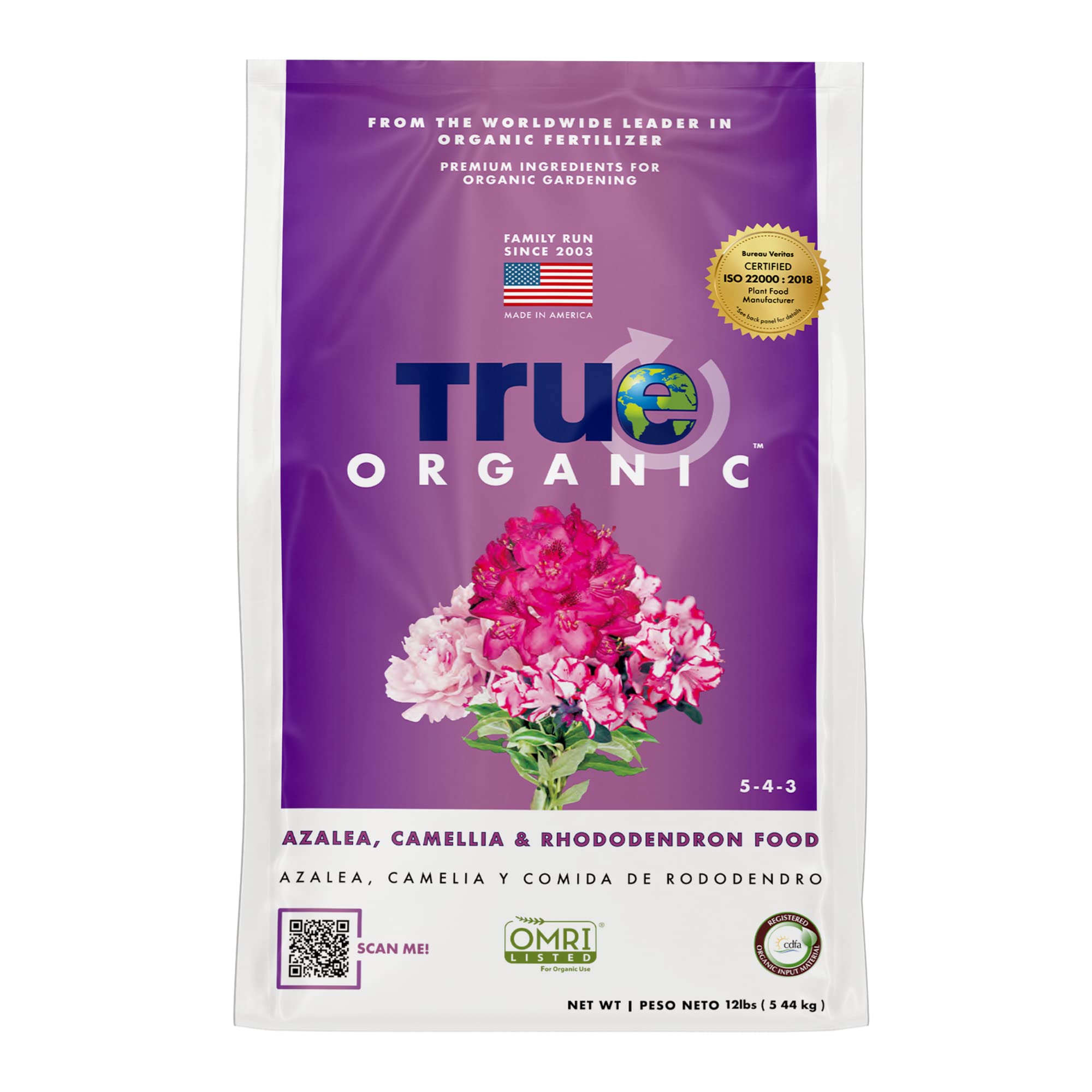
True Organic’s 5-4-3 granule formula stands out for its commitment to certified organic inputs, including seabird guano, shrimp shell meal, and crab shell meal as primary nutrient sources. The inclusion of 5 percent soil sulfur provides the acidifying punch needed to lower pH around gardenia root zones naturally. The 12-pound bag covers up to 261 square feet, delivering two season’s worth of feedings for a typical shrub border.
Gardeners who have made the switch from synthetic blends report that True Organic produces denser foliage and more vibrant blossoms without the soil salt buildup that can degrade soil biology over time. The twice-yearly application schedule — once in spring and once in fall — simplifies the feeding calendar considerably. The organic ingredients also support earthworm activity and beneficial soil microbe populations.
The primary consideration here is that organic granules work more slowly than synthetic water-solubles, so immediate chlorosis correction requires patience. The earthy smell from the crustacean meal is natural and short-lived after watering. For organic gardeners who want a single product that feeds, acidifies, and builds soil health simultaneously, True Organic delivers a complete package.
What works
- Certified organic with seabird guano and crustacean meals
- 5% sulfur effectively lowers soil pH over time
- Twice-yearly application fits busy schedules
What doesn’t
- Slow action is not ideal for urgent chlorosis correction
- Natural ingredient smell may be off-putting before watering
7. Dr. Earth Acid Lovers Azalea, Camellia, Rhododendron & Maple Fertilizer (4 lb.)

Dr. Earth’s Acid Lovers fertilizer is the only Non-GMO Project Verified fertilizer in the United States, and its OMRI listing ensures it meets organic production standards. The 4-pound bag is a manageable size for gardeners with a few acid-loving specimens who want to test organic feeding without committing to a larger investment. The formula is handcrafted from human and feed grade ingredients, enriched with multi-minerals, humic acids, and trace elements.
Gardenia owners have specifically reported that Dr. Earth produced the best blooming results their plants had ever shown, while camellia and rhododendron users noted rapid greening and new leaf development after a single application. The product can be used as a top-dress or brewed into a tea for gentle liquid feeding. The sustainability story — made in the USA through collaboration with environmentalists — adds appeal for ecologically-minded buyers.
At 4 pounds, this bag covers a smaller area than the larger options, so it is best suited for individual specimen shrubs or small garden beds. The 0.3-0.4-3 NPK ratio is extremely low in nitrogen and phosphorus, meaning it functions more as a soil conditioner and micronutrient supplement than a heavy feeder. For budget-conscious gardeners seeking their first organic acid-loving fertilizer, Dr. Earth provides a low-risk entry point with strong results.
What works
- Only Non-GMO Project Verified fertilizer on the market
- OMRI listed for certified organic gardening
- Humic acids and trace minerals improve soil biology
What doesn’t
- Small 4 lb bag limits coverage for large gardens
- Very low NPK analysis may require supplemental feeding
Hardware & Specs Guide
NPK Ratio Depth
The three-number ratio represents the percentage of nitrogen (N), phosphorus (P), and potassium (K) by weight. Gardenias benefit from a moderate N level to avoid excessive leaf growth that attracts whiteflies and scale insects. A ratio like 4-3-4 or 8-4-8 provides balanced nutrition, while a 9-13-11 pushes more phosphorus for heavier blooming. High-nitrogen formulas like 17-6-6 are best reserved for green-up phases or container plants that leach nutrients quickly.
Soil Sulfur Percentage
Elemental sulfur is the primary long-term acidifier in granular organic fertilizers. Soil bacteria convert it into sulfuric acid, which permanently lowers pH. Products with 5 percent sulfur content (such as True Organic and Espoma Holly-tone) provide effective pH reduction over several weeks. Water-soluble formulas typically lack sulfur and rely on ammonium-based nitrogen for short-term acidity, which is less sustainable for soil pH management.
FAQ
How often should I apply acidic fertilizer to my gardenias?
Can I use an acidic fertilizer on gardenias that already have yellow leaves?
Final Thoughts: The Verdict
For most gardeners, the acidic fertilizer for gardenia winner is the Nelson NutriStar 9-13-11 because its four acidifying sources and triple-iron formula deliver the fastest chlorosis correction while pushing maximum blooms. If you want precise water-soluble control, grab the Jack’s Classic 17-6-6. And for organic large-area coverage that builds long-term soil health, nothing beats the Espoma Holly-tone 36 lb.