
Specs are compiled from manufacturer listings and verified buyer reviews and can change over time — please confirm the key details on the product page before buying.
If you are filling a raised bed or a stack of containers, the difference between a good bag of soil and a bad one is whether your plants actually thrive or stall out and turn yellow. The right 1.5 cubic foot mix gives you enough volume to fill a 4×4 raised bed about four inches deep or several large pots, but the real choice depends on how much built-in feeding power and water retention you want before you start adding your own fertilizers.
I’m Rikta — the founder and writer behind Lawn Gear Lab. This guide is built by comparing the manufacturers’ published specifications and the patterns across verified customer reviews, so you get each pick’s real strengths and trade-offs instead of marketing spin.
Choosing the right 1.5 cubic feet soil can mean the difference between a lush harvest and a frustrating growing season for seeds indoors, a vegetable garden, or houseplants. This guide breaks down five top mixes that deliver on their promises.
Quick Picks
- FoxFarm Ocean Forest Potting Soil with 2 Plant Tags — Best Overall
- Gaia Green Organic Living Soil, 1.5 cu ft — Premium Pick
- Espoma Organic Raised Bed Mix, 1.5 Cubic Foot Bag — Best Value
- Roots Organics RO70715 Formula for Soil, 1.5 cu. ft. — Top Performer
- FoxFarm Salamander Soil Potting Mix, 1.5cu ft — Compact Pick
How To Choose The Best 1.5 Cubic Feet Soil
Picking the right bag of soil is not just about grabbing the biggest or cheapest one on the shelf. You need a mix that matches how you grow — whether that means extra water retention for hot weather, high nutrient density for starting seeds, or a light, fluffy texture that won’t suffocate roots in a container.
Nutrient Load: Pre-Charged vs. Bare Bones
Some soils come packed with slow-release organic fertilizers like kelp meal (dried seaweed), bone meal (ground animal bones), and earthworm castings (worm droppings) that feed plants for weeks or months. Others offer a clean, neutral base that gives you full control but requires you to add your own nutrients from day one. If you want to plant and forget about feeding for a while, look for a pre-charged mix. If you like to dial in your own fertilizer schedule, a leaner mix works better.
Texture and Drainage
The physical feel of the soil matters a lot. Ingredients like perlite (tiny white volcanic rocks) and pumice create air pockets so roots can breathe and water drains properly. Coco coir (ground coconut husks) and peat moss hold onto moisture so you water less often. A good balance between these components keeps your plants from drowning or drying out too fast.
Weight and Bag Condition
A 1.5 cubic foot bag can weigh anywhere from 24 to 35 pounds depending on how much moisture and dense material is inside. Heavier bags usually mean more compost and less lightweight filler like perlite. Check customer reports about shipping — crushed boxes or torn bags can leave you with a mess of lost soil before you even open the package.
Quick Comparison
| Model | Best For | Item Weight | Key Ingredients | Volume | Amazon |
|---|---|---|---|---|---|
| FoxFarm Ocean Forest | All-purpose container growing | 34 Pounds | Aged forest products, peat moss, perlite, sandy loam | 1.5 cu ft | Amazon |
| Gaia Green Organic Living Soil | Pre-charged, set-and-forget growing | 35 Pounds | Worm castings, kelp meal, bone meal, glacial rock dust | 1728 cu in | Amazon |
| Espoma Organic Raised Bed Mix | Filling raised beds | — | Earthworm castings, alfalfa meal, kelp meal, feather meal | 1.5 cu ft | Amazon |
| FoxFarm Salamander Soil | Reducing watering frequency | 24 Pounds | Coconut coir fiber, perlite, earthworm castings | 1.5 cu ft | Amazon |
| Roots Organics RO70715 | Large container organic growing | — | Peat moss, coco fiber, compost, perlite, pumice | 1.5 cu ft | Amazon |
In‑Depth Reviews
1. FoxFarm Ocean Forest Potting Soil with 2 Plant Tags, 1.5 cu ft
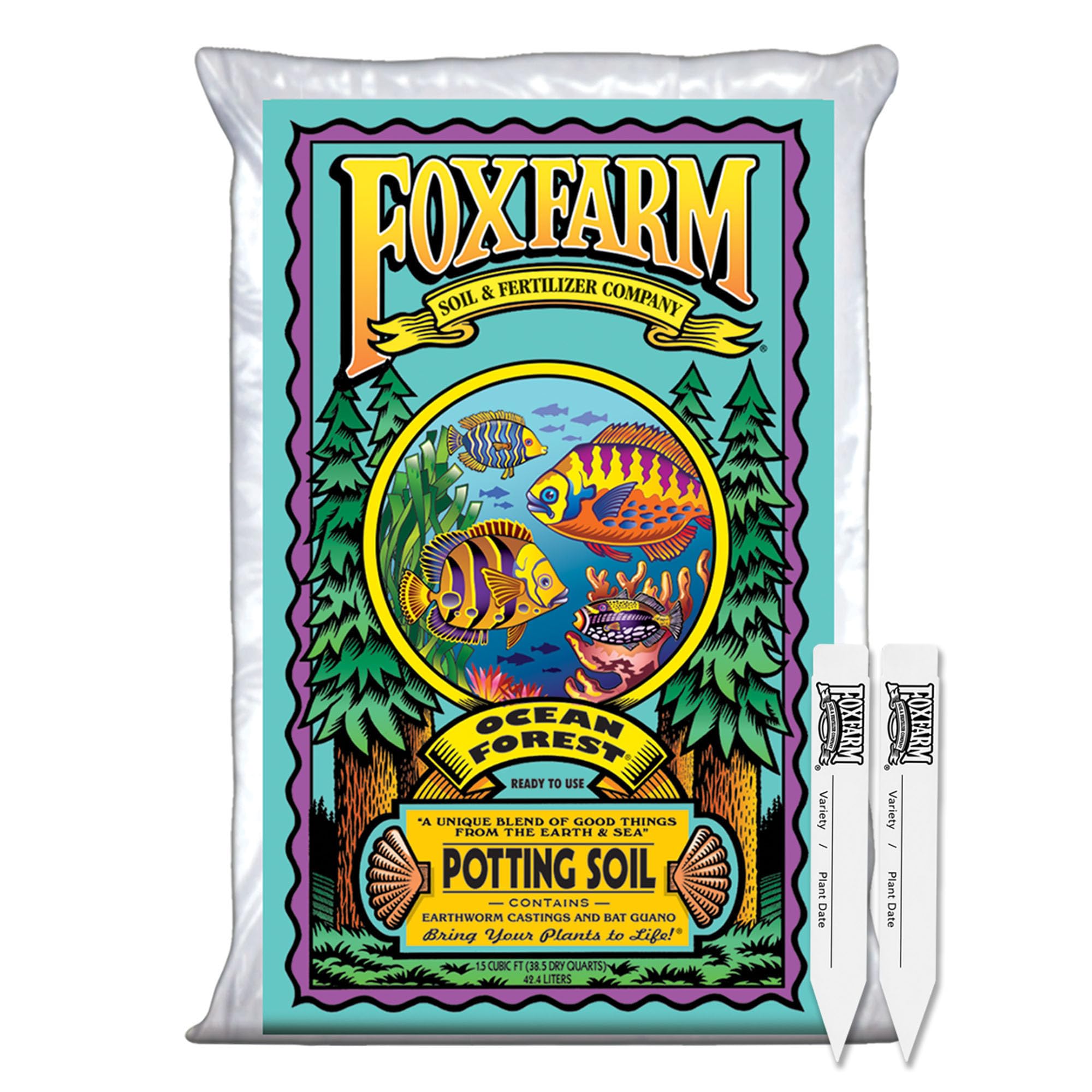
The all-purpose workhorse that makes container plants visibly outgrow their neighbors.
You open the bag and see a light, aerated mix ready to plant into immediately — no mixing or amending required at all. At 34 pounds for the 1.5 cubic foot bag, this is a mid-weight option that balances moisture retention from the sphagnum peat moss (a type of moss that holds water) with excellent drainage from the sandy loam (a soil type with sand, silt, and clay) and perlite (tiny white volcanic rocks). This prevents the root rot that happens when soil stays stagnant around roots. Buyers report a stark visual comparison: one reviewer noted “the first photo is my tomato plants in Fox Farm soil the second is in Miracle gro soil,” with plants started from seed at the same time showing dramatically better growth in Ocean Forest under identical watering.
FoxFarm lists ingredients like aged forest products (50-60% of the mix), fish emulsion (liquid fish fertilizer), crab meal (ground crab shells), shrimp meal, earthworm castings (worm droppings), kelp meal (dried seaweed), and oyster shell, so there is a solid nutritional foundation here for most vegetables, houseplants, and seedlings. Unlike the FoxFarm Salamander Soil below, this mix does not rely heavily on coco coir (ground coconut husk) for water retention, so it feels slightly fluffier and less spongy — ideal if you tend to water regularly and want good aeration instead of a moisture-lock texture.
The 1.5 cubic foot bag includes two customizable plant tags so you can label varieties and planting dates, which is a small touch that helps you track what is in each pot. If you want a proven, ready-to-use soil that has been a consistent favorite for years, this is the bag to start with.
Why It Works So Well
- Starts feeding immediately with fish emulsion, crab meal, and kelp meal already mixed in.
- Light, aerated texture helps young roots spread quickly without compacting.
- Customers consistently report visible growth advantages over standard big-box soils.
A Couple of Trade-Offs
- Heavier than the Salamander Soil (34 lbs vs 24 lbs) — harder to carry if you buy multiple bags.
- Price climbs year over year, as several regular owners mention they wish it cost less.
Reach for this if: you want a reliable, nutrient-rich potting mix that works for almost any container plant or raised bed without needing extra fertilizers.
Look elsewhere if: you specifically need a soil that lets you stretch days between watering in a hot, dry climate — the Salamander Soil holds moisture longer.
2. Gaia Green Organic Living Soil, 1.5 cu ft

The low-maintenance organic soil that comes pre-loaded with slow-release nutrients.
Gaia Green calls this a “living, biologically active soil,” and the ingredient list backs that up with worm castings, insect frass (ground insect droppings), composted inputs, kelp meal, alfalfa, bone meal, glacial rock dust (finely ground rocks that add minerals), and oyster shell — all packed into a mix of peat, perlite, and coco coir. At 35 pounds for the 1.5 cubic foot equivalent (1728 cubic inches), it is the heaviest bag here, which makes sense given the dense organic amendments it holds. You simply fill your pot or bed, plant, and water — no measuring or mixing required.
Customers note the soil arrives “nice and fresh” inside a cardboard box, and one reviewer who also uses the Gaia Green fertilizer amendments alongside this mix found it “very easy to use” for organic growing. One customer called it “one of the best out of the bag soils on the market.” That is high praise, but the price is the highest in this lineup — you are paying for the convenience of a fully pre-charged mix that skips the need for early-season feeding.
Compared to the Espoma Raised Bed Mix, which focuses on feather meal and alfalfa for raised beds, Gaia Green brings a broader range of mineral inputs (glacial rock dust and oyster shell) plus the biological activity from worm castings and insect frass. That makes it a stronger choice if you want a soil that sustains plants through a full growing cycle with less intervention.
Best for organic growers who want to open a bag, plant, and water without thinking about fertilizers for weeks. The catch: the premium price means you will feel it at checkout, and the 35-pound bag can make hauling multiple bags a workout.
Grab it if: you are growing vegetables or flowers and want a biologically rich mix that feeds plants naturally from the start.
skip it if: you are on a tight budget or prefer to control your own nutrient schedule with individual amendments.
3. Espoma Organic Raised Bed Mix, 1.5 Cubic Foot Bag

A raised-bed specialist with a mycorrhizae boost and a clean, sealed bag.
Espoma formulated this mix specifically for raised garden beds and outdoor containers, blending natural and organic ingredients like earthworm castings, alfalfa meal, kelp meal, and feather meal. It also includes Myco-Tone — a proprietary blend of endo and ecto mycorrhizae (beneficial fungi that attach to roots to help them absorb more water and nutrients). The bag is ready to use straight from the start for new beds or for enriching existing soil. Reviewers point out the bag arrives “perfectly sealed, no mold or dry spots,” with evenly blended compost that pours well — one customer was growing 9 vegetables and 12 flowering plants in a wet California February with good results.
At its price point, this is the most affordable bag in the lineup, making it a strong value play for anyone filling a large raised bed without blowing the budget. The feather meal and alfalfa provide a steady nitrogen release (nitrogen is the nutrient that powers leafy growth), while the mycorrhizae give roots a head start that some competing bags at this price tier lack. A few customers, however, noted that the texture can lean woody or mulch-like — one reviewer who bought six bags for new raised beds found the mix heavy on wood content and reported seedlings turning yellow after three weeks, requiring additional fertilizer.
If you are starting seeds in a raised bed and want a reliable organic base with extra root support from Myco-Tone, this is a solid mid-range choice. But if your plants need a richer nutrient load right out of the bag, you might find yourself supplementing with fertilizer sooner than expected.
What Makes It a Value Pick
- Affordable option for filling large raised beds — good coverage per dollar.
- Myco-Tone mycorrhizae give roots a biological advantage in nutrient uptake.
- Well-packaged and sealed; buyers consistently praise the delivery condition.
What to Watch Out For
- Some bags contain a high proportion of wood chips — a few customers found growth stalled.
- Not as nutrient-dense as the premium pre-charged mixes; you may need to fertilize earlier.
Best for: budget-conscious gardeners filling new raised beds who want a clean organic start and appreciate the mycorrhizae bonus.
Not ideal if: you are planting in containers where wood-heavy texture can compact or if you need a high-nutrient mix for heavy-feeding vegetables.
4. Roots Organics RO70715 Formula for Soil, 1.5 cu. ft.
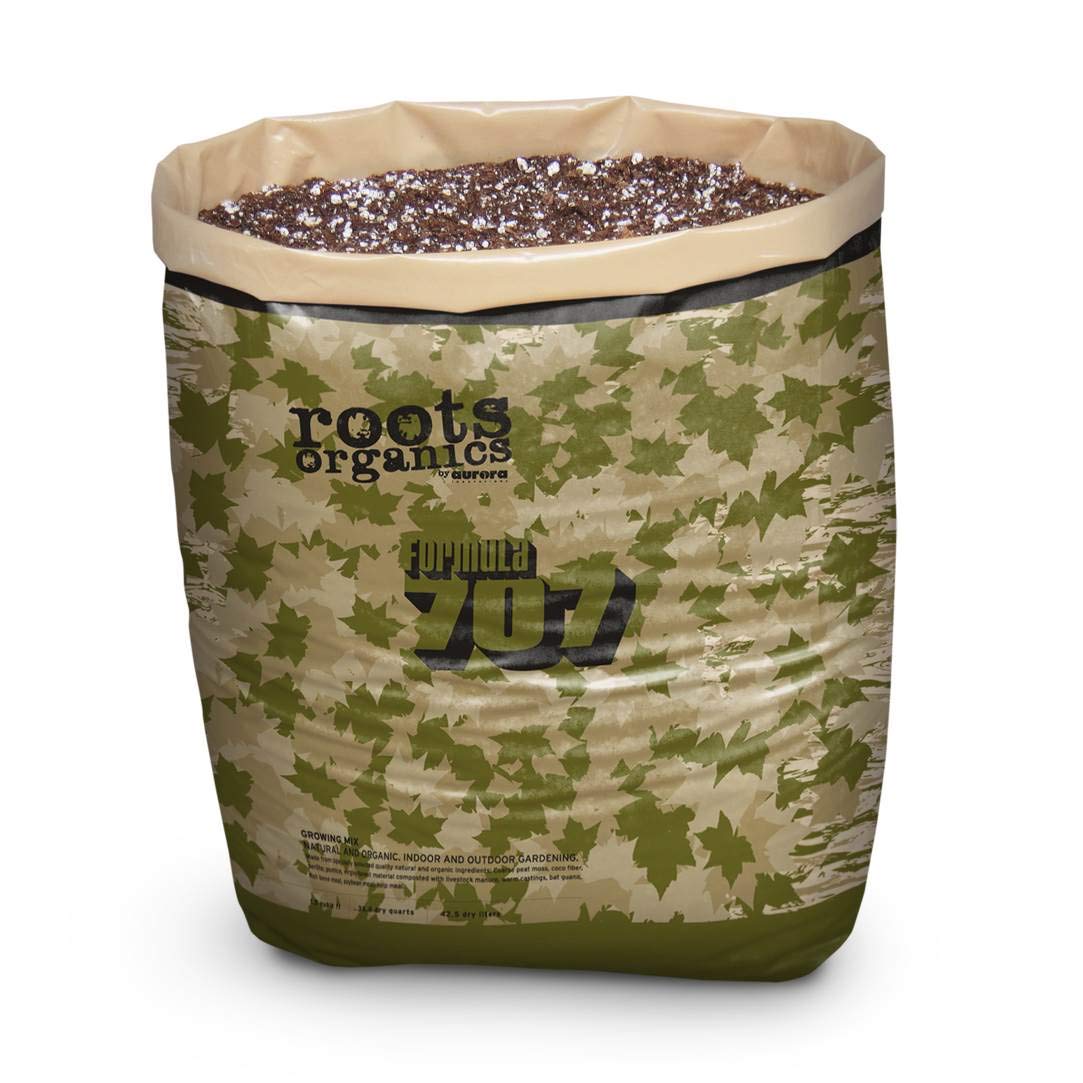
A grower’s mix designed for large containers with extra water-holding power.
Roots Organics takes a different approach than most bagged soils: it uses less perlite and pumice (porous volcanic rock that improves drainage) than typical mixes, relying instead on peat moss, coco fiber, compost, and pumice to create a formula that holds more water while still draining well. That makes it a strong option for large container gardening, where keeping moisture consistent through a deep pot can be a challenge. The manufacturer suggests you can even punch holes in the bottom of the bag, cut off the top, and plant directly into it.
Shoppers say impressive results from this mix. One experienced gardener wrote “seed to flower with no food till flower,” meaning they did not need to add any fertilizer until the plant started blooming — a strong testament to the built-in nutrient content. Another reviewer noted the soil is “basically ready to go for any indoor growing system right out of the bag, no mixing needed.” The only consistent complaint is about shipping: some bags arrive damaged because FedEx handles them roughly, leading to loss of soil during transit.
Compared to the FoxFarm Salamander Soil, which uses 60-70% coconut coir for water retention, Roots Organics takes a broader approach with peat moss, coco fiber, and compost together. The result is a denser, heavier feel that works well for plants that need consistent moisture in larger pots but might feel a bit heavy for small containers or seed starting.
Solid pick for large-container growers who want a mix that holds water longer than standard potting soil and keeps plants fed through the vegetative stage. Just inspect the bag on arrival — shipping damage is a real risk here.
Choose it if: you are growing in big pots (5+ gallons) indoors or outdoors and want a soil that reduces watering frequency while providing enough nutrients to delay fertilizing.
Pass if: you need a light, fluffy seed-starting mix or prefer soils with more perlite for sharp drainage.
5. FoxFarm Salamander Soil Potting Mix, 1.5cu ft
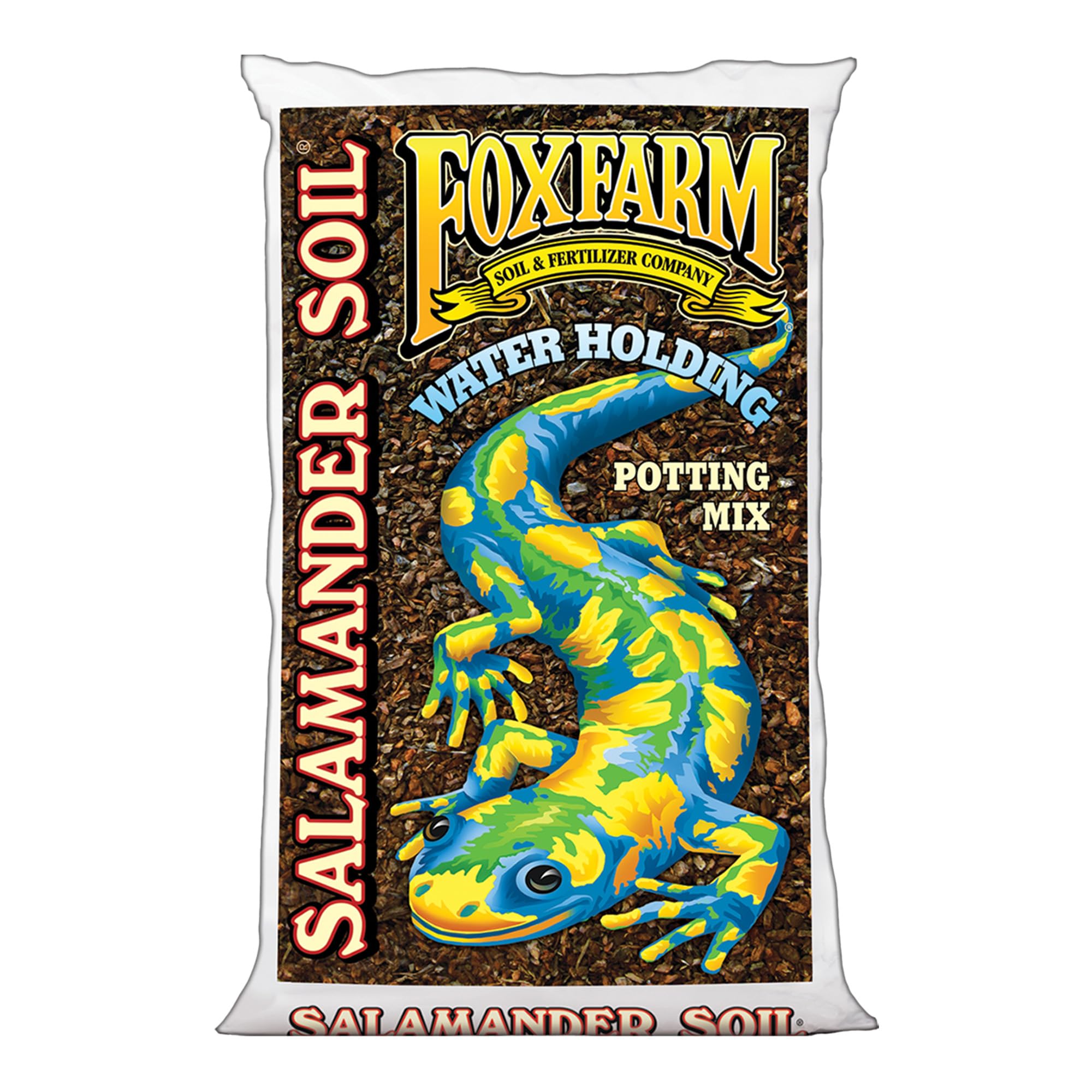
A featherweight mix that stretches time between waterings in hot weather.
At just 24 pounds, the Salamander Soil is the lightest 1.5 cubic foot bag in this roundup — a full 10 pounds lighter than the Gaia Green mix and 10 pounds lighter than the FoxFarm Ocean Forest. The reason is that 60-70% of the content is coconut coir fiber (ground coconut husk), which holds a lot of water without adding much weight. Perlite and fertilizer derived from earthworm castings, oyster shell, and dolomite lime (a mineral that balances soil pH) round out the formula. This soil is designed for rooted cuttings and young seedlings, both indoors and outdoors.
One buyer summed up the main advantage perfectly: “It enables me to water only once every four days and my plants just love it.” The same reviewer noted dark green foliage and no need for fertilizer until mid-flowering. Another person who grows wheatgrass in this mix reported very good results. The trade-off is that soil heavy on coco coir can sometimes feel too spongy for plants that prefer drier conditions between waterings — and if you overwater, the coir can stay damp longer than a perlite-heavy mix.
If you live in a dry, hot area or simply want to water less often, the Salamander Soil is the clear pick here. It is also the easiest to carry home if you are buying multiple bags since it weighs 24 pounds versus the 34-35 pounds of other options. Just remember that because it is lighter on dense compost and heavy on coir, you will likely need to start fertilizing earlier than you would with the more nutrient-packed mixes.
What You’ll Love
- Lightest bag here at 24 lbs — easy to transport and lift.
- Coco coir base lets you water every four days, per customer reports.
- Works great for both indoor and outdoor containers, especially in hot climates.
What to Keep in Mind
- Less built-in nutrient density than Forest Ocean or Gaia Green — plan to fertilize earlier.
- Spongy texture may not suit every plant type; best for moisture-loving species.
Go for it if: your biggest problem is keeping soil from drying out too fast in hot weather or if you want a lightweight bag to carry easily.
Avoid if: you need a nutrient-rich mix that feeds plants for weeks without supplemental fertilizer — this is more of a water-management soil than a nutrient powerhouse.
Understanding the Specs
Item Weight
This tells you how dense and moist the soil is before you open the bag. A 24-pound bag like the Salamander Soil is light because it is mostly coconut coir, which holds water but weighs little dry. A 35-pound bag like the Gaia Green Living Soil is heavy because it is packed with compost, rock dust, and worm castings — more nutrients per pound, but harder to carry. Heavy bags generally mean richer initial nutrition; light bags are easier to handle but may need feeding sooner.
Key Ingredients
The ingredient list reveals whether a soil is pre-charged or neutral. Aged forest products and peat moss give structure and moisture retention. Perlite and pumice create air pockets for drainage. Earthworm castings, kelp meal, bone meal, and feather meal are slow-release organic fertilizers that feed plants over weeks. Coco coir is a water-holding fiber from coconut husks that helps soil stay damp longer. Mycorrhizae (beneficial fungi) attach to roots and help them absorb more nutrients from the soil.
FAQ
How much area does a 1.5 cubic foot bag of soil cover?
Can I use 1.5 cubic foot potting soil directly from the bag without mixing anything?
What is the difference between a raised bed mix and a potting mix?
Is a 1.5 cubic foot bag heavy enough for moving around the yard?
Does expensive soil always mean better results for vegetables?
What does “pre-charged” mean on a bag of soil?
How do I keep my bagged soil from drying out during storage?
What should I do if my bag of soil arrives damaged and leaking?
Can I use 1.5 cubic foot soil for starting seeds indoors?
How long does a 1.5 cubic foot bag of soil last once opened?
Final Thoughts: The Verdict
For most gardeners, the 1.5 cubic feet soil winner is the FoxFarm Ocean Forest because it hits the balance between rich nutrient content, light texture, and proven results that buyers have trusted for years. If you want a pre-charged soil that does all the feeding work for you, grab the Gaia Green Organic Living Soil. And for hot, dry climates where you need to stretch every watering, the FoxFarm Salamander Soil is the lightweight solution that keeps your plants hydrated without daily trips outside.
How We Picked
We do not accept paid placement. Every pick is matched to a real buyer and a real use-case; we do not hands-on test units.
Sources & Methodology
Specifications: manufacturer listings and product documentation. Review insights: verified customer reviews, as of July 2026. Pricing: not shown on this page (it changes often); check the current price via the retailer link.
As an Amazon Associate, Lawn Gear Lab earns from qualifying purchases. This does not affect which products we feature.