
If your outdoor pots turn into a swamp after one rain or your plants look yellow and weak despite regular watering, the issue is almost certainly your potting soil. An all-purpose bag from the big box store can hold too much water or dry into a hard, crusty brick — suffocating roots and inviting pests. The right mix balances moisture, drainage, and food so your plants actually thrive in a container.
I’m Rikta — the co-founder and writer behind Lawn Gear Lab. This guide is built by comparing the manufacturers’ published specifications and the patterns across verified customer reviews, so you get each pick’s real strengths and trade-offs instead of marketing spin.
Whether you are planting summer tomatoes in a pot, starting herb seeds in a window box, or refreshing a large planter, finding the best potting soil for outdoor plants comes down to matching the mix to your plant type, pot size, and local weather.
How To Choose The Best Potting Soil For Outdoor Plants
Outdoor planters and pots have different needs than in-ground garden beds. The soil in a container cannot pull moisture from the earth, so it must retain enough water to keep roots hydrated between rainstorms, yet drain fast enough to avoid root rot. Your main concerns are drainage, aeration, nutrient supply, and the physical volume of the bag relative to the number of pots you are filling.
Drainage and Aeration
The two ingredients that create a light, fluffy structure are perlite (small white volcanic pebbles that create air pockets) and vermiculite (a mineral that holds water like a sponge and releases it slowly). A good outdoor potting mix has enough perlite to let excess water run through freely, so oxygen reaches the root zone. You can test this by wetting a handful: it should feel crumbly, not heavy or sticky.
Nutrient Content and Organic Certification
Outdoor plants grow faster and need more food than houseplants because sun exposure and temperature swings drive growth. Most quality mixes include compost, worm castings, or slow-release fertilizers like bone meal or kelp meal. The OMRI (Organic Materials Review Institute) seal means the ingredients meet organic gardening standards — important if you are growing vegetables or herbs you plan to eat.
Quick Comparison
On smaller screens, swipe sideways to see the full table.
| Model | Category | Best For | Key Spec | Amazon |
|---|---|---|---|---|
| FoxFarm Ocean Forest | Premium | Serious container gardeners who need immediate results | 1.5 Cubic Feet | Amazon |
| Coast of Maine Bar Harbor Blend | Premium | Vegetable and flower enthusiasts wanting natural slow-release nitrogen | 16 Quarts | Amazon |
| Brut Organic Potting Soil | Premium | Organic growers who want microbe-rich soil with worm castings | 21 Quarts | Amazon |
| Espoma Organic Potting Mix | Mid-Range | Gardeners who want a versatile indoor/outdoor mix with mycorrhizae | 1 Cubic Foot | Amazon |
| Coast of Maine Tomatoes & Veggies | Mid-Range | Tomato and vegetable growers wanting a dependable organic option | 20 Quarts | Amazon |
| Midwest Hearth Premium Mix | Budget | Seed starters and small-scale container projects | 8 Quarts | Amazon |
In‑Depth Reviews
1. FoxFarm Ocean Forest Potting Soil
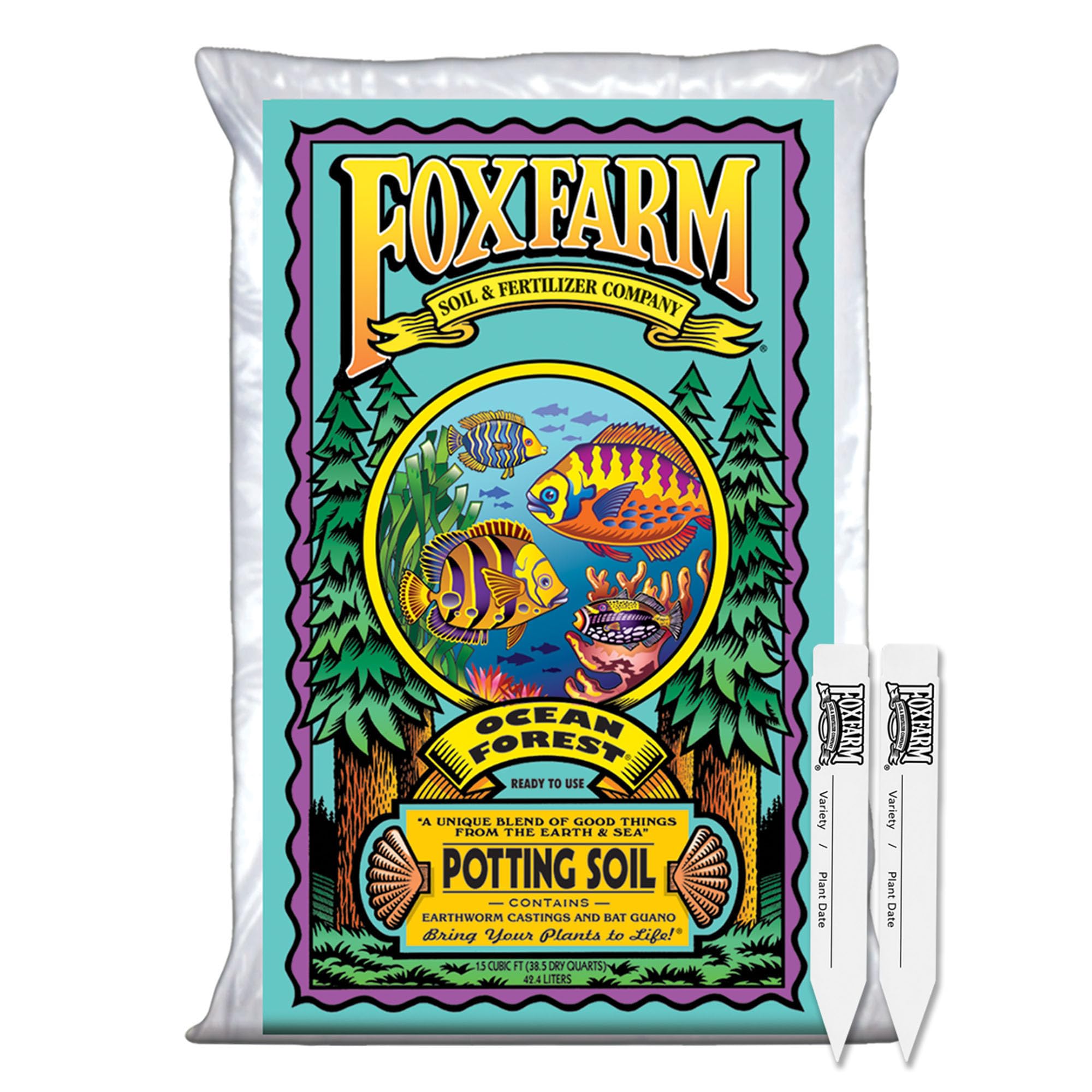
At 1.5 cubic feet (48 dry quarts), the FoxFarm Ocean Forest is the largest single bag on this list, making it the most cost-effective pick for anyone filling multiple large planters or a raised bed.
The secret to its performance is a light, aerated texture from aged forest products, sphagnum peat moss, and perlite. Buyers report that tomato plants grown in this soil under identical conditions were visibly larger than those grown in standard big-box brands. It also includes fish emulsion, crab meal, shrimp meal, earthworm castings, and kelp meal — all sourced ingredients that feed plants slowly over weeks, so you do not have to rush out and buy extra fertilizer immediately.
The honest trade-off is price: it costs more per bag than any other pick on this page. For serious outdoor container gardening, this is the one bag that delivers the most growth for the money.
Why it’s great
- Largest volume bag (1.5 cu ft) packs the best value per pot
- Light, fluffy texture drains well and prevents root rot in outdoor pots
- Aged forest products and natural fertilizers feed plants for weeks without extra work
- Includes two plant tags for labeling your varieties and planting dates
Good to know
- Premium pricing per bag — expect to pay more upfront for the quality
- Heavy bag at 34 lbs can be a workout to carry from the car to the garden
2. Coast of Maine Bar Harbor Blend Potting Soil
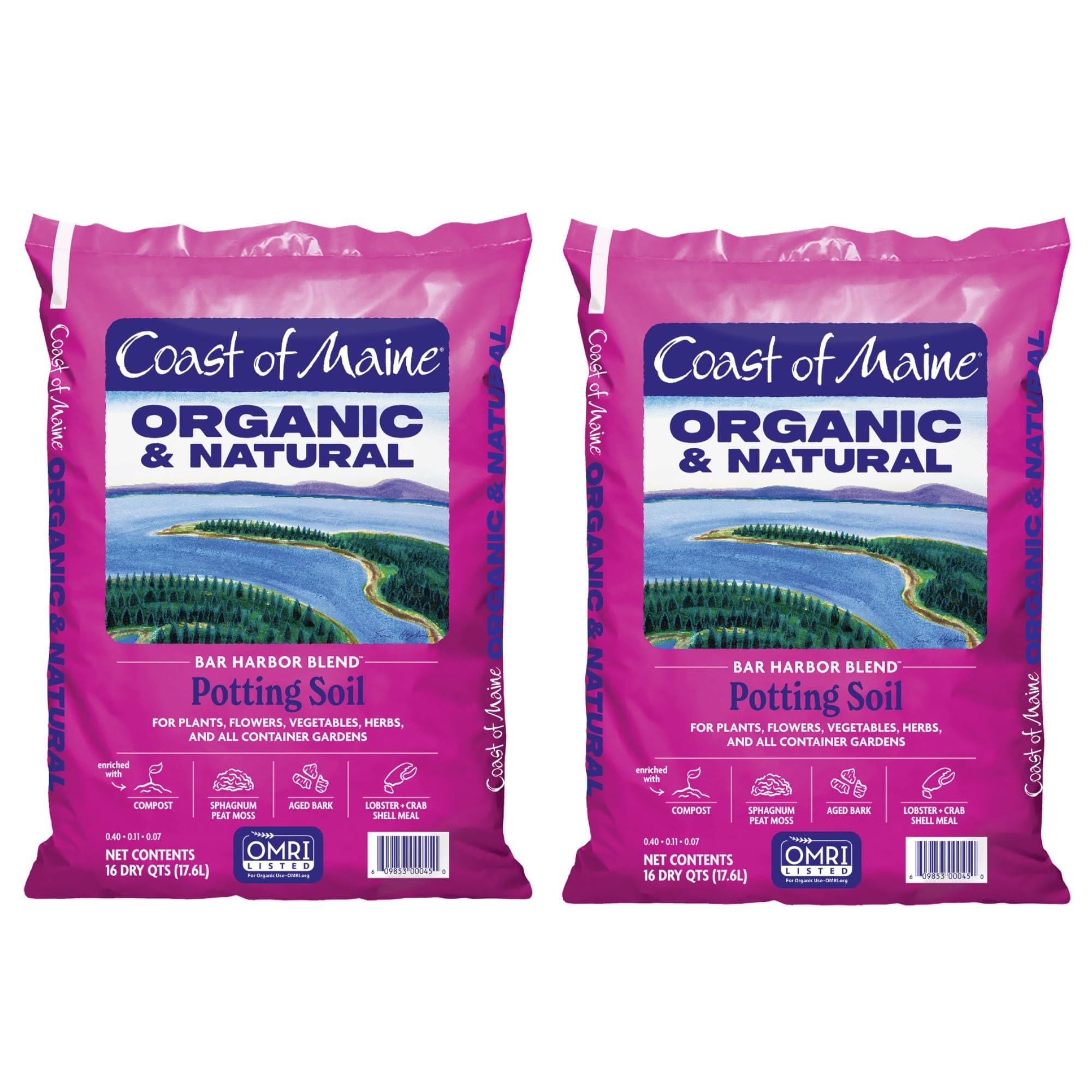
Where the FoxFarm wins on sheer volume and immediate nutrient density, the Coast of Maine Bar Harbor Blend takes a more nuanced approach with natural slow-release nitrogen that keeps feeding plants for months. At 16 quarts, this bag is smaller than the FoxFarm (roughly one-third the volume), but its formula is built around a unique ingredient you will not find in most mixes: lobster and crab shell meal.
Those shell meals are naturally rich in chitin (a fibrous substance), which some gardeners believe helps deter soil-borne pests while slowly releasing calcium and nitrogen. Mixed with sphagnum peat moss, compost, perlite, and kelp meal, the texture is dark, loose, and crumbly — owners mention it “feels super nice” in hand. One reviewer with 8 potato plants noted that two bags were enough to mound up all the plants and still have extra for two more planters. The darker color (less reliance on peat moss) signals more compost content, which means better moisture retention for hanging baskets and window boxes that dry out fast in the sun.
If you are growing vegetables, herbs, or flowers in containers and you want a mix that will not require constant re-fertilizing through the season, choose the Bar Harbor Blend over the FoxFarm. It is purpose-built for sustained growth without the heavy upfront cost of the 1.5-cubic-foot bag.
Where it shines
- Lobster and crab shell meal provide natural slow-release nitrogen for sustained feeding
- Dark, compost-rich soil retains moisture well for hanging baskets and small planters
- Customers note excellent growth in potatoes, tomatoes, and peas without extra fertilizer
Worth noting
- Bag is 16 quarts — about one-third the size of the FoxFarm, so you may need multiple bags for larger jobs
- The per-quart cost is higher than some competitors
3. Brut Organic Potting Soil
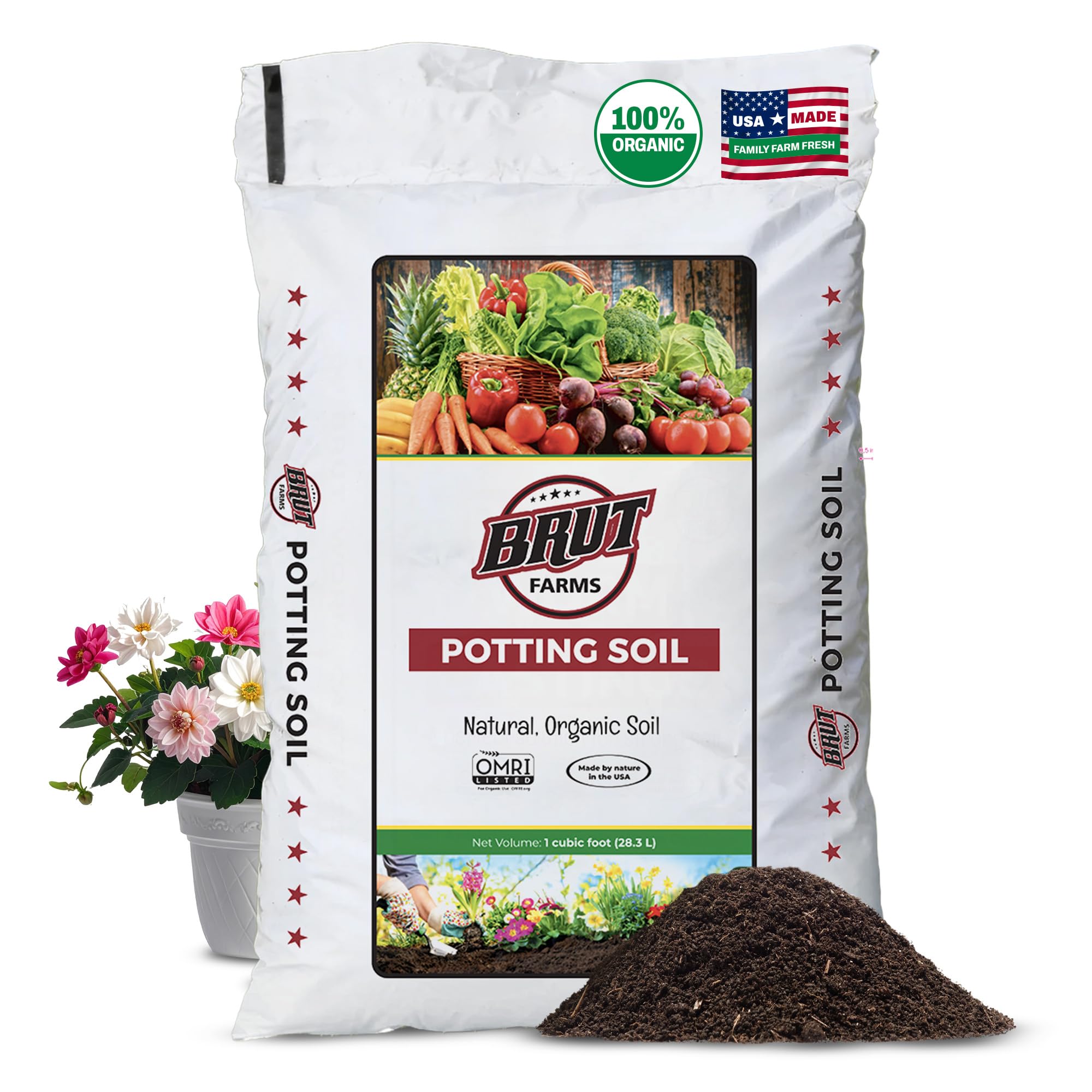
For the organic gardener who wants a single bag for both indoor and outdoor containers, the Brut Organic Potting Soil hits a sweet spot between volume and purity. At 21 quarts, it holds 2.6 times more soil than the 8-quart Midwest Hearth mix — meaning you can fill a medium-sized planter or several smaller pots without having to buy a second bag immediately.
This mix is packed with microbe-rich worm castings (worm droppings — one of the best natural fertilizers) and trace minerals from Azomite (a volcanic rock dust) and kelp. These ingredients feed plants at the root level rather than just sitting on top. The texture is described by buyers as “fine particulate” and “easy to work with,” with no sticks or wood chips. One reviewer noted that after bringing the bag outside, it attracted fruit flies because of the fish and bone meal content — a caution to keep it in a sealed container if pests are a concern in your area. It is also OMRI-listed and pH-balanced between 6.3 and 6.5, which covers the sweet spot for most vegetables, flowers, and herbs.
The biggest highlight here is the filler-free guarantee: no wood chips, no artificial additives. If you want a genuinely clean organic mix that does not hide bark or sand in the bottom of the bag, Brut delivers that transparency.
What stands out
- Microbe-rich worm castings and trace minerals (Azomite, kelp) feed roots directly
- Filler-free with no sticks or wood chips — what you see is what you plant
- OMRI-listed and pH-balanced (6.3–6.5) for a wide range of outdoor plants
The trade-offs
- Fish and bone meal content can attract fruit flies if left open outside
- Premium price per quart compared to budget-friendly options
4. Espoma Organic Potting Soil Mix

The single number that matters most in this category is the 1-cubic-foot bag size (about 30 dry quarts), and this product scores perfectly for versatility, straddling the line between indoor and outdoor use better than most. The mix includes sphagnum peat moss, humus, perlite, earthworm castings, alfalfa meal, kelp meal, and feather meal — plus a proprietary blend of mycorrhizae (beneficial fungi that attach to plant roots and help them absorb water and nutrients).
The catch for this precision blend is that it does not contain any synthetic fertilizers. That means you have to moisten the soil before planting (reviewers describe layering it, sprinkling water, then mixing by hand) to ensure even moisture distribution. Reviewers point out zero fungus gnats or critters even after storing the opened bag outside under cover — a major plus if you are worried about bringing pests into your home from a bag you also use indoors. However, one reviewer cautioned that it is not suitable for indoor use due to flying insects that appeared after a week.
The cost-per-quart is competitive with the mid-range options. If you want a bag that works for both a windowsill herb garden in the winter and a patio planter in the summer, and you want the added root health boost from mycorrhizae, the Espoma is the smart versatile buy, delivering strong price-to-value for a bag that pulls double duty across seasons.
The upsides
- Mycorrhizae blend improves root nutrient absorption — a unique boost not in most competitors
- No fungus gnats or critters reported after storing open bag outside
- Works well for both indoor and outdoor containers, adding seasonal flexibility
Keep in mind
- Needs to be moistened thoroughly before planting — not a ready-to-go texture dry
- Some users report flying insects in indoor pots after a week; best reserved for outdoor use
5. Coast of Maine Organic Planting Soil for Vegetables & Tomatoes

What you actually get at this lower price is a 20-quart bag of ready-to-use organic soil that is a step down in size from the Bar Harbor Blend but costs about half as much, making it a more budget-friendly entry point into high-quality organic soil.
What makes this bag stand out for tomato growers specifically is the inclusion of cedar and aromatic wood chips, which help deter insects naturally. One reviewer praised it as “excellent for vegetables” because it “holds moisture well, drains well, and is high in nutrients,” while another noted it was great for heirloom tomato seeds started indoors.
For a small patio garden with two or three tomato plants in large pots, this mix provides exactly the right balance of drainage and nutrition without requiring you to buy extra perlite or compost. Just open the bag and fill your containers — it is perfect for the budget-conscious gardener who wants a targeted organic soil for a few tomato plants.
Why we’d pick it
- Cedar and aromatic wood chips help naturally deter insects from your containers
- All-natural, OMRI-listed organic compost formula with no synthetic chemicals
- Balances moisture retention with drainage — perfect for tomatoes that dislike wet feet
A few caveats
- Some users report fungus gnats; recommend disinfecting soil before use for seeds
- Pricey for larger gardens — better suited for 2–3 pots than a full raised bed
6. Premium Potting Soil Mix by Midwest Hearth

This is the perfect first bag for a new gardener who wants to try their hand at a few containers on a balcony or patio.
At 8 quarts, it is the smallest bag on this list (roughly one-sixth the size of the FoxFarm bag), but for starting seeds or repotting a few small containers, it is the most affordable way to get a high-quality, ready-to-use mix. The blend contains peat moss, perlite, and vermiculite in a light, fluffy texture that shoppers say “does not appear to harden around the roots” and promotes strong roots in both indoor herbs and outdoor flowers. One buyer mentioned it was “great for my germinating petunias.” The bag is also resealable, which helps keep the remaining mix fresh if you are using it in stages.
If you are starting seeds, repotting a small herb planter, or just need a clean, weed-free, bug-free mix for a single project, the Midwest Hearth delivers professional-grade quality at the lowest entry price. Just keep in mind that this mix contains no compost, worm castings, or slow-release fertilizers, so you will need to add your own plant food for heavy-feeding outdoor plants like tomatoes.
Strong points
- Professional-grade formulation (pH-controlled, peat moss, perlite, vermiculite) at the lowest cost
- Light, fluffy texture that does not compact around roots — roots can breathe and spread
- Resealable bag keeps leftover mix fresh for multiple uses
Before you buy
- Small 8-quart bag is best for seeds or small containers — not enough for large planters
- No compost or slow-release fertilizer included; you need to add food for heavy feeders
Understanding the Specs
Peat Moss and Coco Coir
Peat moss (partially decomposed sphagnum moss harvested from bogs) is the backbone of most potting mixes because it holds several times its weight in water while staying light and fluffy. Coco coir (coconut husk fiber) is a more sustainable alternative that does the same job but breaks down slower. Both prevent your soil from turning into a brick when it dries out. If you live in a dry climate or forget to water occasionally, a mix heavy on peat moss or coco coir gives you more room for error.
Perlite vs. Vermiculite
Perlite looks like small white popcorn or Styrofoam balls — it is actually volcanic glass that has been heated until it pops. Its job is to create air pockets in the soil, so oxygen can reach the roots and excess water can drain out. Vermiculite is a different mineral that looks like tiny gold or silver flakes, and it acts like a sponge: it absorbs water and then releases it slowly to the roots. Outdoor mixes usually have more perlite than vermiculite because drainage is the bigger priority in pots that get rained on.
FAQ
Can I use indoor potting soil for outdoor plants?
How much potting soil do I need for a typical 12-inch outdoor pot?
What is the difference between garden soil and potting soil for outdoor containers?
Do I need to fertilize plants if I use a premium organic potting mix?
Final Thoughts: The Verdict
Across the board, the potting soil for outdoor plants winner is the FoxFarm Ocean Forest because its 1.5-cubic-foot bag provides the best volume-to-performance ratio and the richest natural fertilizer blend for serious container gardeners. If you want a dedicated vegetable mix with natural slow-release nitrogen from lobster and crab shell, grab the Coast of Maine Bar Harbor Blend. And for a budget-friendly start for a few small pots or seed starting, the standout is the Midwest Hearth Premium Potting Soil Mix.