
Ornamental grasses bring texture, movement, and year-round structure to a landscape, but feeding them the wrong fertilizer leads to floppy growth, burnt tips, or excessive leaf production at the expense of strong root establishment. A balanced or slightly low-nitrogen formula is the difference between a graceful, upright clump and a leggy mess that collapses under its own weight.
I’m Rikta — the co-founder and writer behind Lawn Gear Lab. I’ve spent the better part of the last three weeks cross-referencing NPK ratios, analyzing manufacturer specifications, and studying verified owner feedback to isolate the formulations that deliver measurable improvements in blade density, color, and structural integrity without pushing soft, unsightly growth.
The right product for your landscape should match the specific growth habit of your grass type, so I’ve curated this guide to help you find the best fertilizer for ornamental grasses based on your soil conditions and aesthetic goals.
How To Choose The Best Fertilizer For Ornamental Grasses
Ornamental grasses are low-maintenance by nature, but the wrong nutrient ratio can sabotage their form and longevity. The goal is steady, measured growth that strengthens the clump without pushing excessive, sappy foliage that cannot support itself.
NPK Ratio and Nitrogen Sensitivity
Nitrogen drives leaf growth, but too much — especially in a synthetic quick-release form — forces ornamental grasses to grow so fast that the blades become weak and flop over. A ratio with a first number at or below 10 is generally safe. Look for a second number (phosphorus) in the single digits to support root development without overwhelming the plant, and a third number (potassium) around 5 to help with overall stress tolerance and winter hardiness.
Slow-Release vs. Water-Soluble
Granular slow-release products feed over weeks or months, mimicking the natural nutrient cycle of a well-managed garden bed. They reduce the risk of a sudden nitrogen surge. Water-soluble formulas offer faster visible greening but require precise dilution and more frequent application. For most ornamental grass plantings, a top-dressed granular application in early spring is the most efficient method.
Organic Content and Soil Biology
Products containing beneficial soil microbes, mycorrhizal fungi, or composted organic matter improve the long-term health of the soil food web. Ornamental grasses establish deeper root systems in biologically active soil, making them more drought-tolerant and less dependent on frequent feeding. OMRI-listed or organic-certified labels are a strong signal that the formula will feed the soil as well as the plant.
Quick Comparison
On smaller screens, swipe sideways to see the full table.
| Model | Category | Best For | Key Spec | Amazon |
|---|---|---|---|---|
| FoxFarm Happy Frog 6-4-5 | Granular Organic | All-around ornamental beds | NPK 6-4-5 + Mycorrhizae | Amazon |
| GS Plant Foods 20-20-20 | Water-Soluble | Quick green-up | NPK 20-20-20 + Kelp | Amazon |
| Hi-Yield 12-6-6 | Granular Slow-N | Established shrub borders | NPK 12-6-6 / 10 lbs | Amazon |
| Espoma Plant-Tone 5-3-3 | Granular Organic | Gentle long-term feeding | NPK 5-3-3 + Bio-Tone | Amazon |
| Neptune’s Harvest 2-3-1 | Liquid Organic | Foliar feeding | NPK 2-3-1 Fish & Seaweed | Amazon |
| Alaska Fish 5-1-1 | Liquid Organic | Nitrogen boost for foliage | NPK 5-1-1 / 115 oz | Amazon |
| ARBER Liquid Concentrate | Liquid Bio-Fermented | Indoor ornamental grasses | 1:16 Mix Concentrate | Amazon |
In‑Depth Reviews
1. FoxFarm Happy Frog All Purpose 6-4-5

This 4-pound bag of granular fertilizer hits an ideal NPK of 6-4-5 for ornamental grasses, providing enough nitrogen for good color without pushing soft, weak blades. The inclusion of beneficial soil microbes and mycorrhizal fungi gives it a distinct edge, helping your grasses build a more resilient root system that handles drought and temperature swings better.
Because it is OMRI listed, you can use it liberally around bedding areas where children or pets roam without worrying about synthetic salt buildup. The slow-release nature of the granules means a single application in early spring can sustain steady growth through the main growing season without the risk of a sudden flush that causes flopping.
FoxFarm has a strong reputation among serious gardeners for consistent quality, and this blend is no exception. The only trade-off is the strong earthy smell that comes with any compost-based organic fertilizer, so you may want to wear gloves and apply on a breezy day rather than right next to a seating area.
What works
- Mycorrhizal fungi and microbes improve long-term soil health and root depth
- Gentle 6-4-5 ratio delivers steady nutrition without burning ornamental grasses
- OMRI organic listing makes it safe for organic garden beds
What doesn’t
- Strong manure-like odor during and immediately after application
- Granules can develop white mold on the surface if left sitting in wet soil
2. GS Plant Foods 20-20-20 Water Soluble
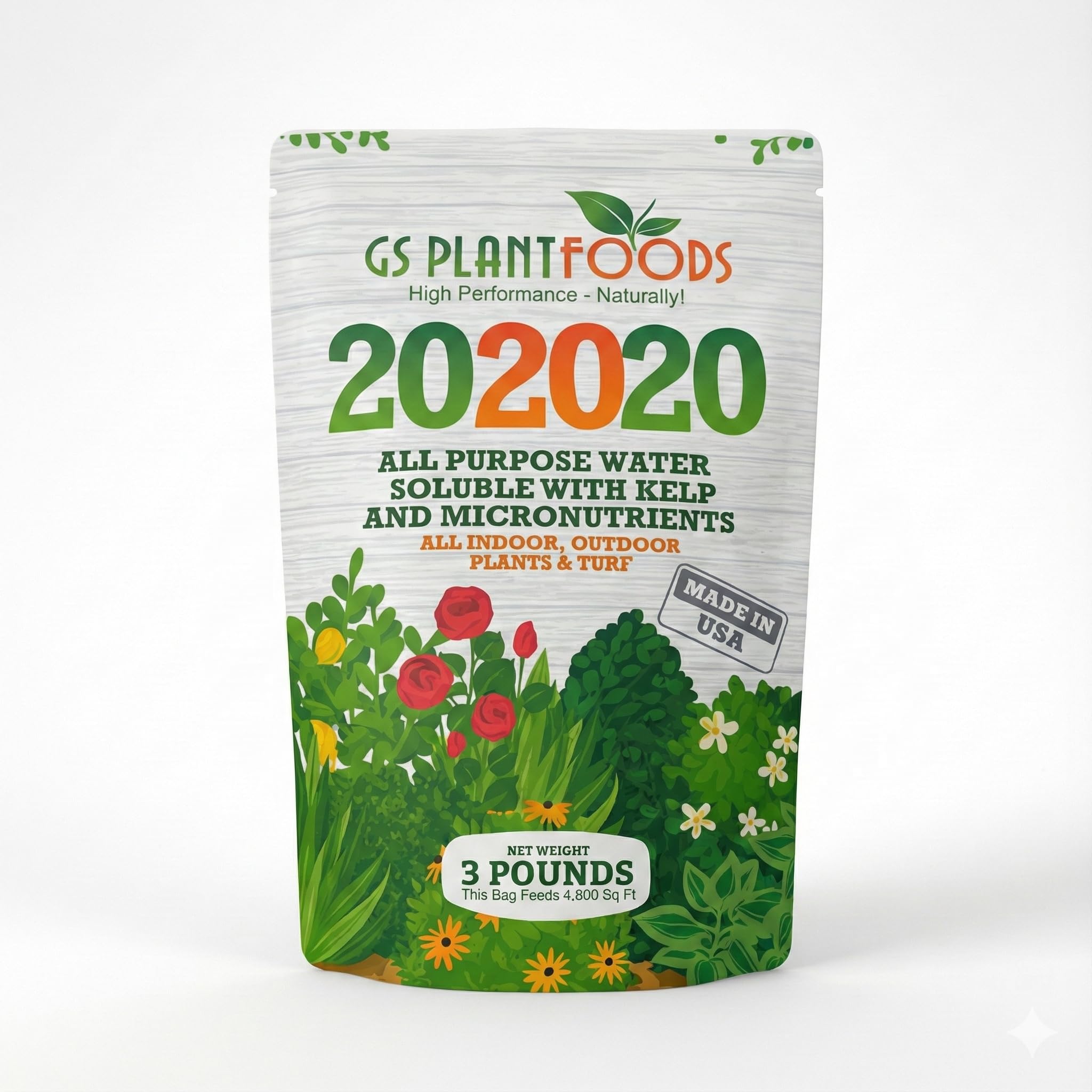
With a balanced 20-20-20 ratio and added kelp extract, this water-soluble formula provides a rapid nutrient hit that can quickly restore deep green color to ornamental grasses that look pale or nitrogen-deficient. The 3-pound bag covers up to 4,800 square feet of turf, making it a very efficient option for larger landscape beds with mixed plantings.
Because it dissolves completely, you can apply it through a hose-end sprayer or watering can, reaching the entire root zone evenly. The kelp content supplies natural growth hormones that support root expansion, which benefits newly divided or transplanted ornamental grass clumps during their establishment period.
That said, the 20 percent nitrogen is high for ornamental grasses, so you must follow the dilution instructions carefully to avoid pushing floppy growth. It is best used as a seasonal booster rather than a primary slow-release feed, and it should be stored in a completely dry place to prevent the powder from caking.
What works
- Dissolves instantly and can be applied with standard spray equipment
- Kelp extract provides micronutrients and natural rooting hormones
- Excellent value per square foot for large ornamental grass beds
What doesn’t
- High nitrogen content can cause weak, leggy growth if overused on grasses
- Not certified organic due to synthetic salt-based nutrients
3. Hi-Yield Grower’s Special 12-6-6
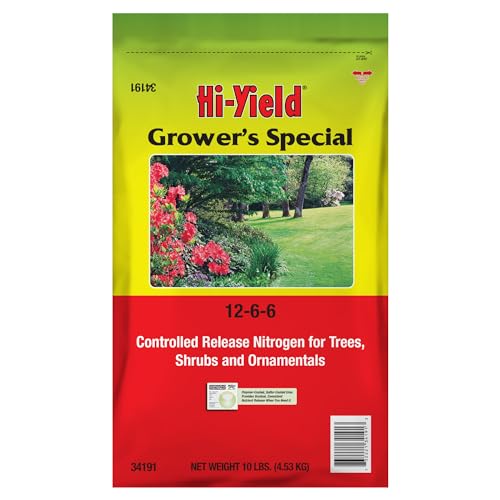
The 10-pound bag of Hi-Yield 12-6-6 provides substantial coverage for multiple seasons of feeding established ornamental grass clumps and mixed shrub borders. The 12-percent nitrogen is delivered with a slow-release component that reduces the risk of a sudden flush, making it a practical middle ground between a gentle organic and a powerful synthetic.
For container-grown ornamental grasses, the label recommends 1 teaspoon per six-inch pot every six weeks, which is easy to measure and apply directly to the soil surface. The 6-6 phosphate and potash numbers support root strength and winter hardiness, both critical for grasses that stay standing through the cold months.
Long-time nursery professionals have recommended this formula for decades, and the consistent results in foliage density and fullness speak to its reliability. The main limitation is that the higher nitrogen compared to a 5-3-3 organic means you should use it sparingly on naturally fast-growing warm-season grasses like miscanthus or pampas grass.
What works
- Large 10-pound bag offers excellent coverage and long-term value
- Slow-release nitrogen minimizes the chance of burning ornamental grasses
- Easy-to-follow application rates for both in-ground and container plants
What doesn’t
- Not organic; relies on synthetic nutrient sources rather than composted materials
- May not produce as deep a green as a liquid fish-based feed
4. Espoma Plant-Tone 5-3-3

The Espoma Plant-Tone 5-3-3 is one of the safest granular fertilizers you can use on ornamental grasses because the low nitrogen content virtually eliminates any risk of burning or forcing weak growth. The Bio-Tone microbial formula enhances nutrient cycling in the soil, which benefits the long-term health of the grass crown and root mass.
Applying it in early spring and again in late fall aligns perfectly with the growth cycles of cool-season ornamental grasses like fescues and blue oat grass. The 5-percent calcium content is a nice bonus, helping strengthen cell walls so blades stand upright even after heavy rain or wind.
This two-pack provides a solid supply for a moderate-sized bed, and the organic certification means you can use it freely around edible landscaping without concern. The main downside is the same as most natural organics — it has a pungent foul smell during application that lingers for a day or two until it breaks down into the soil.
What works
- Very low 5-3-3 ratio is nearly impossible to overfeed on ornamental grasses
- Calcium content improves blade stiffness and structural integrity
- Bio-Tone microbes boost soil fertility over repeated applications
What doesn’t
- Strong manure-like odor during and just after application
- Slower visible results compared to liquid or higher-N synthetic feeds
5. Neptune’s Harvest Fish & Seaweed 2-3-1
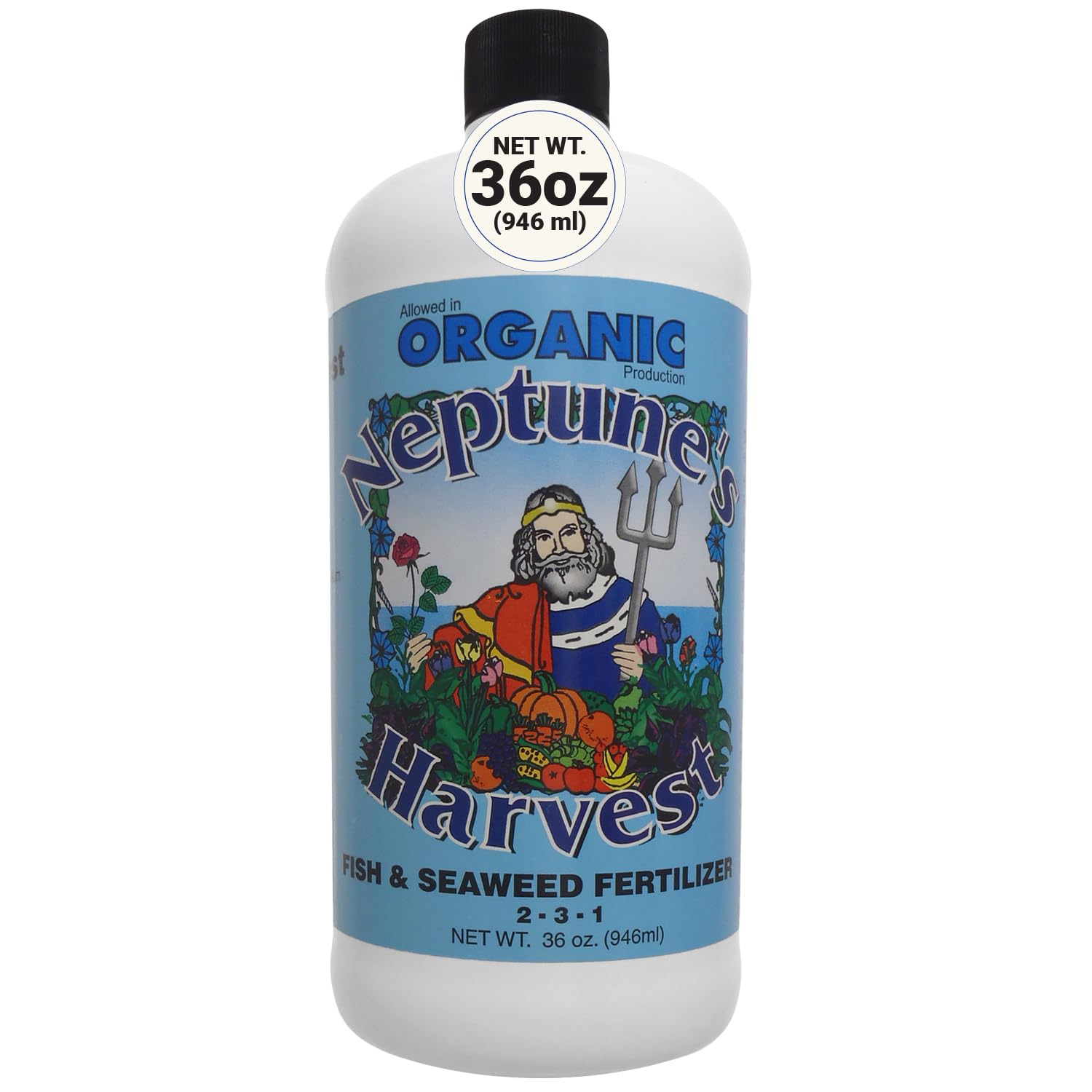
With an NPK of 2-3-1, this liquid concentrate is exceptionally gentle on ornamental grasses while still delivering a rich supply of micronutrients from hydrolyzed fish and seaweed. The low nitrogen makes it a fantastic choice for warm-season grasses that are prone to lodging when overfed, as it supports leaf color and root health without pushing height.
It can be applied as a soil drench or a foliar spray, which is useful when you want to correct a minor magnesium or iron deficiency quickly. The fish and seaweed combination also improves soil structure by feeding earthworms and beneficial bacteria, gradually creating a looser, more moisture-retentive bed.
Users consistently report vibrant flower and foliage color when using this product, and the OMRI listing assures organic compliance. The biggest drawback is the smell — a strong fishy odor that lasts for several hours after application, so it is best used in well-ventilated outdoor spaces away from patios and doors.
What works
- Ultra-low 2-3-1 NPK eliminates any risk of nitrogen burn on sensitive grasses
- Supports both root development and soil biology over repeated feeding
- Versatile as a soil drench or foliar spray for quick leaf greening
What doesn’t
- Strong fish odor is unpleasant and lingers for hours after application
- Bottle packaging has been reported to leak during shipping
6. Alaska Fish Fertilizer 5-1-1
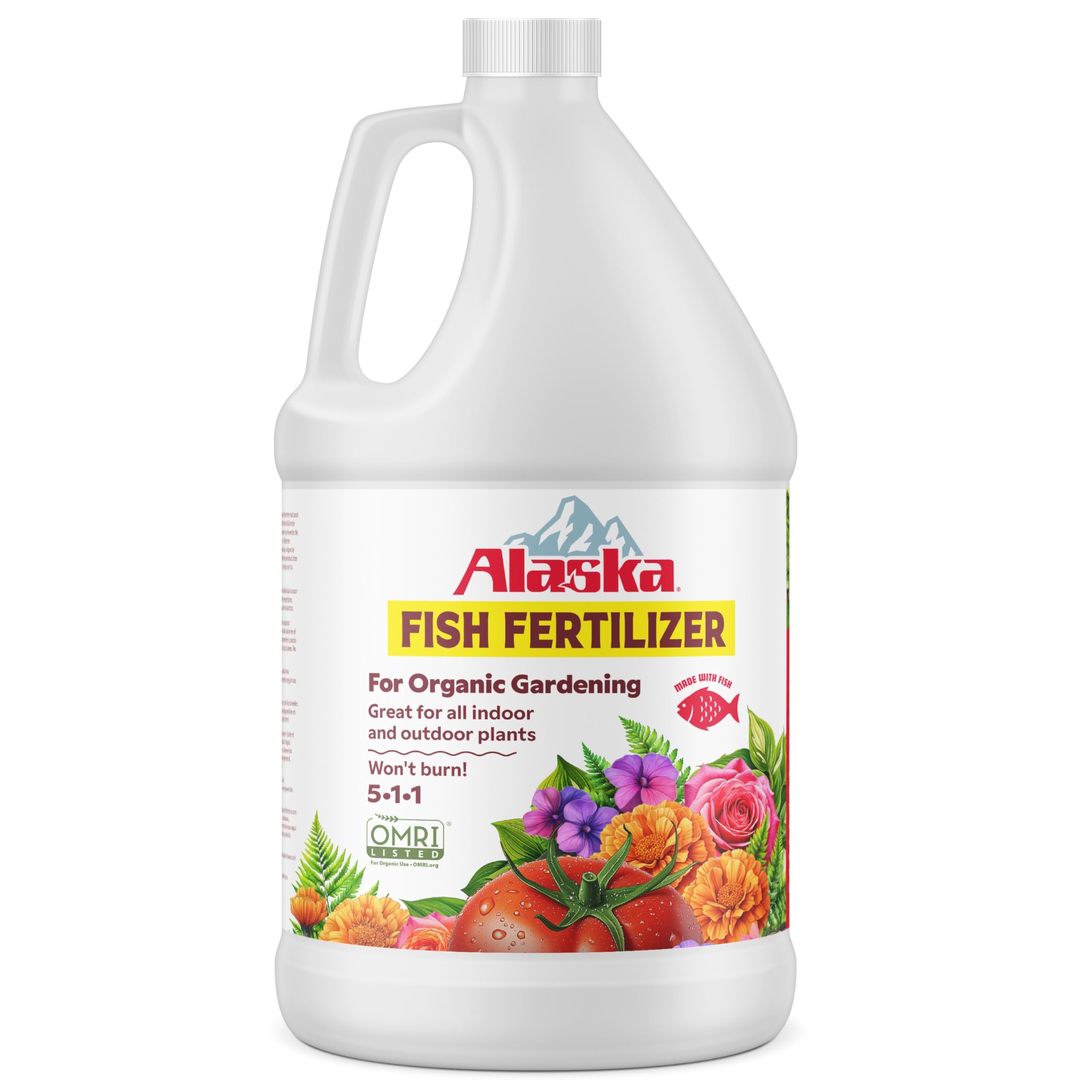
The Alaska Fish Fertilizer is a well-known staple among organic gardeners for good reason — its 5-1-1 ratio delivers a concentrated source of nitrogen in a form that plants can use immediately, making it a reliable tool for perking up ornamental grasses that have yellowed or stalled during the growing season. The 115-ounce jug provides plenty of volume for repeated feedings across a large landscape.
The cold-processed fish emulsion preserves beneficial enzymes and micronutrients that synthetic processes destroy. When applied every three weeks during the active growing season, it encourages lush, deep green foliage while feeding the soil microbes that support root health. The formula is plant-safe when diluted as directed and will not burn established grasses.
The primary compromise is the low phosphorus and potassium numbers, which means you may need a separate bloom or root-enhancing supplement if your grasses are struggling with winter hardiness or poor root establishment.
What works
- Nitrogen-rich 5-1-1 formula delivers fast visible greening for pale grasses
- OMRI organic listing and cold-processed production preserve natural nutrients
- Large 115-ounce jug covers a significant area over multiple feedings
What doesn’t
- Low phosphorus and potassium may require supplemental feeding for root strength
- Strong fishy smell that attracts animals until it is fully absorbed into the soil
7. ARBER Bio-Fermented Liquid Concentrate
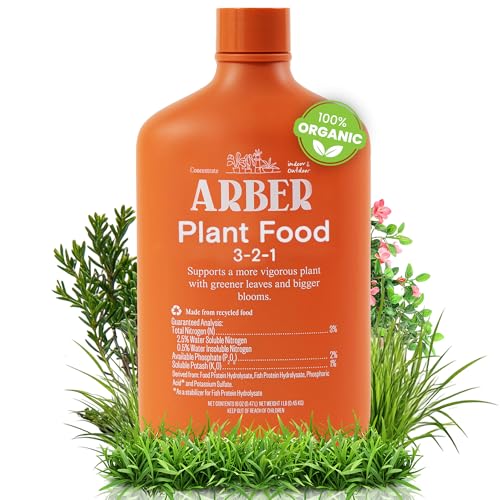
ARBER uses an advanced bio-fermentation process that repurposes invasive plant biomass into a gentle, fast-acting liquid nutrient source. The formula includes a light rosemary scent rather than the earthy or fishy odors typical of organic fertilizers, making it the most pleasant option to use on ornamental grasses grown in indoor containers or on a balcony.
The 16-ounce concentrate mixes at a 1:16 ratio, providing numerous applications for small pots and decorative grass arrangements. The nutrients are quickly available, and users report visible darkening of foliage within 24 hours of the first feeding. It is explicitly labeled safe for bees, children, and pets when used as directed, which removes the worry about runoff in mixed-use spaces.
While the formula supports overall plant health, the lack of a discrete NPK breakdown makes it harder to compare directly with traditional fertilizer ratios. It is best used as a regular maintenance feed for ornamental grasses that are already growing in good soil, rather than as a corrective tool for nutrient-deficient plants.
What works
- Pleasant rosemary scent makes it ideal for indoor or balcony applications
- Certified safe for pets and pollinators when used as directed
- Fast-acting bio-fermented nutrients produce visible results within a day
What doesn’t
- Smaller 16-ounce bottle provides fewer applications per dollar than granular options
- No clear NPK ratio on the label makes it harder to dial in specific nutritional targets
Hardware & Specs Guide
Understanding NPK Ratios for Grasses
The three numbers on a fertilizer bag — nitrogen, phosphorus, and potassium — correspond to the major macronutrients plants require. For ornamental grasses, the first number (N) is the most critical because it dictates leaf growth. A ratio where the first number is lower than 10, such as 5-3-3 or 6-4-5, reduces the risk of the blades growing too tall and thin to support themselves. The second number (P) supports root development, and the third (K) aids in overall plant hardiness and disease resistance.
Slow-Release Granules vs. Liquid Concentrates
Granular slow-release fertilizers, like the FoxFarm Happy Frog or Espoma Plant-Tone, break down gradually through soil moisture and microbial activity, providing a steady supply of nutrients over 4 to 8 weeks. This slow delivery is well-suited for ornamental grasses because it avoids the rapid growth spikes that cause flopping. Liquid concentrates, such as Neptune’s Harvest or ARBER, are absorbed almost immediately and are better used as a quick corrective feed or for container-grown grasses where you want more control over timing.
FAQ
Can I use standard lawn fertilizer on ornamental grasses?
How often should I fertilize established ornamental grass clumps?
Should I use a high-phosphorus fertilizer for ornamental grass roots?
Final Thoughts: The Verdict
For most gardeners, the fertilizer for ornamental grasses winner is the FoxFarm Happy Frog 6-4-5 because its gentle NPK ratio, mycorrhizal fungi, and OMRI organic certification deliver steady, non-burning nutrition that keeps clumps upright and deeply colored all season. If you want a quick green-up option for container grasses or a visible folar boost, grab the GS Plant Foods 20-20-20. And for a budget-friendly, long-lasting granular option that nursery pros have trusted for years, nothing beats the Hi-Yield 12-6-6.