
Zinnias are among the most rewarding annuals for any cutting garden, drawing pollinators and delivering relentless color from midsummer through first frost. But without the right nutrient balance, those stems can turn leggy, the flower heads stay small, and the season’s promise fades fast. The difference between a decent showing and a show-stopping display often comes down to a single decision: the NPK ratio you choose and how you deliver it.
I’m Rikta — the co-founder and writer behind Lawn Gear Lab. I spend hundreds of hours each season studying plant nutrition trials, comparing manufacturer label claims against real-world results, and cross-referencing thousands of authenticated owner reports to build guides that cut through the marketing noise. I’ll help you match a specific formula to the exact stage of growth your zinnias are in.
This guide evaluates seven distinct formulations — from high-phosphorus bloom boosters to slow-release organic granules — to help you decide which approach fits your garden. Whether you’re starting seeds, maintaining container plants, or pushing for champion dahlia-sized heads in a cutting patch, these are the products I’ve analyzed for the best fertilizer for zinnias.
How To Choose The Best Fertilizer For Zinnias
Selecting the right feed for zinnias isn’t complicated, but it does require understanding two things: the nutrient ratio your plants are demanding at each growth stage and the delivery method that fits your gardening style. Here are the critical factors to consider.
NPK Ratio: The Middle Number Is Key
Zinnias are heavy feeders during bud formation. The three numbers on a fertilizer bag represent nitrogen (N), phosphorus (P), and potassium (K). For lush foliage, nitrogen is needed early on. However, once plants are established, a higher phosphorus ratio — the second number — directly encourages more and larger blooms. Products with a ratio around 10-30-10 or 15-30-15 are specifically designed to push flower production rather than just leaf growth.
Form: Water-Soluble vs. Granular Slow-Release
Water-soluble powders dissolve instantly and feed the plant within hours, making them ideal for a mid-season boost when you want to correct a deficiency fast. Granular slow-release formulas, on the other hand, break down over several weeks with each watering or rainfall. For zinnias growing in containers, water-soluble feeds offer precise control. For in-ground beds, a top-dressed slow-release granular can sustain growth over months with less frequent application.
Micronutrients and Organic Matter
Beyond the primary NPK, zinnias benefit from secondary nutrients like calcium and magnesium, plus micronutrients such as iron, manganese, and zinc. Chelated iron prevents interveinal chlorosis (yellowing between leaf veins) that can plague fast-growing annuals. Organic options also introduce soil microbes and humic acids that improve nutrient uptake, making the existing fertilizer in your soil more available.
Quick Comparison
On smaller screens, swipe sideways to see the full table.
| Model | Category | Best For | Key Spec | Amazon |
|---|---|---|---|---|
| FoxFarm Happy Frog | Organic Granular | Sustained growth & soil health | 6-4-5 NPK, OMRI Listed | Amazon |
| Jack’s Classic Blossom Booster | Water-Soluble | Maximizing bloom count | 10-30-20 NPK | Amazon |
| Schultz Bloom Plus | Water-Soluble | High-phosphorus quick boost | 10-54-10 NPK | Amazon |
| Espoma Organic Rose-Tone | Organic Granular | Monthly organic feeding | 4-3-2 NPK, 5% Calcium | Amazon |
| Nelson ColorStar | Granular Slow-Release | Single application for season | 4-5 months feeding | Amazon |
| Grow More Super Bloomer | Water-Soluble | Universal flower feeding | 15-30-15 NPK | Amazon |
| Great Big Roses & Flowers | Liquid Concentrate | Root activation & soil conditioning | 70 trace minerals + humic acid | Amazon |
In‑Depth Reviews
1. FoxFarm Happy Frog All Purpose Fertilizer

The FoxFarm Happy Frog sits in a rare intersection of premium organic composition and broad-spectrum usability. With a 6-4-5 NPK ratio, it provides a balanced foundation suitable for zinnias from transplant through flowering without the risk of nitrogen burn. The inclusion of beneficial soil microbes and mycorrhizal fungi actively improves the root zone ecology, making existing soil nutrients more bioavailable — a critical benefit for garden beds that have been cultivated for multiple seasons.
This is a granular formula that you simply top-dress and water in. It releases nutrients gradually, which means you avoid the feast-or-famine cycle common with water-soluble synthetics. Users regularly report that previously sluggish zinnia patches explode with growth within a week of application, turning yellowed foliage back to deep green. The microbial activity gives it a distinct earthy, manure-like odor, so it’s best kept for outdoor applications rather than use on houseplants or in enclosed spaces.
For gardeners who want a single, low-maintenance feed that works year after year without requiring precise mixing or weekly schedules, Happy Frog delivers consistent results. Its OMRI listing also makes it suitable for organic vegetable gardens, so it earns its keep across the entire plot.
What works
- Rich microbial content improves long-term soil health.
- Gentle, slow-release formula reduces risk of overfeeding.
- OMRI Listed for organic gardening.
What doesn’t
- Strong odor can be unpleasant indoors.
- Granular form takes a few weeks to show full results.
2. Espoma Organic Rose-Tone 4-3-2

Espoma has been a trusted name in natural organics since 1929, and Rose-Tone carries that legacy with a refined 4-3-2 analysis enhanced by their exclusive Bio-tone formula. While the NPK numbers are lower than synthetic bloom boosters, this formulation is about consistent, gentle feeding that builds stem strength and flower quantity over a full growing season. The inclusion of 5% calcium is a standout detail, as calcium reinforces cell walls, helping zinnia stems stand tall even under heavy flower loads.
This is a slow-release granular product applied monthly from May through September. Users report that their drift roses and zinnias alike show visibly greener leaves within days of the first application, with a steady increase in bud production after three weeks. Because it is a registered organic input material, it meets standards for organic production, so you can use it freely around edibles and pollinator-friendly plants without concern.
The main trade-off is the phosphorus content. A 4-3-2 ratio won’t drive the same explosive bloom push that a 10-54-10 would. For gardeners who prefer a soil-first approach that feeds the entire plant system rather than forcing flowers at the expense of long-term root health, Rose-Tone is a premium choice that rewards patience.
What works
- 5% calcium strengthens stems and prevents lodging.
- Approved for organic production standards.
- Gentle, consistent release avoids nutrient spikes.
What doesn’t
- Lower phosphorus ratio not ideal for a quick bloom boost.
- Mild odor that some find unpleasant.
3. Jack’s Classic 10-30-20 Blossom Booster
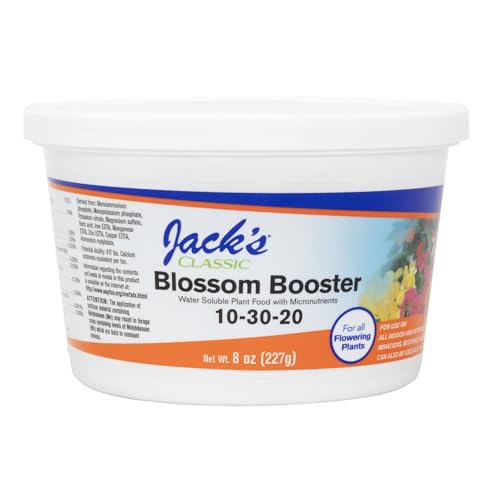
Jack’s Classic Blossom Booster is the standard-bearer for water-soluble bloom fertilizers. The 10-30-20 analysis puts phosphorus front and center, making it one of the most effective formulas on this list for increasing both the number and color intensity of zinnia blooms. The added micronutrients — including iron, manganese, and zinc — address common chlorosis issues that appear when fast-growing annuals are fed high-phosphorus mixes without trace elements.
This powder is highly concentrated. The 8-ounce tub mixes into multiple gallons of feed, but as several seasoned users note, the container is compact. For large in-ground zinnia beds, you may need multiple tubs to cover a full season. It can be applied as a root drench or as a foliar spray, giving you flexibility to correct deficiencies at the leaf level. Foliar feeding with Blossom Booster can turn around a pale, struggling zinnia within 48 hours.
The value proposition here is strong: you get a premium, lab-grade formulation used by commercial growers at a price point that undercuts many boutique all-purpose feeds. Just be aware of the size — you’ll want to stock up if you’re tending a cutting garden with dozens of plants.
What works
- High phosphorus ratio delivers noticeably more blooms.
- Includes chelated micronutrients for leaf health.
- Versatile root drench or foliar spray application.
What doesn’t
- Small container may require multiple purchases for large gardens.
- Can cause skin irritation if handled without gloves.
4. Schultz Bloom Plus 10-54-10

Schultz Bloom Plus takes the bloom-booster concept to an extreme with a 10-54-10 NPK ratio. The middle number — phosphorus — is astronomically high compared to standard garden fertilizers, and this formulation is engineered for one purpose: to trigger massive flower formation in plants that are already growing vigorously. For zinnias that have established strong foliage but are stalling on flower production, this can be the kick they need.
The water-soluble powder dissolves completely and can be applied every 7 to 14 days during peak growing season. Users report that Christmas cactus, roses, and zinnias respond with “explosive blooming” within a few weeks. However, this is not a maintenance fertilizer. The nitrogen level is relatively low, so you cannot use it as a sole feed for the entire season — you’ll need to alternate with a balanced formula to keep foliage healthy.
The main caution is over-application. A 10-54-10 ratio can build up phosphorus in the soil over time, potentially locking out zinc and iron. Use it as a targeted bloom booster during the 4-6 weeks before you want peak flower production, then switch back to a balanced feed.
What works
- Extremely high phosphorus drives rapid bloom formation.
- Dissolves instantly for quick foliar or root feeding.
- Excellent for correcting a flower production stall.
What doesn’t
- Too high in phosphorus for continuous use.
- Low nitrogen can cause foliage to weaken over time.
5. Nelson ColorStar 3-in-1
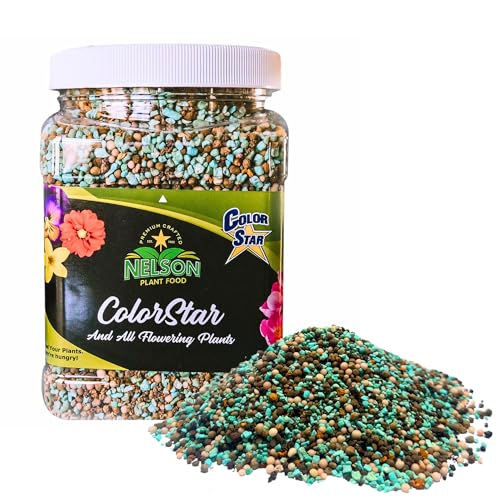
Nelson ColorStar is designed for the set-it-and-forget-it gardener. It is a slow-release granular feed that supplies nutrients for 4 to 5 months from a single application. The blend contains 25% bone and blood meal, delivering a steady profile of phosphorus and nitrogen while 6 different nitrogen sources release at staggered rates. For zinnias, this means consistent foliage growth in early summer and a sustained phosphorus supply as the plants move into budding mode.
This product is particularly useful for in-ground borders and large containers where weekly mixing isn’t practical. Users consistently note that the ColorStar granules produce “bigger, brighter, and longer-lasting blooms” compared to their previous feeding routines. The inclusion of potassium nitrate and multiple sulfates (iron, zinc, copper, manganese) addresses micronutrient deficiencies that can lead to pale flowers and weak stems.
The downside is the upfront cost. A 2-pound jar covers a modest area, and the price per ounce is higher than bagged granular alternatives. For small cutting gardens or a row of zinnias, it is a premium solution that eliminates mid-season feeding chores. For huge landscapes, it becomes expensive.
What works
- Single application covers entire growing season.
- Rich micronutrient blend for vibrant flower color.
- Staggered nitrogen release prevents growth surges.
What doesn’t
- High cost per square foot of coverage.
- Ineffective if applied too late in the season.
6. Grow More Super Bloomer 15-30-15
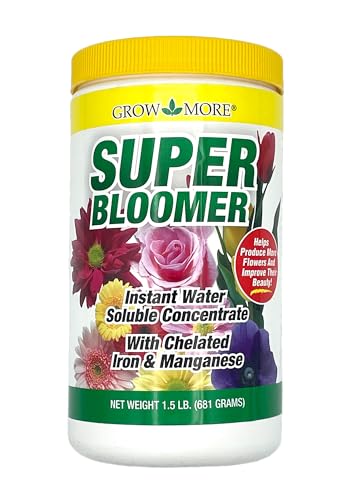
The Grow More Super Bloomer hits the sweet spot of high phosphorus (30) with a balanced nitrogen and potassium profile (15 each), making it a versatile water-soluble feed for zinnias at any stage after transplant. The chelated iron and manganese in this formula help prevent the interveinal chlorosis that can occur when phosphorus levels are high, ensuring leaves stay dark green while flowers develop.
It is a powder concentrate that mixes easily, and users consistently report that flowering plants — from zinnias to roses — produce “twice the size and two to three times the blooms” after switching to this feed. The 1.5-pound bag provides good coverage for a medium-sized container garden or a small in-ground patch. The formulation is manufactured in the USA, which adds a layer of quality assurance.
The trade-off is that it is a synthetic salt-based fertilizer. Over-application or failure to water it in thoroughly can lead to root tip burn. For budget-conscious gardeners who want a high-performance bloom booster without paying premium-brand prices, this is an excellent choice. Just follow the mixing instructions precisely.
What works
- Balanced NPK with high phosphorus for blooms.
- Chelated iron prevents leaf yellowing.
- Very affordable per-application cost.
What doesn’t
- Synthetic salts can burn roots if overused.
- Powder can clump if not stored dry.
7. Great Big Roses and Flowers Liquid Booster
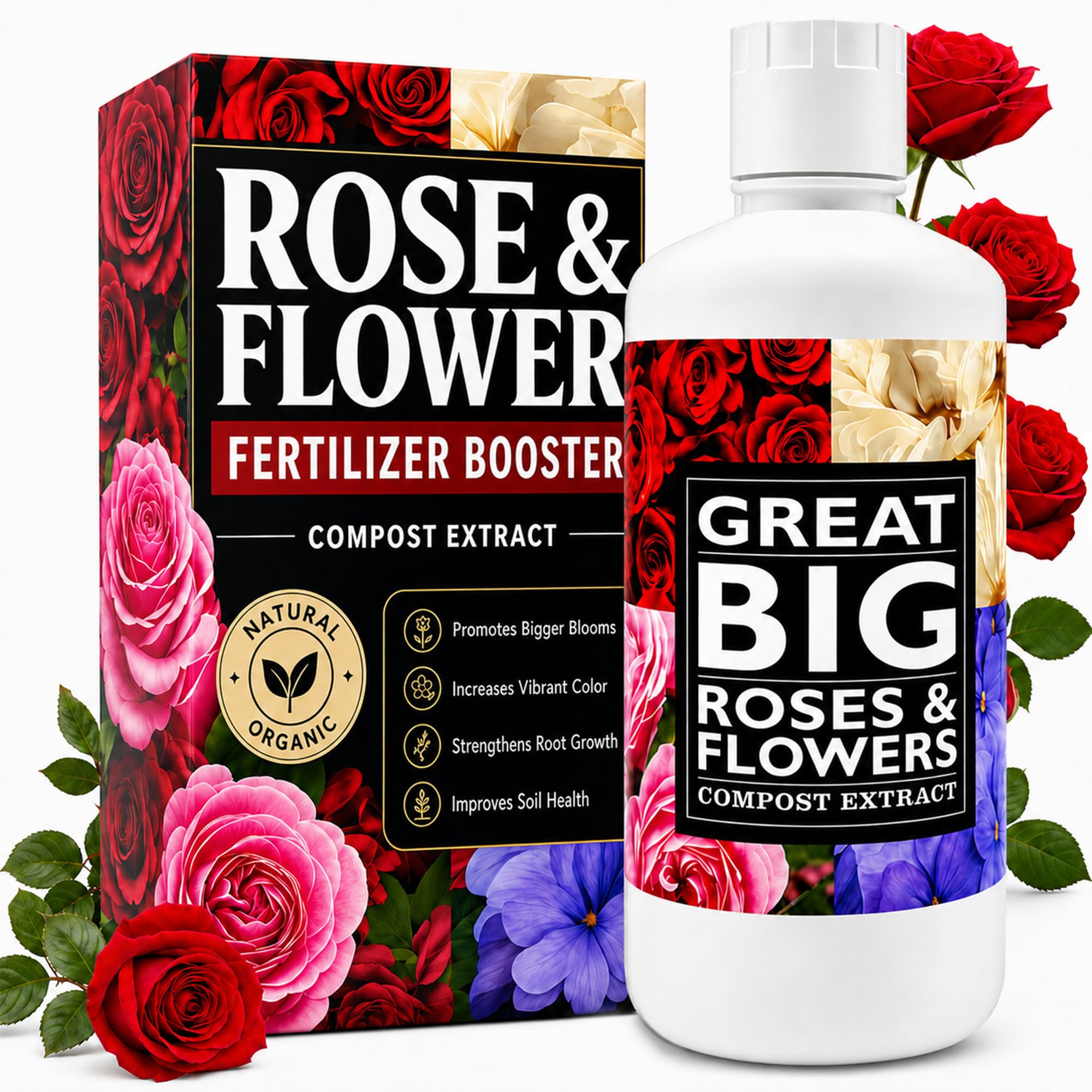
This liquid booster from Great Big Plants takes a fundamentally different approach from the NPK-driven products above. Instead of providing a high dose of synthetic phosphorus, it delivers humic acids, seaweed extract, and over 70 chelated trace minerals that activate dormant nutrients already present in your soil. For zinnias, this translates to stronger root development and increased resistance to stress, which in turn supports more prolific blooming.
Users report that previously non-blooming rose bushes and annuals produce flowers within weeks, and the effect is even more pronounced when used alongside a standard fertilizer regimen. The 32-ounce bottle concentrates to 8 gallons of feed, which covers an entire season for most gardens. It is applied as a soil drench around the root zone, and its liquid form means results appear faster than with granular amendments.
The main drawback is the packaging. The wide-mouth jug makes it easy to spill when measuring into a watering can, and given the premium price point, every drop counts. It works best as a complementary product — use it to activate your base fertilizer rather than as a standalone bloom feed.
What works
- Humic acids unlock soil-bound nutrients.
- Over 70 trace minerals support overall plant vigor.
- Works synergistically with existing fertilizers.
What doesn’t
- Low NPK cannot replace a primary fertilizer.
- Awkward jug design leads to easy spillage.
Hardware & Specs Guide
NPK Ratio — What the Numbers Actually Mean
The three hyphenated numbers (NPK) represent the percentage by weight of nitrogen, phosphate, and potash. In a 15-30-15 formula, 30% of the mix is phosphate (phosphorus). For zinnias, phosphorus is the primary driver of flower initiation. A ratio above 20 in the middle position is considered a bloom booster. Ratios at 10 or below are general maintenance feeds. Do not use a high-phosphorus feed on young transplants, as it can force premature budding at the expense of root and foliage establishment.
Water-Soluble vs. Granular — Timing and Absorption
Water-soluble powders provide immediate nutrient availability, peaking within 24 hours of application. They are ideal for a quick corrective feed. Granular slow-release products depend on soil moisture and temperature to break down, providing a steady supply over weeks. For zinnias, a combination strategy works best: a balanced granular feed at planting, followed by a water-soluble bloom booster every 10 to 14 days once flower buds appear.
FAQ
Can I use a tomato fertilizer on my zinnias?
How often should I fertilize zinnias in containers?
What happens if I use a fertilizer too high in nitrogen on zinnias?
Final Thoughts: The Verdict
For most gardeners, the fertilizer for zinnias winner is the FoxFarm Happy Frog because it provides a nutrient-dense organic foundation that builds long-term soil fertility while supporting reliable flower production. If you want to maximize the number and size of blooms in a short window, grab the Jack’s Classic Blossom Booster for its targeted 10-30-20 ratio. And for a no-fuss, season-long solution in containers, the Nelson ColorStar delivers 4-5 months of feeding from a single application.