
Wandering down the fertilizer aisle can feel like a chemistry exam you didn’t study for. The labels promise “natural” and “organic,” but the NPK numbers on those bulky bags dictate whether your tomatoes explode with fruit or just grow tall, green, and empty. A wrong ratio means you feed the leaves instead of the harvest — or worse, you lock up nutrients in the soil for an entire season.
I’m Rikta — the co-founder and writer behind Lawn Gear Lab. I’ve spent countless hours cross-referencing NPK ratios, decoding OMRI listings, and filtering through thousands of owner reports to separate the bags that actually feed your soil from the ones that simply take up shelf space.
Whether you are amending a new bed or feeding a mature vegetable patch, the right bulk organic fertilizer gives you a measurable improvement in plant health, soil structure, and harvest weight per square foot.
How To Choose The Best Bulk Organic Fertilizer
Bulk organic fertilizers are not all the same. A 40-pound bag of worm castings feeds the soil biology, while a 36-pound bag of 5-3-3 plant food feeds the plants directly. Before you add anything to your cart, check the NPK number, the ingredient source, and the release profile. Your crops will respond differently to a fast-release liquid concentrate versus a slow-release granular meal.
Decoding the NPK Ratio
The three numbers on the bag — nitrogen (N), phosphorus (P), and potassium (K) — are the primary macronutrients. Nitrogen drives leafy green growth; phosphorus fuels blooms, roots, and fruit set; potassium strengthens cell walls and disease resistance. A balanced 4-4-4 works broadly for vegetables and flowers, but a higher phosphorus ratio like 4-12-0 is better for bulbs, blooms, and transplanting. If you are growing tomatoes in heavy soil, excess nitrogen will give you bushy plants with little fruit. Match the ratio to your crop, not the marketing label.
Granular vs. Liquid Forms
Granular organic fertilizers (meals, castings, blended pellets) release nutrients over weeks or months as soil microbes break them down. They build long-term soil structure and are less likely to burn roots if over-applied. Liquid concentrates deliver nutrients to the root zone within 24 to 48 hours, making them ideal for correcting deficiencies or giving a mid-season boost. Granular is your workhorse; liquid is your rescue tool. Many serious growers use both in rotation.
OMRI Listing and Ingredient Transparency
OMRI (Organic Materials Review Institute) listing means the product meets USDA organic standards for certified production. For home gardeners, it guarantees no synthetic chemicals, sewage sludge, or prohibited fillers. Look beyond the “natural” label — some bags are just composted manure with a high salt index. A transparent ingredient list (e.g., feather meal, bone meal, sulfate of potash) tells you exactly what microbes will be breaking down in your soil.
Quick Comparison
On smaller screens, swipe sideways to see the full table.
| Model | Category | Best For | Key Spec | Amazon |
|---|---|---|---|---|
| Espoma Organic Plant-Tone | Granular | All-purpose feeding | 5-3-3 NPK | Amazon |
| Down To Earth Fish Bone Meal | Granular | Blooms & bulbs | 4-12-0 NPK | Amazon |
| Wiggle Worm Worm Castings | Soil Amendment | Microbial soil health | 40 lb bag | Amazon |
| Jobe’s Organics 4-4-4 | Granular | Balanced weekly feeding | 4-4-4 NPK | Amazon |
| Great Big Roses Liquid Booster | Liquid | Rapid bloom response | 1 Gallon liquid | Amazon |
| Espoma Bone Meal | Powder | Root & bulb establishment | 4-12-0 NPK | Amazon |
| Kelp Bliss Kelp Meal | Meal | Drought & stress tolerance | 40 lb organic meal | Amazon |
In‑Depth Reviews
1. Espoma Organic Plant-Tone 5-3-3

The Espoma Plant-Tone 5-3-3 is the gold standard for all-purpose organic feeding. Its 5-3-3 NPK ratio supplies a moderate nitrogen boost for leafy growth while maintaining balanced phosphorus and potassium for root and fruit development. With 5% calcium added for cell wall strength, this granular formula works across vegetables, flowers, trees, and shrubs without requiring soil mixing or liquid preparation.
Espoma has been producing natural organics since 1929, and the Bio-tone formula includes beneficial microbes that accelerate breakdown in cool soils. The 36-pound bag covers approximately 1,800 square feet at the recommended rate for established beds. Users consistently report vigorous growth on tomatoes, peppers, and perennials with no signs of salt burn or synthetic residue.
The slow-release nature means you apply it once in spring and once in fall for most trees and shrubs, or monthly during the growing season for heavy feeders. Bag integrity in shipping can sometimes tear, but the product inside remains effective. For a single-bag solution that feeds an entire season of mixed crops, this is the most reliable choice.
What works
- Balanced 5-3-3 NPK suits flowers, vegetables, and shrubs equally well.
- Bio-tone microbes improve nutrient uptake even in cooler soils.
- No mixing required — just spread and water in.
What doesn’t
- Bags can arrive damaged due to weight during transit.
- Slightly lower phosphorus ratio may not be enough for heavy bloomers without supplementation.
2. Down To Earth Fish Bone Meal 4-12-0
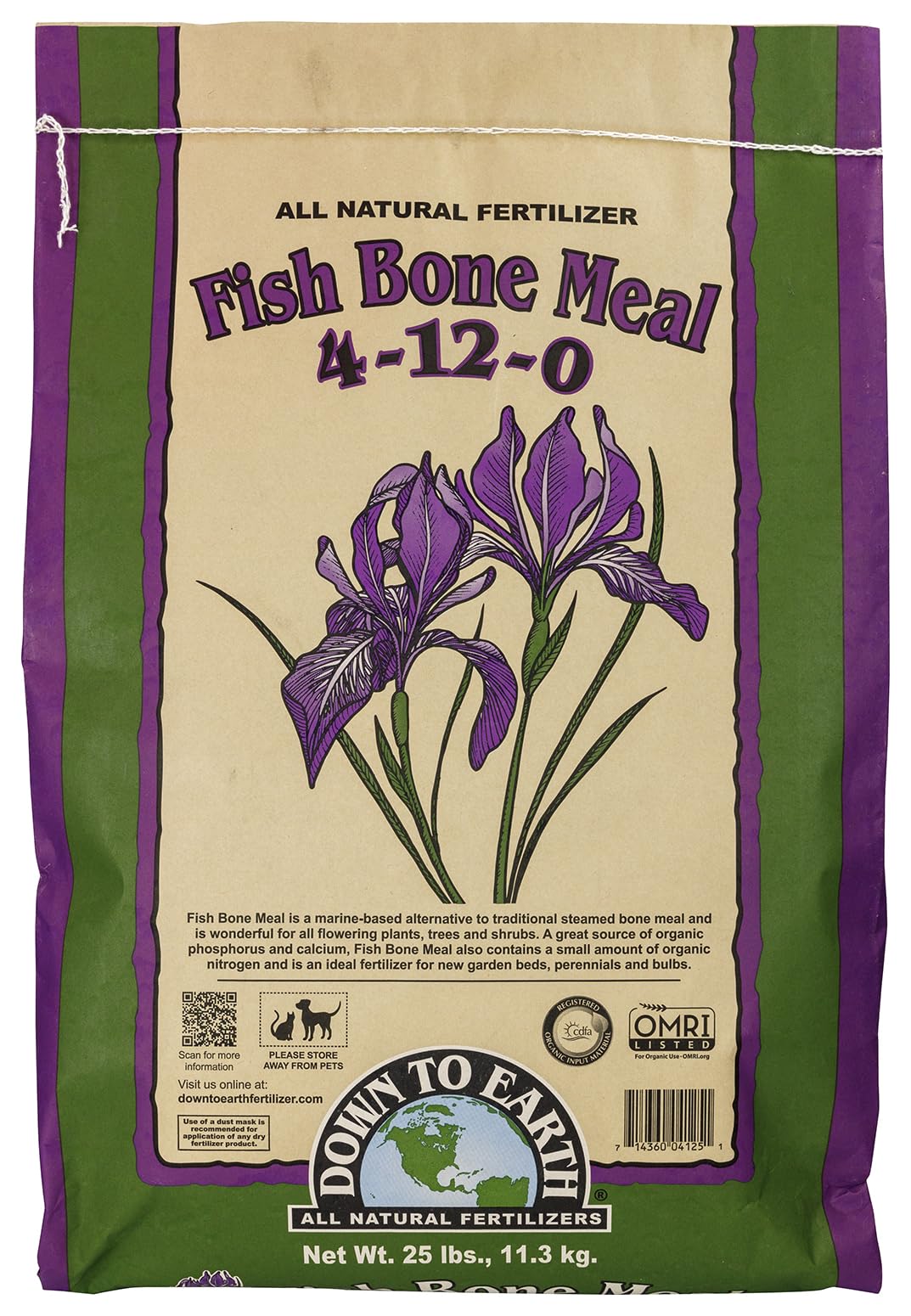
The Down To Earth Fish Bone Meal delivers a 4-12-0 NPK ratio that is phosphorus-heavy, designed to trigger prolific flowering, strong root systems, and heavy fruit set. Because phosphorus is the primary driver of bloom and root development, this marine-based alternative to steamed bone meal works exceptionally well for bulb beds, new transplants, and any crop where flower or fruit yield is the priority.
OMRI-listed for certified organic production, the granular form can be top-dressed or incorporated into planting holes at a rate of 1-2 tablespoons per gallon of soil. The calcium content — naturally present in the fish bone — also helps prevent blossom-end rot in tomatoes and peppers. Users report tomato plants reaching 12-14 feet tall and pepper root balls filling entire containers after years of consistent use.
The marine raw material does produce a detectable fish odor, especially when applied on warm, windy days. Wear older clothes and avoid applying upwind. Once incorporated into the soil, the smell fades within 24 hours. For gardeners focused on maximum bloom production, this bag outperforms almost every blended granular on the shelf.
What works
- High phosphorus 4-12-0 drives abundant blooms and root growth.
- Calcium content reduces blossom-end rot in tomatoes and peppers.
- OMRI-listed for certified organic gardens.
What doesn’t
- Strong fish odor during application, especially in windy conditions.
- Low nitrogen requires a separate N source for leafy green crops.
3. Wiggle Worm Worm Castings 40 lb
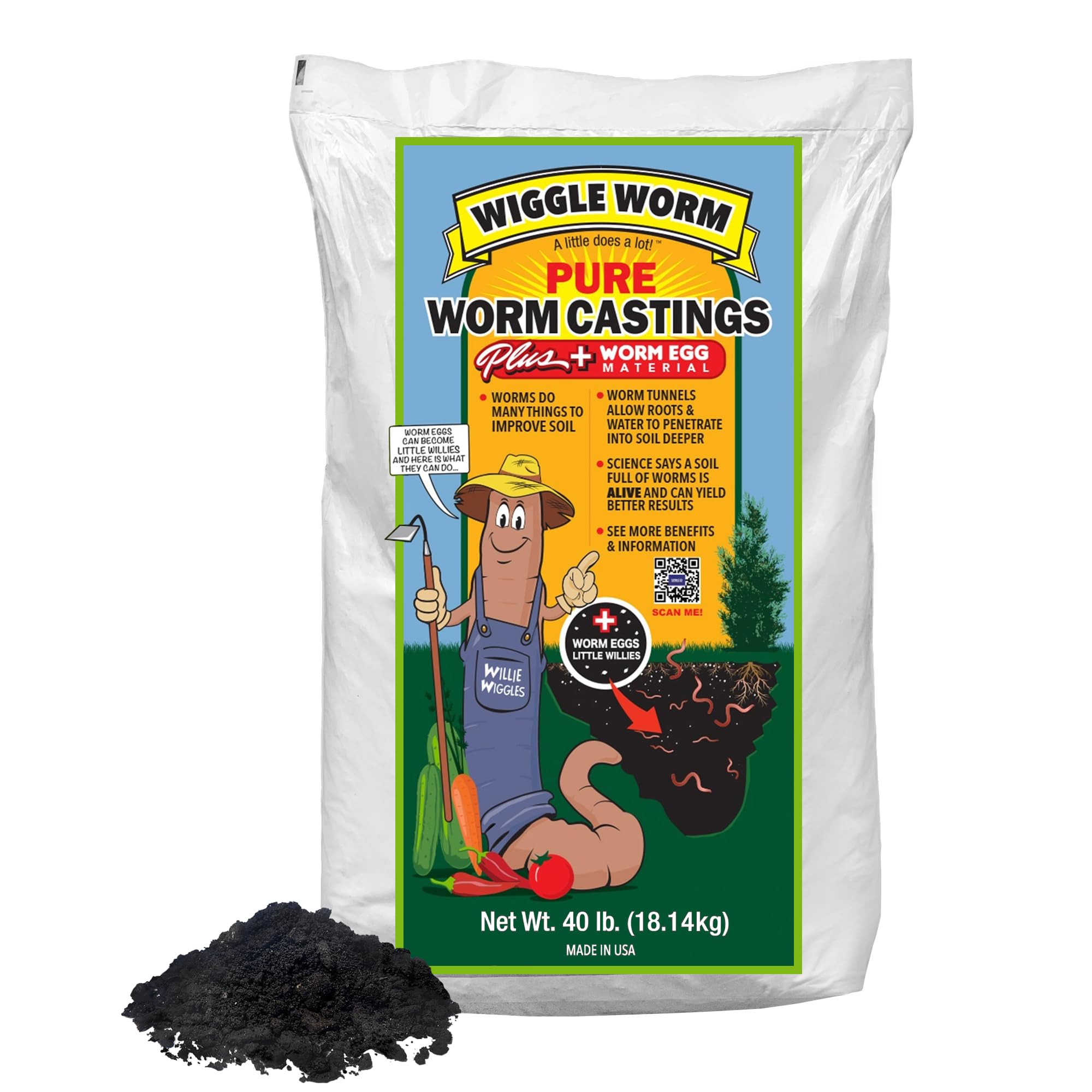
The Wiggle Worm 100% Pure Worm Castings are not a complete fertilizer — they are a soil amendment that supercharges microbial life. With no set NPK guarantee, the value here is in the biology: beneficial bacteria, fungi, and worm egg material that continue cycling nutrients long after application. The 40-pound bag provides a massive dose of organic matter that improves water retention and aeration in sandy or compacted soils.
The product ships as a finely textured, odorless granular material that mixes easily into potting mixes, raised beds, or top dressing. Users in extreme climates — from the Mohave desert to humid coastal zones — report that worm castings enabled growth of gardenias, hibiscus, and strawberries that previously failed. The worm egg material means some live worms may hatch in your garden, contributing to ongoing soil aeration and casting production.
Avoid expecting an immediate green-up response; this is a slow-building amendment, not a quick-fix. Apply 1-2 cups per square foot and work into the top 3 inches. Over several weeks, you will notice improved root resilience and more consistent plant color. For those building “living soil” systems, this is the foundational ingredient.
What works
- Contains live worm egg material that sustains long-term soil fertility.
- Odorless and finely textured for easy mixing.
- Improves water retention and drainage simultaneously.
What doesn’t
- No standardized NPK — not a complete fertilizer for heavy feeders.
- Relatively expensive per pound of actual nutrient value.
4. Jobe’s Organics Granular 4-4-4

The Jobe’s Organics 4-4-4 is a balanced, well-priced granular fertilizer that suits home gardeners who prefer a simple weekly or bi-weekly feeding schedule. The equal NPK ratio of 4-4-4 makes it a safe choice for a mix of vegetables, flowers, shrubs, and trees without over-emphasizing one nutrient. The granules are small and dark, spreading well through hand crank spreaders without producing dust clouds.
Formulated without synthetic chemicals and OMRI-listed for organic gardening, this product uses natural ingredients to feed soil microbes as it breaks down. Users report strong results on squash, cucumbers, and peppers when applied as a dry top dressing or brewed into a liquid tea. The resealable bag design helps maintain granule freshness between applications, a thoughtful detail for slower feeders.
The 16-pound bag is lighter than bulk options, so it works best for smaller gardens or raised beds. Reapplication every 2-3 weeks is recommended for heavy-feeding crops, which means the bag depletes faster than larger premium options. For the price point, it delivers consistent results without the premium markup of specialty blends.
What works
- Balanced 4-4-4 ratio is forgiving for mixed vegetable and flower beds.
- Resealable bag keeps granules dry and fresh.
- Low dust when applied with a hand spreader.
What doesn’t
- 16-pound bag is small for large gardens or heavy feeders.
- Requires reapplication every 2-3 weeks during peak season.
5. Great Big Roses Liquid Booster 1 Gal
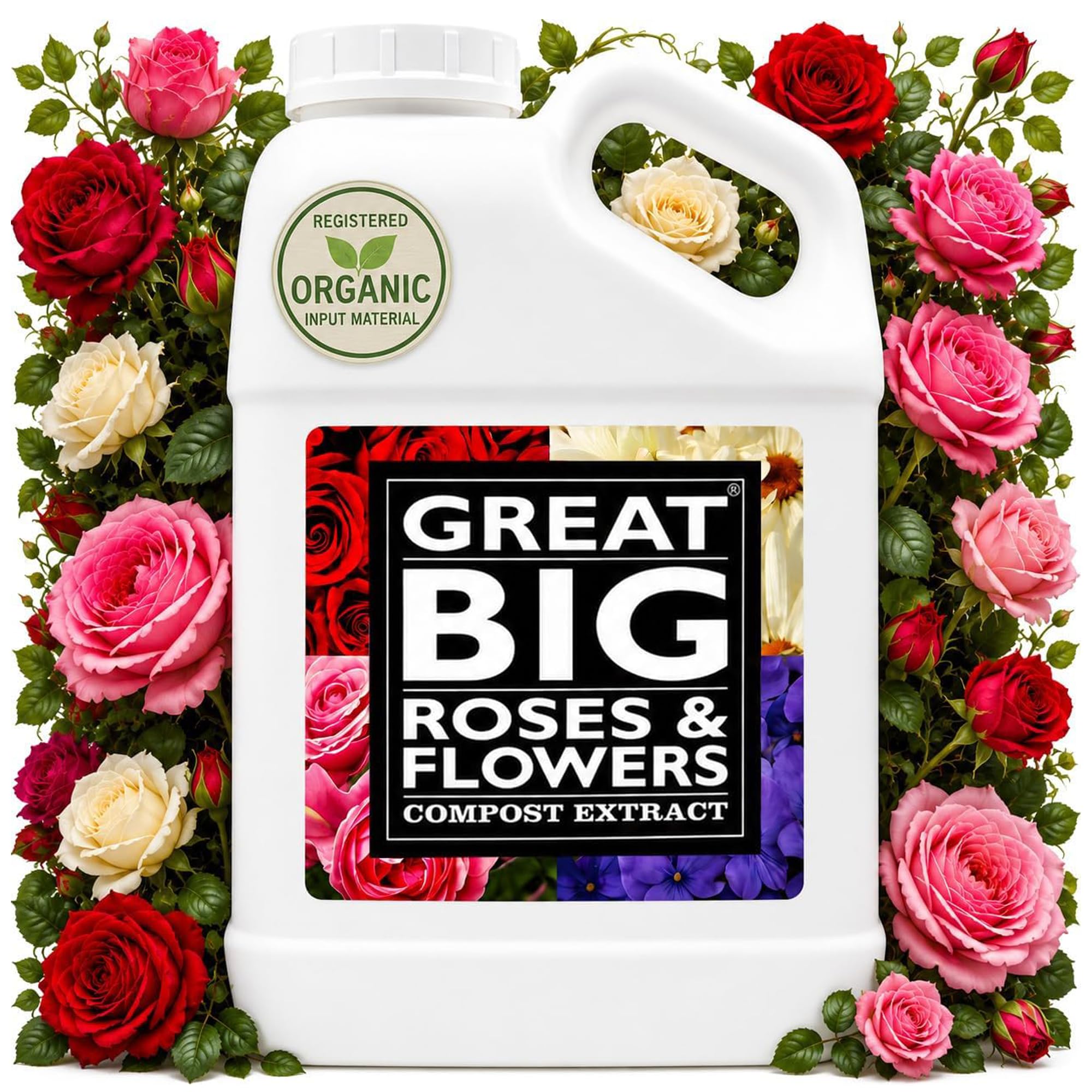
The Great Big Roses Liquid Fertilizer Booster is a concentrated liquid formula packed with humic acids, kelp extract, and over 70 chelated trace minerals. Unlike granular products that rely on soil microbes for breakdown, this liquid delivers nutrients directly to the root zone within 48 hours. Users report rose bushes that had not bloomed in years producing heavy flowers within weeks of the first application.
Each gallon makes 32 applications — mix 4 ounces with 1 gallon of water and drench the root zone. The formula works alongside existing granular fertilizers, amplifying rather than replacing them. It is effective on hydrangeas, citrus, fruit trees, perennials, and even seedlings. The primary downside is the jug design: the wide mouth makes measuring into a watering can messy, and the concentrate is expensive enough that spills are frustrating.
For established plants that need a mid-season rescue or for roses and flowers where bloom size matters, this booster delivers visible results faster than any granular alternative. Pair it with a slow-release granular for the full season-long feeding strategy.
What works
- Visible bloom response within weeks — even on stubborn rose bushes.
- 70+ chelated trace minerals and humic acids improve nutrient uptake.
- Concentrated formula yields 32 applications per gallon.
What doesn’t
- Jug opening is wide, making measuring and pouring messy.
- High per-ounce cost compared to granular bulk options.
6. Espoma Organic Bone Meal 4-12-0

The Espoma Organic Bone Meal 4-12-0 is a straight phosphorus and calcium supplement, formulated for bulb planting, transplanting, and any crop where root development is the bottleneck. The high phosphorus ratio (12) drives strong root growth and abundant flowering, while the calcium strengthens cell walls and prevents blossom-end rot in fruiting vegetables. The 24-pound bag provides ample coverage for medium to large garden beds.
The product is 100% all-natural domestic bone meal with no fillers or synthetic additives. It is OMRI-listed for organic production and manufactured by Espoma, a company with a long track record in natural organics. Users apply it at planting time by working it into the soil around bulbs or the root zone of transplants. For established plants, a light surface application followed by watering is sufficient.
The coarse texture results in some variability — the bag may contain dark chunks and white flakes rather than a fine, uniform powder. This is natural marrow and trace mineral content, not contamination. The bag also has a reputation for tearing during shipping, so inspect upon arrival. For a targeted phosphorus boost without nitrogen, this is the most reliable bulk option.
What works
- High phosphorus and calcium for bulbs, transplants, and fruiting crops.
- All-natural domestic ingredients with no synthetic additives.
- OMRI-listed for certified organic gardens.
What doesn’t
- Bags frequently tear during shipping, causing powder spillage.
- Coarse texture varies — not a fine, uniform powder.
7. Kelp Bliss Kelp Meal 40 lb
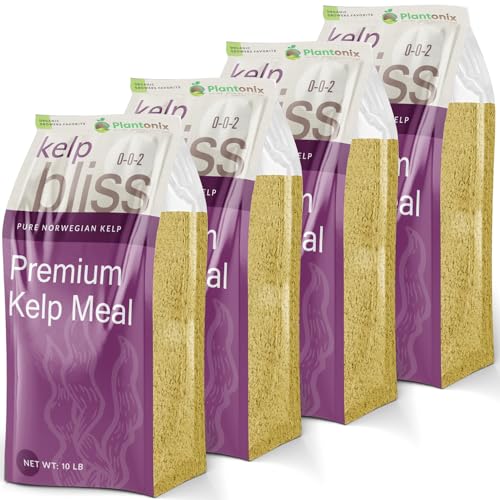
The Kelp Bliss Kelp Meal is a 100% natural seaweed fertilizer harvested from sustainable ocean sources. Unlike bone meal or granular blends that focus on specific NPK ratios, kelp meal provides a broad spectrum of trace minerals, vitamins, and growth hormones (cytokinins, auxins) that trigger root branching and stress tolerance. This 40-pound bag is a bulk soil amendment best used as part of a larger fertility program rather than a standalone fertilizer.
The organic matter in kelp meal improves the soil’s water-holding capacity — a major advantage for sandy soils or regions with inconsistent rainfall. Users report noticeable improvements in drought tolerance and overall plant vigor after a single application, particularly on trees, shrubs, and sweet peas. Apply 1-2 pounds per 100 square feet and mix into the top 3 inches of soil.
Because kelp meal has moderate potassium but very low nitrogen and phosphorus, it will not supply the primary nutrients heavy feeders need. Pair it with a balanced granular like the Espoma Plant-Tone or a phosphorus source like the Down To Earth Fish Bone Meal for complete coverage. The large 40-pound bag requires storage space, but the shelf life is excellent when kept dry.
What works
- Improves drought tolerance and water retention in sandy soils.
- Contains natural growth hormones that boost root branching.
- Sustainable, renewable harvest with no synthetic additives.
What doesn’t
- Very low NPK — cannot act as a standalone fertilizer for heavy feeders.
- Large bag requires dedicated storage space away from moisture.
Hardware & Specs Guide
NPK Ratio Matching
The NPK ratio directly determines which crops the fertilizer supports. A 4-4-4 or 5-3-3 formula covers mixed beds of vegetables, flowers, and shrubs without over-correcting any single nutrient. A 4-12-0 ratio (bone meal or fish bone meal) is specialized for bulbs, blooms, and root development. For heavy-leaf crops like lettuce or brassicas, supplement with a higher nitrogen source like blood meal or fish emulsion. For fruiting crops like tomatoes, use a phosphorus-heavy formula at planting and switch to a balanced formula after fruit set.
Release Profile and Application Frequency
Granular organic fertilizers rely on soil microbes and moisture to break down into plant-available forms, providing a steady release over 4 to 8 weeks depending on temperature and microbial activity. Liquid concentrates deliver nutrients within 24-48 hours but require reapplication every 1-2 weeks. Meal-based products (kelp, alfalfa, bone) release more slowly, often lasting 4-6 months. For low-maintenance gardens, choose a slow-release granular or meal. For container plants or rapid correction, keep a liquid concentrate on hand.
FAQ
Can I mix different organic fertilizers from the same bag?
How do I store a 40-pound bag of organic fertilizer?
Will a high-phosphorus fertilizer burn my plants in hot weather?
Final Thoughts: The Verdict
For most gardeners, the bulk organic fertilizer winner is the Espoma Organic Plant-Tone 5-3-3 because it delivers a balanced NPK, built-in calcium, and Bio-tone microbes in a single 36-pound bag that covers the full season across vegetables, flowers, and shrubs. If you want fast bloom results on roses, hydrangeas, or perennials, grab the Great Big Roses Liquid Booster. And for building a living soil foundation from scratch, nothing beats the Wiggle Worm Worm Castings 40 lb for microbial density and long-term structure improvement.