
Northern Cardinals are notoriously picky eaters, often kicking less-preferred seeds out of a feeder in favor of high-oil options. Getting them to stay requires a blend optimized for their specific beak shape and nutritional needs — namely, large seeds with thin shells and a high fat-to-fiber ratio.
I’m Rikta — the co-founder and writer behind Lawn Gear Lab. My research for this guide involved analyzing dozens of seed composition labels, cross-referencing customer observations about cardinal visitation patterns, and studying the foraging preferences documented in ornithological data to identify which blends actually deliver consistent results.
After evaluating shell thickness, protein content, filler percentage, and regional sourcing, these seven blends stand above the rest. This is the definitive guide to finding the best bird seed to attract cardinals based on real-world performance and nutritional science.
How To Choose The Best Bird Seed To Attract Cardinals
Cardinals have powerful conical beaks designed to crack open large, thick-shelled seeds, but they prefer seeds that require minimal effort. The right blend maximizes visitation while minimizing waste from seed that gets tossed aside.
Seed Composition & Filler Content
Cardinals show a strong preference for black oil sunflower seeds, safflower seeds, and shelled peanuts. Red milo, cracked corn, and wheat are common fillers that cardinals often ignore entirely, leading to waste and a messy feeding area. Look for blends where at least 50 percent of the ingredient list is black oil sunflower or a known cardinal favorite.
Shell Thickness & “Crackability”
Black oil sunflower seeds have a thinner, easier-to-crack shell than striped sunflower seeds, making them more efficient for cardinals to eat. Thin shells also attract smaller birds like chickadees and nuthatches, which can help bring cardinals to a feeder where a mixed flock is already active.
Protein & Fat Content for Energy
Cardinals require high-energy food year-round, but especially during winter and breeding season. Seeds with a higher oil content — measured as a percentage of crude fat — provide the caloric density cardinals need. Safflower and peanut pieces are excellent supplementary sources of both protein and healthy fats.
No Mess vs. Whole Seed Blends
Shell-free “no mess” blends eliminate the hulls that accumulate under feeders, making them ideal for patios and decks. However, whole seed blends with thin shells often retain moisture and flavor better, and cardinals — being ground-foragers too — will also eat seeds that fall. Choose based on your feeder location and tolerance for cleanup.
Quick Comparison
On smaller screens, swipe sideways to see the full table.
| Model | Category | Best For | Key Spec | Amazon |
|---|---|---|---|---|
| CountryMax 50 lb | Premium Bulk | High-volume feeding | 50 lb bag, no fillers | Check Price on Amazon |
| Audubon Park No Mess | Shell-Free | Clean feeding areas | 12 lb bag, no hulls | Check Price on Amazon |
| Armstrong All Season | Value Blend | Large mixed flocks | 40 lb bag, varied seeds | Check Price on Amazon |
| Old Potters Black Oil | Natural Source | Non-GMO purity | 10 lb bag, field debris | Check Price on Amazon |
| Desert Valley Black Oil | Specialty Single | Targeted cardinal feeding | 3 lb bag, high oil | Check Price on Amazon |
| Cool Birds All Birds | Balanced Mix | All-around attraction | 10 lb bag, 5 seed types | Check Price on Amazon |
| Valley Splendor Melody | Vitamin Enriched | Nutritional supplement | 7 lb bag, berry scent | Check Price on Amazon |
In‑Depth Reviews
1. CountryMax Black Oil Sunflower Seeds (50 lb)
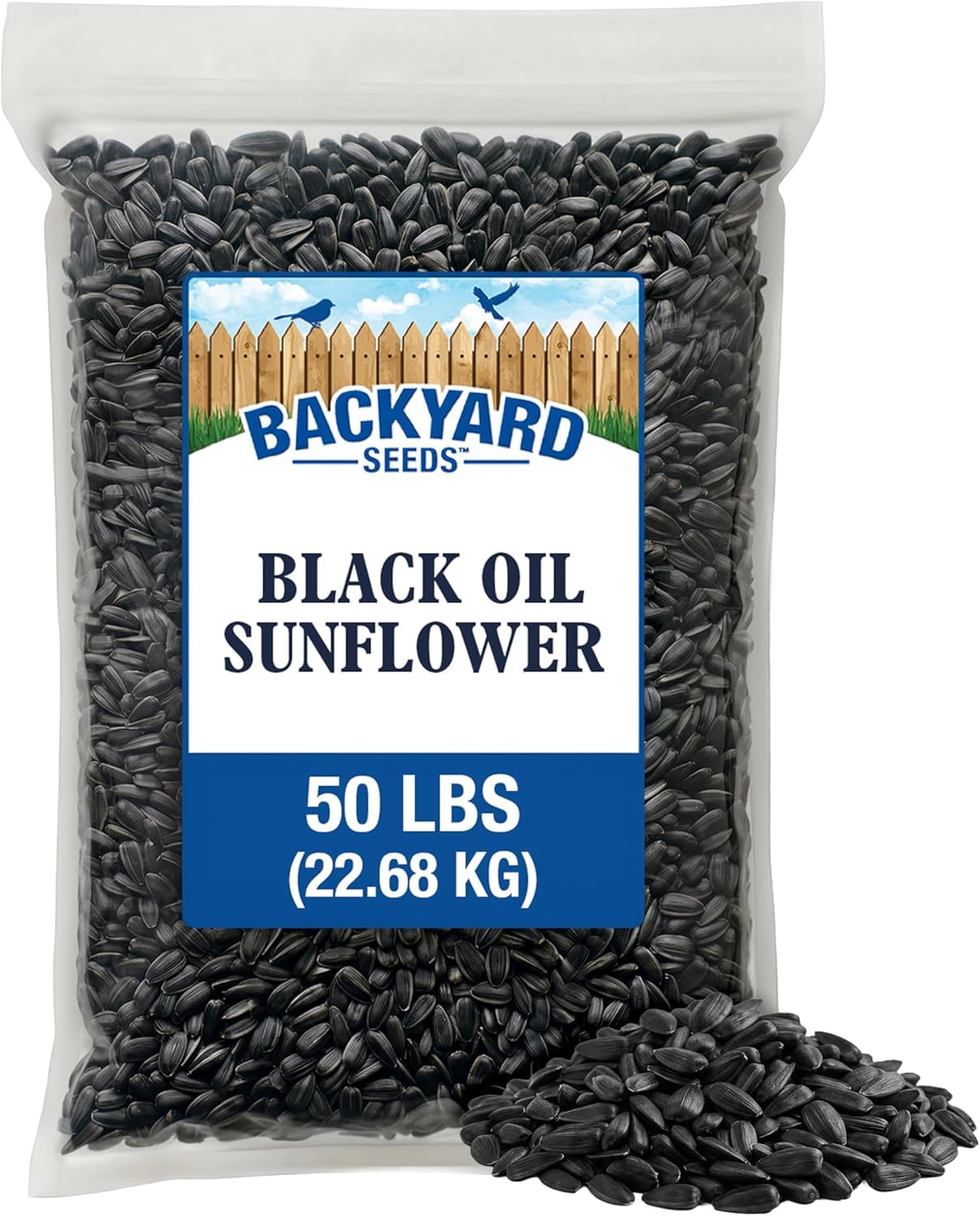
This 50-pound bulk bag is the highest-value option for dedicated cardinal feeding. Each seed is pure black oil sunflower with zero filler ingredients — no milo, no corn, no wheat. Thin shells allow cardinals to crack and consume each seed efficiently, while the high protein and fat content deliver the energy they need during migration and winter months.
Customer reports consistently mention the lack of sticks, stems, or debris in the bag. The seeds are sourced and processed in the USA, and the resealable bag design (if stored properly in a cool, dry place) maintains freshness over the long feeding period this size demands. One reviewer noted that cardinals “seem to really love it” and that the bag produced the same bird count as lower-quality blends with less waste per pound.
The only logistical consideration is storage. A 50-pound bag requires a large, airtight container — a 5-gallon bucket with lid works well — to prevent moisture or rodent intrusion. For feeders placed on patios, this bulk may produce a significant shell buildup beneath the feeding area.
What works
- Zero filler content maximizes bird consumption per pound
- Freshness and cleanliness rated highly across multiple batches
- Thin shells make it accessible even to smaller songbirds
What doesn’t
- Large bag requires significant storage space and a sealed container
- Shell buildup beneath feeders requires regular cleanup
2. Audubon Park No Mess (12 lb)
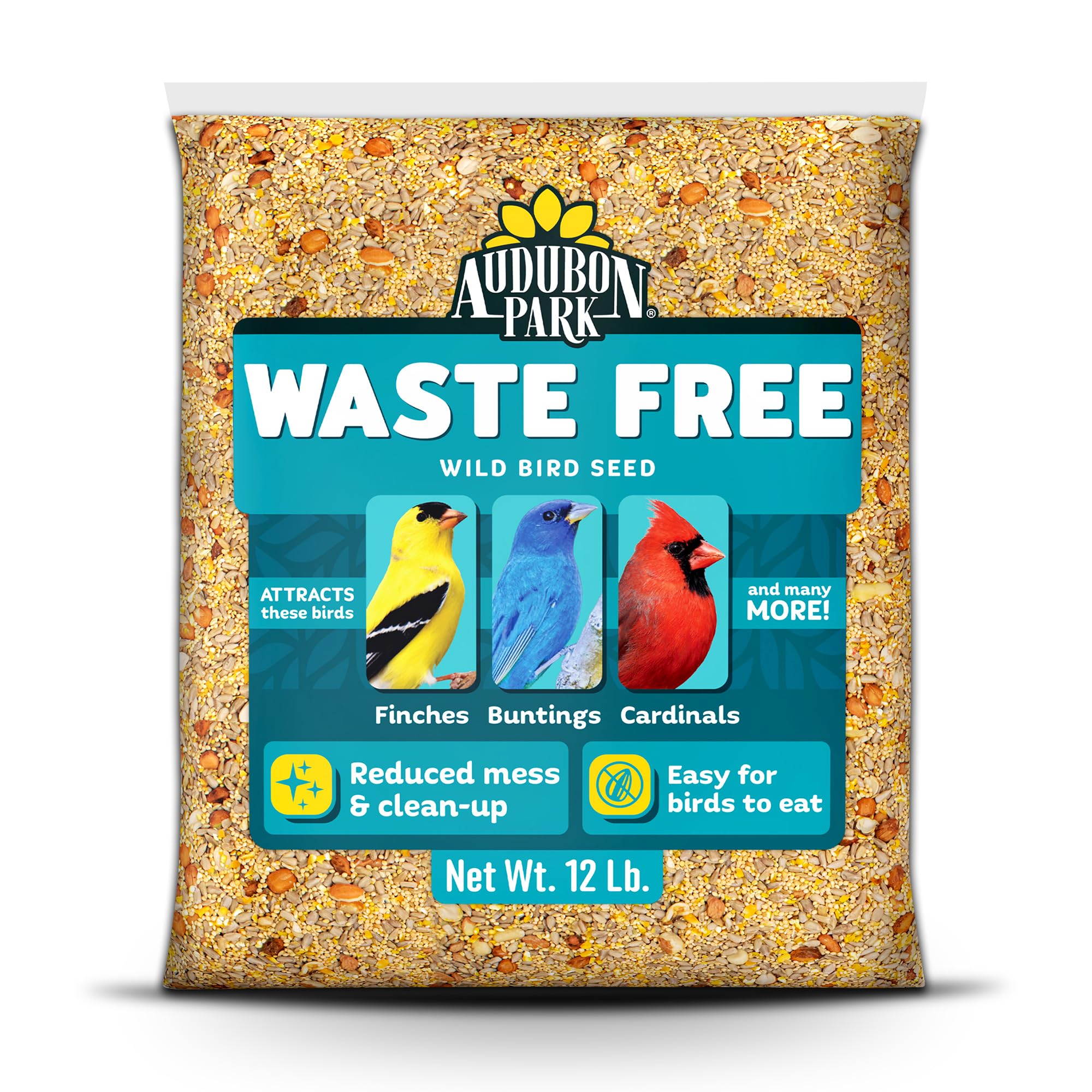
This shell-free blend is a strategic pick for anyone feeding cardinals on a deck, patio, or pavement where seed hulls create a slipping hazard or aesthetic problem. The formula uses sunflower hearts, chips, and peanut pieces — all edible matter with zero hulls — so there is almost nothing left behind for cardinals to kick out.
The 12-pound bag size is manageable for most feeders, and the resealable packaging helps maintain freshness between refills. Customers consistently confirm that cardinals, finches, thrushes, and wrens all feed from this blend regularly. One long-term user described it as “the only bird seed I will use” and noted no seed sprouting from discarded hulls, since there are none to germinate.
A potential drawback is price per pound relative to whole-seed blends. Because the hulls have been removed, you are paying for 100 percent edible kernel weight, which is inherently more expensive than bulk sunflower with shells still attached. Also, shell-free seeds can spoil faster if exposed to moisture, so storing the bag in a dry area matters.
What works
- Virtually no mess under the feeder — ideal for patios
- High-quality sunflower hearts and peanut pieces attract cardinals quickly
- Bag size is practical for most standard tube and hopper feeders
What doesn’t
- Higher cost per pound compared to whole-seed options
- Shell-free seeds are more susceptible to spoilage in humid conditions
3. Armstrong All Season (40 lb)
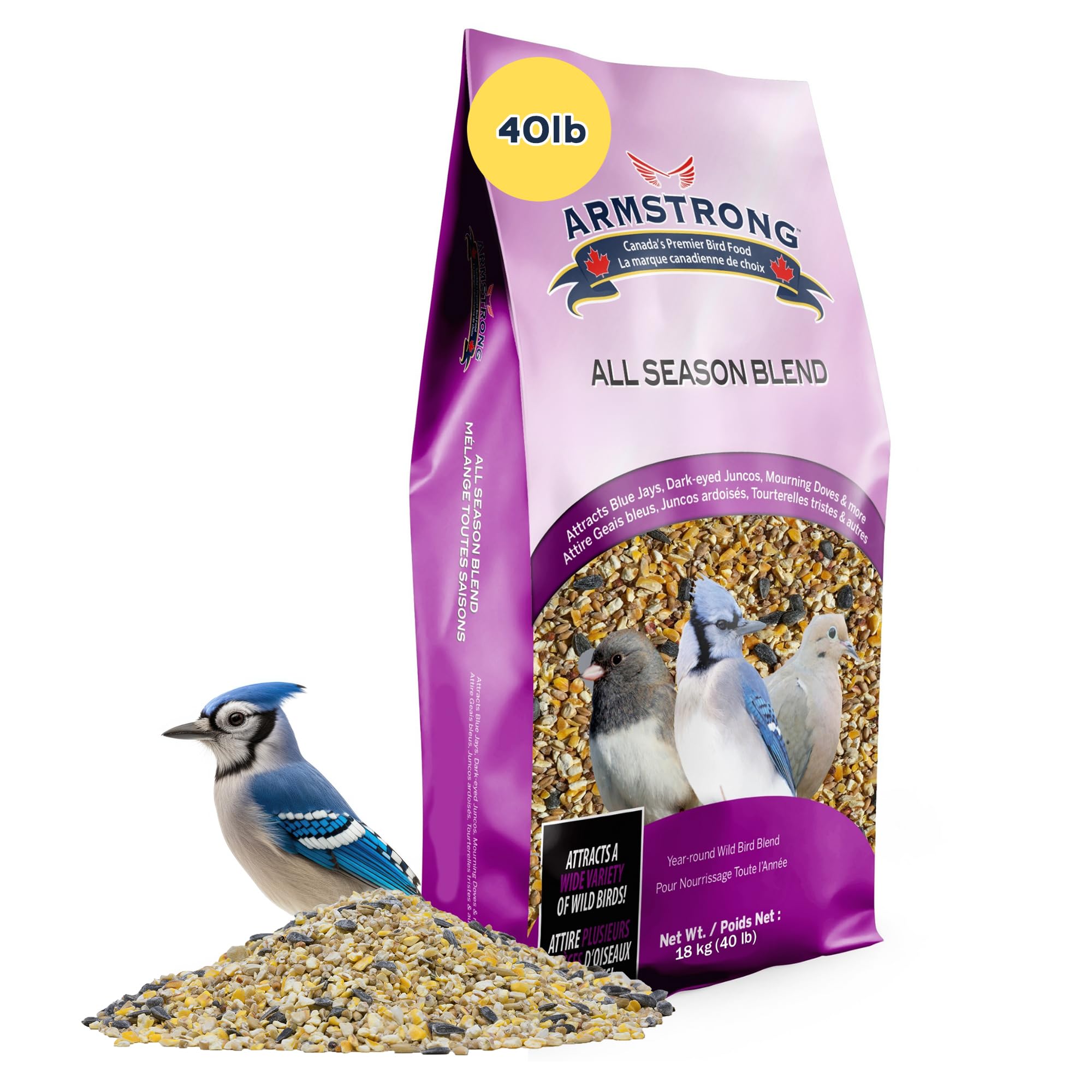
Armstrong’s 40-pound blend includes cut corn, wheat, red milo, white millet, and black oil sunflower seeds. This is a general feeding mix designed to attract a wide variety of birds, including cardinals, dark-eyed juncos, and mourning doves. The packaging uses a CO2-flushed barrier bag to preserve freshness, a detail that matters for such a large volume.
Customer feedback is largely positive for the variety of birds it brings. Most reviewers report that their birds “love it” and that the price point is fair for the bag size. However, one critical review noted that a single bag contained roughly 90 percent sawdust-like filler, which hardened into a concrete-like mass inside a tube feeder during dry conditions. This appears to be an outlier, but it suggests batch consistency can vary.
For cardinals specifically, this blend includes a fair amount of red milo and cracked corn — seeds that cardinals typically ignore. If your primary goal is attracting a large flock with high cardinal density, you may find that cardinals selectively eat the black oil sunflower and leave much of the other ingredients intact, leading to waste at the bottom of the feeder.
What works
- Large 40-pound bag at a competitive per-pound cost
- Attracts a wide diversity of bird species to the yard
- Freshness-preserving barrier bag packaging
What doesn’t
- Contains fillers (milo, corn) that cardinals tend to ignore
- Batch quality inconsistencies reported in some reviews
4. Old Potters Black Oil Sunflower (12 lb)

Old Potters takes a minimal-processing approach, offering black oil sunflower seeds that are Non-GMO and grown on small, sustainable US farms. The seeds arrive with traces of field debris — small twigs or leaf fragments — which the manufacturer presents as evidence of authenticity and minimal mechanical processing.
Cardinals feed heavily on these seeds, which have a high protein and oil content typical of premium black oil sunflower. The resealable bag is a practical feature, and multiple repeat buyers confirm that the seeds remain fresh for weeks when stored properly. One customer noted that these seeds were so fresh that birds “feasted for days on a small amount compared to other old moldy sunflower seeds.”
The main trade-off is the presence of field debris, which some buyers may view as a quality concern even though it is intentional. Also, the 12-pound bag size is not the most cost-effective per pound compared to 40- or 50-pound bulk alternatives, especially if you maintain multiple feeders.
What works
- Non-GMO and US-sourced from small farms
- High freshness rating — seeds retain full kernel volume
- Resealable bag for extended freshness
What doesn’t
- Field debris (twigs, stems) present in bag
- Higher per-pound cost relative to bulk competitors
5. Desert Valley Black Oil Sunflower (3 lb)

Desert Valley focuses exclusively on black oil sunflower seeds, emphasizing higher oil content and thinner shells than generic blends. The seeds are hand-packed in small batches, which helps maintain consistent kernel quality. While the 3-pound bag is the smallest volume in this guide, it also comes in resealable 5- and 10-pound options.
Customers report that cardinals arrived within hours of putting the seed out, and that the high oil content keeps birds returning consistently. The seeds are packed with vitamins and minerals and serve as a good calcium source for bone development during breeding season. A pro-level detail: the thin shells make these accessible to smaller finches and chickadees, which can help establish a mixed flock that cardinals are comfortable joining.
The main limitation is the bag size. The 3-pound bag is priced at a premium per-pound rate, making it best suited for test-buying a small quantity before committing to a larger bag, or for use in a single small feeder. It is not a cost-efficient option for high-volume feeding across multiple stations.
What works
- High oil content provides dense caloric nutrition for cardinals
- Thin shells allow easy cracking for both large and small birds
- Hand-packed in small batches for quality control
What doesn’t
- Small bag yields a high per-pound cost
- Not economical for households with multiple feeders
6. Cool Birds All Birds (10 lb)
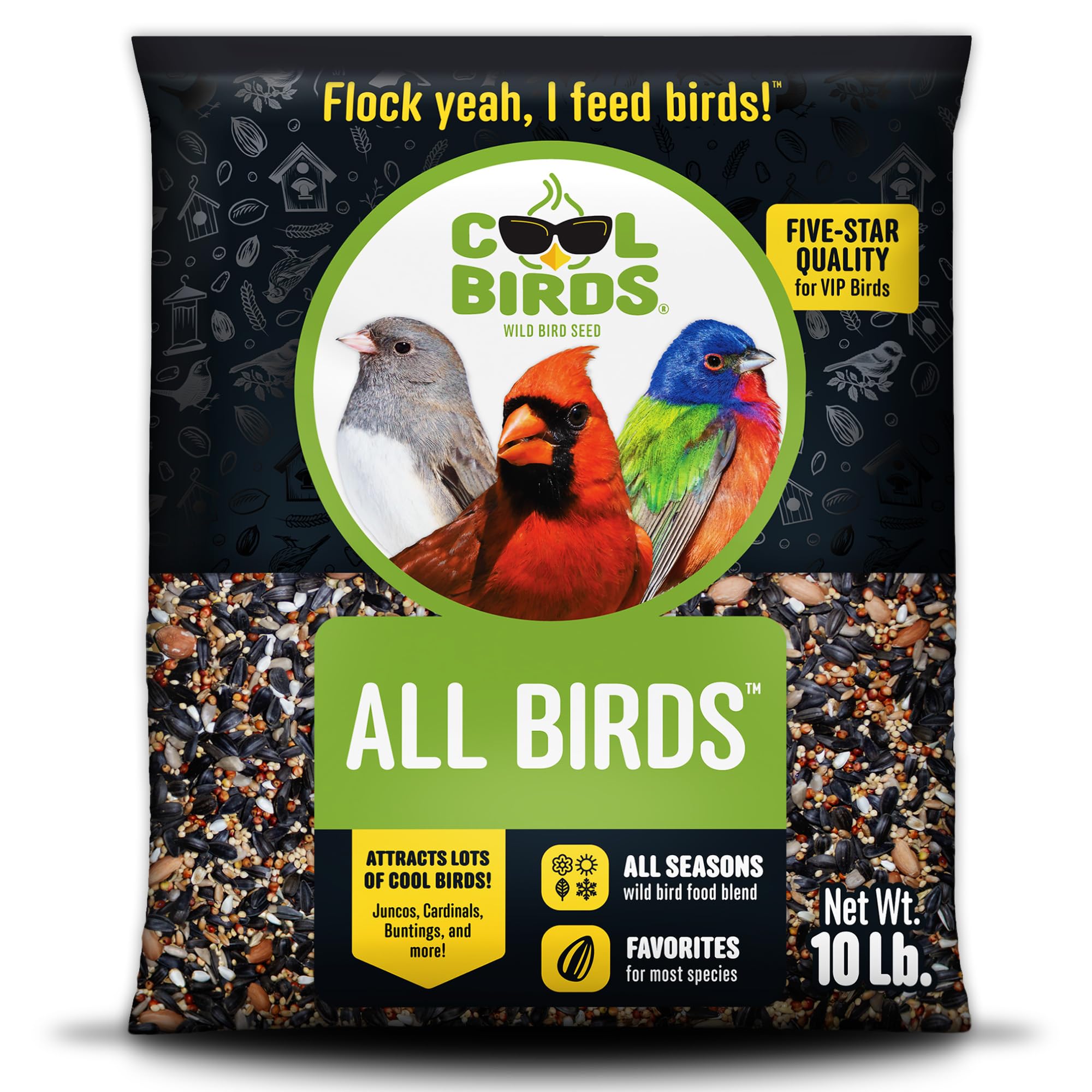
Cool Birds combines black oil sunflower, white millet, safflower, peanuts, and sunflower hearts into a balanced 10-pound blend. The inclusion of both sunflower hearts (shell-free) and whole sunflower seeds means cardinals can eat immediately from the hearts while also having the option to crack whole seeds, which provides mental stimulation.
Customers specifically note that cardinals appear regularly at feeders filled with this blend, alongside sparrows, blue jays, and eastern bluebirds. The seed is described as “fresh-smelling” with “minimal filler,” and multiple reviews highlight the lack of artificial colors as a plus. The blend works well in tray, tube, hopper, and platform feeders.
The 10-pound bag size is convenient but may require more frequent refills for a heavy feeding area. While it contains safflower, which cardinals enjoy, the white millet component is better suited for ground-feeding birds like doves and juncos rather than being a primary cardinal attractor. Some cardinals may selectively target the sunflower and peanuts, leaving millet uneaten.
What works
- Balanced blend with shell-free sunflower hearts for immediate feeding
- No artificial colors or strong chemical odors
- Compatible with all major feeder types
What doesn’t
- White millet is not a preferred ingredient for cardinals
- 10-pound bag needs frequent refills for multiple feeders
7. Valley Splendor Songbird Melody (7 lb)
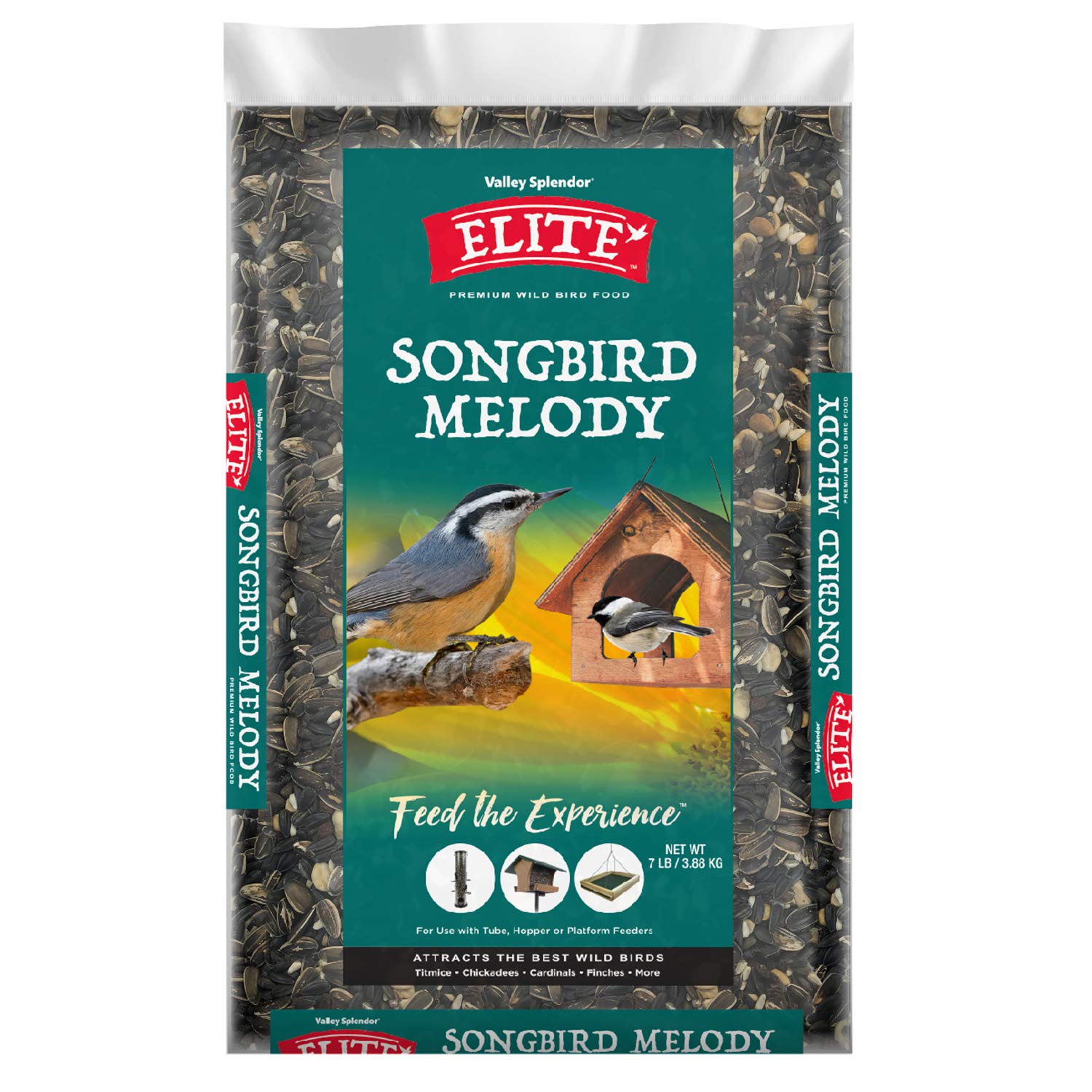
Valley Splendor’s Songbird Melody is a premium 7-pound blend built around black oil sunflower seeds, safflower seeds, peanuts, striped sunflower seeds, and raisins. The raisins add natural sugars that provide quick energy, while the high protein and fat content help cardinals maintain body condition during cold weather.
The blend is enriched with vitamins A and D to support feathering, bone development, and reproduction. A notable differentiator is the added berry scent, which aims to attract more birds to the feeder through olfactory cues. Customers confirm that cardinals, chickadees, and nuthatches feed from it regularly and that there are no added “filler trash” ingredients.
The 7-pound bag size is modest, and the per-pound cost is higher than standard mixes, making this more of a specialty supplement than a primary bulk feeder fill. Some customers noted that the berry scent attracts squirrels as well, so a squirrel baffle may be needed if this becomes an issue. Additionally, the raisins can become sticky and may mold in humid conditions if not consumed quickly.
What works
- Vitamin-enriched formula supports cardinal health during breeding
- Raisins provide natural sugar for quick energy in cold months
- No artificial fillers or low-quality grains
What doesn’t
- Higher per-pound cost compared to standard blends
- Raisins may mold in humid environments if not eaten quickly
Hardware & Specs Guide
Oil Content & Protein Levels
Black oil sunflower seeds typically contain 25-30 percent crude fat and 15-20 percent protein, making them the single most energy-dense seed you can offer cardinals. Striped sunflower seeds have a thicker shell and lower oil content per kernel, which is why cardinals prefer black oil. High-protein blends (above 18 percent) are especially valuable during molt and nesting season, when cardinals need extra amino acids for feather and egg production.
Safflower as a Selective Attractor
Safflower seeds are an excellent secondary component for cardinal-specific blends. They have a hard, white shell that cardinals and chickadees can crack, but that many common feeder pests — including grackles, starlings, and most squirrels — find unappealing. Including safflower at 10-20 percent of a blend can reduce competition at the feeder while still providing high protein (16-18 percent) and oil content (35-38 percent) that cardinals require.
Resealable Packaging & Freshness
Bird seed freshness degrades through oxidation, moisture absorption, and pest infestation. Resealable bags with heavy-gauge plastic or mylar lining help maintain freshness for 4-6 weeks after opening. CO2-flushed barrier bags (used by Armstrong) extend shelf life by displacing oxygen. For bulk bags exceeding 20 pounds, transferring seed into an airtight 5-gallon bucket with a gamma seal lid is the most reliable method for preserving nutritional value.
No Mess vs Whole Seed Weight Comparison
A 12-pound bag of shell-free “no mess” seed contains approximately 12 pounds of 100 percent edible kernel weight. By contrast, a 12-pound bag of whole black oil sunflower seeds contains roughly 5-6 pounds of edible kernel and 6-7 pounds of inedible hulls. When comparing cost per feeding day, shell-free blends can be surprisingly competitive because the waste fraction is effectively zero. However, whole seeds retain moisture and flavor better over time, and cardinals naturally enjoy the mechanical act of cracking shells.
FAQ
Do cardinals prefer safflower seeds over black oil sunflower?
How often should I replace bird seed to keep cardinals coming back?
Will cardinals eat from a hanging tube feeder or do they prefer platform feeders?
Does red milo attract cardinals or is it just filler?
Final Thoughts: The Verdict
For most gardeners, the best bird seed to attract cardinals winner is the CountryMax 50 lb Black Oil Sunflower Seeds because it offers pure, filler-free seed in a bulk size that supports consistent daily feeding without frequent reordering. If you want a shell-free option for a clean patio or deck, grab the Audubon Park No Mess blend for its zero-waste feeding experience. And for a targeted small-batch test or a single-feeder setup, nothing beats the freshness of the Desert Valley Black Oil Sunflower Seeds in a resealable bag.