
The difference between a thriving tomato harvest and a disappointing, blossom-end rot disaster often comes down to what you pour into your raised beds before you plant. Tomatoes are heavy feeders with deep root systems, and they demand a specific balance of drainage, aeration, and organic nutrition that ordinary topsoil or cheap bagged mixes simply cannot deliver.
I’m Rikta — the co-founder and writer behind Lawn Gear Lab. Through deep market research, countless hours comparing specifications, and analyzing aggregated owner feedback across dozens of blends, I’ve curated the definitive list of the best options for this exact growing scenario.
Whether you are filling a new 4×8 bed or amending established soil for another season, this guide breaks down the most effective premium blends, mid-range workhorses, and budget-friendly options to help you find the best soil for tomatoes in raised beds that matches your garden goals.
How To Choose The Best Soil For Tomatoes In Raised Beds
Selecting a mix for raised-bed tomatoes is less about brand loyalty and more about verifying three core components: structure, pH, and organic feeding potential. A bag that looks dark and rich may still compact around tender roots if it lacks perlite or vermiculite for aeration. Similarly, a mix that drains too fast can leave roots dry and fruit undersized. Understanding what to look for on the label saves you from guesswork and wasted money.
Drainage and Aeration
Tomato roots are susceptible to rot in waterlogged soil. The ideal raised-bed mix contains a visible fraction of perlite, pumice, or coarse sand to create air pockets. Peat moss or coco coir provides moisture retention, but without an aggregate for drainage, the root zone stays too wet. Look for a blend that lists perlite or vermiculite in the first few ingredients if drainage is a priority.
pH and Nutrient Profile
Tomatoes prefer a slightly acidic environment between 6.2 and 6.8 pH. At this range, phosphorus and micronutrients remain bioavailable. Dolomitic lime is often added to premium mixes to buffer acidity, while earthworm castings and composted manures supply steady nitrogen and potassium. Avoid high-nitrogen synthetic fertilizers that push leafy growth at the expense of fruit set.
Organic Matter and Microbial Activity
Living soil produces better tasting tomatoes. Blends containing worm castings, mycorrhizae, kelp meal, or crab shell meal introduce beneficial microbes that break down organic matter into plant-available nutrients. These ingredients also improve soil structure over time, meaning your raised bed becomes richer with each growing cycle rather than degrading into compacted dust.
Quick Comparison
On smaller screens, swipe sideways to see the full table.
| Model | Category | Best For | Key Spec | Amazon |
|---|---|---|---|---|
| Coast of Maine Castine Blend | Premium | Maximum microbial diversity | 2 cu ft, biochar + mycorrhizae | Amazon |
| Espoma Organic Potting Mix | Premium | All-around long season feeding | 2 cu ft, Myco-Tone inoculant | Amazon |
| FoxFarm Raised Bed Mix | Premium | Ready-to-use no mixing needed | 1.5 cu ft, earthworm castings | Amazon |
| Coast of Maine Bar Harbor | Mid-Range | Lobster & crab shell feeding | 16 qt, kelp + shell meal | Amazon |
| Brut Organic Potting Soil | Mid-Range | Filler-free microbe-rich mix | 21 qt, worm castings + Azomite | Amazon |
| Brut Cow Compost | Budget | Amending poor or old soil | 10 qt, OMRI cow manure | Amazon |
| Midwest Hearth Premium Mix | Budget | Small starts and seed trays | 8 qt, peat + perlite + vermiculite | Amazon |
In‑Depth Reviews
1. Coast of Maine Castine Blend Soil
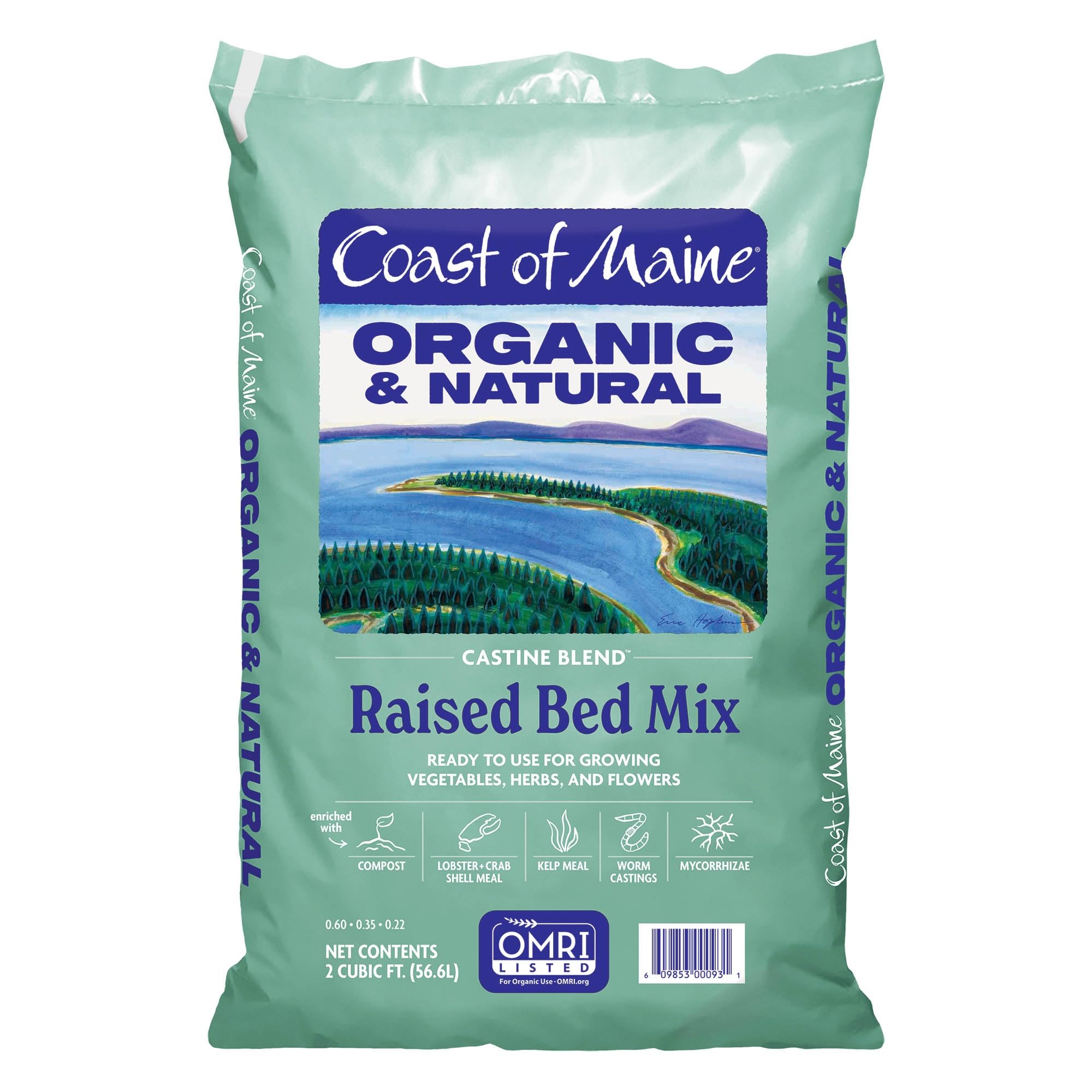
Coast of Maine’s Castine Blend is engineered specifically for raised beds and containers, making it an almost perfect foundation for tomatoes. The 2-cubic-foot bag contains worm castings, mycorrhizae, green sand, kelp meal, and lobster and crab shell meal — a biodiversity-driven recipe that keeps the soil alive and biologically active throughout the entire growing season. The inclusion of biochar is a standout feature; it improves water retention without sacrificing drainage and provides a stable habitat for beneficial microbes that mineralize nutrients for tomato roots.
Users consistently report that this blend maintains a light, fluffy texture even after weeks of watering, which is critical for deep-rooted tomato varieties. The dark, rich consistency and absence of twigs or filler debris mean you can pour it directly into a bed and transplant seedlings without additional sifting. The moisture retention is strong enough to reduce watering frequency, yet the aeration prevents the anaerobic conditions that lead to root rot and fungal diseases.
For serious gardeners looking for a true living soil that yields larger, more flavorful fruit from a single bag, Castine Blend justifies its premium tier. It performs well as a standalone fill and excels when used to amend existing raised beds that have become compacted. This is the mix to reach for if you want maximum microbial diversity and the highest possible quality of organic ingredients from a trusted regional producer.
What works
- Biochar and mycorrhizae create a thriving microbial ecosystem that roots love
- Exceptionally clean with no twigs, bugs, or woody filler
- Excellent moisture retention paired with true drainage for raised beds
What doesn’t
- Premium price point; best for filling new beds rather than large-scale top dressing
- Regionally sourced; availability may be limited outside the Northeast
2. Espoma Organic Potting Mix

Espoma’s AP2 Organic Potting Mix is one of the most recognizable names in container gardening, and for good reason. This 2-cubic-foot bag is packed with sphagnum peat moss, humus, and perlite, then fortified with earthworm castings, alfalfa meal, kelp meal, and feather meal. The proprietary Myco-Tone blend of endo and ecto mycorrhizae gives this mix an edge in establishing strong root systems quickly, which is exactly what determinate and indeterminate tomato varieties need after transplant.
The texture is notably chunky and loamy rather than powdery, which means it resists compaction and crusting over time. Unlike many budget mixes that turn into a hard surface layer after a few dry days, Espoma remains open and airy, allowing water to penetrate evenly. Users with sensitive houseplants and long-lived specimens have trusted this formula for years because the organic slow-release ingredients provide consistent nutrition without the risk of chemical burn.
Tomato growers report vigorous leaf development and heavy fruit set when using Espoma as the primary medium in raised beds. The blend works as a standalone fill for smaller beds or as a high-quality amendment for larger projects when cost is a consideration. It is versatile enough for indoor and outdoor container plants, making it a smart choice if you are feeding multiple planting zones from the same bag.
What works
- Myco-Tone inoculant drives rapid root colonization for faster nutrient uptake
- Loamy, chunky texture prevents surface crusting and stays airy
- Contains no synthetic chemicals or filler ingredients
What doesn’t
- May require additional perlite for extremely heavy clay soil integration
- Some users prefer a dedicated raised bed formula over an all-purpose mix
3. FoxFarm Raised Bed Planting Mix
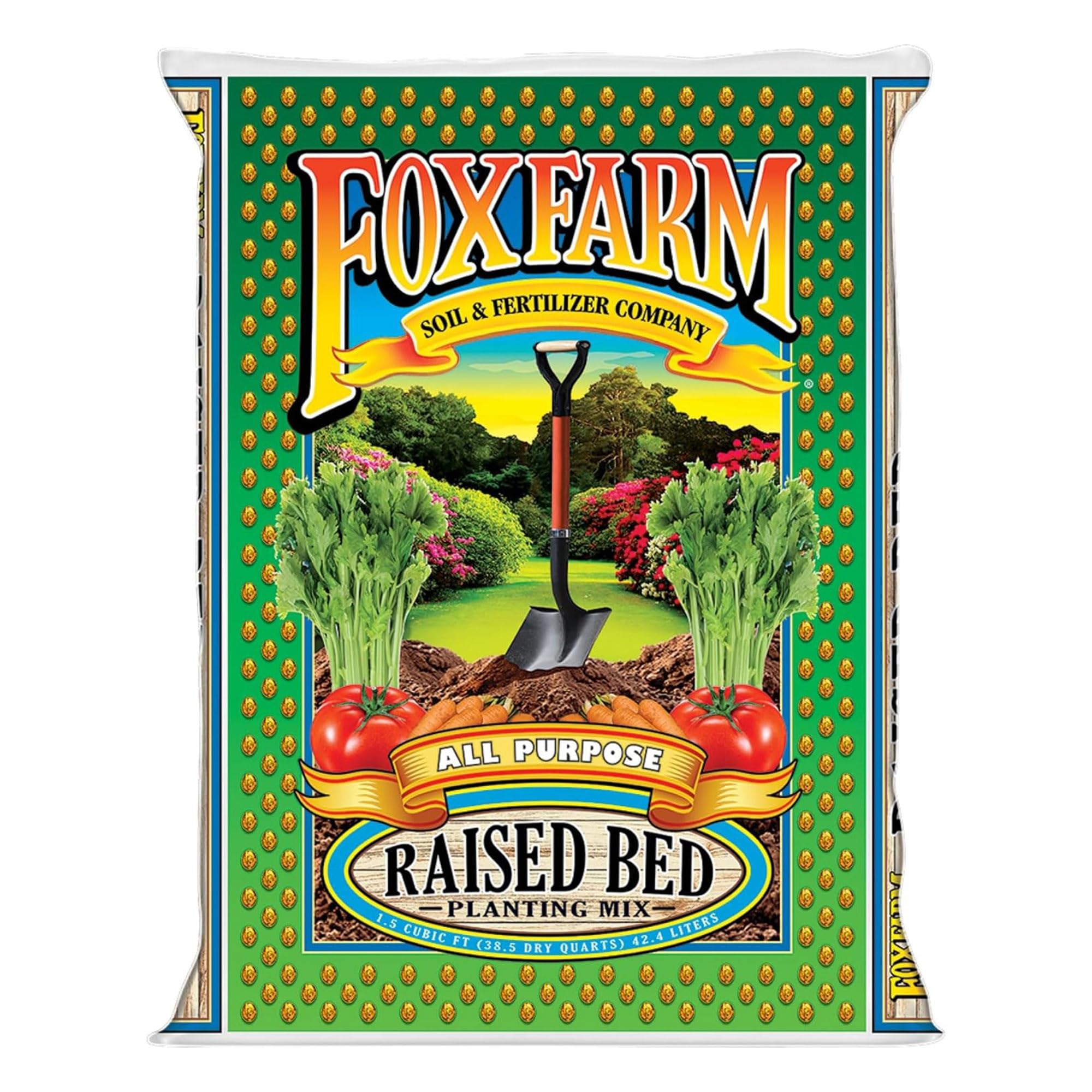
FoxFarm built its reputation on high-performance soil blends, and this Raised Bed Planting Mix carries that DNA into a convenient, ready-to-use formula. The bag is composed of 50 to 60 percent aged forest products, sphagnum peat moss, and a fertilizer base derived from earthworm castings, oyster shell, and dolomite lime. The oyster shell provides a slow-release calcium source that is invaluable for preventing blossom-end rot in tomatoes — a common frustration that cheaper mixes fail to address.
Gardeners appreciate that this mix requires no additional mixing or recipe tweaking. You open the bag, pour it into the bed, and plant immediately. The moisture retention is well balanced with proper drainage, so tomato roots stay hydrated without sitting in standing water. The inclusion of dolomite lime buffers the pH to a stable range that tomatoes naturally prefer, reducing the need for amendments mid-season.
While the bag size of 1.5 cubic feet is smaller than some competitor offerings at a similar price point, the quality of the ingredients justifies the cost for dedicated raised bed gardeners. It performs exceptionally well as a top dressing for established beds and as a primary fill for smaller raised garden boxes. If you want a turnkey solution that has been optimized for tomatoes out of the bag, this is a strong contender.
What works
- Oyster shell provides natural calcium for blossom-end rot prevention
- No mixing required, pour and plant directly from the bag
- Aged forest products create a stable, long-lasting soil structure
What doesn’t
- Smaller bag volume compared to similarly priced blends
- Availability and price can vary significantly between online and local stores
4. Coast of Maine Bar Harbor Blend Potting Soil
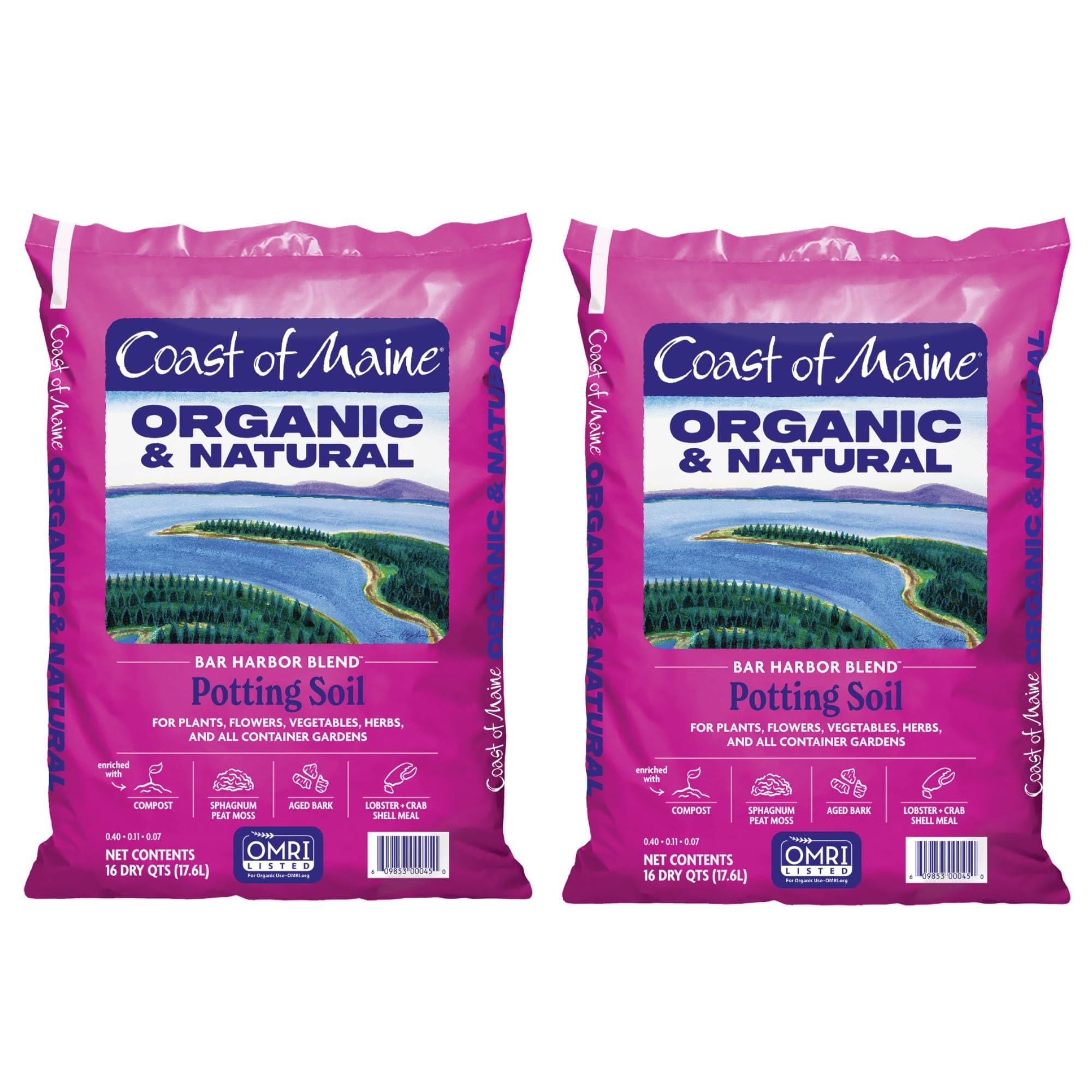
The Bar Harbor Blend from Coast of Maine is a mid-range powerhouse that punches well above its price tier. Formulated with sphagnum peat moss, compost, perlite, lobster and crab shell meal, and kelp meal, this mix delivers a steady supply of trace minerals and chitin that stimulate soil biology. The chitin from shellfish shells encourages populations of beneficial bacteria that naturally suppress fungal pathogens in the root zone — a hidden advantage for tomatoes prone to early blight.
Users note the darker color compared to standard peat-heavy mixes, indicating a higher compost content that contributes to a more robust nutrient profile. The balanced inclusion of perlite ensures that excess water drains quickly, while the organic matter retains enough moisture to sustain plants during hot afternoons. Reviewers with tomato plants specifically report that their fruit set was noticeably heavier and the foliage remained deep green longer into the season compared to previous years using generic potting mixes.
This blend is versatile enough for hanging baskets, window boxes, and container gardens, but its slow-release organic nitrogen makes it particularly well suited for heavy-feeding vegetables in raised beds. For gardeners who want Coast of Maine quality at a friendlier price point than the Castine Blend, Bar Harbor is an excellent compromise that does not sacrifice biological richness.
What works
- Lobster and crab shell meal provide chitin for natural disease suppression
- High compost content gives darker, richer texture than peat-only mixes
- Slow-release nitrogen supports steady vegetative growth without burning
What doesn’t
- 16-quart volume is modest; large beds may require several bags
- Some users prefer even more perlite for extremely fast drainage
5. Brut Organic Potting Soil
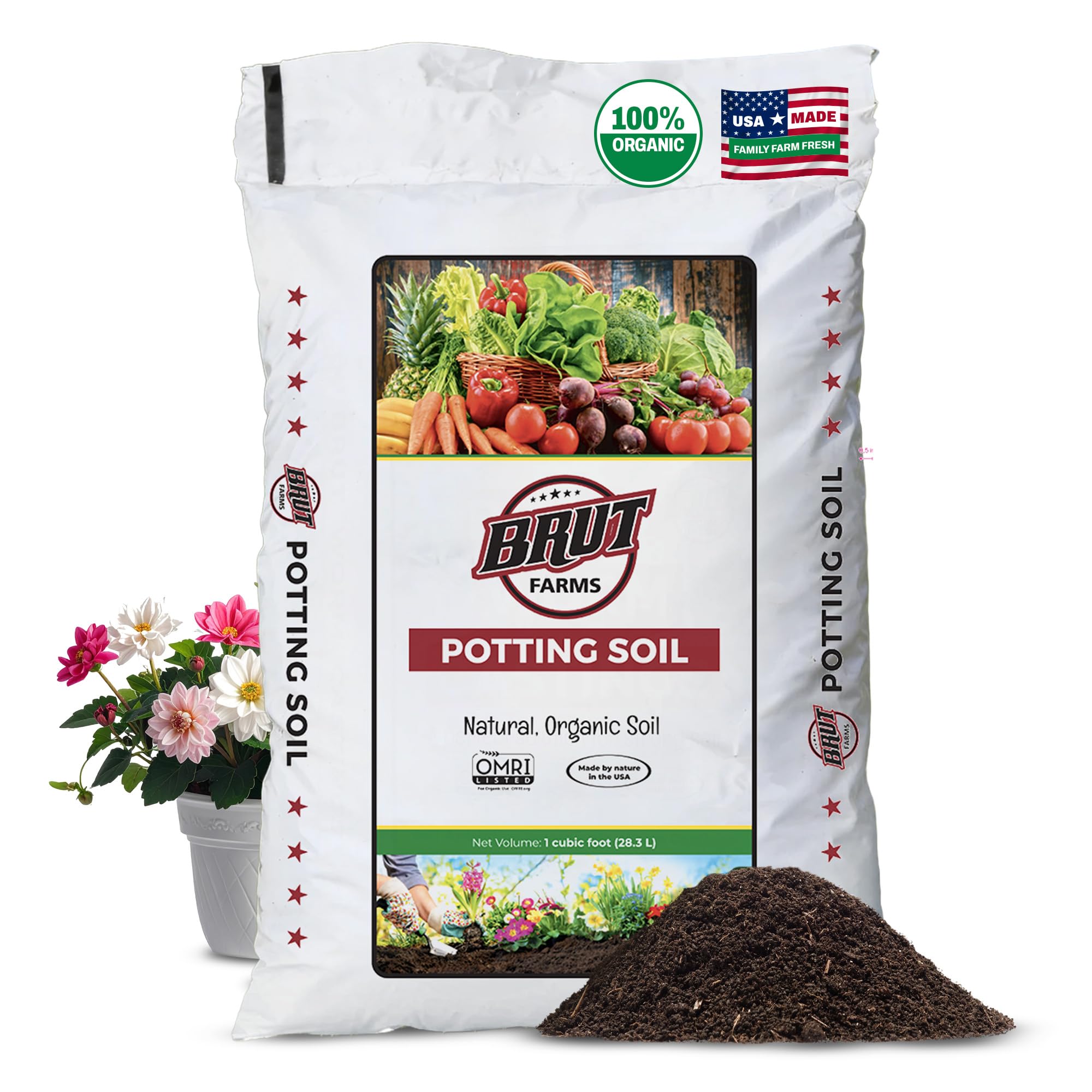
Brut Worm Farms produces a genuinely clean organic potting soil that stands out for one simple reason: no filler. Many budget and mid-range mixes are bulked with wood chips, large bark chunks, and unidentified debris, but Brut’s 21-quart bag arrives with a fine, consistent texture that is pleasant to work with. The base is packed with microbe-rich worm castings, Azomite trace minerals, and kelp meal, giving it a nutrient density that supports quick root establishment.
The natural pH balance is calibrated between 6.3 and 6.5, landing right in the sweet spot for tomatoes. This means you do not have to worry about lime additions or sulfur adjustments out of the bag. Users report that tomato seedlings in 4-inch pots show vigorous growth within days, and transplants into raised beds seem to suffer little to no transplant shock. The absence of synthetic fertilizers also reduces the risk of salt buildup that can damage tender roots in enclosed raised bed environments.
While the price per quart is higher than commodity mixes at big-box stores, the purity of ingredients makes every pound count. Gardeners who value knowing exactly what is in their soil will appreciate the transparency and OMRI certification. It performs well as a standalone raised bed mix for smaller beds or as a premium amendment for larger projects where you want to boost microbial activity without introducing weed seeds or synthetic chemicals.
What works
- Stick-free and wood-free consistency with no visible debris
- pH pre-balanced to 6.3-6.5, ideal for tomatoes out of the bag
- High concentration of worm castings and Azomite for trace mineral feeding
What doesn’t
- Premium cost per quart compared to standard all-purpose mixes
- Some users note attracting flies when used in open containers without a sand top layer
6. Brut Cow Compost

Brut Cow Compost is not a standalone potting mix; it is a concentrated, OMRI-listed organic soil amendment designed to supercharge your existing raised bed soil. Made from thoroughly composted cow manure that has been carefully aerated and tested, this 10-quart bag provides a dense dose of nitrogen, calcium, and iron that tired or depleted raised bed soil desperately needs. It is odor-free, which is a practical advantage over raw manure products that can smell strong during application.
The fine, sifted texture makes it easy to blend into existing soil at a 1-to-3 ratio with your base mix. First-time growers using this compost report that tomatoes planted as seeds in a 3-to-2 ratio of compost to soil showed dramatic growth rates compared to control groups. The gentle, slow-release nature of the compost means there is no risk of burning delicate tomato roots, even when applied more generously than recommended.
This amendment excels when you are refreshing a bed that has already grown one or two seasons of heavy feeders. Mixing it into the top 6 inches before planting restores organic matter and boosts microbial populations. For budget-conscious gardeners who already have a quality base soil, this compost is an economical way to inject concentrated nutrition without buying a whole new batch of premixed soil.
What works
- Odor-free and safe for direct root contact, no burning risk
- Finely sifted texture blends evenly into existing raised bed soil
- OMRI certified for organic gardening with a strong NPK profile
What doesn’t
- 10-quart volume is small; large beds may need multiple bags
- Not intended as a standalone growing medium, requires a base soil
7. Midwest Hearth Premium Potting Soil Mix

Midwest Hearth delivers a straightforward, no-nonsense blend of peat moss, perlite, and vermiculite that mimics the formulations used by professional greenhouse growers. At 8 dry quarts, this is the smallest bag in the lineup, but it serves a specific purpose: starting seeds and transplants before moving them into larger raised beds. The pH is controlled and balanced for a broad spectrum of plants, meaning you do not have to worry about acidity spikes affecting young tomato seedlings.
The texture is light and fluffy, providing the kind of loose structure that makes it easy for tender roots to spread without resistance. Users have successfully germinated petunias, herbs, and tomatoes in this mix with high success rates. The resealable bag design is a practical touch for those who do not use the entire volume at once, keeping the remaining medium fresh and dry between uses. The inclusion of both perlite and vermiculite gives it a dual advantage: perlite ensures drainage while vermiculite holds moisture, creating a balanced environment for young plants.
This is not the mix to fill an entire 4×8 raised bed due to the small volume, but it is an excellent tool for the early stages of tomato growing. Combine it with a larger bag of premium raised bed soil for transplanting day. For gardeners who want professional-grade starting media without the volume of larger bags, Midwest Hearth offers a compact and reliable option at a budget-friendly price point.
What works
- Professional-grade blend of peat, perlite, and vermiculite for optimal seed starting
- Light, fluffy texture prevents damping off and encourages taproot growth
- Resealable bag keeps unused mix fresh for future trays
What doesn’t
- 8-quart volume is very small, not economical for filling large beds
- Lacks the heavy organic nutrition profile needed for mature tomato fruiting
Hardware & Specs Guide
Volume and Bag Size
Bag volumes for raised bed soil range from compact 8-quart bags ideal for seed starting up to 2-cubic-foot bags suitable for filling entire beds. A 2-cubic-foot bag covers roughly 2 square feet at a 12-inch depth, so plan your bed dimensions in advance to avoid mid-project shortages. Smaller bags (8-16 quarts) are convenient for amendments and top dressing but require multiple purchases for full-bed fills.
Nutrient Ingredients and Amendments
Premium blends typically include worm castings, kelp meal, shellfish meal, feather meal, and mycorrhizae. These ingredients provide slow-release nitrogen, trace minerals, and beneficial fungi that form symbiotic relationships with tomato roots. Alfalfa meal and green sand add potassium and iron, which contribute to fruit development and resistance to common diseases.
FAQ
Can I use standard garden soil instead of a raised bed mix for tomatoes?
How often should I refresh the soil in my tomato raised bed?
Is it necessary to add lime to my raised bed soil for tomatoes?
Final Thoughts: The Verdict
For most gardeners, the best soil for tomatoes in raised beds winner is the Coast of Maine Castine Blend because it delivers the richest biodiversity and longest-lasting nutrient profile for a single-bag investment. If you want a premium mix that is ready to use with no amendments needed, grab the FoxFarm Raised Bed Mix. And for refreshing tired soil on a budget, nothing beats the Brut Cow Compost as a concentrated organic booster.