
A greenhouse magnifies the sun’s energy, creating a heat trap that can push internal temperatures past 110°F and wilt even sun-loving crops within hours. Without a properly rated shade cloth, your tomato blossoms drop, lettuce bolts, and leaf margins crisp before noon. The right mesh density transforms that oven back into a controlled growing environment — but picking the wrong percentage or a flimsy fabric means replacing it every season.
I’m Rikta — the co-founder and writer behind Lawn Gear Lab. I’ve spent countless hours comparing weave densities, grommet placements, edge binding construction, and HDPE material grades across dozens of shade cloth models, cross-referencing UV resistance claims with real owner accounts of wind survivability and tear resistance to separate the season-long performers from the one-summer wonders.
Whether you need light dappling for peppers or heavy block for lettuce, this guide breaks down every critical spec so you can confidently buy the right shade cloth for greenhouse on your first attempt — no guessing, no wasted money, no scorched plants.
How To Choose The Best Shade Cloth For Greenhouse
Picking a shade cloth comes down to three non-negotiable decisions: what shade percentage your crops need, how much the fabric construction can handle your local weather, and whether the mounting hardware (grommets and binding) will hold up under tension and UV exposure.
Shade Percentage: Matching Density to Your Crops
The number on the label — 30%, 40%, 50%, or 70% — refers to the fraction of sunlight blocked, not the amount allowed through. Sun-loving plants like tomatoes, peppers, and eggplant thrive under 30-40% shade cloth; the light reduction prevents fruit scalding without sacrificing yield. Leafy greens, lettuce, and shade-adapted ornamentals need 50-70% to slow bolting and reduce leaf burn. A 70% cloth on tomatoes will cut production markedly, while 30% on lettuce will still cause early bolting in midsummer.
Material Construction: HDPE Weight, Edge Binding, and Stitching
Every cloth in this guide is made from high-density polyethylene (HDPE), but the quality varies by material density (measured in grams per square meter) and edge reinforcement. Cheaper knockoffs use thin single-stitched hems that unravel at the first strong gust. Look for reinforced binding — typically 1.2-inch woven edging with double-stitched or six-row stitching — which prevents edge fraying and tear propagation. Cloths advertised as “heavier fabric” for a given season generally have denser HDPE weave that blocks more light without shrinking airflow.
Grommet Quality and Spacing
Grommets are the single most common failure point on shade cloth installations. Cheap aluminum grommets corrode and snap; brass or rust-proof metal grommets last years. Standard spacing of every 2 feet along all edges is sufficient for most greenhouse frames, but high-wind zones benefit from closer spacing — every foot on shorter sides and every two feet on longer sides — which spreads tension and prevents the cloth from billowing and tearing at the attachment points.
Quick Comparison
On smaller screens, swipe sideways to see the full table.
| Model | Category | Best For | Key Spec | Amazon |
|---|---|---|---|---|
| Amgo 50% 8FT x 16FT | Mid-Range Premium | Peppers, tomatoes, balanced greenhouse cooling | 50% shade; grommets every 1–2 ft | Amazon |
| Vocray 40% 12X16FT | Mid-Range Premium | Sun-loving vegetables, raised beds | 40% shade; brass grommets every 20 in | Amazon |
| Junkogo 40% 10X30 FT | Premium | Large greenhouse spans, long tunnels | 40% shade; 30-ft length; brass grommets | Amazon |
| ColourTree 30% 8FT x 10FT | Entry-Level | Light shading, livestock cover, budget builds | 30% shade; grommets every 1–2 ft | Amazon |
| ShadeMart 30% 8FT x 16FT | Entry-Level | Small gardens, fence privacy, starter greenhouses | 30% shade; includes 40 zip ties | Amazon |
| JOJOLEE 70% 10x20FT | Value Heavy-Duty | Leafy greens, chicken coops, deep shade | 70% shade; khaki reinforced borders | Amazon |
| Winpull 50% 10 x 20 FT | Value Mid-Range | Heat-zone gardens, pergola shade | 50% shade; copper buckles every 3.3 ft | Amazon |
In‑Depth Reviews
1. Amgo 50% Black Shade Cloth, 8FT x 16FT
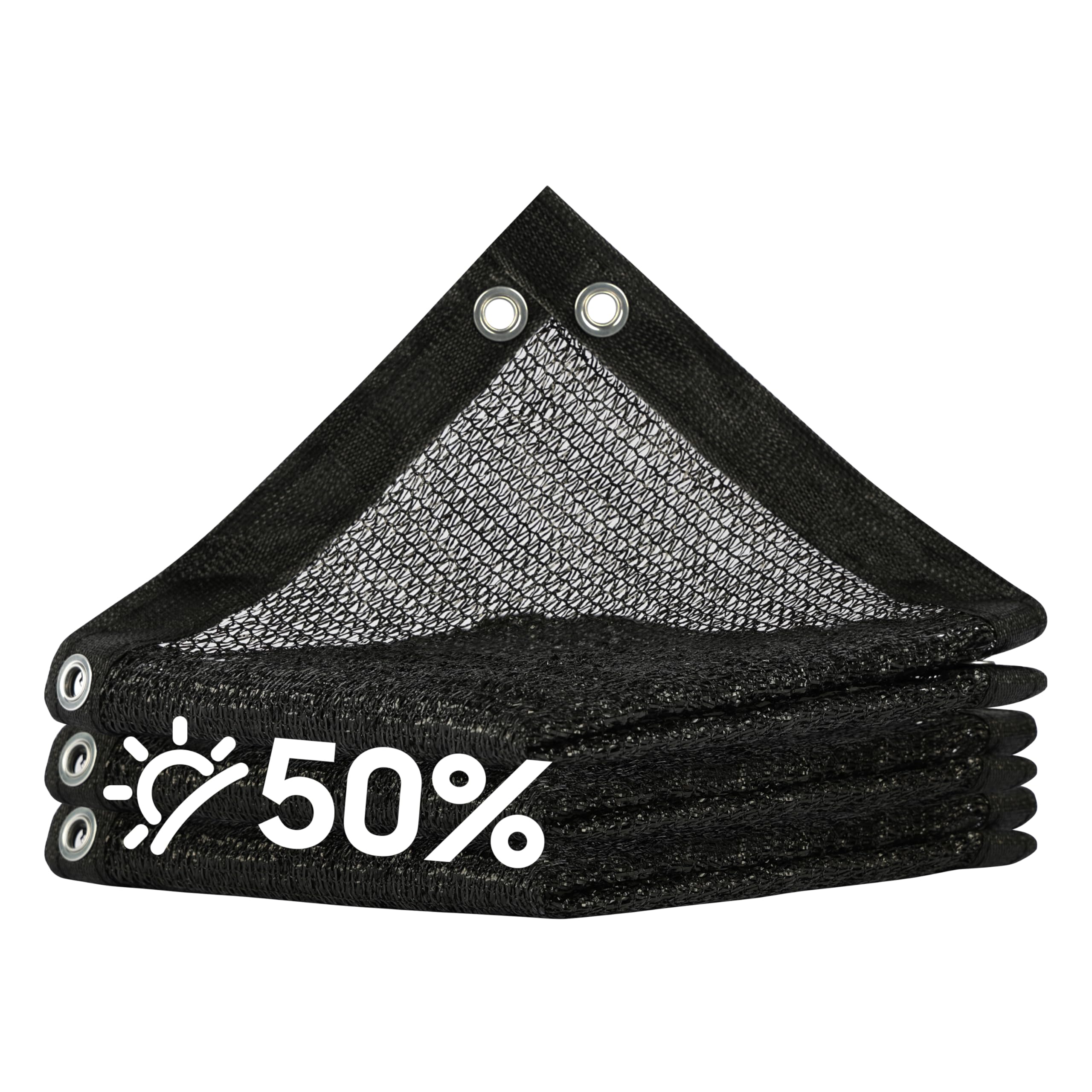
The Amgo 50% cloth hits the sweet spot for most greenhouse operators: the density is high enough to drop internal temperatures by 10-15°F while still passing sufficient light for fruiting crops like peppers and tomatoes. The high-density polyethylene includes antioxidants and added UV stabilizers that resist oxygen degradation and sun embrittlement — a step up from basic mesh that turns brittle after a single summer in full exposure.
Owners in Phoenix and Arizona confirm the grommet spacing (one every foot on the short sides, every two feet on the long sides) holds firm in 25 mph gusts without tearing at the attachment points. The reinforced binding along all edges prevents the fraying that kills cheaper cloths when you tension them across a greenhouse frame. Included zip ties are sufficient for a basic install, though high-wind zones may want to supplement with additional ties at the corners.
The 3-year limited warranty adds peace of mind for the price tier, and the fabric cuts cleanly with scissors without unraveling if you need to trim it to a non-standard frame width. For a balanced shade percentage with build quality that survives multiple seasons, this is the most versatile option in the roundup.
What works
- 50% density perfect for most greenhouse crops
- Grommet every foot on short sides prevents billowing
- Reinforced edges resist fraying under tension
What doesn’t
- Polyurethane material label is less breathable than pure HDPE
- No corner reinforcement sleeves for extreme wind zones
2. Vocray 40% Shade Cloth for Plants, 12X16FT

The Vocray 40% cloth uses solid brass grommets rather than the aluminum eyelets found on most mid-range options — brass resists corrosion and won’t snap under tension the way cheap metal does after a rainy season. The 1.2-inch woven edge binding with double-stitched seams on all four sides gives this fabric a structural advantage that owners in Texas and New Mexico have confirmed survives full summer exposure without edge tears.
The 40% shade rate is specifically calibrated for sun-loving crops like peppers and tomatoes that need light reduction without dropping below their photosynthetic threshold. The open mesh weave allows direct overhead watering through the fabric, which means you don’t have to remove the cloth during irrigation — a practical time-saver for daily greenhouse maintenance. The tool-free install using zip ties through the spaced grommets takes under 30 minutes for a standard 12×16 frame.
Some owners note the actual dimensions run slightly long (both width and length exceed the listed spec by 1-3 inches), which matters if you’re fitting into a pre-measured frame with tight clearance. The 100% virgin HDPE material holds up well against UV degradation, and the breathable mesh prevents the stuffy heat buildup that causes fungal issues in dense canopies.
What works
- Brass grommets resist corrosion and snapping
- 1.2-inch double-stitched binding prevents fraying
- Water can pass through directly during irrigation
What doesn’t
- Actual dimensions can be slightly oversized
- No corner reinforcement sleeves included
3. Junkogo 40% Shade Cloth for Plants Heat Protection 10X30 FT

The Junkogo 40% cloth is the only option in this roundup offering a 30-foot length, making it the go-to choice for long greenhouse tunnels, extended hoop houses, or RV patio shade where one continuous piece eliminates seam gaps. The fabric uses 100% virgin HDPE with UV stabilizers that resist fading and deformation, paired with solid brass grommets placed every 20 inches along both long edges — spacing that distributes tension evenly across a long span without sag pockets.
The 1.2-inch woven edge binding with double-stitched seams handles the higher wind loads that long spans attract. Owners in Florida and Arizona confirm the fabric holds up in afternoon thunderstorms and strong gusts when tied off at every grommet point. The 40% density is ideal for tomato and tomatillo growers who need light reduction but still want fruit set — reviewers specifically note that their vegetable gardens went from scorched to thriving after installing this cloth.
The breathable mesh construction allows air circulation that prevents the heat dome effect inside covered tunnels, and the fabric can be draped directly over plant rows or trellised onto frames without needing complex mounting hardware. The biggest trade-off is the weight; at roughly 2 pounds for the full roll, it’s manageable but not as lightweight as smaller 30% cloths.
What works
- 30-foot length covers long tunnels in one piece
- Brass grommets every 20 inches for even tension
- 40% density works well for fruiting vegetables
What doesn’t
- Weave pattern lets through more heat than denser cloths
- Long-term durability still unconfirmed by long-term reviews
4. Winpull 50% Shade Cloth for Garden, 10 x 20 FT

The Winpull 50% cloth distinguishes itself with copper buckles at the corners — two per corner — which provide a more secure mounting point than single grommets in high-stress zones. The fabric is designed for extreme heat environments; owners in Arizona confirm it survived 115°F temperatures and wind storms without tearing, dropping the temperature underneath by a full 10-15°F. The 50% density is the standard recommendation for mixed greenhouses growing both fruiting plants and some leafy greens, offering a balance of protection and photosynthesis.
The HDPE material is lightweight but durable, with cross-stitching on the four corners that reinforces the attachment points. The mesh structure allows rain to pass through freely while maintaining ventilation, preventing the greenhouse from turning into a steam bath after watering. Some reviewers note that the weave is lighter than older 90% cloths they previously used, which means better airflow but less total heat reduction — appropriate for growers who want shade without sacrificing air exchange.
The buckle spacing at 3.3-foot intervals is wider than the 2-foot standard, which can lead to more billowing in high-wind areas. Owners in gusty locations recommend adding secondary zip ties between the factory buckles to control flutter. The material can fray if snagged on sharp edges, so mounting surfaces should be smooth or covered with protective tape.
What works
- Dual copper buckles at corners for extra security
- Survives extreme heat and wind in Arizona tests
- Good airflow through mesh design
What doesn’t
- Buckle spacing at 3.3 ft allows some wind billowing
- Can fray if snagged on sharp frame edges
5. JOJOLEE 70% Sun Shade Cloth, 10x20FT
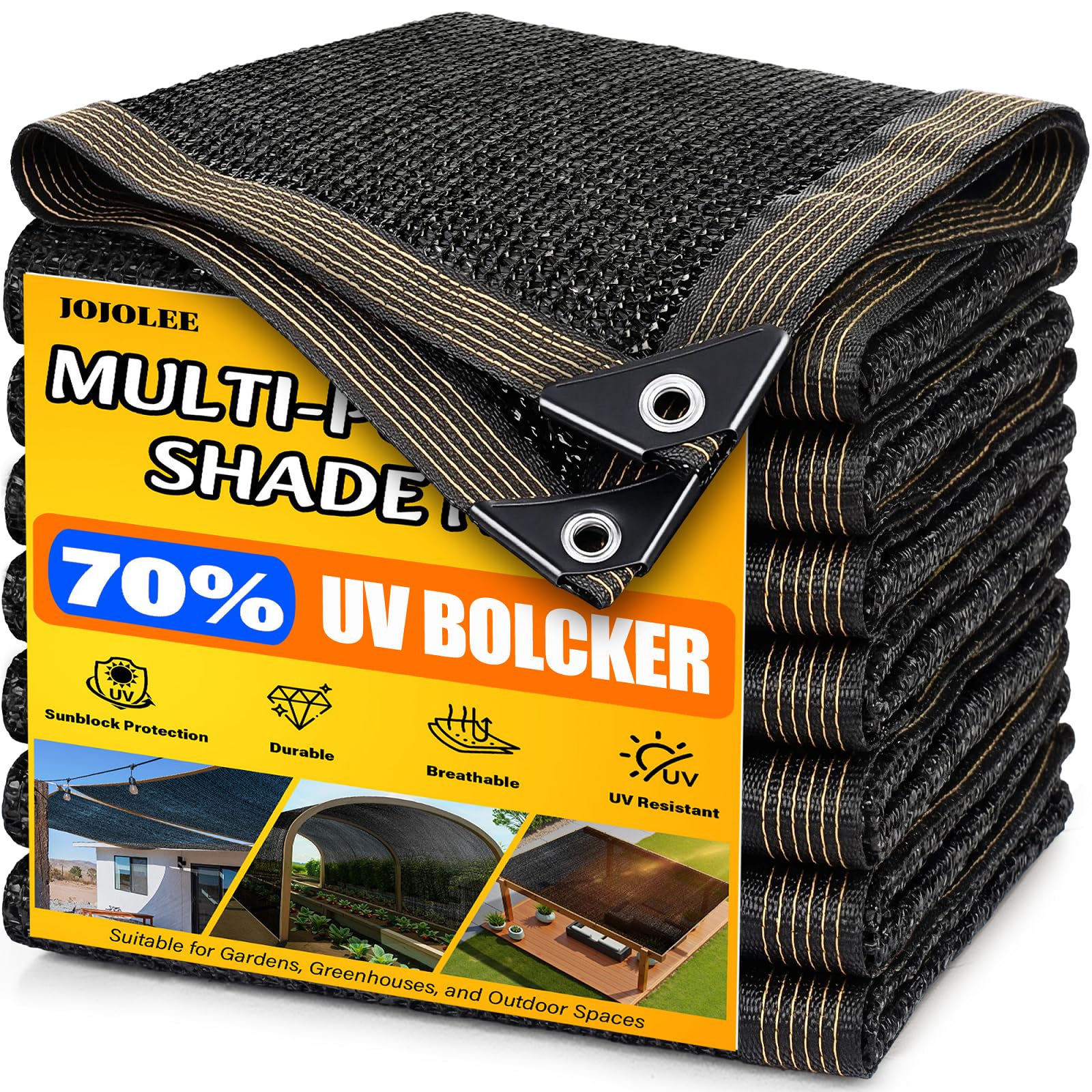
The JOJOLEE 70% cloth is the highest-density option in this list, blocking over two-thirds of direct sunlight — the right choice for lettuce, spinach, herbs, and shade-loving ornamentals that bolt or burn in anything above dappled light. The manufacturer increased the fabric weight for the current production run, resulting in a noticeably thicker HDPE weave that resists tearing and UV damage better than the thin nets common at this price tier. Owners report that the cloth keeps the space underneath 10-15°F cooler than ambient, making it effective for chicken coops and dog runs as well as greenhouse applications.
The edge construction uses widened khaki borders with six rows of heavy-duty stitching instead of the standard black binding found on most cloths — this design significantly reduces fraying and edge tearing in windy conditions. The four corners include protective leather sleeves that handle the high tension required to stretch a 70% density fabric tight without ripping at the attachment points. Rust-proof metal grommets resist corrosion in humid greenhouse environments.
The trade-off with high-density mesh is reduced airflow; while the fabric still allows some breeze passage, the 70% weave is denser than 30-50% options, meaning ventilation becomes more critical underneath. Some owners wish the cloth had more grommets along the edges for pole attachment, noting that the existing spacing can leave the center sagging if not tensioned evenly from multiple points.
What works
- 70% density ideal for shade-loving crops and livestock
- Six-row stitching and leather corner guards prevent tearing
- Thicker fabric than most at this shade percentage
What doesn’t
- Denser weave reduces airflow compared to lower percentages
- More grommets along the edges would improve tension distribution
6. ColourTree 30% Black Shade Cloth, 8FT x 10FT
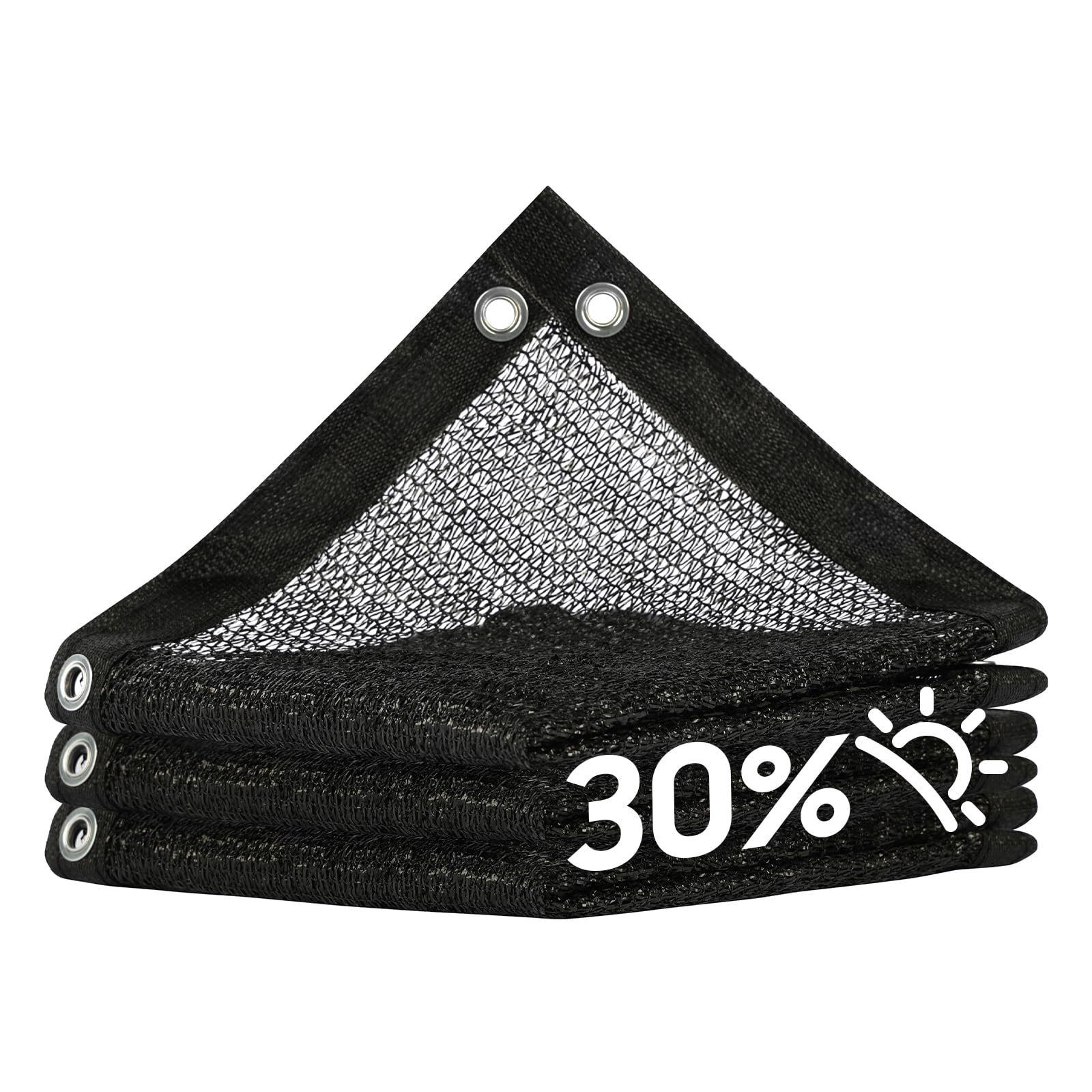
The ColourTree 30% cloth is the most affordable entry point in this roundup, offering a functional shade solution for light-sensitive crops, livestock shade, or pool leaf cover at a price that makes it easy to buy multiple panels for large setups. The grommet spacing follows the better standard — one every foot on the short sides and every two feet on the long sides — which provides more attachment points than the budget-tier competitors that space grommets at 3-foot intervals.
The HDPE material includes antioxidants and UV resistance that help the fabric survive a full season of sun exposure without becoming brittle, though owners in high-sun climates note that durability is limited compared to heavier premium cloths. The mesh weave allows good airflow and reduces water evaporation, which helps maintain humidity in the greenhouse without the stuffiness of denser materials. The 30% density is best for crops that need only modest light reduction — tomatoes in moderate climates, peppers in partly cloudy regions, or sun-loving flowers that just need relief from peak midday intensity.
Reviewers consistently praise the sturdy stitching and strong grommets for the price, with many using it successfully for multiple seasons when not left exposed year-round. The 3-year limited warranty provides coverage for manufacturing defects, which is uncommon at this price point. The main limitation is the light density — if you’re in a region with intense summer sun (USDA zones 8 and above), 30% may not provide enough heat reduction for sensitive crops.
What works
- Best price-to-value ratio in the roundup
- Grommet spacing matches premium-tier standards
- 3-year warranty at an entry-level price
What doesn’t
- 30% shade insufficient for extreme heat zones
- Fabric not as durable as heavier premium options
7. ShadeMart 30% Shade Cloth for Plant, Black 8FT x 16FT
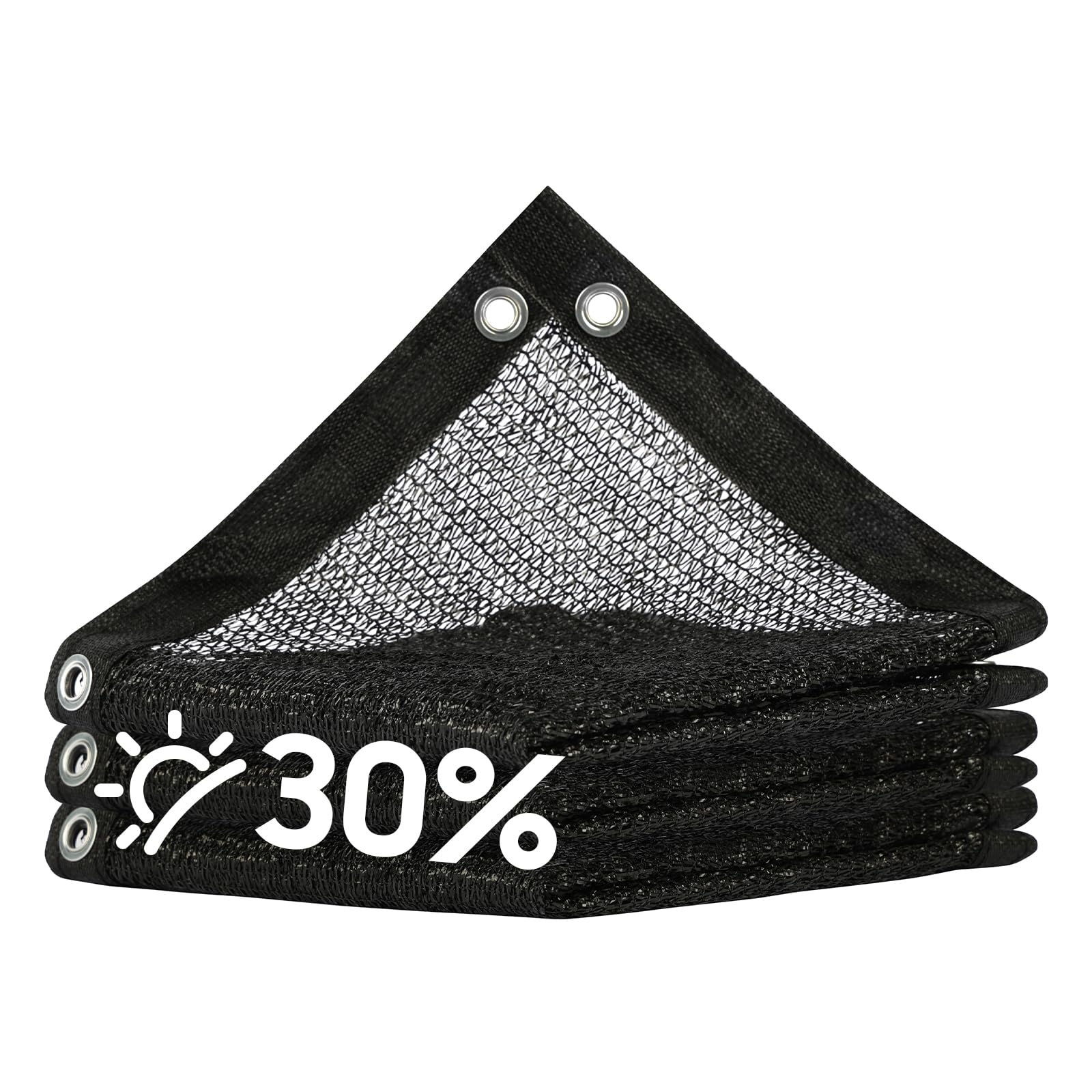
The ShadeMart 30% cloth is tailored for the budget-conscious grower who needs functional sun reduction without committing to a premium fabric. The 30% density is identical to the ColourTree option above, making this comparison come down to size and included accessories — the ShadeMart ships with 40 zip ties, which saves a separate trip to the hardware store for a small greenhouse or garden frame install.
The high-density polyethylene construction with UV resistance provides baseline protection, but owners consistently note that the material is not as durable as options from Lowe’s or Home Depot’s premium lines — you get greater coverage area for the money, but the fabric is thinner and more susceptible to tearing under heavy tension or contact with sharp edges. The grommets are spaced every 2 feet on each side, which is adequate for most backyard greenhouses but may flutter in exposed, high-wind locations.
Where this cloth shines is in versatility beyond the greenhouse: reviewers use it as a fence privacy screen, animal deterrent (birds and bunnies can’t penetrate the mesh), and temporary shade for camping setups. The 8×16 size is generous at this price point, covering a standard 4×8 raised bed with ample overhang. For a first-season trial or a low-stakes application where you’re testing shade density, this is the most cost-efficient way to start.
What works
- Includes 40 zip ties for immediate installation
- 8×16 size gives generous coverage for the price
- Effective as animal deterrent and shade cover
What doesn’t
- Thinner fabric less durable than premium options
- 2-foot grommet spacing allows flutter in wind
Hardware & Specs Guide
Shade Percentage and Crop Matching
The shade percentage is the single most important specification because it directly determines which crops can survive under the cloth. 30% blocks just under a third of sunlight — suitable for full-sun crops in moderate climates or temporary midday relief. 40-50% is the general-purpose sweet spot that works for tomatoes, peppers, eggplant, and most fruiting vegetables while still providing meaningful temperature reduction. 70% blocks over two-thirds of light, reserved exclusively for shade-preferring crops like lettuce, spinach, herbs, and ornamentals, or for geographic zones with extreme UV indexes (USDA zones 9-11). Using too high a percentage on sun-loving crops reduces photosynthesis and fruit set; too low a percentage on shade crops causes bolting and leaf burn within days.
Grommet Material and Spacing
Grommets are the attachment interface between the cloth and your greenhouse frame — weak grommets cause the entire installation to fail. Aluminum grommets are cheapest but corrode quickly in humid greenhouse environments and snap under wind tension; brass or rust-proof metal grommets are the durability standard. Spacing matters just as much as material: grommets every 2 feet is the minimum acceptable for light-duty use; every 1 foot on the short sides and 2 feet on the long sides (as seen on the Amgo and ColourTree models) provides superior tension distribution that prevents billowing and edge tearing in windy conditions.
FAQ
What shade percentage should I use for tomatoes in a greenhouse?
How do I measure how much shade cloth I need for my greenhouse frame?
Can I leave my shade cloth on the greenhouse year-round?
Do darker shade cloth colors absorb more heat than lighter ones?
Final Thoughts: The Verdict
For most gardeners, the shade cloth for greenhouse winner is the Amgo 50% 8FT x 16FT because its 50% density covers the widest range of crops, and the close 1-foot grommet spacing prevents wind damage that plagues wider-spaced cloths. If you need a 40% density with premium brass grommets for a standard-sized frame, grab the Vocray 12X16FT. And for covering extra-long greenhouse tunnels or hoop houses in one continuous piece, nothing beats the Junkogo 10X30 FT.