
Nothing frustrates a gardener more than watching carefully planted vegetables or tender flowers get decimated by aphids, cabbage worms, or birds within days of sprouting. Insect netting for garden use creates a physical barrier that stops these pests cold without resorting to chemical sprays, letting your plants grow undisturbed inside a protective envelope that still breathes and lets light through.
I’m Rikta — the co-founder and writer behind Lawn Gear Lab. I’ve spent hundreds of hours cross-referencing mesh densities, material compositions, and real owner reports from the past two growing seasons to isolate which netting designs actually hold up against persistent insects, heavy rain, and strong sun without tearing or tangling.
This guide breaks down the seven most capable options available, from ultra-fine row covers to zippered tree bags, so you can confidently choose the right insect netting for garden based on your specific crop, pest pressure, and bed setup.
How To Choose The Best Insect Netting For Garden
Insect netting is a straightforward product, but the wrong choice leads to torn edges, trapped pests, or insufficient light penetration. Focus on four factors that separate effective barriers from frustrating failures.
Mesh Density Aperture Size
The single most critical spec is the mesh opening. Ultra-fine netting with openings around 0.1 mm stops thrips, aphids, and even tiny flea beetles while allowing water and airflow. Wider mesh around 5/8 inch is only effective against birds and larger leaf-chewing insects. Match the aperture to your specific pest: if cabbage worms or carrot rust fly are your main problem, stick with sub-0.5 mm mesh.
Material and UV Resistance
Polyethylene (PE) and high-density polyethylene (HDPE) dominate this category because they resist UV degradation better than standard polypropylene. Nylon offers softness and elasticity but can degrade faster under intense sun unless treated. If your netting stays out all season, look for explicit “UV-stabilized” or “UV-resistant” labeling — that directly translates to multiple seasons of reuse.
Coverage Format Row Cover vs. Bag
Row cover netting comes in large rectangular sheets meant to drape over hoops or raised beds. Bags with drawstrings or zippers are designed for individual fruit trees, bushes, or large container plants. For vegetable beds and row crops, sheet netting gives you the flexibility to cut custom lengths. For blueberries, peaches, or dwarf citrus, the pre-formed bag format saves setup time and seals tight at the trunk.
Weight and Handling
Ultra-light netting (under 0.6 kg for a 10×33 ft sheet) is easy to drape and support with lightweight hoops but snags more easily on rough wood or branches. Heavier netting resists tearing and wind flapping but may require stronger support. Check the product weight and customer feedback on tangling — netting that tangles during installation wastes time and often gets damaged in the process.
Quick Comparison
On smaller screens, swipe sideways to see the full table.
| Model | Category | Best For | Key Spec | Amazon |
|---|---|---|---|---|
| SnugNiture 10x33FT | Ultra-Fine Sheet | Raised bed row cover | 0.1 mm mesh aperture | Amazon |
| Homoda 6x6FT Zipper Bag | Zippered Bag | Small fruit trees | 72×72 in per bag | Amazon |
| GonLei 4-Pack Drawstring | Drawstring Bag Multipack | Container plants and bushes | Nylon material | Amazon |
| Garden Tailor 10x25FT Silver | HDPE Row Cover | Covering PVC dome hoops | 40 Mesh / UV stabilized | Amazon |
| RIFNY 2-Pack 10x33FT | Ultra-Fine Sheet Two-Pack | Covering multiple beds | 0.04 in oblong holes | Amazon |
| RIFNY 13x40FT Bird Netting | Wide Bird Barrier | Large orchards and arches | 5/8 in mesh / HDPE | Amazon |
| ANPHSIN 10x20FT Nano-PP | Tear-Resistant Screen | Patio enclosures and windy sites | 33% shade rating | Amazon |
In‑Depth Reviews
1. Garden Tailor 10x25FT Silver Insect Netting

The Garden Tailor netting uses 100 percent new HDPE material with explicit UV stabilization and a 40-mesh count, making it one of the most durable row covers in the mid-range segment. The 10-foot by 25-foot sheet gives you 250 square feet of coverage, enough to drape over a PVC hoop structure over a standard 4×8 raised bed with plenty of overlap for anchoring. Multiple owners report it survived a full year of continuous outdoor exposure without visible fraying or UV embrittlement.
The silver color reflects some heat while the fine mesh stops carrot fly, aphids, and even small grasshoppers. Water and air pass through easily during overhead irrigation, so you do not have to lift the netting every time you water. The selvedge edges are tight and do not unravel when cut, which saves time when trimming to custom lengths for irregular bed shapes.
Several owners specifically mention using this netting to protect tomato plants from wild turkeys and deer, which is an unexpected bonus given the fine mesh. The netting is not intended for individual tree bagging — it works best as a flat sheet over hoops or floating directly on low-growing crops. The UV resistance alone justifies the mid-range investment for anyone who wants a net that lasts multiple seasons.
What works
- UV-stabilized HDPE resists degradation for over a year of continuous use
- Large 250 sq ft sheet fits most raised bed hoop setups
- Fine 40 mesh blocks aphids, carrot fly, and small insects effectively
What doesn’t
- Not designed for wrapping individual trees or bushes
- Silver color may be more visible than neutral tones in ornamental gardens
2. ANPHSIN 10x20FT Strong PP Nanocomposite Mosquito Net
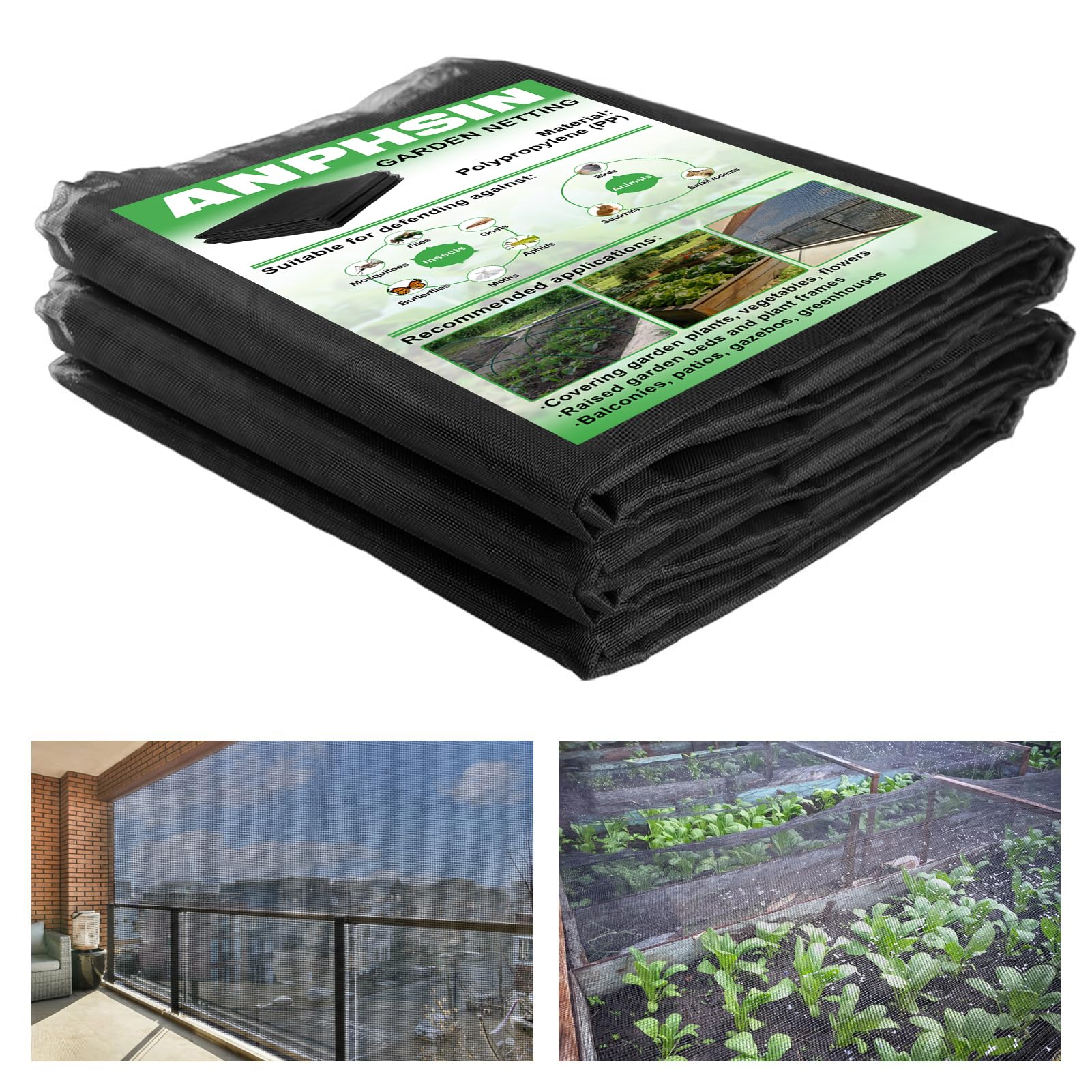
The ANPHSIN netting stands apart because of its nanocomposite polypropylene construction, which gives it noticeably higher tear resistance than standard PE or nylon netting at a similar weight. The 10×20 foot sheet provides 200 square feet of coverage in a black color that also delivers a 33 percent shade rating — a helpful feature for protecting sensitive seedlings from intense afternoon sun while still blocking insects and birds.
Multiple owners report using this netting successfully to enclose apartment patios and balcony gardens, not just traditional raised beds. The dense mesh stops mosquitoes and small flies while remaining sheer enough that neighbors hardly notice it from the street. The material cuts cleanly with scissors and does not fray at the edges, which is a common frustration with loosely woven netting.
Owners note that the netting does tangle more than typical HDPE sheets during initial unfolding, and the lightweight nature means it needs careful anchoring in windy locations. Several reviewers layered two pieces with overlapping edges to create a wider barrier. For a gardener who needs tear strength plus partial shade in one product, this nano-PP option delivers a unique combination not found in standard row covers.
What works
- Nanocomposite PP resists tearing better than standard mesh materials
- 33 percent shade rating protects seedlings from sun stress
- Black color blends into patio and balcony environments
What doesn’t
- Tends to tangle during initial setup and unfolding
- Requires extra anchoring in consistently windy conditions
3. Homoda 2-Pack 6x6FT Fruit Tree Netting with Zipper
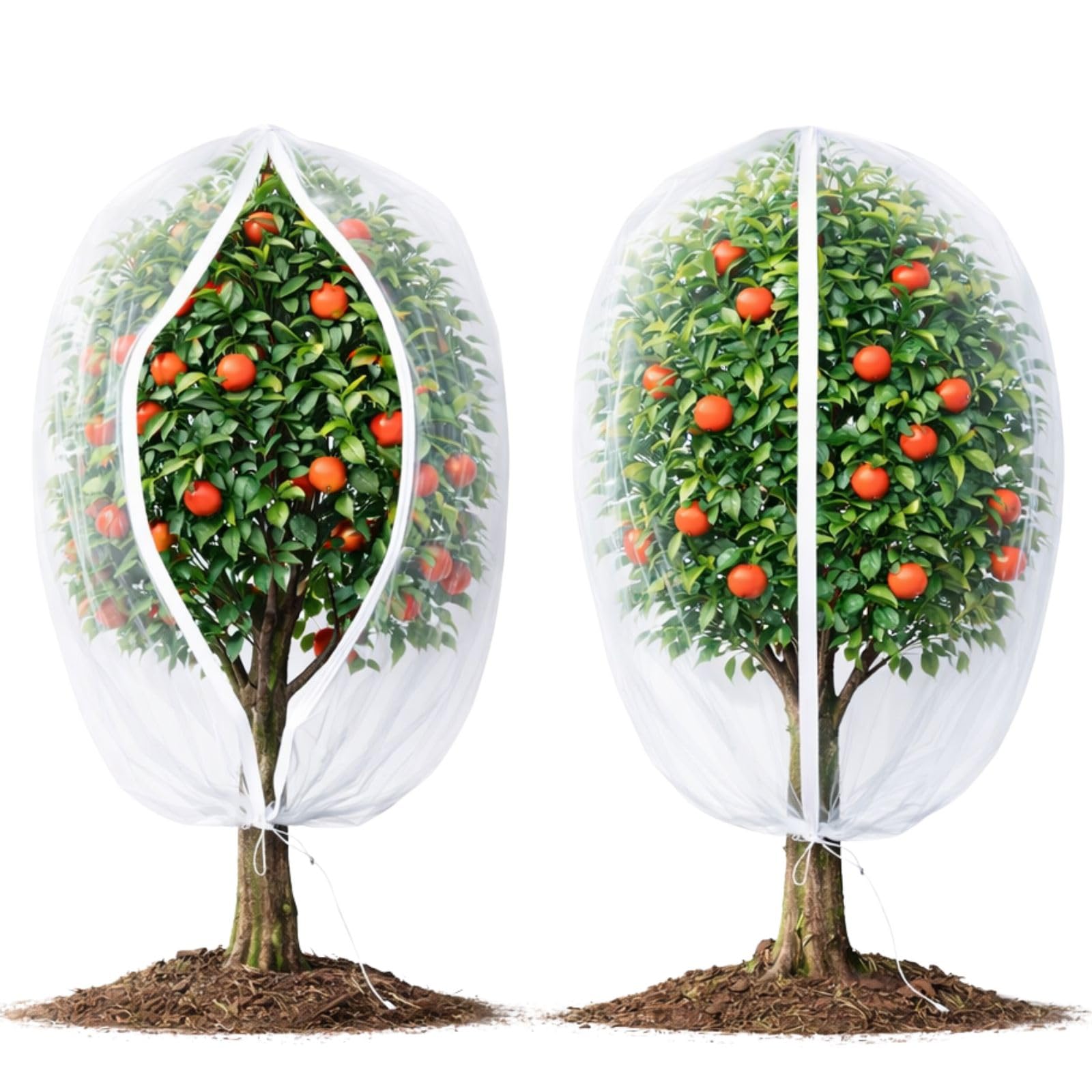
The Homoda netting bags solve one of the biggest frustrations with tree netting: getting a tight seal around the trunk. Each 6×6 foot bag includes a full side zipper and an integrated drawstring at the bottom, so you can zip the bag around the canopy and cinch the base against the trunk without leaving gaps for birds or squirrels to enter. The HDPE material is fine enough to block insects while remaining see-through for monitoring fruit development.
Owners with peach, citrus, and blueberry bushes consistently praise the zipper feature, which allows one person to install the bag without wrestling with loose netting. The 2-pack gives you two identical bags, ideal for covering a pair of medium trees or combining them for larger specimens. The mesh does not trap birds because the weave is too fine for their feet to catch in, which is an ethical advantage over wider bird netting.
Several reviews note that you should prune and thin fruit before bagging, because once the zipper is closed, you will have to reopen it for maintenance. The bag must be wrapped securely at the trunk to prevent ground-level pests from crawling underneath. For targeted tree protection, these zippered bags offer a more refined experience than generic sheet netting.
What works
- Side zipper and bottom drawstring create a fully enclosed seal around the trunk
- Fine HDPE mesh prevents bird entanglement
- Two-bag pack gives good value for multiple trees
What doesn’t
- Requires pre-cover pruning and pest treatment before bagging
- Needs creative anchoring at the base to stop ground-level pests
4. SnugNiture 10x33FT Ultra Fine Mesh Mosquito Netting

The SnugNiture netting delivers a massive 330 square feet of ultra-fine mesh with a 0.1 mm aperture that stops even the smallest garden pests like aphids and thrips. The PE material is lightweight enough to float directly on top of low-growing brassicas or lettuce without crushing plants, and the white color reflects light rather than absorbing heat. Owners consistently mention that the material feels soft and does not abrade tender plant stems.
Water and sunlight penetrate the mesh easily, so you can leave the netting in place through rain showers and overhead watering without creating a humidity trap. The 10×33 foot size gives enough material to cover two standard 4×8 raised beds with leftover for smaller patches. Several reviews note the netting held up for 7 months of continuous outdoor exposure before showing any signs of weakening.
The primary durability concern is snagging — the fine threads catch on rough wood edges or staple points if not handled carefully. A few owners used it to enclose patios for mosquito control rather than garden beds, demonstrating its versatility. For a budget-friendly entry point into ultra-fine gardening netting, the SnugNiture offers one of the best coverage-to-cost ratios in this class.
What works
- 0.1 mm ultra-fine mesh blocks aphids, thrips, and flea beetles
- Large 330 sq ft sheet covers multiple beds with leftover material
- Lightweight PE floats on plants without stem damage
What doesn’t
- Fine mesh snags easily on rough wood or staple points
- Not designed for tree bagging or vertical structures
5. RIFNY 2-Pack 10x33FT Ultra Fine Mesh Netting

The RIFNY 2-pack gives you two separate 10×33 foot sheets in one package, delivering 660 total square feet of ultra-fine mesh netting. The unique oblong hole construction — 0.04 inch apertures — allows air, water, and light to pass while blocking insects and providing UV protection. This oblong shape is a departure from typical square mesh and reportedly reduces dust accumulation while maintaining high permeability.
Owners use this netting to cover multiple raised beds, vine rows, and even small fruit trees by simply draping and anchoring with stones or soil. The PE material is stabilized against UV damage and holds up well through a full growing season. Several reviewers mention the netting is sheer enough to see through clearly, making it easy to monitor plant health without lifting the cover.
The primary downside reported is that squirrels and other determined rodents can rip the lightweight mesh if they try to push through. Additionally, because the mesh is so fine, bees cannot pollinate through it, so you must manually lift the netting during flowering periods for crops that require insect pollination. For leaf crops and self-pollinating vegetables, this netting is an excellent high-coverage solution.
What works
- Two 10×33 ft sheets provide extensive coverage for multiple beds
- Oblong mesh holes allow excellent air and water penetration
- UV-stabilized PE holds up for multiple seasons
What doesn’t
- Thin mesh can be torn by squirrels or other determined animals
- Blocks bees from pollinating — must be lifted during flowering
6. GonLei 4-Pack Garden Mesh Netting Drawstring Bags
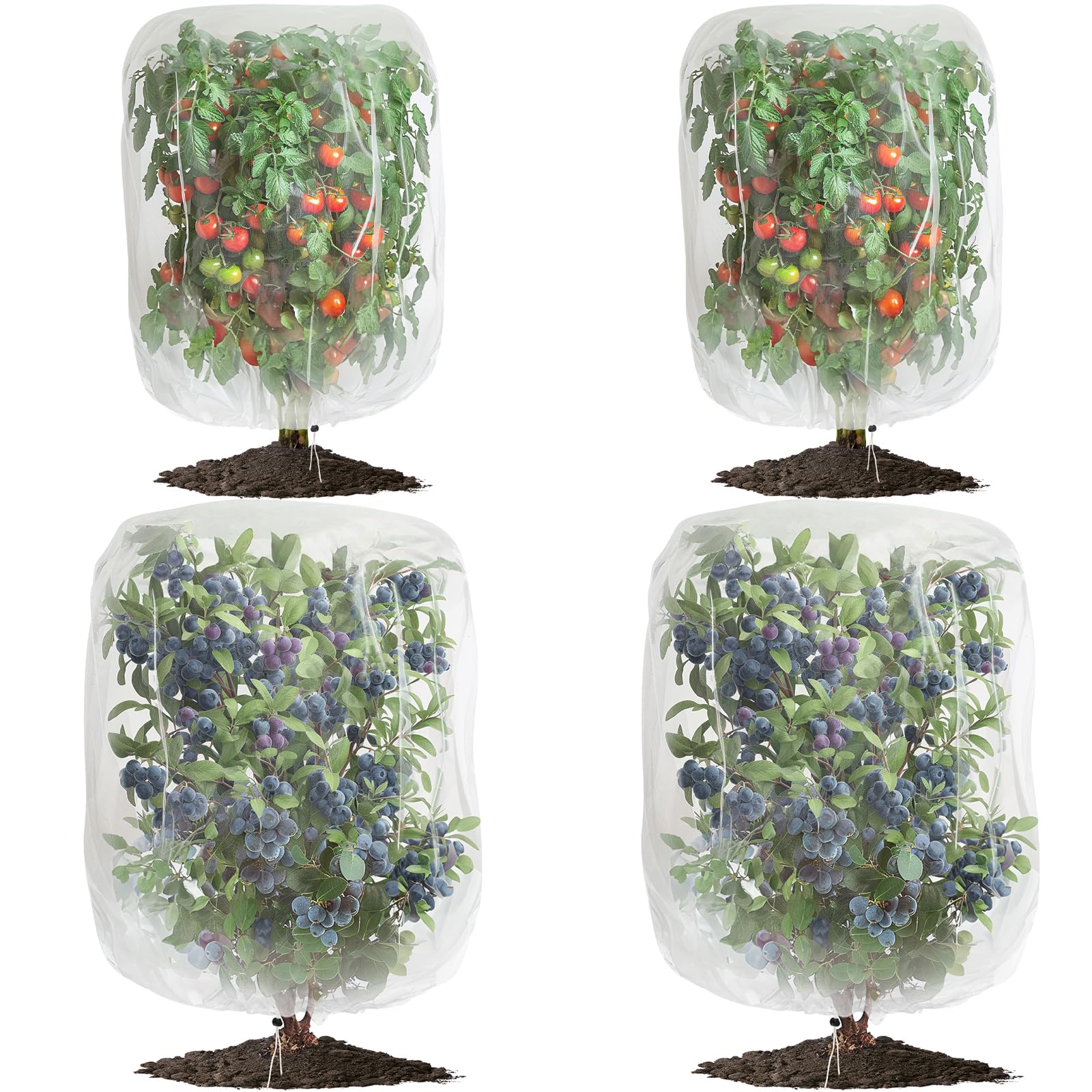
The GonLei 4-pack gives you two sizes in one purchase: two bags at 2.6×3.3 feet and two bags at 3.3×4.9 feet, all made from soft nylon with a drawstring closure. The nylon material is noticeably more elastic and flexible than PE or HDPE netting, making it stretch easily around irregular bush shapes without tearing. This flexibility is especially useful for blueberry bushes, container-grown tomato cages, and smaller citrus trees.
The drawstring cinches the bottom against the trunk or pot rim, but several owners replaced the included cord with a wider ribbon for a more secure seal that does not slip over time. Unlike zippered bags, these require some creativity to seal completely against ground-level pests. The ultra-dense mesh maintains good ventilation and retains moisture without turning the interior into a humid greenhouse.
Owners of container gardens particularly appreciate the multipack format, which lets them protect multiple plants in separate containers without buying individual bags. One reviewer noted the net kept a Meyer lemon tree safe while self-thinning, and new blooms produced fruit inside the bag. The nylon construction is more prone to UV degradation than HDPE, so storing the bags indoors during winter will extend their lifespan.
What works
- Four bags in two sizes cover different plant dimensions
- Soft nylon stretches easily without tearing around irregular shapes
- Drawstring closure allows quick installation on container plants
What doesn’t
- Nylon degrades faster in direct sun than HDPE or PE
- Drawstring cord should be replaced with wider ribbon for better sealing
7. RIFNY 13x40FT Heavy Duty Bird Netting
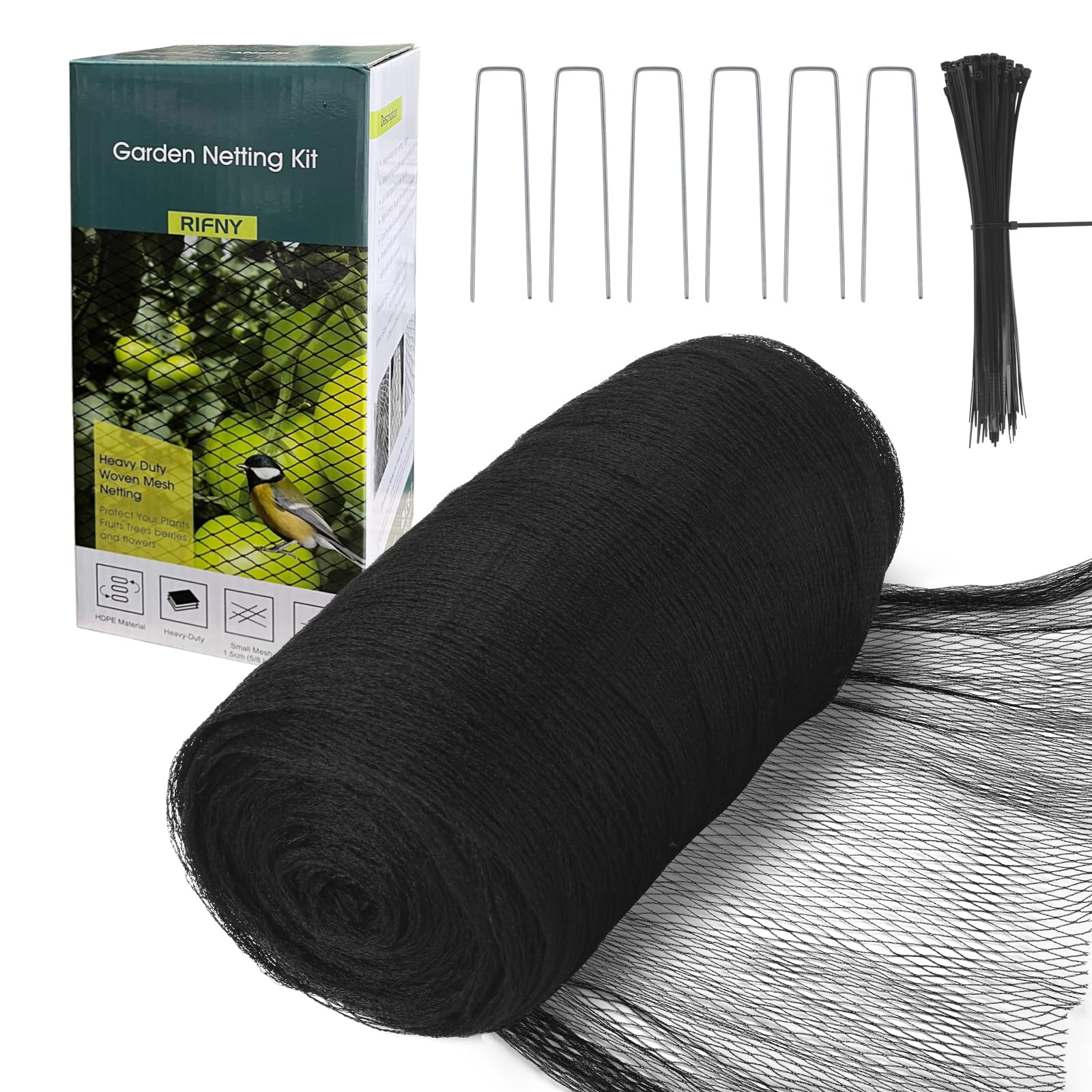
The RIFNY bird netting is a completely different tool from the ultra-fine insect mesh options — it uses a 5/8 inch aperture specifically designed to exclude birds, deer, squirrels, and poultry while allowing bees and larger pollinators full access. The 13×40 foot sheet is the widest in the lineup, made from heavy-duty HDPE that is flexible, rot-resistant, and functional from -58°F to 212°F.
Owners consistently praise this netting for not tangling during unrolling and installation — a major pain point with cheaper plastic netting. The included 7-inch landscape staples and twist ties make ground anchoring straightforward. Several reviewers bought it for protecting grape arbors and fruit trees, noting they could manage installation solo despite the large size. The black color is nearly invisible from a distance, preserving the aesthetics of ornamental gardens.
Because the mesh is 5/8 inch, this netting does nothing against aphids, cabbage worms, or other small insects that slip right through. It is purely a bird and large animal barrier. One owner noted the material did not break fruit tree branches because of its light weight, but admitted cutting it too short required creative re-anchoring. For targeted bird and mammal protection over large areas, this HDPE netting outperforms cheaper alternatives significantly.
What works
- Wide 13×40 ft covers large orchards, arches, and garden areas
- HDPE material does not tangle and is easy to unroll
- 5/8 inch mesh stops birds without trapping or harming them
What doesn’t
- Mesh too wide to block small insects like aphids or caterpillars
- Included staples may not penetrate hard or rocky ground well
Hardware & Specs Guide
Mesh Density and Aperture Size
Mesh density directly determines which pests are blocked. Ultra-fine netting with apertures of 0.1 mm to 0.5 mm stops aphids, thrips, flea beetles, and cabbage worms. Medium mesh around 1 mm to 2 mm blocks grasshoppers and larger beetles. Open mesh at 5/8 inch (about 16 mm) only stops birds and mammals. Always select aperture based on your primary pest, not the packaging claims. 40 mesh refers to 40 openings per linear inch — a useful shorthand for comparing insect-grade netting.
Material Composition and UV Resistance
Polyethylene (PE) and high-density polyethylene (HDPE) dominate because they naturally resist UV degradation better than standard polypropylene. Nylon offers superior elasticity and softness but breaks down faster under constant sun unless specifically UV-treated. “UV-stabilized” or “UV-resistant” markings indicate the material includes additives that block ultraviolet radiation, typically extending outdoor life from one season to three or more. For netting that stays installed through summer, UV stabilization is non-negotiable.
FAQ
How fine does the mesh need to be to stop aphids and flea beetles?
Can I use insect netting over crops that need bee pollination?
Will heavy rain or overhead watering pass through the netting?
How do I keep the netting from blowing off in windy conditions?
Final Thoughts: The Verdict
For most gardeners, the insect netting for garden winner is the Garden Tailor 10x25FT Silver Netting because it combines UV-stabilized HDPE durability with a fine 40 mesh that stops a broad range of insects while allowing water and light through. If you need zippered tree protection, grab the Homoda 2-Pack Zipper Bags. And for large-area bird and mammal exclusion, nothing beats the RIFNY 13x40FT Heavy Duty Bird Netting.