
Carrots demand a precise, low-nitrogen diet. Forked, hairy, or woody roots are almost always the result of too much nitrogen, compacted soil, or the wrong phosphorus-to-potassium balance. The difference between a crisp, sweet, foot-long Imperator and a stunted, bitter, forked mess comes down to a single NPK ratio and a handful of micronutrients.
I’m Rikta — the co-founder and writer behind Lawn Gear Lab. This guide is built from weeks of cross-referencing soil science papers, analyzing NPK profiles side-by-side, and studying hundreds of verified owner reports to find which formulations actually deliver straight, sweet roots without burning seedlings.
Root vegetables are uniquely sensitive to overfeeding, so every recommendation here is backed by hard data on phosphorus availability, potassium content for sugar transport, and the absence of excess nitrogen that triggers top-heavy foliage at the expense of the root. This is the definitive analysis to find the best carrot fertilizer for your specific soil conditions.
How To Choose The Best Carrot Fertilizer
Carrots are heavy feeders of phosphorus and potassium but are extremely sensitive to nitrogen. The wrong NPK ratio forces the plant to channel energy into leafy tops rather than the taproot, resulting in forked, hairy, or woody carrots. Understanding the nutrient balance, the form of the fertilizer, and the secondary micronutrients makes the difference between a failed patch and a bumper crop.
NPK Ratio: The 3-Number Carrot Commandment
The first number (nitrogen) should be the lowest of the three. A ratio around 4-10-3, 5-10-10, or 0-11-0 is ideal. The middle number (phosphorus) drives root initiation and cell division — the straightness and girth of your carrot depends on it. The third number (potassium) regulates water uptake and sugar translocation to the root, which controls sweetness and texture. Avoid anything with a first number higher than the second, like a balanced 10-10-10.
Granular vs. Liquid: Release Timing Matters for Root Crops
Granular fertilizers (both organic and synthetic) release nutrients over weeks, which is excellent for pre-plant soil incorporation. They build a phosphorus reservoir in the root zone before the seed even germinates. Liquid fertilizers work immediately, making them ideal for a side-dress boost 3-4 weeks after thinning. However, liquid applications require careful dilution — over-concentrated liquid feeds can burn tender carrot taproots and cause forking. Many experienced growers use a light granular base at planting, then switch to a liquid drench at half-strength mid-season.
Secondary Nutrients and Organic Matter for Sweetness
Calcium and magnesium are the hidden heroes of carrot quality. Calcium strengthens cell walls in the root, reducing the risk of hollow core and tip burn. Magnesium is central to chlorophyll production, keeping the tops photosynthesizing efficiently to supply sugar to the root. Organic fertilizers naturally provide these along with beneficial microbes that break down soil nutrients into plant-available forms. In heavy clay or sandy soils, organic matter also improves drainage and tilth, allowing the taproot to grow straight down without obstruction.
How the Formulation Matches Your Soil Type
If you have sandy soil that drains fast, a slow-release granular formula with a slightly higher potassium content (like a 4-10-10) prevents nutrient leaching and maintains steady root development. In clay-heavy soil, a liquid root stimulator with a high phosphorus content (like 4-10-3) works faster because the nutrients don’t need to travel through dense soil particles. A soil pH between 6.0 and 6.8 is also critical — outside that range, phosphorus becomes locked in the soil even if the bag has high numbers.
Quick Comparison
On smaller screens, swipe sideways to see the full table.
| Model | Category | Best For | Key Spec | Amazon |
|---|---|---|---|---|
| Fertilome Root Stimulator | Liquid / Starter | New transplants & poor soil recovery | NPK 4-10-3 | Amazon |
| Yardi Root & Grow | Liquid / Concentrate | Early vegetative & root mass | NPK 8-16-8 | Amazon |
| Big A Carrot Fertilizer | Granular / Organic | Organic root vegetable gardens | Kelp+Cal Mag enriched | Amazon |
| Cz Garden 5-10-10 | Granular / All-purpose | Tomatoes & heavy feeders alongside carrots | NPK 5-10-10 w/ 2% Iron | Amazon |
| Espoma Triple Phosphate | Granular / Straight | Boosting phosphorus in deficient soils | NPK 0-45-0 | Amazon |
| TPS Potato Fertilizer | Liquid / Root Crop | Backyard rows and raised beds | NPK 5-10-10 | Amazon |
| Down To Earth Island Phosphate | Granular / Organic | Organic gardens & microbial soil health | NPK 0-11-0 (Seabird Guano) | Amazon |
In‑Depth Reviews
1. Fertilome Root Stimulator 4-10-3

The Fertilome (10650) Root Stimulator delivers an NPK of 4-10-3 — exactly the kind of low-nitrogen, high-phosphorus profile that carrots crave. The active ingredient Indole-3-butyric acid is a plant hormone that accelerates root cell division, which translates directly to faster, straighter taproot development. In heavy clay soils, where root crops typically fork, this liquid solution penetrates deep and kickstarts growth within days of the first application.
Verified owners report dramatic turnarounds: a wilting, dug-up plant revived within a week after a diluted drench, and a decades-old fig tree that never fruited suddenly produced figs within a month of one application. For carrots specifically, the 4-10-3 ratio ensures the seedling puts energy into the root instead of sending up a bushy top. The one-gallon concentrate dilutes to over 30 gallons of feed, making it economical for large garden beds.
The only limitation is the liquid form requires precise measuring — a tablespoon per gallon of water. While this is straightforward, using too strong a mix can burn tender carrot roots. Stick to the label for seed-starting applications and you’ll see a measurable difference in root uniformity by harvest.
What works
- Perfect low-nitrogen NPK 4-10-3 for taproot crops
- Contains plant hormone IBA for faster root initiation
- Dilute concentrate provides excellent coverage per gallon
- Proven to revive stressed plants and boost yields
What doesn’t
- Liquid requires careful measurement to avoid root burn
- Not a slow-release; needs reapplication every 2-3 weeks
- Bottle is bulky for small-scale gardeners
2. Yardi Root & Grow 8-16-8
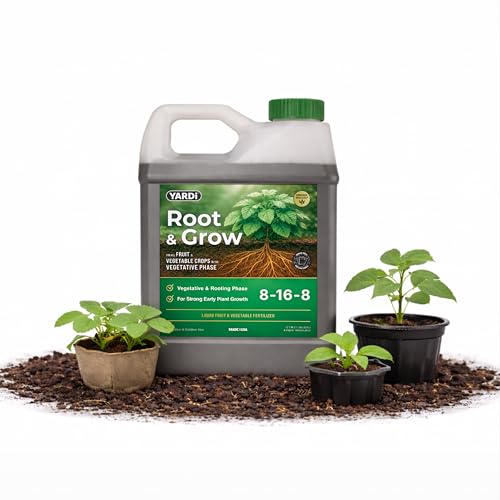
Yardi Root & Grow uses an NPK of 8-16-8 — exactly double the phosphorus of nitrogen, which is the hallmark of a strong root development formula. The phosphorus drives deeper root mass, and while the 8% nitrogen is higher than ideal for pure carrot cultivation, it works exceptionally well if you are interplanting carrots with leafy greens or during the first 3 weeks of growth before the taproot really takes off. The inclusion of micronutrients like calcium, magnesium, and iron also prevents the tip-burn and stunting that can occur in sandy soils.
Gardeners in zone 8B who paired this as a weekly dilute feed reported healthier seedling vigor than ever before, with dense green tops that translated to straight, thick roots at harvest. The concentrated 32-ounce bottle goes a long way — users report mixing it at 1 mL per gallon as a weekly maintenance dose. This product is also odorless after mixing, a big plus for indoor seed-starting setups.
The main caution is to avoid using the full labeled strength on carrots. Because of the 8% nitrogen, a full-strength dose can push leaf growth at the expense of the root. Halve the recommended dose for root crops and you will get the phosphorus boost without the foliage rush.
What works
- High phosphorus (16%) directly fuels root cell division
- Concentrated formula is very economical per use
- Added calcium and magnesium support root cell structure
- Odorless liquid — comfortable for indoor germination trays
What doesn’t
- 8% nitrogen is high for pure carrot feed — needs dilution
- Unclear if formula is OMRI organic-certified
- More suited as a mid-season booster than a single-use feed
3. Big A Carrot Fertilizer (Organic)

Big A Carrot Fertilizer is one of the only products on the market that explicitly names carrots in its title — and the formulation backs up the specificity. The blend is a granular powder fortified with kelp, calcium, and magnesium, designed to create a slow-release phosphorus and potassium reservoir in the soil. This is critical for carrots because the root may sit in the ground for 60-80 days, requiring steady access to nutrients without a sudden nitrogen spike. Users reported that finger-length carrots developed in late spring heat — a notoriously difficult condition — and still emerged sweet and straight.
The 13.5-ounce bag is highly concentrated; it is a powder you mix into the top 2 inches of soil before seeding. One buyer noted it is “a small bag,” but the concentration means a little goes a long way for a standard 4×8 raised bed. The organic certification and the inclusion of kelp as a natural growth promoter mean it also feeds the soil microbiome, which improves drainage around the developing taproot.
The main drawback is the price-to-volume ratio. At first glance, the small pouch feels expensive compared to bulk granular fertilizers. But per application, the cost is competitive with mid-range liquids because you use so little per square foot.
What works
- Formulated specifically for root vegetables, especially carrots
- Kelp and calmag profile supports sweetness and cell strength
- Slow-release granular avoids nitrogen burn
- Organic — safe for edible crops up to harvest
What doesn’t
- Small bag size (13.5 oz) covers limited square footage
- Premium cost per ounce compared to commodity blends
- Powder can clump if not mixed thoroughly into dry soil
4. Cz Garden 5-10-10 Tomato & Vegetable

With an NPK of 5-10-10, the Cz Garden Organics blend hits the perfect middle ground for carrots. The 5% nitrogen is low enough to avoid excessive top growth, while the 10% phosphorus and 10% potassium are exactly balanced to support root bulk and sugar production. The addition of 2% iron is a standout feature — iron prevents interveinal chlorosis in carrot tops, keeping the foliage photosynthesizing at peak efficiency all the way to harvest. One Pennsylvania gardener growing tomatoes and peppers alongside carrots reported 7-foot tomato plants with this product, and the carrots in the same bed grew straight and long.
The 8-pound resealable pouch is an excellent value for mixed vegetable gardens. You can apply a light dusting to carrot rows at planting and use the same bag for your peppers, tomatoes, and melons. The granular form is slow-release, meaning a single application lasts 4-6 weeks, far less labor-intensive than weekly liquid feeds. The resealable pouch also keeps the granules dry and free-flowing between uses.
One important caveat: this product is not certified organic. It contains urea and muriate of potash, which some gardeners avoid. If you are strict about OMRI certification, look elsewhere. But for conventional gardeners who want a cost-efficient, high-phosphorus blend, this is the best value per pound by a wide margin.
What works
- NPK 5-10-10 is a near-perfect ratio for carrots
- 2% iron prevents leaf chlorosis and supports root sugar production
- 8 lb bag provides fantastic coverage for a mixed garden
- Resealable pouch keeps contents fresh
What doesn’t
- Not OMRI-certified; contains urea and muriate of potash
- Granular form slower to act in cold soil under 55°F
- Labeled for tomatoes — some users may overlook it for root crops
5. Espoma Triple Phosphate 0-45-0

Espoma Triple Phosphate is a targeted phosphorus supplement with an NPK of 0-45-0 — meaning zero nitrogen and zero potassium, but a massive dose of straight phosphate. This is not a standalone carrot fertilizer; it is a soil amendment for gardeners who already know their soil is phosphorus-deficient. In sandy or heavily leached soils where carrots are pale, thin, and forking, this granular product rebuilds the phosphorus reservoir quickly. Sprinkled around the drip line of the bed before planting, it provides the driving force for root initiation.
Gardeners who combine this with a light nitrogen source (like blood meal or fish emulsion) report that their flowering bushes bloom spectacularly, and their root crops develop deeper color and better storage life. One user called it “magical” for getting non-blooming bushes to flower. For carrots, the logic is the same: phosphorus unlocks the cell division potential the root needs to push deep into the soil.
The biggest risk is over-application. Because there is no nitrogen or potassium to buffer it, using too much can create a phosphorus lockout of other micronutrients, particularly zinc and iron. Use a soil test first, and never exceed the labeled rate.
What works
- Extremely high phosphorus content (45%) corrects deficiencies fast
- Granular, no-mix application is very convenient
- Made by Espoma — reputable brand with consistent quality
- Great for preparing phosphorus-depleted beds before seeding
What doesn’t
- Not a complete fertilizer; needs nitrogen and potassium added
- Easy to over-apply and cause micronutrient lockout
- Must be watered in well or it sits on the soil surface
6. TPS Potato Fertilizer 5-10-10
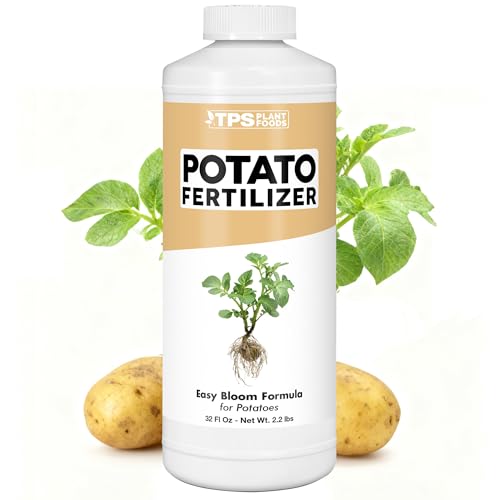
Though labeled for potatoes, the TPS Nutrients Potato Fertilizer uses an NPK of 5-10-10 — a ratio that translates perfectly to carrots and other taproot vegetables. The higher potassium (10%) compared to phosphorus (10%) is what differentiates it: potassium is the element responsible for moving sugars from the leaves into the storage root. For carrots, that means sweeter, crisper roots with better cell turgor. The liquid form means it works within days of application, making it a fantastic rescue feed if you see your carrots stalling mid-season.
One verified reviewer in Zone 8B who used this at 2-week intervals reported finding a golf-ball sized red potato near the surface at 9 weeks, and noted the top growth was lush and healthy. The same principle applies to carrots: a liquid drench of 5-10-10 at the 4-week mark can push a carrot from pencil-thin to thumb-thick in just a couple of weeks.
The main limitation is the 32-ounce size. For a large bed or multiple row plantings, you may need to reorder mid-season. Also, because it is a liquid specific to “potatoes” in the name, some shoppers might overlook it for carrots. But the chemistry makes no distinction — if the NPK fits, it works.
What works
- NPK 5-10-10 matches carrot requirements perfectly
- Liquid formulation provides rapid nutrient uptake
- Higher potassium promotes sugar transport and sweetness
- Easy to mix and apply with a watering can or hose sprayer
What doesn’t
- 32-oz bottle is small for multiple applications on large beds
- Packaging says potato — may not catch carrot growers’ attention
- Needs refrigerating after opening according to some users
7. Down To Earth Island Phosphate 0-11-0
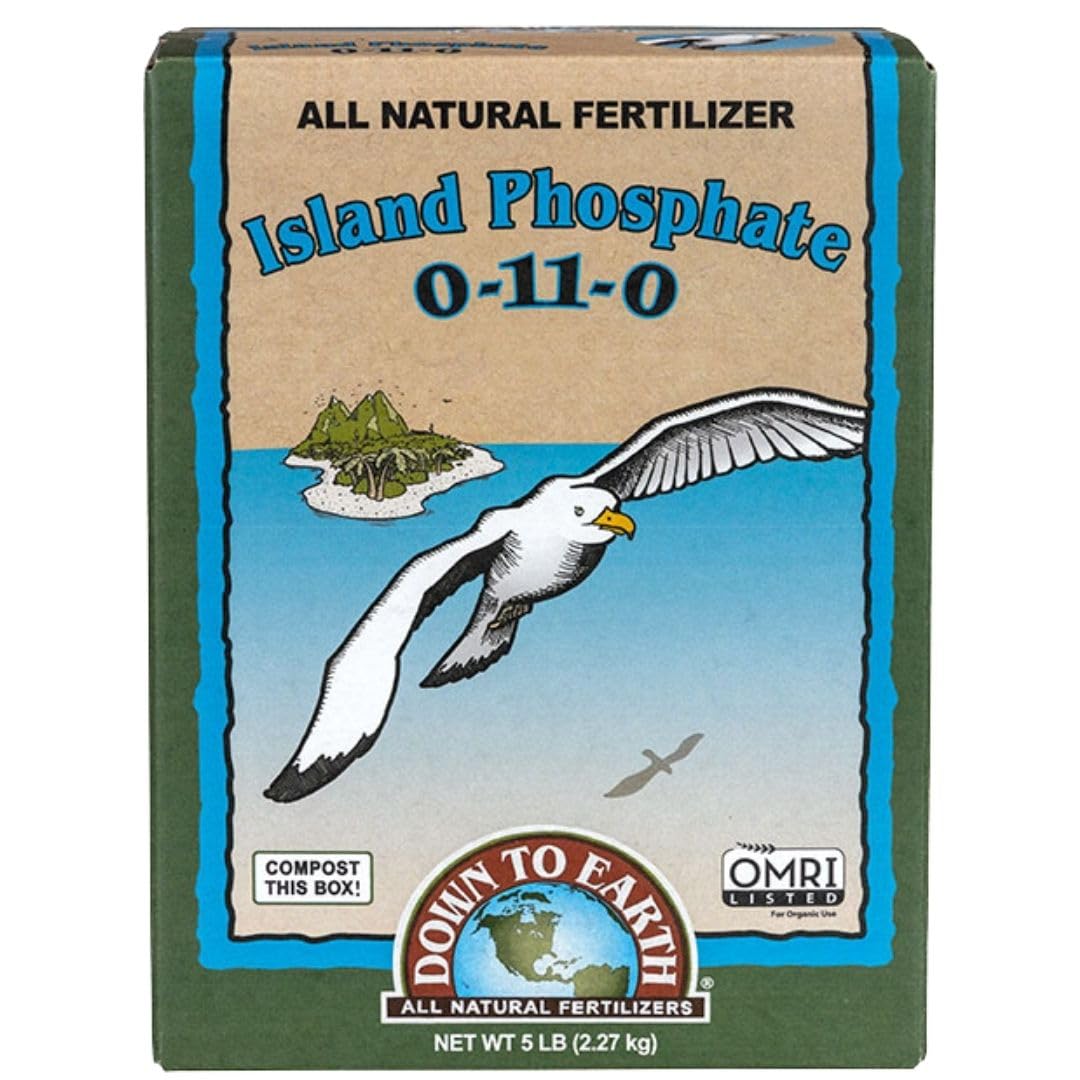
Down To Earth Island Phosphate is an OMRI-listed, sustainably-sourced seabird guano with an NPK of 0-11-0. It is one of the purest organic phosphorus sources available. For carrot growers who want to build soil fertility over multiple seasons without any synthetic inputs, this is an excellent choice. The 0-11-0 profile feeds the soil microbes that break down organic matter, improving the tilth and aeration that carrots need to grow straight. Users report that dahlias and flowering plants bloom spectacularly with this amendment, and the same phosphorus boost directly fuels carrot root girth.
The granulated form mixes easily into the topsoil before planting. Because it is all-natural and contains no nitrogen, there is zero risk of foliage burn or taproot forking from overfeeding. The product also boosts beneficial microbial activity in the root zone, which in turn makes existing soil phosphorus more available to the plants. This is a “slow and steady” approach that rewards patient gardeners with dense, flavorful roots.
Downsides include the strong aroma of the guano (users recommend wearing an N95 mask when handling) and the relatively modest phosphorus percentage (11%) compared to synthetic 0-45-0. For a severe phosphorus deficiency, the Espoma Triple Phosphate would act faster. But for an organic grower who wants to feed the soil, not just the plant, this is the top pick.
What works
- OMRI-listed organic — fully compliant for certified gardens
- Seabird guano feeds soil microbiology, improving soil structure
- Zero nitrogen eliminates risk of forked roots from overfeeding
- Fine granules mix easily into seedbed soil
What doesn’t
- Strong odor during application — mask recommended
- 11% phosphorus is lower than synthetic alternatives
- Relatively expensive for the phosphorus percentage delivered
Hardware & Specs Guide
NPK Ratios for Root Crops
The three-number ratio is the single most important spec for carrot fertilizer. The first number (N) should be ≤5 to prevent leafy top growth. The second number (P) should be ≥10 to drive root cell division, and the third number (K) should be ≥10 for sugar translocation. Blends like 4-10-3, 5-10-10, and 0-11-0 are ideal. Avoid balanced ratios like 10-10-10 or high-first-number products like 20-20-20, which produce forked, hairy carrots.
Slow-Release vs. Fast-Available
Granular fertilizers (like Espoma Triple Phosphate or Big A Carrot Fertilizer) release nutrients over 4-6 weeks, making them perfect for pre-plant soil incorporation. Liquid fertilizers (like Fertilome Root Stimulator or Yardi Root & Grow) are available to the plant within hours, making them ideal for mid-season side-dressing. For best results, incorporate a slow-release granular at planting, then switch to a half-strength liquid drench at the 4-week mark.
FAQ
Can I use a tomato fertilizer on carrots?
How often should I fertilize carrots during the growing season?
Final Thoughts: The Verdict
For most gardeners, the best carrot fertilizer winner is the Fertilome Root Stimulator 4-10-3 because it delivers the ideal low-nitrogen, high-phosphorus profile with the added root-stimulating hormone for straight, fast growth. If you want an all-organic granular feed, grab the Big A Carrot Fertilizer. And for a budget-friendly option that also feeds your tomatoes and peppers, nothing beats the Cz Garden 5-10-10.