
A sago palm turning yellow at the leaf tips or developing root mush after watering points directly to one issue: the wrong soil. Unlike true palms, these ancient cycads need a sharply draining, slightly acidic mix that mimics their native rocky, sandy habitat. Most standard potting soils hold too much moisture and slowly suffocate the roots, leading to the yellowing and decline that frustrates so many owners.
I’m Rikta — the co-founder and writer behind Lawn Gear Lab. For this guide, I analyzed every ingredient list and cross-referenced hundreds of owner reports to separate the substrates that actually match a sago palm’s low-moisture, high-drainage requirements from the general-purpose blends that don’t.
Whether you’re repotting an offset or saving an overwatered specimen, this breakdown covers the exact drainage, pH range, and organic structure that define the best soil for sago palm. Each option was ranked by how closely its composition aligns with the specific needs of these slow-growing cycads.
How To Choose The Best Soil For Sago Palm
A sago palm stores water in its thick, woody caudex, so its roots are programmed to dry out between drinks. Picking a mix that stays moist for days is the fastest way to rot those roots. Here is what to look for when narrowing down your options.
Drainage Speed and Air Pockets
A sago palm’s fleshy, thin roots need oxygen. The soil must drain completely within a few hours, leaving large air spaces. Ingredients like coarse perlite, pumice, lava rock, and chunky bark create the physical gaps that let roots breathe. Dense materials like fine peat or topsoil clump together and block airflow, which leads directly to root suffocation.
pH Range for Nutrient Uptake
Sago palms prefer a slightly acidic environment between 5.5 and 6.5. Blends containing peat moss, coco coir, or tree fern fiber naturally lower pH toward that range. When the soil drifts above 7.0, the plant struggles to absorb iron and manganese, causing the characteristic yellowing between leaf veins. Mixes that are pH-balanced or buffered remove that guessing game.
Moisture Retention vs. Dry-Back Speed
While sagos do need some moisture around the roots, the mix cannot hold water like a sponge. Coco coir retains water well but releases it quickly when the medium is coarse. Peat, on the other hand, holds water tightly and dries slowly. A blend with more coarse bark or perlite than peat or coir gives you the happy middle ground: light hydration that evaporates fast.
Quick Comparison
On smaller screens, swipe sideways to see the full table.
| Model | Category | Best For | Key Spec | Amazon |
|---|---|---|---|---|
| Noot Potting Mix | Premium | Rapid root growth & microbial boost | Pre-soaked bio-organic mix | Amazon |
| Miracle-Gro Cactus, Palm & Citrus 3-Pack | Premium | Reliable fast-draining formula at scale | Fast-draining, enriched with plant food | Amazon |
| Fiddle Leaf Fig Soil | Premium | Organic aeration for sensitive roots | Chunky, biochar-enriched organic blend | Amazon |
| Craft Aroid Potting Mix | Mid-Range | Peat-free chunky mix for aroids/palms | Douglas fir bark, pumice, lava rock | Amazon |
| Jessi Mae Potting Soil | Mid-Range | Light, slightly acidic mix for indoors | Slightly acidic (pH unspecified), hand-mixed | Amazon |
| Happy Trees Coco Coir & Perlite 70/30 | Budget-Friendly | Clean, low-salt base for custom mixing | Triple-washed 70/30 coir-perlite blend | Amazon |
| Zoo Med Creature Soil 3-Pack | Budget-Friendly | Terrarium use or supplementing a custom mix | Peat, soil, sand & carbon blend | Amazon |
In‑Depth Reviews
1. Noot Potting Mix
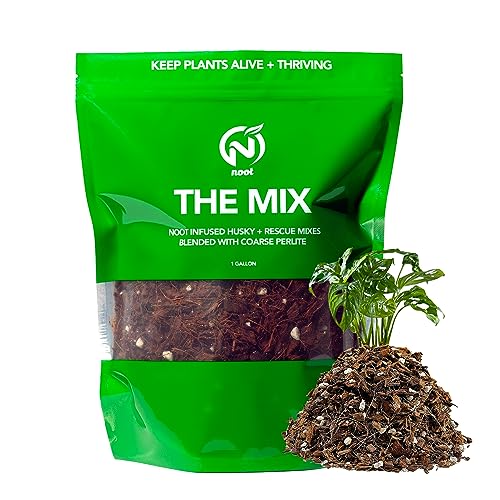
Noot’s mix is formulated by a rare plant seller who understands that cycads need air at the root zone even more than moisture. The base is larger coconut chips and coarse perlite, which create immediate drainage channels that prevent the soggy conditions sago palms hate. The 1-gallon resealable bag is pre-soaked with bio-organic nutrients and microbial strains, so you are essentially getting an activated substrate that supports root expansion from day one.
For a sago palm, the fast-draining texture is the critical advantage. Owners report roots that branch quickly and fill containers without the compaction issues typical of bagged potting soils. The pH is balanced to stay in the slightly acidic range that prevents iron chlorosis. The pre-moistened state means you do not have to pre-wet the bag, but it does mean the mix arrives damp, so check the bag before sealing it for long storage.
The biggest trade-off is bag size relative to cost. Sago palms, especially larger specimens, may require multiple bags for a deep pot. The addition of 16 microbial strains is a nice biological head start, but the same drainage result can be achieved by amending a cheaper base. If you value convenience and a guaranteed airy structure for one or two plants, this mix delivers the most refined recipe for cycad roots.
What works
- Pre-soaked formula with beneficial microbes jumpstarts root activity
- Coarse perlite and coconut chips prevent waterlogging
- pH-balanced specifically for tropical houseplants
What doesn’t
- Higher cost per quart compared to bulk alternatives
- Resealable bag is convenient but small for large pots
2. Miracle-Gro Cactus, Palm and Citrus Potting Mix 3-Pack

Miracle-Gro’s cactus, palm, and citrus formula is one of the most accessible fast-draining mixes on the market. The texture is noticeably grittier than standard potting soil, with visible perlite and sand particles that let water pass through quickly. For a sago palm, this means the roots are not sitting in moisture between waterings, which directly reduces the risk of yellowing and soft caudex tissue.
The three-pack provides 24 quarts total, enough to repot several sago palms or a single large container with extra to amend other houseplants. Owners appreciate that the formula already contains a slow-release plant food, though sago palms are not heavy feeders and may do fine without additional fertilizer for the first few months. The mix works both indoors and outdoors, which matters if you move your sago outside during warm months.
Some users note that the texture can still feel a bit heavy for a pure sago palm mix. Adding extra perlite or pumice improves drainage further. The brand’s widespread availability and consistent performance make this a safe starting point, but it is a general palm-citrus blend, not cycad-specific. For the price per quart, it is hard to beat as a reliable base that you can customize.
What works
- Large 3-pack volume covers multiple pots or multiple seasons
- Fast-draining formula right out of the bag
- Trusted brand with wide availability
What doesn’t
- May still need extra perlite for maximum drainage
- General palm-citrus blend, not tailored to cycad specifics
3. Fiddle Leaf Fig Soil
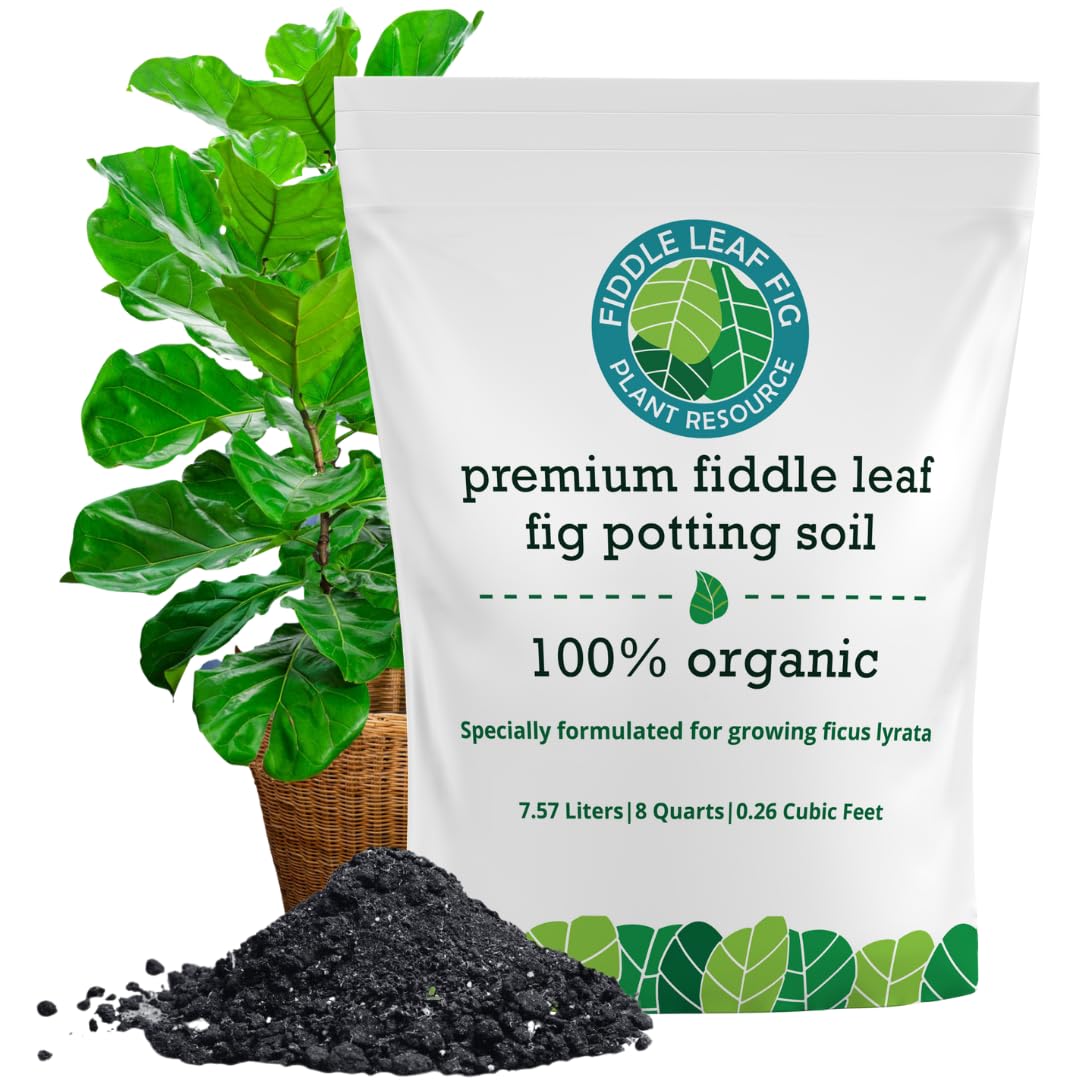
This organic blend from the Houseplant Resource Center is crafted for fiddle leaf figs, but its composition of aged bark, green compost, and biochar makes it equally suitable for sago palms. The chunky, airy texture is the star feature — large bark fines create visible air pockets that allow sago roots to spread without resistance. Biochar improves the soil’s ability to hold nutrients without waterlogging, a property that directly addresses the overwatering sensitivity of cycads.
Owners frequently note that this mix reduces the occurrence of brown spots and yellow leaves in ficus species, which suffer from similar overwatering issues as sago palms. The pH is naturally buffered by the bark and compost ingredients, staying near the 5.5–6.5 range. The bag is treated during production to deter fungus gnats, a common pest in moist soil environments. A small family business in Oregon blends it in batches, so consistency from bag to bag is high.
On the downside, a few buyers reported introducing fungus gnats into their homes after using this mix, which suggests the treatment step is not always perfect. The 7.5-liter bag is generous but expensive compared to standard potting soils. For someone who prioritizes organic, sustainably sourced ingredients and wants a ready-to-use blend that mimics the loose, rocky substrate sago palms evolved in, this is a strong premium pick.
What works
- Biochar improves nutrient retention without holding excess water
- Chunky, airy texture prevents root compaction
- Small-batch production ensures ingredient quality
What doesn’t
- Bag volume is modest for the price
- Occasional reports of fungus gnat contamination
4. Craft Aroid Potting Mix
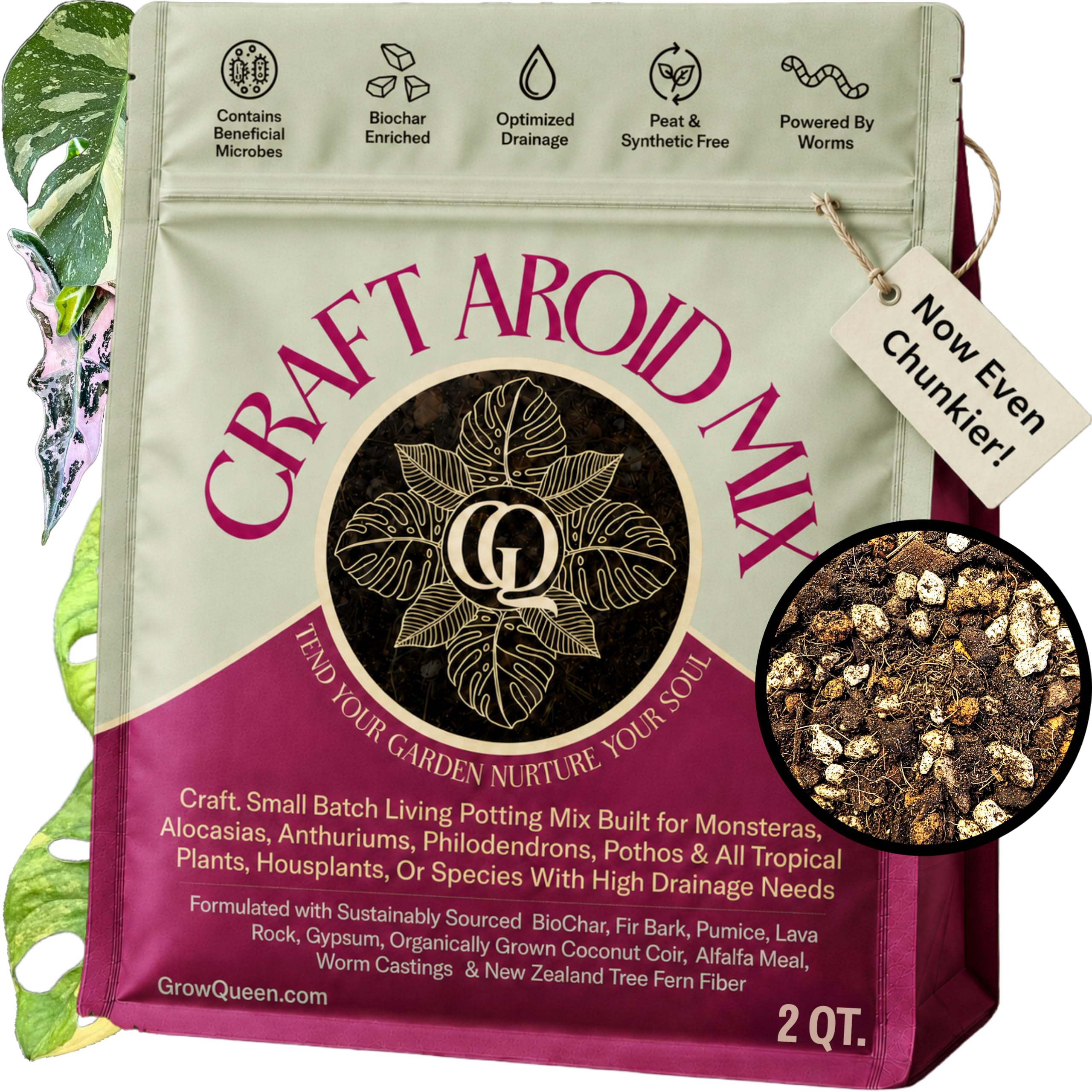
Grow Queen’s Craft Aroid Mix replaces peat and perlite with Douglas fir bark, pumice, and lava rock, creating a structure that drains almost instantly while still holding trace moisture around the root hairs. For a sago palm, avoiding peat is beneficial because peat compresses over time and retains water too long. The pumice and lava rock particles provide stable air pockets that stay open even after repeated watering cycles.
New Zealand tree fern fiber in the blend acts as a natural pH buffer, pulling the mix toward the 6.0 range ideal for cycads. The coco coir is certified organic and triple-washed to remove salts, which is important because salt buildup can scorch sago palm leaf tips. Owners report that this mix does not compact or develop the hydrophobic crust that some peat-based blends form when they dry out.
The main limitation is bag size. Two quarts is enough for a small offset or a nursery pot, but a mature sago palm will need multiple bags. The price per quart is reasonable for the ingredient quality, and the peat-free formulation appeals to environmentally conscious gardeners. If you want a mix that is almost impossible to overwater in and prefer sustainable components, this is a smart mid-range investment.
What works
- Peat- and perlite-free design prevents compaction
- Tree fern fiber buffers pH naturally to 6.0
- Triple-washed coco coir protects sensitive sago roots
What doesn’t
- Small 2-quart bag requires multiple purchases
- Chunky texture may settle in transit
5. Jessi Mae Potting Soil

Jessi Mae’s mix is hand-blended in small batches and marketed primarily for snake plants and peace lilies, but its slightly acidic character and inclusion of perlite make it a suitable small-scale option for a sago palm. The texture is light and fluffy, avoiding the heavy, water-retentive feel of generic potting soils. For a single small sago palm in a 4-inch pot, this bag provides exactly the right volume without waste.
The organic nature of the ingredients means there are no synthetic chemicals to worry about if your sago palm is a houseplant. Owners note that the soil has a strong earthy smell when first opened, which dissipates after a day or two. The pH is formulated to be slightly acidic, which aligns with the 5.5–6.5 range sago palms need for iron and manganese absorption.
The cons are related to scale and consistency. The 4-quart bag is small, and some users report variability from batch to batch due to the hand-mixed process. The addition of more perlite or bark may be needed to achieve the fast drainage a sago palm demands. Consider this a convenient starter mix for a young plant or an emergency option when you need a small amount of acidic soil quickly.
What works
- Slightly acidic formula matches sago palm pH requirements
- Hand-mixed quality control in every batch
- Light, fluffy texture reduces root compaction
What doesn’t
- Small bag limited to single small plant
- May need extra drainage amendments for mature sagos
6. Happy Trees Coco Coir & Perlite 70/30

Happy Trees delivers a 70/30 blend of triple-washed coconut coir and perlite that provides an exceptionally clean, low-salt foundation for custom soil mixing. The coir is buffered to a stable pH and pre-expanded in a loose-fill bag, so there is no brick to soak or break apart. For a sago palm owner who wants to build their own ideal substrate, this is the perfect blank slate to which you can add bark, sand, or pumice.
The triple-washing process removes salts and tannins that can cause leaf tip burn in sensitive cycads. The 50-liter bag offers enormous value per cubic foot, giving you enough medium to repot a large sago palm multiple times or fill several containers. The texture is light and pleasant to handle, and the low dust level makes indoor mixing cleaner than with peat-based products.
The downside is that this is not a finished potting soil. On its own, the coir-perlite mix drains well but lacks the structural stability that bark or pumice provides. Sago palms benefit from heavier particles that anchor their thick roots. You will need to amend this blend with something chunky. If you are comfortable mixing your own soil, this is the most cost-effective way to create a large volume of cycad-friendly substrate.
What works
- Triple-washed, low-salt base prevents chemical burns
- Massive 50-liter volume at the best per-unit cost
- pH-balanced and ready to use without pre-soaking
What doesn’t
- Requires additional amendments for sago palm structure
- Not a standalone potting mix for cycads
7. Zoo Med Creature Soil 1qt, Pack of 3

Zoo Med’s Creature Soil is a proprietary mix of peat moss, soil, sand, and carbon, sold in three 1-quart bags. It was designed for terrarium inhabitants like tarantulas and isopods, but the peat-sand-carbon combination provides the sharp drainage and low organic load that a sago palm tolerates. The presence of sand ensures water flows through rather than pooling at the bottom of the pot.
The carbon component acts as a mild filter, helping to keep the root zone fresh and reduce odors in enclosed pots. Owners who use this for arthropods praise its ability to maintain humidity without becoming saturated, which translates well to the moderate moisture needs of a sago palm. The three-pack gives you three quarts total, enough for a single 8-inch pot or a pair of smaller nursery pots.
This is not a curated houseplant soil, and the peat content means it will eventually compact if used alone. Sago palm growers should treat it as a blending ingredient — mix it with perlite or coarse sand to keep the structure open long-term. The small volume also limits its usefulness for larger plants. For a terrarium or a very small sago offset, it works as a decent budget supplement.
What works
- High sand content promotes quick drainage
- Carbon component helps keep roots fresh
- Ready to use straight from the bag for small pots
What doesn’t
- Peat base compresses over time
- Small volume limits use to small plants or supplementing
Hardware & Specs Guide
Drainage Particle Size
The most critical spec for sago palm soil is the particle size distribution. Mixes containing particles larger than 2mm — such as pumice, lava rock, Douglas fir bark fines, or coarse perlite — create macro-pores that allow water to drain rapidly. Mixes dominated by fine particles like peat dust or compacted topsoil result in micro-pores that hold water against the root surface. For a sago palm, aim for a blend where at least 30-40% of the dry volume consists of particles larger than 2mm.
pH Buffering Capacity
Sago palms prefer a soil pH between 5.5 and 6.5. Ingredients like sphagnum peat moss and tree fern fiber naturally lower pH, while coco coir sits close to neutral after buffering. The buffering capacity determines how long the soil maintains that pH after repeated watering with tap water (which typically has a pH of 7.0-8.5). Mixes containing biochar or organic compost hold pH more steadily than pure peat or coir alone.
FAQ
Can I use regular potting soil for a sago palm?
What is the ideal pH for sago palm soil?
How often should I repot my sago palm into fresh soil?
Final Thoughts: The Verdict
For most gardeners, the best Soil For Sago Palm winner is the Noot Potting Mix because its pre-soaked, fast-draining formula with beneficial microbes directly addresses the root rot vulnerability that kills sagos. If you want a bulk-ready base you can customize, grab the Happy Trees Coco Coir & Perlite 70/30. And for a reliable, widely available mid-range option, nothing beats the Miracle-Gro Cactus, Palm and Citrus 3-Pack.