
Fighting a stubborn branch with a dull or flimsy pair of loppers turns a quick pruning job into an exhausting arm workout. The wrong tool binds, crushes the wood, and leaves you with a ragged, unhealthy cut that invites disease. A proper cutting edge — whether bypass or anvil — makes the difference between a clean slice and a mangled stump.
I’m Rikta — the co-founder and writer behind Lawn Gear Lab. I’ve spent countless hours researching ergonomics, leverage ratios, and blade metallurgy to build a guide that separates genuine cutting power from marketing fluff.
This guide ranks the top-performing models to help you choose the best tree loppers for your specific branch size and trimming frequency.
How To Choose The Best Tree Loppers
Choosing a pair of loppers comes down to matching the blade action and leverage to the branches you cut most often. The right tool reduces effort per squeeze and protects the plant’s long-term health.
Bypass vs. Anvil: The First Major Decision
Bypass loppers feature a curved blade that slides past a lower hook, delivering a scissor-like cut. This action is ideal for green, living wood because it leaves a clean, smooth wound that heals faster. Anvil loppers use a single straight blade that closes against a flat metal surface, crushing the branch. Anvil designs are better suited for dead, dry, or hardwood branches where a clean edge matters less, and the crushing action actually helps break through dense fibers.
Cutting Capacity and Handle Length
Cutting capacity — typically listed between 1.25 and 2.5 inches — tells you the maximum branch diameter the tool can sever in one clean squeeze. Pushing past that limit risks blade damage or bent handles. Longer handles, ranging from 20 to 40 inches, multiply your leverage but add weight and reduce maneuverability in tight spots. Telescoping handles offer a middle ground, letting you extend reach overhead while keeping the tool compact for ground-level cuts.
Quick Comparison
On smaller screens, swipe sideways to see the full table.
| Model | Category | Best For | Key Spec | Amazon |
|---|---|---|---|---|
| Corona AL 8482 | Bypass | Heavy orchard pruning | 2.5-inch cutting capacity | Amazon |
| Corona 33″ DualLINK | Bypass | Leverage on thick limbs | DualLINK MAXFORGED mechanism | Amazon |
| Kings County Tools | Bypass | Ratchet-assisted cuts | Double ratcheting mechanism | Amazon |
| FELCO F211-50 | Anvil | Precision small-branch work | 1.2-inch cutting capacity | Amazon |
| Spear & Jackson 4826RSA | Anvil | Budget-friendly sharpness | Compound cutting action | Amazon |
| YRTSH Extendable | Anvil | Extended reach overhead | 28–41 inch telescoping handles | Amazon |
| Jardineer 30″ | Anvil | Heavy value kit | 2-inch ratchet jaw | Amazon |
In‑Depth Reviews
1. Corona Tools AL 8482
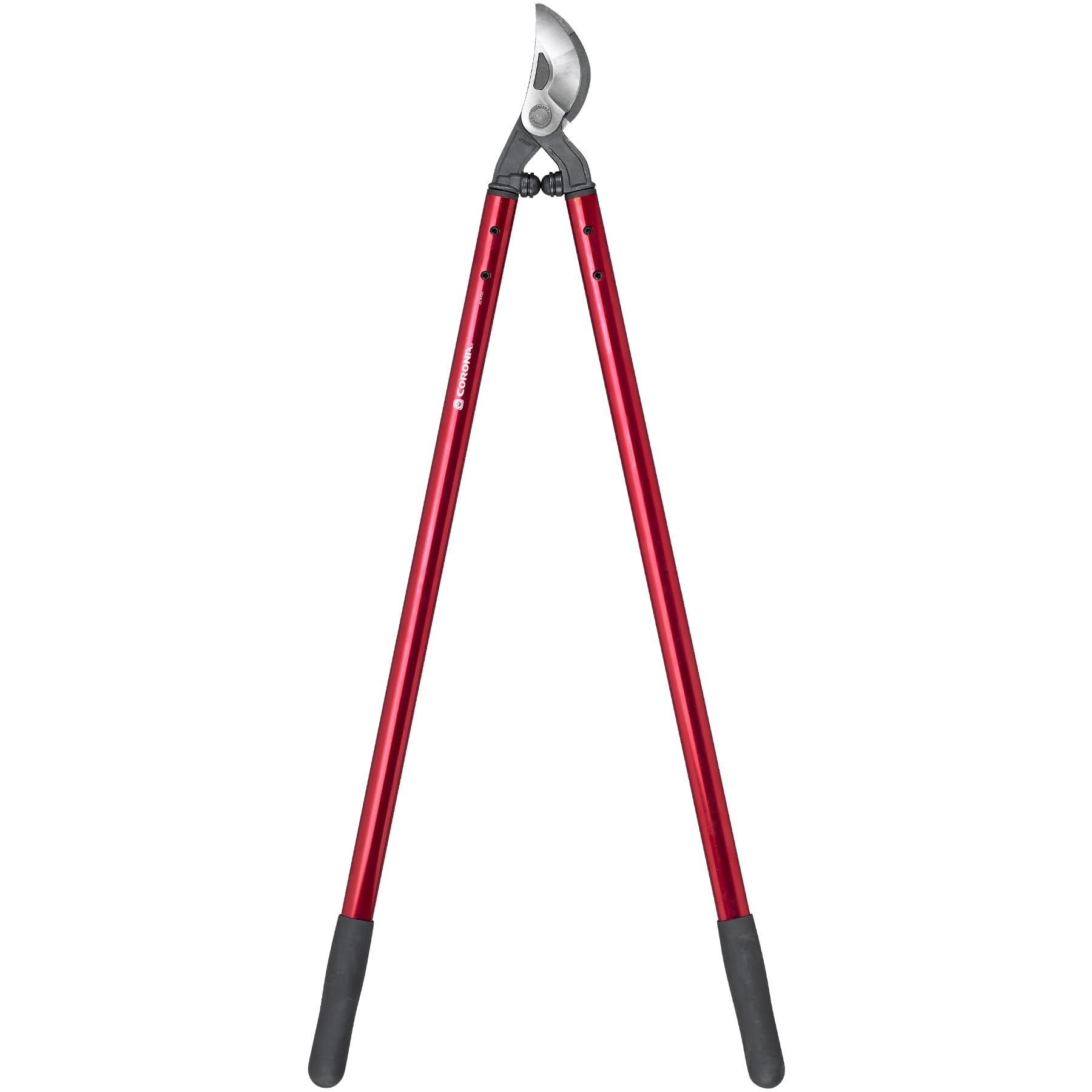
The Corona AL 8482 is a professional-grade orchard lopper built around a forged, heat-treated steel bypass blade that slices through green wood with minimal effort. Its full 2.5-inch cutting capacity outpaces nearly every competitor in this roundup, and the self-cleaning deep sap groove prevents sticky residue from fouling the pivot joint. Owners who pushed a first pair for 11 years of regular use confirm the durability here is exceptional.
The 36-inch elliptical aluminum handles deliver leverage without the wrist fatigue common on steel poles. At under three pounds, this is one of the lightest heavy-duty loppers available, making overhead pruning sessions far less punishing. The locking nut eliminates the annoying clip-style retainers found on cheaper units, and the shock absorbers at the base cushion the closing impact.
A few users note that the tool is best matched to branches under 1.5 inches for consistent clean cuts; forcing the full 2.5-inch rating on dense hardwoods demands extra muscle. Still, the resharpenable dual-arc blade keeps this tool in service for years rather than seasons. For anyone maintaining an orchard or a wooded property, this is the pair to beat.
What works
- Lightweight aluminum handles reduce fatigue
- Generous 2.5-inch cutting capacity
- Resharpenable forged blade lasts years
What doesn’t
- Optimal cuts below the max diameter
- Not ideal for very tight spaces
2. Corona Tools 33″ DualLINK

The Corona 33-inch bypass lopper uses a patented DualLINK MAXFORGED mechanism that multiplies your input force, making 2-inch cuts feel like 1-inch efforts. The precision-ground, fully forged steel blade resists bending and holds its edge well through seasons of regular trimming. The 33-inch length gives you the reach to snip medium-height branches without standing on tiptoes.
Non-slip cushioned grips and impact-reducing bumpers at the hinge absorb the shock of each cut, which matters when you are working through dozens of limbs in one session. The alloy steel construction feels solid in hand, and owners report the tool surviving heavy use on live oak and dense shrubs without losing alignment. It strikes a strong balance between raw power and manageable weight at 4.3 pounds.
Some users upgrading from lower-end brands note that the build quality is adequate rather than spectacular for the price, and a few found the cutting smoothness comparable to a five-year-old mid-range model. The bumpers can wear over time, but replacement parts are available. This is a solid middleweight contender for landscapers who want reliable leverage without stepping up to a 36-inch frame.
What works
- DualLINK forces reduces effort on thick wood
- Cushioned grips with shock bumpers
- Forged blade stays sharp through heavy use
What doesn’t
- Not a massive upgrade over mid-range models
- Bumpers can degrade over time
3. Kings County Tools Double Ratcheting
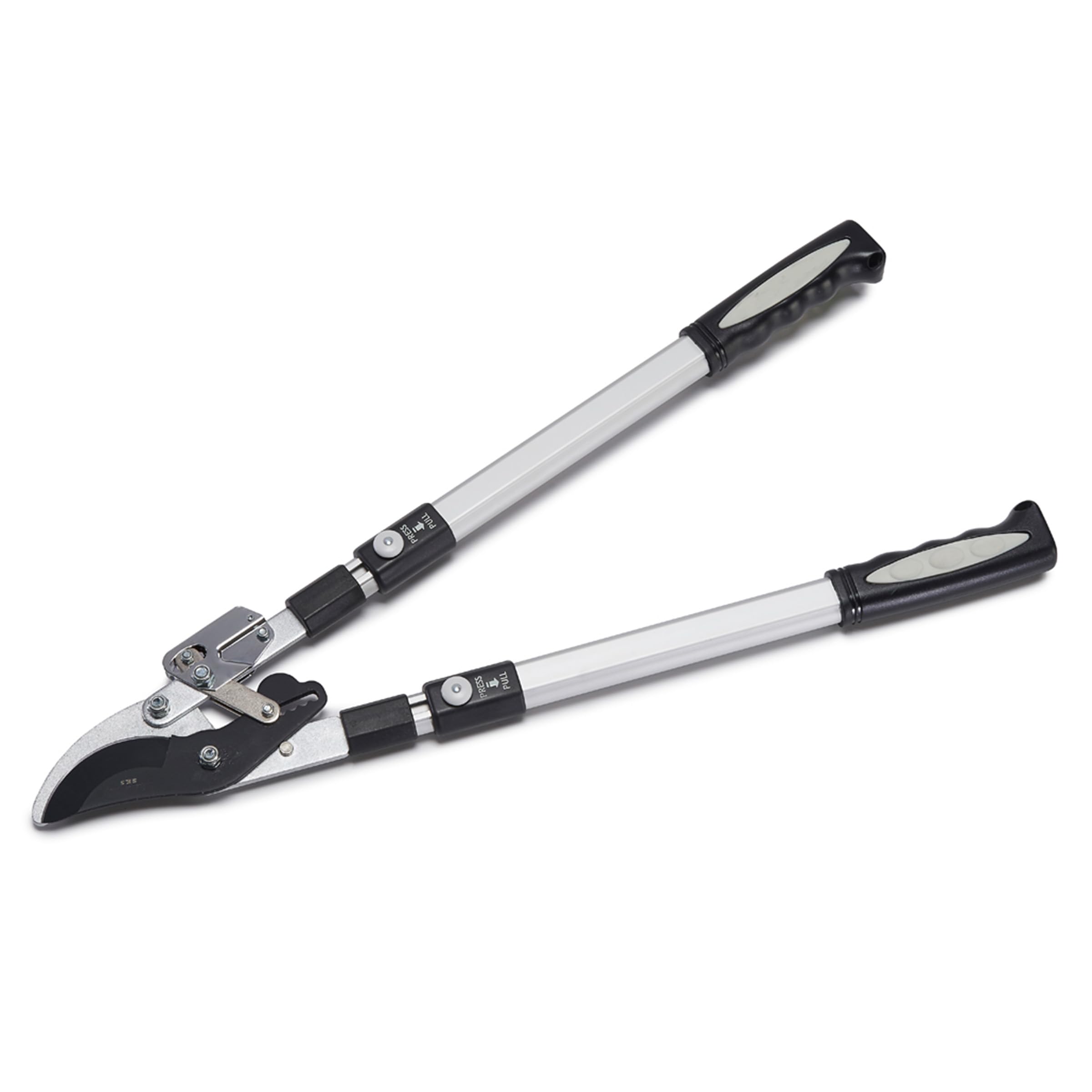
The Kings County Tools lopper stands out with a double ratcheting bypass mechanism that lets you cut through 2-inch green branches in stages, building torque with each squeeze instead of one massive crunch. This design is a genuine relief for users with weaker grip strength or arthritis, as the ratchet clicks through the branch rather than demanding one hard heave. The telescoping handles extend from 26 to 40 inches, providing overhead reach when needed and a compact storage length the rest of the time.
The alloy steel blade is serrated and arrives factory sharp, delivering clean cuts on living wood. The rubberized grips are comfortable, and the six pin-locked position stops give you flexibility in how wide you open the handles. Multiple owners describe it as the best lopper they have owned, and the company’s responsive customer service adds peace of mind.
One known weakness: a small number of users experienced blade chipping when cutting dead or very thick dry branches, and the tool is heavier than fixed-handle alternatives at nearly four pounds. The ratchet mechanism also adds mechanical complexity that could require maintenance over the long haul. For those who value incremental cutting power and adjustable reach, the trade-off is well worth it.
What works
- Ratchet action multiplies cutting force
- Telescoping handles offer flexible reach
- Sharp, serrated bypass blade
What doesn’t
- Heavier than fixed-handle models
- Blade can chip on dead wood
4. FELCO F211-50
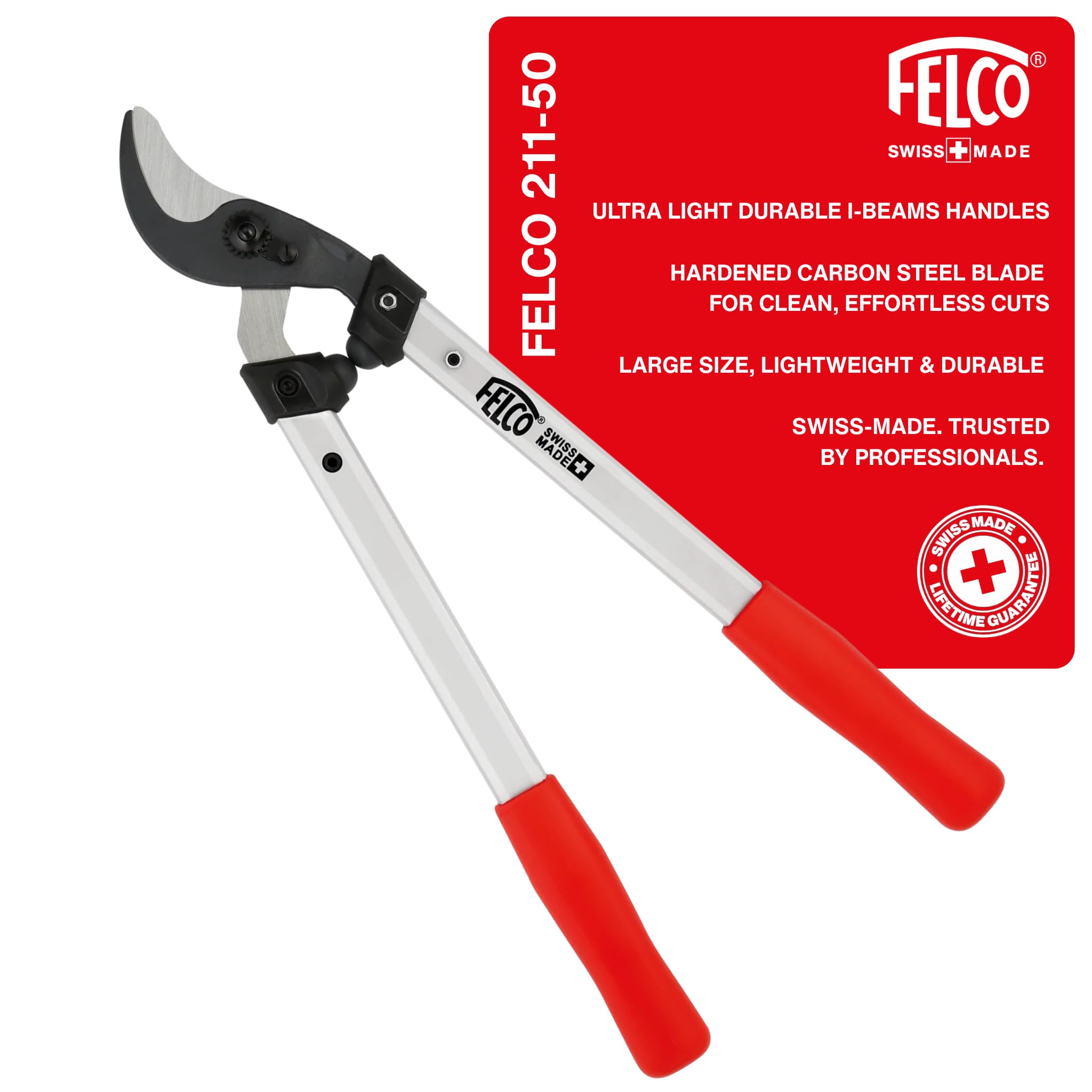
FELCO has built a reputation on Swiss precision, and the F211-50 lopper upholds that standard with a heat-treated carbon steel bypass blade that stays aligned cut after cut. The micrometric adjustment mechanism lets you fine-tune the blade gap for optimal cutting performance, and every part — from the blade to the pivot bolt — is replaceable, making this a true lifetime tool. The 20-inch length is shorter than most here, favoring close, controlled cuts over brute leverage.
The lightweight aluminum I-beam handles keep the overall weight down to just over a pound, which makes a noticeable difference during extended pruning sessions. The phthalate-free grips are durable and comfortable, and the bumper guards at the hinge prevent pinching when the handles close fully. Experienced gardeners report that the F211-50 cuts 1- to 1.2-inch green wood with surgical cleanliness, promoting faster healing on fruit trees and ornamentals.
The 1.2-inch cutting capacity is the smallest in this roundup, meaning it is not suitable for heavy limbing or thick deadwood. The premium price also puts it above most casual users’ budgets. For arborists and serious gardeners who demand precision and repairability, however, this tool justifies every cent.
What works
- Fully replaceable parts for long service life
- Featherlight at just over a pound
- Micrometric blade adjustment
What doesn’t
- 1.2-inch capacity limits branch size
- Premium price for limited reach
5. Spear & Jackson 4826RSA
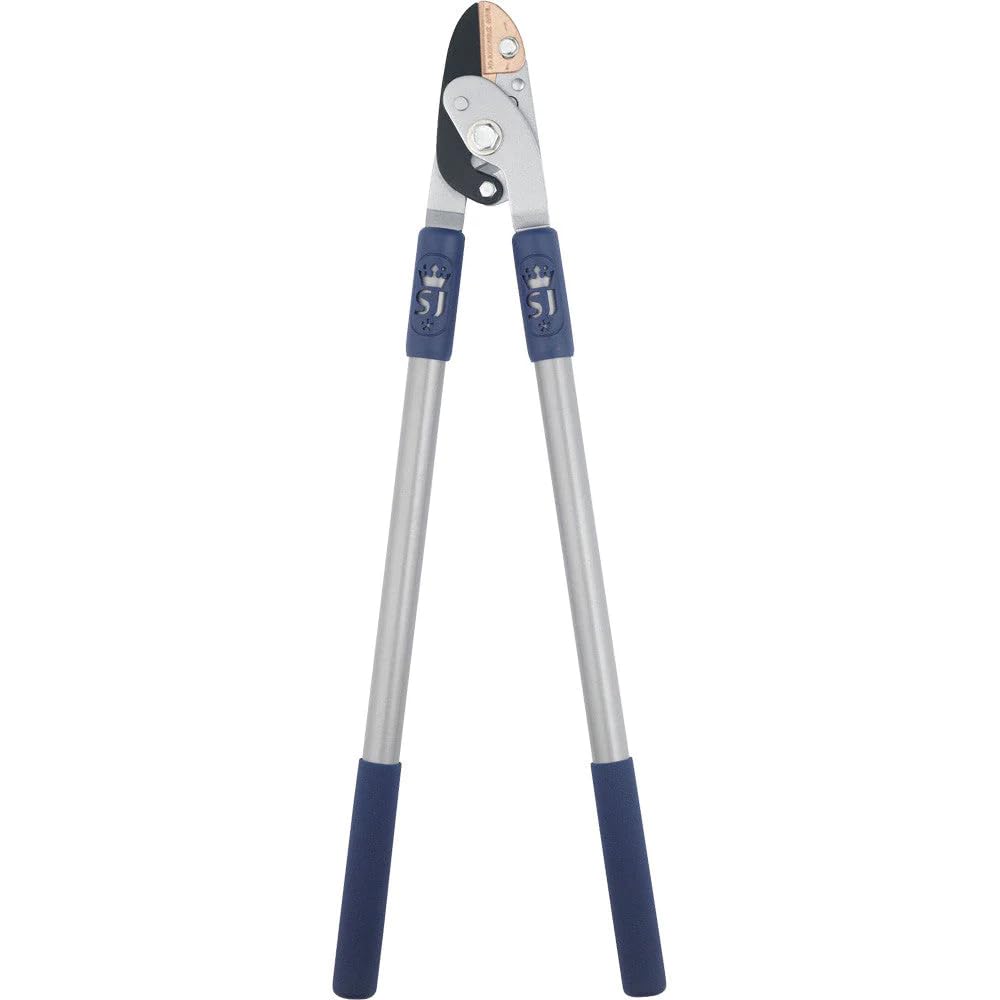
Spear & Jackson’s Razorsharp anvil lopper brings a hardened carbon steel blade coated with PTFE for rust resistance and low-friction cutting. The compound action mechanism multiplies leverage, so the 26-inch handles generate enough force to sever branches up to 1.25 inches without excessive squeezing. The tubular steel handles are vinyl-coated, and the soft-feel grips provide decent hand comfort for a tool at this price point.
The anvil design crushes rather than slices, making it better suited for dry, dead wood or tough hardwood where a bypass blade might bind. The chrome-plated finish resists corrosion in humid storage conditions, and the blade can be resharpened with a file or grinder for near-lifelong use. Owners appreciate the simplicity of the design — no complex ratchets or telescoping joints to fail.
One minor drawback is that the 32-millimeter (1.25-inch) cutting capacity is modest, and some users found the tool struggled on green branches approaching that maximum. The lack of a shock absorber means each cut transmits more vibration into your hands. For budget-conscious shoppers who mainly cut dead limbs and small brush, this is a sharp, dependable entry point.
What works
- PTFE coating reduces friction and rust
- Compound action helps on tough wood
- Resharpenable blade extends lifespan
What doesn’t
- Modest 1.25-inch cutting capacity
- No shock absorber for vibration
6. YRTSH Extendable 28–41 Inch
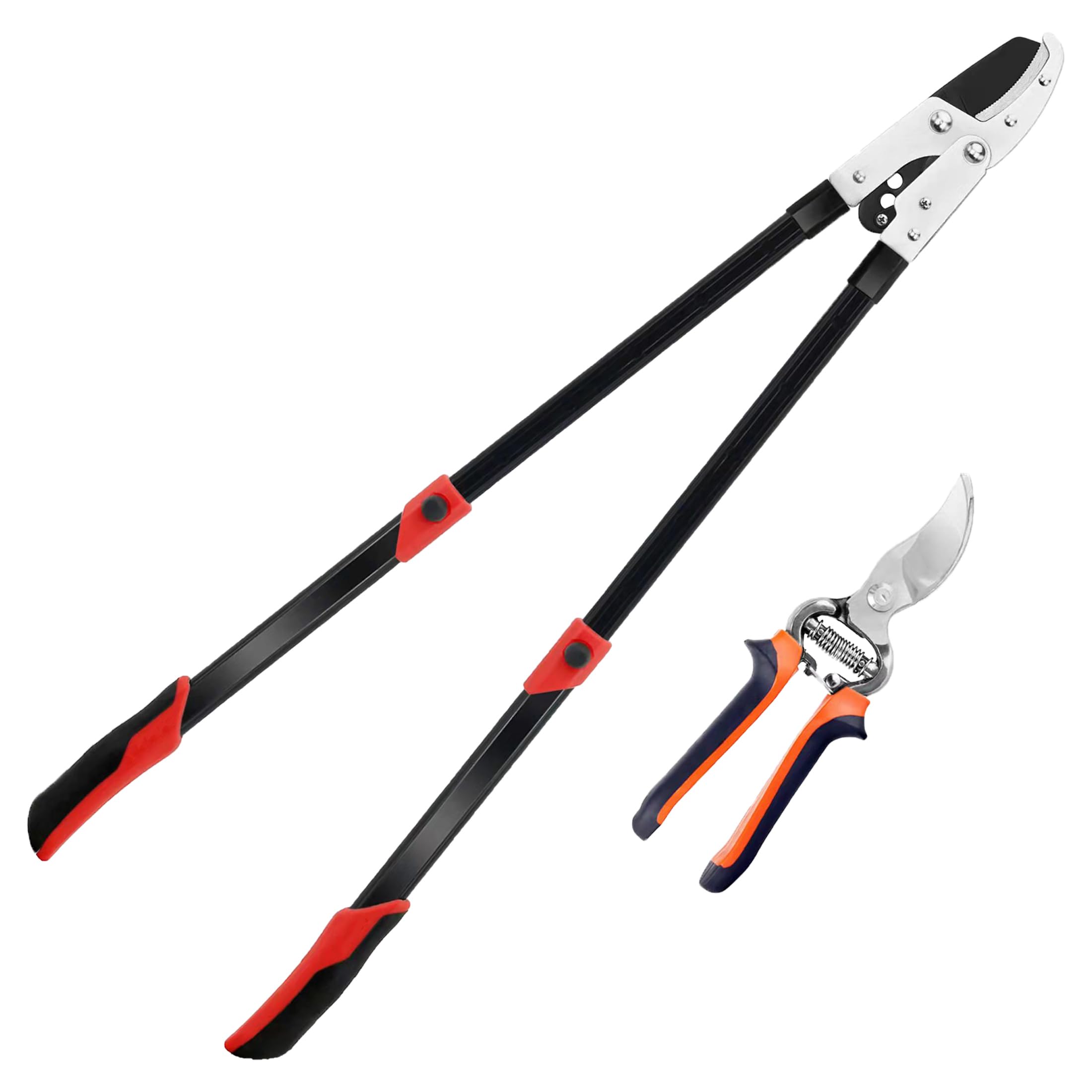
The YRTSH lopper tackles one of the most common pruning frustrations: branches just out of comfortable reach. Its aluminum handles telescope in six steps from 28 to 41 inches, letting you snip overhead limbs without climbing a ladder. The compound action mechanism multiplies the cutting force, and the Teflon-coated alloy steel blade resists sap buildup for smoother cuts on both green and dry wood up to 2 inches thick.
The soft rubber, non-slip grip provides comfort during extended use, and the overall weight is light enough for a 73-year-old user to report easy handling in one review. The anvil blade design is well-suited for dead branches and dry hardwoods, and the telescoping lock mechanism feels positive when extended. Several owners found it cut through 1.25-inch live oak with minimal effort.
A notable limitation is that the maximum 2-inch cutting capacity is optimistic for overhead green wood; one user reported the handles bending when trying to cut 2-inch green branches overhead. The included hand pruners in the set also have issues with a sticky locking mechanism. For the price, the telescoping feature delivers genuine value for those who regularly prune high, light material.
What works
- Six-position telescoping handles
- Lightweight aluminum construction
- Teflon-coated blade resists sap
What doesn’t
- Handles can flex on thick green wood
- Included pruners have locking issues
7. Jardineer 30″ Anvil Loppers

Jardineer’s anvil lopper combines a giant ratchet jaw with a 30-inch solid steel handle to maximize cutting force while minimizing effort. The ratchet mechanism cuts in stages, letting you work through 2-inch branches with repeated squeezes rather than one massive push — a genuine advantage for smaller-framed users or those with joint pain. The carbon steel blade has a non-stick coating that preserves plant health by making clean cuts and stays sharp through heavy use.
The 4.99-pound weight makes this the heaviest lopper in the lineup, but the trade-off is durability: owners report using the same pair for four years on properties with over 100 trees without failure. The inclusion of an SK5 spare blade adds extended value, and several users note that the large jaw easily handles thicker, stubborn branches that smaller loppers cannot touch. The soft grip handles help offset some of the heft during long sessions.
The anvil action is better suited for dead or dry wood than living green branches, where a bypass blade would produce a cleaner cut. A few units experienced loose bolts that required a return, though most reviews praise the overall robustness. For those who need a heavy-value kit that includes a spare blade and handles serious ranch-scale pruning, this is a compelling choice.
What works
- Ratchet jaw multiplies force on thick branches
- Includes spare SK5 blade
- Extremely durable over years of use
What doesn’t
- Heaviest model at nearly 5 pounds
- Occasional bolt loosening reported
Hardware & Specs Guide
Cutting Capacity
Measured in inches of branch diameter, this spec indicates the thickest wood the lopper can sever in a single cut. Exceeding this limit can damage the blade edge or bend the handles. Most residential loppers max out between 1.25 and 2.5 inches. Match the rating to your typical branch size — overspeccing adds weight without benefit for light pruning.
Blade Material & Coating
Hardened carbon steel and alloy steel are the standards for edge retention and resharpening. PTFE or Teflon coatings reduce friction and prevent sap from sticking, making cuts smoother and cleanup faster. Forged steel blades are denser and hold an edge longer than stamped alternatives, though they add to the cost.
FAQ
Are bypass or anvil tree loppers better for green wood?
What does the cutting capacity spec actually mean?
How does handle length affect cutting effort?
Final Thoughts: The Verdict
For most gardeners, the tree loppers winner is the Corona AL 8482 because it delivers the widest cutting capacity in a lightweight, resharpenable package that professionals trust for years. If you want ratchet-assisted power for thicker limbs without the muscle strain, grab the Kings County Tools. And for precision work on fruit trees and ornamentals where cut quality matters most, nothing beats the FELCO F211-50.