
There is no feeling quite like walking out to your strawberry patch only to find every ripe berry has been pecked clean by birds. The frustration is universal among gardeners who have watched weeks of careful watering and weeding disappear in a single morning. Bird netting for strawberry plants is the one truly reliable solution, but the market is flooded with options that tangle, tear, or simply fail to keep determined sparrows and robins out.
I’m Rikta — the co-founder and writer behind Lawn Gear Lab. I’ve spent countless hours comparing mesh densities, drawstring mechanisms, and UV-resistance ratings across dozens of netting products, cross-referencing manufacturer specs with the real-world experiences of hundreds of verified owners to build this guide.
This analysis cuts through the confusion to identify the best bird netting for strawberry plants based on measurable factors like mesh aperture, material durability, ease of installation, and protection against birds, squirrels, and insects.
How To Choose The Best Bird Netting For Strawberry Plants
Strawberry plants grow low to the ground and produce fruit in clusters, which makes them especially vulnerable to birds that can pluck an entire patch clean in hours. Selecting the right netting means matching material, mesh size, and closure style to your specific growing setup.
Mesh Size and Density
The most critical spec for strawberry protection is the mesh aperture. For keeping out sparrows, robins, and blue jays, a mesh opening of roughly 5/8 inch works well because it is small enough to block their beaks but large enough to allow pollinators like bees to pass through. For blocking insects and smaller pests like aphids or caterpillars, you need a much denser mesh — typically 40-mesh or finer, with openings around 0.1 mm. The trade-off is that fine mesh can trap more heat and reduce airflow slightly, which matters less for cool-weather crops but can affect strawberry fruit set in hot climates.
Material and UV Resistance
Strawberries are grown in full sun, so your netting must withstand UV exposure without becoming brittle. HDPE (high-density polyethylene) is the gold standard for heavy-duty netting because it resists UV degradation for multiple seasons without cracking or tearing. Nylon netting is softer and lighter but tends to fray at cut edges and can degrade faster under intense sun. Polyester offers a middle ground with good UV stability and a softer hand that is less likely to rub against strawberry fruit and cause blemishes. Check whether the product description explicitly states “UV stabilized” or “UV resistant” — products that omit this detail often fail within one season.
Closure System and Installation
For strawberry plants growing in raised beds or ground rows, flat netting sheets require you to secure edges with landscape staples, bricks, or soil. This works but can leave gaps where determined birds squeeze through. Drawstring bags and zippered netting enclosures offer superior security because they cinch tight around the base of the plant or around the entire bed perimeter. The drawstring approach is especially effective for strawberry patches because the fruit grows close to the ground, and birds will probe any loose edge. Products that include ties, staples, or anchoring accessories simplify installation and reduce the risk of gaps forming over time.
Quick Comparison
On smaller screens, swipe sideways to see the full table.
| Model | Category | Best For | Key Spec | Amazon |
|---|---|---|---|---|
| Evoio Bird Netting Bag | Premium Bag | Zippered enclosure for bush fruit | 60-mesh, metal zipper, drawstring | Amazon |
| RIFNY Bird Netting 13×40 FT | Heavy-Duty Roll | Large beds and row covers | 5/8-inch mesh, HDPE, ties included | Amazon |
| SATXTREM Drawstring Netting 4-Pack | Drawstring Bag | Individual bush and container plants | 60D polyester, reinforced drawstring | Amazon |
| GonLei Garden Mesh Netting 4-Pack | Nylon Bag Set | Two-size kit for varied plant stages | Nylon, two size options | Amazon |
| SnugNiture Garden Netting 10×33 FT | Ultra-Fine Roll | Insect and bird dual protection | 0.1mm x 0.1mm mesh, PE material | Amazon |
| Garnnet Pest Barrier Netting 10×33 FT | Fine-Mesh Roll | Organic gardening and insect exclusion | Polyethylene, UV resistant | Amazon |
| Garden Tailor Insect Netting 2-Pack | Value Roll Set | Budget-friendly dual coverage | 40-mesh, HDPE, UV stabilized | Amazon |
In‑Depth Reviews
1. Evoio Bird Netting Bag 4×5 FT
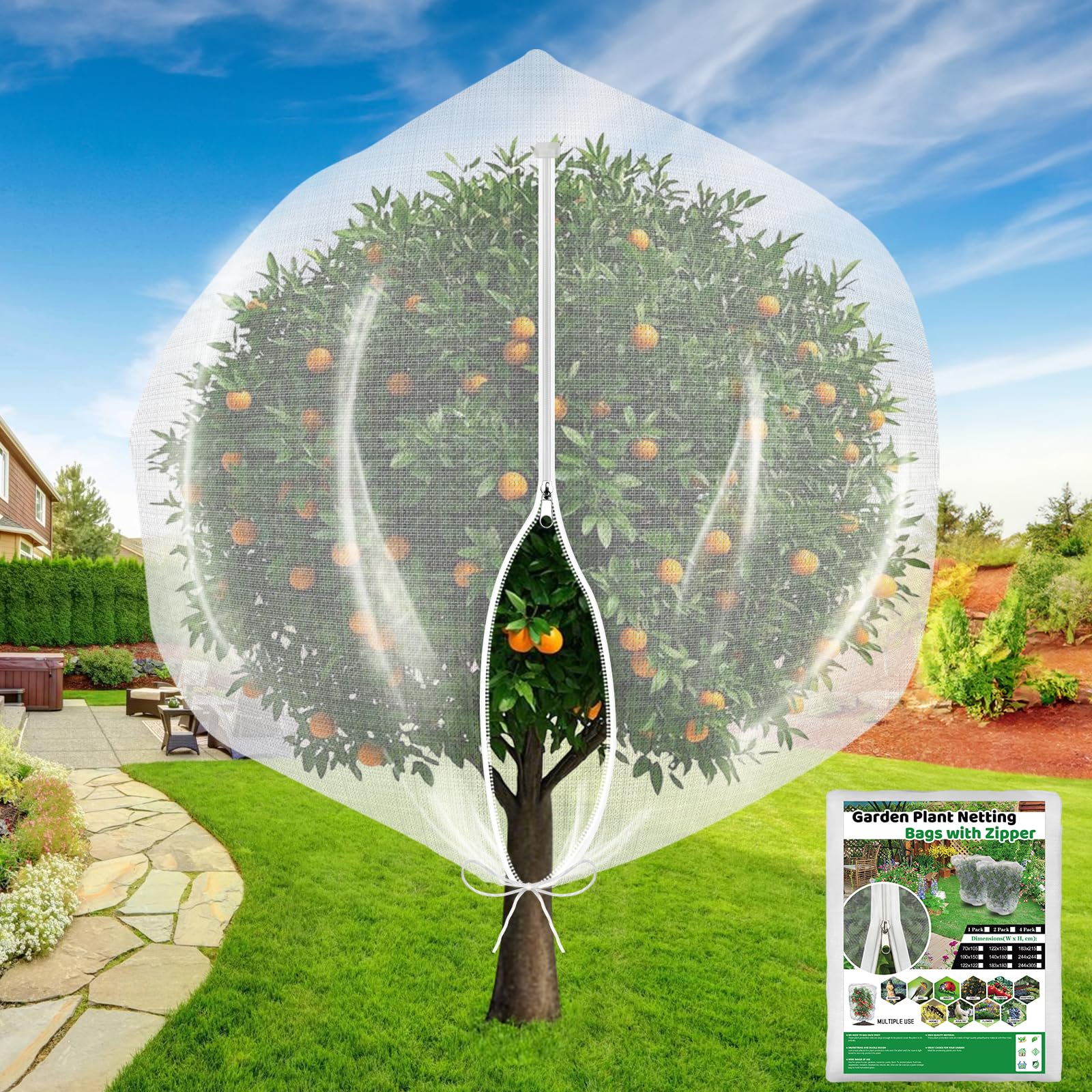
The Evoio Bird Netting Bag earns the top spot because it combines a dense 60-mesh count with a full-length metal zipper and a bottom drawstring — a trifecta of closure security that flat netting simply cannot match. The bag measures 4 feet by 5 feet, making it ideal for covering a single large strawberry patch cluster or a blueberry bush without fighting with loose edges. The mesh density blocks not only birds but also Japanese beetles, cicadas, and squirrels, which is critical when strawberries start ripening and attracting every pest in the vicinity.
What makes this product stand out is the zipper access. You can unzip the bag to check ripeness, pick fruit, and water without removing the entire netting structure. The metal zipper feels robust and slides smoothly, unlike the plastic zippers found on cheaper enclosures that bind after a few uses. The bottom drawstring cinches tight around the trunk or the base of the plant, preventing ground-level entry from mice or curious chipmunks. Multiple verified owners report zero bird damage after installation, even in areas with aggressive squirrel populations.
The lightweight fabric — listed at 0.26 kg — drapes gently over plants without crushing stems or bruising fruit. Because it is a bag rather than a roll, there is no cutting required and no frayed edges to manage. The 60-mesh count does reduce airflow slightly compared to coarser nets, but for strawberry plants it still allows adequate water penetration and light transmission. If you need to protect a single large strawberry bed or a fruit bush with absolute peace of mind, this is the most complete solution available.
What works
- Metal zipper provides durable daily access for harvesting and inspection.
- 60-mesh density blocks birds, insects, and small mammals effectively.
- Drawstring bottom prevents ground-level pest entry.
What doesn’t
- Single bag covers one bush or patch; large beds need multiple units.
- Dense mesh may trap slightly more heat in hot climates.
2. RIFNY Bird Netting 13×40 FT
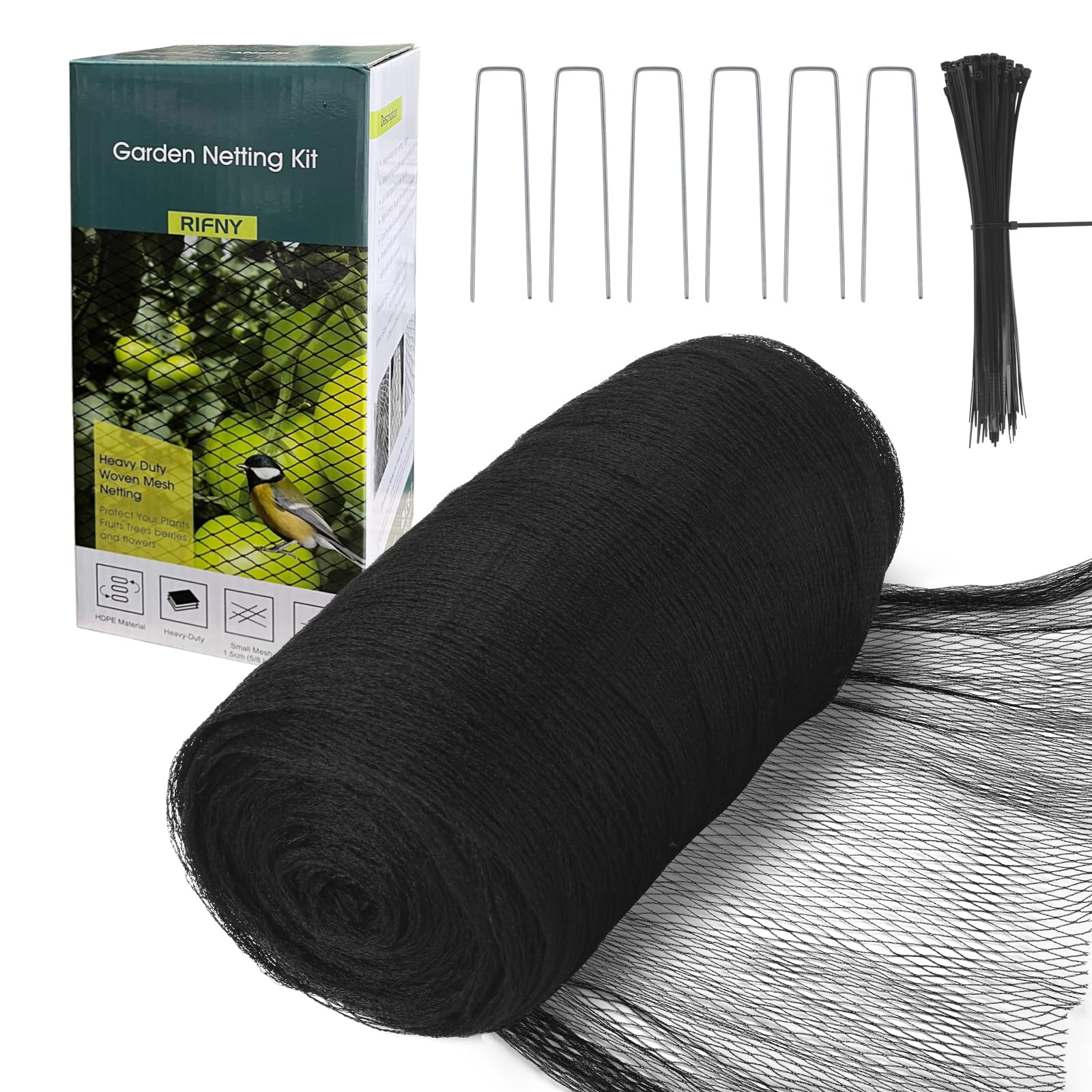
The RIFNY Bird Netting offers a massive 13-foot by 40-foot sheet made from HDPE, the same material used in high-durability outdoor cables and wiring. This is the right choice for covering an entire strawberry patch, multiple raised beds, or a row of fruit-bearing bushes without needing to piece together smaller panels. The 5/8-inch mesh size is specifically calibrated to block adult birds while allowing bees and beneficial insects to pass through freely, which matters for strawberry pollination.
Owners consistently praise the non-tangling nature of this netting. Traditional knotted nets can become a frustrating mess the moment you unroll them, but the RIFNY material is woven in a way that resists knotting and tangling. It comes bundled with six 7-inch landscape staples and a pack of twist ties, so you can stake it directly into the soil around your strawberry bed. The netting withstands temperatures from -58°F to 212°F without becoming brittle, and multiple reviewers report using the same roll for four or more seasons without visible UV damage.
The lightweight fabric weighs only 30 grams total for the entire roll, making it easy to drape over hoops, PVC frames, or directly onto the plants. Because it is a flat sheet rather than a bag, you will need to cut it to size and secure the edges with soil or staples — a straightforward process with scissors. The black color blends into the garden better than white netting, which some gardeners prefer for aesthetics. If you are protecting a large strawberry patch and want a rugged material that will survive many growing seasons, this is the most practical heavy-duty option.
What works
- HDPE material resists UV degradation and extreme temperature swings.
- Large 520-square-foot sheet covers extensive bed areas in one piece.
- Non-tangling weave makes cutting and installation frustration-free.
What doesn’t
- Flat sheet requires separate anchoring; no drawstring or zipper closure.
- Mesh openings allow small insects like aphids to pass through.
3. SATXTREM Drawstring Netting 4-Pack

The SATXTREM 4-pack includes four drawstring netting bags in a single package, giving you dedicated coverage for multiple strawberry plants or small bushes without buying separate rolls. Each bag measures roughly 3.3 feet by 2.6 feet, which is the right scale for individual strawberry raised beds or patio container plants. The material is 60D polyester — significantly thicker than the lightweight polyethylene used in budget netting — and the drawstring channel is reinforced so it does not rip out under tension.
The drawstring closure is the standout feature here. Cinching the bag tight around the base of the plant creates a seal that birds and ground-level pests cannot breach. Verified owners report that this netting ended years of blueberry and fig losses from birds, even in areas with high pest pressure. The fabric allows water to penetrate freely, so you do not need to remove the bags for irrigation. The white color reflects some sunlight, which can reduce heat buildup inside the bag compared to darker materials.
One practical advantage of the 4-pack format is that you can stagger coverage across your garden — cover developing strawberries while leaving others exposed for pollinator access, then swap bags as different patches ripen. The polyester material cuts cleanly if you need to resize the bags for unusually shaped plants, and the edges do not fray as aggressively as nylon alternatives. For gardeners managing multiple small beds or container-grown strawberries, this multi-pack approach delivers excellent flexibility and durable construction at a reasonable investment.
What works
- Four bags in one package provide versatile coverage across multiple beds.
- Drawstring closure cinches tight to prevent ground-level bird entry.
- 60D polyester resists tearing and UV degradation better than lightweight alternatives.
What doesn’t
- Individual bag size may be too small for large, sprawling strawberry patches.
- Polyester can snag on rough wooden bed edges if not handled carefully.
4. GonLei Garden Mesh Netting 4-Pack
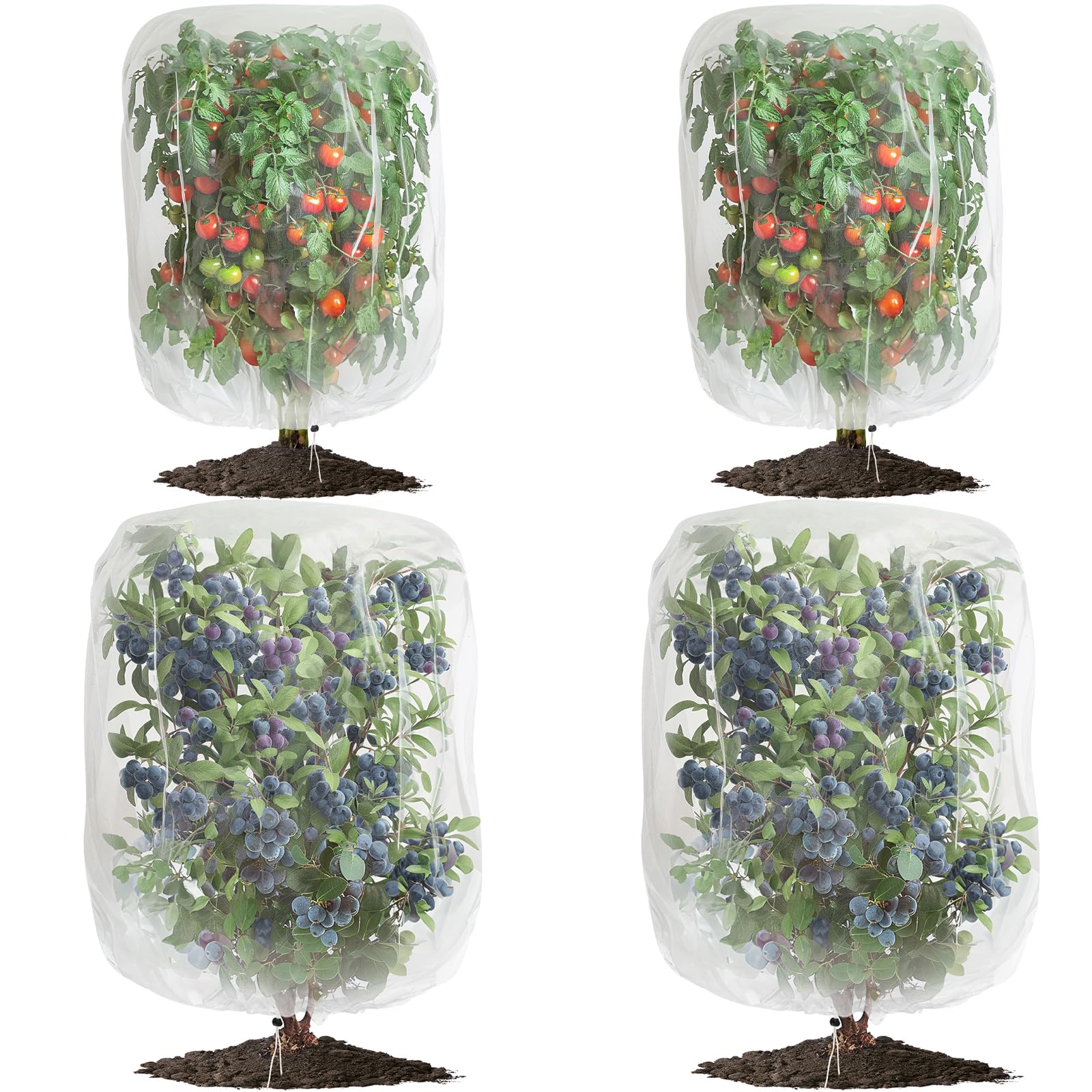
The GonLei 4-pack delivers two different bag sizes — two bags measuring 2.6 x 3.3 feet and two bags measuring 3.3 x 4.9 feet — which gives you flexibility to match netting size to plant growth stage. The nylon material is soft and elastic, making it gentle on tender strawberry fruit while still providing enough structural integrity to resist bird pecking. The drawstring at the bottom of each bag allows you to secure the netting around the plant stem or pot, preventing wind from lifting the cover and exposing your fruit.
Owners highlight the ultra-dense weave as effective against a broad range of threats including birds, cicadas, and squirrels. The clear color of the nylon mesh is nearly invisible from a distance, preserving the visual appeal of your strawberry patch. The bags fold compactly for off-season storage and are machine-washable, which is handy for removing pollen and garden debris between uses. The two-size format means you can use the smaller bags for young strawberry plants and graduate to the larger bags as runners spread.
The primary limitation is the drawstring cord itself, which some reviewers found to be thin and prone to slipping when fully cinched. Replacing the included cord with a thicker ribbon is a simple fix that dramatically improves long-term usability. Additionally, the nylon material can fray at cut edges if you decide to trim the bags for a custom fit, so it is best to use the bags as-is rather than modifying them. For the price of a single entry-level roll netting, this 4-pack offers superior convenience and targeted coverage for discrete planting areas.
What works
- Two different bag sizes accommodate plants at various growth stages.
- Soft nylon mesh protects fruit without causing abrasion or blemishes.
- Machine-washable material simplifies end-of-season cleaning.
What doesn’t
- Included drawstring cord is thin and may slip; replacement recommended.
- Nylon edges tend to fray if bags are cut or altered.
5. SnugNiture Garden Netting 10×33 FT

The SnugNiture Garden Netting uses an ultra-fine 0.1mm x 0.1mm mesh that functions as both a bird barrier and an insect exclusion screen. This is the right choice for strawberry growers who are dealing with a dual threat — birds eating the fruit and insects like aphids or cabbage worms damaging the leaves. The 10-foot by 33-foot roll provides 330 square feet of coverage, sufficient for several raised beds or a substantial ground strawberry patch.
The polyethylene material is waterproof and UV-stabilized, holding up well under full-sun conditions throughout a growing season. Owners report that the netting remains intact after seven or more months of continuous outdoor exposure. The mesh is very lightweight and almost transparent once installed, which means it does not cast heavy shade on the strawberry plants beneath. Water passes through without pooling, so you can irrigate normally without removing the cover.
The fine weave does snag more easily than larger-mesh alternatives. Dragging the netting across rough wooden bed edges or hardware cloth can pull individual strands. Using support hoops or PVC arches to lift the netting off the plants reduces snagging and prevents fruit from being pressed against the mesh. The material cuts cleanly with scissors but does not have finished edges, so lightweight fraying along cut lines is possible over time. For gardeners who value insect protection equally with bird deterrence, this dual-purpose netting saves the trouble of applying separate layers.
What works
- Ultra-fine 0.1mm mesh blocks both birds and tiny insects like aphids.
- Large 330-square-foot roll covers multiple beds in a single purchase.
- Lightweight and nearly invisible design preserves garden aesthetics.
What doesn’t
- Fine mesh snags easily on rough surfaces like wood or metal edges.
- Flat sheet design requires separate anchoring; no integrated closure system.
6. Garnnet Pest Barrier Netting 10×33 FT

The Garnnet pest barrier netting provides a 10-foot by 33-foot roll of fine-mesh protection that is specifically marketed for organic gardening applications. The mesh is woven from polyethylene with UV-resistant additives, and the oblong mesh shape allows excellent airflow while still blocking butterflies, birds, and the larval stages of many garden pests. For strawberry growers who want to avoid chemical pesticides, this netting serves as a physical barrier that insect larvae cannot penetrate.
One feature that sets this product apart is its open-weave construction that does not trap heat like floating row covers do. Strawberries can be sensitive to excessive heat during flowering, and the Garnnet netting maintains more moderate temperatures underneath compared to solid fabric covers. Owners report using it successfully through unpredictable mountain weather, noting that it provides shade from intense sun while allowing cool breezes to pass. The material is light enough to drape directly onto plants without crushing them.
The main drawback is edge fraying when cut. Multiple owners note that the netting shreds at cut edges and recommend sealing the cut lines with a quick pass from a flame or using fabric tape. Despite this, the material body itself is durable and does not tear under normal use. The white color reflects light well and makes it easy to see insects trapped between the netting and the plant. For organic gardeners seeking a physical pest barrier that minimizes heat buildup, this netting strikes an effective balance.
What works
- Oblong mesh design provides superior airflow compared to woven row covers.
- UV-resistant polyethylene withstands full-season sun exposure.
- Effective physical barrier for organic gardens without chemical intervention.
What doesn’t
- Cut edges fray significantly; requires sealing or finishing treatment.
- Fine mesh can distort if stretched too tightly over pointed supports.
7. Garden Tailor Insect Netting 2-Pack

The Garden Tailor Insect Netting comes as a 2-pack of 4-foot by 10-foot sheets, giving you 80 square feet of coverage in total. The 40-mesh count is fine enough to block cicadas, carrot flies, and aphids while still permitting adequate airflow for strawberry plants. The material is 100% new HDPE with UV stabilization, which is a surprisingly robust material specification for an entry-level product that costs less than most single-roll alternatives.
Owners report using this netting successfully for multiple purposes — covering raised beds, wrapping PVC dome frames, and protecting tomato plants from wild turkeys. The silver color is distinctive and reflects some sunlight, potentially reducing heat stress on the plants beneath. The netting is easy to cut with standard scissors and does not unravel at the edges, which is a significant advantage over cheaper polyethylene sheets that shed plastic fibers when cut. The HDPE material is rigid enough to hold its shape when draped over a hoop frame but flexible enough to wrap around individual plants.
The 4-foot width is the main limitation for strawberry growers. Standard raised beds are often 4 feet wide, but if your beds are wider you will need to overlap two pieces. The netting is thin and lightweight, which means strong winds can lift it if the edges are not weighted down with soil or staples. For the price of a single specialty netting, this 2-pack offers solid HDPE construction and proven pest protection that makes it an excellent starting point for new gardeners.
What works
- HDPE material provides UV resistance and edge integrity without fraying.
- Two-pack format covers two beds or one large bed with overlap.
- 40-mesh density blocks insects while allowing good airflow and water penetration.
What doesn’t
- 4-foot width may be too narrow for wider raised garden beds.
- Lightweight construction requires secure anchoring to prevent wind lift.
Hardware & Specs Guide
Mesh Count and Aperture
Mesh count refers to the number of openings per linear inch. A 40-mesh netting has 40 openings per inch, corresponding to an aperture of roughly 0.4 mm. For bird-only protection, a 5/8-inch mesh (about 16 mm) is sufficient and allows pollinator access. For dual bird and insect protection, look for 40-mesh or finer (0.1 mm to 0.4 mm openings). Higher mesh counts reduce airflow, so monitor temperature and humidity under fine netting during hot weather.
Material Weight and Denier
Netting weight is expressed in grams per square yard or in denier for woven fabrics. Heavier materials in the 60D to 200D range resist tearing and bird pecking better but can crush delicate strawberry plants if laid directly on them. Lighter materials in the 30 g/m² range are gentler on plants but require support frames to stay elevated. The ideal strawberry netting balances sufficient tear strength against a weight that does not compress the low-growing fruit.
FAQ
Will bird netting trap bees and prevent strawberry pollination?
Can I leave bird netting on strawberry plants all season?
How do I keep bird netting from tangling during storage?
Final Thoughts: The Verdict
For most gardeners, the bird netting for strawberry plants winner is the Evoio Bird Netting Bag because it combines a 60-mesh count with a metal zipper and drawstring closure into a single package that blocks birds, insects, and ground pests without requiring additional anchoring. If you want heavy-duty coverage for a large strawberry patch, grab the RIFNY Bird Netting 13×40 FT for its non-tangling HDPE material that withstands extreme weather. And for gardeners managing multiple container-grown strawberry plants, nothing beats the SATXTREM Drawstring Netting 4-Pack for its flexible multi-bag design and reinforced polyester construction.