
That mushroom ring in your lawn or the fuzzy mold taking over your prized roses isn’t just ugly—it’s a sign of deeper trouble. A targeted mushroom killer spray stops fungal networks before they rot roots and kill patches of turf, but picking the wrong one means wasted money and a sicker yard.
I’m Rikta — the co-founder and writer behind Lawn Gear Lab. I’ve spent weeks cross-referencing product labels, matching active ingredients to real-world fungal threats, and analyzing hundreds of owner reports to find the sprays that actually deliver on their promises for this buying guide.
Whether you need a systemic solution for stubborn lawn toadstools or a gentle biofungicide for edible crops, this guide ranks the top performers by formula, coverage scope, and speed of action to help you pick the absolute best mushroom killer spray for your specific situation.
How To Choose The Best Mushroom Killer Spray
Mushroom sprays fall into two broad camps: contact fungicides that kill surface growth and systemic formulas that get absorbed into the plant or grass to stop fungus from the inside. The choice depends on whether you’re treating edible crops, ornamental beds, or a high-traffic lawn.
Active Ingredient Depth
Propiconazole (found in Atticus Gunner) is a premium systemic that travels through the plant’s vascular system and lasts up to 28 days. Chlorothalonil (Bonide Fung-onil) is a broad-spectrum contact option effective on blight and leaf spot but leaves a visible white residue. For organic gardens, potassium salts of fatty acids (Safer Brand) or Bacillus amyloliquefaciens (Southern Ag Biological) offer control without synthetic chemicals.
Rainfastness & Coverage Window
Mushroom outbreaks often follow wet weather. A spray that washes off after the first rain is useless. Look for labels that specify rainfastness within 1–2 hours—Atticus Gunner’s MEC formulation resists wash-off once dry, while some contact sprays require a 24-hour dry period. Also check reapplication intervals: 7–14 days for most synthetics, 5–7 days for biofungicides.
Lawn vs Garden Bed Formulation
Lawn mushrooms (toadstools, puffballs) need a spray that penetrates thatch and reaches soil-borne mycelium—systemics like Fertilome Liquid Systemic Fungicide excel here. Garden beds with edible crops require OMRI-listed options (Safer Brand or Bonide Revitalize) that are safe to use up to harvest day. Ornamentals and non-edible areas can tolerate stronger synthetics.
Quick Comparison
On smaller screens, swipe sideways to see the full table.
| Model | Category | Best For | Key Spec | Amazon |
|---|---|---|---|---|
| #6 Atticus Gunner 14.3 MEC | Systemic | Large lawns & persistent fungi | 14.3% propiconazole, 28-day control | Amazon |
| #5 Fertilome Liquid Systemic II | Systemic | Take-all patch & lawn diseases | 32oz ready-to-use, systemic uptake | Amazon |
| #7 Fertilome Triple Action | 3-in-1 | Fruit trees & edibles | Neem oil based, insect + fungus | Amazon |
| #4 Bonide Fung-onil | Contact | Blast & leaf spot on ornamentals | Chlorothalonil, broad-spectrum | Amazon |
| #3 Southern Ag Biological | Biofungicide | Hydroponics & organic gardens | Bacillus amyloliquefaciens | Amazon |
| #2 Bonide Revitalize Biofungicide | Biofungicide | Septoria leaf spot on tomatoes | Triggers immune response in plants | Amazon |
| #1 Safer Brand 5452 3-in-1 | Organic | Small gardens & container plants | Potassium salts + sulfur formula | Amazon |
In‑Depth Reviews
1. Atticus Gunner 14.3 MEC Propiconazole Fungicide (32 OZ)
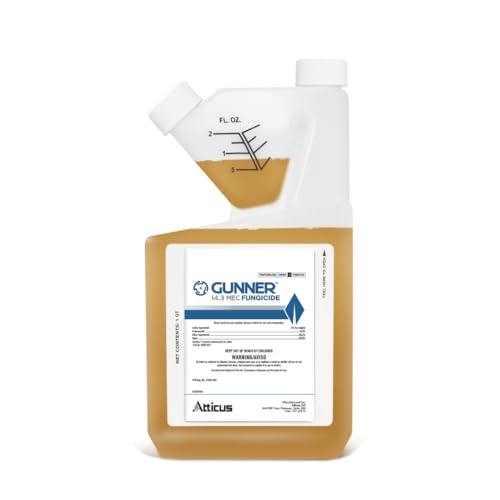
The Atticus Gunner uses 14.3% propiconazole—the same active ingredient behind Banner Maxx, the go-to for golf course superintendents. That means it penetrates the leaf tissue systemically and protects the entire plant for up to 28 days. The microemulsion concentrate (MEC) formulation keeps particles suspended so you don’t have to re-agitate mid-spray, and once dry it resists wash-off from rain or irrigation.
Owners report excellent results on powdery mildew, brown patch, and dollar spot. One reviewer ordered a second bottle after seeing results on a 12,000 sq. ft. lawn. The low-odor mix is a practical upgrade over sulfur-based sprays that smell like rotten eggs during application. Just be aware that it’s not registered in Alaska, Hawaii, DC, Puerto Rico, or Vermont.
For large lawns or persistent fungal infections that keep returning after contact sprays, this systemic offers the longest residual protection in this list. The 32-ounce bottle treats roughly 12,000 square feet when mixed at standard rates, making it one of the most cost-effective premium options despite the higher upfront price.
What works
- Systemic absorption provides full-plant protection for a full month
- Rainfast once dry—no reapplication after every storm
- Low odor compared to sulfur-based fungicides
What doesn’t
- Not available for sale in several states
- Print on the label is very small, making mixing ratios hard to read
2. Fertilome (11380) Liquid Systemic Fungicide II RTS (32oz)

Fertilome’s Liquid Systemic Fungicide II is a mid-range workhorse designed specifically for lawn diseases like Take All Patch, Brown Patch, and Dollar Spot. It comes ready-to-use in a 32-ounce spray bottle—no mixing, no measuring, just attach the hose-end sprayer and walk your lawn. The systemic formula is absorbed through roots and foliage, working from the inside out.
User reviews highlight its effectiveness on fire blight in Crimson Maples and yellowing leaves on Live Oaks after just one treatment. For lawns, a spring application as a preventive measure stops problems before they start. A few owners noted the bottle is optimised for hose-end sprayers, so hand-spraying small beds can overspray more than desired.
The price per ounce is higher than concentrates, but the convenience of a ready-to-spray setup makes this ideal for homeowners who want a no-fuss solution for turf. Early-season application is key—use it after the first mow of the year and again 14 days later for season-long prevention.
What works
- Zero mixing—attach hose and spray directly
- Systemic action targets root-zone fungi effectively
- Proven results on serious lawn diseases like Take All Patch
What doesn’t
- Bottle design assumes hose-end use only—awkward for small areas
- Less economical per treatment than concentrate alternatives
3. Fertilome (12246) Triple Action (32 oz)
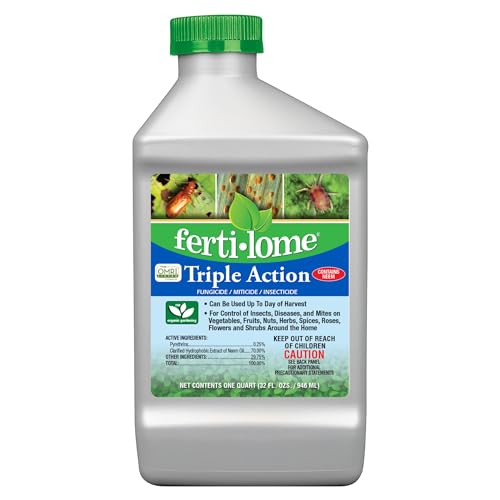
Fertilome Triple Action is a neem-oil-based concentrate that tackles insects, mites, and fungus in a single application. This 3-in-1 approach makes it a favorite among fruit tree growers and vegetable gardeners who want broad-spectrum protection without juggling multiple bottles. The neem oil works as a contact fungicide against powdery mildew, rust, and leaf spot while also smothering aphids and spider mites.
Long-time users report years of reliable performance on apple trees and vegetable patches. One reviewer noted that while it doesn’t work instantly, consistent reapplication every 7–14 days yields excellent results. The neem oil formula is considered organic and pollinator-safe when applied in the evening after bees have returned to the hive—but daytime spraying can harm beneficial insects.
The premium price tag reflects the multi-function capability, but for gardeners growing edibles who want one spray for fungus and bugs, this simplifies the routine significantly. Just shake well before mixing because the oil separates quickly in the bottle.
What works
- Replaces three separate products with one bottle
- Neem oil is OMRI-listed and organic-compliant
- Safe for fruit trees and vegetables up to harvest
What doesn’t
- Requires careful timing to avoid harming pollinators
- Price per ounce is high for heavy users
4. Bonide Fung-onil Multi-Purpose Fungicide, 16 oz Concentrate

Bonide Fung-onil relies on chlorothalonil, one of the most trusted broad-spectrum contact fungicides for ornamentals, fruit trees, and vegetable gardens. It controls leaf spot, rust, blight, mildew, scab, and more. The concentrate mixes easily with water and a milky, soapy texture that clings to foliage for better coverage and longer surface contact.
Owner feedback confirms it saved tomato plants from black spot fungus and cleared boxwood blight after just two treatments. A common observation is a white residue left on leaves and fruit—this is the chlorothalonil film doing its job and washes off easily with water, with no flavor impact on produce. The instructions could be clearer about mixing ratios for refill bottles, but that’s a minor complaint against a proven fungicide.
Because it’s a contact fungicide rather than systemic, thorough coverage of both leaf surfaces is essential. Apply every 7–10 days during wet weather and after rain. This is one of the most dependable picks for heavy-duty fungal outbreaks on non-edible ornamentals and high-value fruit trees.
What works
- Extremely broad label covering dozens of fungal diseases
- Milky texture clings to leaves for thorough coverage
- Residue washes off produce without affecting taste
What doesn’t
- White residue can be visually unappealing on ornamentals
- Contact-only—missed spots remain vulnerable
5. Southern Ag Garden Friendly Biological Fungicide, 16oz

Southern Ag’s Biological Fungicide uses a living bacterium—Bacillus amyloliquefaciens—that colonizes root systems and leaf surfaces, outcompeting fungal pathogens and triggering the plant’s natural immune defenses. It’s the same active ingredient found in Hydroguard but at a much higher concentration, meaning you use less product for the same effect. This is a premium biofungicide at a mid-range price point.
Growers report dramatic results: water propagations that stopped rotting, tomato plants with zero fungal issues after a soil drench and foliar spray, and effective control of leaf miners and spider mites through the bacteria’s byproducts. The product also acts as a biofertilizer—users noted darker, healthier leaf color after application. The only mechanical annoyance is the bottle opening, which causes liquid to dribble while measuring.
For hydroponic setups, organic vegetable gardens, or anyone wanting to avoid synthetic chemicals entirely, this is the most potent biological option available. Use it as a soil drench at transplant time and reapply every 7–14 days for continuous protection.
What works
- Dual action as fungicide and root-zone biofertilizer
- Far more concentrated than retail hydro products like Hydroguard
- Safe for edible crops and hydroponic systems
What doesn’t
- Bottle opening design makes measuring messy
- Requires multiple applications for full control
6. Bonide Revitalize Biofungicide, 16 oz Concentrate

Bonide Revitalize is a Bacillus subtilis-based biofungicide that works by triggering the plant’s own immune response systemically, not just coating the leaf surface. It’s approved for organic gardening and can be sprayed right up to the day of harvest—a critical advantage for vegetable growers. The concentrate treats a wide range of diseases including blight, anthracnose, powdery mildew, and black spot.
User reviews highlight its effectiveness on septoria leaf spot in tomatoes, with one skeptical gardener admitting it turned around their tomato patch when they thought nothing would work. The downside is the smell—the bacterial culture has a distinctly strong odor when mixed, though it dissipates after application. A few houseplant owners consider it the single best option for treating stubborn fungal issues indoors.
For organic vegetable gardens where synthetic fungicides are off the table, this biofungicide delivers results that rival chemical alternatives. Mix with water per label directions and apply as a foliar spray or soil drench. Apply preventively before disease appears for best results.
What works
- Safe to use up to harvest day—no pre-harvest interval
- Triggers plant immune system for whole-plant protection
- Effective against tough diseases like septoria leaf spot
What doesn’t
- Bacterial culture has a strong, unpleasant smell
- Requires consistent reapplication for best results
7. Safer Brand 5452 3-in-1 32-Ounce Ready-to-Use Garden Spray

Safer Brand 3-in-1 is a budget-friendly, OMRI-listed spray that uses potassium salts of fatty acids and sulfur to control both insects and fungal diseases. It’s ready-to-use straight from the bottle, making it the most accessible option for small-space gardeners and container plant owners. The formula targets powdery mildew, black spot, rust, and a long list of sap-sucking insects.
User feedback is overwhelmingly positive about the formula itself—it stops infestations without burning leaves and works on cucumbers, roses, and houseplants alike. The dominant complaint is the spray nozzle, which multiple reviewers say fails after one or two uses, leaving a near-full bottle unusable. The workaround is to transfer the liquid to a quality trigger sprayer, but that’s an extra step that shouldn’t be necessary.
For the gardener with a few pots on the balcony or a small raised bed who wants a single organic spray that handles both bugs and fungus, this is the lowest-friction entry point. Just plan to decant into a better sprayer before the first use.
What works
- Ready-to-use with zero mixing or measuring
- Organic formula safe for use up to day before harvest
- Effective on both soft-bodied insects and common fungi
What doesn’t
- Spray nozzle consistently fails after 1–2 uses
- As a contact spray, must hit all affected areas directly
Hardware & Specs Guide
Active Ingredient Type
Synthetic systemic fungicides (propiconazole) enter the plant’s vascular system for long-lasting internal protection. Contact fungicides (chlorothalonil) stay on leaf surfaces and require thorough coverage. Biofungicides (Bacillus amyloliquefaciens, Bacillus subtilis) work as biological competitors that colonize roots and leaves to block fungal pathogens. Each type has a different mode of action and application frequency.
Formulation Form
Concentrates (mixes with water) offer the lowest cost per gallon but require a separate sprayer and careful measuring. Ready-to-use (RTU) bottles include a built-in sprayer for immediate application, ideal for small gardens. Hose-end sprayers attach to your garden hose and automatically dilute the concentrate as you walk—best for large lawns. Choose based on the area you need to cover and your comfort with mixing.
FAQ
Should I use a contact or systemic mushroom killer spray for lawn toadstools?
Can I use a biofungicide the same day I harvest vegetables?
How often should I reapply mushroom killer spray during rainy weather?
Final Thoughts: The Verdict
For most gardeners, the best mushroom killer spray winner is the Atticus Gunner 14.3 MEC because its systemic propiconazole formula provides 28 days of rainfast protection across the widest range of lawn and ornamental fungi. If you want a ready-to-spray option for turf with no mixing hassle, grab the Fertilome Liquid Systemic Fungicide II. And for organic vegetable gardens where harvest safety is paramount, nothing beats the Southern Ag Biological Fungicide.