
Weevils are stealthy invaders that turn lush lawns into patchy messes and bore into stored grains before you even notice. Standard sprays often fail because these pests have armored shells and feed deep inside plant tissue, requiring a targeted chemical approach to break their life cycle. Choosing the wrong insecticide wastes time, money, and leaves the infestation to spread.
I’m Rikta — the co-founder and writer behind Lawn Gear Lab. I’ve spent dozens of hours cross-referencing active ingredient efficacy data, deciphering EPA labels, and analyzing hundreds of verified owner reports to pinpoint which formulations actually suppress weevil populations in turf, ornamentals, and garden beds.
Whether you’re fighting billbug larvae in your fescue lawn or rice weevils in your pantry, the right chemistry makes the difference. This guide breaks down the most effective concentrates to help you choose the best insecticide for weevils and reclaim your space.
How To Choose The Best Insecticide For Weevils
Weevils are not like soft-bodied aphids. Their hard exoskeleton and hidden feeding habits demand a specific chemical strategy. Focus on three factors to narrow your selection.
Active Ingredient Chemistry
Pyrethroids — bifenthrin, deltamethrin, permethrin — are the gold standard for weevil control. They attack the nervous system rapidly and leave a long residual barrier on leaves and soil. Spinosad, an OMRI-listed bio-insecticide, works well on chewing insects like weevil larvae but breaks down faster in sunlight. Malathion is a cheaper organophosphate with strong knockdown but lower residual duration, requiring more frequent reapplication.
Application Method and Coverage
Liquid concentrates offer the most flexibility. For lawn billbugs, you need a broadcast spray that penetches thatch and reaches the root zone. For ornamental shrubs and garden vegetables, a foliar spray with thorough canopy coverage is essential. Ready-to-spray hoses are convenient for large areas, while tank-mix concentrates give you precise control over dosage per gallon.
Residual Activity Duration
Weevils emerge in overlapping generations. A short-residual product forces you to spray every week, which is impractical and increases chemical exposure. Look for labels promising 30 days of outdoor control or up to 90 days indoors — this ensures you hit both adult weevils and the next wave of hatching larvae without reapplication.
Quick Comparison
On smaller screens, swipe sideways to see the full table.
| Model | Category | Best For | Key Spec | Amazon |
|---|---|---|---|---|
| Agrisel Zone Plus | Premium | Indoor/outdoor all-pest barrier | Bifenthrin 7.9% concentrate | Amazon |
| Atticus Adjourn SC | Premium | Long-residual interior pest control | Deltamethrin 4.75% | Amazon |
| Bifenthrin Plus-C | Premium | Structural perimeter & lawn grubs | Bifenthrin + synergist blend | Amazon |
| Fertilome Spinosad | Mid-Range | Organic vegetable gardens & orchards | Spinosad 0.5% concentrate | Amazon |
| Martin’s Permethrin | Mid-Range | Perimeter & livestock area control | Permethrin 13.3% concentrate | Amazon |
| Hi-Yield Malathion | Budget | Quick knockdown on ornamentals | Malathion 55% concentrate | Amazon |
| Hi-Yield Broad Use | Budget | Large area lawn & garden spray | Multiple pyrethroid blend | Amazon |
In‑Depth Reviews
1. Agrisel Zone Plus Insect & Pest Control
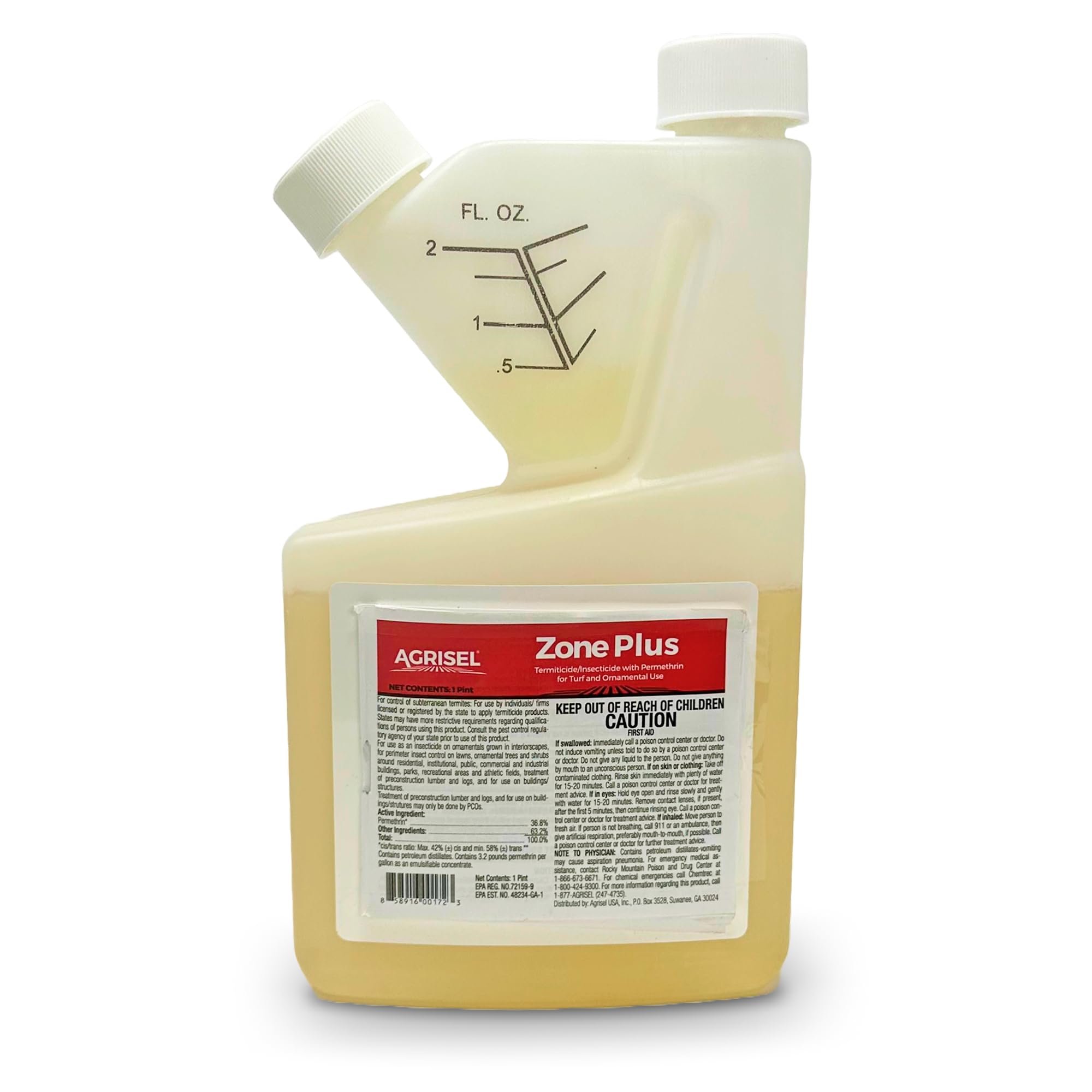
The Agrisel Zone Plus concentrate delivers a powerful 7.9% bifenthrin formulation that creates a durable barrier against weevils, both inside the home and across the lawn. Bifenthrin is one of the most reliable pyrethroids for penetrating the waxy cuticle of adult weevils and killing larvae on contact in the soil. Owners consistently report a dramatic reduction in flying and crawling insect pressure lasting the entire summer after a single perimeter treatment.
This solution truly shines when applied as a perimeter spray around foundations, barns, and garden edges. The bifenthrin molecule binds tightly to soil and organic matter, providing weeks of residual protection rather than washing away after one rain. Multiple users noted that spotted lanternfly populations collapsed within three weeks and mosquitoes and flies vanished from treated yards, indicating its broad-spectrum weevil suppression capability.
The eco-friendly claim is relative — all pyrethroids require careful handling around aquatic environments and beneficial insects. However, users reported no visible plant damage on ornamentals, lawns, or vegetables when mixed at label rates. The 16-ounce bottle yields enough concentrate to treat an average suburban property multiple times, making it a volume-efficient choice for ongoing weevil management.
What works
- High bifenthrin concentration provides extended residual control on foliage and soil.
- Versatile enough for perimeter, lawn, and garden applications without phytotoxicity.
- Users report near-total elimination of mosquitoes, wasps, and flies for an entire season.
What doesn’t
- Leaves a smoky, milky glaze on glass surfaces if overspray hits windows or cars.
- Slight chemical odor persists for about a day after application.
2. Atticus Adjourn SC Insecticide Concentrate
Atticus Adjourn SC leverages deltamethrin at 4.75%, the same active ingredient used by professional exterminators for structural pest control. Deltamethrin is particularly effective against stored product weevils and pantry pests because it leaves a non-repellent, odorless deposit that weevils cannot detect, causing them to walk through the treated zone and die hours later. Owners praise it for eradicating chiggers and ticks from large lawns with a single application.
The standout feature here is the label approval for direct application to mattresses, upholstery, and carpets — something few concentrates offer. For homes dealing with weevils invading from dry goods or pantry spills, this allows treatment of storage areas and baseboards without staining fabrics or leaving a lingering smell. The water-based formula dries clear and mixes easily in a pump sprayer, though several users noted the pump sprayer is tiring for half-acre treatments.
Residual protection ranges up to 90 days indoors and 30 days outdoors, giving you a full month of weevil suppression around the home’s perimeter. The biggest limitation is geographic — it cannot be shipped to Alaska, Hawaii, New York, or Vermont due to state-level pesticide regulations. For those in eligible regions who want a professional-grade interior treatment solution, this is the top choice.
What works
- Can be safely applied to mattresses, upholstery, and carpets for interior infestations.
- Odorless and non-staining — no lingering chemical smell after drying.
- Provides up to 90 days of indoor residual protection against weevils and other pests.
What doesn’t
- Not registered for sale or use in Alaska, Hawaii, New York, or Vermont.
- Pump sprayer application on large lawns is physically exhausting without a backpack unit.
3. Bifenthrin Plus-C Insecticide
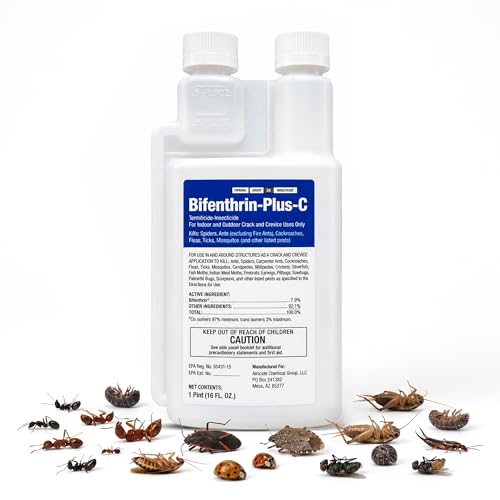
Bifenthrin Plus-C pairs bifenthrin with a synergist (commonly PBO or a related compound) to inhibit the enzymes weevils use to detoxify insecticides. This combination dramatically boosts knockdown speed, making it one of the fastest-acting options for active adult weevil populations in lawns and along building perimeters. Users in high-humidity states like South Carolina report zero insect sightings inside the home after a single application every two months.
The formulation excels as a perimeter barrier treatment. When applied around the foundation, doors, and window frames, the synergized bifenthrin creates a lethal zone that intercepts weevils migrating from the lawn into the structure. Owners note that even crawling insects like roaches and spiders stop appearing entirely, which implies the barrier is equally effective against weevils that travel along the same pathways.
While labeled as pet and family-safe once dry, the product is a potent concentrate requiring precise mixing. Several users emphasized reading the label carefully to avoid over-application, which can leave visible residue on light-colored siding. Overall, it delivers a professional-grade knockdown that rival pest control services use, at a fraction of the cost of a quarterly service contract.
What works
- Synergist formula delivers faster knockdown on tough weevil exoskeletons.
- Creates an effective perimeter barrier that stops weevils migrating indoors.
- Low-odor and safe for use in kitchens, living areas, and gardens after drying.
What doesn’t
- Requires careful mixing — over-concentration can leave residue on siding and windows.
- No hose-end sprayer compatibility; best applied with a tank or backpack sprayer.
4. Fertilome Spinosad Insecticide Concentrate

Fertilome Spinosad is the only OMRI-listed option in this lineup, making it the go-to choice for certified organic vegetable gardens and fruit orchards where weevil larvae are a problem. Spinosad is derived from a naturally occurring soil bacterium and works by overstimulating the insect nervous system, causing paralysis and death within one to two days. It is particularly effective against chewing insects like weevil grubs, bagworms, and caterpillars.
Orchard owners specifically praise this formulation for suppressing codling moth and apple weevil populations without harming beneficial pollinators once the spray dries. The concentrate mixes at 4 tablespoons per gallon of water, a simple ratio that works well in battery-powered sprayers for covering trees and shrubs. Users rotating between Spinosad and neem oil report sustained pest pressure reduction over multiple growing seasons.
Spinosad breaks down faster in direct sunlight compared to synthetic pyrethroids, so it requires more frequent reapplication — typically every 7 to 14 days during peak weevil emergence. It also has limited effect on adult weevils that feed deep inside rolled leaves or grain. For this reason, it works best as part of an integrated pest management plan rather than a standalone silver bullet for heavy infestations.
What works
- OMRI listed for organic gardening — suitable for certified organic produce.
- Highly effective against weevil larvae, caterpillars, and other chewing insects.
- Low toxicity to beneficial insects once the spray residue has dried.
What doesn’t
- Requires reapplication every 7-14 days due to UV breakdown in sunlight.
- Less effective on adult weevils that feed inside protected rolled foliage or grain.
5. Martin’s Permethrin 13.3% Concentrate
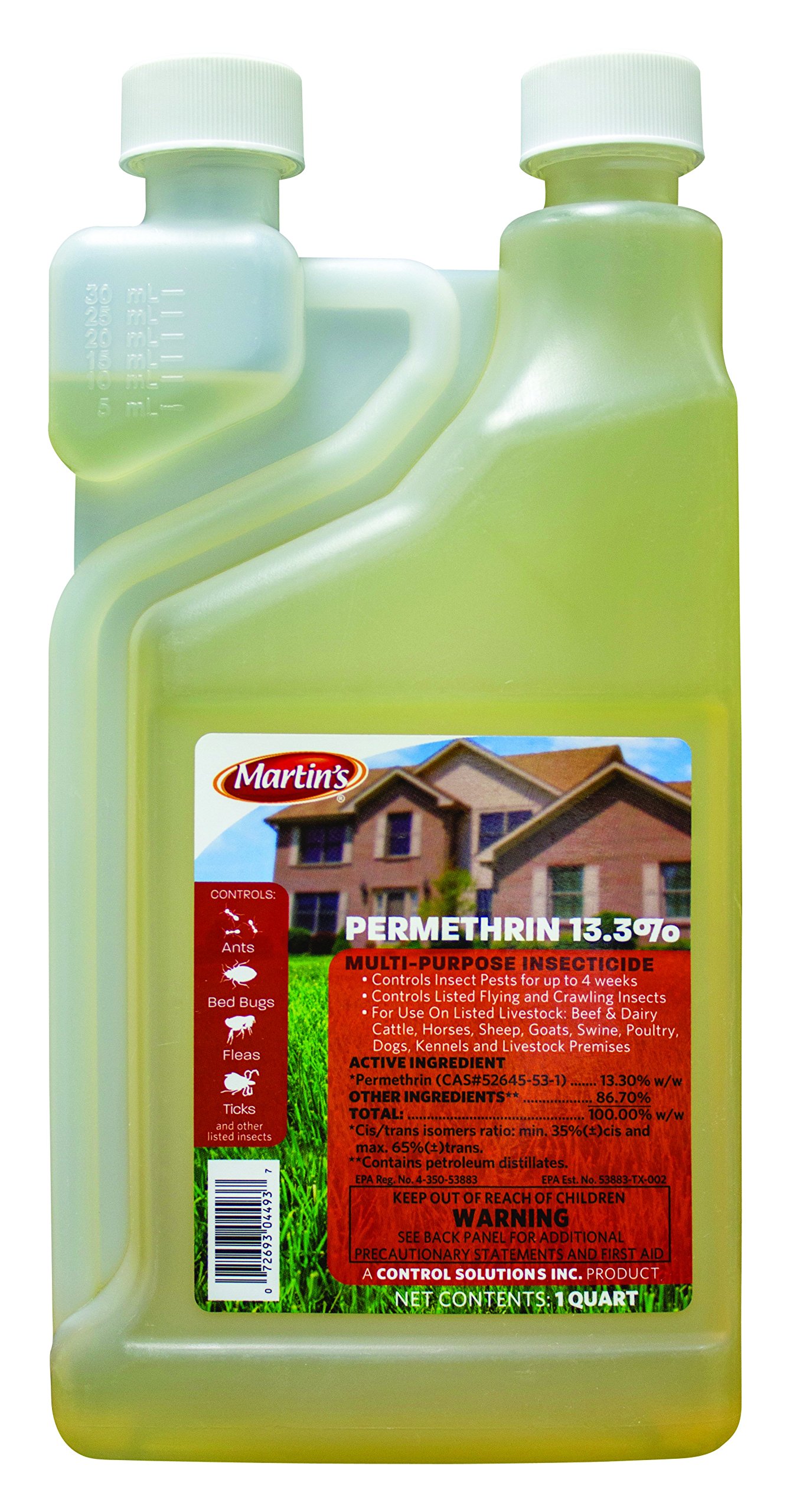
Martin’s Permethrin is a staple for perimeter and livestock area pest control, offering 13.3% permethrin concentration — one of the highest available to homeowners. Permethrin shares the same mode of action as bifenthrin but has a slightly shorter residual duration, typically holding efficacy for four weeks outdoors. It’s a favorite among chicken coop owners and livestock keepers for controlling flies, mites, and weevils in bedding areas.
The versatility of this product is notable: owners use it to create DIY tick tubes, spray for perimeter mosquito suppression, and treat dog kennels. At a mixing rate of 1.5 ounces per gallon, the 32-ounce bottle produces over 20 gallons of ready-to-use solution, making it one of the most economical options for large properties. Users confirm that a single perimeter application keeps ticks and weevils at bay for 4 to 6 weeks.
The strongest complaint against this product is its powerful odor, which several buyers describe as smelling like paint thinner or heavy chemicals. This makes it unsuitable for indoor use in living spaces, especially if you plan to stay home during application. The odor does dissipate after the spray dries, but sensitive individuals may want to apply it at dusk and avoid the area overnight.
What works
- High permethrin concentration (13.3%) provides excellent value per treated square foot.
- Effective for 4-6 weeks on ticks, weevils, and flies around yards and coops.
- Easy to mix with water for use in tank sprayers and hose-end applicators.
What doesn’t
- Strong paint-thinner odor during application and while drying.
- Not recommended for indoor use due to the heavy chemical smell.
6. Hi-Yield 55% Malathion Spray
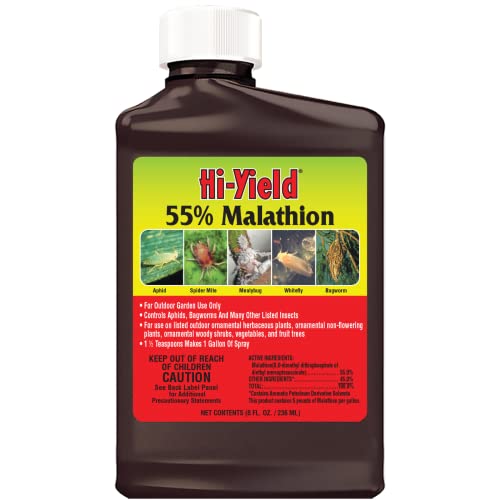
Hi-Yield Malathion is a budget-friendly organophosphate that delivers aggressive knockdown on a wide range of insects, including weevils, spider mites, and aphids. With 55% malathion concentration, this small 8-ounce bottle packs enough active ingredient to make multiple gallons of spray. Users frequently turn to it as a last resort when gentler products fail to control stubborn infestations.
The strength of this product is also its limitation. Multiple owners note that malathion is a suspected carcinogen and requires full protective gear — gloves, goggles, long sleeves, and a respirator — during handling. It is best suited for outdoor use on non-flowering ornamentals, fruit trees, and foundation perimeters where you can avoid drift onto vegetable beds or water features.
When applied correctly, it works as a “miracle cure” for mosquito and scale insect problems, with effects lasting through the summer. However, its poor residual stability means you must reapply after heavy rain. For occasional weevil flare-ups on hardy shrubs or around the house foundation, this is a cost-effective sledgehammer, but it should not be your primary rotation product.
What works
- Extremely high active ingredient concentration for aggressive knockdown on tough pests.
- Effective against spider mites, scale, and weevils where other approaches have failed.
- Small bottle produces large volume of mixed spray at a low entry cost.
What doesn’t
- Requires full protective gear — classified as a suspected carcinogen.
- Short residual; must be reapplied after heavy rain or within a few weeks.
7. Hi-Yield Indoor/Outdoor Broad Use Insecticide
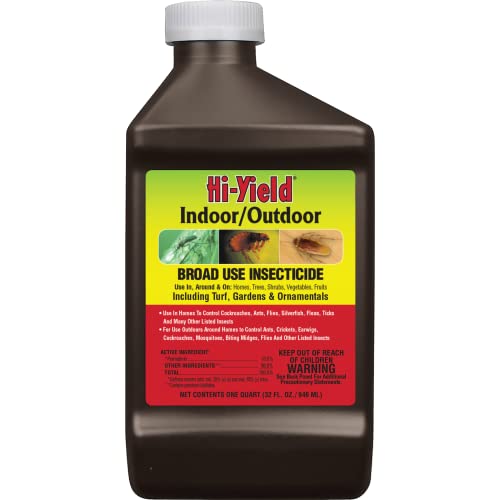
Hi-Yield’s Broad Use Insecticide is a multi-pyrethroid blend designed for homeowners who need a single product to tackle ticks, mosquitoes, termites, and weevils both indoors and outdoors. The 32-ounce bottle treats up to 1,000 square feet per half-ounce of concentrate, giving it excellent coverage value for the price tier. Users describe it as a “holy grail” for eliminating cockroaches and spiders after a single application.
The product mixes readily with water in a standard tank sprayer or power sprayer, and it is labeled for use on lawns, trees, garden vegetables, and even interior baseboards. Owners in humid southern states report that it keeps flying cockroaches on their backs within hours of spraying. The strong smell, however, is a recurring theme — buyers suggest applying it when you plan to be out of the house for several hours to avoid the chemical odor.
As a broad-use insecticide, its weevil-specific efficacy is slightly diluted compared to a focused bifenthrin or deltamethrin product. The active ingredient mix is effective but not as long-lasting as the premium pyrethroid options. For a homeowner on a tight budget who wants general pest suppression and can tolerate the smell, this is a practical all-around solution.
What works
- Large 32-ounce bottle provides extensive coverage at a very accessible price point.
- Works indoors and outdoors on a broad range of pests including weevils and roaches.
- Readily mixes with water for use in tank sprayers or battery-powered applicators.
What doesn’t
- Strong chemical odor lingers during and after application.
- Shorter residual than premium bifenthrin-based products; requires more frequent spraying.
Hardware & Specs Guide
Pyrethroid Chemistry
Bifenthrin and deltamethrin are the most effective pyrethroids against weevils because they resist photodegradation and bind to soil particles for extended residual activity. Look for at least 4.75% deltamethrin or 7.9% bifenthrin in the concentrate for professional-grade results. Permethrin at 13.3% offers a cheaper alternative with slightly shorter outdoor longevity.
Residual Duration
The label’s residual claim is the most important number after the active ingredient. Weevils require a minimum of 30 days of outdoor residual to break the egg-to-adult cycle. Indoor residual of 60-90 days is ideal for pantry and baseboard infestations. Spinosad products typically provide 7-14 days and require stacking with other methods for heavy weevil pressure.
Application Volume
Liquid concentrates are measured in ounces per gallon. A typical lawn broadcast treatment uses 1 to 2 gallons of mixed spray per 1,000 square feet. The 16-ounce bottles (Atticus, Bifenthrin Plus-C) are suitable for smaller suburban lots, while 32-ounce bottles (Martin’s, Hi-Yield Broad Use) are better for acreage or multi-season storage.
OMRI Status
Only Fertilome Spinosad carries the OMRI listing, making it the sole choice for certified organic operations. If you are not organic, the synthetic pyrethroids offer superior persistence and cost efficiency. Organic growers should note that Spinosad degrades in UV light within 7 days and may not suffice for deep-rooted weevil infestations without frequent reapplication.
FAQ
Will bifenthrin kill weevil larvae in the soil?
How do I treat a pantry weevil infestation indoors?
Can I use Spinosad on vegetable plants with active weevil damage?
How often should I reapply insecticide for weevils on my lawn?
Final Thoughts: The Verdict
For most gardeners, the insecticide for weevils winner is the Agrisel Zone Plus because its high-concentration bifenthrin formulation delivers the perfect balance of long residual activity, broad application flexibility, and visible results on both adult weevils and soil-dwelling larvae. If you need an odorless solution for interior pantry and baseboard treatments, grab the Atticus Adjourn SC. And for certified organic vegetable plots where chemical residues are unacceptable, nothing beats the Fertilome Spinosad as part of a regular rotation.