
Potted plants die faster from soggy roots than from neglect, and the wrong top dressing turns a container into a swamp. A proper layer of organic material regulates moisture, keeps soil from splashing onto leaves, and blocks fungus gnats from laying eggs in damp peat. But not every bag of bark works the same way indoors — particle size, drainage profile, and sterilization matter far more than bag appeal.
I’m Rikta — the co-founder and writer behind Lawn Gear Lab. I spend my days comparing horticultural specifications, studying how different organic substrates affect aeration and water retention in confined root zones, and analyzing thousands of verified owner reports to separate the products that perform from those that just look pretty on a shelf.
Whether you are top-dressing succulents or repotting tropical houseplants, this guide breaks down the best options that actually deliver measurable results. Read on for the definitive analysis of the current market for mulch for potted plants.
How To Choose The Best Mulch For Potted Plants
Container environments are fundamentally different from garden beds. A confined pot has limited drainage paths, and a thick layer of the wrong material can trap moisture against the crown and cause root rot. Focus on particle structure, sterilization status, and the specific needs of your plant species rather than just aesthetics.
Particle Size and Airflow
Pieces measuring between 0.25 and 1.5 inches create the ideal balance of air pockets and moisture retention. Fines (less than 0.25 inches) compact quickly and reduce oxygen exchange at the soil surface. Overly large chunks (above 2 inches) let water channel straight down without hydrating the root ball. Match particle size to pot diameter — small pots need finer bark to avoid large gaps that roots cannot cross.
Sterilization and Pest Prevention
Unsterilized bark can harbor fungus spores, mold, or even hidden insect eggs that emerge once the bag is opened indoors. Pre-sterilized products eliminate this risk and provide a clean growing medium from the first scoop. If you see a bag labeled as heat-treated or kiln-dried, it is almost always safer for indoor containers than raw forest products.
Nutrient Interaction and pH
Some organic mulches release small amounts of nitrogen or alter soil pH as they decompose. Pine bark is naturally acidic and works well for acid-loving plants like orchids and blueberries. Cocoa shells carry an NPK value around 2.5-1-3 and add gentle fertility without burning roots. Always verify that the mulch’s pH profile aligns with your plant’s tolerance range.
Quick Comparison
On smaller screens, swipe sideways to see the full table.
| Model | Category | Best For | Key Spec | Amazon |
|---|---|---|---|---|
| Soil Sunrise Olive Tree Mix | Premium Blend | Olive & Mediterranean plants | 12 qt volume | Amazon |
| Rio Hamza Houseplant Mulch | General Indoor | Top dressing & moisture control | 8 qt volume | Amazon |
| Soil Sunrise Hoya Mix | Species Specific | Hoya & tropical houseplants | 8 qt volume | Amazon |
| Avalution Orchid Bark (3QT) | Fine Bark | Small pots & fine roots | 0.8-1.3 in particle | Amazon |
| The Bonsai Supply Pine Fines | Ultra Fine | Bonsai & tiny containers | 0.25 in particle | Amazon |
| Avalution Orchid Bark (29QT) | Bulk Fine Bark | Large collections & bulk use | 0.3-0.6 in particle | Amazon |
| Hull Farm Cocoa Shell Mulch | Organic Cocoa | Aesthetic & nutrient boost | 2 cu ft coverage | Amazon |
In‑Depth Reviews
1. Soil Sunrise Olive Tree Potting Soil Mix (12 Quarts)
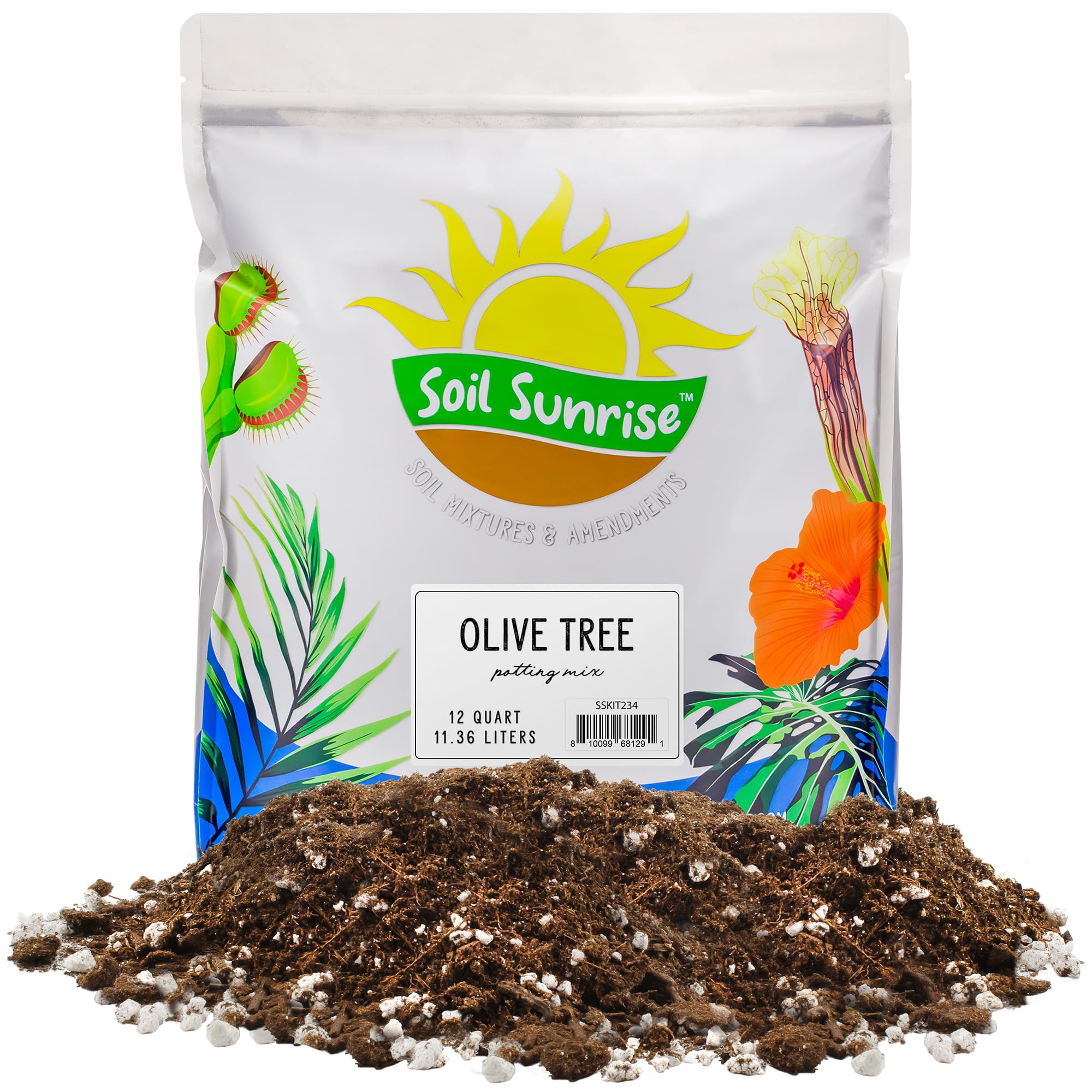
This custom blend combines peat moss, perlite, pumice, and lime to create a well-draining yet moisture-retentive structure that mimics the natural growing conditions of Mediterranean container plants. The 12-quart bag provides enough volume for repotting multiple medium-sized trees or a single large specimen, and the inclusion of pumice improves aeration far better than standard perlite alone.
Owner feedback consistently highlights how this mix reduces transplant shock and encourages new root growth within weeks. The lack of large mulch twigs or uncomposted bark chunks means the top layer stays uniform and does not create dry pockets that repel water. It works equally well as a complete potting medium and as a top-dressing mulch for olive trees in ceramic containers.
For anyone growing Mediterranean species in pots, this formulation addresses the specific pH and drainage requirements that generic potting soils cannot meet. The lime buffers acidity from the peat, keeping the root zone in the optimal range for olive and citrus plants.
What works
- Formulated specifically for container olives with balanced pumice and perlite
- Large 12-quart bag covers multiple pots without needing supplementing
- Lime additive prevents pH drift common in peat-heavy mixes
What doesn’t
- May require additional drainage amendment for very small pots under 6 inches
- Higher upfront investment than general-purpose potting soils
2. Rio Hamza Trading Houseplant Mulch (8 Quarts)

This dedicated houseplant mulch delivers consistent small bark chips that create a tidy top layer without overwhelming small pots. The 8-quart bag covers roughly three medium containers with a quarter-inch layer, and the material does not contain the oversized chunks that sometimes plague general landscape bark products.
Verified buyers report visible improvement in moisture retention and a noticeable reduction in fungus gnat activity after applying a shallow top-dressing. The bark does not float or shift significantly during watering, which helps maintain an even surface that prevents soil splash onto lower leaves.
While the cost per quart runs higher than bulk landscape options, the convenience of a pest-free, pre-packaged indoor formulation saves the hassle of sifting or treating raw bark. It also serves as an effective soil amendment when mixed into potting media for aroid plants that need extra aeration.
What works
- Consistent chip size works well for 4 to 8 inch pots
- Reduces surface evaporation and keeps soil moist longer
- No visible pest or mold issues reported out of the bag
What doesn’t
- Volume is modest for large collections requiring extensive coverage
- Packaging could be more robust for long-term storage
3. Soil Sunrise Hoya Plant Potting Soil Mix (8 Quarts)
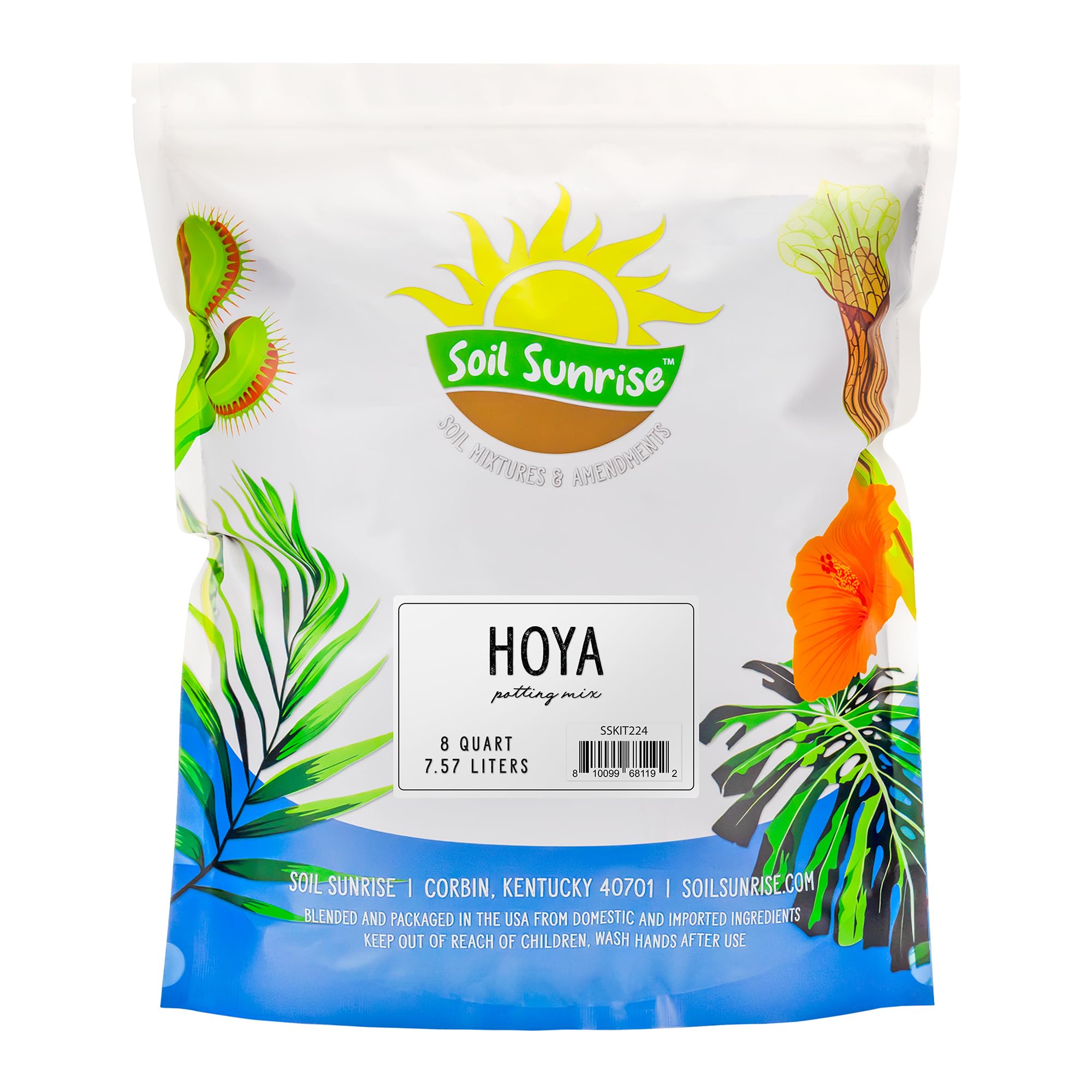
This 8-quart blend targets the specific needs of Hoya and other epiphytic tropical houseplants by combining peat moss, perlite, fine mulch, horticultural charcoal, worm castings, and lime. The charcoal component acts as a natural filter that absorbs impurities and improves drainage, while the worm castings provide a slow-release nutrient source that does not overwhelm sensitive roots.
Many owners report that struggling Hoya plants rebound within two weeks of transplanting into this mix, with visible leaf firmness and new growth points appearing faster than with standard potting soil. The inclusion of perlite and fine mulch creates air pockets that prevent compaction, which is critical for plants that naturally grow in loose tree bark in the wild.
This product works best as a complete repotting medium rather than a simple top-dressing. The fine particle size suits 4 to 8 inch pots, and the absence of synthetic fertilizers eliminates the risk of salt buildup that damages epiphytic roots over time.
What works
- Horticultural charcoal improves drainage and prevents odor
- Worm castings supply gentle, steady nutrition
- Lime buffers acidity from peat moss
What doesn’t
- Not intended solely as a top-dressing mulch
- Premium price point for the 8-quart volume
4. Avalution Orchid Potting Bark (3 Quarts)
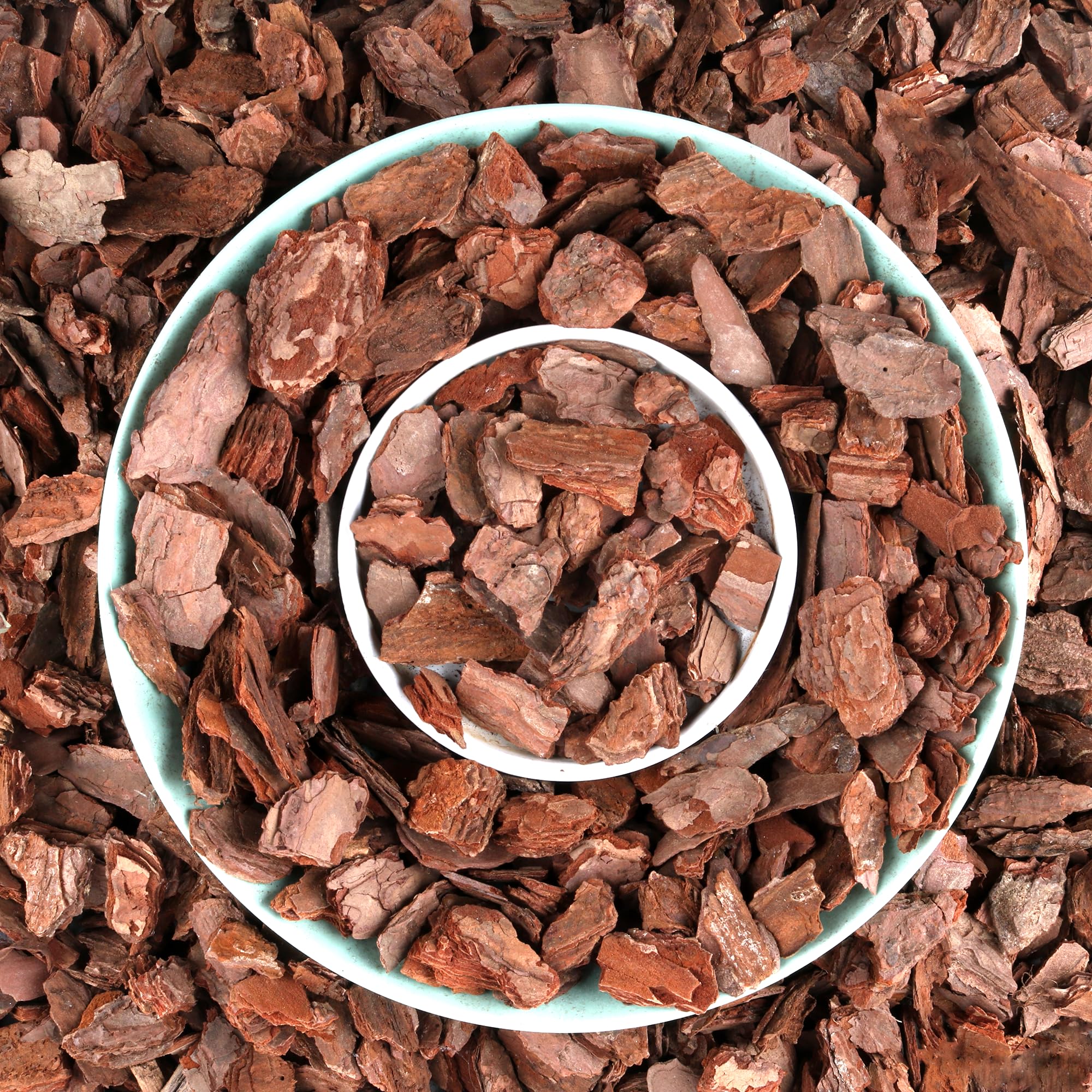
Avalution’s 3-quart orchid bark uses premium pine bark with pieces sized between 0.8 and 1.3 inches, which is ideal for small pots where standard large orchid bark leaves excessive air gaps. The bark is pre-sterilized and pH neutral, so it will not introduce mold spores or alter the soil chemistry in sensitive containers.
Customers consistently note the absence of dust and musty smell compared to other bark products. The pieces hold their structure well during watering cycles and do not break down into fine silt the way cheaper bark does after three or four months of regular moisture exposure.
This size range also works well as a top layer for monstera and snake plants, where the visual appeal of uniform bark chips adds a finished look while blocking light from reaching the soil surface — reducing the germination of weed seeds and discouraging fungus gnats from laying eggs.
What works
- Pre-sterilized with no musty smell or visible contaminants
- Ideal particle size for 3 to 6 inch pots
- pH neutral formulation suits a wide range of plants
What doesn’t
- 3-quart bag covers only a few small pots
- Some users find pieces slightly small for very chunky mixes
5. Hull Farm Cocoa Bean Shell Mulch (2 Cubic Feet)

Cocoa shell mulch offers a unique combination of aesthetics and mild fertilization. The 2-cubic-foot bag provides extensive coverage for larger containers, and the shells release a strong chocolate scent when first applied — a sensory benefit that many indoor gardeners appreciate. The NPK value of 2.5-1-3 means the mulch adds a small amount of nitrogen, phosphorus, and potassium as it breaks down without burning roots.
Verified owners report excellent moisture retention under the shell layer, with less frequent watering needed for container plants in warm indoor environments. The shells form a cohesive mat after the first watering that resists blowing away, though the lightweight material can scatter if applied in exposed outdoor locations or near fans.
This product requires careful placement. Cocoa shells are toxic to dogs if ingested, and the chocolate scent attracts squirrels and other wildlife if the bag or pots are left outdoors uncovered. For indoor use away from pets, however, it is one of the most visually striking and functionally useful organic mulches available.
What works
- Provides gentle fertilizer value while conditioning the soil
- Rich chocolate aroma and dark brown color improve container aesthetics
- Forms a moisture-retaining mat that reduces watering frequency
What doesn’t
- Toxic to dogs if ingested — not suitable for pet-accessible locations
- Strong scent fades significantly after the first week
- Lightweight shells can blow away before the first watering
6. The Bonsai Supply Pine Bark Nugget Fines (2 Quarts)

This 2-quart bag contains exceptionally fine pine bark nuggets with a particle size of roughly 0.25 inches, making it the best option for very small pots and bonsai containers where even standard orchid bark creates gaps too large for fine roots to bridge. The fines also excel at absorbing liquid fertilizer and releasing it back to the root zone gradually.
Owners who use this product for aroid mixes in 2 to 4 inch pots appreciate the consistency of the pieces — no large shards or dust clumps that would create uneven drainage. The resealable stand-up pouch keeps leftovers fresh for later use, which is helpful given the small bag size.
Because the particles are so small, this material works best when blended into the potting mix rather than used as a thick top-dressing. A thin surface layer still helps suppress fungus gnats, but the primary value is as a structural component of the growing medium itself.
What works
- Ideal particle size for pots under 4 inches and bonsai containers
- Absorbs and releases nutrients efficiently during fertilizer cycles
- Clean, odor-free product with no visible dust
What doesn’t
- Small 2-quart bag limits coverage area
- Cost per quart runs higher than larger bark alternatives
7. Avalution Orchid Potting Bark (29 Quarts)
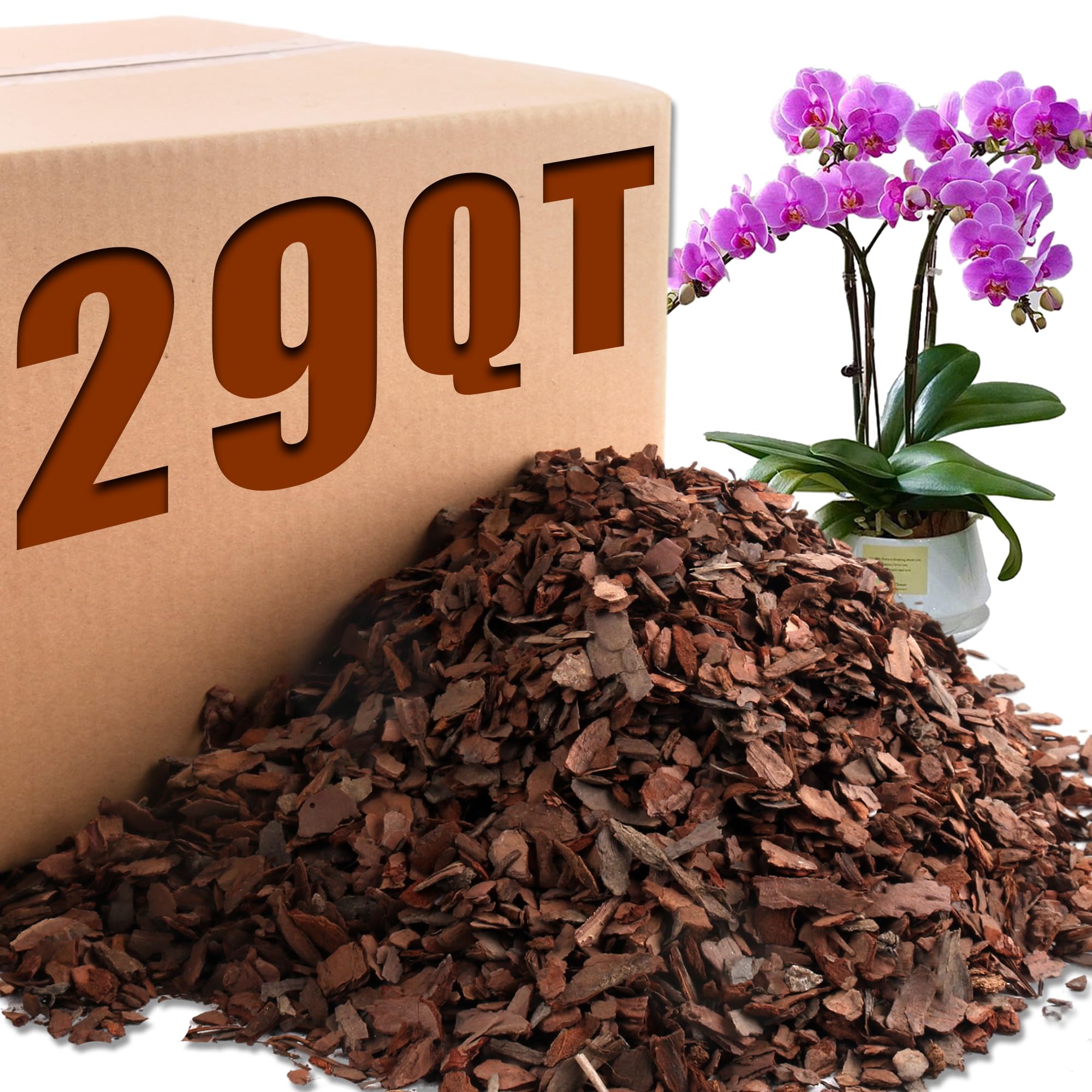
The 29-quart bulk version of Avalution’s pine bark provides a cost-effective way to mulch a large collection of potted plants. The particle size ranges from 0.3 to 0.6 inches — slightly smaller than the 3-quart sibling — which suits fine-rooted orchids, succulents, and even aroid mixes that need aeration without excessive space between pieces.
Owners report that the bark is clean, dust-free, and arrives without the strong musty or sour odor that sometimes accompanies larger bulk bags of raw pine bark. The pre-sterilized formulation eliminates the need to bake or treat the material before use, saving significant preparation time.
This bulk bag is best suited for anyone maintaining ten or more pots or mixing custom substrates in large batches. The consistent piece size allows for uniform blending with perlite, charcoal, or sphagnum moss, producing a tailored mix that matches the specific drainage needs of each plant species in your collection.
What works
- Large 29-quart volume reduces per-quart cost significantly
- Clean, sterilized bark with no musty smell
- Small particle size works for both top-dressing and soil mixing
What doesn’t
- Heavy bag requires adequate storage space
- Pieces may be too fine for gardeners seeking very chunky bark
Hardware & Specs Guide
Particle Size and Drainage Profile
Mulch particles between 0.25 and 1.5 inches create the optimal balance of air space and moisture retention in a container. Fines below 0.25 inches compact and suffocate roots, while pieces above 2 inches create channels that let water bypass the root ball entirely. Measure your pot diameter: 2 to 4 inch pots need fines in the 0.25 to 0.5 inch range; 6 to 12 inch pots handle 0.8 to 1.5 inch bark effectively.
Sterilization and Pathogen Control
Pre-sterilized bark has been heat-treated or kiln-dried to kill mold spores, fungal hyphae, and insect eggs. Raw bark from landscape supply yards often contains living organisms that can cause root rot, damping-off in seedlings, or sudden wilting. Always verify that the product label specifies sterilization if you are using the mulch in enclosed indoor spaces with limited airflow.
FAQ
How deep should I apply mulch in a potted container?
Can I use garden bark mulch for indoor potted plants?
Final Thoughts: The Verdict
For most gardeners, the mulch for potted plants winner is the Rio Hamza Houseplant Mulch because it provides consistent fine chips, prevents fungus gnats, and offers excellent value for the 8-quart bag. If you want a species-specific formulation for Mediterranean containers, grab the Soil Sunrise Olive Tree Mix. And for a large collection that demands bulk supply and uniform particle size, nothing beats the Avalution Orchid Bark (29QT).