
Every outdoor flower display starts with what you cannot see — the medium gripping those roots. The wrong mix compacts into brick, drowns delicate root hairs, or starves blooms of nitrogen before the first petal unfurls. Choosing a blend specifically designed for containerized flowering plants means balancing drainage against moisture retention while ensuring a steady nutrient supply through the entire blooming cycle.
I’m Rikta — the co-founder and writer behind Lawn Gear Lab. I’ve spent countless hours cross-referencing ingredient lists, analyzing particle size distribution, and studying phosphorus-to-potassium ratios against verified owner performance reports so you know exactly which bag earns its place in your potting bench.
The seven mixes in this guide cover the spectrum from budget-friendly multi-packs to premium coastal blends, giving you a clear, spec-level view of the best potting soil for outdoor flowers on the market right now.
How To Choose The Best Potting Soil For Outdoor Flowers
Container flowers live in a closed system — they cannot send roots deeper to find water or nutrients. The bagged mix you choose determines every variable from root oxygenation to bloom size. Three factors separate a mediocre medium from one that pushes petunias, marigolds, and zinnias to their genetic potential.
Texture, Drainage, and the Perlite Factor
Outdoor flower pots face rain that can drown roots within hours. A quality mix contains coarse perlite, pumice, or calcined clay to create air pockets. You want a blend that feels fluffy when squeezed — if it clumps into a mud ball, it will compact in the pot. The ideal particle distribution includes bits ranging from fine peat to quarter-inch perlite chunks so water flows through while the root zone stays moist, not saturated.
Fertilizer Load and Release Timing
Flowering plants demand phosphorus and potassium for bud formation, but the release schedule matters more than the total NPK number. Quick-release fertilizers give an immediate green-up then fade — fine for short-season annuals. Slow-release formulas containing coated prills or natural ingredients like kelp meal and worm castings feed steadily across two to six months. For hanging baskets that you cannot easily fertilize mid-season, a mix with built-in sustained nutrition reduces maintenance.
Organic Certification vs. Synthetic Additives
OMRI-listed mixes avoid synthetic pesticides and fertilizers, which matters if you grow edible flowers or want to encourage beneficial soil biology. Non-organic blends often contain wetting agents and synthetic fertilizer salts that can burn tender roots if over-applied. The trade-off is cost — certified organic soils typically run higher per cubic foot but eliminate the risk of chemical residue building up in containers that dry out between waterings.
Quick Comparison
On smaller screens, swipe sideways to see the full table.
| Model | Category | Best For | Key Spec | Amazon |
|---|---|---|---|---|
| FoxFarm Ocean Forest | Premium | Quick root establishment | 1.5 cu ft bag | Amazon |
| Coast of Maine Bar Harbor | Premium | Container vegetables & flowers | 16 qt pack | Amazon |
| Espoma Organic Vegetable & Flower | Mid-Range | In-ground planting & transplanting | 1 cu ft bag | Amazon |
| Miracle-Gro Organic Outdoor | Mid-Range | Organic container gardening | 16 qt 2-pack | Amazon |
| Michigan Peat General Purpose | Value | High-volume raised bed filling | 50 lbs per bag | Amazon |
| Lambert Potting Mix | Value | Small container annuals | 8 qt bag | Amazon |
| Miracle-Gro Potting Mix 3-Pack | Value | Multi-pot setups & ease of use | 8 qt 3-pack | Amazon |
In‑Depth Reviews
1. FoxFarm Ocean Forest Potting Soil
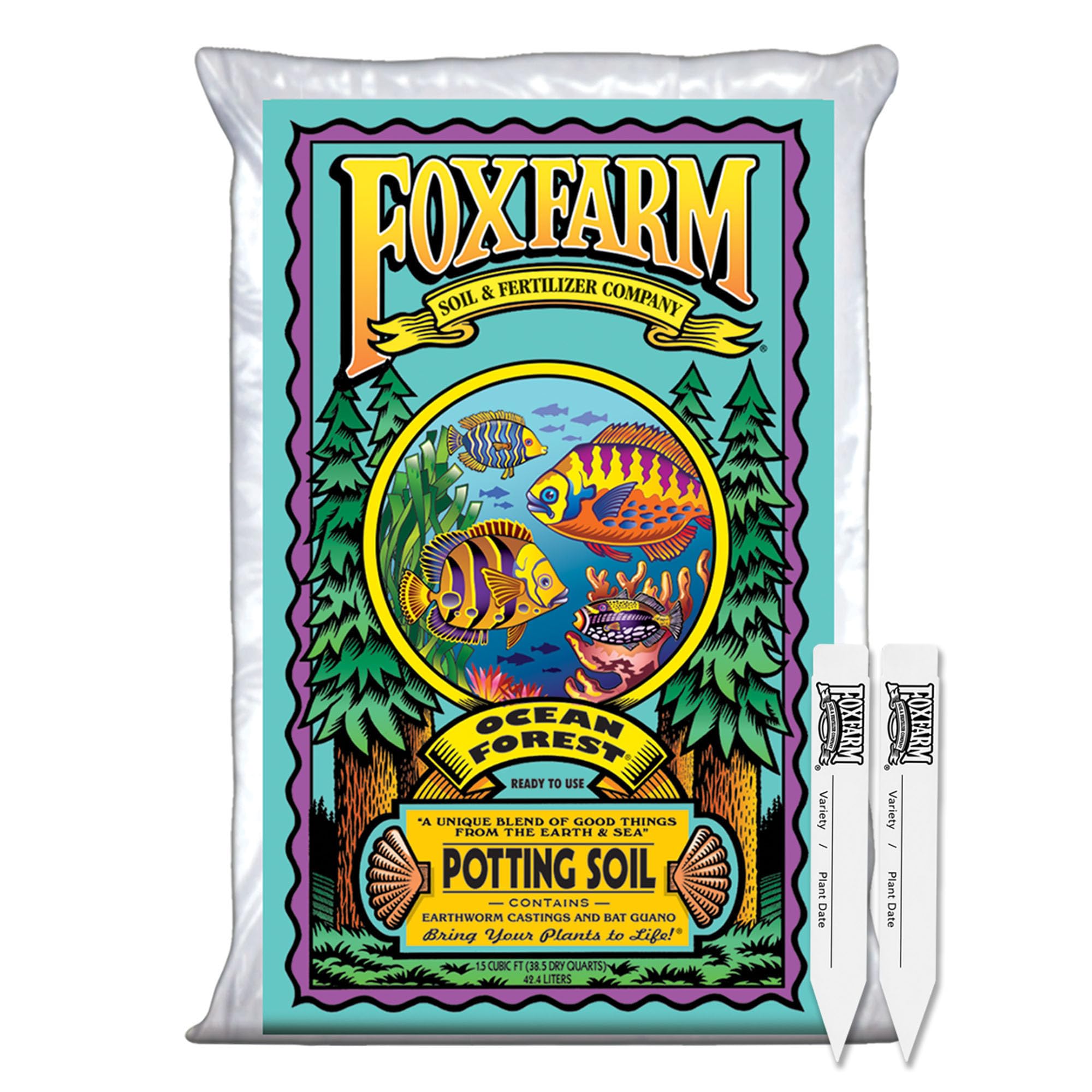
FoxFarm Ocean Forest has become a benchmark in container gardening for good reason — it arrives ready with a light, aerated texture that water penetrates immediately rather than pooling on the surface. The ingredient list reads like a marine biology lab manual: aged forest products, sphagnum peat moss, perlite, sandy loam, fish emulsion, crab meal, shrimp meal, earthworm castings, kelp meal, and oyster shell. That diversity of organic matter creates a buffered pH environment that flowers love from day one through the entire bloom cycle.
Owner reviews consistently note that plants grown in Ocean Forest outpace identical specimens in standard big-box mixes — tomatoes and flowers show visibly larger growth within three weeks. The moisture retention is strong enough to handle hot climates without requiring daily watering, while the sandy loam component prevents the root rot that plagues pots with poor drainage. The included plant tags are a minor but thoughtful touch for tracking multiple varieties.
The premium pricing puts it at the high end per cubic foot, and some users report mushroom growth from the rich organic load, which signals high biological activity rather than contamination. It is worth blending with a cheaper base if you are filling very large containers, but for 10-to-16-inch pots where flower roots need concentrated nutrition, this mix earns every dollar.
What works
- Immediate water absorption with no surface pooling
- Dense organic nutrient load from marine and forest sources
- Light, fluffy texture that resists compaction through the season
What doesn’t
- Premium cost per bag relative to commodity mixes
- High organic content can occasionally sprout harmless mushrooms
2. Coast of Maine Bar Harbor Blend Potting Soil
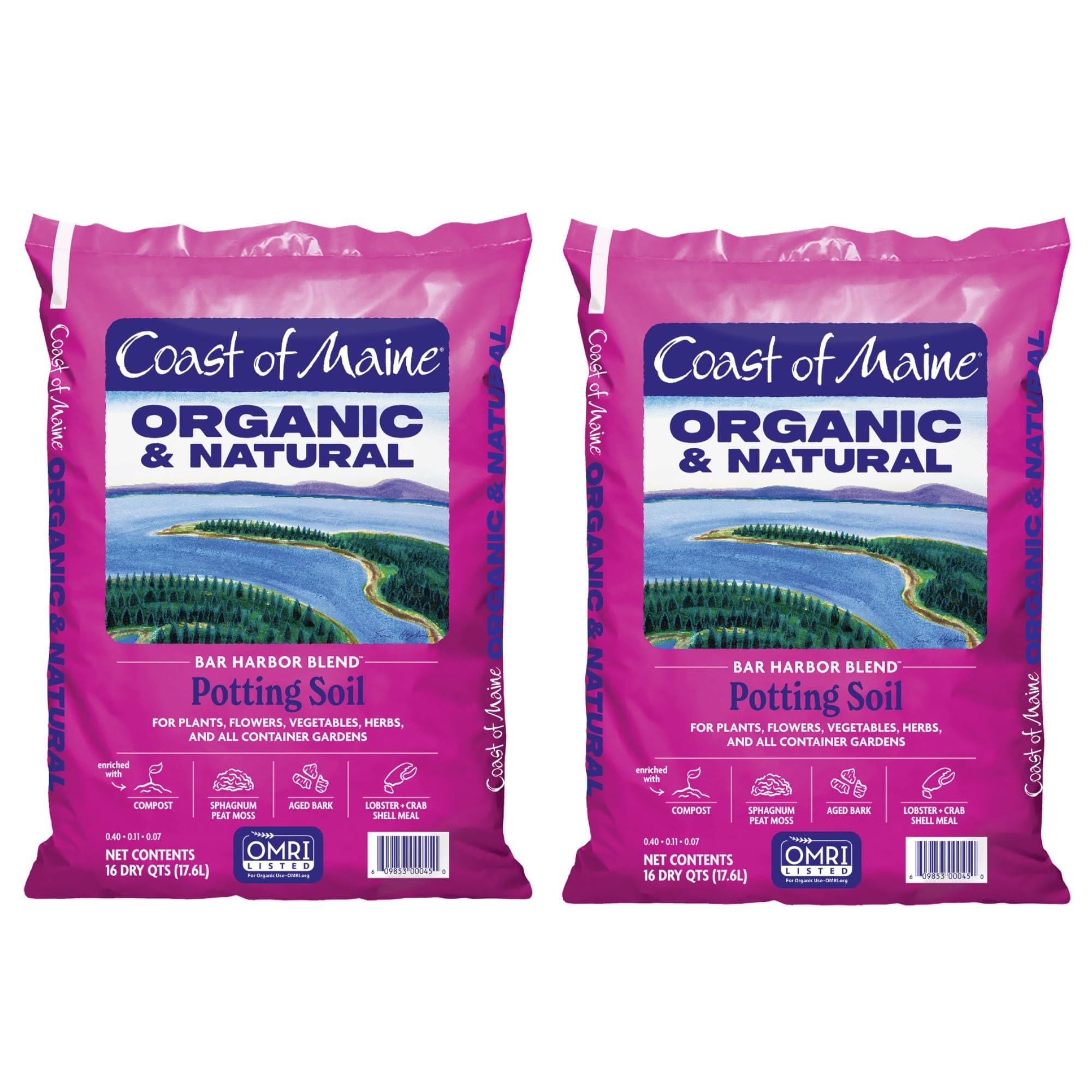
Coast of Maine’s Bar Harbor Blend brings a distinctly regional recipe to the table — sphagnum peat moss, compost, perlite, lobster and crab shell meal, plus kelp meal. The shellfish byproducts provide a slow-release source of chitin and calcium that strengthens cell walls, while kelp meal supplies trace minerals and natural growth hormones. The result is a dark, rich mix that looks and feels more like finished compost than standard peat-based soils.
Growers using this mix for container tomatoes, peppers, and flowering annuals report plants looking better than they ever achieved with national brand soils — one reviewer switched from a well-known top brand and swore never to go back. The moisture retention is excellent without becoming soggy, likely thanks to the compost fraction holding water while perlite ensures drainage. It is approved for organic gardening and carries no synthetic additives.
The main consideration is volume — the 16-quart 2-pack covers moderate container gardens but runs out fast if you are filling raised beds or multiple large pots. Some bags may arrive with slight moisture content from the compost, which is normal and does not affect performance. For anyone growing flowers in decorative pots where consistent nutrition and root health matter, this is a top-tier choice.
What works
- Unique shellfish meal provides slow-release calcium and trace minerals
- Rich compost texture with no synthetic fillers or chemical fertilizers
- Sustained root and bloom development throughout the growing season
What doesn’t
- Moderate bag size limits usability for large-scale projects
- Higher cost per quart than standard peat-perlite blends
3. Espoma Organic Vegetable & Flower Garden Soil

Espoma positions this mix as an in-ground amendment as much as a potting soil, which makes it distinct — the 1-cubic-foot bag contains a rich blend of organic ingredients enriched with earthworm castings and Myco-Tone, a proprietary blend of endo and ecto mycorrhizae. Mycorrhizal fungi form symbiotic relationships with flower roots, extending their reach for water and phosphorus in exchange for sugars. This biological booster gives transplants a running start that standard sterile mixes cannot match.
User reports confirm that plants in Espoma consistently outperform those in generic organic alternatives — marigolds, tomatoes, and annuals show denser foliage and more prolific blooms. The texture is well-structured with visible compost particles and perlite, though it is denser than a pure soilless mix, which is expected given its dual-purpose design. Multiple reviewers noted the bags arrived bug-free and clean, with no off-gassing odors.
The caveat is that this is labeled as garden soil rather than potting mix, meaning it works best when blended with native soil in beds or used in large containers where extra weight is acceptable. For shallow pots or hanging baskets, you may want to lighten it with extra perlite. But for any flower that needs a nutrient-dense, biologically active foundation, this is a value leader.
What works
- Myco-Tone mycorrhizae improve nutrient and water uptake
- Rich organic base with earthworm castings for sustained feeding
- Excellent performance in vegetable and flower garden beds alike
What doesn’t
- Heavier texture requires additional perlite for hanging baskets
- Designed more for in-ground than pure container use
4. Miracle-Gro Organic Outdoor Potting Mix 2-Pack

Miracle-Gro’s organic take on outdoor potting mix addresses the biggest complaint about their standard formula — the presence of synthetic wetting agents and Styrofoam-like filler. This OMRI-listed version uses responsibly sourced peat and a quick-release natural fertilizer that feeds for up to two months. The 16-quart 2-pack covers several medium pots, making it a practical choice for gardeners who want organic credentials without the sticker shock of premium boutique brands.
Customer feedback highlights the cleanliness of this mix — no infestation reports, no synthetic beads floating out of the drainage holes, and a texture that holds together without forming a crust. Petunias in terracotta pots, Super Chili peppers, and tomatoes all budded within two weeks, according to verified purchasers. The quick-release fertilizer gives an early growth surge that transitions well into steady blooming with supplemental feeding.
The main trade-off is that the quick-release nature means you will need to add fertilizer again after the two-month window for long-season flowers. A few reviewers felt the per-bag cost was slightly high compared to conventional Miracle-Gro, though the organic certification justifies the premium for those avoiding synthetics. If you want a trusted brand with organic sourcing, this pack delivers reliable results.
What works
- OMRI-listed organic formulation with no synthetic fillers
- Quick-release natural fertilizer gives strong early growth
- Clean, pest-free texture that holds structure in pots
What doesn’t
- Two-month feeding window requires re-fertilization for long seasons
- Higher per-quart cost versus conventional Miracle-Gro mixes
5. Miracle-Gro Potting Mix 8 qt 3-Pack

This entry-level Miracle-Gro 3-pack bundles three 8-quart bags into one economical purchase, giving you enough mix to fill about six 8-inch containers or a handful of larger flower pots. The standard formulation includes a synthetic slow-release fertilizer that feeds potted flowers for up to six months — a significant advantage for gardeners who prefer set-it-and-forget-it nutrition without mixing liquid feeds every two weeks.
Verified buyers consistently call this a reliable base soil for both outdoor and indoor containers. The texture drains well without compacting into a hard mass, and the 8-quart bag size eliminates the heavy lifting of 40-pound sacks for those with smaller patios or balcony garden setups. Plants grown in this mix show steady growth and blooming through the season, matching the claims of larger-than-unfed controls.
The catch is that the standard formula includes synthetic wetting agents and fertilizer salts that some organic growers prefer to avoid. A minority of reviewers noted small Styrofoam-like beads in the mix — those are actually perlite substitutes, not filler, but they can look concerning. For the price-per-quart, this is the most economical way to keep multiple container flowers fed for an entire season with minimal effort.
What works
- Six-month slow-release feeding eliminates mid-season fertilizing
- Smaller bag sizes reduce storage and handling strain
- Proven reliability with thousands of positive owner reviews
What doesn’t
- Contains synthetic wetting agents not suitable for organic gardening
- Some users report white perlite-like beads mistaken for filler
6. Michigan Peat General Purpose Premium Potting Soil

Michigan Peat’s 50-pound General Purpose mix is the heavyweight champion of bulk potting soils — literally. The blend of rich dark reed sedge peat, perlite, and sand provides a proven base that includes both starter and slow-release fertilizers for sustained plant growth. This is the kind of bag you grab when you are filling multiple raised beds, a dozen large planters, or a full-scale container garden without wanting to buy six smaller bags.
User feedback focuses on the consistent texture and the fact that it arrives moist and ready to use — no dry, dusty bags that take days to rehydrate. The reed sedge peat holds water differently than sphagnum peat, offering good moisture retention with slightly different aeration characteristics. Many gardeners use it straight from the bag for vegetables, flowers, and bulbs, while others blend it with their own compost to create a custom mix.
The downsides center on occasional gnat issues — multiple buyers reported fungus gnats emerging after potting, which suggests the moisture content can harbor eggs. This is a risk with any organic soil that is not pasteurized. For outdoor use the gnats are less problematic than indoors, but you may want to let the bag dry out or mix with diatomaceous earth if you are sensitive to the issue. For the sheer volume-to-value ratio, nothing else on this list comes close.
What works
- Massive 50-pound bag offers the lowest cost per pound
- Moist, ready-to-use texture requires no pre-hydration
- Dual starter and slow-release fertilizers included
What doesn’t
- Moisture content can introduce fungus gnats to new plantings
- Heavy bag is difficult to maneuver for smaller gardeners
7. Lambert Potting Mix 8 Quarts
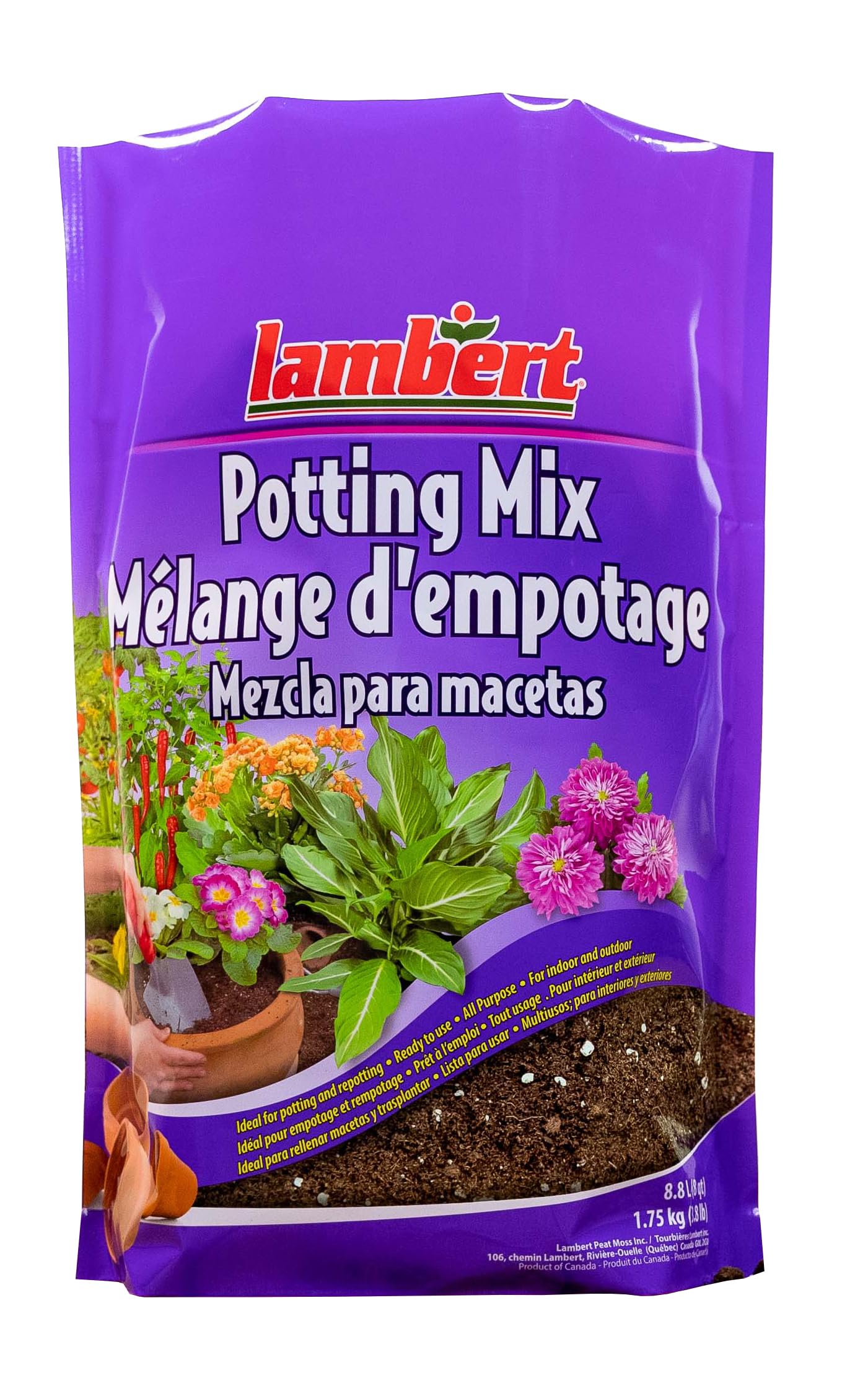
Lambert delivers a straightforward, eco-friendly all-purpose potting mix in an 8-quart bag that works for both indoor and outdoor flowering plants, hanging baskets, foliage, and even cuttings. The formulation focuses on clean, consistent texture without cheap fillers — a point that multiple verified buyers highlighted after switching from problematic big-box soils. It is made by Lambert Peat Moss, a Canadian company with decades of peat harvesting and processing experience.
Customer reports emphasize the quality of the mix itself: light texture with good drainage and moisture retention, ready to use straight from the bag. One reviewer who repotted weak houseplants saw them come back to life within days, crediting the soil’s ability to rehydrate without becoming waterlogged. The eco-friendly positioning appeals to gardeners who want to avoid unnecessary additives while keeping costs low.
The main limitation is volume — 8 quarts fills roughly one 10-inch pot, so you will need multiple bags for any substantial container garden. Some seedlings may require added compost or fertilizer for extended growth, as the mix provides a neutral base rather than a nutrient-loaded formula. For small patio flower displays or repotting a few specimens, this is a clean, affordable starting point.
What works
- Clean, consistent texture with no visible cheap fillers
- Balanced moisture retention and drainage for container flowers
- Eco-friendly sourcing and manufacturing process
What doesn’t
- Small bag size requires multiple purchases for larger plantings
- Needs supplemental fertilizer for long-term bloom cycles
Hardware & Specs Guide
Aged Forest Products vs. Peat Moss
The primary structural ingredient determines water behavior and pH. Sphagnum peat moss (used in FoxFarm, Coast of Maine, and Miracle-Gro) holds 10-20 times its dry weight in water while staying acidic (pH 3.5-4.5), requiring lime to stabilize. Aged forest products (bark fines, composted wood) have larger particle sizes that improve aeration but decompose faster, releasing nutrients as they break down. FoxFarm uses 50-60% aged forest products for a fluffier texture that resists compaction over months of watering.
Perlite and Drainage Adjustment
Perlite is volcanic glass expanded at high temperature into white popcorn-like particles that create air pockets in the soil matrix. Most flowering mixes contain 10-20% perlite by volume. Coast of Maine uses coarse-grade perlite that stays intact longer than fine perlite, which crumbles into dust after repeated watering. Michigan Peat adds sand alongside perlite, increasing density for heavier pots that need stability on windy patios — useful for tall flower arrangements but excessive for hanging baskets that require lightness.
FAQ
Can I use garden soil from my yard instead of potting mix for outdoor flowers in containers?
How often should I replace potting soil in outdoor flower containers?
Final Thoughts: The Verdict
For most gardeners, the potting soil for outdoor flowers winner is the FoxFarm Ocean Forest because its balanced blend of aged forest products, marine-based nutrients, and perlite delivers immediate drainage plus sustained feeding without needing additional amendments. If you want a premium organic choice with unique shellfish meal nutrition, grab the Coast of Maine Bar Harbor Blend. And for budget-conscious gardeners filling many containers, nothing beats the Michigan Peat General Purpose 50-pound bag for sheer volume-to-value ratio.