
You fed your garden all season, yet the flower show was underwhelming. The secret to a spectacle of vibrant blooms isn’t just more fertilizer — it’s the right ratio of nutrients, specifically phosphorus, to trigger and sustain flowering. A fertilizer with a high middle number in the N-P-K sequence is the single most effective tool for shifting a plant from green growth to full blossom production.
I’m Rikta — the co-founder and writer behind Lawn Gear Lab. I’ve spent many hours dissecting the chemical profiles, mixing instructions, and real-world owner reports of water-soluble and granular bloom boosters to understand exactly which 30-15-30 formulations deliver the most flowers per pound of powder.
Whether you’re coaxing a reluctant orchid tree to flower or supercharging a bed of annuals, this guide cuts through the chemical jargon to identify the best 30-15-30 fertilizer for your specific growing situation and budget.
How To Choose The Best 30-15-30 Fertilizer
A 30-15-30 fertilizer is a highly specialized bloom booster. The high percentages of Nitrogen (30) and Potassium (30) support robust foliage and fruit development, but the critical component is the high Phosphate (15) level. Selecting the right one requires matching the nutrient delivery method and secondary ingredients to your specific plants and watering routine.
Understand the N-P-K Ratio: Why the Middle Number Matters
Phosphorus (P) is the primary driver of flower, fruit, and seed production. A 30-15-30 ratio provides a significant phosphorus boost compared to a balanced 20-20-20 formula. This makes it ideal for plants in the flowering stage, but it can be too strong for seedlings or leafy greens that need higher nitrogen relative to phosphorus.
Water-Soluble vs. Granular: Speed of Uptake
Most 30-15-30 fertilizers are water-soluble powders or liquids. This form allows for fast absorption through roots and foliage, giving you quick results—often visible within a week. Granular slow-release versions are rarer for this ratio and require soil moisture and time to break down, making them better for long-term feeding, not an immediate bloom response.
Micronutrient Profile: The Difference Makers
Beyond the primary N-P-K numbers, look for formulations that include chelated iron (to prevent chlorosis), manganese, and zinc. These trace elements are essential for enzyme function and chlorophyll production. A fertilizer with a robust micronutrient package will produce healthier, more colorful blooms than a bare-minimum formula.
Quick Comparison
On smaller screens, swipe sideways to see the full table.
| Model | Category | Best For | Key Spec | Amazon |
|---|---|---|---|---|
| Jack’s Classic 10-30-20 Blossom Booster | Premium Water-Soluble | Maximum bloom size & color | 4 lbs with measuring spoon | Amazon |
| Peters Professional 10-30-20 Bloom Booster | Water-Soluble | Orchids & heavy feeders | 3 lbs with micronutrients | Amazon |
| Grow More 15-30-15 Super Bloomer | Water-Soluble | Universal flower feeding | 3 lbs, 1:64 mixing ratio | Amazon |
| Jack’s Professional 20-20-20 | Professional Water-Soluble | Greenhouse & heavy feeding | 25 lbs, continuous feed | Amazon |
| GS Plant Foods 20-20-20 | Water-Soluble | Entry-level all-purpose boost | 3 lbs with kelp | Amazon |
| NutriStar 10-15-9 for Flowering Trees | Granular Slow-Release | Ornamental trees & shrubs | 2 lbs, feeds up to 4 months | Amazon |
| Age Old Kelp Liquid Fertilizer | Organic Liquid | Gentle feeding & soil health | 2.5 gal, very low NPK | Amazon |
In‑Depth Reviews
1. Jack’s Classic 10-30-20 Blossom Booster
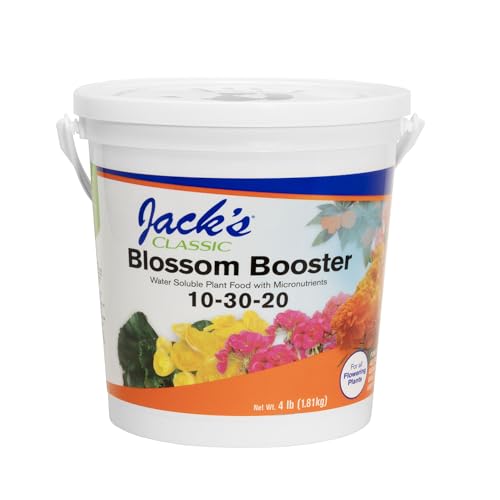
Jack’s Classic delivers a precise 10-30-20 analysis that is arguably the most trusted phosphorus-rich formula among serious growers. The high phosphate content directly targets bloom initiation and development, producing larger, more vibrant flowers on everything from annuals and hydrangeas to vegetables and fruit. This water-soluble powder is designed for both foliar feeding and root drenching, giving you flexibility in your application method.
The 4-pound bag includes a convenient measuring spoon, which eliminates guesswork and makes mixing consistent batches simple. The added micronutrients—including iron, manganese, and zinc—ensure that plants aren’t just blooming but are doing so on healthy, well-nourished foliage. Users consistently report that this formula revives struggling plants and pushes them into a heavy bloom cycle within weeks of first application.
While it is a premium product relative to generic store brands, the cost per gallon of mixed fertilizer is low. For a gardener who wants a guaranteed, fast-acting bloom response and is willing to follow the mixing instructions precisely, this is the most effective water-soluble bloom booster on this list. The only downside is that it is a powder, so you must keep it dry between uses.
What works
- Proven 10-30-20 ratio produces noticeably more blooms and deeper color
- Includes essential micronutrients that prevent leaf yellowing during heavy flowering
- Comes with a measuring spoon for consistent, accurate mixing every time
What doesn’t
- Water-soluble powder requires careful storage in a dry location
- Not a slow-release formula; needs weekly or bi-weekly reapplication during peak growth
2. Peters Professional 10-30-20 Bloom Booster

Peters Professional is a benchmark name in water-soluble fertilizers, and this 10-30-20 Bloom Booster is a direct competitor to the Jack’s Classic formula. The high phosphorus and potassium levels are balanced to push flowering plants into heavy bud set and bloom retention. It is frequently cited as the go-to feed for orchid enthusiasts and heavy-feeding flowers.
The powder mixes completely in water without leaving residue, making it suitable for use in hose-end sprayers or backpack sprayers for large beds. Users with 30 years of growing experience report that this formula produces stronger plant stems and larger, longer-lasting blooms compared to balanced all-purpose feeds. The 3-pound bag is a manageable size for a season’s worth of weekly feeding for a moderate-sized garden.
One minor consideration is the packaging: the bag is standard and doesn’t include a scoop, so you’ll need your own measuring tool. Also, because it is a professional-grade product, it is potent—over-application can cause leaf burn if you don’t follow the dilution rates on the label. For the gardener seeking a commercial-quality bloom booster without the commercial price tag per gallon, this is a top-tier choice.
What works
- Excellent for orchids and specialty flowering plants needing high phosphorus
- Dissolves fully and works well in both soil drench and foliar spray applications
- Trusted professional formulation with a long track record of results
What doesn’t
- Does not include a measuring scoop, which can make initial mixing less convenient
- Concentrated formula requires careful dilution to avoid burning sensitive plants
3. Grow More 15-30-15 Super Bloomer

Grow More’s Super Bloomer offers a 15-30-15 analysis, which is the closest match to the keyword’s target ratio. It provides a solid phosphorus boost with the addition of chelated iron and manganese, making it effective for preventing chlorosis in flowering plants. The formulation is designed for universal compatibility—suitable for soil soaks, foliar sprays, and use in greenhouses or nurseries.
The 3-pound bag is an entry-level entry point into high-phosphorus feeding. Users consistently report that it doubles the bloom count and size on roses, annuals, and flowering shrubs. The water-soluble powder mixes at a convenient 1:64 ratio, which is easy to remember. Multiple season-long users report that their plants are “twice the size” with “two to three times the blooms” after switching to this formula.
Given its mid-range cost, it offers an excellent cost-per-bloom ratio. The only trade-off is the slightly higher nitrogen content (15) compared to a strict bloom booster, which means it still promotes some foliage growth alongside flowers. For the budget-conscious gardener who wants a universal bloom booster that works across their entire garden, this is the smartest buy.
What works
- High phosphorus (15) combined with chelated iron for vibrant, deep green leaves
- Versatile formula that works for foliar feeding, soil drenching, and hydroponics
- Very consistent results reported across multiple seasons and plant types
What doesn’t
- Slightly higher nitrogen content than pure bloom boosters may delay flowering on some heavy feeders
- 3 lb bag size is smaller than some competitive premium offerings for the price
4. Jack’s Professional 20-20-20

This 25-pound bag of Jack’s Professional 20-20-20 is a different beast—it is a balanced, all-purpose fertilizer designed for continuous liquid feed programs in greenhouses and commercial growing operations. While not a targeted bloom booster like the 10-30-20, it provides sustained, even growth across all stages. Professionals who mix their own nutrient solutions often use this as a base and supplement with phosphorus during the bloom phase.
The sheer volume here changes the economics of feeding. A 25-pound bag can last a serious gardener several seasons, producing hundreds of gallons of mixed fertilizer. The powder dissolves instantly in water without any sediment, and the added micronutrients cover all trace elements. For a gardener with a large vegetable patch or a significant collection of container plants, this is the most cost-effective way to maintain consistent plant health.
It is important to note that this is not a 30-15-30 formula. The balanced ratio means it will not produce the dramatic bloom response of a high-phosphorus product. However, for growers who understand how to modify their feeding schedule (use this for growth, then switch to a bloom booster for flowers), this is an indispensable tool. The only real drawback is the bag size—25 lbs of powder is heavy and requires dry storage space.
What works
- Extremely cost-effective for large-scale feeding; produces hundreds of gallons
- Balanced 20-20-20 ratio is perfect for overall plant health and green growth
- Professional-grade purity dissolves instantly and leaves no residue
What doesn’t
- Not a high-phosphorus bloom booster; will not trigger flowering on its own
- 25 lb bag is heavy and requires significant dry storage space
5. GS Plant Foods 20-20-20
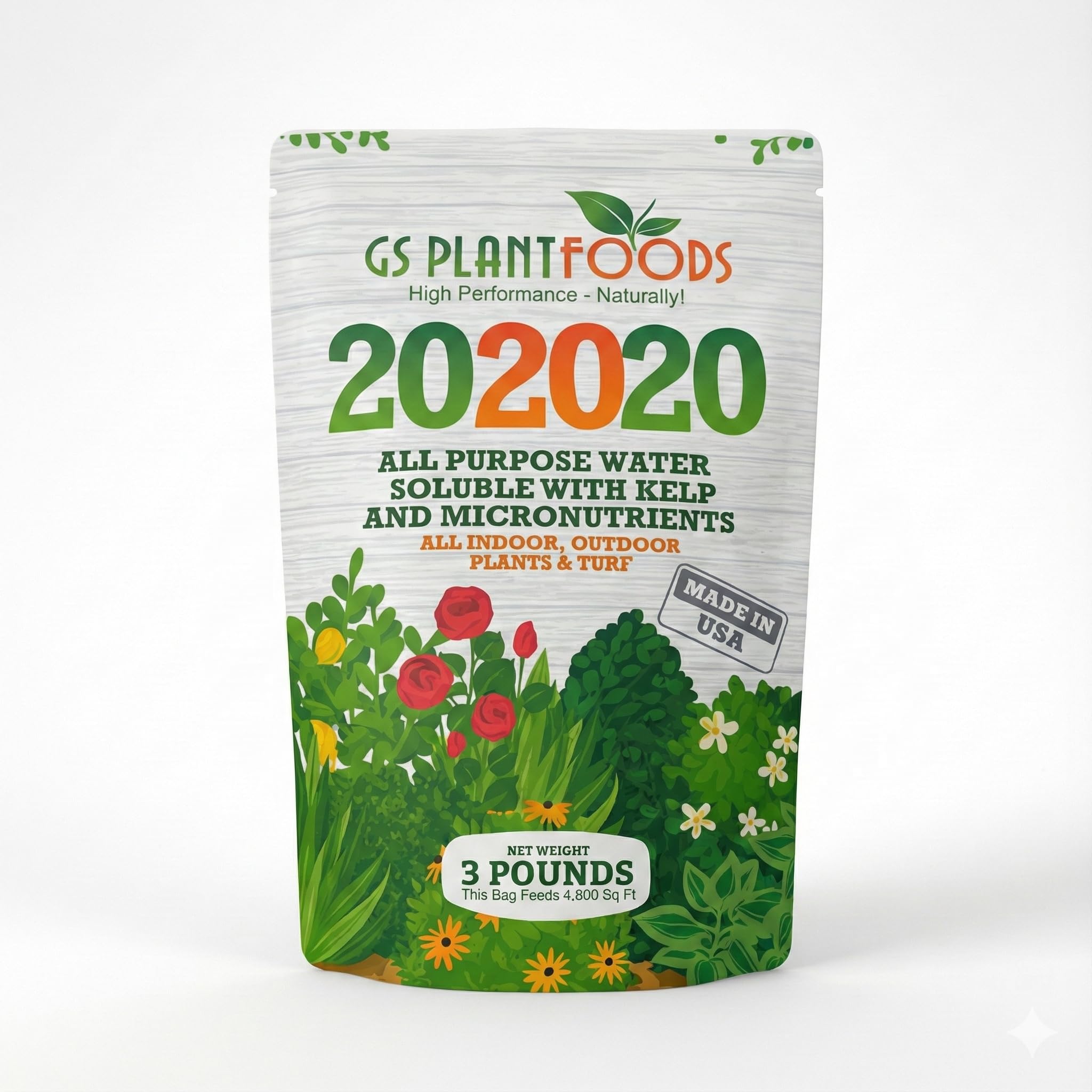
GS Plant Foods offers a balanced 20-20-20 formula that is enhanced with kelp (Ascophyllum nodosum), a natural growth stimulant. This all-purpose fertilizer is a good entry-level product for gardeners who want a single solution for both indoor houseplants and outdoor gardens. The kelp provides trace hormones and enzymes that support root development and stress resistance.
The 3-pound bag is a modest investment for a versatile plant food. Users transitioning from general-purpose granular feeds note that this water-soluble option provides faster, more noticeable results—especially on container plants and orchids. The formula is gentle enough for weekly use without burning plants when mixed per instructions, making it a safe choice for beginners.
The primary limitation is the balanced NPK. It will not give you the bloom explosion of a dedicated high-phosphorus fertilizer. If your goal is specifically to maximize flower production, you would need to supplement with a bloom booster. For the cost-conscious gardener who wants a decent all-purpose feed that covers basic plant nutrition needs, this is a solid, reliable choice.
What works
- Includes kelp for natural growth hormones and trace minerals
- Gentle formula that is safe for weekly feeding on a wide range of plants
- Excellent value for a balanced, all-purpose water-soluble fertilizer
What doesn’t
- Balanced 20-20-20 ratio is not a specialized bloom booster for flowering plants
- Some users report a mild organic odor from the kelp content
6. NutriStar 10-15-9 for Flowering Trees
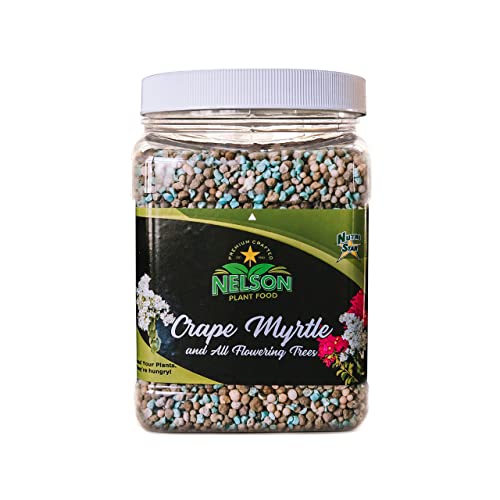
NutriStar takes a different approach—this is a slow-release granular fertilizer designed specifically for flowering trees like Crepe Myrtle, Desert Willow, and Orchid Trees. The 10-15-9 analysis is lower in overall concentration but features multiple nitrogen sources with different release characteristics, providing a steady supply of nutrients over a four-month period.
This product is the solution for gardeners who have struggled to get established trees to bloom. Master gardeners frequently recommend it because it works with the soil biology to release nutrients at the right time. Users consistently report that trees that had not flowered in years produced blooms within weeks of application. The granular form is simple to apply—just top-dress around the base of the tree.
The trade-off is the cost per pound; this is a premium product for a relatively small 2-pound bag. It is not designed for large-scale garden beds or container plants. For a gardener with a few ornamental trees or large shrubs that need a powerful, long-lasting bloom trigger, this is the most effective granular option available.
What works
- Proven to trigger blooms on stubborn trees that haven’t flowered in years
- Slow-release granular format provides consistent nutrition over four months
- Includes sulfur, copper, iron, manganese, and zinc for comprehensive plant health
What doesn’t
- High price per pound; the 2 lb bag covers only a few small trees
- Not suitable for container plants or quick foliar feeding applications
7. Age Old Kelp Liquid Fertilizer
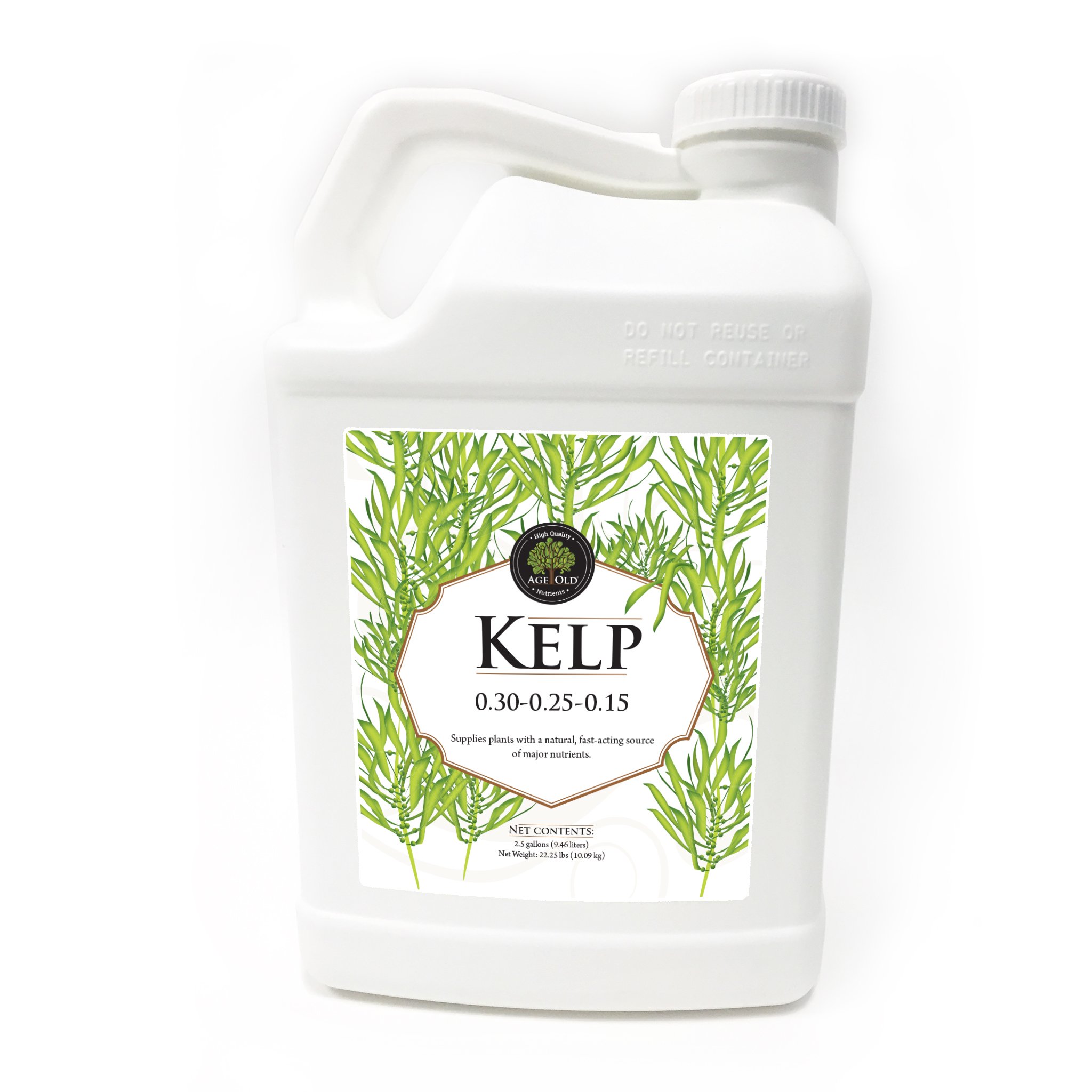
Age Old Kelp is a completely different category of plant food. It is a pure liquid kelp concentrate with a very low NPK, far from the 30-15-30 ratio. This product is used by organic growers to promote root growth, improve soil microorganism activity, and provide natural plant hormones. It is a supplement, not a primary nutrient source.
The 2.5-gallon bottle is a substantial volume for organic feeding. The natural kelp has a mild odor that some users find noticeable, but it poses no risk of burning plants, even at double the recommended dosage. Experienced growers often pair this with a synthetic bloom booster or a complete organic nutrient line. It is especially effective on heavy-feeding vegetables and fruit-producing plants, supporting overall resilience.
If your sole goal is to achieve maximum bloom output on flowering plants, this product alone will not deliver the phosphorus punch you need. It is best used as a complementary product to improve soil health and plant vitality. For the dedicated organic gardener who values natural inputs and is building a long-term soil management strategy, this is a foundational tool.
What works
- All-natural kelp formula that promotes healthy soil microbiology and root growth
- Extremely gentle; virtually impossible to burn plants even at higher doses
- Large 2.5-gallon bottle offers excellent value for organic liquid feed
What doesn’t
- Very low NPK is not a bloom booster for high-phosphorus flowering needs
- Has a mild natural odor that may be noticeable during application
Hardware & Specs Guide
Understanding NPK Analysis
The three numbers on a fertilizer bag represent the percentage by weight of Nitrogen (N), Phosphorus (P), and Potassium (K). In a 30-15-30 formulation, 30% of the weight is nitrogen (for leaf growth), 15% is phosphorus (for blooms and roots), and 30% is potassium (for overall health and fruit development). A high phosphorus number relative to nitrogen is the hallmark of a bloom booster.
Water-Soluble vs. Granular Delivery
Water-soluble powders dissolve instantly in water, allowing for rapid nutrient uptake through both roots and leaves. This is ideal for giving a quick “jump start” to plants entering the bloom phase. Granular slow-release formulations take weeks to break down and are better suited for maintaining long-term soil fertility, not for triggering immediate flowering.
Micronutrients: The Invisible Helpers
Chelated Iron (Fe), Manganese (Mn), and Zinc (Zn) are often added to premium bloom boosters. Iron prevents chlorosis (yellowing leaves) during heavy flowering, while manganese and zinc support enzyme systems that drive bloom development. A fertilizer with a robust micronutrient package will produce healthier, more colorful flowers than one lacking these trace elements.
Mixing Ratio and Application
Most water-soluble bloom boosters recommend mixing at 1 tablespoon per gallon of water for weekly feeding. Foliar spraying (applying directly to leaves) can give faster results than soil drenching. Always follow the label instructions—over-concentrated mixes can burn leaf tips and damage root systems, especially in container plants with limited soil volume.
FAQ
What does the 15 in a 30-15-30 fertilizer mean for my flowers?
Can I use a 30-15-30 fertilizer on all my plants?
How often should I apply a water-soluble 30-15-30 bloom booster?
Final Thoughts: The Verdict
For most gardeners seeking maximum bloom impact, the 30-15-30 fertilizer winner is the Jack’s Classic 10-30-20 Blossom Booster because it delivers the highest available phosphorus content in a trusted, easy-to-mix water-soluble formula. If you want a slow-release solution for stubborn flowering trees, grab the NutriStar 10-15-9. And for the best entry-level value that works across your entire garden, nothing beats the Grow More 15-30-15 Super Bloomer.