
A cucumber vine loaded with fruit can pull down a cheap trellis in a single afternoon, turning a promising harvest into a tangled mess on the ground. The difference between a successful vertical garden and a collapsed disaster comes down to the netting’s strand count, material composition, and mesh geometry — details that most first-time buyers overlook until it is too late.
I’m Rikta — the co-founder and writer behind Lawn Gear Lab. I’ve spent hours digging into manufacturer specifications, comparing tensile strength claims across dozens of netting models, and cross-referencing long-term owner feedback to separate the netting that actually supports a full cucumber canopy from the netting that merely looks the part.
After evaluating six distinct options against real-world growing conditions, I’ve narrowed down the genuine contenders for any gardener looking for the best cucumber trellis netting that reliably holds up through a full season of heavy fruiting.
How To Choose The Best Cucumber Trellis Netting
Cucumber vines are among the heaviest trellised garden crops because the fruit weight pulls directly on the netting every day. Selecting the wrong netting here means mid-season collapse, broken stems, and wasted effort. Three specs determine whether your netting survives the season.
Strand Count and Weave Density
The number of woven strands per square inch is the single most reliable predictor of load capacity. Budget netting often uses 18 strands and sags noticeably under a mature cucumber canopy. Premium netting uses 27 strands, which distributes the weight of dozens of fruits across more load paths and keeps the mesh taut throughout the growing window.
Mesh Aperture Size
Four-inch mesh leaves enough room for cucumber fruit to grow through the netting without getting trapped, making harvesting simpler because you can pick from either side. Six-inch mesh offers easier access for large hands but may allow smaller cucumbers to slip back through. For most cucumber varieties, 4×4-inch apertures strike the best balance between support and accessibility.
Material Resistance to UV and Moisture
Nylon netting delivers the highest tensile strength per strand but degrades faster in direct sunlight unless UV-stabilized. Polyethylene netting resists UV damage better over multiple seasons and remains flexible in humid conditions. If your trellis sits in full sun all day, prioritize UV-stabilized polyethylene even if the initial strand strength is slightly lower than nylon.
Quick Comparison
On smaller screens, swipe sideways to see the full table.
| Model | Category | Best For | Key Spec | Amazon |
|---|---|---|---|---|
| SHPPETONB Trellis Netting | Heavy-Duty | Highest load capacity for dense cucumber patches | 27 strands, 4×4-inch mesh | Amazon |
| Trella 2-Pack Polyester Netting | Value Pack | Two nets for multi-bed setups on a single purchase | 2-pack, 6-inch mesh, polyester | Amazon |
| MELOHO Polyethylene Netting | UV-Resistant | Full-sun gardens needing multi-season reuse | 27 strands, UV-stabilized polyethylene | Amazon |
| DOLEMODUO Nylon Netting | Extra Length | Long trellis runs requiring a single 60-foot piece | 5×60 ft, 6×6-inch mesh, nylon | Amazon |
| Luster Leaf Vine & Veggie Netting | Natural Look | Green netting that blends into dense foliage | 5.25-inch mesh, green nylon | Amazon |
| DECOHS A-Frame Trellis Kit | All-In-One | Beginners wanting a frame and netting in one box | 48×48-inch A-frame, includes netting | Amazon |
In‑Depth Reviews
1. SHPPETONB Trellis Netting
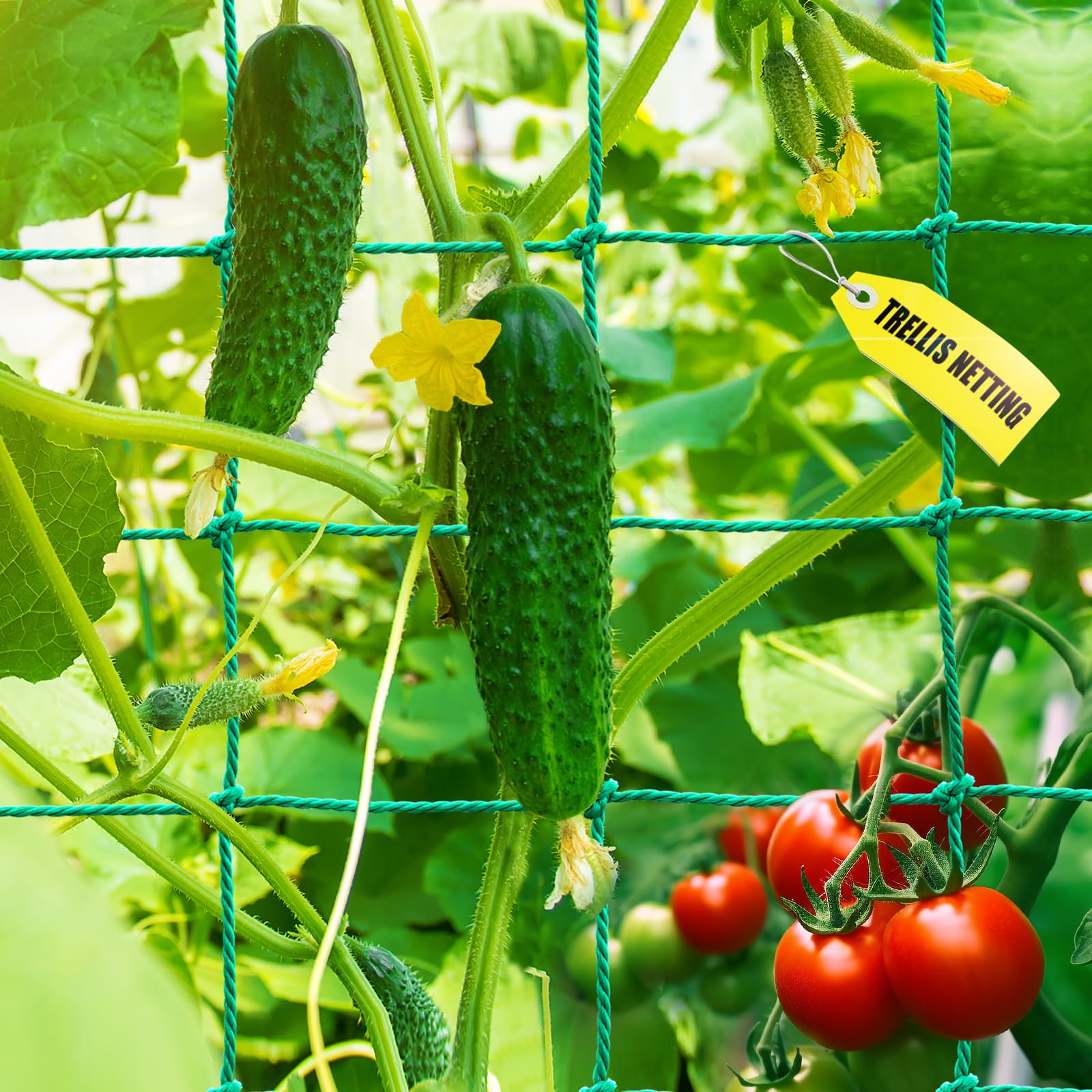
The overlapping layer edge structure reinforces the perimeter so the netting does not tear away from attachment points when heavy cucumber clusters pull downward. Owners report that this netting held up through strong wind events without sagging, a stress test that thinner netting typically fails.
The 4×4-inch mesh aperture is the sweet spot for cucumber growing because the fruit can develop fully on one side of the netting while the vine climbs the other, and you can reach through to harvest without fighting trapped cucumbers. Some users noted the material is polyethylene rather than the labeled nylon, but polyethylene actually offers better UV stability for outdoor use, so this is a practical advantage rather than a flaw. The netting unrolled without tangling and a single person can install it using zip ties or cord.
For a gardener managing a greenhouse or a 4×8-foot raised bed with indeterminate cucumbers, this netting provides the highest weight capacity in the mid-range tier without the premium price jump of larger specialty brands. The 27-strand weave alone justifies the selection for anyone who has watched 18-strand netting bow under a harvest.
What works
- 27-strand weave handles heavy cucumber loads without sagging
- 4×4-inch mesh is ideal for harvesting through the netting
- Overlapping edge reinforcement prevents perimeter tearing
What doesn’t
- Material is polyethylene, not nylon as described — still performs well outdoors
- Only 16.5 feet long, may require two panels for long trellis runs
2. Trella 2-Pack Polyester Netting

Getting two 5×30-foot rolls in a single purchase means this kit can cover two separate raised beds or a single long trellis run with material to spare. The polyester material is lighter than nylon but resists moisture rot better in humid climates where nylon netting sometimes degrades between seasons. The 6-inch square mesh gives large cucumber fruit plenty of clearance to grow through, and the white color makes it easy to spot vines against the netting during training.
Fifty cable ties are included, which simplifies mounting to wooden frames, metal T-posts, or PVC arches. Buyers report that the netting weighs almost nothing before installation and becomes taut only when properly tensioned — it requires secure anchoring at top and bottom to prevent sag. A few users noted the netting works better as a guide for directing vine growth rather than as a standalone load-bearing structure, so pairing it with sturdy support poles is recommended.
For gardeners running multiple beds who need netting in bulk without buying separate rolls, this two-pack offers the best per-square-foot value in the comparison. The polyester construction also means no sharp edges that could cut tender cucumber stems.
What works
- Two rolls cover multiple garden beds in one purchase
- Polyester resists moisture damage better than nylon in humid climates
- Includes 50 cable ties for quick mounting
What doesn’t
- 6-inch mesh may allow small fruit to slip back through the netting
- Requires sturdy top and bottom support to prevent sag under heavy loads
3. MELOHO Polyethylene Netting

This netting uses 27 strands of UV-stabilized polyethylene woven into a 6.6×26.2-foot panel, giving gardeners a long single roll that can cover an entire 6-foot trellis arch or a full greenhouse wall in one piece. The green color blends into foliage better than white netting, which matters if the trellis sits in a visible part of the garden. Several owners reported that this netting survived an entire winter in zone 6B without becoming brittle, a strong indicator that the UV stabilizers are actually effective over multiple seasons.
The 6.6-foot height accommodates tall cucumber varieties that climb to 5 or 6 feet, and the polyethylene material stays flexible even in cool morning temperatures when nylon can stiffen. Some buyers noted the netting is easy to cut with ordinary scissors to customize the shape for A-frame or arch trellises. The overlapping layer edge structure used here is the same 27-strand reinforcement found on the SHPPETONB model, so the perimeter holds up under tension.
Gardeners in full-sun climates who want a netting that lasts more than one season without becoming brittle or fading should prioritize this UV-stabilized option. The extra length also means fewer splices when covering long runs.
What works
- UV-stabilized polyethylene resists sun damage better than standard nylon netting
- Green color blends naturally with foliage for a cleaner garden look
- 26.2-foot length covers long trellis runs without splicing
What doesn’t
- Polyethylene is less abrasive-resistant than nylon if rubbed by metal support edges
- 6.6-foot height may require stacking for taller tunnel trellises
4. DOLEMODUO Nylon Netting

At 5 feet tall and 60 feet long, this nylon netting provides the most linear footage of any option in this comparison, making it the logical choice for long trellis rows or wrapping around a deer fence. The nylon fibers offer higher tensile strength per strand than polyester, so this netting holds heavy fruit loads without stretching out of shape over the season. The 6×6-inch mesh grid is the largest aperture here, which makes harvesting large cucumber fruit very easy.
Some buyers found the 6-inch squares too large for their needs, noting that smaller 4×4-inch mesh works better for thinner cucumbers that can slip back through wide openings. The netting can feel a little flimsy during initial stretching, but once tensioned properly against a wooden frame or T-posts, it firms up significantly. One experienced user reported using this netting to keep deer out of a garden area while still supporting cucumber vines, demonstrating its versatility beyond trellising alone.
For gardeners running a long row of cucumbers — 20 feet or more — this single roll eliminates the need to splice multiple panels together. The nylon material also withstands frequent handling better than polyethylene if you need to take the netting down and reinstall it between seasons.
What works
- 60-foot length covers very long trellis rows without panel splicing
- Nylon offers higher tensile strength per strand than polyester
- Large 6-inch mesh simplifies harvesting big cucumber fruit
What doesn’t
- 6-inch squares may be too large for smaller cucumber varieties
- Feels flimsy during initial setup until fully tensioned
5. Luster Leaf Vine & Veggie Netting

This 5×30-foot netting from Luster Leaf uses a green color that virtually disappears against cucumber foliage, giving the garden a clean look that white netting cannot match. The 5.25-inch square mesh sits between the 4-inch and 6-inch options, offering a compromise that accommodates most cucumber fruit sizes without trapping them. Weighing only 3.8 ounces, this is the lightest netting in the review, though the nylon material still provides reliable support for a full season of heavy vegetables.
Long-term owners report using this netting for four years straight with the same panel, which speaks to the nylon’s durability when stored properly between seasons. The netting allows wind to pass through without ballooning, reducing stress on the support frame during storms. Some users found the netting requires careful unraveling to avoid tangling, and the green dye may fade after extended UV exposure, but neither issue affects structural performance.
For gardeners who prioritize curb appeal and want their trellising to blend into the garden rather than stand out, this Luster Leaf netting delivers the most natural aesthetic. The large sheets also work well as chicken run covers or deer deterrents when not in use for vegetables.
What works
- Green color blends seamlessly with plant foliage
- Ultra-lightweight at 3.8 ounces for easy handling
- Durable nylon material lasts multiple seasons with proper storage
What doesn’t
- Green dye may fade with prolonged sun exposure
- Requires careful unrolling to prevent tangling
6. DECOHS A-Frame Trellis Kit

This kit bundles an A-frame metal structure with netting and plant clips into a single package, eliminating the need to source separate support posts. The frame uses plastic-coated steel stakes that resist rust, and the legs include spiked caps for pushing into garden soil. The included netting is sized to fit the 48×48-inch frame, and twelve plant clips help secure individual cucumber stems to the mesh.
Assembly is the main challenge here — owners consistently report that putting the frame together requires patience and ideally two people. The poles have flat and pointed ends that do not lock into the connectors securely, leading some users to add zip ties or tape for stability. Once the frame is staked into the ground, the structure becomes reasonably sturdy, but it can topple if not pushed deep enough into the soil. The netting panel is larger than the frame, requiring trimming or folding to fit cleanly.
First-time trellis builders who want everything in one box should consider this kit as a starting point, but be prepared for some problem-solving during assembly. The frame’s compact 48-inch width works well for a single raised bed section but will not cover larger garden areas without multiple units.
What works
- Complete kit with frame, netting, and clips in one package
- Plastic-coated steel frame resists rust in garden soil
- Folding design allows disassembly for off-season storage
What doesn’t
- Frame assembly is difficult and may require two people plus extra fasteners
- Netting panel is oversized and needs trimming to fit the frame
- Structure is not self-supporting — must be staked securely into ground
Hardware & Specs Guide
Strand Count and Weave Density
The number of woven strands per inch of netting directly determines how much cucumber weight the panel can hold. 18-strand netting is the entry-level standard and works for light crops like peas, but sagging appears when loaded with mature cucumbers. 27-strand netting uses 50 percent more material in the weave, distributing fruit weight across more load paths and keeping the mesh taut through the harvest window. Check product descriptions for the specific strand count — many budget options omit this spec, which is itself a red flag.
Mesh Aperture and Harvest Access
The mesh opening size controls how easily fruit passes through the netting. A 4×4-inch aperture allows cucumbers to grow fully on one side while the vine climbs the other, enabling harvesting from either side without damaging stems. A 6×6-inch aperture offers easier hand access but may allow smaller fruit to slip back through the netting and hang at awkward angles. The 5.25-inch mesh found on some models represents a middle ground that works for most cucumber varieties without trapping fruit.
Material Composition
Three material types dominate the cucumber trellis market. Nylon offers the highest tensile strength per strand and is the most durable when folded and stored off-season, but it degrades faster under continuous UV exposure unless specifically stabilized. Polyester resists moisture and mildew better than nylon, making it the superior choice for humid climates, though its per-strand strength is slightly lower. Polyethylene provides the best UV resistance for full-sun gardens and remains flexible at cooler temperatures, but it can become brittle after repeated freeze-thaw cycles in colder zones.
Panel Dimensions and Coverage
Panel width dictates how many plants a single netting roll can support. A 5-foot-wide panel covers most raised beds, while 6.6-foot panels accommodate taller indeterminate cucumber varieties that climb to 6 feet. Length determines how many linear feet of trellis you can cover — 30-foot rolls handle typical backyard rows, while 60-foot rolls are needed for long market garden runs or wrapping around deer fences. Always measure your support frame dimensions before purchasing to ensure the netting overlaps attachment points by at least 6 inches on each end.
FAQ
What strand count should I look for in cucumber trellis netting?
Is 4-inch or 6-inch mesh better for growing cucumbers?
Can I leave cucumber trellis netting up year-round?
Final Thoughts: The Verdict
For most gardeners, the cucumber trellis netting winner is the SHPPETONB Trellis Netting because its 27-strand weave and 4×4-inch mesh deliver the highest load capacity and best harvest accessibility in the mid-range tier. If you want a UV-stabilized option for full-sun gardens, grab the MELOHO Polyethylene Netting. And for covering multiple raised beds on a single purchase, nothing beats the Trella 2-Pack Polyester Netting.