
Specs are compiled from manufacturer listings and verified buyer reviews and can change over time — please confirm the key details on the product page before buying.
Rosemary in a pot usually dies one of two ways: the roots sit in soggy soil and rot, or the mix dries into a brick that repels water. The fix isn’t a magic watering schedule—it’s choosing a soil that drains fast while still holding a little moisture for the roots to drink between waterings. This guide breaks down the best soil for potted rosemary picks by what actually keeps this Mediterranean herb alive indoors and on patios.
I’m Rikta — the founder and writer behind Lawn Gear Lab. This guide is built by comparing the manufacturers’ published specifications and the patterns across verified customer reviews, so you get each pick’s real strengths and trade-offs instead of marketing spin.
Rosemary craves a gritty, fast-draining mix that mimics its rocky Mediterranean home, and the right blend prevents the root rot that kills more potted herbs than any pest. The crowd favorite here — Hoffman’s cactus mix — holds a 4.7-star score across more than 19,000 owner ratings, making it the safest starting point for most growers.
Our Picks at a Glance


How To Choose The Best Soil For Potted Rosemary
Rosemary is a drought-tolerant herb from the Mediterranean, which means its roots are used to drying out between drinks. In a pot, the soil is the only thing standing between your plant and root rot, so the mix you choose does most of the work for you.
Drainage beats fertilizer every time
Look for a mix that lists perlite, pumice, sand, or bark as key ingredients. These create air pockets that let excess water escape quickly. If the bag is heavy and dense with mostly topsoil, water will pool around the roots and rot them within weeks.
Match the bag size to your pot count
A 4-quart bag typically fills a couple of standard pots, while a 1-quart bag barely covers one small container. Before buying, count how many rosemary plants you plan to repot and choose a bag size that won’t leave you short at transplant time.
Ready-to-use versus amend-it-yourself
Some mixes are balanced and ready straight from the bag, while others are chunky or dense enough that you’ll want to add perlite or sand. If you want zero fuss, pick a “ready to use” formula. If you already have perlite on hand, a basic mix gives you room to customize.
Quick Comparison
| Model | Best For | Volume | Key Ingredients | Rating | Amazon |
|---|---|---|---|---|---|
| Hoffman Organic Cactus Mix★ Best Overall | Best Overall | 4 quarts | Peat moss, perlite, sand | 4.7/5 | Amazon |
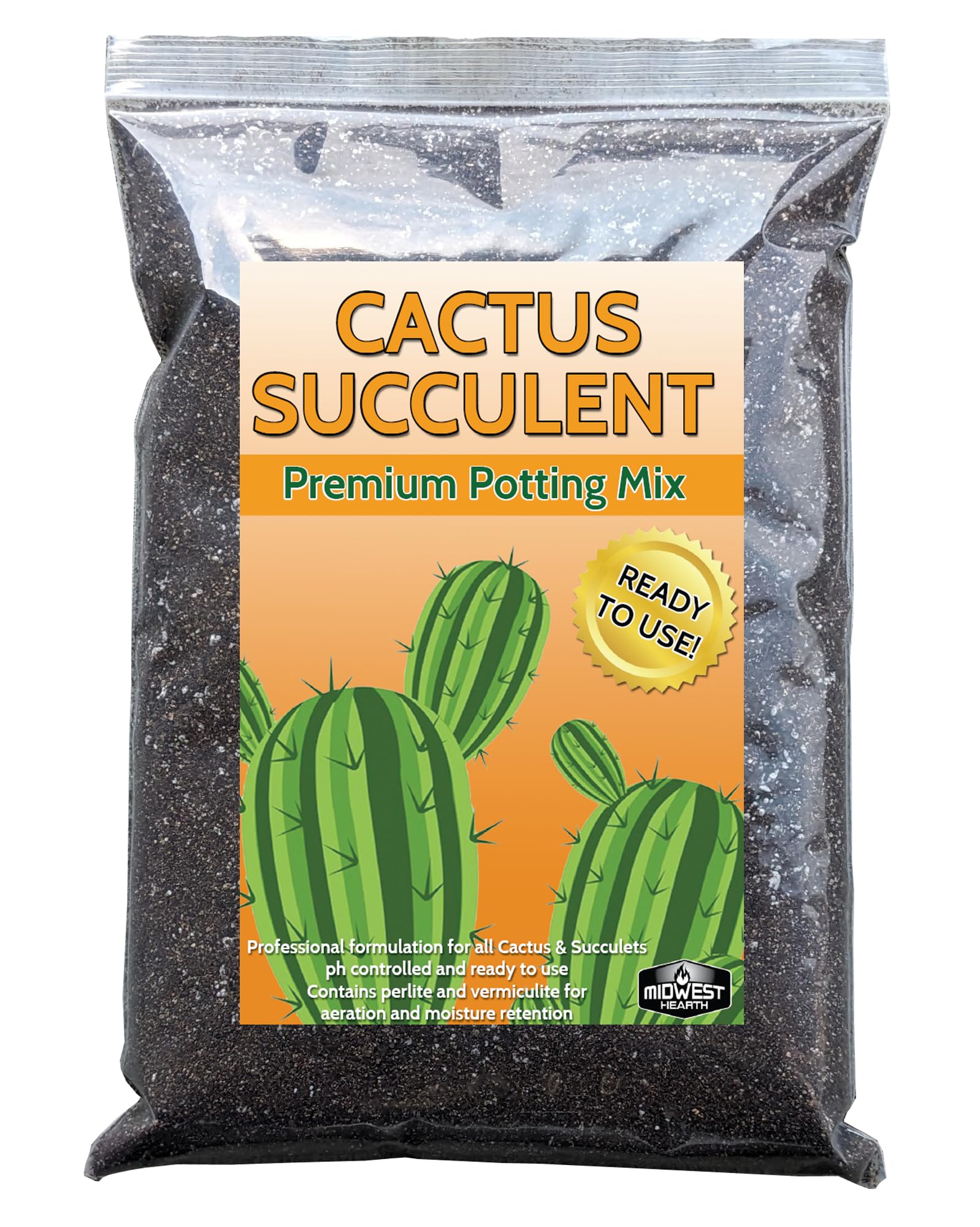
| Midwest Hearth Cactus MixBest Value | Fast drainage | 4 quarts | Peat moss, perlite, vermiculite | 4.5/5 | Amazon |
| Midwest Hearth Premium MixMost Versatile | Versatile potting | 4 quarts | Peat moss, vermiculite, perlite | 4.5/5 | Amazon |
| Leaves & Soul Herb Mix | Indoor kitchen herbs | 2.2 quarts | Perlite, coco coir | 4.2/5 | Amazon |
| Grow Queen Houseplant Mix | Peat-free organic | 2 quarts | Douglas fir bark, lava rock, pumice, worm castings | 4.6/5 | Amazon |
| Perfect Plants Indoor Soil | Bug-free indoor growing | 4 quarts | Pine bark, coco coir, perlite, sand, garden lime | 4.6/5 | Amazon |
| Avalution Potting Mix | Budget-friendly value | 3 quarts | Coco coir, peat moss, perlite, vermiculite, rice charcoal | 4.5/5 | Amazon |
| Soil Sunrise Cactus Mix | Gritty premium drainage | 8 quarts | Pine bark, silica sand, calcined clay, pumice | 4.7/5 | Amazon |
| Gardenera Monstera Mix | Small single-pot jobs | 1 quart | Peat moss, perlite, coco coir, biochar, worm castings, bark | 4.6/5 | Amazon |
In‑Depth Reviews
1. Hoffman Organic Cactus and Succulent Soil Mix
Our pick — over 4.5★ from 19,500+ verified ratings; the strongest balance of quality and price.
A ready-to-use, 4-quart twin pack that gives rosemary the fast-draining grit it craves.
Hoffman’s mix is the safest first choice for potted rosemary because it drains aggressively—the exact trait this herb needs to avoid root rot. It ships as two 4-quart bags, each made from peat moss, perlite, and sand, so you get enough volume to repot several herbs at once. Owners describe it as light and fluffy, with the kind of structure that lets water run straight through instead of pooling at the roots.
What wins people over here is the quality—by far the most-praised aspect, with hundreds of gardeners calling out how well their plants respond. The perlite and sand structure keeps the root zone airy, promoting vigorous growth., and it’s ready straight from the bag, so you skip the chore of blending ingredients yourself. For rosemary specifically, the perlite and sand combo keeps the root zone airy between waterings, which is exactly what a Mediterranean herb wants.
The recurring trade-off is drainage consistency—some owners find certain bags hold moisture a bit longer than others, and an occasional bag arrives with a leak. Neither is a dealbreaker for rosemary, since a slightly slower-draining bag just means you water less often. Buyers report success even when mixing this into heavy clay outdoor soil, which says a lot about its structure.
What wins people over
- Ready to use with zero mixing required
- Light, fluffy texture with perlite and sand for sharp drainage
- Two 4-quart bags cover multiple pots
What to watch
- Drainage speed can vary slightly between bags
- An occasional bag arrives with a leak in transit
Reach for this if: you want a proven, no-fuss mix that keeps rosemary roots dry and happy.
Look elsewhere if: you need one single small bag—this comes as a two-pack.
2. Midwest Hearth Cactus & Succulent Potting Soil Mix
A pH-balanced, fast-draining 4-quart bag that keeps rosemary roots from sitting in soggy soil.
Midwest Hearth’s cactus blend is built for exactly the kind of drought-tolerant plant rosemary is. It combines peat moss, perlite, and vermiculite in a formula designed to move excess moisture through fast, so roots never stew in wet soil. It’s also pH-controlled to match the needs of plants that prefer drier conditions, which helps steady root development from the moment you repot.
The standout feature for rosemary growers is the color-change signal: owners note the soil turns a lighter shade when the plant needs water, removing the guesswork from your watering routine. One gardener shared that a struggling plant became “a whole different plant in just 90 days” after repotting. The 4-quart resealable bag fills 2–3 standard pots, and it’s made in the USA with quality ingredients.
The honest caveat is texture—the mix is lightweight and can be dusty, and a few owners found the top particles blow around when a window is open. For indoor rosemary on a sill, that’s a minor annoyance at most. Moisture retention runs on the low side, which is precisely what rosemary wants, so you’ll just water a little more often in hot weather.
Sharp drainage: the peat-perlite-vermiculite mix (three ingredients that keep soil airy and quick-draining) moves water fast, so roots never sit soggy—and the color-change cue (a moisture indicator that shifts hue when dry) makes watering simple to use, ideal if you tend to over-water your herbs.
3. Midwest Hearth Premium Potting Soil Mix
A professional-grade 4-quart blend that balances aeration and moisture for rosemary and beyond.
This Midwest Hearth mix is the same formulation professional growers use, and it shows in how it handles water. The blend of peat moss, vermiculite, and perlite provides aeration while retaining just enough moisture—owners mention it holds water without ever getting soggy, which is the precise balance rosemary needs. The pH is controlled for a broad range of plants, so it’s a safe pick if you grow other herbs alongside your rosemary.
Gardeners praise the quality and the way young plants and vines thrive in it, with one long-time planter calling it among the best they’ve ever used. The balanced aeration and moisture retention encourage sturdy root establishment. and is ready to use straight from the bag, making it a low-effort upgrade for a windowsill herb garden. At 4 dry quarts, it’s a solid middle ground for someone repotting a few containers.
What wins people over is the mix quality—it stays airy and doesn’t compact into a dense brick the way cheaper soils do. The main grumble is bag size relative to price; a few owners wished the bag were bigger for the cost. For a single rosemary plant and a couple of companions, the volume works fine.
The strong points
- Holds moisture without turning soggy
- Professional-grower formula, ready to use
- Aeration keeps roots from suffocating
The trade-off
- Some find the 4-quart bag small for the price
- Not specialized for herbs specifically
Pick this for: a dependable all-rounder that keeps rosemary’s roots aerated without drying out too fast.
skip it if: you’re repotting a large collection and need a bigger bag.
4. Leaves & Soul Indoor Herb Soil Mix

A small-bag herb formula with perlite and coco coir, made for kitchen-window rosemary and thyme.
Leaves & Soul is the rare mix formulated specifically for culinary herbs like basil, mint, rosemary, and thyme, so it’s tuned for the way kitchen herbs actually grow. It combines perlite and coco coir to retain the right amount of moisture while letting excess water drain efficiently—exactly what prevents overwatering and root rot in a windowsill pot. The 2.2-quart bag is sized for small condo and windowsill gardens, and the resealable packaging keeps the soil fresh between uses.
For rosemary, the drainage profile is on point: coco coir holds a little water while perlite keeps air flowing to the roots. Customers note herbs thrive and seedlings transplant cleanly, and one gardener noted a single bag was perfect for a small hydroponic setup. It’s made in the USA and positioned as a dependable option for beginners and experienced growers alike.
The honest catch is value—a few owners found the bag small for the price, and some experienced a strong smell from the mix. One basil grower had a rough run with it, though the broader pattern is that most herbs respond well. If you’re growing one or two rosemary plants indoors, the size is a neat fit; for a big garden you’ll want a larger bag.
Kitchen-scaled: the 2.2-quart bag and herb-specific drainage make this a tidy choice for a single rosemary plant on a sunny sill, not a patio full of pots.
5. Grow Queen Organic Houseplant Potting Mix
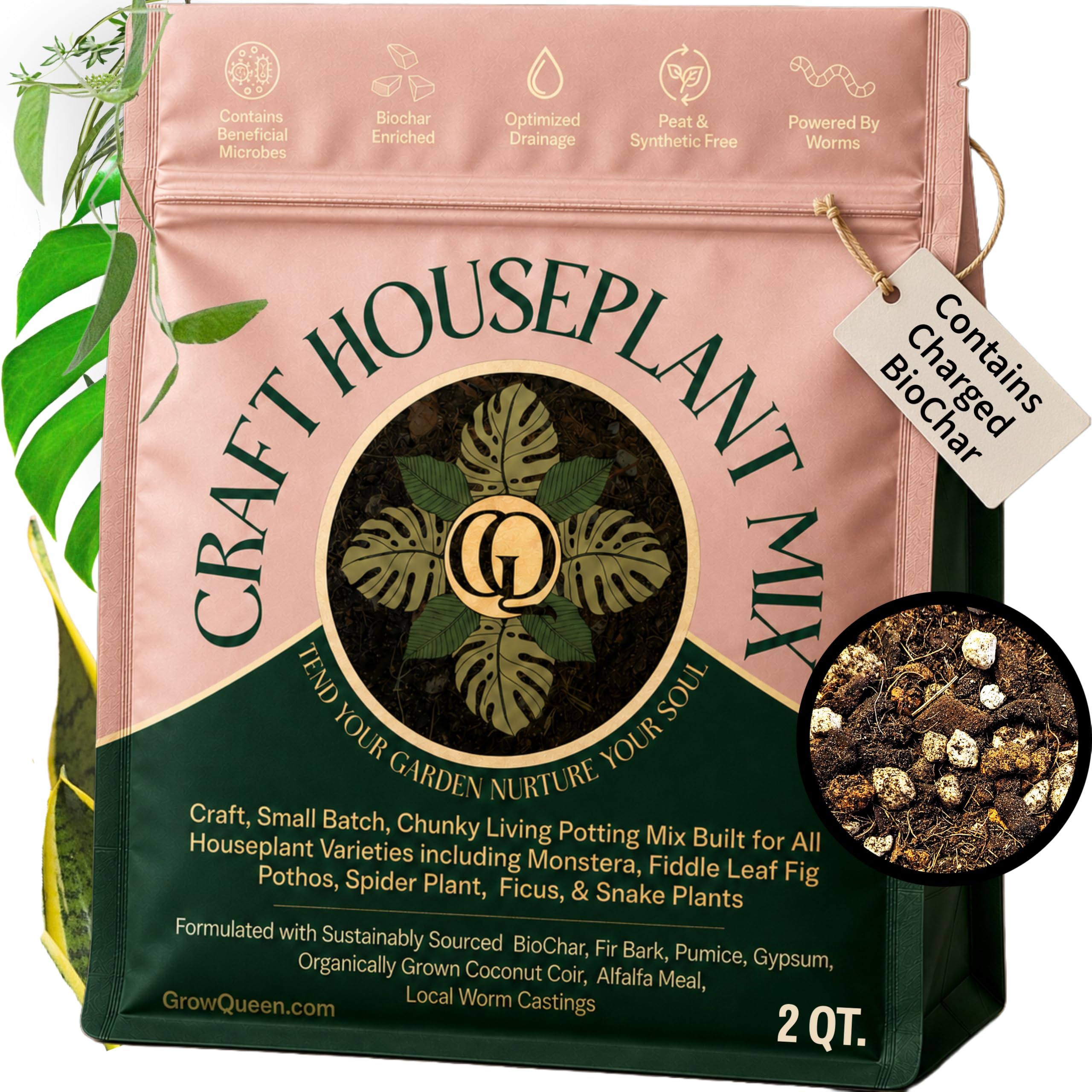
A chunky, peat-free 2-quart mix with fir bark and lava rock for rosemary that hates wet feet.
Grow Queen takes a different route to drainage: instead of peat and perlite, it uses large Douglas fir bark fines, lava rock, and pumice to create a chunky, airy structure. This makes it very difficult to overwater—a huge plus for rosemary, which rots when its roots stay damp. The mix arrives pre-moistened, so you never deal with dry, water-repelling soil at transplant time, and it The pre-moistened texture settles roots fast, minimizing transplant shock..
The bioactive formula is loaded with premium organic worm castings and charged biochar, which hold nutrients and The nutrient-rich biochar and worm castings feed roots for months after repotting.. Owners consistently report The bioactive formula yields healthier roots and stronger growth., with one houseplant keeper noting their Alocasia grew larger with a new growth point after switching. Because it’s peat-free and perlite-free, there’s no dusty mess and no white chunks floating to the surface when you water.
The trade-off is price per volume—2 quarts is a small bag, and some owners find it pricey for the size. But the quality is what people rave about; the mix is less prone to fungus gnats, which is a real bonus for indoor rosemary that shares a windowsill with other plants. If you want a sustainable, long-lasting organic option and don’t mind the smaller bag, this is a strong pick.
Why it stands out
- Chunky bark and pumice make overwatering nearly impossible
- Worm castings and biochar feed roots for months
- Peat-free and less prone to fungus gnats
Before you buy
- 2-quart bag runs small for the price
- Pre-moistened texture may surprise gardeners used to dry bagged soil
Choose this for: a premium, sustainable mix that keeps rosemary’s roots airy and fed without peat.
Think twice if: you need to fill several large pots on a budget.
6. Perfect Plants Indoor Plant Soil

A farm-mixed 4-quart coco coir blend with pine bark and sand that drains fast and stays bug-free.
Perfect Plants mixes pine bark, coco coir, perlite, sand, and garden lime into a formula that drains quickly while protecting roots from sitting in water. That’s the exact profile rosemary needs, and because it ships with no added fertilizer, you control the feeding schedule yourself—useful for a herb you plan to cook with. The 4-quart bag comes in a heavy-duty resealable pouch that keeps the soil fresh and easy to store.
What sets this apart is the bug-free reputation—multiple owners mention their plants thrive with no gnats, which is a relief for anyone who’s dealt with fungus gnats buzzing around a kitchen herb garden. Reviewers describe the texture as light and airy with excellent drainage and moisture retention, and The light, airy texture promotes greener foliage and healthier root systems.. It’s professionally mixed on a USA farm and works in clay pots and starter planters alike.
The main grumble is cost—some owners find it pricey for the bag size, though others call it good value for the quality. A few note that in plastic pots the soil dries a bit more slowly than in terracotta, so you’ll water less often. For rosemary, that moisture balance is actually ideal.
Clean indoor choice: the drainage is sharp, the gnats stay away, and the no-fertilizer formula lets you feed rosemary on your own schedule.
7. Avalution 9QT Potting Soil Mix
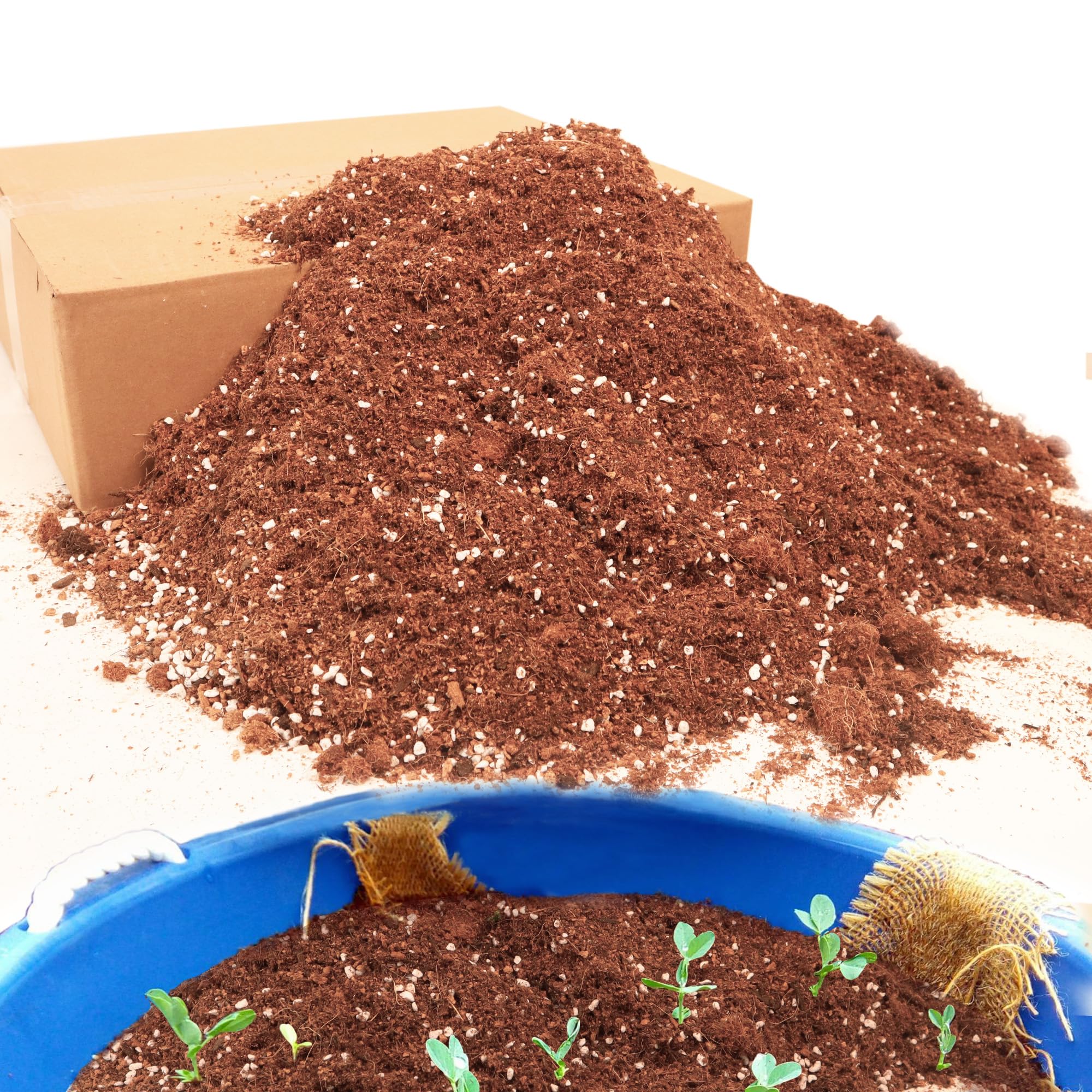
A light, airy 3-quart mix with five ingredients that stretches a small budget across several herbs.
Avalution packs five ingredients into one blend—coconut coir fiber, peat moss, perlite, vermiculite, and rice hull charcoal—to balance drainage with water retention. The perlite and vermiculite keep the mix well-ventilated so roots access oxygen, while the coco coir holds moisture between waterings. That’s a recipe that suits rosemary’s need for dry-ish roots with a little insurance against underwatering in hot weather.
The mix is lightweight, which owners love for containers and hanging planters, and it’s clean enough for indoor use. One gardener calls it the “best plain peat/perlite mix for all around use,” praising how soft, airy, and fluffy it feels compared to name-brand soils. It works across herbs, vegetables, houseplants, and succulents, making it a flexible pick if your rosemary shares space with other plants.
The honest caveat is absorbency—some owners note it holds light moisture but not for long, so you’ll water a bit more frequently. The bag is also on the smaller side for the price in some eyes, though others find it worth the money. If you’re on a budget and growing a few herbs, this is a smart spend.
The upside
- Five-ingredient blend balances drainage and moisture
- Lightweight and clean for indoor pots
- Versatile across herbs, veggies, and houseplants
The downside
- Moisture doesn’t last long between waterings
- Bag size feels small to some buyers
Grab this for: a budget-friendly, versatile mix that keeps rosemary roots aerated while staying affordable.
Pass if: you want a mix that holds moisture for long stretches between waterings.
8. Soil Sunrise Cactus and Succulent Potting Mix
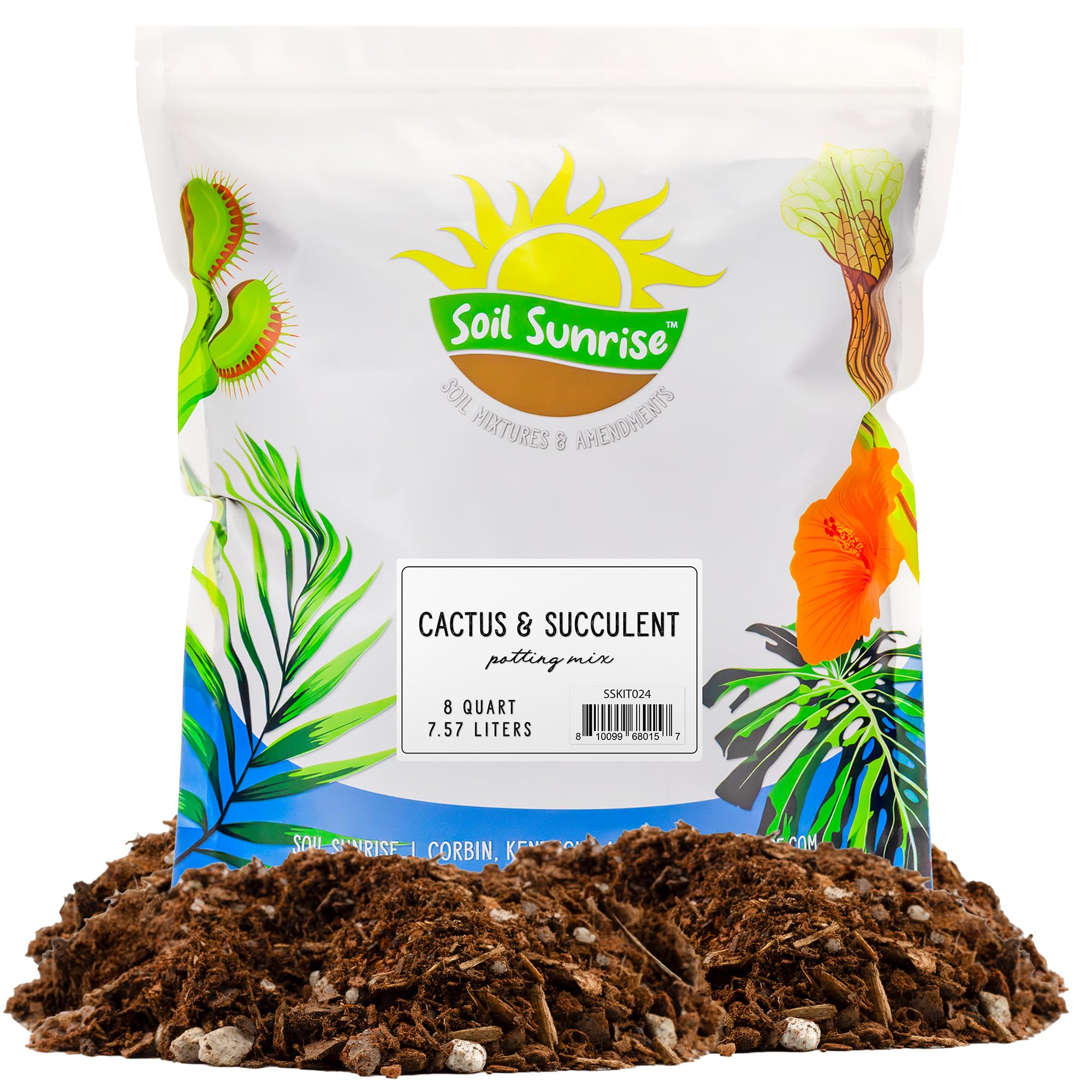
A hand-blended, 8-quart gritty mix with pine bark and pumice for rosemary that mimics its rocky home soil.
Soil Sunrise goes all-in on grit with a hand-blended mix of pine bark, silica sand, calcined clay, and pumice—the closest thing to the rocky Mediterranean soil rosemary naturally grows in. It’s 100% all-natural with no artificial ingredients, and it delivers excellent drainage, nutrient retention, and aeration to roots. At 8 quarts, it’s the biggest bag here, enough for a large 12-inch pot or several smaller herbs.
Owners are emphatic that this is a true gritty mix, not a big-brand bag diluted with topsoil. The texture is visibly and tactually different from standard cactus soil, with real gravel and sandy dirt that drains fast. It arrives fresh, smells pleasant, and has no bugs or gnats—things rosemary growers appreciate indoors. One owner used it as a base for a Ponytail Palm and found it dried in about 8 days, which gives you a sense of its drainage speed.
The recurring note is moisture retention—some owners find the mix stays too damp for their taste, while others are perfectly satisfied. For rosemary, that’s a manageable variable: adjust watering frequency and the gritty structure does the rest. The premium price reflects the hand-blended quality and the generous 8-quart volume.
True grit: the pine bark, sand, clay, and pumice blend drains like the Mediterranean hillside rosemary evolved on—worth the premium for serious growers.
9. Gardenera Premium Monstera Potting Soil

A sterile 1-quart bag with biochar and bark that handles a single small rosemary repot with zero fuss.
Gardenera’s mix is marketed for monsteras, but its drainage-first formula—peat moss, perlite, coco coir, biochar, worm castings, and bark—happens to suit rosemary just as well. The organic aged bark and coco coir strike a balance between water and air, The bark and coco coir balance water and air, shielding roots from overwatering and drought.. Each bag is sterilized to keep out pests and pathogens, and it’s non-toxic, which matters if your rosemary sits near a kitchen counter.
The biochar is the interesting addition: it retains nitrogen, phosphorus, and other nutrients so The biochar retains nutrients, fueling sustained growth over time.. The 1-quart bag is small, but owners note it’s enough to fill a 5-inch pot and then some—perfect for a single rosemary transplant. It arrives in a resealable bag for easy storage, and the texture is chunky and airy rather than dense.
The honest limitations are size and price—a 1-quart bag (about 0.95 liters) runs small for the cost, and reviewers point out it as “not that big.” There’s also a mild earthy, mushroomy smell, which most interpret as a sign of healthy organic matter. If you only need to repot one rosemary plant and want a sterile, nutrient-rich start, this is a tidy option—but pass on it if you’re potting several herbs at once.
What impresses
- Sterilized and non-toxic for safe indoor use
- Biochar and worm castings feed roots steadily
- Enough volume to fill a 5-inch pot with some left over
Keep in mind
- 1-quart bag is small for the price
- Mild earthy smell out of the bag
Best for: a single rosemary repot where sterile, nutrient-rich soil matters more than bag size.
Not ideal if: you’re potting multiple herbs and need more volume per dollar.
Understanding the Specs
Perlite and Pumice
These are the lightweight white or gray granules that create air pockets in soil. They’re the backbone of drainage—water flows around them instead of pooling, so rosemary roots get oxygen instead of sitting in moisture. More perlite or pumice usually means faster drainage and less risk of root rot.
Coco Coir and Peat Moss
Both hold moisture, but they behave differently. Coco coir is the sustainable option—it retains water while staying airy, and it re-wets easily even when dry. Peat moss also holds moisture but can become water-repellent when it dries out completely. For rosemary, a mix with some coco coir offers a forgiving balance.
FAQ
Can I use cactus soil for potted rosemary?
How much soil does a rosemary plant need?
Why does my rosemary keep dying in a pot?
Should I add perlite to regular potting soil for rosemary?
What is the difference between cactus soil and regular potting soil?
Is peat-free soil better for rosemary?
How often should I water rosemary in a fast-draining mix?
Does soil with added fertilizer work for rosemary?
Can I use a mix made for monsteras or houseplants on rosemary?
Final Thoughts: The Verdict
For most growers, the soil for potted rosemary winner is the Hoffman Organic Cactus and Succulent Mix because it pairs proven drainage with a crowd-favorite rating and enough volume for multiple pots. If you want a premium gritty texture that mirrors rosemary’s native ground, grab the Soil Sunrise Cactus Mix with its generous 8-quart bag. And for a single kitchen-window plant, the Leaves & Soul Herb Mix is the one to reach for—small, herb-specific, and ready to use.
How We Picked
We do not accept paid placement. Every pick is matched to a real buyer and a real use-case; we do not hands-on test units.
Sources & Methodology
Specifications: manufacturer listings and product documentation. Review insights: verified customer reviews, as of August 2026. Pricing: not shown on this page (it changes often); check the current price via the retailer link.
As an Amazon Associate, Lawn Gear Lab earns from qualifying purchases. This does not affect which products we feature.