
Specs are compiled from manufacturer listings and verified buyer reviews and can change over time — please confirm the key details on the product page before buying.
One week of wet weather is all it takes. Your hostas’ broad, lush leaves go from perfect to a polka-dot mess of brown spots, yellow halos, and powdery white film.
I’m Rikta — the founder and writer behind Lawn Gear Lab. This guide is built by comparing the manufacturers’ published specifications and the patterns across verified customer reviews, so you get each pick’s real strengths and trade-offs instead of marketing spin.
Whether you are battling black spot, powdery mildew, or leaf spot, the right treatment saves your hostas from turning into a skeleton. Here is a look at the best fungicide for hostas based on effectiveness, safety, and real-world owner experience.
Our Picks at a Glance

How To Choose The Best Fungicide For Hostas
Not all fungicides are safe for hosta foliage — their waxy, sensitive leaves can burn before the fungus dies, so you need a product that spreads evenly, sticks to the leaf, and targets leaf spot, anthracnose, and powdery mildew.
Systemic vs Contact Action
A systemic fungicide absorbs into the plant tissue and moves through the leaf. This means it protects new growth and isn’t washed off by rain as quickly. A contact fungicide sits on the leaf surface and kills fungus on contact. It works immediately, but you must cover every inch of the leaf. For the large leaves of a hosta, systemic action is far less work.
Active Ingredient Safety
Chlorothalonil is a powerful broad-spectrum choice but can leave a white residue. Copper fungicides are a popular organic option, but they can stain hosta leaves a bluish tint that looks worse than the disease. Bacillus subtilis is a biological bacteria that fights root rot and foliar diseases without any chemical residue at all — making it the safest bet for edible gardens nearby.
OMRI Listing
If your hostas are interplanted with vegetables or you keep pets, an OMRI-listed fungicide means the ingredients meet organic standards. Citric acid-based products and neem oil both carry this designation and break down quickly in the soil. That matters when you spray every 7 to 14 days during wet seasons.
Quick Comparison
| Model | Best For | Active Ingredient | Bottle Size | Action Type | Amazon |
|---|---|---|---|---|---|
| Bonide Revitalize Biofungicide★ Best Overall | Systemic Immune Response | Bacillus subtilis | 16 oz | Systemic | Amazon |
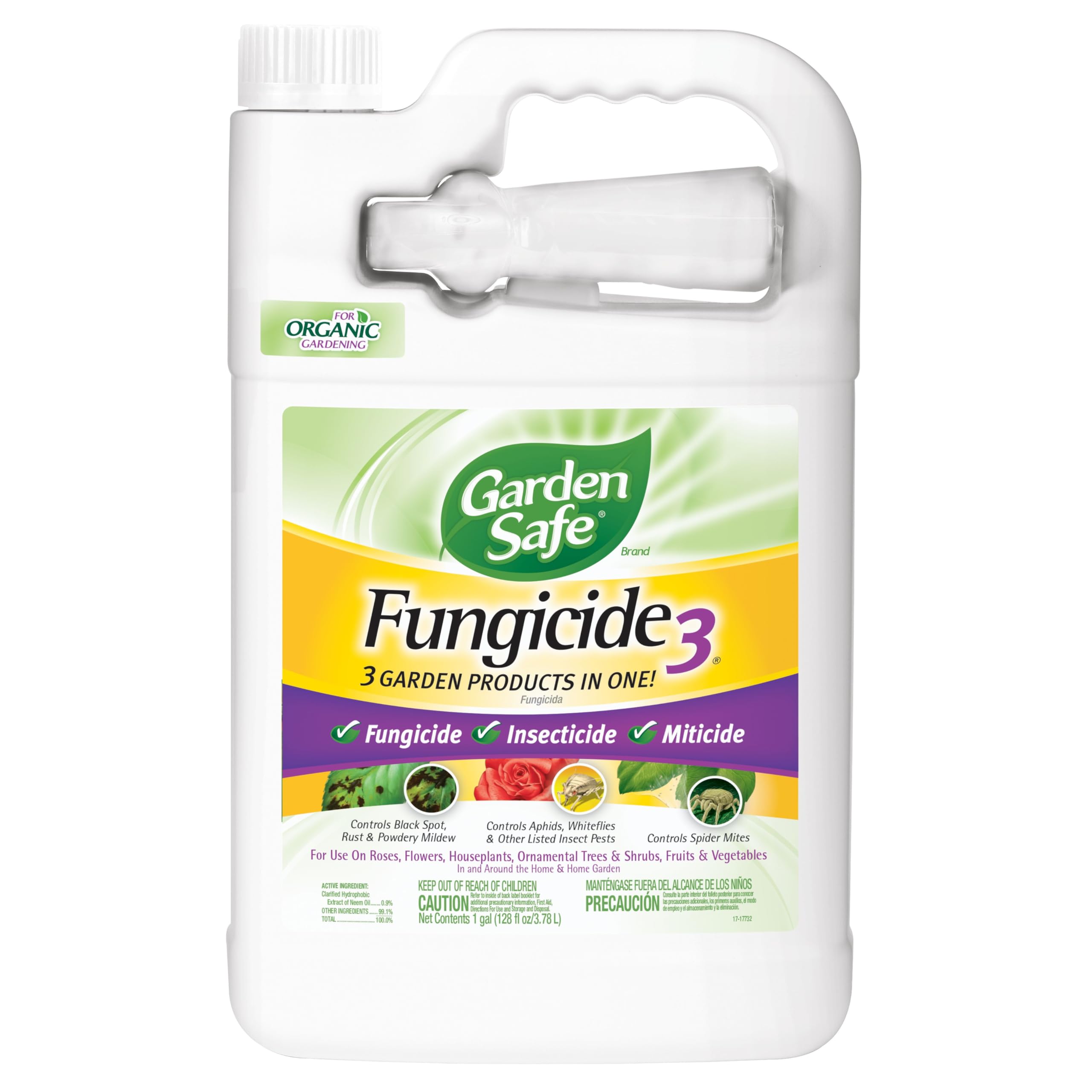
| Garden Safe Fungicide3Most Versatile | 3-in-1 Pest Control | Neem Oil | 128 oz | Contact | Amazon |
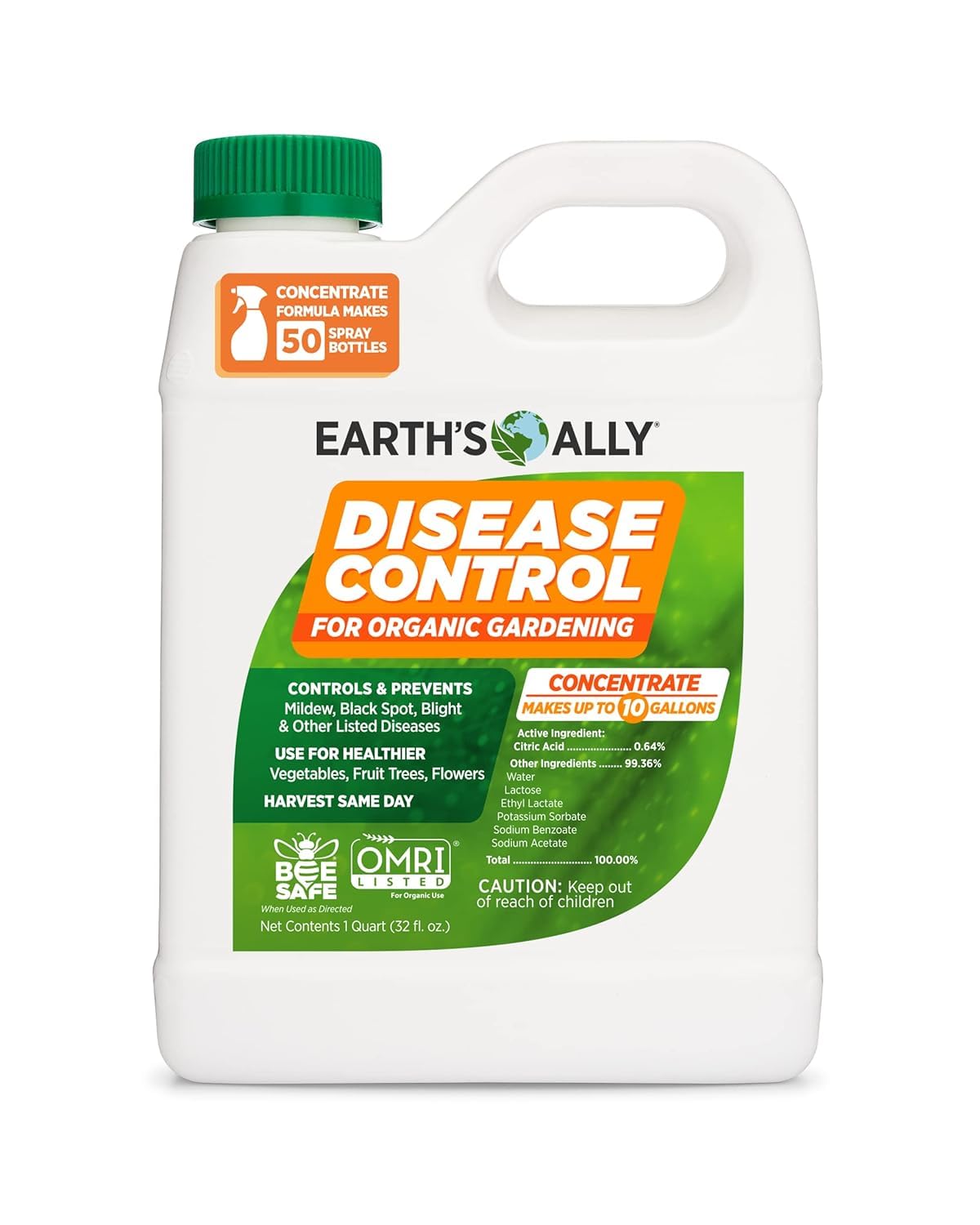
| Earth’s Ally Disease ControlPremium Pick | Organic All-Rounder | Citric Acid | 32 oz | Contact | Amazon |
| Monterey Liqui-Cop Copper | Quick Spot Control | Copper | 8 oz | Contact | Amazon |
| Southern Ag Biological Fungicide | Root Rot & Drench | Bacillus subtilis | 16 oz | Systemic | Amazon |
| Fertilome Systemic Fungicide II | Lawn & Ornamental | Propiconazole | 32 oz | Systemic | Amazon |
| Bonide Fung-onil | Broad-Spectrum Prevention | Chlorothalonil | 16 oz | Contact | Amazon |
| Monterey Fungi-Max | Two-Week Protection | Myclobutanil | 16 oz | Systemic | Amazon |
| Atticus Gravex 20EW | Long-Lasting Curative | Myclobutanil | 16 oz | Systemic | Amazon |
In‑Depth Reviews
1. Bonide Revitalize Biofungicide, 16 oz Concentrate
Our pick — over 4.5★ from 700+ verified ratings; the strongest balance of quality and price.
The immune booster that rescues plants from the inside out.
This is the fungicide that does not just sit on the leaf — it triggers an immune response inside the plant. The active ingredient is Bacillus subtilis, a beneficial bacterium that colonizes the root zone and leaf tissue to fight off blight, anthracnose, and powdery mildew. You mix the 16-ounce concentrate with water and spray it as a foliar spray or soil drench. That dual-use option means you can hit a hosta’s crown directly where damp soil invites rot.
Buyers report that after applying it as a soil drench every 3 to 4 days for about a month, trees that were losing leaves started showing signs of rebounding — new leaves emerged and the black foliage stopped. The list of controlled diseases is long: blight, anthracnose, powdery mildew, black spot, and more. It is approved for organic gardening and can be used right up until the day of harvest, which matters if hostas share a bed with vegetables.
The only mixed feedback is that some plants take time to respond. If your hosta is already past 50% damage, the biological action may feel slow compared to a chemical knockdown. Owners note it works best as a consistent prevention program rather than a one-shot cure.
Why it wins: Systemic defense that travels through the plant — not just a surface coat. The 16-ounce concentrate treats a huge area, and it is safe enough for organic produce.
The honest trade-off: Biological fungicides are slower than synthetic ones. You need patience and consistent application every few days.
Grab it if: you want a preventative, organic treatment that builds the plant’s own defenses and works as a soil drench.
skip it if: you need a fast knockdown of a severe, active outbreak — this works over weeks, not hours.
2. Garden Safe Fungicide3 with Neem Oil, 1 Gal
Three jobs in one bottle for the low-maintenance gardener.
This is a ready-to-use 128-ounce spray that acts as a fungicide, insecticide, and miticide all at once. The active ingredient is clarified hydrophobic extract of neem oil. It controls black spot, rust, and powdery mildew on hostas, while also killing aphids, whiteflies, and spider mites. That matters because stressed hostas often get both fungus and pests at the same time.
Owners mention it is safe for veggies and incredibly effective against black spot on roses and silver mold on zucchini. The ready-to-use gallon means no mixing, no measuring, and no storing concentrate. You just attach a hose sprayer or use the included sprayer and walk the garden.
The biggest gripe is the included sprayer. Owners say it clogs easily and the short hose makes it hard to reach plants in the back of a bed. You may need a separate sprayer for this to work right.
What wins people over
- Three products in one — kills fungus, aphids, and mites with a single spray
- Ready-to-use gallon covers a massive area immediately
- Organic neem oil breaks down without harsh residue
Where it stumbles
- The included sprayer clogs and has a short hose
- Can burn leaves if used in direct midday sun
Perfect for: the gardener who wants one bottle for everything — fungus, bugs, and mites — with zero mixing.
Not for: anyone who needs a precise, targeted fungicide without the neem oil residue.
3. Earth’s Ally Disease Control Fungicide Concentrate, 32 Oz
Citric acid power that is safe enough to spray on harvest day.
This 32-ounce concentrate makes 10 gallons of spray, so it goes a long way for a large hosta bed. The active ingredient is citric acid — a natural compound that kills fungus on contact. It treats powdery mildew, downy mildew, blight, canker, black spot, and leaf spot. The formula is OMRI Listed, meaning it is certified for organic gardening. You can spray it on fruits and vegetables up until the day of harvest.
Customers note that it is a big help against black rot that had destroyed their grapes for years, with noticeable improvement after the first application. Owners also note it works great on powdery mildew on plants and that people are shocked it is earth-friendly. The biggest win here is the safety profile — no harsh chemicals, no harmful residues, and safe for people and pets.
The catch is that as a contact fungicide, it needs thorough coverage. Hosta leaves are large, so you have to spray the tops and undersides. Some owners found the instructions a bit unclear at first.
Why it shines: The combination of organic certification, huge 32-ounce bottle, and citric acid’s safety means you can spray weekly without worry.
The trade-off: Contact action means rain washes it off. You need to reapply after a heavy downpour.
Reach for this: if organic gardening is a priority and you want a concentrate that makes 10 full gallons.
Look elsewhere: if you need a systemic treatment that moves through the leaf and works for two weeks.
4. Southern Ag Garden Friendly Biological Fungicide, 16 oz

The heavy hitter for root rot that revives plants overnight.
This 16-ounce concentrate uses the same Bacillus subtilis bacteria as the Bonide Revitalize, but owners consistently report it is even more concentrated. In fact, buyers call it “thousands of times more potent than Hydroguard” for hydroponic systems. It is effective as both a soil drench and a foliar spray. For hostas, that means you can pour it directly into the crown to fight root rot, and also spray the leaves for powdery mildew.
Buyers share a telling story: a soil drench (1 teaspoon per gallon) revived a wilting hardy hibiscus stem overnight. The plant was showing dieback, and one treatment literally brought it back. Owners also report it is the best product for recirculating deep water culture (RDWC) systems. The versatility is outstanding — tomatoes, hibiscus, cucumbers, and peaches all benefit.
The main complaint is the bottle opening. During measurement, it causes dribbling. You will want to use a small funnel or measure into a separate cup. Also, because it is biological, it needs time to colonize the root zone before it reaches full strength.
Why owners love it
- Extremely concentrated — a little goes a very long way
- Works as both soil drench and foliar spray for full coverage
- Revives plants showing root rot and wilt in days, not weeks
The small annoyances
- Bottle dribbles when pouring — need a funnel
- Requires multiple applications for severe outbreaks
Best for: anyone fighting root rot or growing in hydroponic systems who wants the most concentrated biological option.
Think twice: if you prefer a synthetic chemical that works faster — this is living bacteria and needs time.
5. Fertilome Liquid Systemic Fungicide II Concentrate, 32 oz
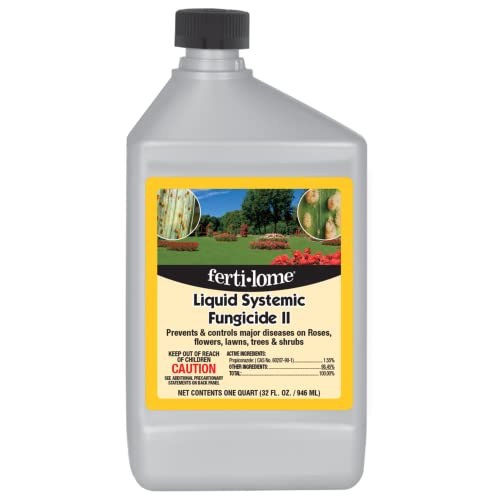
A systemic synthetic that wipes out fungus in three days.
If you want chemical speed, this is it. The active ingredient is propiconazole, a systemic triazole fungicide that moves through the plant and stops fungal growth from the inside. It controls Take All Patch, Brown Patch, Dollar Spot, Leaf Spot, and more. The 32-ounce bottle of liquid concentrate mixes readily with water. For best results, you apply it early in the growing season before the fungus takes hold.
Reviewers point out results in as little as three days. One owner with a grass fungus saw it “working exactly as advertised” within days and uses it year after year. Another stopped yellowing leaves on newly planted mature Live Oak trees after a single treatment. The formula is designed for roses, flowers, lawns, and trees, so it covers the same ground as hostas.
The downside is that propiconazole is a synthetic chemical. It is not OMRI listed. If you have pets or children playing near the hosta bed, you need to keep them away until the spray dries. The label says to apply early in the season for best results.
Why it stands out: A 32-ounce bottle of systemic synthetic that delivers visible results within three days — and keeps working year after year.
The catch: Not organic. You need to follow safety precautions around kids and pets while spraying.
Choose this: if speed matters more than organic certification and you want a systemic that lasts through the season.
Avoid it: if you need an organic or OMRI-listed product for your vegetable-adjacent garden.
6. Bonide Fung-onil Multi-Purpose Fungicide, 16 oz Concentrate
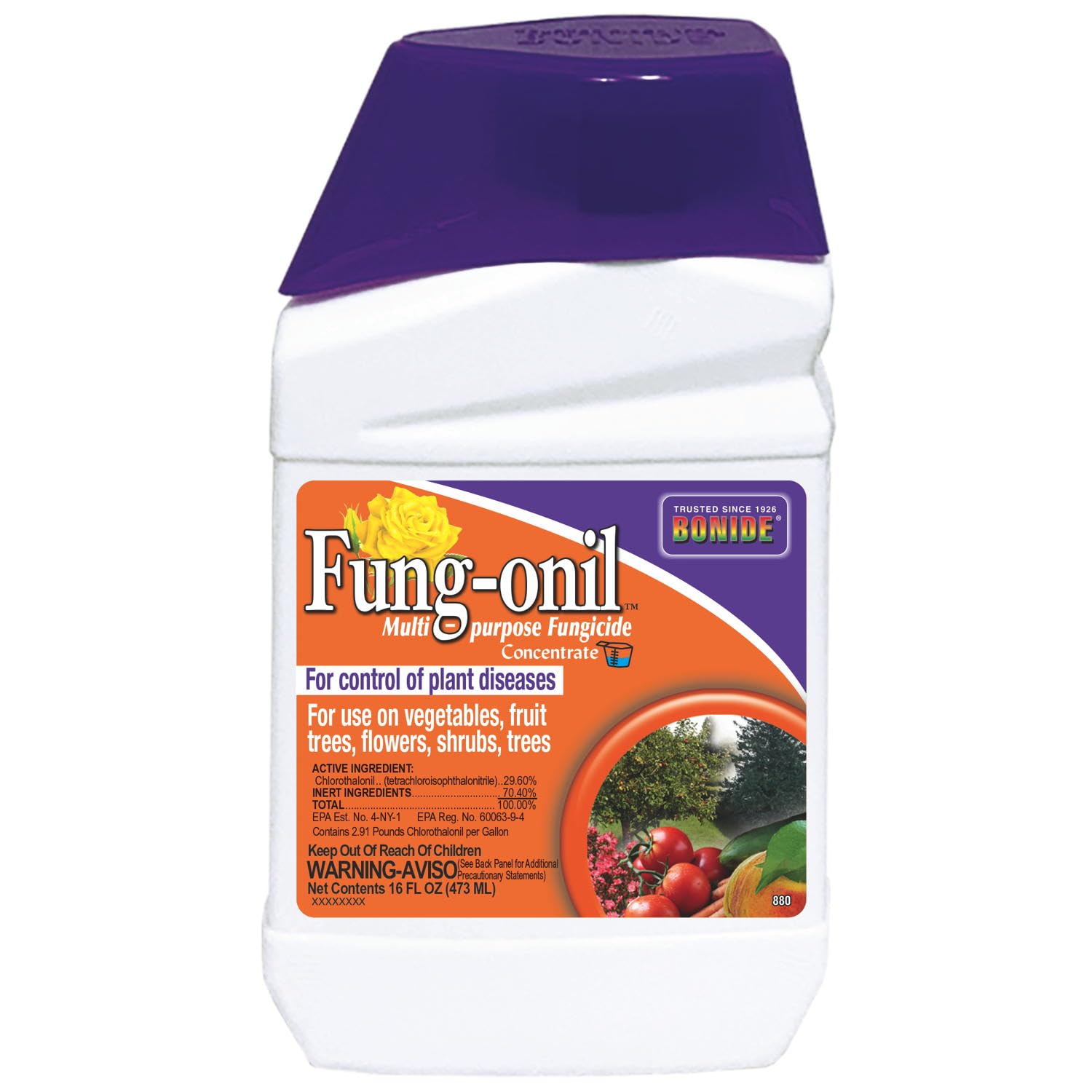
Chlorothalonil sprays on white but keeps the garden green.
This is a classic contact fungicide that uses chlorothalonil, a broad-spectrum active ingredient trusted by commercial growers for decades. It controls leaf spot, rust, blight, mildew, scab, and mold. The 16-ounce concentrate mixes with water and applies using any sprayer equipment. It clings to the leaf with a milky, soapy texture that resists runoff.
Shoppers say it is great for vegetable plants and perennials. One owner noted that treated tomatoes thrived while untreated Roma plants got blight. Another saw their shrub blight solved after 21 days of weekly spraying. The texture is like white latex paint but does not leave visible spots when properly diluted. It works well on tomatoes that are already infected with black spot fungus.
The biggest complaint is the instructions. Owners find them confusing, especially for figuring out the right mixing ratio for a refill bottle. The white residue can also be an eyesore on hosta leaves if you over-apply. Follow the dilution rate exactly.
The strengths
- Broad-spectrum control of nearly every common fungal disease
- Milky texture clings to leaves and resists wash-off
- Proven effective even on already-infected plants
What to watch
- White residue can show on dark green hosta leaves if overdone
- Instructions are poorly laid out for mixing ratios
Reach for it: if you need a powerful, broad-spectrum contact spray and do not mind a slight white film.
Pass on it: if you want an invisible, organic treatment or hate deciphering confusing labels.
7. Monterey Fungi-Max Fungicide, 16 oz
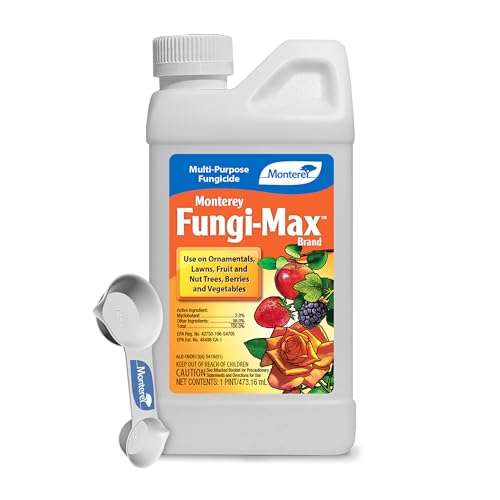
A single spray protects hostas for up to two weeks.
Monterey Fungi-Max uses myclobutanil, a systemic fungicide that moves upward through the plant to protect tender new growth. One application protects for up to two weeks. It controls a wide range of diseases: anthracnose, brown patch, dollar spot, leaf spot, powdery mildew, rust, and red thread. The 16-ounce liquid comes with a measuring spoon, and you use a very small amount per gallon.
Buyers report that rust fungus on hawthorn bushes was stopped with a single spray. Another owner says first-year roses with powdery mildew bounced back immediately, with an explosion of new growth and blooms that outpaced untreated roses. The coverage is broad — it works on roses, flowers, ornamentals, shrubs, trees, lawns, fruit trees, berries, and vegetables.
One note: it is a synthetic systemic. If you are strictly organic, this is not for you. Also, heavy infections may need a second application at the two-week mark. The label says to start treatment when disease first appears or as grass turns green in spring.
The big advantage: A systemic that lasts 14 days per application — far fewer spray days than a contact fungicide like the Bonide Fung-onil.
The honest limit: It is not organic. If you want a natural option, stick with the Earth’s Ally or the Southern Ag.
Ideal for: anyone who wants to spray less often. A two-week interval is a real time saver in a wet season.
Not ideal: if you need a product for organic gardening or want to spray right up to harvest day.
8. Atticus Gravex 20EW Fungicide, 16 oz
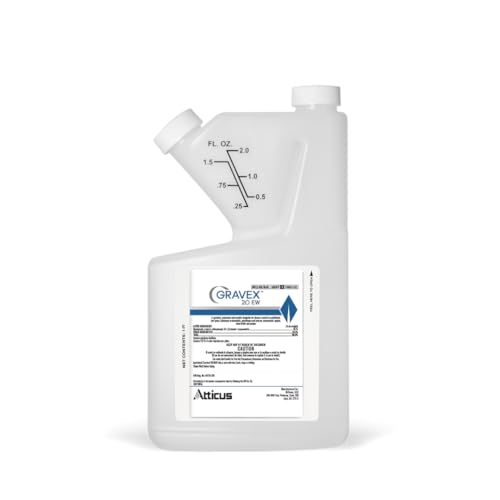
The same active ingredient as Eagle 20EW, with curative and preventive power.
Owners mention it works great on powdery mildew affecting zinnias, with potted plants improving in 24 hours and ground plants showing 80% recovery after 2 weeks. Another owner chose it as an alternative for lawn fungus and saw dead grass spots recover within 4 to 6 weeks. The bottle spout has measurements for easy mixing.
The biggest downside is the odor. Several owners describe it as “bad-smelling.” The spray also has a strong smell that lingers. If you are sensitive to chemical odors or garden near an open window, this might bother you. It is not for sale in Alaska, DC, New York, Puerto Rico, or Vermont.
Why it stands apart
- 24-hour curative action on active infections like powdery mildew
- Up to 28 days of protection per application — the longest interval here
- Controls more than 38 fungus species
The trade-offs
- Strong chemical smell that lingers in the garden
- Not registered for sale in several states — check your location
Grab this: if you need the fastest curative action with the longest protection interval and can tolerate the smell.
Skip it: if you garden near living spaces or live in a restricted state.
9. Monterey Liqui-Cop Copper Fungicide Garden Spray, 8 oz
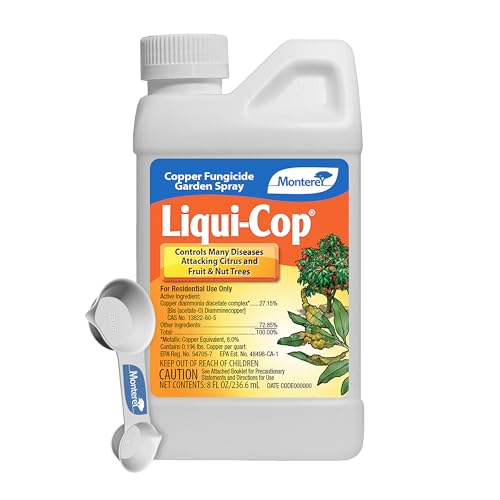
Copper gel that sticks to leaves and laughs at rain.
This is a liquid copper fungicide concentrate in an 8-ounce bottle. The gel formulation is rain-fast once dry, meaning water does not wash it off easily. It prevents a wide variety of diseases: anthracnose, brown rot, blight, downy mildew, leaf spot, and more. It is designed as a preventative — you need to cover the plant surface completely before the fungus arrives. The 8-ounce bottle is small, but it is concentrated, so it goes further than the bottle size suggests.
Customers note a dramatic result: “My powdery mildew in my garden was gone within a week of spraying with this solution!” Another says it saved the farm from rust. The gel formulation is the key advantage here — it is much more rain-fast than standard copper sprays. The included spoon helps with measuring.
The packaging is a real pain. Owners complain the cap is very difficult to get off and even harder to get back on, leading to leaks. The instructions are printed in very small text and are confusing. Also, copper can leave a bluish stain on light-colored hosta leaves — something to consider for a plant grown for its foliage.
The strongest point: The gel formula dries rain-fast — an edge over many copper sprays that wash off in a single storm.
The hassle: A badly designed cap and tiny instructions make application frustrating. Buy a separate sprayer bottle to transfer the concentrate into.
Buy this: if you want a copper spray that actually stays on the leaf through rain and you do not mind a little bottle frustration.
Look elsewhere: if you need a large quantity or cannot risk staining your prized variegated hostas.
Understanding the Specs
Systemic vs Contact Action
Systemic fungicides absorb into the leaf tissue and move through the plant’s vascular system. This means one spray coats the whole leaf — even new growth that emerges after the spray dries. Contact fungicides only kill the fungus they physically touch on the surface. You must hit every inch of the leaf. For large hosta leaves, systemic action is less work and lasts longer.
Bacillus subtilis
This is a beneficial bacterium, not a chemical poison. It colonizes the root zone and leaf surfaces and outcompetes pathogenic fungi for space and nutrients. It also triggers an immune response in the plant. It is the safest option for organic gardens and pets, but it needs time to establish — typically a few days to two weeks before you see full results.
FAQ
What are the first signs of fungus on hosta leaves?
Can I use a copper fungicide on hostas?
How often should I apply fungicide to hostas in wet weather?
Is it safe to spray fungicide on hostas when they are blooming?
What is the difference between a biological fungicide and a synthetic fungicide?
Should I spray just the top of the leaf or the underside too?
Can I mix fungicide with insecticidal soap for a combined spray?
Why do my hostas get leaf spot every year even after I spray?
What is the shelf life of a concentrate fungicide bottle?
Final Thoughts: The Verdict
For most buyers, the fungicide for hostas winner is the Bonide Revitalize Biofungicide because it is a systemic biological that triggers the plant’s own immune system against a wide range of diseases — safe enough for organic gardens and effective enough for heavy infections. If you want a ready-to-use 3-in-1 that handles fungus and bugs simultaneously, grab the Garden Safe Fungicide3. And for root rot and hydroponic setups, the Southern Ag Biological Fungicide is the one to reach for. Choose based on if you want an immune-boosting systemic, a fast chemical knockdown, or the simplicity of a single gallon spray.
How We Picked
We do not accept paid placement. Every pick is matched to a real buyer and a real use-case; we do not hands-on test units.
Sources & Methodology
Specifications: manufacturer listings and product documentation. Review insights: verified customer reviews, as of July 2026. Pricing: not shown on this page (it changes often); check the current price via the retailer link.
As an Amazon Associate, Lawn Gear Lab earns from qualifying purchases. This does not affect which products we feature.