
Specs are compiled from manufacturer listings and verified buyer reviews and can change over time — please confirm the key details on the product page before buying.
Lucky bamboo stalks turn yellow and droop when the wrong soil traps water against the roots, starving them of oxygen instead of feeding the plant. The difference between a thriving green stalk and a rotting mess depends on how fast water drains and whether air can reach the root ball — two specs most general potting mixes simply cannot deliver. This guide compares four mixes built specifically for Dracaena sanderiana to help you pick the one that actually keeps your plant alive.
I’m Rikta — the founder and writer behind Lawn Gear Lab. This guide is built by comparing the manufacturers’ published specifications and the patterns across verified customer reviews, so you get each pick’s real strengths and trade-offs instead of marketing spin.
Below you will find the exact peat moss, perlite, and coconut coir ratios that matter here, what pH range keeps nutrient levels stable, and which bag size matches your pot count so you never overbuy or come up short — all to help you find the right soil for lucky bamboo.
Our Picks at a Glance

How To Choose The Best Soil For Lucky Bamboo
Buying the wrong bag is the fastest way to turn a healthy stalk yellow. Lucky bamboo is technically a Dracaena that grows in shallow root systems, so it needs a mix that drains fast but still holds enough moisture between waterings. Here are the three things to check before you buy.
Drainage ingredients matter most
Perlite and coarse sand create air pockets so water does not collect around the roots. Without those, the roots suffocate and rot. A mix that lists peat moss and perlite together, like most of the picks here, is a solid starting point because peat holds a little moisture while perlite forces drainage.
pH range keeps nutrients available
Lucky bamboo absorbs nutrients best when the soil pH sits between 5.5 and 6.5. Outside that range, the roots cannot pull in what they need even if the fertilizer is right there. The Pure Natural mixes arrive pre-balanced at exactly that range, so you skip the guesswork.
Bag size should match your pot count
A 2-quart bag covers one small repot for a single stalk in a 4-inch pot. A 4-quart bag handles two or three medium pots, and the 10-quart bag takes care of a whole collection or a deep planter. Buying too large means the mix sits on your shelf until its texture breaks down.
Quick Comparison
| Model | Best For | Volume | Key Ingredients | pH Balanced | Amazon |
|---|---|---|---|---|---|
| Soil Sunrise (4qt)★ Best Overall | Reviving root-bound plants | 4 Quarts | Peat moss, perlite, worm castings | Yes | Amazon |
| Pure Natural 10qt | Multi-plant repotting projects | 10 Quarts | Peat moss, coconut coir, perlite | Yes (5.5-6.5) | Amazon |
| Doter Premium (2qt) | Single-plant repotting without waste | 2 Quarts | Organic enriched blend | Yes | Amazon |
| Pure Natural 2qt | Seed starting and small repots | 2 Quarts | Peat moss, coconut coir, perlite | Yes (5.5-6.5) | Amazon |
In‑Depth Reviews
1. Soil Sunrise Lucky Bamboo Plant Potting Mix (4 Quarts)
Our pick — over 4★ from 400+ verified ratings; the strongest balance of quality and price.
A recovery mix for stalks that look half-dead and root-bound in their old home.
This 4-quart bag leads the list because it solves the exact panic every lucky bamboo owner hits: the stalk is turning yellow, roots are circling the pot, and generic soil made the problem worse. Soil Sunrise blends peat moss, perlite, and worm castings — the castings add gentle nutrients while the perlite keeps the mix light and airy so roots can spread again. Buyers report that once they transplanted into this soil their plant started to recover from being root bound, which lines up with the 4.4 rating from over 400 reviews.
The resealable bag is a small but real perk. Most potting mixes come in bags you have to tape shut, and the leftover soil dries out or gets dusty. Here you zip it closed and store it for the next repot. One reviewer noted the mix is “light and airy” and that their plants seem to love it, so the texture clearly works for delicate root systems.
At 4 quarts, this bag handles two to three medium pots — a useful middle ground between the tiny 2-quart bags and the bulk 10-quart option. The hitch is that the worm castings make it pricier per quart than simpler peat-and-perlite blends, but for a single plant that needs a real rescue, that organic humus delivers faster results than any filler mix.
Ideal rescue pick: Best for anyone repotting a sad, root-bound lucky bamboo into a mix that feeds and breathes at the same time.
One real limit: The volume (4 qt) is double what you need for a single stalk, so you will have leftover mix if you only have one small pot.
2. Pure Natural Potting Soil for Lucky Bamboo Plants 10qt
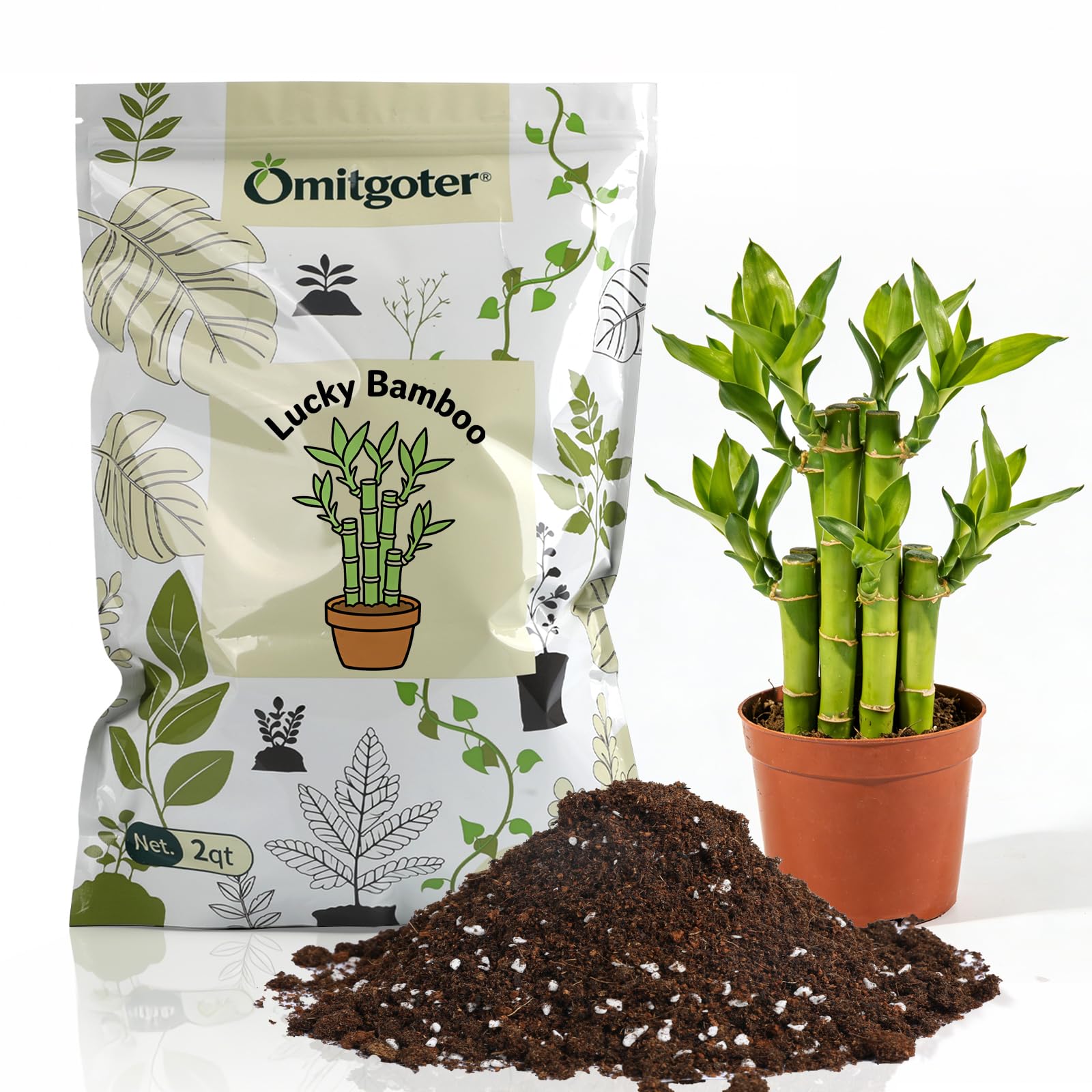
Ten quarts of fast-draining mix for anyone repotting a whole collection at once.
This bag holds 10 quarts — that is a full 5.0x more than smaller options like Doter’s 2-quart bag, so you can repot a dozen stalks or fill a deep decorative planter without running out mid-job. The blend uses peat moss, coconut coir, and perlite, which gives it a porous texture that drains fast and prevents overwatering. The manufacturer sets the pH between 5.5 and 6.5, which is the balance for nutrient absorption in Dracaena sanderiana.
One buyer mentioned their seeds sprouted in about five days, which is faster than what they usually experience, and they had no issues with mold at all. That fast germination suggests the airflow is excellent and the moisture balance is dialed in. The same reviewer wished the bag were bigger for the price, but at 10 quarts the cost-per-pot is the lowest in this lineup if you have more than two plants to repot.
The single catch is that the bag is not resealable like the Soil Sunrise option. If you only need a few quarts, the open bag has to be folded and clipped, and the coir-based mix can dry out faster in storage. For a large project you finish in one go, though, this is the most efficient buy per plant.
Best for collectors: Ideal for anyone with three or more lucky bamboo plants who wants one bag to finish the job rather than buying multiple small bags.
One real limit: Not resealable, so leftover mix must be stored in a separate container to stay fresh.
3. Doter Premium Lucky Bamboo Soil Mix 2qt

A tiny bag sized for one rescue repot, so you never waste mix on a single stalk.
Doter keeps this blend at 2 quarts, which is exactly enough for one small pot or one conversion from water-grown bamboo to soil. The manufacturer calls it a “modern” style mix with an enriched organic formula designed for moisture retention and drainage. It does not list exact ingredients like peat moss or perlite percentages, but the reviews suggest the texture works well — one buyer bought clearance, half-dead bamboo plants in hydrogel and reported that a few weeks after repotting them in this soil they are a healthy deep green with new growth.
The value here is avoiding leftover mix. A 4-quart bag you store for months often dries out or loses its structure; a 2-quart bag gets used up in one repot. The price per quart is higher than the 10-quart Pure Natural option, but if you own exactly one lucky bamboo plant, you are not paying for soil you will never use. Another reviewer mentioned it is “good quality soil for lucky bamboo. good price,” which matches the 4.4 rating from nearly 300 reviews.
It works for most single-plant households, but anyone who wants precise peat-to-perlite ratios might prefer the Pure Natural or Soil Sunrise options that disclose everything.
Smart single-stalk buy: Best for the person with one lucky bamboo plant who wants to repot it today without soil left over.
One real limit: No published pH or full ingredient breakdown, so you have to rely on the feature claims rather than specs.
4. Pure Natural Potting Soil for Lucky Bamboo Plants 2qt
Fast germination with no mold, but the bag fills only one small pot.
This 2-quart bag uses the same peat moss, coconut coir, and perlite recipe as its 10-quart sibling, with the same pH range of 5.5 to 6.5. Owners mention that seeds sprouted in about 5 days with no mold and the seedlings were healthy, which points to excellent drainage and a sterile mix. The same reviewer noted the bag only fills an 18-count egg tray, so the volume is truly tiny — enough for one small lucky bamboo pot or a handful of seed starts.
Compared to the Soil Sunrise 4-quart bag, this is half the volume at a lower total cost, but the price per quart is higher. One owner reported it is “good for drainage” but that they could not fill even two of their five-inch pots, so anyone with more than one plant will run short. The mix works universally for tropical foliage including Monstera, Philodendron, and Calathea, which gives it some versatility beyond lucky bamboo.
The obvious trade-off is that the bag is expensive for the volume you get. Multiple reviews call it “too small” or “not worth the price” compared to buying perlite and regular soil separately. For a single stalk or a seed-starting tray where drainage quality matters more than cost, this works perfectly. For a routine repot of established plants, the larger 10-quart version or the Soil Sunrise 4-quart bag gives you more for your money.
Why this works
- pH balanced (5.5-6.5) for optimal nutrient uptake
- Fast germination with no mold reported
- Works for multiple tropical plants beyond bamboo
Where it falls short
- Only 2 quarts — can’t fill two 5-inch pots
- High price per quart compared to DIY alternatives
Best for seeds: Ideal for starting lucky bamboo seeds or repotting a single small stalk where drainage quality is non-negotiable.
Look elsewhere if: You have more than one plant to repot, or you want to stretch your dollar — the 10qt version or DIY mix will cost less per pot.
Understanding the Specs
Peat moss vs. coconut coir
Both hold moisture, but peat moss is slightly acidic while coconut coir is pH-neutral. Lucky bamboo prefers slightly acidic conditions (pH 5.5-6.5), so peat moss is the safer default. Coconut coir drains slightly faster but needs more frequent watering. A mix with both, like the Pure Natural blend, balances moisture retention with quicker drainage.
Perlite and drainage
Perlite is volcanic glass popped into lightweight white pellets. It does not hold water — it creates air pockets so roots get oxygen. A mix with visible white specks means perlite is present. Too little perlite and the soil compacts, trapping water and causing root rot. Too much perlite and the pot dries out within hours. Most lucky bamboo mixes aim for 20-30% perlite by volume.
FAQ
Can I use regular potting soil for lucky bamboo?
How often should I water lucky bamboo in soil?
How do I transplant water-grown lucky bamboo into soil?
What size pot should I use for lucky bamboo?
Does lucky bamboo need fertilizer in soil?
Why are my lucky bamboo leaves turning yellow?
Can I grow lucky bamboo in just water forever?
How much soil do I need for one lucky bamboo plant?
Final Thoughts: The Verdict
For most buyers, the best soil for lucky bamboo winner is the Soil Sunrise 4-Quart Mix because it combines worm castings for slow-release nutrition, perlite for drainage, and a resealable bag that stores the leftover mix. If you want the absolute best cost per plant for a whole collection, grab the Pure Natural 10-Quart Mix. And for a single rescue repot with zero waste, the standout is the Doter Premium 2-Quart Mix.
How We Picked
We do not accept paid placement. Every pick is matched to a real buyer and a real use-case; we do not hands-on test units.
Sources & Methodology
Specifications: manufacturer listings and product documentation. Review insights: verified customer reviews, as of July 2026. Pricing: not shown on this page (it changes often); check the current price via the retailer link.
As an Amazon Associate, Lawn Gear Lab earns from qualifying purchases. This does not affect which products we feature.