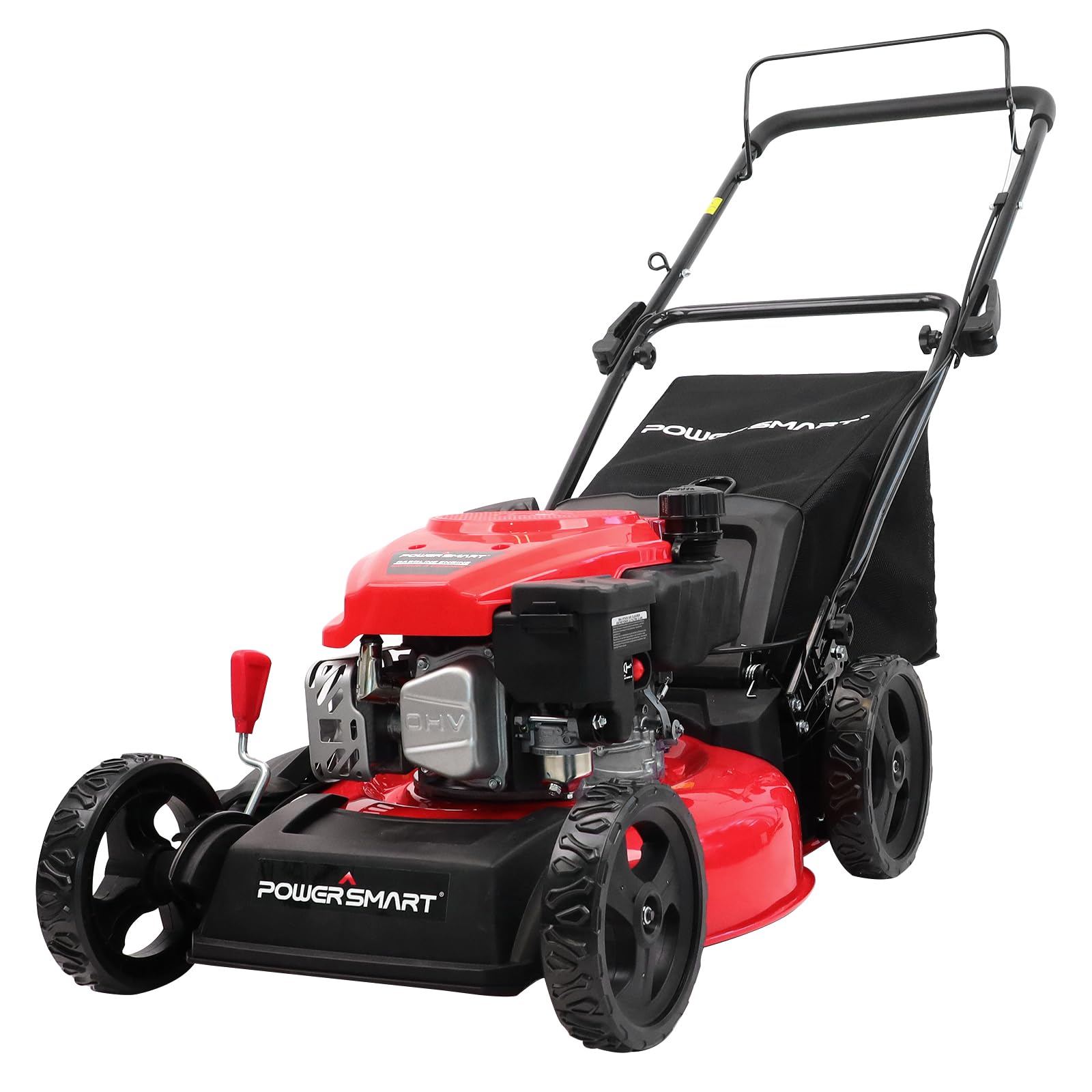
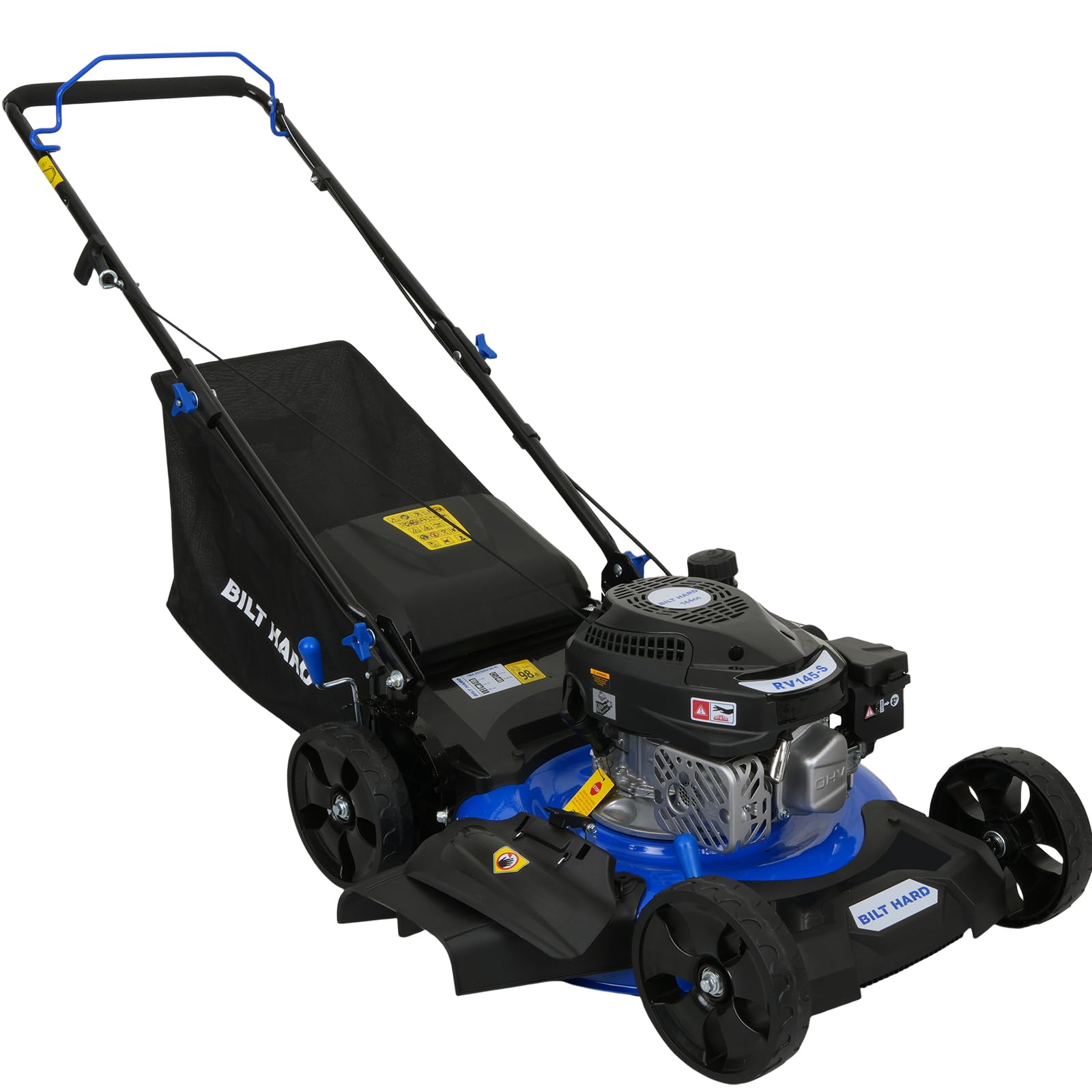
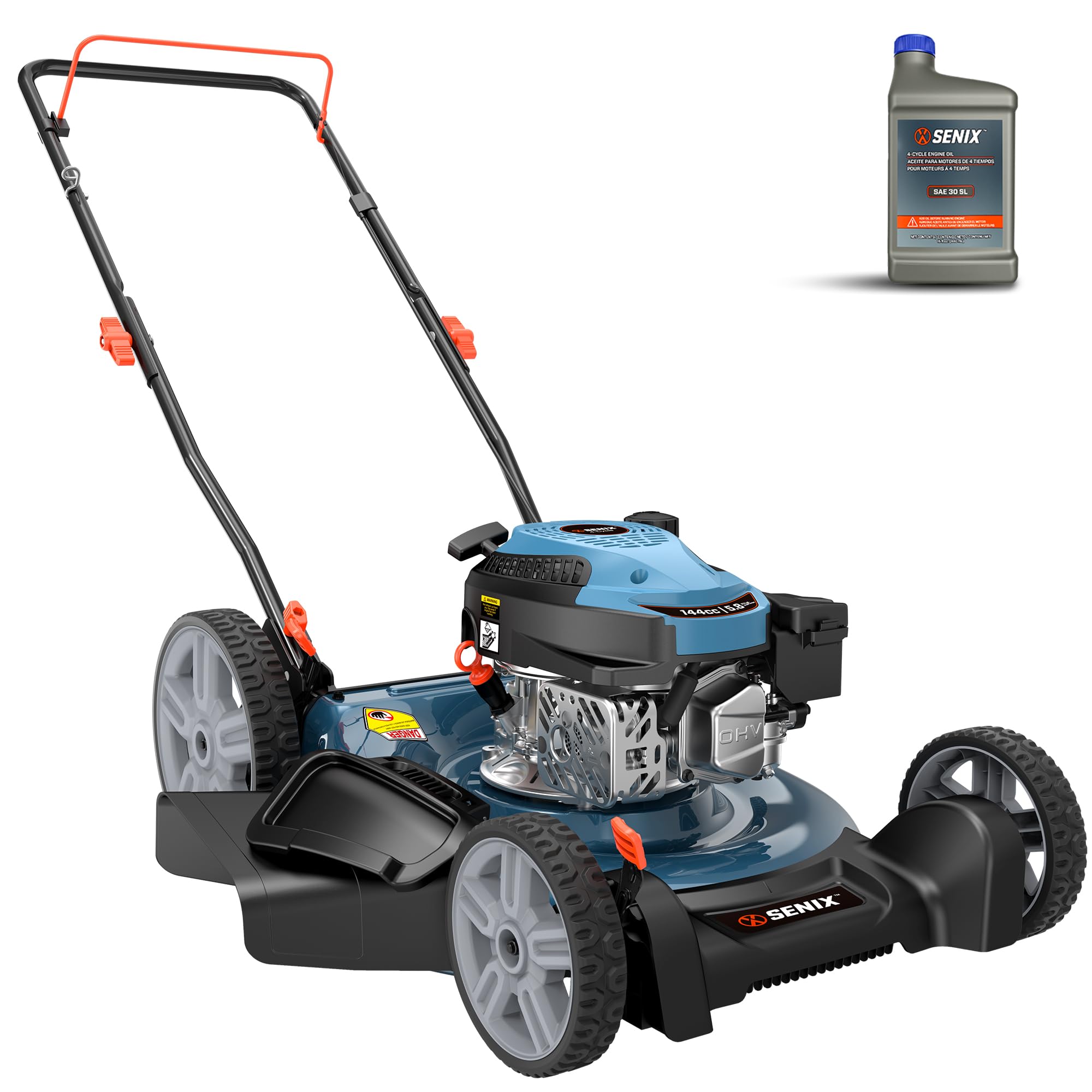
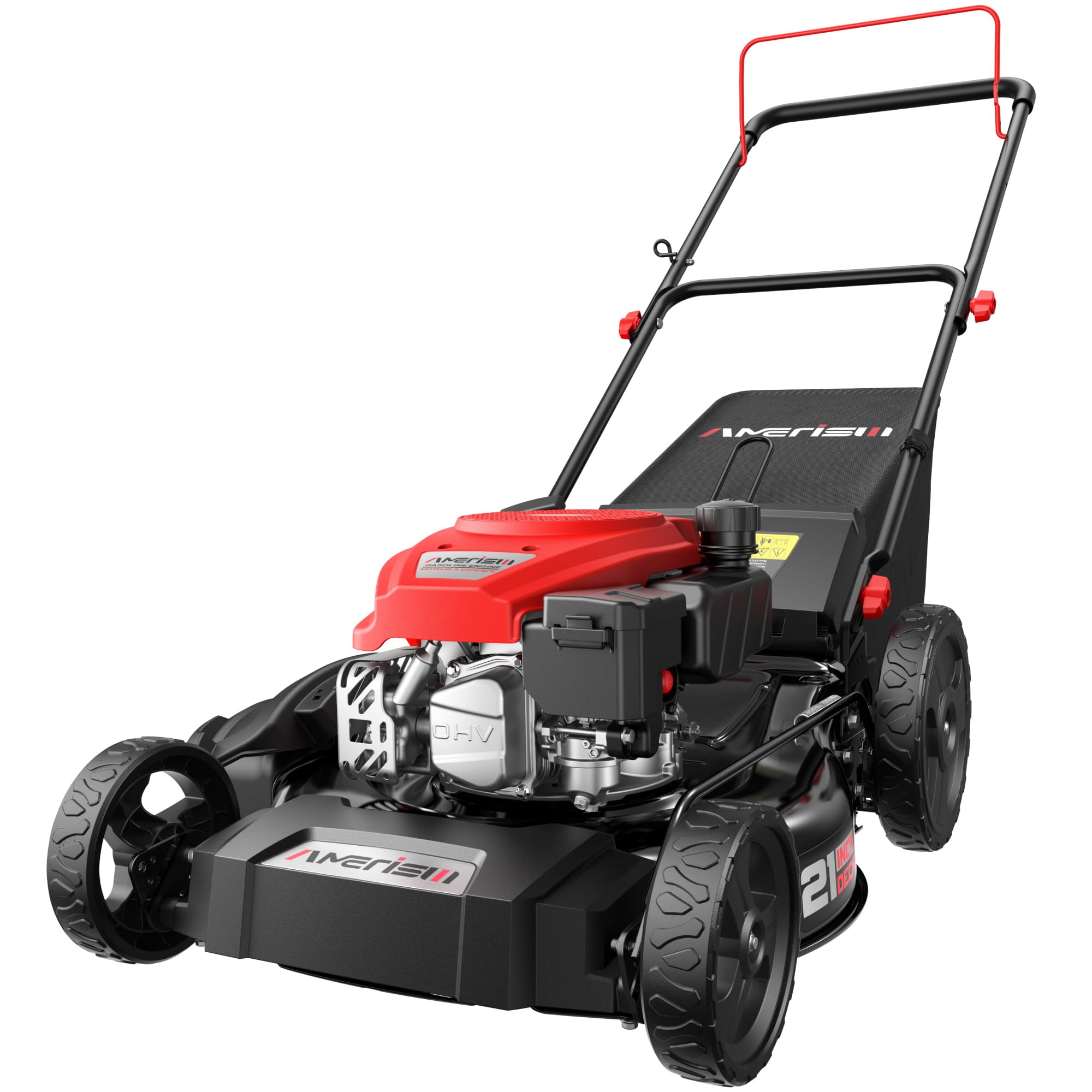
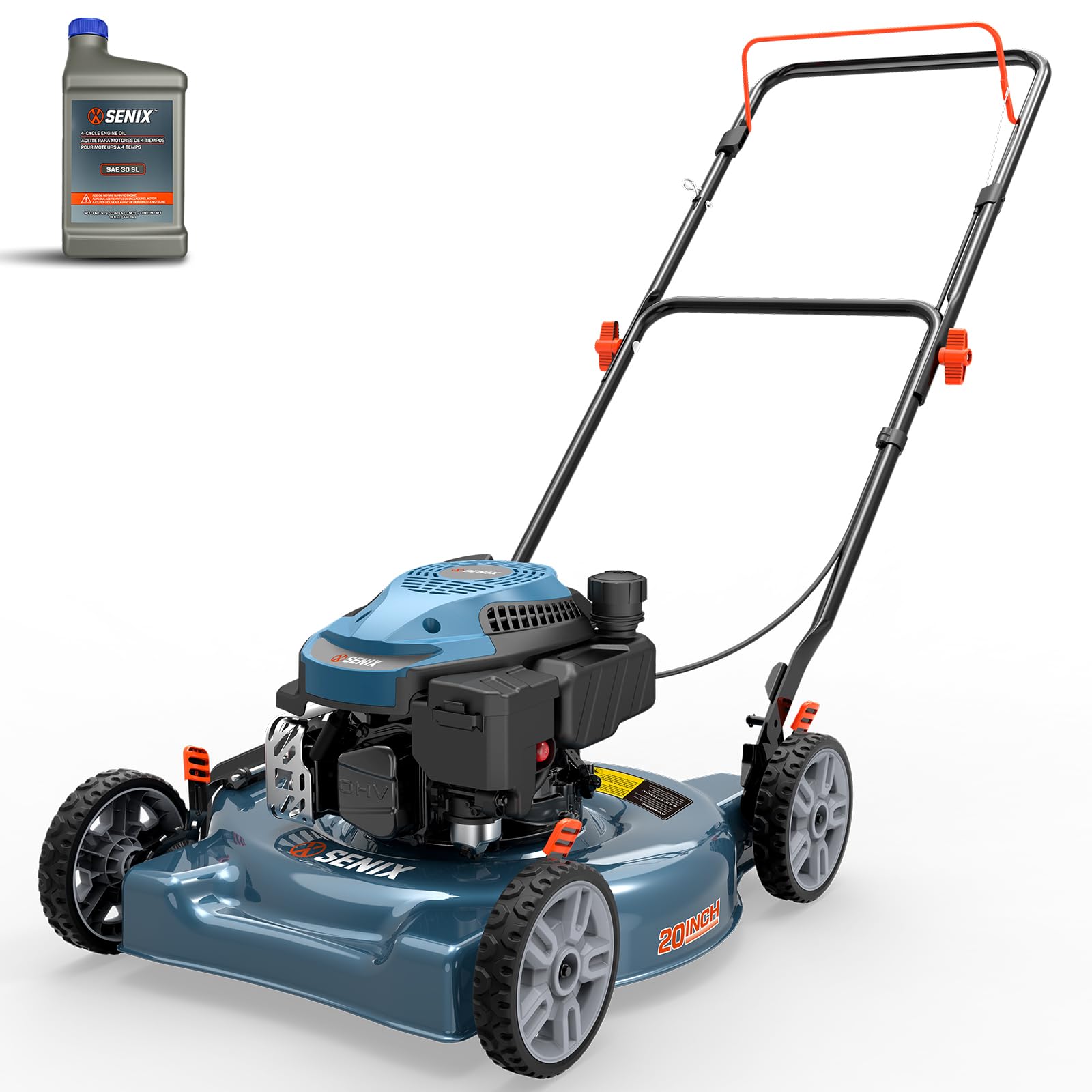
Specs are compiled from manufacturer listings and verified buyer reviews and can change over time — please confirm the key details on the product page before buying.
A gas push mower is your ticket out of tangled extension cords and battery swaps, but only if it starts on the first pull and chews through wet, overgrown grass without stalling. The real difference between a mower that fights you and one that finishes fast depends on three things: engine displacement (the cylinder size that creates torque), deck steel gauge (thickness that resists warping), and wheel diameter (how easily it rolls over bumps). Here is the short answer on which one to buy.
I’m Rikta — the founder and writer behind Lawn Gear Lab. This guide is built by comparing the manufacturers’ published specifications and the patterns across verified customer reviews, so you get each pick’s real strengths and trade-offs instead of marketing spin.
You are here because you want a straight answer on which professional push mower actually has the engine, deck, and build quality to handle weekly mowing on a property that does not take it easy on lawn equipment — no frills, no battery anxiety, just reliable gas power.