
Specs are compiled from manufacturer listings and verified buyer reviews and can change over time — please confirm the key details on the product page before buying.
Grabbing any old bag of soil off the shelf is the single biggest mistake indoor gardeners make. A generic mix can hold too much water, crowd out air, and slowly drown your plant’s roots — or drain so fast that nutrients never stick around. What you actually need is a blend matched to your specific plant type and pot size, because the right dirt for your Monstera is the wrong dirt for your Snake Plant, and neither works for a citrus tree in a container.
I’m Rikta — the founder and writer behind Lawn Gear Lab. This guide is built by comparing the manufacturers’ published specifications and the patterns across verified customer reviews, so you get each pick’s real strengths and trade-offs instead of marketing spin.
The bag-based breakdown below helps you match the right soil to your plant: from a fussy Alocasia to a vegetable container garden, so your plants actually thrive instead of just surviving.
Quick Picks
- FoxFarm Ocean Forest Potting Soil (12 Quart) — Best Overall
- Soil Sunrise Citrus Tree Potting Soil Mix — Citrus Specialist
- Craft Aroid Potting Mix – Elite Organic Alocasia — Aroid Champion
- Miracle-Gro Potting Mix (3-Pack), 8 qt. Each — Feeds Up to 6 Months
- Coast of Maine Organic & Natural Bar Harbor — Coastal Organic
- Midwest Hearth Premium Potting Soil Mix — Seed Starting Star
- Perfect Plants Organic Snake Plant Soil (4qt.) — Snake Plant Savior
How To Choose The Best Dirt For Plants
All bagged soil is not the same. The three things that separate a plant-killer from a plant-thriver are drainage speed, ingredient quality, and whether the blend matches the specific needs of your plant species — a cactus mix has a very different job than a citrus blend.
Drainage and Aeration
Roots need oxygen as much as they need water. A soil that stays wet for too long suffocates the roots and invites rot. Look for ingredients like perlite (small white volcanic rocks), pumice (a porous volcanic stone), lava rock, or coarse sand — these create air pockets that let excess water drain and keep oxygen flowing to the root zone. Chunky mixes with bark or tree fern fiber are especially good for aroids like Monsteras and Philodendrons.
Organic Matter and Nutrient Content
Nutrients come from the brown and green stuff in the bag: compost, worm castings, kelp meal, fish meal, or crab meal. These feed your plants slowly over time. Some mixes include a synthetic fertilizer charge that feeds for a set period — like the “feeds up to 6 months” claim on some bags. If you prefer controlling when and what you feed, choose a blend without added synthetic fertilizer.
pH Balance
Most houseplants prefer a slightly acidic to neutral pH (between 6.0 and 7.0). Tropicals like Alocasias lean toward the lower end (around 6.0), while vegetables and herbs are happy closer to neutral. A bag that mentions “pH controlled” or “balanced pH” has been adjusted so you do not have to test and amend it yourself.
Quick Comparison
| Model | Best For | Volume | Item Weight | Key Ingredient | Amazon |
|---|---|---|---|---|---|
| FoxFarm Ocean Forest | Premium all-purpose growth | 12 Quarts | — | Fish meal, crab meal, earthworm castings | Amazon |
| Soil Sunrise Citrus Tree Potting Mix | Citrus and fruit trees in containers | 12 Quarts | 5.19 Pounds | Peat moss blend | Amazon |
| Craft Aroid Potting Mix | Monsteras, Alocasias, Philodendrons | 2 Quarts | 2 Pounds | Douglas fir bark, lava rock, pumice | Amazon |
| Miracle-Gro Potting Mix (3-Pack) | Outdoor container flowers and veggies | 8 Quarts (per bag) | — | Synthetic fertilizer (feeds up to 6 months) | Amazon |
| Coast of Maine Bar Harbor Blend | Organic container gardening | 16 Quarts (2-Pack) | 14 Pounds | Lobster & crab shell meal, kelp meal | Amazon |
| Midwest Hearth Premium Potting Soil | Seed starting and general repotting | 4 Quarts | 0.88 Kilograms | Peat moss, perlite, vermiculite | Amazon |
| Perfect Plants Organic Snake Plant Soil | Snake plants and succulents | 4 Quarts | — | Coco coir, pine bark, perlite, sand | Amazon |
In‑Depth Reviews
1. FoxFarm Ocean Forest Potting Soil (12 Quart)
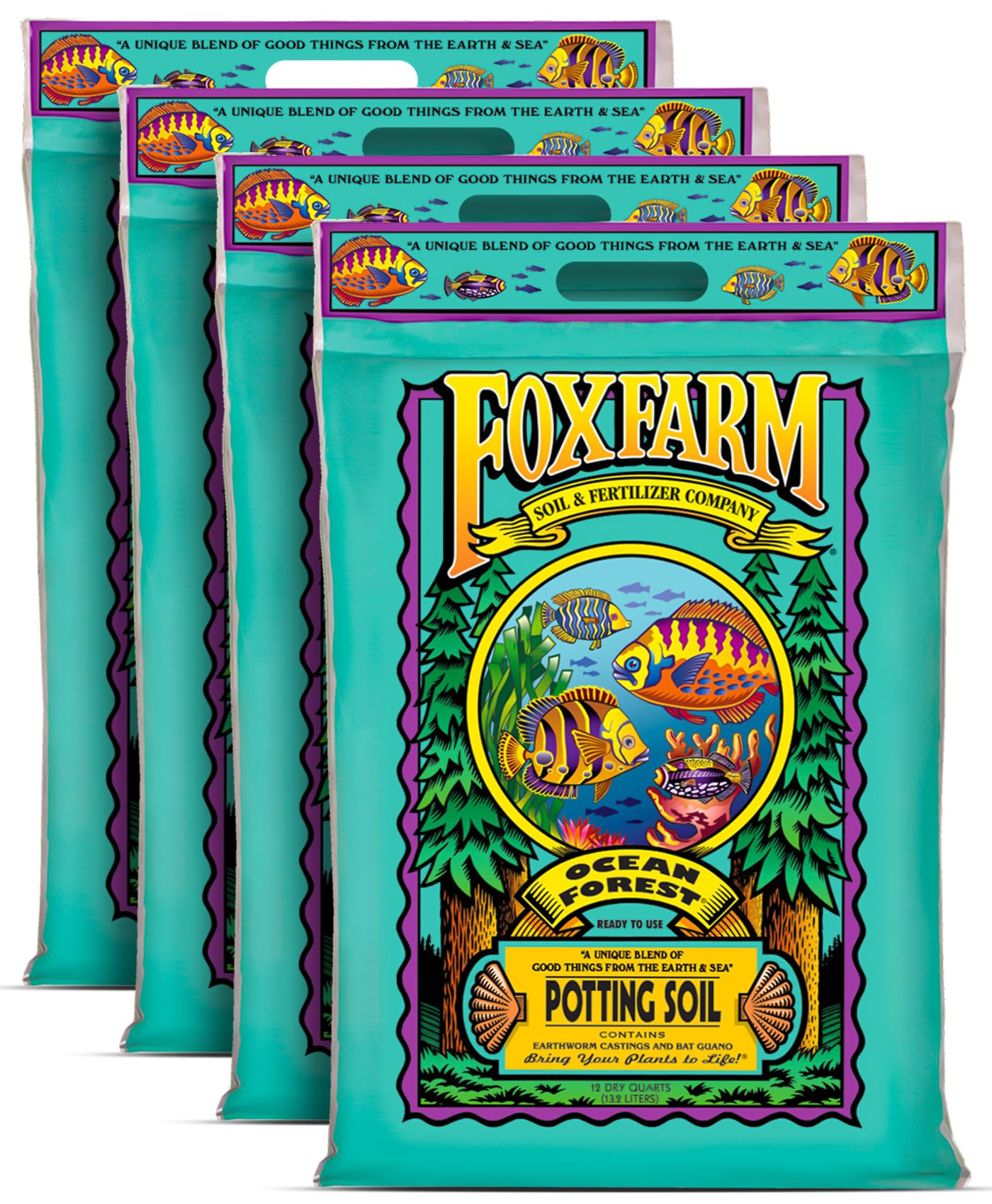
A premium organic blend that gives seedlings and houseplants a running start.
This bag does double duty: it is rich enough for container gardens and light and aerated enough for fussy houseplants. The recipe combines aged forest products, sandy loam (a mix of sand, silt, and clay), and sphagnum peat moss with fish meal, crab meal, and earthworm castings for a steady release of nutrients. You can use it straight out of the bag — no mixing or amending needed. Reviewers report that the earthy smell signals healthy soil and that it drains well while holding the right amount of moisture. One reviewer noted their fiddle leaf fig “already looks happier” after repotting.
At 12 quarts, this is a mid-to-large bag that gives you enough volume for several pots. Buyers mention the pH is balanced at 6.8 — right in the balance for most houseplants and vegetables. Unlike the Craft Aroid Mix farther down this list, FoxFarm is not specifically chunky for aroids, but it works beautifully as an all-purpose premium base for almost everything.
The all-rounder verdict: If you want one bag that can handle seedlings, houseplants, and outdoor containers with zero fuss, this is it. The organic ingredients mean you still control the feeding schedule — no synthetic fertilizer surprises.
Reach for this if: You want a reliable organic mix that works for multiple plant types and you do not mind paying a little more for quality.
Look elsewhere if: You need a specialized blend for aroids or succulents that require extreme drainage — those plants will do better with a chunkier formula.
2. Soil Sunrise Citrus Tree Potting Soil Mix (12 Quarts)

A tailored mix that helps citrus trees set new leaves and hold just the right moisture.
Citrus trees in containers are picky — they need a mix that drains quickly but still holds enough water between waterings so the roots do not dry out completely. Soil Sunrise dials that balance in with superior aeration and a balanced pH. One buyer mentioned a “total transformation” of their Meyer Lemon Tree after repotting, with every branch sprouting new leaf growth. Another buyer said it was “perfect soil for our lime tree” — already growing and sprouting leaves. The bag holds 12 quarts, making it the same volume as the FoxFarm but specifically formulated for citrus.
This mix weighs 5.19 pounds (the Craft Aroid Mix is just 2 pounds by comparison), so you get a significantly heavier, denser product. The main trade-off buyers point out? The price feels a bit high, and the packaging comes as a box with a plastic bag inside rather than a resealable bag. It is a niche product that performs exactly as promised for citrus owners.
Who should grab this: Anyone with a potted orange, lemon, lime, or guava tree. If you do not grow citrus, you are better off with an all-purpose mix further down the list.
Best for: Dedicated citrus and fruit tree owners who want a formulated mix that reduces guesswork.
Consider another if: You only have standard houseplants — the specialized pH and texture will not benefit them more than a general blend.
3. Craft Aroid Potting Mix – Elite Organic Alocasia, Philodendron, Monstera Soil Mix (2 Quarts)
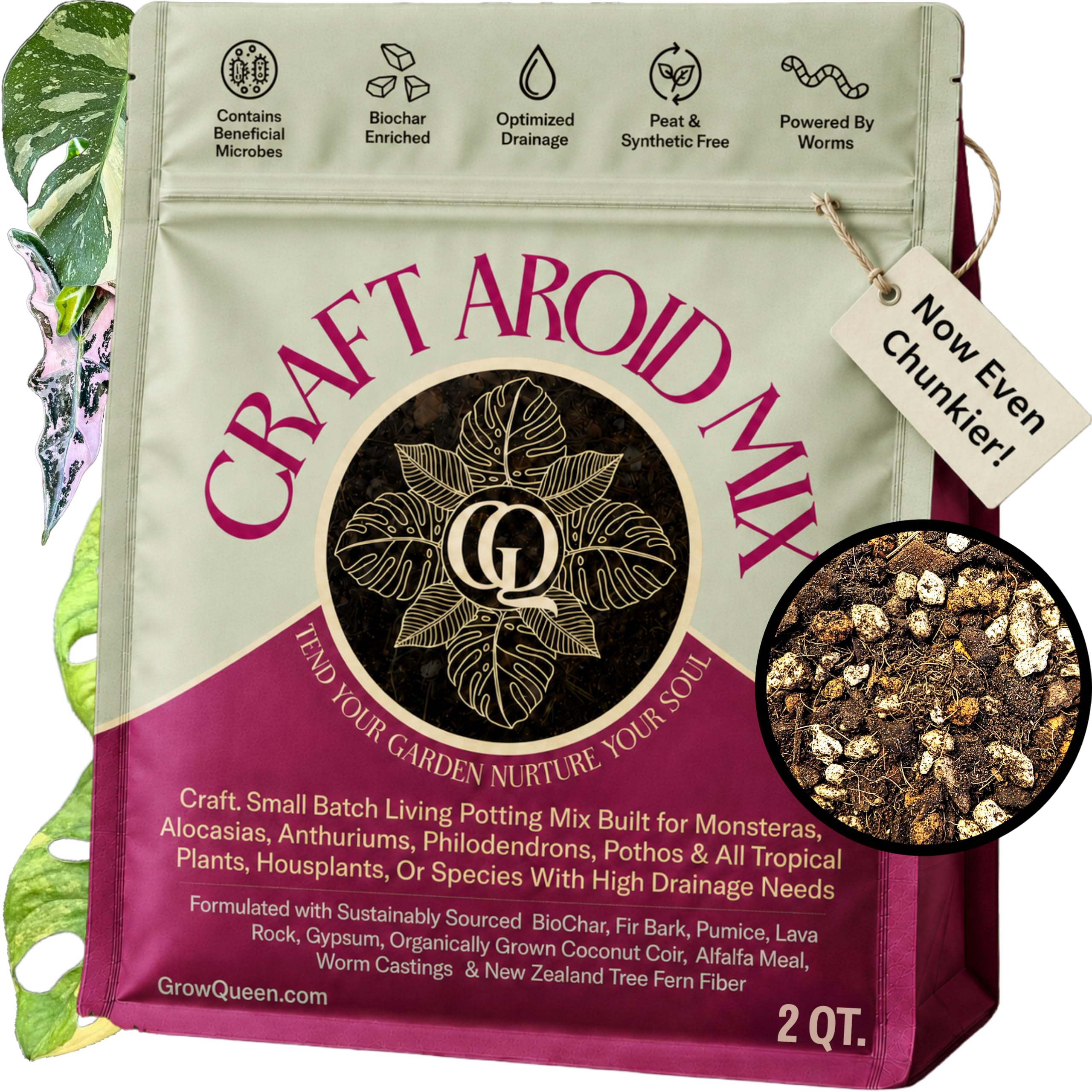
A chunky, peat-free mix designed to stop overwatering before it starts.
This is not your standard dirt — it is a purposeful blend of Douglas fir bark fines, lava rock, pumice, and New Zealand tree fern fiber. The large pieces create air channels so water flows through instantly, making it almost impossible to keep the soil soggy. Many buyers call it their “forever soil” and note no bugs, no mold, and consistent quality across multiple purchases. One reviewer wrote that their “plants settled in quickly and seem very happy so far,” praising the drainage and the lack of dust or compaction.
But there is an important catch for larger pots. One reviewer with a large Alocasia and Philodendron reported that after two months, the mix was still holding too much moisture and caused root rot. They now recommend it only for pots 6 inches or smaller. This is a 2-quart bag that weighs 2 pounds — much smaller and lighter than the Soil Sunrise mix. The texture is excellent for small tropical plants but it does not scale up the way bigger bags do.
What it does best
- Peat-free and perlite-free, using eco-friendly pumice and lava rock
- Contains living beneficial microbes and worm castings for slow nutrients
- Pet safe and ready to use out of the bag
Where it falls short
- Only 2 quarts — not enough for larger repotting jobs
- Holds too much moisture for large plants in big pots
Grab this for: Small Monsteras, Philodendrons, Pothos, and Alocasias in pots 6 inches or smaller.
skip it if: You need to repot a large tropical plant — you will need a bigger bag with a different drainage profile.
4. Miracle-Gro Potting Mix (3-Pack), 8 qt. Each

A household-name potting mix that feeds your plants automatically for half a year.
This is the bag many people reach for first — it is widely available, easy to find, and carries the promise that it “Grows Plants Twice As Big!” compared to unfed plants. The key spec is the built-in fertilizer that feeds container flowers, vegetables, shrubs, annuals, and perennials for up to 6 months. Each 8-quart bag fills two 8-inch containers, so the 3-pack gives you six pots’ worth. One owner reported it stays loose and well-draining, and they use it for both indoor and outdoor planting without the soil packing down.
The flip side: the fertilizer is already in the mix. If you prefer organic gardening or want to control exactly what your plants get, this is not the bag for you. And unlike the Coast of Maine or FoxFarm options, the ingredients are primarily synthetic — no compost, worm castings, or kelp meal here. For quick, low-maintenance potting of annual flowers and herbs, it delivers exactly what it promises.
Straight talk: If you just want to dump soil in a pot and watch your petunias bloom without worrying about fertilizer schedules, this is your bag. If you are a soil nerd who wants organic inputs, look elsewhere.
Perfect for: Casual gardeners, first-time plant owners, and anyone filling hanging baskets or window boxes for a season.
Not for: Organic purists, succulent growers who need extreme drainage, or anyone who already has a separate fertilizer routine.
5. Coast of Maine Organic & Natural Bar Harbor Blend Potting Soil (16 QT, 2-Pack)
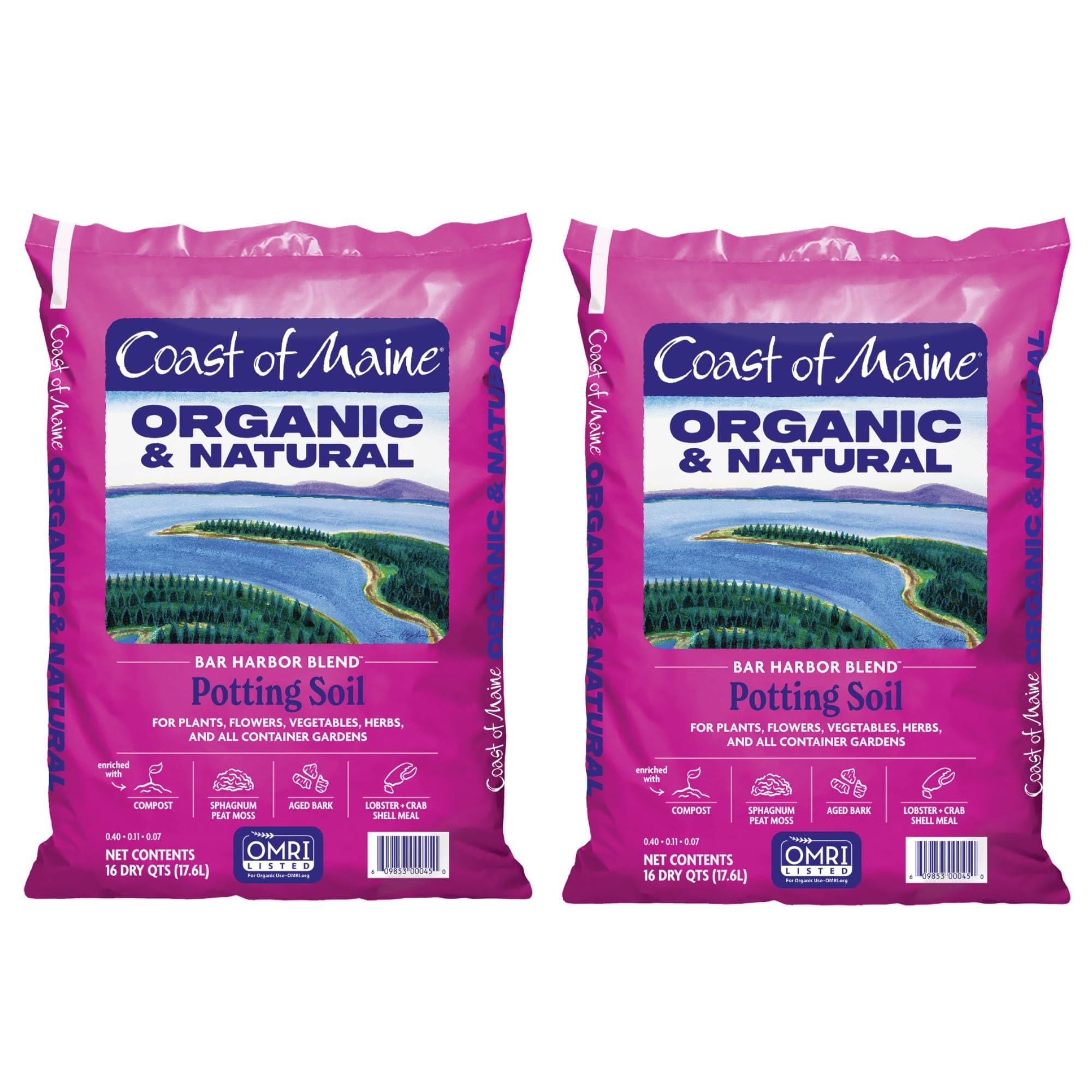
A nutrient-rich organic blend that uses lobster and kelp from the Maine coast.
This is not your average bag of dirt. Coast of Maine combines sphagnum peat moss, compost, perlite, lobster and crab shell meal, and kelp meal into a mix that is designed for container vegetables, herbs, and flowering baskets. The shellfish meal provides slow-release nitrogen and trace minerals, while the kelp adds growth hormones and stress resistance. One customer observed their “tomatoes never looked so good” and that the soil is perfect for container gardens. Another buyer uses it in raised beds, pots, and GreenStalks and calls it “rich and not full of sticks like some others.”
At 14 pounds and 16 quarts total (2 bags), this is a substantial volume for your money. The darker color indicates less peat moss and more compost and coco coir (ground coconut husk), and buyers report no bad smell and no unexpected weeds. It is approved for organic gardening, making it a strong alternative to FoxFarm if you want a Maine-made product with a different nutrient profile. The trade-off is that it is heavy — lugging a 14-pound package around the garden is more work than the lighter 2-pound Craft Aroid bag.
Who it serves: Organic container gardeners, tomato growers, and anyone who wants a single bag for raised beds, window boxes, and indoor pots.
Best for: Gardeners who prioritize organic inputs and want a mix that revitalizes tired soil naturally.
Think twice if: You need a lightweight bag for frequent indoor repotting — this is built for performance, not portability.
6. Midwest Hearth Premium Potting Soil Mix (4 Dry Quarts)

A light, balanced, ready-to-use blend that germinating seeds love.
If you are starting seeds or repotting small indoor plants, this 4-quart bag offers a simple, well-tested formula: peat moss for moisture retention, vermiculite (a mineral that expands to hold air and water) for aeration, and perlite for drainage. The pH is controlled to suit a wide range of plants. One user highlighted “this potting soil was great for my germinating petunias” and specifically praised the easy-open, resealable bag. Another called it “quality” and noted it does not harden around the roots the way heavier soils can. The 0.88-kilogram weight makes it easy to handle and store.
Compared to the Craft Aroid Mix, this is a much finer texture — not chunky at all — so it holds water more evenly. That is great for seed germination but not ideal for succulents or snake plants. It is also a smaller volume than the Soil Sunrise mix (4 quarts vs. 12 quarts), so you might need multiple bags for larger projects. The trade-off is the price-per-quart, which some owners mention feels higher than bulk alternatives. Unlike FoxFarm’s organic meals, this bag has no added fertilizer, giving you full control over feeding.
Ideal role: A straightforward, reliable potting soil for seedlings and small houseplant repotting — no surprises, no extra fertilizers.
Reach for this if: You are germinating seeds, repotting a few small plants, or need a clean, light mix with no weed seeds or bugs.
Look elsewhere if: You need a large volume for garden beds or a specialized mix for succulents or citrus.
7. Perfect Plants Organic Snake Plant Soil (4qt.)

A fast-draining, coco-coir mix that stops root rot in its tracks.
Snake plants are among the easiest houseplants to kill with kindness — too much water, and the roots rot. This bag is built specifically for Sansevieria varieties like trifasciata, Laurentii, and Cylindrica. The ingredients are all-natural: coconut coir, pine bark chips, perlite, and sand for extra drainage. There is no slow-release fertilizer, so you control feeding. One buyer confirmed the soil “drains quickly, prevents root rot” and replicates the snake plant’s natural habitat. Another reviewer noted their snake plant responded well and appreciated the porous, well-draining texture.
The 4-quart size matches the Midwest Hearth bag, but this one is lighter and fluffier because of the coco coir base. A few buyers point out that it is not cost-effective for large snake plants — the price per quart runs higher than generic mixes. For smaller plants and propagations, it is a great fit. It also works well for other succulents that hate wet feet. Compared to the FoxFarm mix, it drains faster and holds less moisture, which is exactly what a snake plant needs.
Bottom line: If you own a snake plant and want a mix that practically guarantees you will not overwater it, this is it. The cost is higher per quart, but the prevention of root rot is worth it.
Best for: Snake plant owners who have struggled with root rot and want a proven coco coir formula.
Skip if: You are repotting a large snake plant in a big pot — cheaper bulk options will do the same job.
Understanding the Specs
Volume (Quarts)
This tells you how much physical soil you get in the bag. A 2-quart bag is ideal for one or two small pots. A 12-quart bag handles several medium containers or one large one. Bigger bags usually cost less per quart, but you have to store them somewhere dry so the soil does not get moldy.
Drainage Ingredients
Look for perlite (small white volcanic rocks), pumice, lava rock, coarse sand, or bark fines. These create air pockets so water flows out fast and oxygen reaches the roots. A mix that lists none of these will likely compact and stay wet — bad news for most houseplants.
FAQ
Can I use the same dirt for indoor and outdoor plants?
How do I know if my plant needs a chunky mix or a fine mix?
Will this bag of dirt attract gnats or bugs?
How long does an opened bag of soil stay good?
Is organic dirt better than non-organic?
What is the difference between potting soil and potting mix?
Why does my soil stay wet for weeks after watering?
Can I reuse old potting soil for new plants?
Final Thoughts: The Verdict
Across the board, the best dirt for plants is the FoxFarm Ocean Forest Potting Soil because it handles everything from seedlings to vegetables with an organic ingredient list and reliable drainage. If you want a specialist blend for citrus trees, grab the Soil Sunrise Citrus Tree Potting Mix. And for aroid collectors with small pots who want near-impossible-to-overwater soil, the standout is the chunky texture of the Craft Aroid Potting Mix.
How We Picked
We do not accept paid placement. Every pick is matched to a real buyer and a real use-case; we do not hands-on test units.
Sources & Methodology
Specifications: manufacturer listings and product documentation. Review insights: verified customer reviews, as of July 2026. Pricing: not shown on this page (it changes often); check the current price via the retailer link.
As an Amazon Associate, Lawn Gear Lab earns from qualifying purchases. This does not affect which products we feature.