
Specs are compiled from manufacturer listings and verified buyer reviews and can change over time — please confirm the key details on the product page before buying.
You need a clay that holds soil and seeds together through handling and weather, then cracks apart naturally when rain hits so those seeds can sprout. The wrong clay either crumbles in your hands before you ever throw it or refuses to break down when planted. This guide walks through three air-dry clays that actually work for seed bombs, based on what dries hard enough to survive transport yet stays safe for soil and seeds.
I’m Rikta — the founder and writer behind Lawn Gear Lab. This guide is built by comparing the manufacturers’ published specifications and the patterns across verified customer reviews, so you get each pick’s real strengths and trade-offs instead of marketing spin.
The three clays here are all natural and non-toxic (they are free of synthetic additives or harmful chemicals). That means they won’t introduce anything harmful into the soil when your seed bombs eventually break down. What separates them is drying time, total volume for multiple batches, and how much cracking you will need to patch — which matters a lot when you are rolling dozens of bombs at once. That is exactly what this guide to air dry clay for seed bombs sorts out.
Quick Picks
- Pepy Premium European Air Dry Modeling Clay — Best Overall
- Sculpd Air Dry Clay – Premium Sculpting & — Premium Pick
- ReArt Air-Dry Clay Modelling, 2.2 pounds — Best Value
How To Choose The Best Air Dry Clay For Seed Bombs
Picking clay for seed bombs is different from choosing clay for a sculpture or a pot. You need something that binds well enough to form a ball and survive being tossed into a field, but is natural enough to break down without harming seeds or soil. Here are the three specs that matter most.
Non-Toxic and Natural Materials
Your clay will sit in the ground with seeds inside it. Any synthetic additives, chemical binders, or toxic colorants can prevent germination (the process where a seed starts to grow) or introduce pollutants into the soil. Look for clay labeled non-toxic, CPSIA-certified (a US safety standard for children’s products), or made from natural minerals like kaolin (a fine, white clay). All three clays in this guide meet that standard.
Drying Time and Shrinkage
Seed bombs need to dry thoroughly before you store or toss them — wet clay goes moldy. Faster-drying clays (around 24 hours) let you finish batches quicker. But fast drying often means more cracking, which is less of a problem for seed bombs than for art pieces (small cracks actually help seeds break out). Slower clays (48 hours) give you more working time to roll big batches but delay your finish date.
Total Volume for Batch Size
One 2.2-pound bar makes roughly 15-20 walnut-sized seed bombs depending on size and seed density. If you are making gifts, wedding favors, or large guerrilla-gardening runs (tossing seeds into unused land), a multi-pack saves money and keeps your mix consistent across every batch.
Quick Comparison
| Model | Best For | Total Weight | Drying Time | Unit Count | Amazon |
|---|---|---|---|---|---|
| Pepy Premium European 3-Pack | Bulk seed bomb projects | 6.6 lbs (3 bars) | 24 hours | 105.6 Ounce | Amazon |
| Sculpd Premium Bulk Bag | Detail work + even drying | 2.2 lbs | 48 hours | 32.0 Ounce | Amazon |
| ReArt Air-Dry Clay | Budget entry & beginners | 2.2 lbs | 24 hours | 1 (2.2 lbs block) | Amazon |
In‑Depth Reviews
1. Pepy Premium European Air Dry Modeling Clay White 3-Pack

The bulk pack that makes rolling a hundred seed bombs in one sitting painless.
This is the pick for anyone planning to make seed bombs in serious quantity. The Pepy 3-pack gives you three individually sealed 2.2-pound bars — 6.6 pounds total, which is 105.6 ounces. That is a 3.3x gap in volume compared to the Sculpd bag, so you can roll a full batch for a community garden or a guerrilla-gardening session without running out mid-project.
Each bar dries in 24 hours and buyers report it is “easy to work with, holds detail well, dries evenly in a day with minimal shrinkage/warping.” That even drying matters for seed bombs because every bomb cures at the same rate, so none stay wet and risk mold while others are bone-dry. The clay is non-toxic (free of harmful substances) and CPSIA-certified (confirmed safe under US child-safety law), making it safe to bury directly in the ground. Owners mention a “noticeable smell requires ventilation,” so work in a well-aired room or outside.
Unlike the ReArt clay which comes as a single block, the Pepy bars are individually sealed so unused bars stay fresh until you open them — no race to finish 6.6 pounds before it dries out. At 2.98 kilograms, this is the heaviest bundle here, but that weight translates directly into more seed bombs per dollar spent.
Batch-ready champion: This is your pick if you want one purchase that covers multiple rounds of seed bomb making — the three-bar format and 24-hour drying keep your workflow fast.
One caveat: The clay needs ventilation while drying, so keep that in mind if you are working indoors with kids or in a small space.
Reach for this if: You are making seed bombs in volume — wedding favors, school projects, or neighborhood giveaways. The 6.6-pound total and individually sealed bars mean no clay goes to waste.
Look elsewhere if: You only need one small batch and prefer a lighter single-block option.
2. Sculpd Air Dry Clay – Premium Sculpting & Modeling Clay
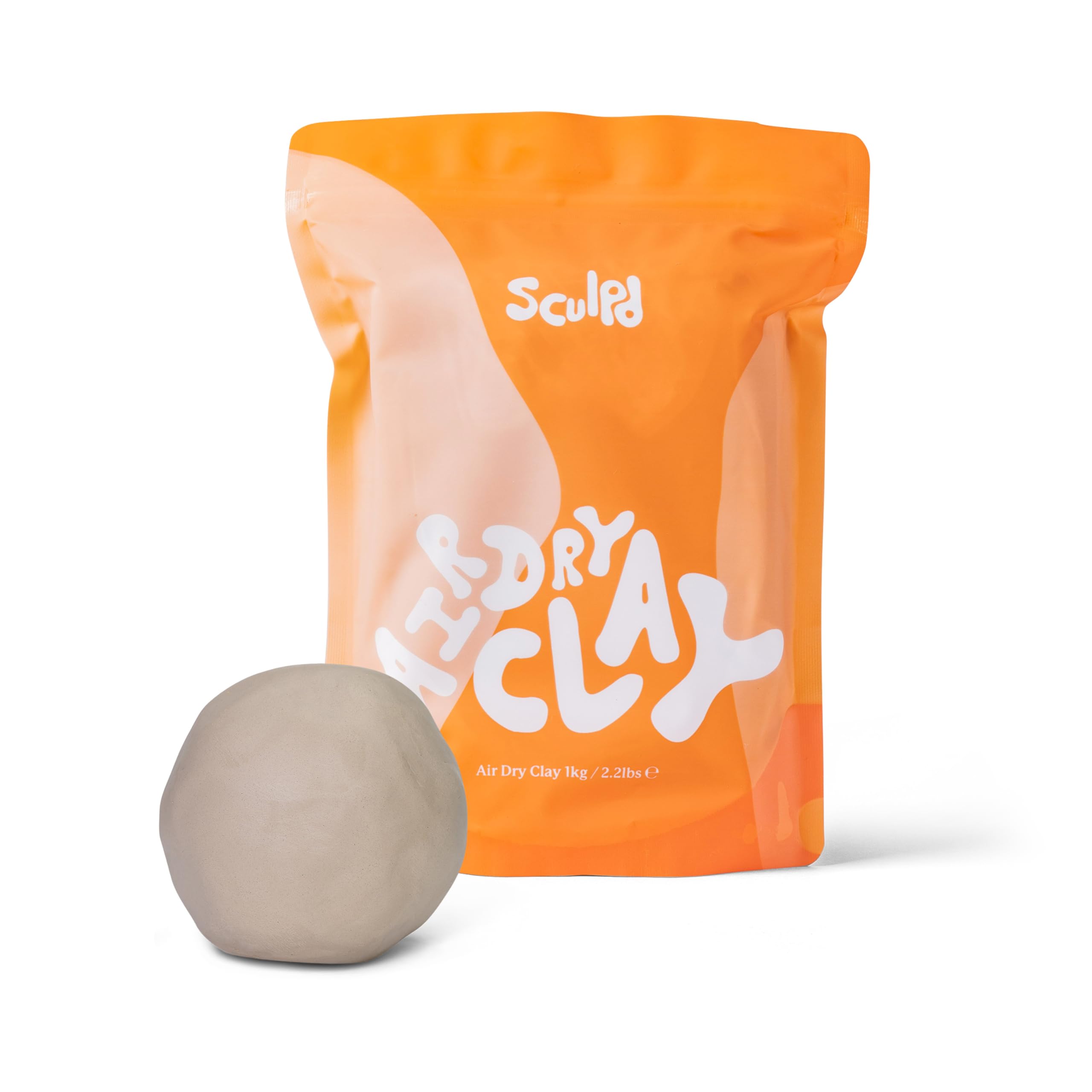
The slower-drying clay that gives you time to shape bombs without them hardening mid-roll.
Sculpd takes twice as long to dry as the Pepy and ReArt clays — 48 hours versus 24 hours. For seed bombs, that longer window is actually useful if you are rolling a huge batch and do not want the first bombs starting to cure before you finish the last ones. The clay is natural stone-grey, soft, and light, and customers note it is “soft, smooth, easy to sculpt; dries evenly without cracking; stays workable long enough for details.” That even drying is a real advantage over the ReArt clay, which reviewers point out cracks and needs patching.
The 2.2-pound bag (32.0 ounces) makes roughly 15-20 walnut-sized seed bombs. That is enough for a personal planting project or a classroom activity but falls well short of the Pepy 3-pack if you need bulk. One reviewer noted “the clay stayed moist for a couple of months in the package” — good news if you buy it ahead of your planned seed bomb making day and do not want it to dry out on the shelf.
For seed bombs, even drying means the bombs cure into uniformly hard spheres that hold together in transport but still crumble when planted. The slower cure is the trade-off: you wait an extra day to use them.
Even-drying specialist: This clay is ideal if you want minimal cracking and a predictable cure — the 48-hour window gives you breathing room for big rolling sessions.
Volume note: At 32.0 ounces, this is a single-batch buy. Order two or three packs for larger projects.
Best for: Beginners who want a forgiving, crack-free clay that stays workable for a full rolling session — and do not mind waiting two days for the bombs to cure.
skip it if: You need more than 2.2 pounds per project and want a better price-per-ounce by going multi-pack.
3. ReArt Air-Dry Clay Modelling, 2.2 pounds
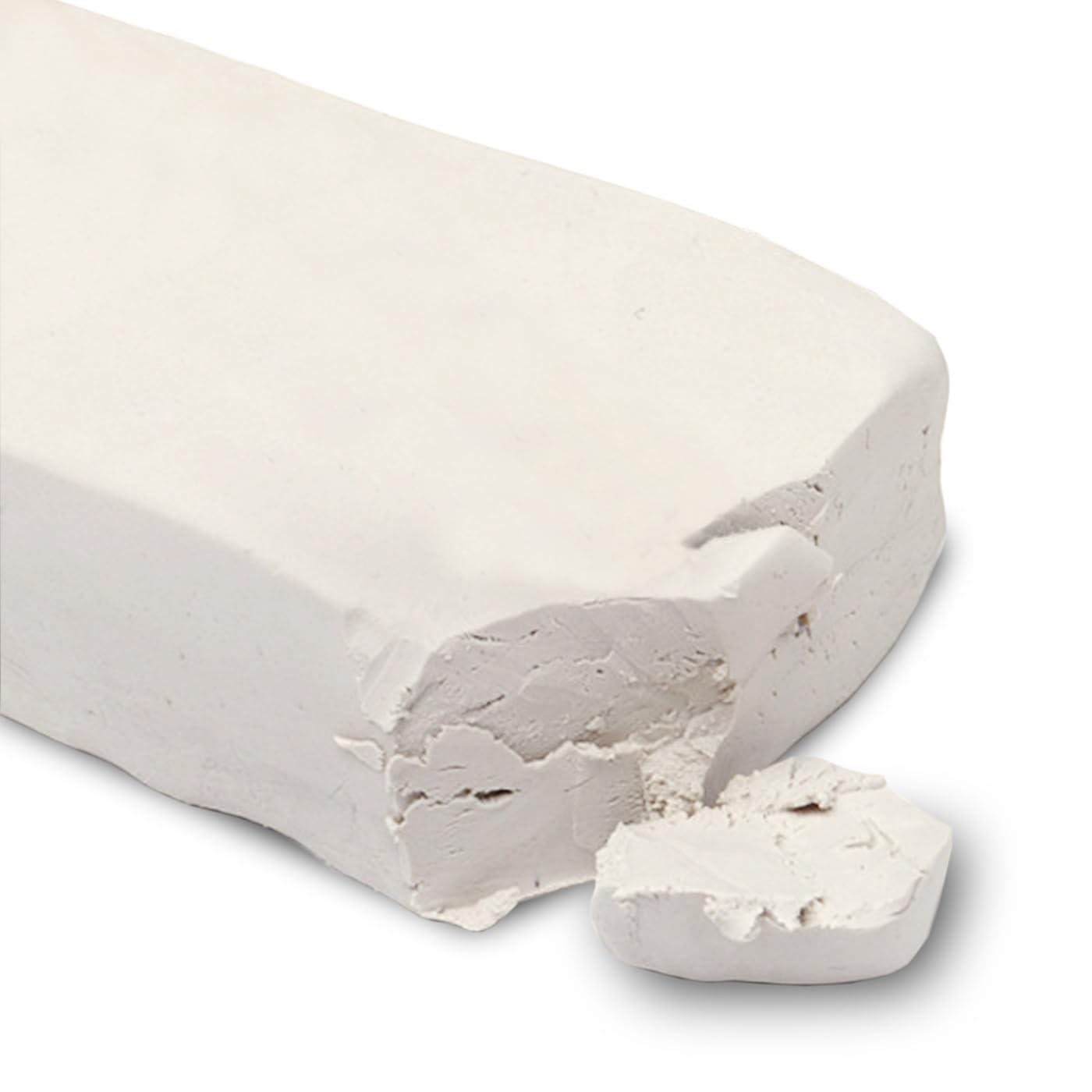
The entry-level block that dries rock hard — just plan for a little patching.
ReArt’s 2.2-pound block is made from kaolin (porcelain-based) clay, giving it an ultra-fine grain that holds good detail. At 0.98 kilograms, this is the lightest single-block option here — a 3.0x gap in weight vs the Pepy 3-pack — making it easy to pick up and work with on a small table. It dries in 24 hours at ¼-inch thickness and can be carved, sanded, or drilled when cured, which is overkill for seed bombs but nice if you also want to experiment with small sculpted shapes.
Shoppers say: “Clay works nicely, just expect to remedy a little bit of cracking once it dries.” One buyer mentioned “the clay does crack a bit when it dries but is easily corrected once you add some more clay and work it into the cracks.” For seed bombs, a few cracks are actually helpful — they let seedlings push through more easily. But if you want perfectly smooth, crack-free spheres, you will need to patch them, unlike the Sculpd clay which dries evenly without cracking.
The clay comes in a single 2.2-pound block, not individually sealed bars. Once you open it, reseal tightly in a zip bag to keep it moist for follow-up batches. Buyers report it dries to a “light pinkish clay tone” which may not matter for seed bombs since they get painted or get buried anyway.
Seed Bomb Pros
- Dries hard and fast (24 hours) so you can use bombs quickly
- Kaolin base is natural and non-toxic for soil safety
- Light block (0.98 kg) easy to handle for small batches
Seed Bomb Cons
- Owners mention cracking requires patching for a uniform finish
- Only one 2.2 lb block — no multi-bar option for bulk runs
Budget first: Grab this if you are trying seed bombs for the first time and want the lowest entry cost — a single block makes a reasonable test batch.
Consider the alternative: If you dislike patching cracks or plan a larger project, step up to the Pepy 3-pack or the Sculpd bag for a smoother experience.
Understanding the Specs
Drying Time (Hours)
This is the manufacturer’s estimate for how long clay takes to fully cure at a typical thickness. Faster drying (24 hours) lets you use seed bombs sooner but can cause more surface cracking. Slower drying (48 hours) gives you more working time and tends to produce fewer cracks. For seed bombs, 24 hours is generally fine because small cracks help seeds escape.
Natural & Non-Toxic Certification
Clay that goes into the ground with seeds needs to be free of synthetic polymers (man-made plastics), chemical hardeners, and toxic pigments. Look for terms like “natural earth clay,” “kaolin,” or certifications like CPSIA (Consumer Product Safety Improvement Act) which confirms the clay is safe for children and, by extension, for soil contact.
FAQ
Can I use any air dry clay for seed bombs?
Will the clay harm my seeds?
How long does it take for the seed bombs to dry?
What if the clay cracks while drying?
How many seed bombs does one 2.2 lb block make?
Can I paint the dried seed bombs?
Is this clay safe for children to use?
How should I store leftover clay?
Will the seed bombs survive being thrown or dropped?
Do I need to add anything to the clay for seed bombs?
Final Thoughts: The Verdict
For most people, the air dry clay for seed bombs winner is the Pepy Premium European 3-Pack because its three individually sealed bars give you 6.6 pounds of non-toxic clay that dries in 24 hours — enough for multiple batches without any clay going stale. If you want crack-free, even drying and prefer a slower cure to work at your own pace, grab the Sculpd Premium Bag. And for a budget-friendly single-block entry point to test the hobby, the ReArt Air-Dry Clay gets the job done with a little patching.
How We Picked
We do not accept paid placement. Every pick is matched to a real buyer and a real use-case; we do not hands-on test units.
Sources & Methodology
Specifications: manufacturer listings and product documentation. Review insights: verified customer reviews, as of July 2026. Pricing: not shown on this page (it changes often); check the current price via the retailer link.
As an Amazon Associate, Lawn Gear Lab earns from qualifying purchases. This does not affect which products we feature.