
Specs are compiled from manufacturer listings and verified buyer reviews and can change over time — please confirm the key details on the product page before buying.
Lettuce is a shallow-rooted, cool-weather crop that craves loose, moisture-retentive, but never soggy soil. Pick the wrong bag and you get stunted heads, bitter leaves, or roots that simply refuse to spread. The real trick is matching the soil’s texture and nutrient profile to the short, fast life of a lettuce plant — from seed to harvest in under 60 days.
I’m Rikta — the founder and writer behind Lawn Gear Lab. This guide is built by comparing the manufacturers’ published specifications and the patterns across verified customer reviews, so you get each pick’s real strengths and trade-offs instead of marketing spin.
You will find seven distinct bagged soils that each handle lettuce’s specific demands differently — from living organic blends that feed as they drain to classic peat-based mixes that hold moisture just right. This is the real breakdown of what makes a great soil for lettuce, without any gardening fluff.
Quick Picks
- Espoma Organic Vegetable & Flower Garden Soil — Best Overall
- Coast of Maine Organic & Natural Castine Blend Soil — Top Performer
- Espoma Organic Potting Soil Mix — Best Value
- Gaia Green Organic Living Soil — Compact Pick
- FoxFarm Happy Frog Potting Soil — All-Rounder
- Michigan Peat Baccto Top Soil — Budget Champion
- Old Potters Organic Compost — Specialty Amendment
How To Choose The Best Soil For Lettuce
Lettuce roots grow shallow and fast. The wrong soil traps water, suffocates those roots, and turns your crisp heads into a slimy mess. Focus on three things: texture, feeding style, and whether the mix is already alive with microbes your greens can tap into immediately.
Texture and Drainage Are Non-Negotiable
Lettuce needs a soil that stays moist but never waterlogged. A mix with perlite, coco coir, or sand creates the open structure those fine roots race through. Heavy clay-based soils or pure garden topsoil will compact around lettuce roots and stunt the entire head.
Organic vs Pre-Charged Feeding
Standard organic soils release nutrients slowly as microbes break them down. Pre-charged living soils come packed with kelp meal, bone meal, and worm castings that feed from day one. For a crop that grows in under two months, pre-charged blends give you a head start without needing to mix liquid fertilizer every week.
Mycorrhizae and Microbial Life
These beneficial fungi attach to lettuce roots and dramatically expand their reach, pulling water and nutrients from a larger area. A bag that lists endo and ecto mycorrhizae (two types of root-friendly fungi) on the label means your lettuce will develop a stronger root system even if you forget to water one afternoon.
Quick Comparison
| Model | Best For | Volume | Weight | Key Ingredient | Amazon |
|---|---|---|---|---|---|
| Espoma Organic Vegetable & Flower Garden Soil | In-ground planting & transplanting | 1 Cubic Foot | 1536 oz | Myco-tone mycorrhizae | Amazon |
| Espoma Organic Potting Soil Mix | Containers & raised beds | 2 Cubic Feet | 2 Count | Myco-tone + worm castings | Amazon |
| FoxFarm Happy Frog Potting Soil | Container plants & flowers | 2 Cubic Feet | 42 Pounds | Microbes & humic acids | Amazon |
| Old Potters Organic Compost | Amending native soil | 768 Fluid Ounces | 25 lbs | Plant-based compost | Amazon |
| Coast of Maine Castine Blend Soil | Raised beds & containers | 2 Cubic Feet | 40.3 Pounds | Biochar & lobster/crab shell | Amazon |
| Michigan Peat Baccto Top Soil | Lawns & large beds | 1122 Cubic Inches | 50 Pounds | Reed sedge peat & sand | Amazon |
| Gaia Green Organic Living Soil | All-purpose indoor/outdoor | 1.5 Cubic Feet | 35 Pounds | Worm castings & insect frass | Amazon |
In‑Depth Reviews
1. Espoma Organic Vegetable & Flower Garden Soil

The in-ground bedrock builder your lettuce bed needs for transplant day.
This is the pick for anyone planting lettuce directly into native garden soil. You mix it thoroughly into the ground before planting, and it delivers a rich blend of natural and organic ingredients enriched with earthworm castings. The key difference here is Myco-Tone — a proprietary blend of endo and ecto mycorrhizae (two specific types of beneficial root fungi) that dramatically expands the reach of shallow lettuce roots.
Unlike bagged potting mixes meant for containers, this one is designed to improve the native soil you already have. That means better drainage in clay-heavy ground and better moisture retention in sandy patches. At 1 cubic foot, compared to the FoxFarm below at 2 cubic feet, but you use it as an amendment, not a complete fill.
Buyers report this mix works well when simply blended with existing garden dirt — no extra feeding needed for the first few weeks. The 1536.0 ounce bag covers a decent raised bed or several in-ground rows without feeling heavy to carry from the car.
What makes it stand out
- Myco-Tone mycorrhizae boost root efficiency in poor native soil
- Enriched with earthworm castings for slow-release feeding
- No synthetic chemicals — safe for organic gardening
One limitation to note
- Best as an in-ground amendment — less ideal as a standalone container fill
- 1 cubic foot bag is smaller than many 2-cubic-foot competitors
Reach for this bag if: you are planting lettuce straight into the ground or a raised bed that already has some native soil underneath, and you want to supercharge that dirt with microbes and organic matter rather than replace it entirely.
Look elsewhere if: you need a complete, stand-alone potting mix for deep containers or hanging baskets — the container-specific Espoma below would serve you better.
2. Coast of Maine Organic & Natural Castine Blend Soil
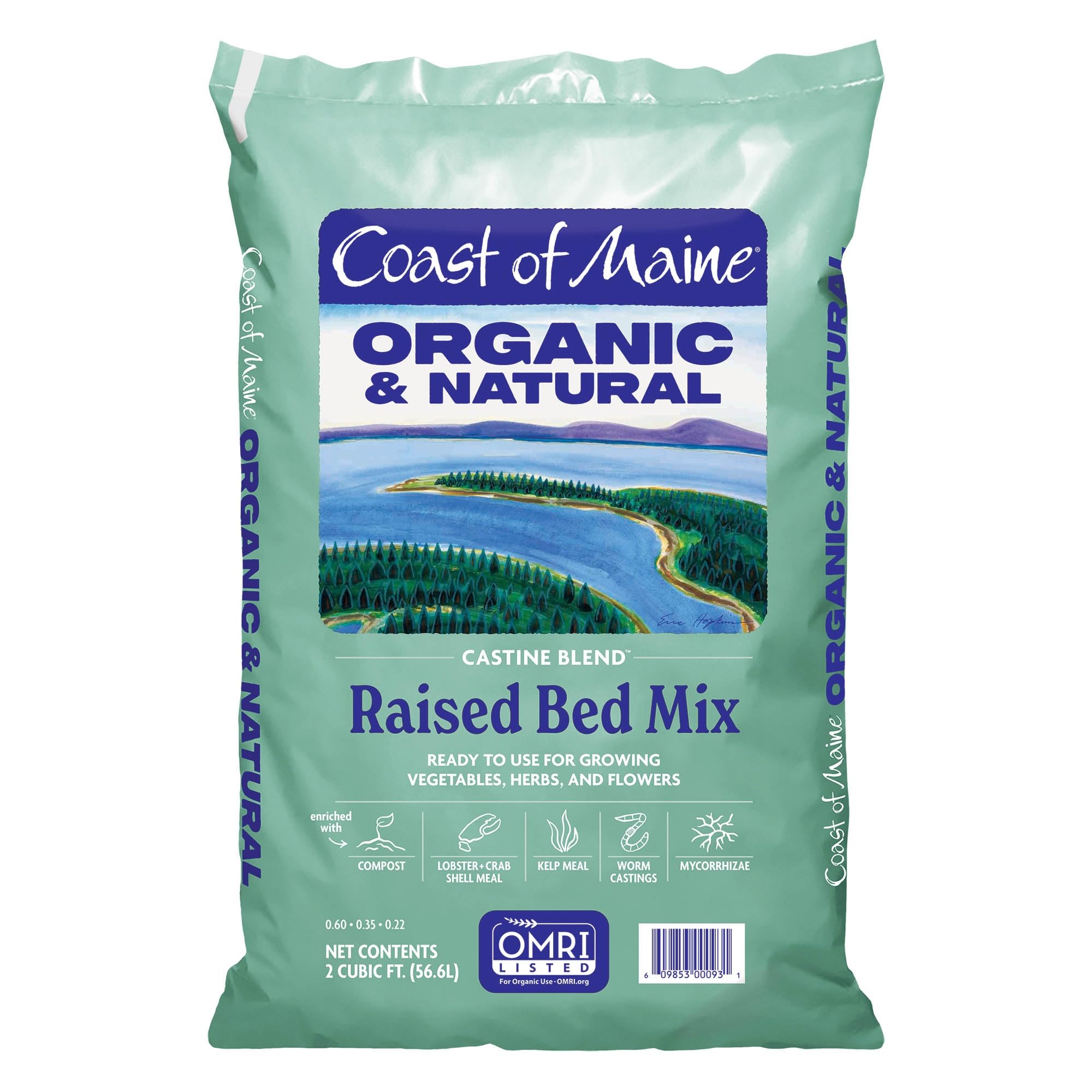
A living, biodiverse soil that feeds lettuce from shell meal to biochar.
Where most bagged soils are sterile blends of peat and perlite, this Coast of Maine mix reads like a marine biologist’s recipe. It includes worm castings, mycorrhizae (root-friendly fungi), biochar (a charcoal-like carbon that holds moisture and nutrients), green sand, kelp meal, and lobster and crab shell meal. That shell meal provides a steady trickle of calcium and chitin — natural compounds that strengthen cell walls, which matters for crisp lettuce leaves.
At 2 cubic feet, compared to the Espoma Organic Vegetable & Flower Garden Soil at 1 cubic foot, that difference means you fill a standard 4×4 raised bed with one bag instead of two. The bag weighs 40.3 pounds, so you know you are getting dense, nutrient-heavy material — not just fluffy peat.
Owners mention it is ready to use straight from the bag with no additional mixing needed. If you grow lettuce in raised beds, this is the one that delivers a biodiverse living soil environment right under your seedlings. The enhanced drainage and aeration from the biochar also mean your lettuce roots rarely sit in a puddle after a heavy rain.
Why this one wins
- Lobster and crab shell meal provide natural calcium for strong cell walls
- Biochar improves aeration and water retention simultaneously
- Ready to use in raised beds with zero mixing required
One consideration
- The premium marine ingredients come at a higher cost per bag
- Lobster shell smell might be noticeable in the bag for the first few days
Best pick for raised-bed growers: if you want a single bag that does all the work — drainage, feeding, and microbial life — and you do not want to mix or amend anything, this is the bag to fill your bed with. The marine ingredients give lettuce a specific calcium boost you will not find in peat-only mixes.
skip it if: you are on a tight budget or only need a small top-up amount for a few patio pots — the 2-cubic-foot commitment is large for shallow containers.
3. Espoma Organic Potting Soil Mix

The workhorse bag for containers that feeds lettuce from the first root.
This is the bigger sibling of the in-ground Espoma mix above — a full 2 cubic feet designed specifically for containers and raised beds. The formula swaps the heavy native-soil approach for a lighter blend of sphagnum peat moss, humus, and perlite enriched with earthworm castings, alfalfa meal, kelp meal, and feather meal. That combination gives lettuce a steady release of nitrogen (from the alfalfa and feather meal) without the risk of burning tender roots.
It also includes the same Myco-Tone proprietary blend of endo and ecto mycorrhizae found in the garden version. For container-grown lettuce, those fungi are even more valuable because the roots are confined to a small space and cannot spread outward to hunt for moisture. The fungi effectively extend the root zone without needing a bigger pot.
Customers note this mix works well for both indoor and outdoor container lettuce, with the peat moss holding enough moisture to reduce watering frequency during hot spells. Unlike the Coast of Maine bag, this one weighs significantly less per cubic foot because of the high peat content — easier to carry but less nutrient-dense than the marine-based blends.
What it does well
- Lightweight peat-perlite blend drains well for container use
- Myco-Tone mycorrhizae help confined roots access more moisture
- No synthetic plant foods — certified organic ingredients
A trade-off to know
- Peat-heavy mix may settle in pots over time and need fluffing
- Less nutrient-dense than living soil blends like Coast of Maine
Reach for this bag if: you grow lettuce in containers, window boxes, or patio pots and need a balanced, lightweight mix that feeds from the bag without requiring you to add worm castings or fertilizer separately. The 2 cubic feet gives you enough to fill several large pots.
Look elsewhere if: you want a living soil with marine-based nutrition and biochar for a raised bed — this is a classic potting mix, not a biodiverse soil builder.
4. Gaia Green Organic Living Soil

A truly living bag that feeds lettuce without fertilizers for weeks.
Gaia Green calls this a “living soil” for a reason — it is pre-charged with slow-release nutrients from kelp meal, alfalfa, bone meal, glacial rock dust, and oyster shell, plus biologically active inputs like worm castings, insect frass (the nutrient-rich waste from insects), and composted organic matter. The result is a mix that feeds your lettuce from the moment you water it, with no liquid fertilizer needed for the first several weeks.
At 1.5 cubic feet, compared to the Michigan Peat Baccto Top Soil at 1122 Cubic Inches. That extra room for root expansion matters for lettuce even in a 1.5 cubic foot bag. The mix weighs 35 pounds, compared to FoxFarm’s 42 pounds — noticeably easier to hoist into a raised bed. Compare that 35 pounds against the 42 pounds of FoxFarm’s 2-cubic-foot bag, and you see that Gaia Green achieves a lighter, more airy structure with coco coir and perlite.
Buyers appreciate that this soil is CDFA-registered (California Department of Food and Agriculture, a standard for organic inputs) and free from synthetic chemicals. The peat, perlite, and coco coir blend drains fast enough to prevent root rot in lettuce but holds enough moisture so you are not watering twice a day in summer.
Why it is different
- Pre-charged with slow-release nutrients — no mixing or liquid feed needed
- Insect frass and worm castings add biological activity peat-only mixes lack
- Lighter weight (35 lbs) thanks to coco coir and perlite blend
One catch
- 1.5 cubic foot bag is smaller than the 2-cubic-foot competitors
- Intended as a complete potting mix, not for amending heavy native clay soil
Great for new organic growers: if you want a no-fuss, fill-and-plant bag that handles the feeding schedule for you, this is the one. The pre-charged nutrients spare you the guesswork of mixing fertilizers for a fast-growing lettuce crop.
pass on it if: you need a large volume soil for multiple raised beds and do not want to buy multiple bags — the 1.5 cubic foot size means you need two bags for a big bed.
5. FoxFarm Happy Frog Potting Soil
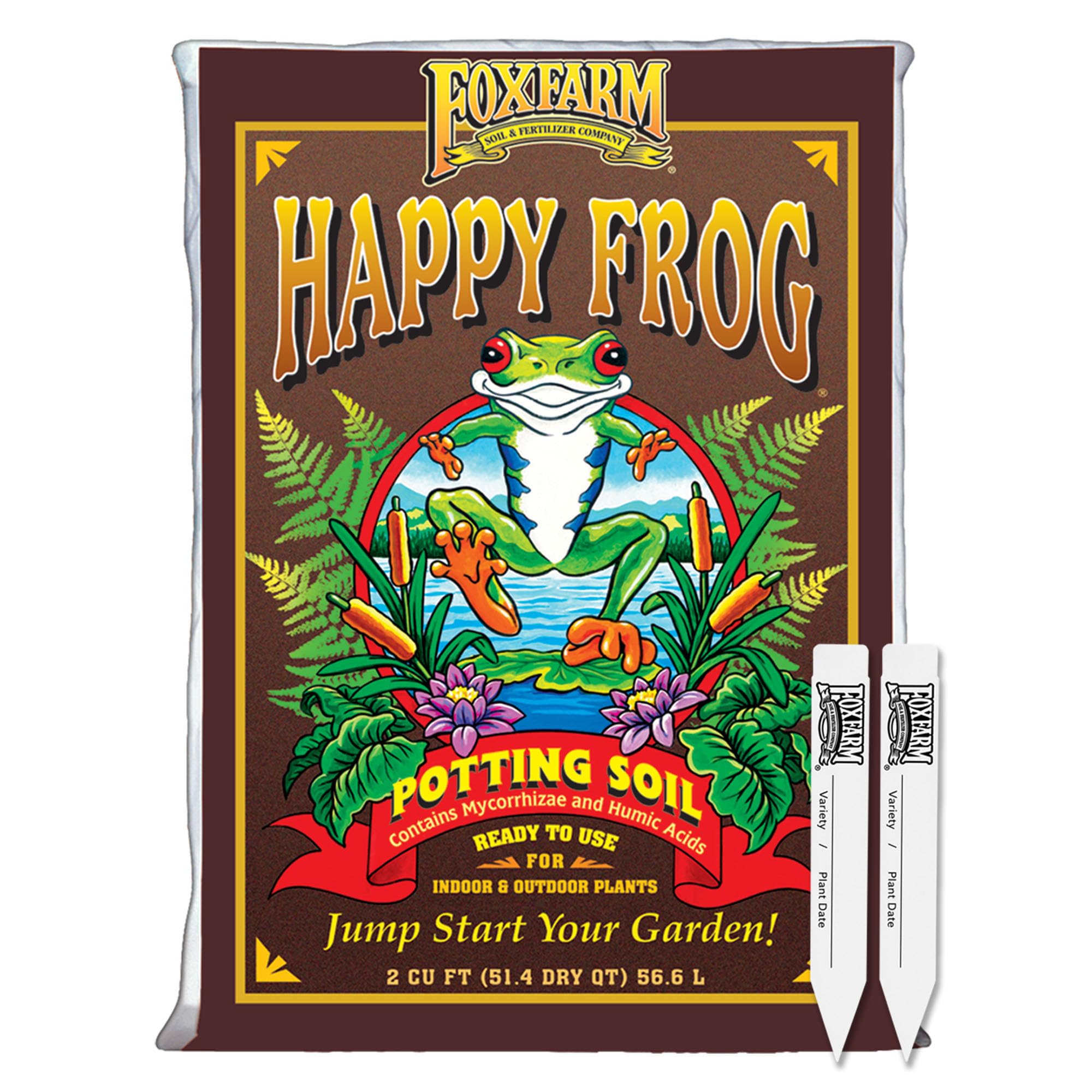
The microbial heavy lifter that jump-starts root development in every pot.
FoxFarm’s Happy Frog is amended with beneficial soil microbes and mycorrhizal fungi that convert nutrients into a form plants can actually use — and that makes a real difference for shallow-rooted lettuce. The fungi and humic acids (organic compounds that help roots absorb minerals) work together to dramatically expand root development, which is exactly what you want when lettuce has only 8 to 12 inches of soil to work with.
This bag comes with two plant tags for labeling your varieties and planting dates, a small but thoughtful extra for anyone tracking multiple lettuce types. The blend is made from 50-60% aged forest products, sphagnum peat moss, perlite, and a fertilizer derived from earthworm castings, bat guano, oyster shell, and dolomite lime. The 42-pound bag is noticeably heavier than Gaia Green’s 35-pound offering — a sign that this mix is denser with less fluffy volume.
In practical terms, a 2-cubic-foot bag covers a standard raised bed and the added microbes give lettuce a strong start even in less-than-perfect conditions.
Its edge over others
- Live beneficial microbes and mycorrhizal fungi for dramatic root expansion
- Humic acids improve mineral uptake from the soil
- Includes two plant tags for labeling lettuce varieties
Something to note
- Denser than peat-heavy mixes — 42 lbs may surprise you when lifting
- Bat guano fertilizer may be too strong for very delicate lettuce seedlings
Ideal for container lettuce growers: if you want a biologically active soil that reduces your need for liquid fertilizers and encourages root spread in confined pots, Happy Frog is a proven choice with a strong reputation among vegetable gardeners.
Look elsewhere if: you have a heavy hand with watering — this dense mix can stay wet longer than a perlite-heavy blend, so you need to let the top inch dry between waterings.
6. Michigan Peat Baccto Top Soil
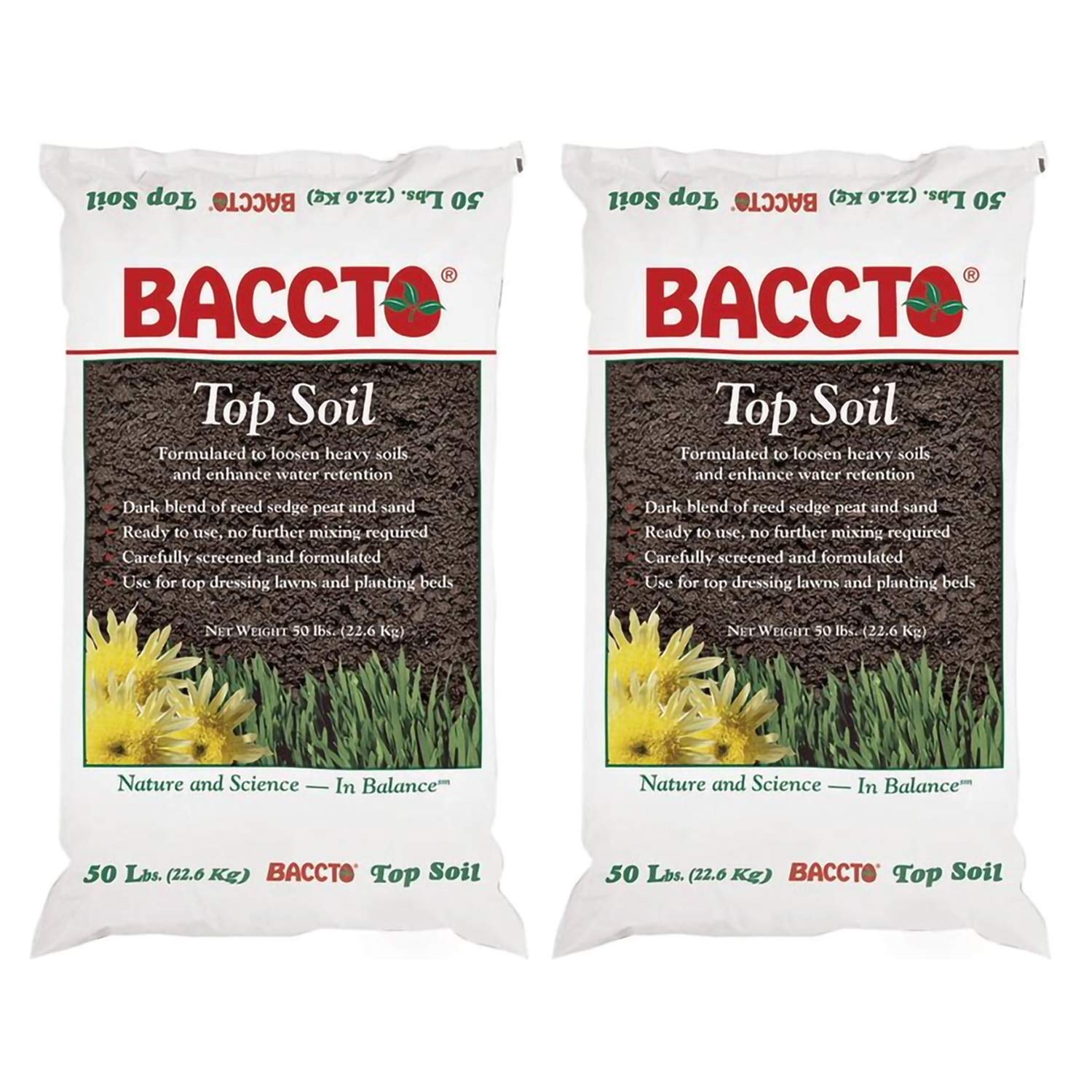
A sturdy foundation soil for large beds where volume matters more than specialty nutrients.
This is not a fancy potting mix — it is a screened top soil blended with reed sedge peat and sand, designed to loosen heavy native soil and improve its moisture balance. At 50 pounds for 2 bags, this is the cheapest way to add bulk to a large raised bed or to top-dress a lettuce patch without spending on expensive organic blends. The 2 Count packaging gives you two separate bags to spread across different garden areas.
The volume is 1122 Cubic Inches total, which is 54% less volume than Gaia Green’s 1728 Cubic Inches — so while the bag is heavy, it is physically smaller than the premium living soils. That makes sense because this is a dense mineral-based top soil, not a fluffy peat-coco mix. For lettuce grown directly in the ground, you typically mix this 50-50 with compost to create a balanced bed.
Reviewers point out the reed sedge peat and sand help heavy clay soil drain better while the peat retains some moisture — a good balance for lettuce roots. The bag is ready to use and comes as an all-purpose top soil for lawns, gardens, and raised beds. It does not contain mycorrhizae or pre-charged nutrients, so you will need to add your own compost or fertilizer for lettuce to thrive.
Where it shines
- Lowest cost per pound for large area coverage
- Reed sedge peat and sand improve texture in clay-heavy native soil
- Two separate bags in one purchase for easier carrying
Where it falls short
- No mycorrhizae or pre-added nutrients — you must amend it yourself
- Dense and heavy — less airy than potting mixes designed for containers
Good for budget-minded soil builders: if you are filling a large in-ground bed and plan to add your own compost, worm castings, or balanced fertilizer, this screened top soil gives you a solid mineral base at the lowest cost of any bag here.
it’s not for you if: you want a complete, all-in-one lettuce soil that feeds straight from the bag — this is a foundation, not a finished product.
7. Old Potters Organic Compost
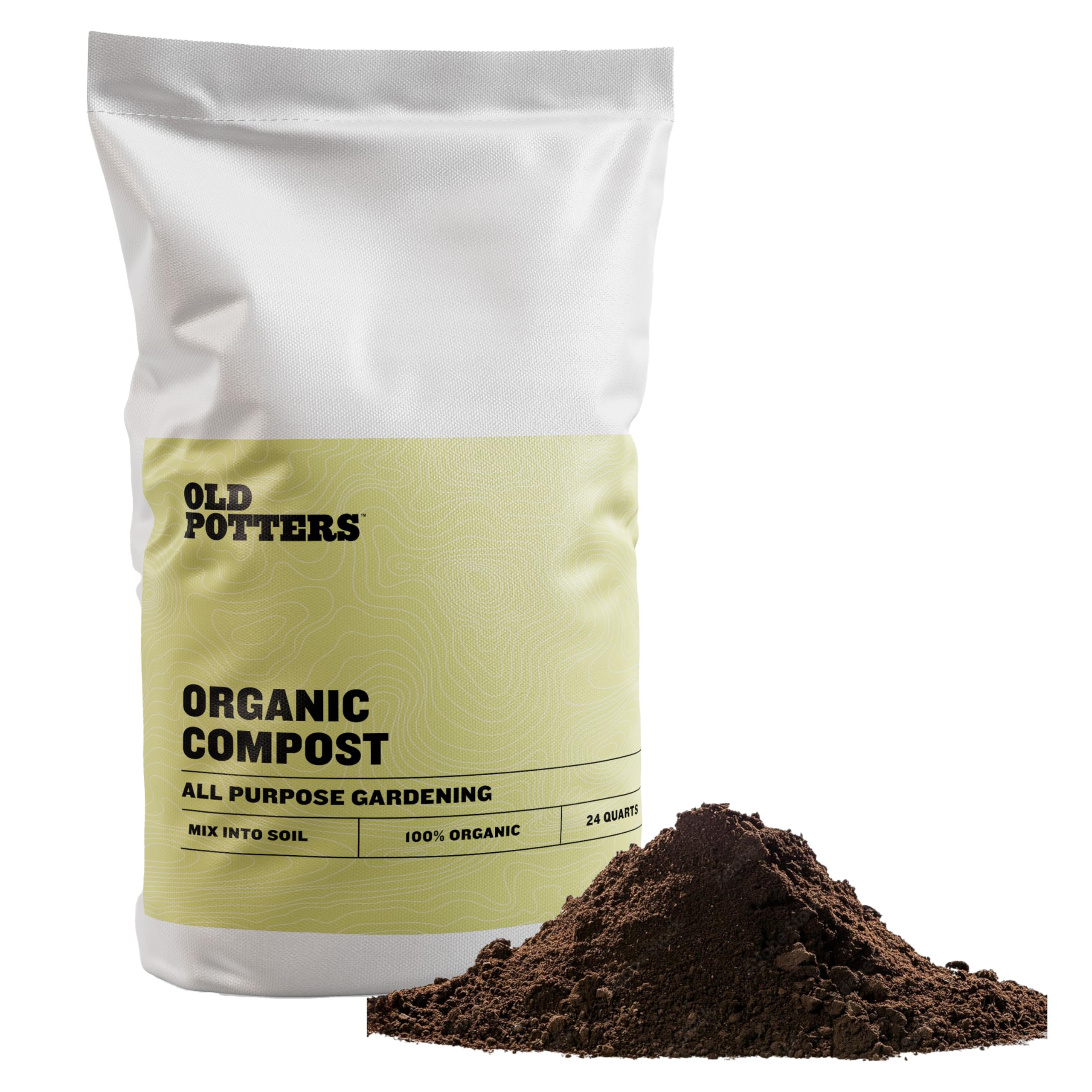
A pure compost that fixes poor dirt without the risk of chemical burn.
This is not a potting mix — it is a 100% organic, plant-based compost made from recycled organic waste. That distinction matters. This bag is designed to be mixed into your existing soil to improve aeration, water retention, and nutrient availability, rather than used as a standalone growing medium. For lettuce growers with heavy clay or sandy native dirt, this compost transforms the soil’s texture organically.
The bag holds 768.0 Fluid Ounces (24 quarts) and weighs 25 pounds. Shoppers say it works brilliantly as a soil amendment: “Excellent for heavy clay soil; mixed with worm castings and mycorrhizal fungi, it helped 10 Walmart bare-root roses thrive in harsh zone 7a weather (heat, floods, drought, frost).” One reviewer noted it can be a bit clumpy with some clayish chunks they manually crumbled, so you might need to break up the biggest clods before mixing. Another simply said “good solid product” and “everything grows well in it.”
For lettuce, mix this compost into the top 6 inches of your native soil at a ratio of about 25% compost to 75% dirt. The plant-based organic material feeds the soil microbes, which in turn make nutrients available to lettuce roots without the risk of synthetic fertilizer burn. It is also made from sustainable, eco-friendly materials, which aligns with organic gardening practices.
Why it works
- Pure organic plant-based materials — no synthetic chemicals at all
- Improves aeration and water retention in heavy clay or sandy soil
- Safe for tender lettuce roots with no risk of chemical burn
What to watch for
- Bag may contain clayish clumps that need manual crumbling before mixing
- Not a complete planting mix — must be blended with existing soil or potting mix
Use this if: you have poor native soil — hard clay, sandy dirt, or compacted ground — and you want an organic compost to transform it into living soil that lettuce can root into easily. One reviewer’s experience with “heavy clay soil” and weather extremes shows it handles tough garden situations.
Look elsewhere if: you want a complete, ready-to-plant medium for containers or raised beds — this is strictly a soil amendment, not a standalone growing mix.
Understanding the Specs
Mycorrhizae (the root expander)
These are beneficial fungi that attach to plant roots and act like a secondary root system, pulling water and nutrients from soil the roots cannot reach alone. In lettuce, which has shallow roots that top out at about 12 inches, mycorrhizae mean your plants can access moisture deeper in the pot or bed. Bags that list “endo and ecto mycorrhizae” (two broad types of these fungi) offer the most complete coverage for different root structures.
Cubic feet vs pounds — what you actually get
Soil bags are sold by volume (cubic feet or cubic inches) or by weight (pounds or ounces). A 2-cubic-foot bag of peat-heavy mix can weigh 30 pounds while a 2-cubic-foot bag of a denser mineral soil can weigh 42 pounds. For lettuce, the volume matters more because shallow roots need that physical space to spread — a lighter, fluffier bag often means better aeration and easier root penetration than a heavy, compacted one.
FAQ
Can I use regular garden soil from my yard for lettuce?
What is the difference between potting mix and raised bed soil?
How much soil does a lettuce plant need?
Should I add fertilizer to bagged soil for lettuce?
How often should I water lettuce in a pot?
What does “pre-charged” mean on a bag of soil?
Can I reuse potting soil from last year for new lettuce?
Is top soil the same as potting mix?
What does biochar do for lettuce soil?
How do I tell if my lettuce soil is too wet?
Final Thoughts: The Verdict
If you want one dependable pick, the soil for lettuce winner is the Espoma Organic Vegetable & Flower Garden Soil because its Myco-Tone mycorrhizae blend expands the reach of shallow lettuce roots and its in-ground amendment approach works for both raised beds and native soil. If you want a pre-charged living soil that needs no mixing or fertilizer, grab the Gaia Green Organic Living Soil. And for transforming heavy clay dirt into a loose, airy bed, the Old Potters Organic Compost is the soil-fixer that delivers organic matter without chemical burn.
How We Picked
We do not accept paid placement. Every pick is matched to a real buyer and a real use-case; we do not hands-on test units.
Sources & Methodology
Specifications: manufacturer listings and product documentation. Review insights: verified customer reviews, as of July 2026. Pricing: not shown on this page (it changes often); check the current price via the retailer link.
As an Amazon Associate, Lawn Gear Lab earns from qualifying purchases. This does not affect which products we feature.